|
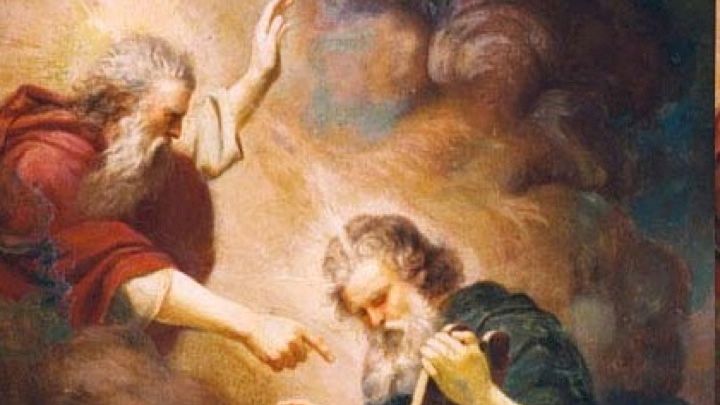
God Sends Moses
"Then the LORD said to Moses, ‘You will see what I will do to Pharaoh; because of a strong hand he will let them go, and because of a strong hand he will drive them out of his land.’"
(Exodus 6:1)
Moses, following God’s command, demanded that Pharaoh release the Israelites, but Pharaoh refused. Moses appealed to the LORD and complained about his failure to accomplish the mission. God did not explain the matter in detail but said, “You will see,” directing Moses’ focus to what God would accomplish. The ultimate purpose of the Exodus, as God was to carry it out, was to establish Himself as the God of Israel and Israel as His people, forming a special and permanent covenant relationship between them.
Recalling the Covenant (1–5)
Before demonstrating His power to Pharaoh (Exodus 7–12), God gives Moses another response to his appeal in 5:22–23. God reveals Himself to Moses by name, clarifying its meaning: He will keep the promises made to the ancestors of Israel, deliver His people from suffering, and lead them to the promised land.
Promise of Covenant Fulfillment (6–8)
God’s fundamental promise to save Israel is that He takes responsibility for this people, intending to receive them as one might receive a member into a household. In this passage, God repeats what He had told Moses in chapter 3. While revealing Himself with a new name, He recalls the name El Shaddai (God Almighty), given to Abraham, reminding him of the covenant and the promise made. This connects to the priestly tradition, where the promise of land is mentioned first and last in the covenant (verses 4, 8), and became particularly relevant during Israel’s Babylonian exile. The new name signifies a new stage in God’s saving work with His people. Yahweh (Jehovah, LORD) is the God who fulfills the promises made to the ancestors with power.
Israel’s Indifference (9)
When Moses conveyed God’s promise to the Israelites, they showed no interest because of the harsh conditions they endured. Their lack of response was not due to disbelief but exhaustion—the Hebrew phrase literally means “shortness of breath.”
Mention of the Ancestors
In Exodus 6:13–27, the ancestors of Israel are listed up to Moses and Aaron. The genealogies of the tribes and households (“their ancestors’ house”) link God to Moses, Pharaoh, and the people of Israel (verse 12 leads to 7:1). By the time of the third tribal founder (Levi), the genealogy shifts focus entirely to the descendants of Levi, highlighting Moses and Aaron (and their brothers). This inserted genealogy culminates in Moses and Aaron. (A complete tribal genealogy appears in Numbers 26.)
Reflection
Verses 6:28–30 briefly repeat the content of 6:1–12 and then move on. Why does the text emphasize that Moses and Aaron were the central figures of the Exodus and even include their genealogy in an inserted article format? It is to show that Moses, as the highest representative responsible for Israel and the political-military leader during the Exodus, and Aaron, appointed by God as high priest and mediator, were not fictional figures but real, historical people who lived on this earth. It also demonstrates that they were part of the Israelite people, sharing the same national identity.
This fact implies that even such great figures as Moses and Aaron did not achieve their monumental work because of special lineage or exceptional personal qualifications. They were ordinary Israelites who accomplished great things solely through God’s empowered grace. Furthermore, by appointing one person from Israel’s lineage as His servant to carry out the Exodus, God reinforced the legitimacy and continuity of His covenant people. This also parallels the fact that Jesus, from the time of Adam, was promised, specially chosen, and came from the covenant lineage of Israel.
|