December 2024

From the Station Director

It's been a wonderful year for the innovative scientists, forward-looking students and skilled operations staff at the NH Agricultural Experiment Station! The response that we continue to hear from the many Granite State communities we support is one of enthusiasm for the locally-inspired research, and we are excited to continue moving forward our state's and region's agricultural-, food-, and eco-systems through science-based discoveries.


In addition to the latest news from the NHAES below, I wanted to highlight a just a few other items that made 2024 special.


Thank you for your continued support of the Station's mission to support New Hampshire’s lives, livelihoods and landscapes! From all of us at the NH Agricultural Experiment Station, we wish you and yours a wonderful holiday season and hope your 2025 is filled with innovations and discoveries!


Anton Bekkerman

Director, NH Agricultural Experiment Station

Latest NHAES Research and News

Innovations in New Hampshire Aquaculture


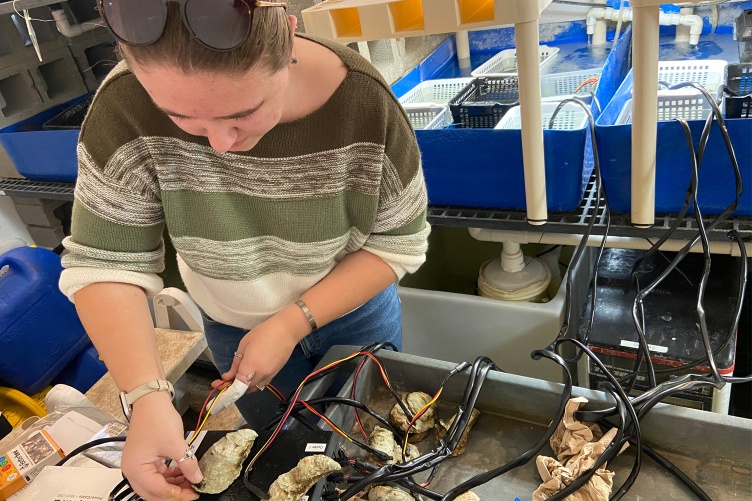
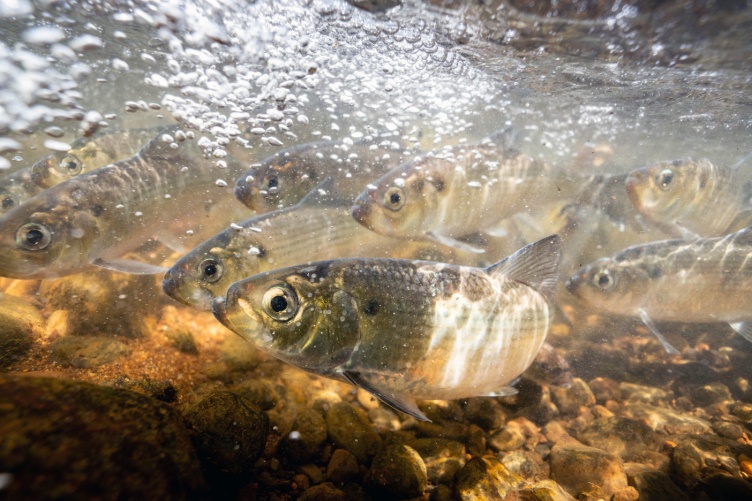
Station scientists and COLSA researchers are advancing sustainable aquaculture practices to bolster New Hampshire’s seafood industry. Projects include using biosensors to monitor oyster health, studying genetic diversity to enhance resilience, and leveraging lumpfish as natural sea lice predators in fish farms. Researchers also assess environmental impacts of offshore aquaculture using cutting-edge eDNA analysis. Together, these efforts aim to improve productivity, preserve marine ecosystems, and support local economies. Learn more about these innovative aquaculture studies and their regional impacts.

Rising Above Traditional Crop Disease Scouting


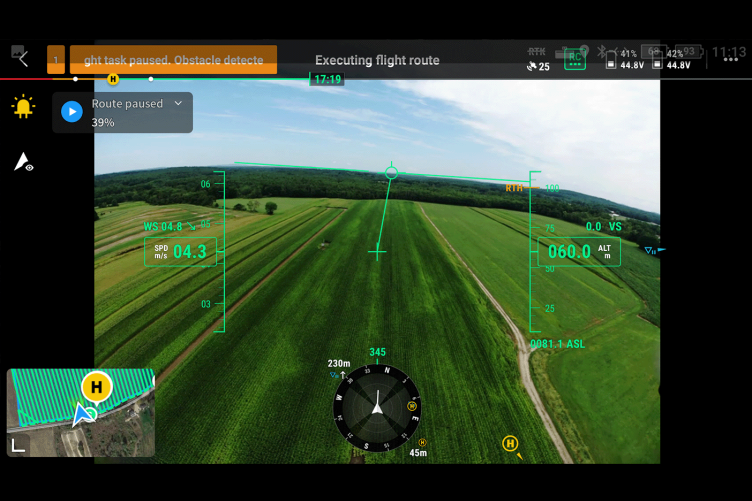
A collaborative team of NHAES scientists, UNH farm operations staff, Extension specialists, and industry professionals is exploring drone technology for disease detection in New Hampshire corn crops. In the first phase of the study, they demonstrated that affordable drones with multispectral cameras could differentiate corn varieties with 98% accuracy. This innovation offers potential for earlier disease detection, reduced yield losses, and improved management decisions, supporting sustainable agriculture across New England. Discover how drones could transform disease detection for regional farms.

Could Microplastics Be a Problem for New Hampshire's Estuaries?


Station scientist Bonnie Brown and COLSA associate professor Gregg Moore are leading a team investigating microplastics in New Hampshire’s estuaries. These vital ecosystems, which support marine life and filter ocean waters, are known to trap microplastics, potentially impacting their ecological health. The team’s work aims to establish baseline data to better understand this growing environmental concern. Watch a short video about this important research.

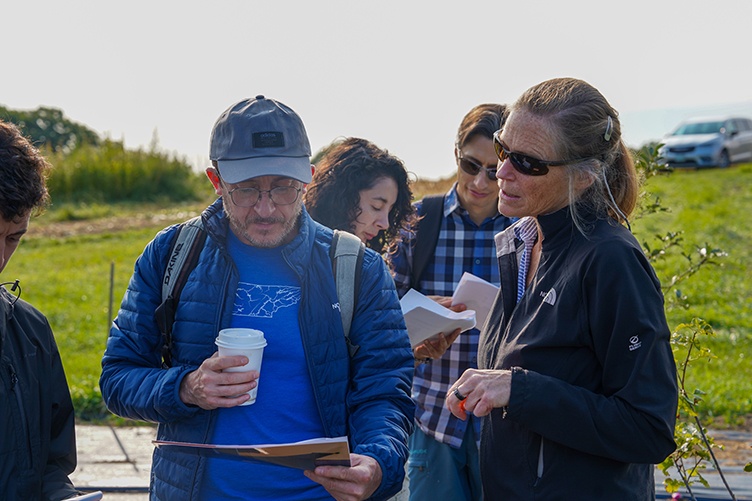
Two researchers in a salt marsh checking soil for microplastics

Sustainability: From the Ground Up


The Soil BioME team at UNH, led by NHAES scientists Jessica Ernakovich, Serita Frey, and Stuart Grandy, is advancing soil-based solutions to environmental challenges. By leveraging public-private partnerships, they’re addressing issues like nitrogen efficiency, greenhouse gas emissions, and sustainable agriculture. Collaborations with organizations like Ag Spectrum and Novo Nordisk translate scientific discoveries into practical applications, improving crop productivity and environmental health. Learn more about Soil BioME's transformative research.

Elsewhere in COLSA Research

How Migratory Marine Life Connects Ecosystems from New England to Florida


COLSA associate professor Nathan Furey, along with and University of South Carolina postdoctoral researcher Mariah Livernois, recently published their findings from a study that used acoustic telemetry to reveal the migratory patterns of aquatic species from New England to Florida. The team tracked 288 tagged animals across eight marine species, highlighting the connectedness of coastal ecosystems and the importance of habitats like Chesapeake Bay. These findings inform sustainable fisheries management and conservation efforts as climate change reshapes marine environments. Learn how telemetry networks are advancing marine conservation.

Ecuadorian Researchers and Students Visit UNH as Part of Ongoing Partnership


COLSA recently hosted faculty and students from Ecuadorian universities, strengthening a partnership focused on watershed sustainability and socioeconomic challenges. This collaboration, initiated by NHAES scientist Heidi Asbjornsen, fosters knowledge exchange through shared research experiences. Visitors explored UNH’s interdisciplinary approach to environmental studies, gaining insights to apply in Ecuador. The partnership promotes cultural exchange, enriching students and researchers from both countries. Learn more about this impactful international collaboration.

NHAES & COLSA Research In the News


More Station News & Notes

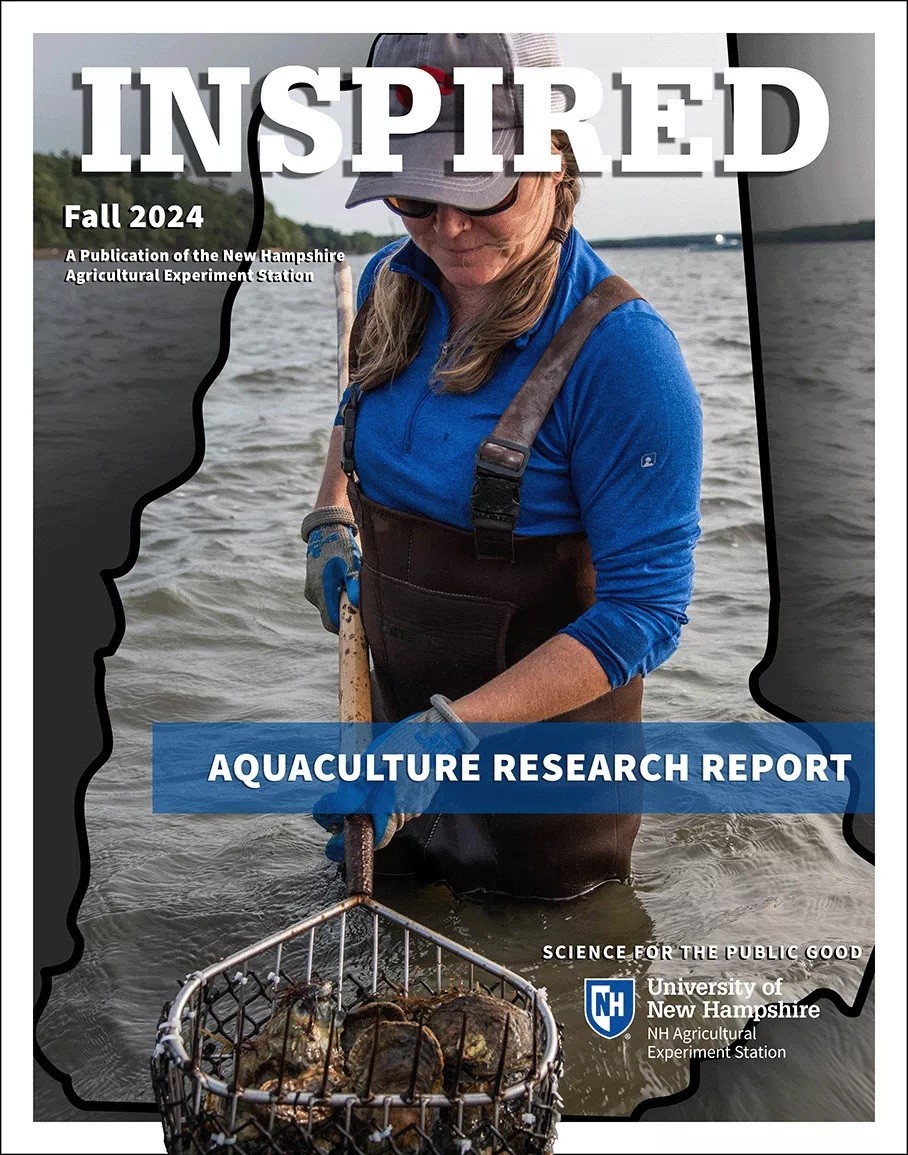
INSPIRED Aquaculture is Here!


The NHAES recently published its latest issue of the INSPIRED research report, focused on Aquaculture. This issue highlights critical research in support of New Hampshire’s growing aquaculture industry and presents findings that explore the challenges and opportunities facing sustainable aquaculture, from managing climate impacts to controlling sea lice infestations.


Learn more about these efforts and other innovative aquaculture research in the full report.

Support the NHAES and Subscribe to Our News Channels


Please consider supporting future agricultural, food and natural resources research and innovation at the NH Agricultural Experiment Station with a charitable gift.


Want more news and information from the NHAES? Sign up for our NHAES News – and get notified each time we publish new articles highlighting our research (approximately twice a month). Know someone who might be interested in signing up to receive Station Science? Send them our newsletter sign-up webpage.

Visit our Website
Read and Be INSPIRED!
Meet our Researchers
Follow NHAES on social media:
Facebook  Twitter  Instagram  
Share this newsletter:
LinkedIn Share This Email