Juan Pablo and His Staff Have Built Quality into Collegio Rochester
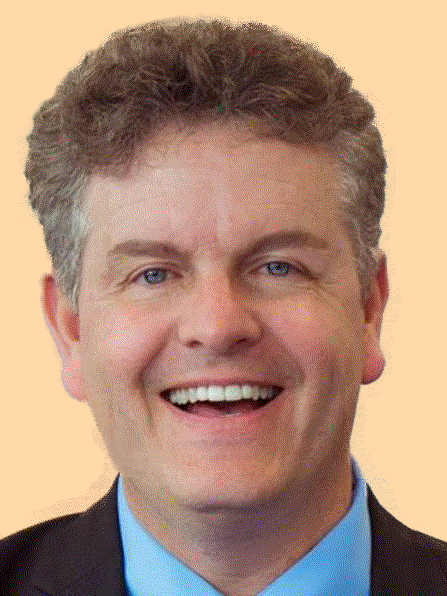
Juan Pablo Aljure studied electrical engineering at Texan A&M, and returned home to Bogota, Colombia after graduation. His mother had started a school, but she advised Juan Pablo not to work there because he had not studied education and was not a teacher. Unfortunately, she passed away soon after, and out of necessity, Juan Pablo went to work in the school. Three years later, he understood why his mother was right: teaching was really a profession, as well as a skill. So, he went back to Texas A&M for an summer intensive Masters in Educational Administration.
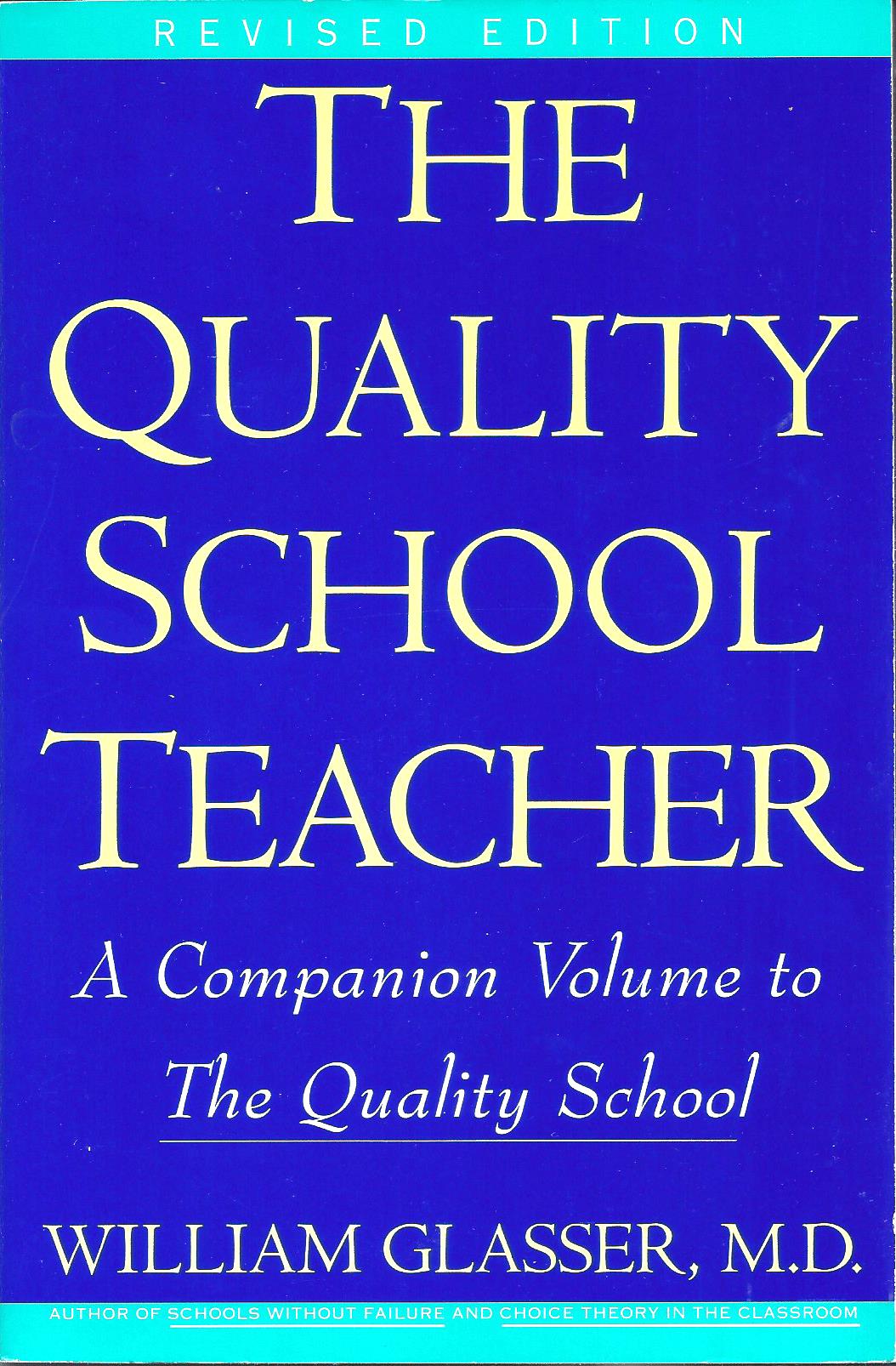
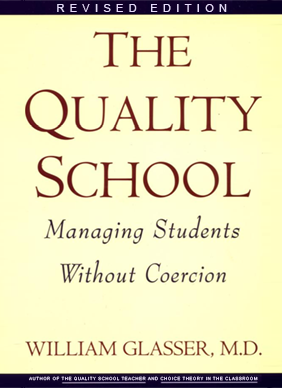
In the summer of 1994, for the last course, “Total Quality Management in Educational Systems”, Dr. Cobb suggested Juan Pablo should review The Quality School Teacher. He did not like the book, and wrote a very critical essay, which received an “A” grade. As a parting gift, Dr. Cobb gave Juan Pablo a copy of The Quality School, Managing Students Without Coercion. Juan Pablo read the book on the airplane on the way home to Bogota, and somehow this book made sense. Immediately after returning to school, Juan Pablo gathered a group of teachers and formed a Quality Committee. The committee began gathering data relative to Glasser’s model and other ideas. They also began parent workshops on subjects such as peaceful and successful parenting.
As a part of his Quality Committee activities, Juan Pablo reached out to Linda Harshman at the Glasser Institute. Soon after, he flew to Los Angeles to interview Dr. Glasser. He returned home resolved to re-create the Rochester School as Glasser Quality School.
By 1997, 27 people from the school started a Basic Week conducted by Brian Lennon (who is fluent in Spanish) and Nancy Dees, both of whom had agreed to travel to Bogota. This first group went through the normal certification process, and 23 of the original 27 were certified CTRTC.
Juan Pablo himself continued in the faculty program. He became a Basic Instructor in 2001, and Senior Faculty in 2010. Juan Pablo shares that he has found Choice Theory beneficial to him personally as well as professionally. He is especially pleased about giving up smoking, and recognizes other improvements in his personal health habits.
|
|
Lead Management in Quality in Schools and Elsewhere
In Choice Theory, fun is the genetic reward for learning. Fun is a basic need. It is pleasurable, and often accompanied by laughter. However, there seems to be a difference between our spontaneous learning and the learning called education. Why, isn’t learning in school fun?
Dr. Glasser explains that most school organizations “adhere rigidly to the idea that what is taught in school is right, and students who won’t learn it should be punished.” (Choice Theory page 237) He distinguished between acquiring knowledge, which he called “schooling” and using knowledge, or meaningful learning. He attributed failure in school to students’ resistance to “schooling.” Dr. Glasser believed the way to teach is to create curriculum which imparts information in tandem with the opportunity to use it.
Dr. Glasser also emphasized that student learning is grounded in student-teacher relationships. Teaching is most effective when teachers are connecting with their students. Resisting the teacher insures students resist the course content. So, teachers punish students by giving them failing grades. Failed students take schoolwork out of their quality worlds, and drop out of school as soon as they can.
Schools Without Failure, Dr. Glasser’s first book on education, was published in 1969. It describes his initial work in schools, detailing all the problems he saw leading to school failure. As he developed his ideas, he began to see how a teacher-leader could approach students in ways that would be need satisfying for the students. He called it lead management . By 1992, he completed the The Quality School, and The Quality School Teacher. These short books explains his ideas about teachers as “lead managers.”
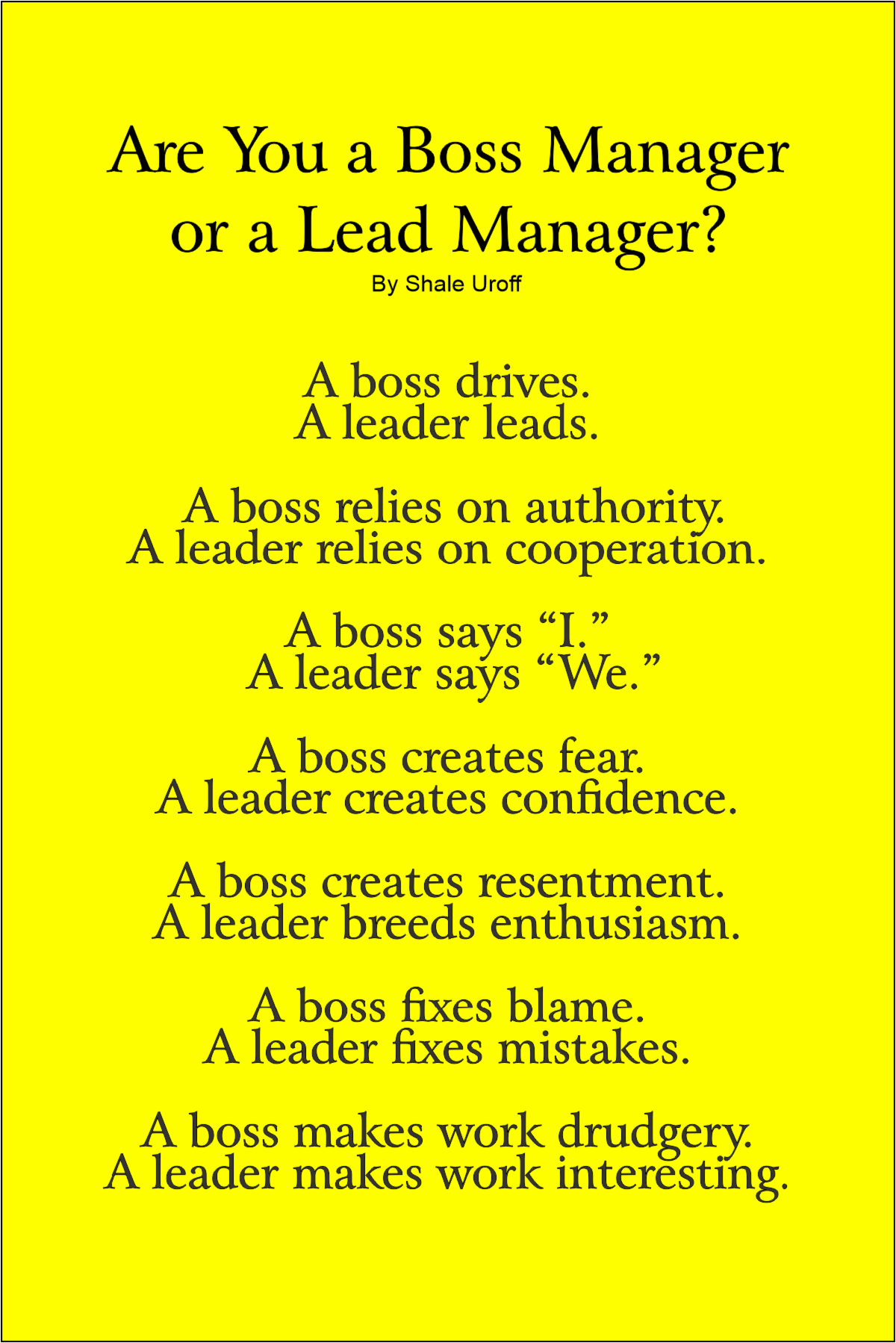
Ultimately, Dr. Glasser saw a school as the most complex of all management situations. In Choice Theory he said: “Lead management is to boss management as internal control is to external control. While it is effective anywhere it is used to manage people, it is much easier to practice in the workplace than in schools because there are few on-the-job equivalents of schooling.” (Choice Theory page 289)
Not everyone has the opportunity work in a Quality School, but we can take a choice theory-based understanding of lead management with us wherever we work and learn. Knowing what is effective, we could do our part to encourage positive outcomes wherever we are.
|
|
|
|
October 21-23, 2021
With workshops and presentations in Arabic
Early registration until 30th September 2021: 45 BD
|
|
(Continued from above) After becoming a Glasser Quality School, the challenge was finding ways to continue improving the delivery of quality education to youth of all ages. Relying on his previous success, Juan Pablo began further development of the Rochester Quality Program. The Quality Committee encouraged ongoing involvement of everyone in the school community. They identified outside resources to expand the curriculum for languages in support of a full curriculum for grades 8-12. The entire school was moved and re-built on a new, ecologically sustainable campus. The campus now has areas developmentally appropriate for children of all ages. But, the largest investment was made in staff development.
Juan Pablo has discovered that there were few teachers educated in Colombia who are acquainted with the fundamentals of Choice Theory. So, during interviews, he screens for people who are willing to learn. As a condition of hiring, they are asked to agree to conduct instruction in English. They also agree to take the Basic Intensive, Basic Practicum, and Advanced Intensive weeks within the first three years of employment. If the are able to complete these requirements, and satisfy additional teaching competencies specified in the Quality Program, they continue their employment. Those who are unsuccessful are asked to leave.
In addition, there is ongoing professional development. New teachers can complete CTRT certification at 10% of the cost of the three additional training sessions. All faculty members are asked to re-certify their competencies every two years, and the competencies are adjusted according to their roles and responsibilities within the school. This method has demonstrated the value of a competency-based system, and fostered an intensely loyal teaching staff who do not want to teach anywhere else.
The Rochester Method for student learning has been extensively considered and carefully defined. The students’ learning is useful learning, competency based and relationship driven. The students do not receive “grades” for homework, quizzes, or examinations. Instead, the students’ progress is tracked in terms of their relationships in a complex matrix:
1) Each family had a teacher/coordinator serving as their in-school contact and problem solving assistant. To qualify for admission to the school, families must demonstrate interest in their children’s education, and be able to participate in the school’s relationship model.
2) Parents all agree to participate in the family workshops “en familia”, including the ideas of peaceful, successful, inspiring, and joyful parenting.
3) Families support the school financially through affordable tuition. Juan Pablo says that the school awards roughly 1.7B Colombian pesos ($500K American) in scholarships each year.
The integral health of students is carefully tracked in both physical development, and three categories of relationships: 1) with parents or caregivers at home, 2) with peers, classmates, and others, and 3) with teachers and school staff. Criteria for these assessments are based on the needs profile assessment for each student, and have been carefully worked out via the Quality Committee.
By the time the students reach high school, a range of subjects is offered, as in any high school. Natural sciences, social sciences, music, dance and drama, and foreign languages-- Portuguese, and French—are offered. Each student takes the Test of English as a Foreign Language, and the score, on average, is 82%. 70 to 80% of Rochester students remain in Colombia after graduation, and 20+ % study abroad in either the US or Europe.
The Rochester School has continued its commitment to quality through membership in the European Foundation for Quality Management. Juan Pablo explains that their RADAR model (result> approaches> deployment> assessment> refine) is quite compatible with a Choice Theory model. Thank you, Juan Pablo for sharing your extensive experiences with us. You have set an excellent example of quality in education.
|
|
 |
|
|
|
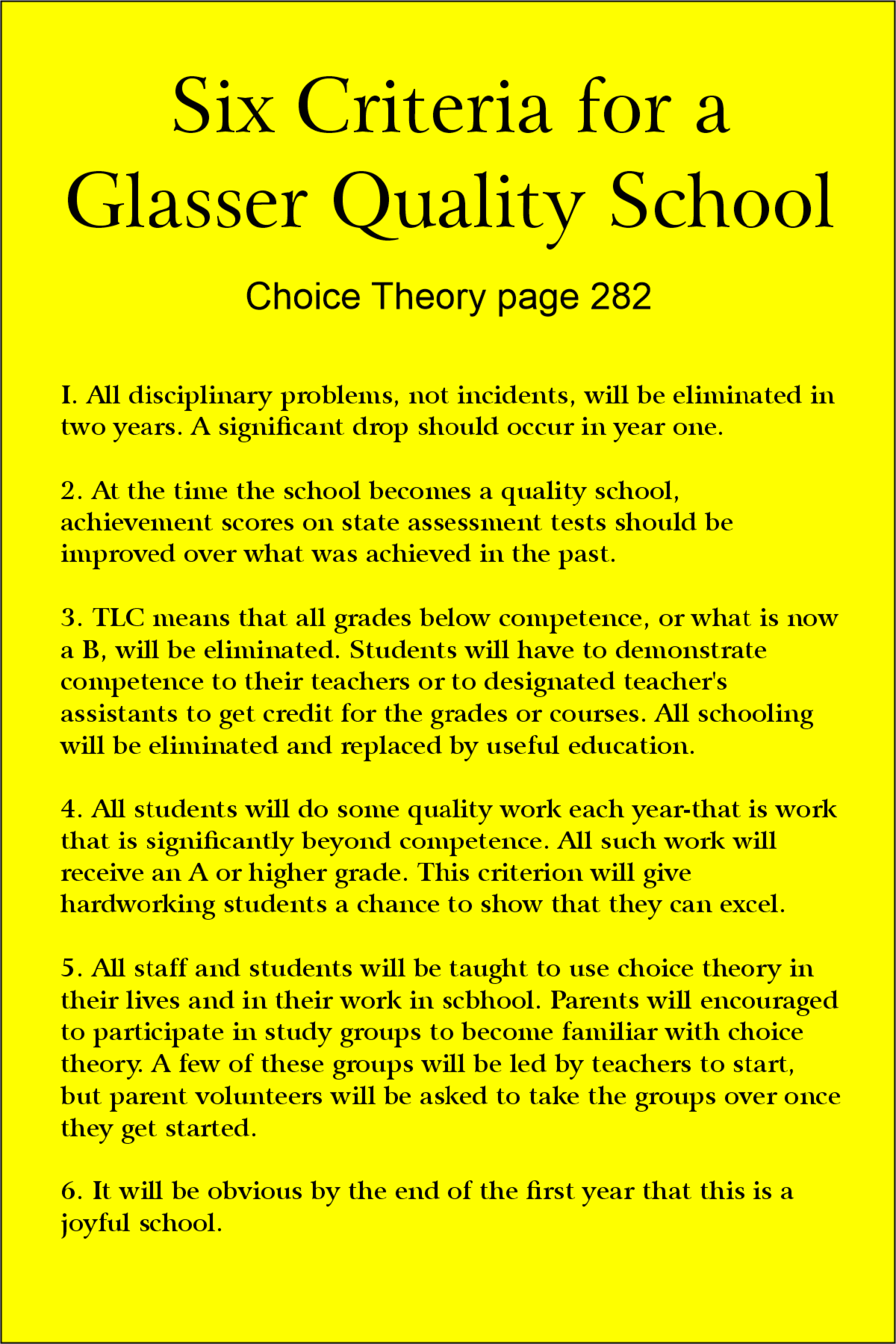
This month's newsletter is focused on education. In order to become a Glasser Quality School, a school faculty, staff and administration self-assess their progress in achieving the six criteria. If successful, they then declare themselves a Glasser Quality School. This declaration is only made after careful self-evaluation and a willingness to demonstrate publicly how the school operationalizes the six criteria.
|
|
|
|
|
|
Coming Soon!
GIFCT is planning a new online course for teachers based on the Glasser Class Meeting Kit a Choice Theory Curriculum for students.
|
|
William Glasser Books has the widest selection of original Glasser works available.
|
|
ENJOY FREE SHIPPING!
-Free shipping to one US address on orders $20 or more!
-Buy two books, get the third free!
-Complimentary legacy book on orders of two books or more while supplies last
-Free Glasser Habits magnet with order of three books shipped to the same address.
-A personal message in the Order Notes, will be included in the shipping invoice.
|
|
|
|
|
|
|