You Are Not Alone: Suicide Prevention Starts with Connection | | |
Each September, we honor Suicide Prevention Month as a way to raise awareness and provide resources to take action. In the midst of our busy everyday lives the reminder to be vigilant in supporting mental health is especially welcome. Caring for ourselves and others, strengthening connections, and cultivating wellness habits serve as protective factors against suicide and all challenges of life.
Common sense and research both show that connection is the foundation of mental wellness. This includes connection with others through friendships, family, and group participation; connection with ourselves through identity, personal values, habits, ethics, spirituality, and responsibility; and connection with life through appreciation for our existence, the natural world, belonging, and purpose. Even one positive relationship—with a person or pet—can make a profound difference and may even save a life. Reminding those we care about that they are loved, valued, and cherished can be a powerful defense against despair.
| | |
You never know what someone else is going through. Be kind, always.
| | Unfortunately, many people are struggling in profound and painful ways. Recent CDC statistics (2024) show roughly 14.3 million adults thought seriously about suicide. Knowing about risk and protective factors, where to turn for help, and how to support a person suffering with suicidal thoughts can make a significant difference in outcomes. Open, caring conversations can save lives. Talking directly, calmly and compassionately about suicide will not give a person the idea of it, nor increase the likelihood that someone will act on those thoughts. | | A Permanent Solution to a Temporary Problem | | |
Suicide is not caused by a single factor, what seems bearable to one person may be unbearable to another. There are some factors that are known to increase the risk of suicidal thoughts and behavior. This list is not meant to be exhaustive or predictive, but experiencing these factors may indicate a need for more support.
• Social isolation
• Previous suicide attempt
• History of depression, other mental illnesses, severe emotional distress
• Chronic illness, pain, disability
• Substance abuse
• Discrimination, stigma associated with help-seeking, lack of access to care
• Family or peer conflict, bullying, violence, abuse
• Feelings of hopelessness
• Financial, housing, employment problems
• Access to lethal means (weapons, poison, medicines, bridges) during a crisis
• Age—being an adolescent or being over 65
| | |
A crisis often blocks a person’s ability to remember that even when things seem very bleak, the crisis is not the whole story—things change, support and help are available, and they have skills, talents and qualities that can be used for their benefit. The protective factors listed below can reduce risk and help people face challenges, setbacks and everyday struggles.
• Social connection, supportive relationships with family, friends, classmates, coworkers, or leaders (teachers, clergy, coaches, mentors)
• Effective mental health and medical care
• Feeling connected to a social group (school, workplace, cultural, faith, sports), feeling connected to or responsible for family members, friends or pets
• A sense of belonging, purpose, identity or reason for living
• Personal skills related to problem-solving, resourcefulness, emotional-regulation, and coping
| Reaching out is the most effective way to strengthen the protective factors. Simply stating care and compassion, “I’m glad you told me, you’re not alone, I want to help” can reduce isolation. If there’s a concern someone might be thinking of self-harm or suicide, it’s ok to ask directly, “are you thinking about harming yourself?” Asking directly communicates care and willingness to help. When people we love are hurting, there are things we can do to help. | When and Where to Find Help | |
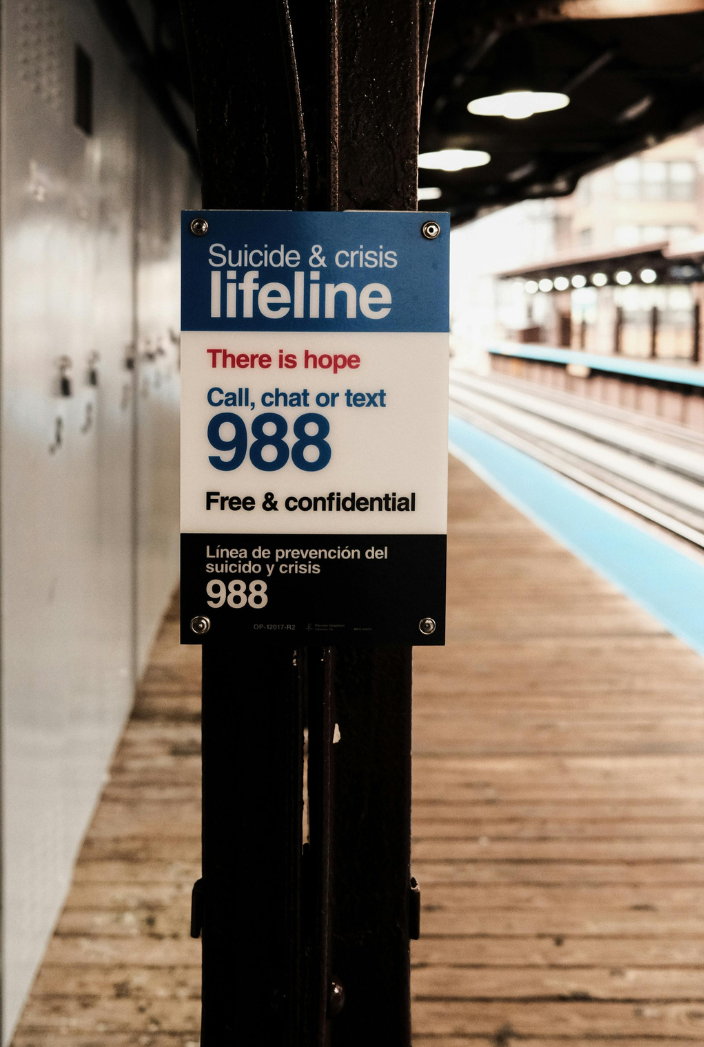
• 988 Suicide and Crisis Line—call or text 988, or chat through the website 988lifeline.org. You can contact 988 for yourself or to get information about supporting someone else. If there is immediate danger, a suicide attempt in progress, or a person cannot be kept safe, call 911 or go to the nearest emergency department.
• Schools and community partners—reach out to community members to learn about their prevention efforts and the ways they support people.
• FSC is a resource for people who are not in immediate danger of suicide but are experiencing suicidal thoughts or nonsuicidal self-injury. FSC therapists are trained in evidence-based suicide risk assessment and management and provide high-quality therapy for a range of concerns.
Web resources
https://jedfoundation.org/
https://www.cdc.gov/suicide/prevention/index.html
https://www.cdc.gov/suicide/playbook/index.html
https://www.nami.org/stay-connected/events/awareness-events/suicide-prevention-month/
https://www.samhsa.gov/about/digital-toolkits/suicide-prevention-month
| “Thank you for helping to make this essential service available to the community.” -FSC Client | | |
Did someone forward this email to you?
Click here to join our mailing list.
Would you prefer to only receive certain types of emails from FSC?
Click on Update Profile in this email footer.
| | | | |