Save The Date! NICOA 2025 American Indian Elders Conference! | |
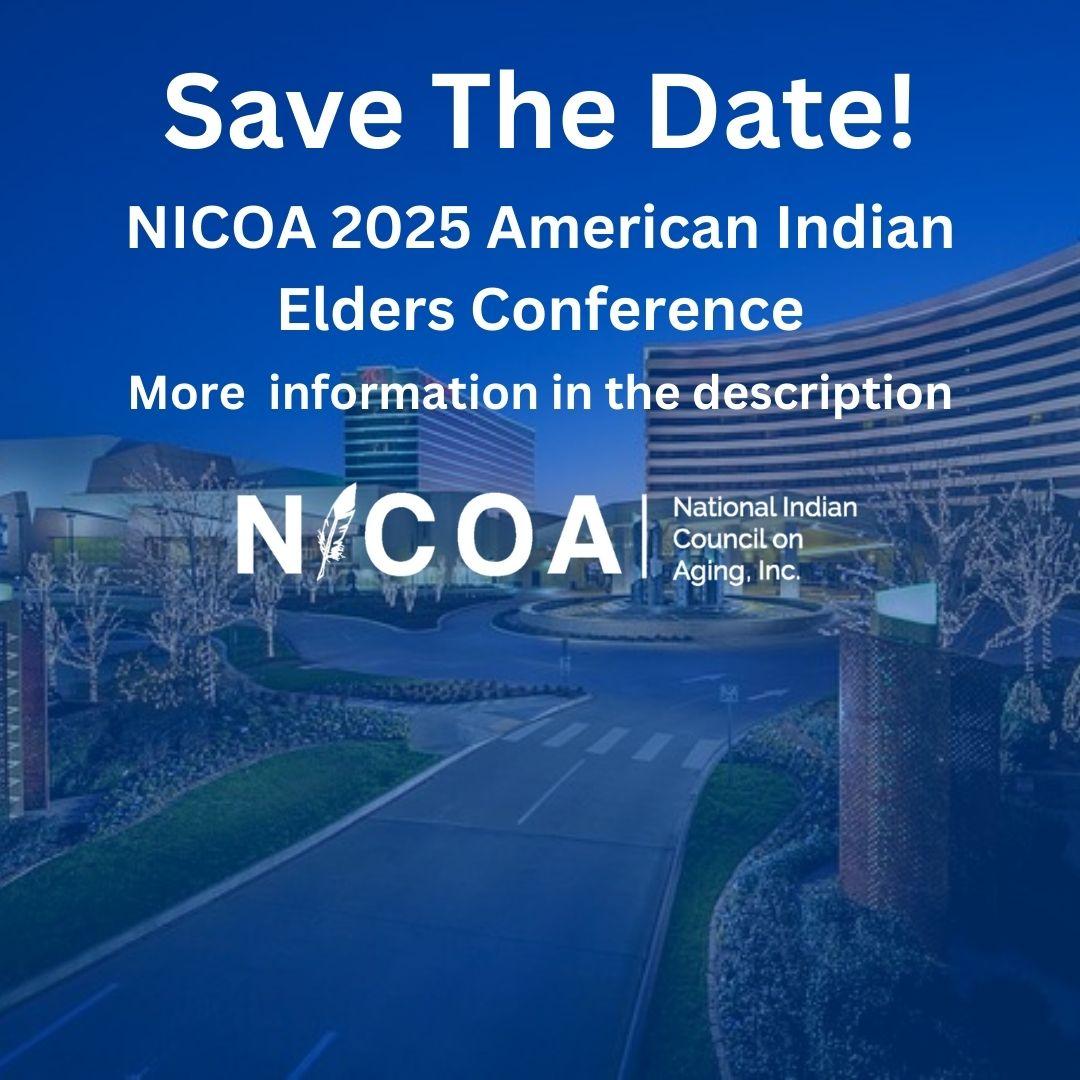
Save the Date! The 2025 NICOA American Indian Elders Conference will take place from September 29 to October 3, 2025, at the Choctaw Casino Resort in Durant, Oklahoma. This biennial event, hosted by the National Indian Council on Aging (NICOA), brings together American Indian and Alaska Native elders to elect new board members, establish the aging policy agenda, and discuss solutions to improve aging services across Indian Country. Stay tuned for registration information and visit www.nicoa.org for the latest updates.
| | | |
A Message from the Senior Community Service Employment Program (SCSEP) | |
We are thrilled to announce that the National Indian Council on Aging has submitted two new grant proposals aimed at continuing and expanding our Senior Community Service Employment Program (SCSEP) services. Currently, our SCSEP services are available in Arizona, Minnesota, New Mexico, North Dakota, Oklahoma, South Dakota, and Wisconsin. These programs have been instrumental in providing job training and employment opportunities for older American Indian and Alaka Native Elders.
Our first grant proposal seeks to enhance and continue our existing SCSEP services in North Dakota and South Dakota. This program has empowered many elders by offering job training, skill development, and placement in meaningful community service positions. By extending this program, we aim to build on our successes, ensuring that our elders have the resources and support they need to stay active and engaged in their communities.
The second grant proposal is even more ambitious. We aim to expand SCSEP services to additional states, reaching more American Indian and Alaska Native elders who could benefit from our program. Expanding into new states will allow us to provide crucial employment opportunities and support to a larger demographic, ensuring that more elders can improve their economic self-sufficiency and overall quality of life.
The SCSEP has had a profound impact on the lives of many American Indian and Alaska Native elders, providing them with a sense of purpose, financial independence, and the skills necessary to thrive in today's workforce. Expanding this program will help us continue to uplift and support our elders, ensuring they have the opportunities they deserve.
As we await approval for these proposals, we remain committed to our mission of enhancing the lives of American Indian and Alaska Native elders. We are hopeful that these new initiatives will allow us to extend our reach and make an even greater impact.
Thank you for your support of NICOA and our efforts to improve the lives of elders through the Senior Community Service Employment Program. Together, we can continue to make a difference.
| |
New Mexico Regional Office (Serving portions of AZ & NM)
Phone: (505) 292-2001, Fax: (505) 292-1922
Oklahoma Regional Office (Serving portions of MN, OK, & WI)
Phone: (405) 254-3642, Fax: (405) 254-5044
North Dakota State Office Phone: (701) 314-5100, Fax: (701) 787-1880
South Dakota State Office Phone: 605-220-7200, Fax: 605-220-8869
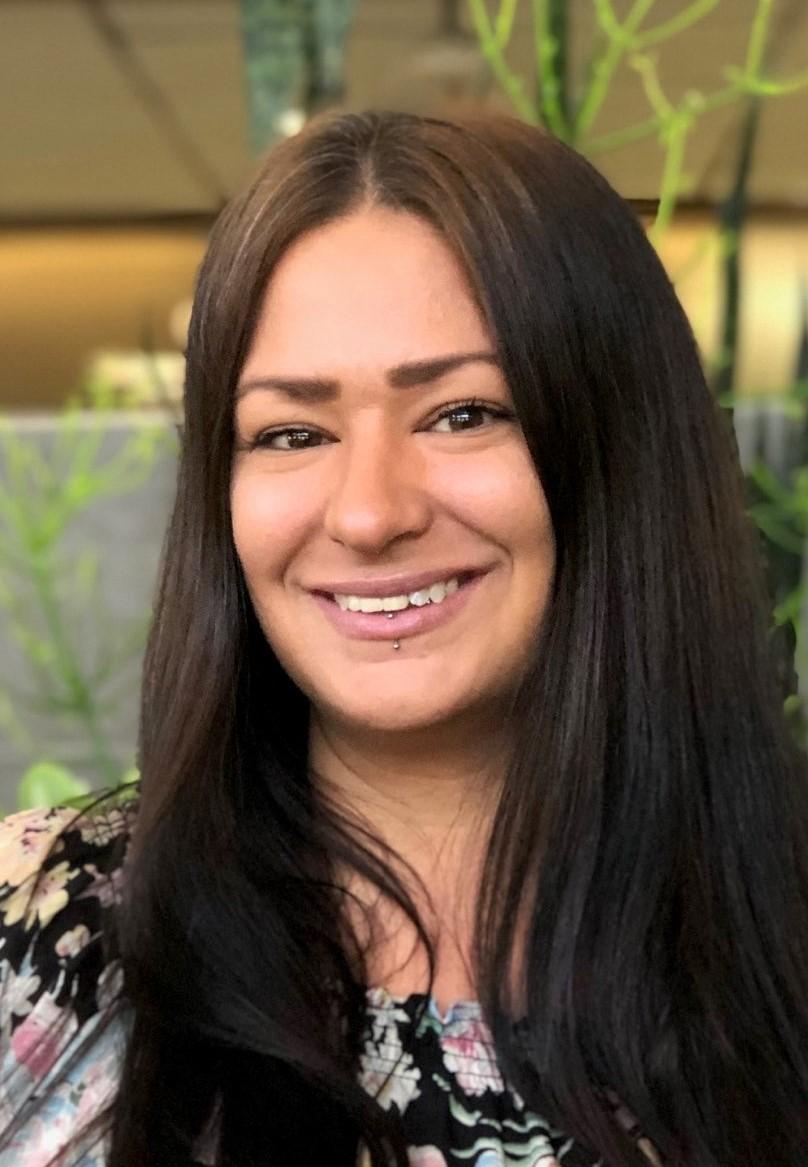
Leslie Maly
Senior Community Service Employment Program Director
| | | |
SCSEP Success Story – Wytongia Bradford |  | |
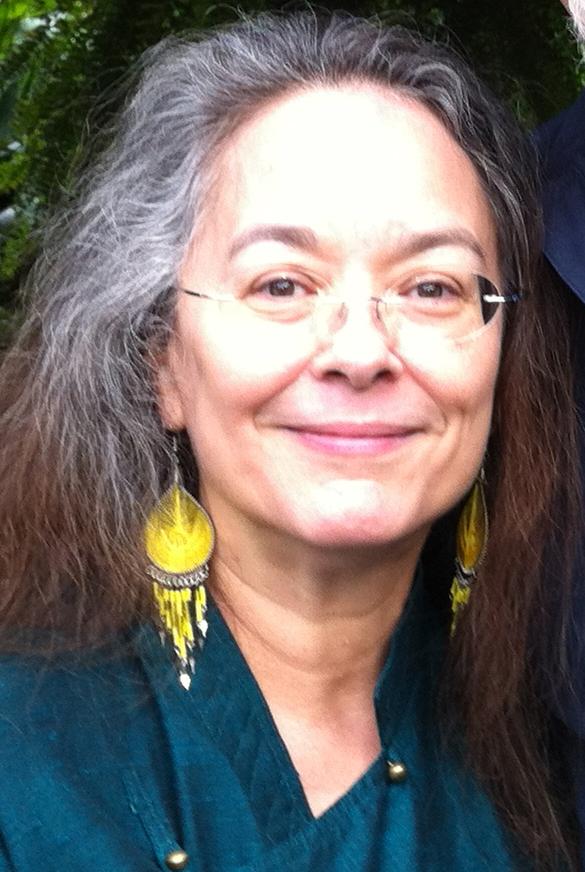
We are delighted to share the inspiring story of Wytongia Bradford, whose journey with the National Indian Council on Aging (NICOA) Senior Community Service Employment Program (SCSEP) showcases the profound impact our programs can have on the lives of elders.
Wytongia faced a challenging period after the passing of her husband. In 2023, she joined the NICOA SCSEP training program, describing it as a blessing during a difficult time. The training provided her with a sense of purpose and a structured environment that was both supportive and empowering.
“If I had any issues, NICOA was always there to help me,” Wytongia said, reflecting on her experience. The training not only helped her develop new skills but also restored her confidence and lifted her spirits. The support and encouragement she received from NICOA SCSEP played a crucial role in her personal and professional growth.
During her training, Wytongia was placed with the Salvation Army, a host agency that recognized her dedication and potential. Her hard work and positive attitude paid off, and she was hired by the Salvation Army upon completing her training. Today, Wytongia is thriving in her role and is overjoyed to be part of an organization that aligns with her values and aspirations.
Wytongia's journey is a testament to the transformative power of NICOA SCSEP. Her story illustrates how our support can make a meaningful difference, helping elders regain their confidence and achieve their goals.
Wytongia enthusiastically recommends NICOA to others, emphasizing the life-changing impact our programs can have. We are proud to have been a part of her journey and wish her continued success and happiness in her new role.
Thank you for supporting NICOA and helping us make stories like Wytongia's possible.
| | | |
Older Adults Equity Collaborative | |
Summer Greetings and Important Updates: New Disability Protections, APS Regulations, and Tribal Digital Sovereignty Center Announced | |
Sending wishes to all for fun summertime activities and a sense of refreshment as we explore ways to learn and grow. As result of our partnership in the Diverse Elder Coalition (DEC) we have been made aware of several important rules that may impact our members.
Section 504 of the Rehabilitation Act of 1973 Part 84 is a long name used to describe a final rule focused on advancing equity and improving protections for people with disabilities. Generally, the rule prohibits discrimination on the basis of disability in programs and activities that receive federal financial assistance. Examples of federally funded health and human services programs include hospitals, health care providers in CHIP and Medicaid programs, state and local human or social services agencies and nursing homes.
Please read more about it here:
https://acl.gov/504rule#:~:text=It%20protects%20people%20with%20all,themselves%20as%20people%20with%20disabilities.
The link includes resources such as a four-minute video overview explaining the key provisions.
The Department of Health and Human Services (HHS) through the Administration for Community Living (ACL) has established the first federal regulations for Adult Protective Services (APS). This rule will help improve consistency in services across states. This rule signals a strong commitment to speed up response times when elders are in danger and to take a person-centered approach when planning and delivering services to elders.
Please see more about this important rule here: https://acl.gov/APSrule
Another interesting and exciting announcement is the creation of the Center for Tribal Digital Sovereignty. The American Indian Policy Institute (AIPI) and the National Congress of American Indians (NCAI) founded the Center at the Sandra Day O’Connor College of Law at Arizona State University. The Center has four goals: Scholarship, a Tribal Digital Sovereignty Coalition, a Clearinghouse to inform and educate and Capacity Building. Check out their website here: https://aipi.clas.asu.edu/ctds
| | | |
Become a NICOA Member:
2023-2024 Membership Available
| |
|
Do you want to improve aging services for American Indian and Alaska Native elders?
If so, become an advocate and learn more about supporting Native elders! NICOA is the premier organization on Native aging, and we invite you to become a member. Anyone can become a member, regardless of their age.
All elders are encouraged to join and have their voices heard. Be an important part of a national membership network and become a NICOA member by applying today. Memberships are for two calendar years.
| | | | | |  | |
Mobile Clinic Initiative Brings Life-Saving Cardiovascular Care to Rural and Native American Communities in Oklahoma |
 |  | Dr. Jim Melton, a vascular surgeon and co-founder of the CardioVascular Health Clinic in Oklahoma City, has established a mobile clinic program to deliver cardiovascular services to rural and Native American communities across Oklahoma. Launched in 2015, the initiative aims to address healthcare disparities by providing screenings and consultations for conditions such as peripheral artery disease (PAD) and critical limb ischemia (CLI) in 14 remote locations. Equipped with advanced diagnostic tools, the mobile clinics work closely with local healthcare providers to ensure a continuum of care. Melton emphasized the importance of accessibility and trust, noting the high prevalence of heart disease and diabetes in these areas, particularly among Native American populations. The program has significantly improved patient outcomes, reducing amputation rates and improving quality of life. Despite logistical challenges and limited external funding, the initiative sustains itself through procedures performed at the main clinic in Oklahoma City. Melton hopes this model of proactive, community-based healthcare will inspire similar efforts elsewhere, highlighting the importance of specialized care in underserved regions.
| | | |
VA Announces $10 Million in Funding to Combat Veteran Suicide in States, Territories, and Tribal Governments |
| |  | The Office of Veterans Affairs announced $10 million in new funding to prevent veteran suicide among states, territories, and tribal governments, supporting cooperative agreements to establish suicide mortality review committees that will analyze veteran suicide deaths and develop data-driven prevention strategies. Native Americans, who serve in the military at the highest rate per capita, are significantly affected, with over 140,000 Native veterans in the U.S. Veterans are 1.5 times more likely to die by suicide than non-veterans, particularly during the transition from military to civilian life, known as the "deadly gap." In 2021, 6,392 veterans died by suicide, with the highest rate among American Indian/Alaska Native veterans. In 2023, the VA introduced a policy allowing eligible veterans in acute suicide crises to receive no-cost emergency healthcare at any facility. The new funding will be awarded by September 30, 2024, with the application period open from June 21, 2024, to July 24, 2024. More details are available in the notice of funding opportunity.
| | | |
Shoalwater Bay Tribe Receives $1.2M Grant for Natural Disaster Preparedness and Economic Stability |
| |  | The U.S. Department of Commerce's Economic Development Administration (EDA) is awarding a $1.2 million grant to the Shoalwater Bay Indian Tribe in Tokeland, Washington, to develop a Master Community Relocation Plan for moving Tribal facilities away from areas prone to natural disasters, enhancing the Tribe’s economic stability. Secretary of Commerce Gina Raimondo emphasized that President Biden’s Investing in America agenda aims to provide communities with the resources to thrive, including tribal ones. This EDA investment will help the Shoalwater Bay Indian Tribe strengthen their facilities against natural disasters and boost economic security. Assistant Secretary Alejandra Y. Castillo, Senator Patty Murray, Senator Maria Cantwell, and Representative Marie Gluesenkamp Perez all expressed support, highlighting the importance of these funds for climate resiliency, economic growth, and addressing sea-level rise challenges. This grant is part of the Disaster Relief Supplemental Appropriations Act, 2023, which allocated $483 million to the EDA for disaster relief and recovery following major disasters in 2021 and 2022. More information is available on the EDA’s Disaster Supplemental webpage. The EDA, an agency within the U.S. Department of Commerce, leads the federal economic development agenda, promoting competitiveness, job creation, and sustainable economic growth through regional collaboration. Visit www.eda.gov for more details.
| | | |
5 Recent Tribal Newsletters | | | |
University of Arizona Launches Center to Revitalize Native American Languages with Federal Grant |
| | 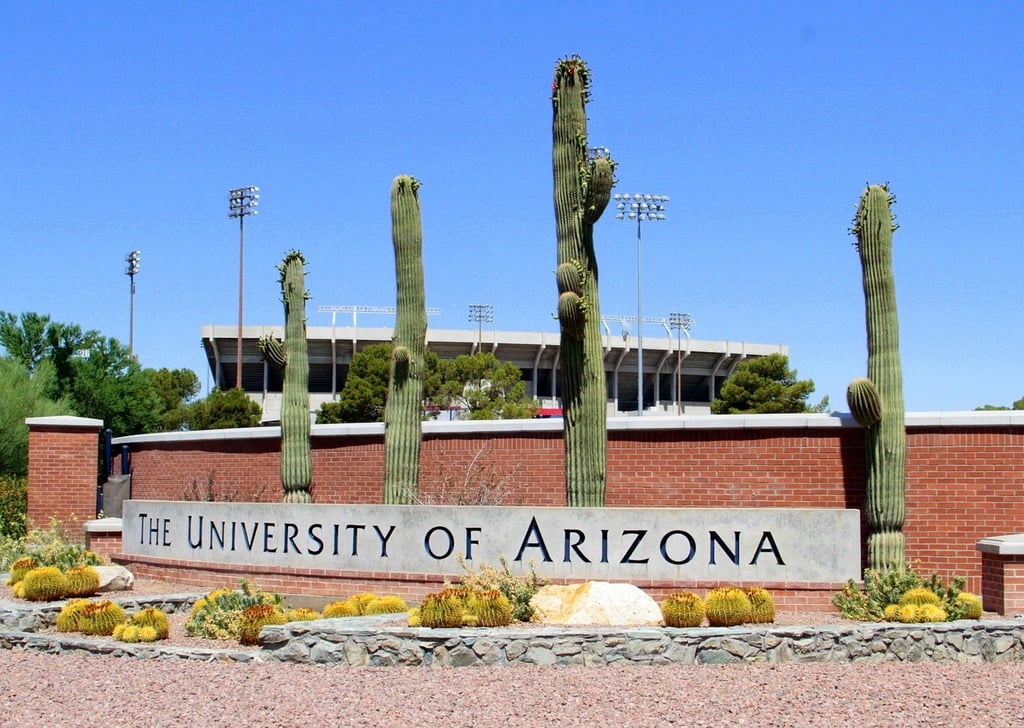 | The University of Arizona has launched the West Region Native American Language Resource Center, one of four centers funded by a $1.7 million grant from the U.S. Department of Education to revitalize tribal languages. Housed in the American Indian Language Development Institute (AILDI), it will primarily serve Indigenous communities in Arizona, California, Nevada, and Utah. Directed by Sheilah E. Nicholas and co-led by Ofelia Zepeda, the center extends AILDI’s decades-long efforts in language revitalization through workshops and partnerships. It collaborates with similar centers at the University of Hawaii, the University of Oregon, and Little Priest Tribal College. The center focuses on Indigenous language immersion, drawing from successful models like those of the Mohawk, Hawaiian, and Māori communities. By providing resources and support for tribal language programs, it aims to address the unique linguistic needs of diverse communities and enhance educational systems. The center also offers a network for tribal linguists to share expertise and resources, supporting broader efforts in language preservation and cultural identity.
| | | |
|
MTERA Secures $62 Million for Tribal Solar Projects in Midwest Under Biden's Solar For All Initiative
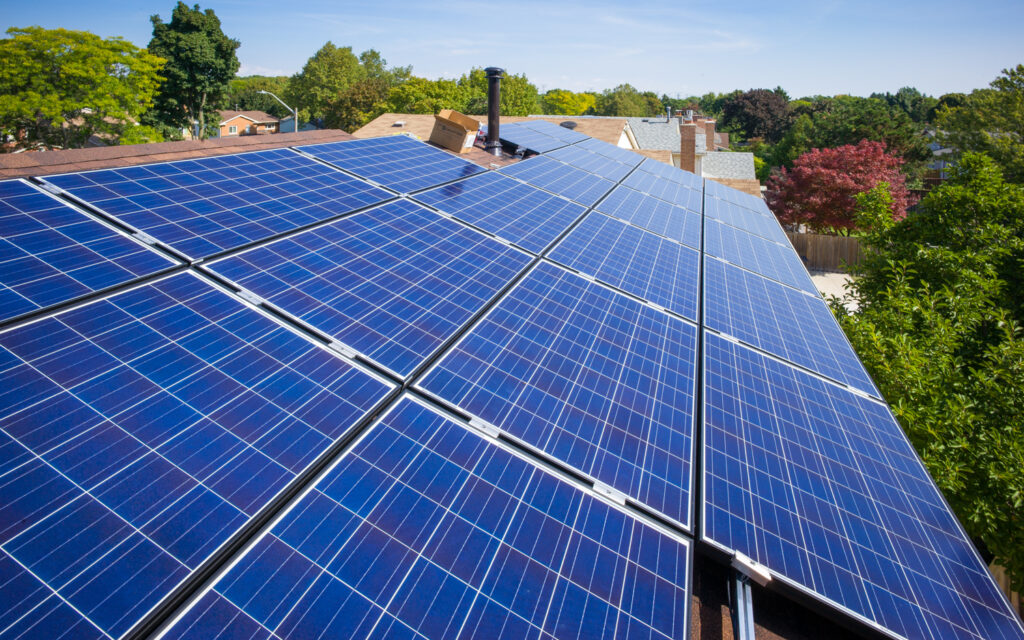
The Midwest Tribal Energy Resources Association (MTERA) is set to deploy $62 million in grant funding from the Biden administration's Solar For All initiative to support solar energy projects across 35 tribes in Minnesota, Wisconsin, and Michigan. Partnering with GRID Alternatives, the Alliance for Tribal Clean Energy, and the Native CDFI Network, MTERA aims to implement tribally-owned residential solar, storage, and upgrades, providing technical assistance, workforce development, and additional financing. This initiative empowers tribes to manage their energy resources, promoting energy sovereignty and independence. MTERA's chairman, Daniel Wiggins, Jr., emphasizes the benefits for tribal communities, while the Alliance's Cheri Smith highlights the tailored guidance for each tribe's unique needs. The funding will support various stages of solar project development, from upgrades to first-time deployments, with a multi-group approach ensuring comprehensive support. Additionally, MTERA's partnership with the Grainger Institute for Engineering at the University of Wisconsin-Madison seeks to create a clean energy project ecosystem, reflecting the organization's mission to empower member tribes through collective action. This initiative represents a significant opportunity for tribal communities to achieve energy independence and economic resilience.
| | | |
Five Civilized Tribes Announce Reciprocal Wildlife Management Agreement in Oklahoma | |
The Five Civilized Tribes of Oklahoma—Cherokee Nation, Chickasaw Nation, Choctaw Nation of Oklahoma, Muscogee Nation, and soon the Seminole Nation—have announced a wildlife management reciprocity agreement allowing their citizens to hunt and fish in each other's treaty territories using licenses issued by their own tribes. This agreement, unveiled by the Inter-Tribal Council during its July meeting, permits tribal citizens to use membership cards as hunting and fishing credentials on respective reservations, fostering collective sovereignty and sustainability. Oklahoma residents with valid state licenses can also hunt and fish in these areas, with state game wardens cross-deputized to enforce regulations. The tribes will collaborate on wildlife management, requiring participants to adhere to local laws and secure permissions for land access, while continuing to work with state and federal partners to implement and expand the agreement.
| | | | | | |
|
We are committed to providing services for Native elders, but the power to provide starts with you.
Your support brings attention, education, and improved services to elders and people with disabilities across Indian Country. Every elder deserves access to the services and resources necessary to age independently, with dignity, and in their chosen community.
Consider donating to us directly to help us with our mission to improve the lives of American Indian and Alaska Native elders. Your financial support will go directly to supporting our mission to improve health, social services and economic well-being for all Native elders.
| |
The National Indian Council on Aging | 8500 Menaul Blvd. NE, Suite B-470, Albuquerque, NM 87112 | 505-292-2001 | www.nicoa.org
| | | | |