|
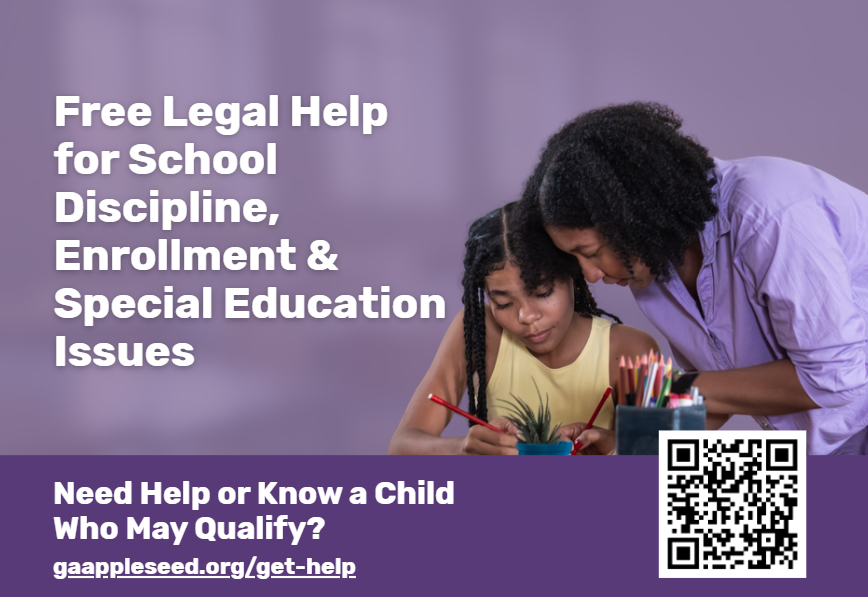
A Georgia mom called us a few months back for help. Her elementary school son had been suspended from school for two weeks. During her first call with Georgia Appleseed School Justice Advocate Tanesse Brown, she mentioned that she had asked ChatGPT for advice. Tanesse was alarmed because much of what the mom reported from the chatbot was wrong. The chatbot incorrectly told mom that the school had violated federal law. And it had drafted her a threatening letter to send to the school, recommending a strategy that could have hurt the parent’s relationship with the school without helping her son.
That experience led Georgia Appleseed to test the legal guidance that popular AI chatbots are giving families. We asked ChatGPT, Claude, and Gemini questions based on real issues Georgia parents face when navigating school discipline and special education. The results were mixed: the tools often explained legal concepts clearly, but they also sometimes made risky assumptions, cited the wrong laws, and missed important context.
In a recent blog post, Executive Director Michael Waller shares what the chatbots got right, what they got wrong, and why human judgment still matters when families are advocating for their children. The bottom line: AI can be useful, but it is not a substitute for judgment, context, or trusted advocacy. That is where Georgia Appleseed comes in.
Learn what our pilot study revealed about AI-generated legal help for families navigating school discipline and special education in Michael's blog post, “We Tested the AI Chatbots Georgia Parents Are Already Using. Here’s What Went Wrong, and What Went Right.”
➡️ Read the blog
|