A Message from the Executive Director |
Indian Country is settling down into the winter months of the year. In addition to the cold, snow, and icy conditions across some parts of this country, we are amid another surge of the COVID-19 pandemic. In some ways, its feels like a storm that has been waiting to regather its strength, as shown by the increasing numbers of cases, hospitalizations, and deaths. This pandemic has no empathy and does not care where you live, whether you are a Democrat or Republican, or your religious preferences.
Without taking the necessary recommended protocols, it will find you and it will cause pain and suffering. Remember that fancy dancer, that political leader, that elder or that grandchild who is no longer around to celebrate another pow-wow? Or the next campaign? Or that birthday or graduation?
In Indian Country, we have already endured too many unnecessary deaths.
That is why we at the National Indian Council on Aging (NICOA), ask with great urgency, please take all the necessary precautions: wash your hands, wear a mask, and avoid large crowds. To you Title VI directors and staff, thank you for all the work and sacrifices you have made to protect our history, language, customs, and traditions, because that is what our elders represent. They are our roots, our link to our history and the light to the future.
In the coming days, there will be talk and opinions about a vaccine developed to eradicate this virus. There will be some who will say that “we do not want to be guinea pigs” and that the vaccine is dangerous. There will also be many who will say the opposite, that the vaccine “is safe and should be seen as a way to end this pandemic.”
Based on studies and research by many experts in the medical field regarding this vaccine, I agree with the latter group: IT IS SAFE AND IMPORTANT THAT OUR ELDERS TAKE THE VACCINE. PLEASE GET THE SHOT. We would also urge our elders to listen to the advice of their tribal leaders, Title VI directors and tribal staff. We need our elders to continue to be our counselors, our teachers, and our hope – we want our elders to see many more winters.
Our work at NICOA continues, our hopes remain, and we look forward to the future with optimism. In this new year, we have a new administration that will assume the reins of government. We wish the new administration success and that they remember they have a legal and moral obligation to meet the needs of the original landlords of this country. We need to remind them that the government serves the people and that the people are the government. We, the people, employ those who are on Capitol Hill and in the labyrinths of those grey federal buildings lining the streets of Washington, D.C.
NICOA will continue to voice and advocate for the needs of our elders utilizing the basis of that government-to-government relationship: tribal sovereignty. NICOA has been in the trenches doing this for over 44 years and hopefully with your support, donations, and prayers, we can continue the fight for equity and justice for another 44 more! Peace, strength, and serenity to you all in this new and hopeful new year.
Sincerely,
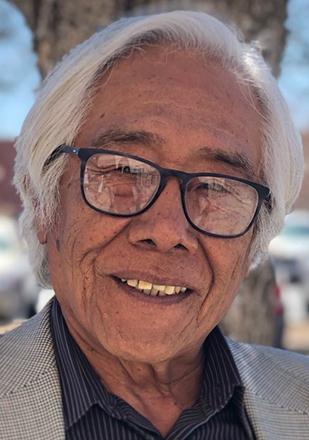
Larry Curley
Executive Director
|
|
|
|
NICOA Begins Multi-Year Documentary Project |
You may have heard of NICOA's new documentary series that begins production in 2021. This 15-film series being produced with Keystones Oral Histories, a fellow 501 (c)(3) nonprofit organization, will also develop a core cuticulum for use in schools throughout the country. The first two films will focus on a national exploration of the American Indian people, with the remaining 13 episodes each focusing on the tribes of NICOA’s 13 regions — a close to home exploration.
This is a chance to tell our story for generations to come, and we want local elders involved. Please suggest someone from your tribe/region (or yourself) to be voluntarily interviewed or consulted on the history and lifestyles of the area.
Producers are looking for elders who exemplify and live the American Indian tradition and culture and who, through knowledge or personal experience, are willing to educate others through a documentary showing the true history and traditions of the tribes.
If you would like to suggest someone, forward their name, a brief background, why you feel they should participate / what they can offer the project, as well as their contact information to Dan Zalewski at dzalewski@nicoa.org. The suggestions will be passed on to Keystone Oral Histories for review. |
|
|
|
Tribal Long-Term Services and Supports Website Under Construction |
NOTE: This site is under construction and under review by our funding agency to make sure it is appropriate and accurate. A clone has been developed on which we continue to work but not publicly available at this time. But, once back up, it will continue to be a “Work in Progress” as new data and updated information is available.
LTSS are an is the entire range of services including, but not limited to, such as chore services, home delivered meals, senior centers, transportation, caregivers, legal services, guardianships, home health services, elder protection programs, intergenerational programs, assisted living, long term care facilities and many others. Coordinating these services in a manner that meets reimbursement requirements from funding sources such as Medicare, Medicaid, Veteran’s Administration and private insurance, can be complicated and time-consuming.
Our goal with this website is to provide tribal leaders and community members an easier way to learn about long-term services and supports and find resources based on their location. You can use the website to find information on aging in place, policies and program examples, learn how to both plan for and pay for your care, find services near you, and more.
We endeavor to provide tribal leaders and community members with the most accurate, up-to-date information and to share our knowledge and expertise in the field of aging. The website offers user-friendly navigation, a responsive design, and an abundance of aging information.
|
|
|
|
COVID-19 Needs Assessment Deadline Extended |
NICOA invites you to participate in our COVID-19 tribal needs assessment. Though our online survey is now closed, due to delays in the postal service, we will be extending our deadline to complete the print version of the needs assessment to February 5.
As the leading national Native aging organization for elders, we strive to provide information that will assist tribes and their communities. The information we gather will help us better understand how tribes have been affected by COVID-19 and the mental, physical and social impact it has had on their health.
Once the information is collected and analyzed, we will create educational materials to share with NICOA members, Native advocacy groups and other aging organizations. This will illustrate what Indian Country looks like to those who do not know, and help us focus our efforts most effectively.
|
|
|
|
Board Member Profile: Billie Tohee |
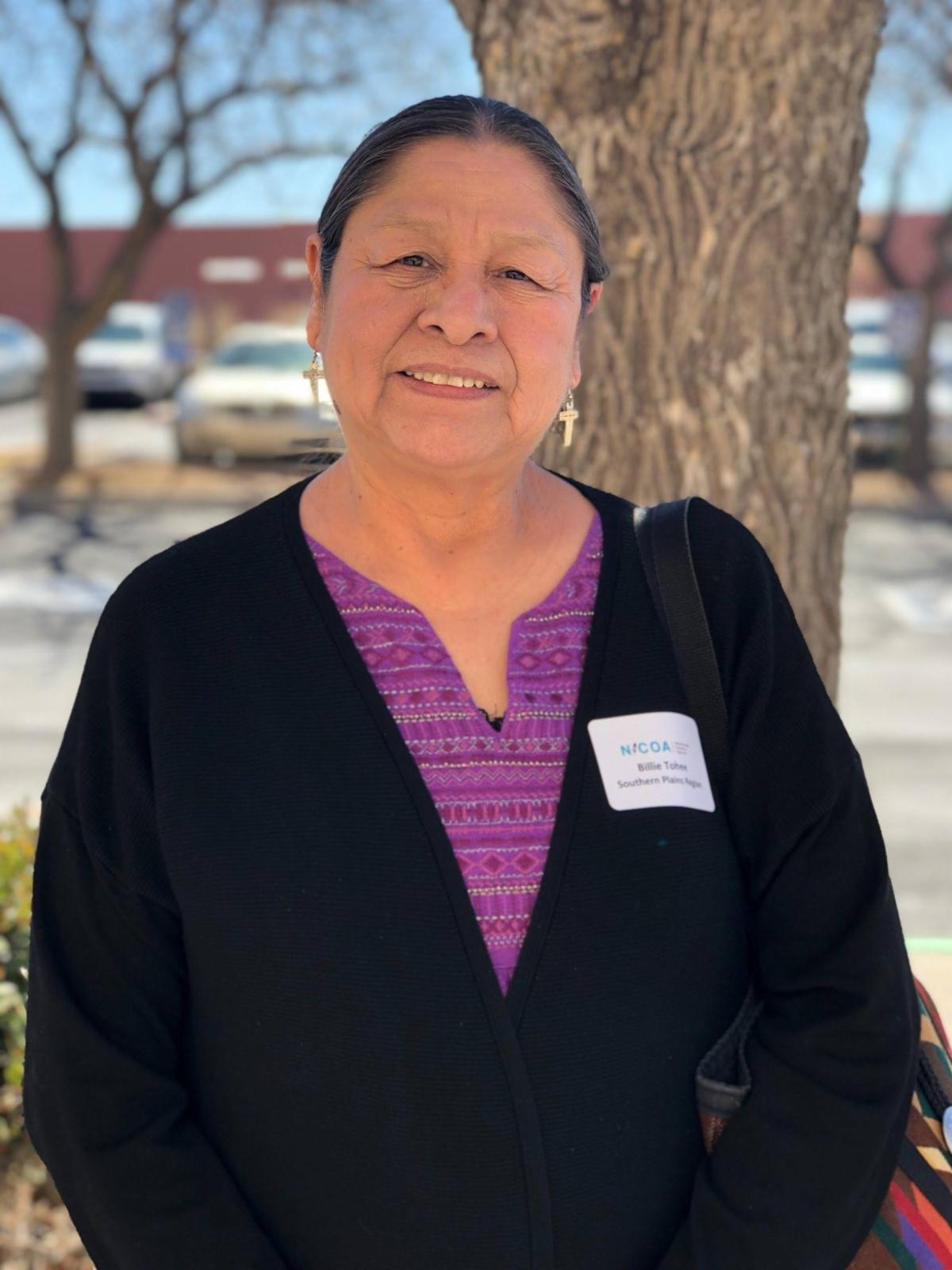
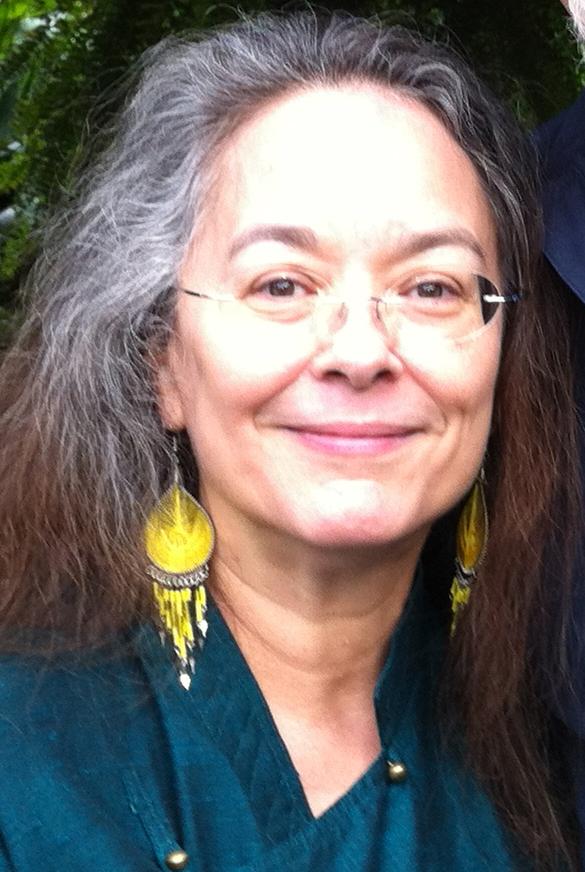
Billie Tohee, of the Otoe-Missouria Tribe of Indians in Oklahoma and the Iowa Tribe of Oklahoma, has been serving on the National Indian Council on Aging’s (NICOA) board of directors for the past two years.
She remembers attending the NICOA 2016 conference in Niagara Falls. “The conference speakers were so dedicated, knowledgeable and passionate. It really impressed me. I sensed a real dedication and a concern for our elders and what laws and programs affect them,” she said.
She became a Southern Plains regional member at the following NICOA conference in 2018. Several months later she was asked to serve on NICOA’s board of directors as the national secretary.
“I wanted to represent rural tribes and bring awareness to that area and what’s available,” she said. “There are so many resources nationally that each tribe can benefit from.”
Lately she’s been spending her time assisting the tribal members and elders who come to her with their grievances, advocating for them so they feel welcome outside their reservation as well as within. She often reaches out to local officials to encourage cultural competency in their tribal interactions.
In the future she hopes to assist in the creation of a Southern Plains regional conference targeting the tribes of western Oklahoma, Kansas, and Texas. Her goal is to bring regional tribes together so that they can network and utilize one another’s resources.
“I wanted to have a regional conference before COVID hit,” she said. “Elders need to become more aware of resources. Especially in my region, I’d love to see more interaction. They don’t have as much communication as they could. Everyone should be able to help each other when it comes to tribal elders.”
|
|
|
|
Can you give $21 for a better 2021? |
Here at the National Indian Council on Aging (NICOA) we are thankful and excited as 2021 will be a year of new projects and continued support for our elders as we begin new efforts to learn from them and share their knowledge with generations to come.
In 2021, in addition to our national conference and other projects in support of our elders, NICOA is working to preserve the history of our peoples and bring their stories to classrooms for all Americans to learn.
In conjunction with Keystone Oral Histories, a fellow 501 (c)(3) nonprofit organization, we are commencing a multi-year project in which a series of 15 documentaries with companion school curriculum will be developed. We are excited for this project and the opportunity to preserve the stories of our elders for generations to come. The first episode will premiere at our national conference in August 2021.
Additionally, NICOA is in the early stages of developing an awards program honoring our elders throughout the country for their leadership, contributions, and positive impact on our way of life. Some great things are on the horizon in 2021 in serving and honoring our elders.
We need your assistance so we can kick off these 2021 projects with great momentum. You can help us through our “$21 for 2021” Campaign. If each person who reads this post donates a minimum of $21 to our GoFundMe page we could raise over $80,000 towards future NICOA projects and really kick-off 2021 in a momentous way. Please make your contribution in an amount comfortable to you and your family prior to January 31st.
Thank you for your support of all NICOA does and thank you for joining our “$21 for 2021” Campaign.
|
|
|
|
Happy New Year!
In 2020, COVID-19 upended our jobs, many are adapting, but what about long term? Will we go to the office again – and, if so, how often? What impact will a “hybrid” way of working have on how we communicate, connect and create? Will work-from-home be the great leveler in terms of gender and age equality and diversity? And what will work mean if our offices are virtual and we lose those day-to-day social interactions? “We all know that work will never be the same, even if we don’t yet know all the ways in which it will be different,” says Slack co-founder and CEO Stewart Butterfield.
NICOA’s SCSEP is working to stay on top of the new employment trends and prepare virtual trainings to make ready for the new post-COVID reality. Staff continue to support the participants by helping them safely get back to their training sites, train remotely or pay them a COVID sick leave. As the country begins to open back up, many more are beginning to return, but we have a long way to go before everyone is up and running again.
Many of the SCSEP participants have received their first COVID immunization, with very few minor reactions, and have already scheduled their second shot. The U.S. vaccine safety system ensures that all vaccines are as safe. For more facts and information on the safety of the vaccination, go to the CDC website, not Facebook! Get vaccinated today! This will enable our country to begin to heal from this terrible pandemic and work towards us getting back to some sort of normalcy.
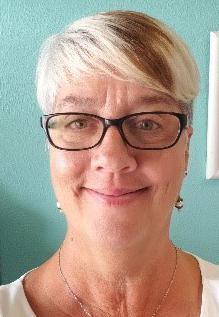
Sue Chapman
SCSEP Director
|
|
|
|
|
|
SCSEP Introduces Train by Cell |
Engage with your workforce directly, even when they’re on the go, without access to a desk, computer or even an email address. To access the National Indian Council on Aging (NICOA) portal, text NICOA to 56512. |
|
|
|
NICOA Loses SCSEP Participant David Sunka Ska |
Mary Olive Johnson wrote to us from Eagle Butte, on the Cheyenne River Indian Reservation, in South Dakota, where she runs a homeless shelter, to inform us of the passing of NICOA SCSEP participant David Sunka Ska. He passed away November 16, 2020, at the age of 61 due to colon cancer. Previously, he worked as an employee of The Mustard Seed, a a privately-funded shelter for the homeless and distributor of food to people in need.
“We operate a homeless shelter with a main house for group activity, and 10 two-person tiny houses for residents. We closed the main house, where David worked, in March 2020 to prevent the spread of COVID-19,” wrote Johnson. “It is now raging on the reservation. Our occupancy is at an all-time low, with most of our residents either in tribal quarantine facilities or choosing to shelter elsewhere with friends or family. We cannot accept new residents at this time, and the reservation is going back to full lockdown.”
“We have chosen to serve those who are most likely to be rejected by other shelters because of alcohol, non-membership in this tribe, or other reasons. We knew it would be impossible to control their associations or safety precautions. Sadly, all the tribe's shelters have also had major outbreaks and are quarantined, so I do not know what homeless people will do this winter. Perhaps some different policies will be implemented when people freeze to death.
“David has been a real blessing to us and will be missed — both personally and from the organization's perspective. We hope we will remain on your list for a future worker but, like the rest of the country, our schedule is being set by COVID now. We will follow the vaccination program and local infection rates closely and will contact you as soon as we see a possible opening.”
|
|
|
|
A Message from the Elder Equity Program |
A warm welcome to the new year! My stepdad taught me an expression many years ago, Old Indian Trick. He was usually joking around and if he had a clever way of solving a problem, he would say “OIT!” Well, I have seen many people solving problems in ingenious ways during the pandemic.
That sort of resilience is seen everywhere in Indian Country. How can we continue to complete the tasks we have set for ourselves in this new normal? Many of our training materials have moved to an online format. Our SCSEP found a great platform for handling paperwork and training using a person’s cell phone. People are checking on each other and staying connected with Zoom, FaceTime, the phone, and good, old fashioned snail mail. Receiving a letter is special, a thoughtful gift of another’s time.
As we close out the Elder Equity grant, our team has worked hard to bring you tools to assist you in making smart financial decisions for yourself and those you care for. All webinars are posted on our website. One covers how your values can help you set meaningful financial goals. NICOA Executive Assistant to the Executive Director Cheryl Archibald presented on financial security for elders and she explained how Social Security works, how it affects your retirement benefits, eligibility requirements, Medicare, Medigap plans, tax updates, filing status and requirements. Complex subjects, but Cheryl knows her stuff and explains it well.
We were honored to welcome Sherry Salway Black, who has spent her career working on asset development in Indian Country to speak on the topic, “Native Wealth: So Much More Than Money.” The Oklahoma Native Assets Coalition told us about the services they provide, including free financial coaching. This great service is available to tribal members across the country. Lisa Weintraub Schifferle is a senior policy analyst in the Consumer Financial Protection Bureau’s Office for Older Americans. She gave a talk on “Tools for Financial Caregivers of Older Adults.” Along with good advice on how to manage other people’s money, power of attorney, and other important concepts, she covered new scams related to the COVID-19 pandemic.
Rebecca Owl Morgan
Eastern Band of Cherokee Indians
Project Coordinator
|
|
|
|
Money Management During COVID-19 |
NICOA continues to produce videos to help raise financial awareness during the pandemic. In this episode, NICOA Executive Director Larry Curley (Navajo Nation) shares his top three values and how they affect the way he manages his financial resources. Take some time while you’re stuck at home during this pandemic and think about your community’s values and how they influence your goals. |
|
|
|
|
Financial caregiving is challenging, but luckily there is trusted help available. Let Senior Policy Analyst Lisa Schifferle, from the Consumer Financial Protection Bureau, acquaint you with the terminology and tools needed to manage someone else’s money in a responsible way. Financial exploitations will be covered including COVID-19 healthcare scams. |
|
|
|
|
Find out how Social Security works, how it affects your retirement benefits, eligibility requirements, Medicare, Medigap plans, tax updates, filing status and requirements, and more.
Listen to Cheryl Archibald, executive assistant to the executive director of the National Indian Council on Aging, discuss financial security for elders.
|
|
|
|
|
Learn more about the Oklahoma Native Assets Coalition, Inc. (ONAC) through our webinar. ONAC Executive Director Christy Finsel (Osage Nation) provides an overview of the coalition’s six programs, and Native Bank On ONAC Program Manager Karen Edwards (Choctaw) speaks about accessing safe and affordable bank accounts. ONAC shares information about several asset building resources that are available to help build assets. |
|
|
|
|
To the right, you'll find American Indian Development Expert Sherry Salway Black, of the Oglala Lakota Nation in South Dakota, speaking on the subject of “Native Wealth: So Much More than Money”. |
|
|
|
|
Next: Managing Your Finances During a Pandemic |
The COVID-19 pandemic has caused many of us to drastically alter our lives during the previous year. This new year provides a good opportunity to rethink our personal finances.
We'll hear from Martin Booker, a program manager at AARP, who leads various financial education initiatives about investing, social security, and budgeting for the organizations’ 32 million membership-base. Martin will be talking with NICOA Executive Director Larry Curley and Data Analyst Desiree Lapahie.
Start 2021 with a fresh approach to meeting your goals. Now is the perfect time to reset your cash flow, housing, retirement, and financial priorities. Join us for this informative discussion Wednesday, January 27 at 11 a.m. MST, 1 p.m. EST!
|
|
|
|
2020-2021 Membership Available Online |
|
Membership with NICOA offers many valuable benefits. As a paid member you will receive NICOA’s online bimonthly newsletter, legislative updates on important issues and resolutions affecting elders, voting privileges for qualified members and discounted registration fees for qualified members to attend our biennial conferences.
Be an important part of a national membership network and become a NICOA member by applying online or by mail. |
|
|
|
Caregiving in a Pandemic: Accessing Services and Supports |
NICOA, the Diverse Elders Coalition and the National Alliance for Caregiving hosted a webinar focused on the needs of American Indian and Alaska Native caregivers in the time of COVID-19.
The webinar, funded by the John A. Hartford Foundation, features interactive poll questions, and speakers such as Melissa Chlupach, Assistant Professor at the University of Alaska Anchorage, College of Health, School of Allied Health, Dietetics & Nutrition Program; NICOA Executive Director Larry Curley, and more.
|
|
|
|
The Testing and Validity of Vaccines |
Captain Susan Karol, MD, Chief Medical Officer for the Centers for Medicare and Medicaid Services, Division of Tribal Affairs discusses the testing and validity of the current COVID-19 vaccine process.
Dr. Karol is the Chief Medical Officer of the Division of Tribal Affairs in the Center of Medicaid and Children’s Health Insurance Program at the Centers for Medicare and Medicaid Services. Tribal Affairs serves as the point of contact on Indian health issues for the agency.
Dr. Karol is an enrolled member of the Tuscarora Indian Nation and the former National Chief Medical Officer for the Indian Health Service. Captain Karol serves in the United States Public Health Service Commissioned Corps, graduated from Dartmouth College and the Medical College of Wisconsin prior to her general surgical training at the University of Massachusetts Amherst.
|
|
|
|
Sign Up to Get Vaccinated for COVID-19 |
The Centers for Disease Control and Prevention (CDC) recommends that healthcare workers and residents in long-term care facilities be offered the vaccine first in phase 1a, followed by elders age 75 and older and front-line essential workers in phase 1b, and elders age 65 to 74 and individuals 16 and older with underlying conditions in phase 1c. Click the button below for resources to keep you informed about its implementation as it continues to roll out. |
|
|
|
Don't Forget About the Flu |
A flu vaccine not only protects you but also your community. Vaccination against influenza (flu) is especially important for American Indians and Alaska Natives, who are at higher risk for complications from the flu. Compared to the general U.S. population, Native people are more likely to be hospitalized from the flu than the general U.S. population.
Flu and pneumonia rank among the top 10 causes of death for American Indians and Alaska Natives, especially elders. American Indians and Alaskan Natives are more likely to die from flu and pneumonia than any other race. Additionally, people over age 60, who are at higher risk for flu-related complications, report the highest vaccination rate (62 percent). The Centers for Disease Control and Prevention (CDC) estimate that between 70 and 85 percent of seasonal flu-related deaths occurred in people 65 years and older during the previous flu seasons. Between 54 and 70 percent of seasonal flu-related hospitalizations occurred in that age group as well. |
|
|
|
|
|
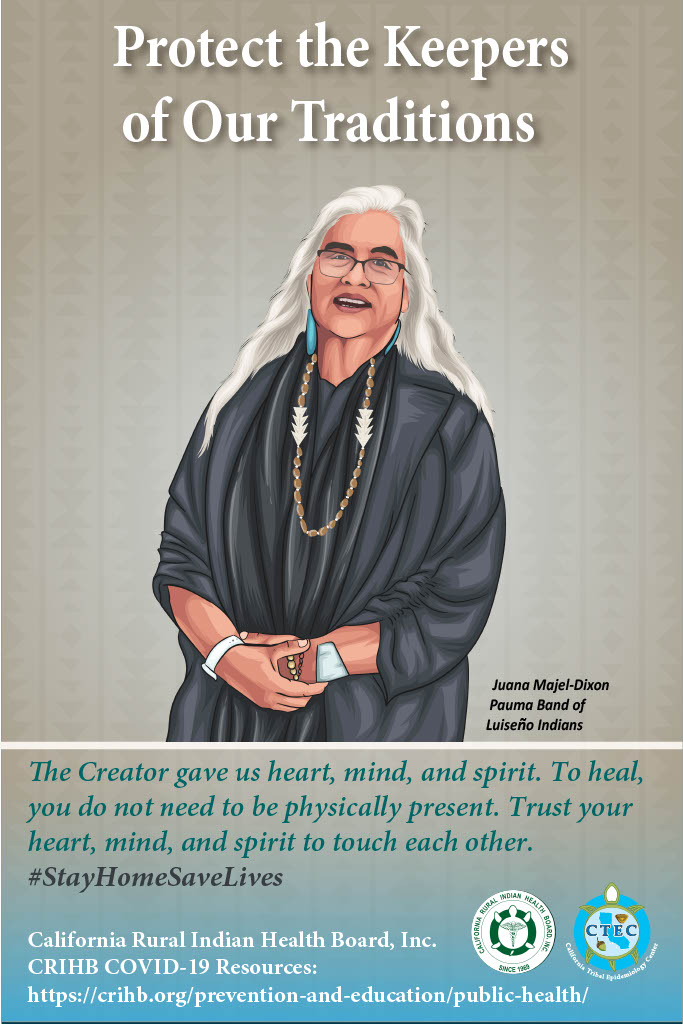
California Tribes #StayHomeSaveLives |
The California Rural Indian Health Board activated a COVID-19 Task Force on March 2, 2020, involving staff from the California Tribal Epidemiology Center and the following CRIHB departments: Finance, Health Systems Development, Human Resources, Office of the Chief Executive, Operations, Research and Public Health, and Tribal Child Development.
See more of their #StayHomeSaveLives ad campaign posters below.
|
|
|
|
Going Virtual with Financial Education |
Check out these tips and ideas for using "Going Remote: Providing Native-Specific Financial Education and Coaching in a Virtual Setting", a resource guide by the Oklahoma Native Assets Coalition (ONAC), Inc.
ONAC contracted with Shawn Spruce (Laguna Pueblo), of Shawn Spruce Consulting, LLC, to author the first section of the resource guide. ONAC Executive Director Christy Finsel (Osage) created the list of financial education and Native asset-building resources and Shawn Spruce added several resources to the list. This guide was produced with support from the Wells Fargo Foundation.
|
|
|
|
How Prevalent is Elder Fraud in Your State? |
More than 200,000 scams and financial abuse cases targeting elders are reported to authorities every year, and most experts agree that’s just the tip of the iceberg.
Last year Comparitech, a pro-consumer website, analyzed and extrapolated data from government reports and registries to uncover the true cost of elder fraud in the U.S. Comparitech estimates 7.86 million cases of elder fraud occur in the U.S. annually resulting in $148 billion in losses.
Elder financial exploitation is defined as the misappropriation or abuse of financial control in a relationship where there is an expectation of trust, resulting in harm to the elder victim. Comparitech’s estimates show $6.3 billion in damages are reported to authorities. Only one in 23.5 incidents of elder fraud are reported to authorities, according to a 2011 report from the New York City Department for the Aging and Cornell University.
In all 50 states, losses due to elder fraud total $148.6 billion each year. The average loss per case is $17,869. Deposit accounts were the most common product involved (57.9 percent), followed by debit cards (26.2 percent) and credit cards (6.9 percent). The report shows an average of 25.3 percent of internet crimes relate to those over 60 but the same age group accounts for almost 35 percent of the dollar amount lost. The top five states with the highest estimated rate of elder fraud were Colorado, Nevada, Delaware, Missouri, and Minnesota.
|
|
|
|
The Yurok Tribe Wins Equator Prize |
The Yurok Tribe, native to Northern California, demonstrates how tribal sovereignty, sustainable forest management, climate change mitigation and cultural resilience can be advanced through tribal innovation and collaboration.
Once custodians of over 200,000 hectares of territory, land grabs have left the Yurok with stewardship rights to only 10 percent of their ancestral home.
In a groundbreaking partnership to secure new forms of finance, the tribe has allied with the state government of California to auction carbon credits from their sustainably managed forests through the state’s cap-and-trade program.
The tribe's participation in the program has enabled them to reacquire an additional 20,200 hectares of lands within the Yurok ancestral territory from a large timber company, and will provide finance for ecosystem restoration and protection.
These initiatives are interwoven with efforts to protect tribal livelihoods and cultures, as the Yurok view their identity, culture and livelihoods as deeply interconnected with nature.
|
|
|
|
5 Recent Tribal Newsletters |
|
|
|
It’s Time to Stop Neglecting the Needs of Native Caregivers |
As is now well-known, the COVID-19 pandemic has had a disproportionate impact on communities of color. For American Indian and Alaska Native (AI/AN) communities, the virus has proven to be extremely deadly for people living in both rural and urban settings. Additionally, COVID-19 rates may be higher in this group due to persistent health disparities such as diabetes, obesity and heart disease among AI/AN populations.
Perhaps counterintuitively, cultural traditions, beliefs and practices among AI/AN caregivers also can be contributing factors in high rates of COVID-19 infections, hospitalizations and deaths in different tribal communities. Many of the factors affecting AI/AN caregivers and their older loved ones were identified pre-pandemic in Diverse Elders Coalition research, The Caregiving Initiative. |
|
|
|
Native People Are Dying From COVID-19 at Higher Rate |
The CDC released a new report last month about the affect COVID-19 is having on American Indians and Alaska Natives, particularly the mortality rate. The percentage of COVID-19 deaths for Natives aged 60 and younger was 35.1 percent compared to 6.3 percent of deaths among non-Hispanic Whites. Based on data from 14 participating states, age-adjusted COVID-19-associated mortality among Native people was 1.8 times that among non-Hispanic Whites.
Although COVID-19 mortality rates increased with age among both Native and White persons, the disparity was largest among those aged 20-49 years. Mortality rates among Native persons were higher than those among White persons in all age groups except the oldest age group. Among persons aged 20-29 years, 30-39 years, and 40-49 years, the COVID-19 mortality rates among Native persons were 10.5, 11.6, and 8.2 times those among White persons, respectively. Overall, Native people who died from COVID-19 were younger than were White persons: 35.1 percent of Native COVID-19-associated deaths were among persons age 60 or younger, compared with 6.3 percent of deaths among White persons.
Native people have experienced disproportionate rates of infection and mortality during the COVID-19 pandemic. The excess risk, especially for Native men and persons aged 20-49 years, should be considered when planning and implementing medical countermeasures and other prevention activities.
|
|
|
|
Victory Against Polluters |
In 1998, FMC voluntarily agreed to conditions of a tribal annual permit but after four years, when FMC closed business operations in 2002, they refused to honor their agreement and left their hazardous waste within the reservation. During this time the tribes created the Shoshone-Bannock Tribes’ Waste Management Act, which spelled out requirements for companies who generate or store waste on the reservation, including monitoring of sources of contamination.
The ruling is significant to Indian Country because it confirms corporations must comply with tribal regulations when doing business on tribal lands.
|
|
|
|
Undercounted, Underserved |
Balking at methodology that put the population of the Shawnee Tribe at zero when it has thousands of members, the D.C. Circuit recently ordered an injunction on how the government administers coronavirus-relief funds to American Indians and Alaska Natives.
The Shawnee “incurred significant medical and public health expenses in responding to the devastation resulting from the Covid-19 pandemic,” according to the complaint filed, but the government’s miscalculation of its members meant that it got just $100,000 under the federal Coronavirus Aid, Relief, and Economic Security (CARES) Act. This amount is the minimum payment for tribes with a population of fewer than 37. State, local, and tribal governments are statutorily entitled to $150 billion from the CARES Act, with $8 billion of that pie reserved for the tribes.
Like the Shawnee, which has certified a membership of 3,021, the Miccosukee and the Eastern Delaware Band of Indians were both labeled as having populations of zero under the government’s methodology.
|
|
|
|
Can Corporations Be Tribes? |
The U.S. Supreme Court will hear a case that centers on who gets a share of $8 billion in federal coronavirus relief allocated for American Indian and Alaska Native tribes. Lower courts split on whether Alaska Native corporations, which own most Native land in the state under a 1971 settlement, should be in the mix. The U.S. Treasury Department sought review from the high court after a federal appeals court ruled in September 2020 that the corporations aren't eligible.
The Treasury Department said if the decision stands, the corporations will lose out on “hundreds of millions of dollars” in funding and be deprived of their ability to help Alaska Natives when it comes to health care, education and economic well-being. It's unclear whether the case will be argued in the spring or fall session. The key question is whether the corporations are considered “tribes” under the Coronavirus Aid, Relief and Economic Security Act. The case has required judges, attorneys, American Indian tribes and the Alaska corporations to pick apart language of the act, congressional intent and a 1975 federal law meant to strengthen tribes' ability to govern themselves.
More than a dozen American Indian and Alaska Native tribes sued the U.S. Treasury Department last year to try to keep the money out of the hands of corporations, arguing that it should go only to the 574 tribes that have a government-to-government relationship with the United States.
|
|
|
|
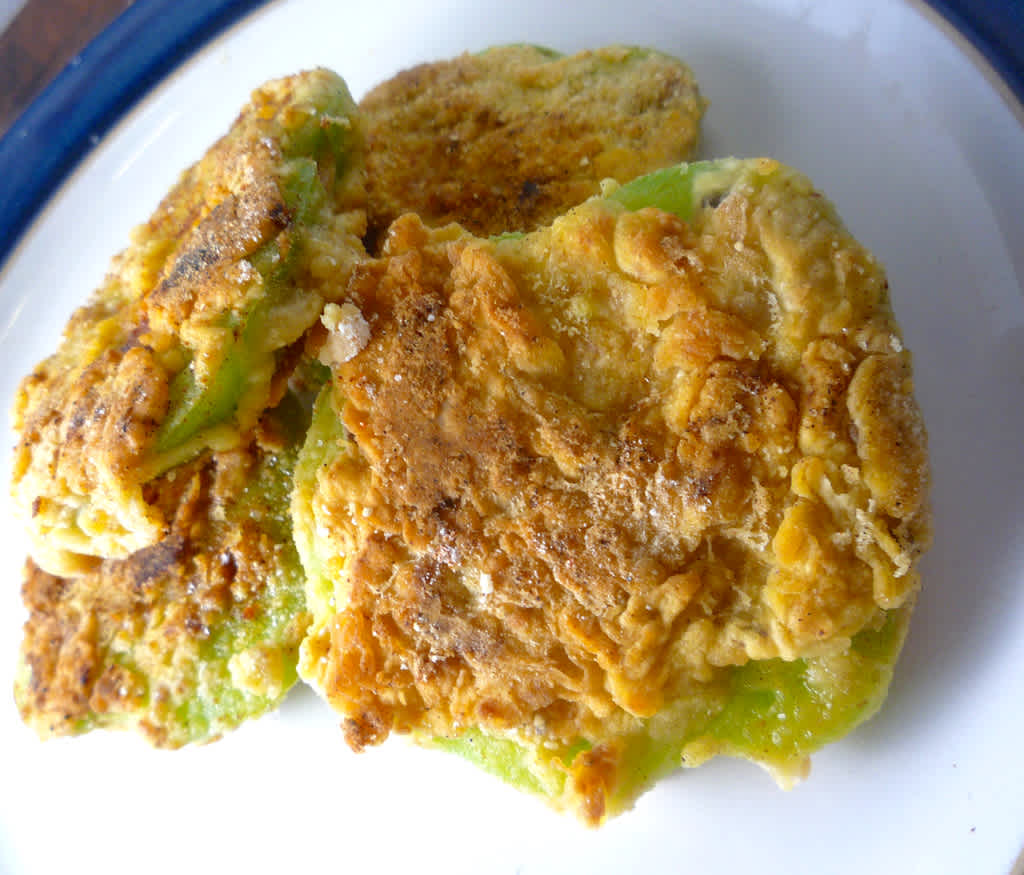
Fried Green Tomatoes
- 4 large green tomatoes
- 1 tsp. salt
- Pinch black pepper
- 2 cups coarse ground yellow cornmeal
- Lard or vegetable shortening
Slice the tomatoes to about half an inch and sprinkle with the salt. Let them sit for 10 or 15 minutes. Blot dry with paper towels, then sprinkle with pepper. Dip the slices into cornmeal and heat your lard or oil in a large skillet, then fry the slices until both sides are brown.
|
|
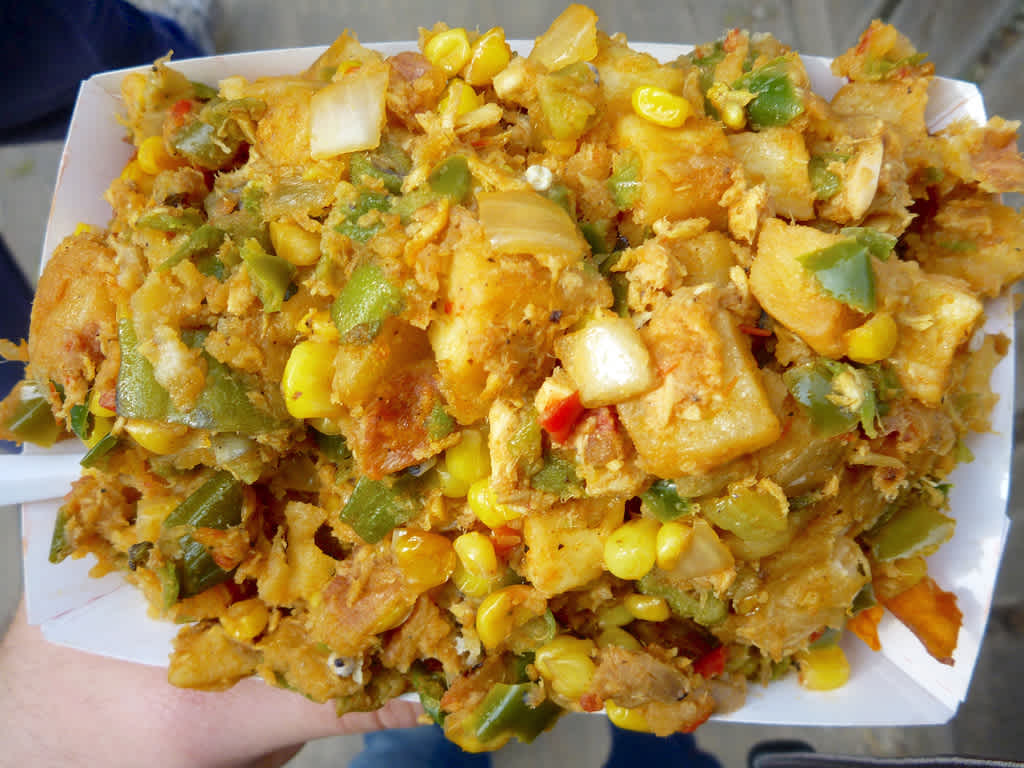
Succotash
- 2 lbs. fresh or dry lima beans
- 3 cups fresh corn cut from cob
- 4 to 6 wild or pearl onions
- 2 Tbsps. melted bacon fat
- 2 pieces smoked ham hock
- 3 quarts water Salt and pepper to taste
Soak dry beans for three to four hours to soften. Drain and add to a pot of boiling water. Let them cook for about 10 minutes, then add corn, ham hocks, salt and pepper, and onions. Reduce the heat and cook on low for one hour.
|
|
|
|
The National Indian Council on Aging, Inc. (NICOA) is a not-for-profit 501 (c)(3) charitable organization. Please consider adding NICOA to the charities you support.
NICOA needs your financial support as the advocacy and political work we do for our elders is not free. Grants that have helped fund NICOA are under threat in Washington, D.C., but you can help.
Your financial support will go directly to support our mission to improve health, social services and economic wellbeing for all American Indian and Alaska Native elders. Donations are tax deductible.
|
|
|
|
|
|
|
|