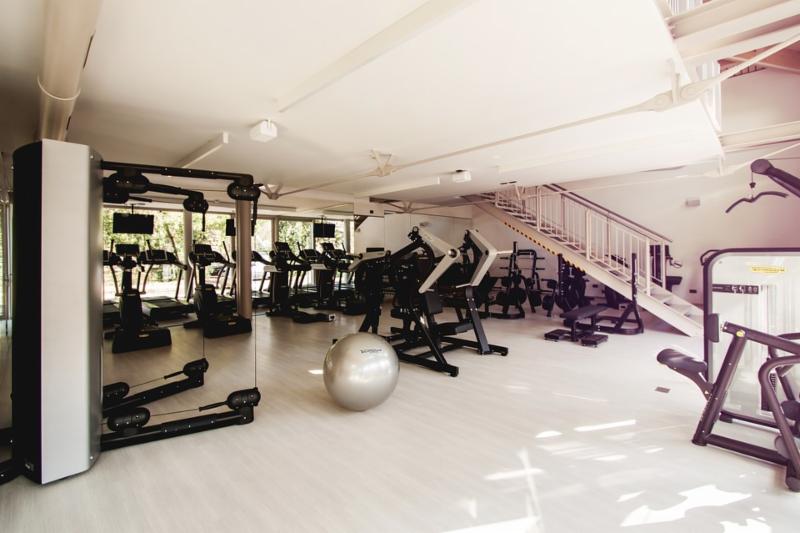
Weight loss starts with calories, but keeping it off depends on movement—understanding both is where real progress begins.

It's a fact: You have to burn more calories than you eat and drink to lose weight.


For weight loss, it really matters that you cut back on the calories that you eat and drink. That matters most for taking the pounds off, according to the CDC.


Exercise pays off in the long run by keeping those pounds off. Research shows that regular physical activity will increase your chances of maintaining weight loss.


dog-walker2.jpg


How Much Exercise Should I Do?

Start with just a few minutes of exercise at a time. Any exercise is better than none, and that helps your body slowly get used to being active.


Your goal is to work up to at least a half an hour most days of the week to get the full benefits from exercise.


If it's more convenient, you can do short spurts -- 10 minutes here, 15 minutes there. Each action by itself may not seem like much, but they add up.


Once you’re in better shape, you can gradually exercise for longer periods of time and do more strenuous activities.


When you’re up for it, you can ramp up the intensity and get the same benefits in half the time. For example, jogging for 30 minutes provides health benefits similar to walking for 60 minutes.

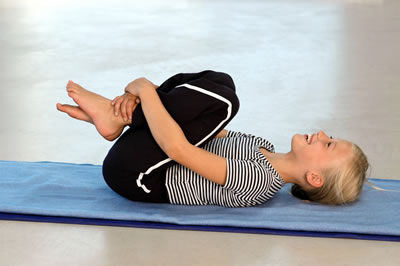
yoga-girl-back.jpg


What Kind of Exercise Should I Do?

You can do anything that makes your heart and lungs work harder, such as walking, biking, jogging, swimming, fitness classes, or cross-country skiing. Mowing your lawn, going out dancing, playing with your kids -- it all counts, if it revs your heart.


If you don’t exercise and you’re a man over 45, a woman over 55, or have a medical condition, ask your doctor if you should avoid any types of activities.


Start with something like walking or swimming that’s easy on your body. Work at a slow, comfortable pace so you start to get fit without straining your body.


At least two or three times a week, do strength training. You can use resistance bands, weights, or your own body weight.

Stretch all your muscles at least twice a week after you exercise. That helps keep you flexible and prevent injury.


If you found this Health Matters update helpful, feel free to share it with someone you care about. It might be exactly what they need today.


https://www.accesshealthcare.solutions/images/123456.png
 
Sign up for the Tribal Health Concierge Program
Please complete the form below, and email the completed form to:


No Enrollment Necessary
two_doctors.jpg
Give us a call.
Schedule an appointment to better understand your health and preventative measures you can take to improve your quality of life.
 
Call at 562-505-5600 or e-mail 
info@accesshealthcare.solutions to get started today.
 
Face Mask 2
Bayer Diabetes:
 
Berkeley Wellness:
 
CBS Health:
 
Cleveland Clinic:
 
CNN Health:
 
Diabetes News:
 
Diabetic Connect:
 
Harvard Health:
 
Health Canal:
 
HealthDay:
 
Huffington Post Health:

Essential Workers
Mayo Clinic:
 
MD Anderson News:
 
Medical News Today:
 
Memorial Sloan Kettering Cancer Center:
 
NBC News Health:
 
New York Times Health:
 
News Medical:
 
Reuters Health:
 
Sanofi Diabetes:
 
Time Magazine Health:
 
UCLA Health:
 
US News & World Report Health:
 
WebMD:
 
Yahoo! Health:

ACCESS HEALTHCARE SOLUTIONS | www.accesshealthcare.solutions
Published by Access Healthcare Solutions, Copyright © 2024. All Rights Reserved.