|
Dear Readers,
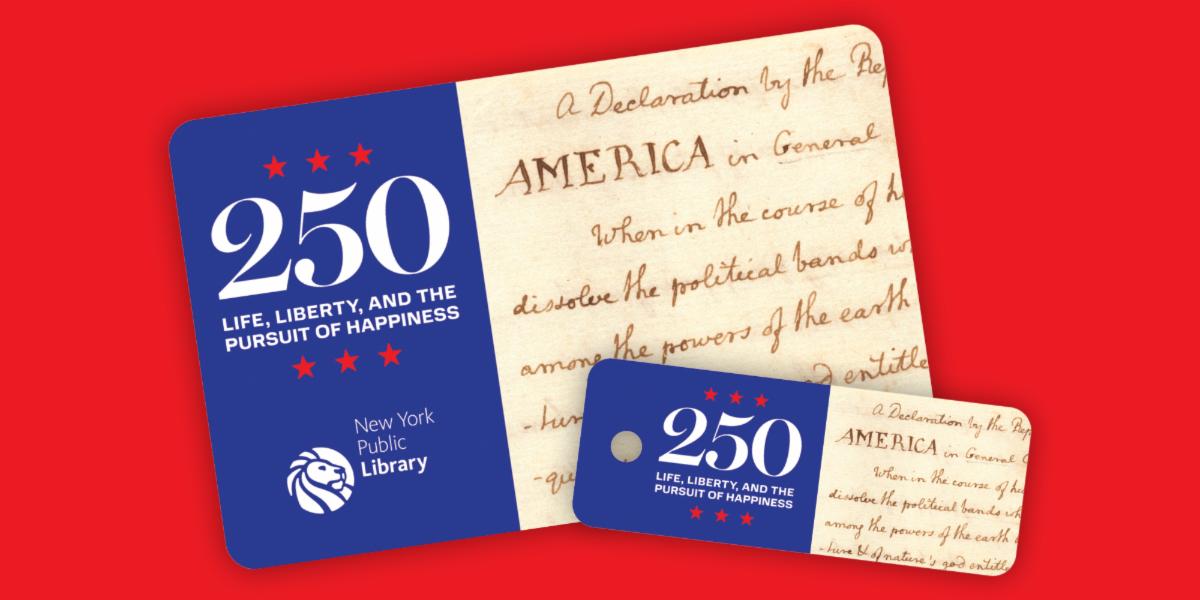
Welcome to the July issue of Side of Culture. This is an exciting time in America as the country marks its 250th anniversary. We raise our hats to our country that has come so far in 250 years and hope that Democracy will prevail for another 250. America has been a beacon of light for so many seeking freedom and a better way of life. Liberty has been hard fought but our history is not untarnished.
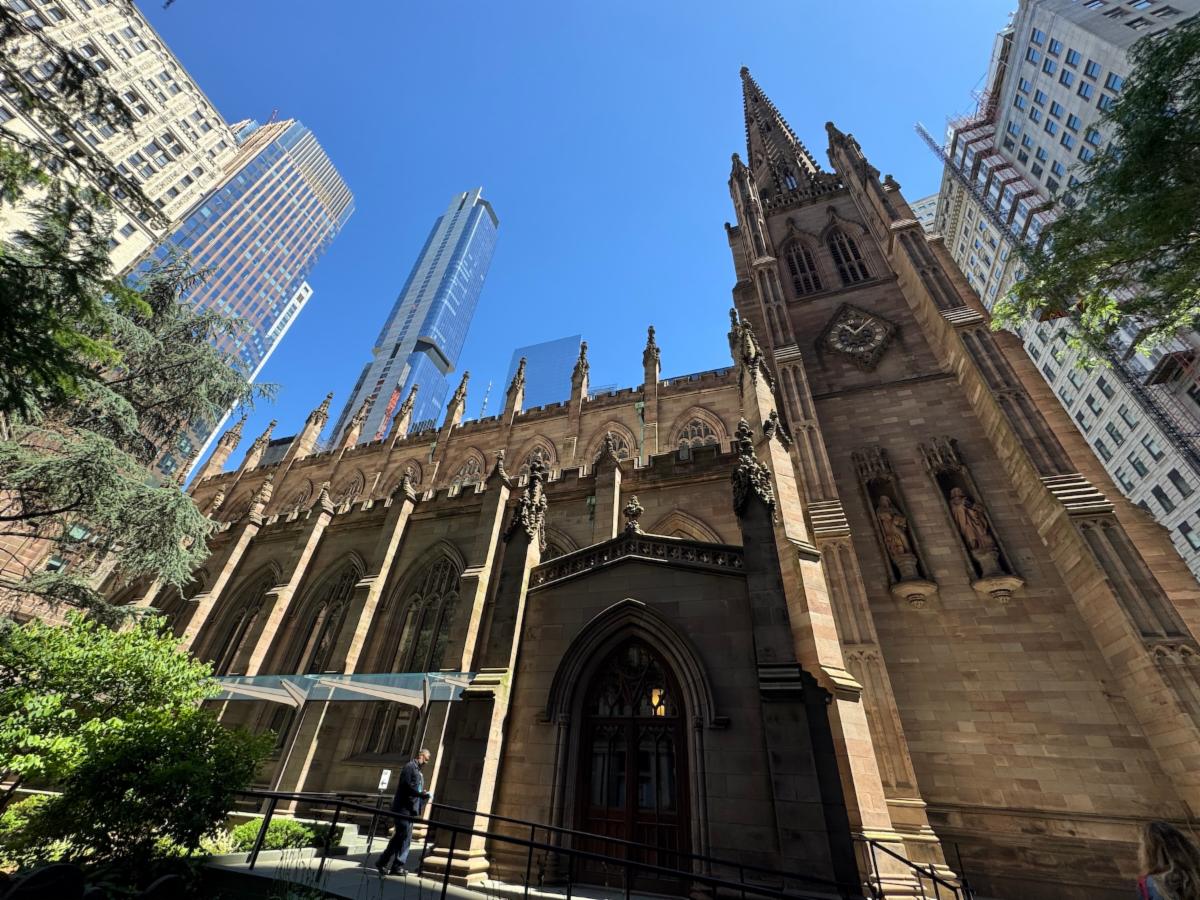
Side of Culture is honoring the birthday with an article on the institutions in New York City that played a role in the Revolutionary War and that are still standing today. Nadine Godwin explores her home town and points out many of the buildings (now museums) that you can visit today and that remind of the important events that unfolded in the City 250 years ago. David McCullough in his book, 1776, memorialized the Revolutionary War as it unfolded in New York and Nadine finds many of the places he mentions in her story.
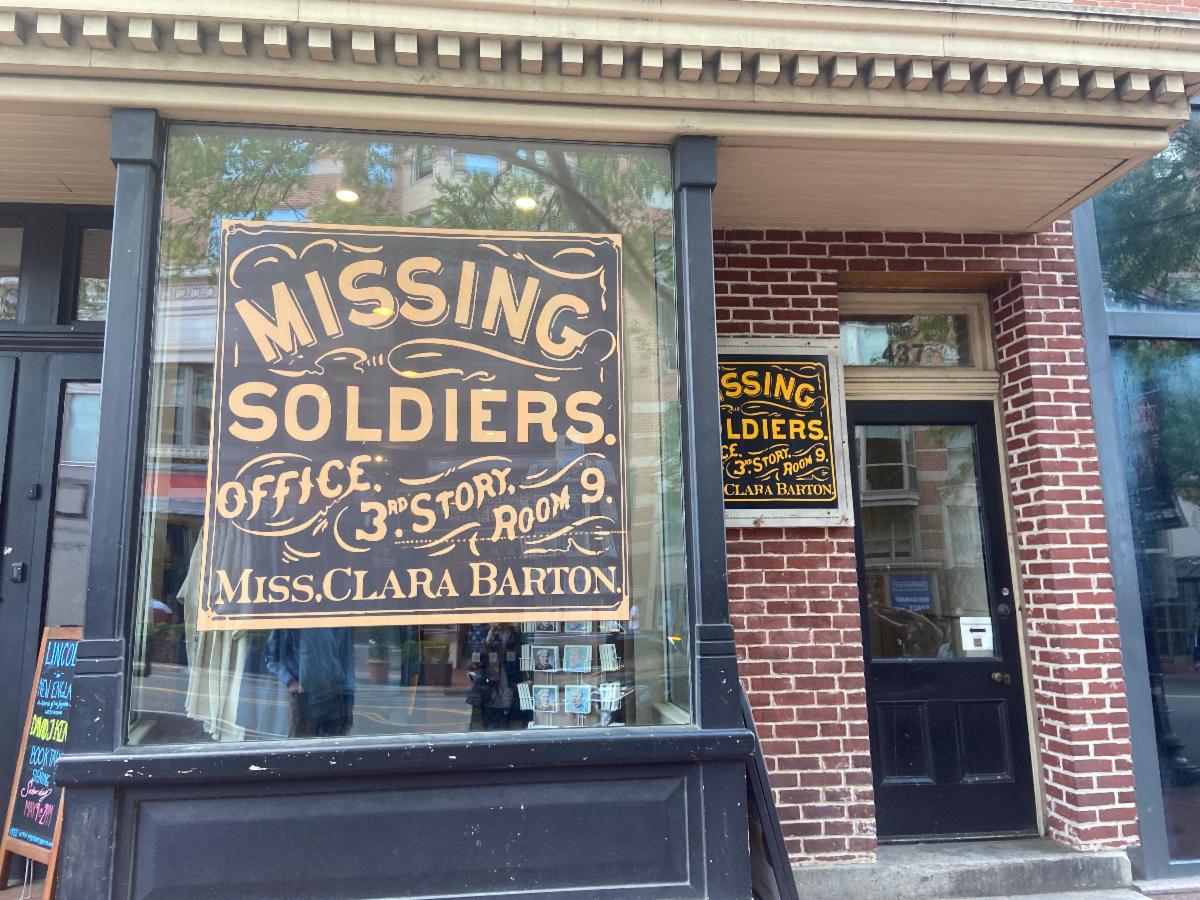
Linda Cabasin highlights an extraordinary museum in Washington D.C. dedicated to the Civil War nurse, Clara Barton. She was however not only famous for being the "Angel of the Battlefield" but also for having founded the Missing Soldiers Office Museum which identified over 22,000 soldiers for their families.This important museum was literally lost until a few years ago until a mysterious tap on the shoulder revealed what history had hidden.
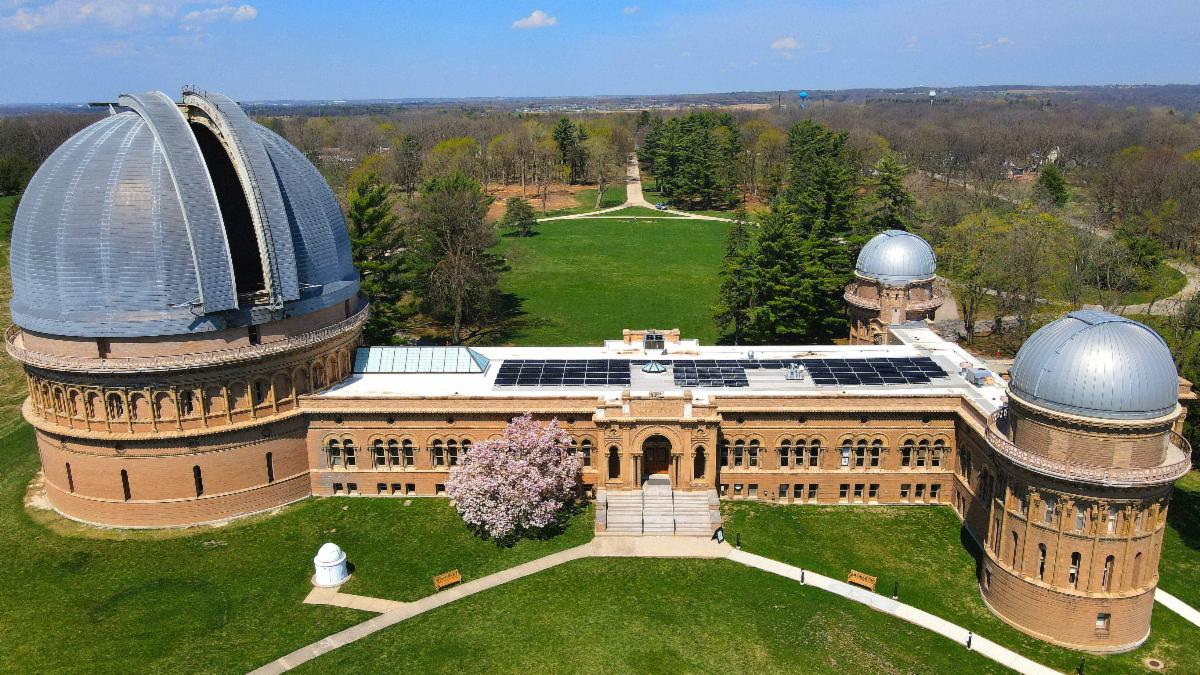
Mark Laiosa went to Geneva Lake in Wisconsin to rediscover the Yerkes Observatory. Opened in 1897 as the crown jewel of American astronomy, visitors today arrive for telescope tours, concerts, lectures, exhibitions, children’s play experiences, ecology walks, and arts programs. The story behind its revival is one of community organizing, civic imagination, and a vision for the future.
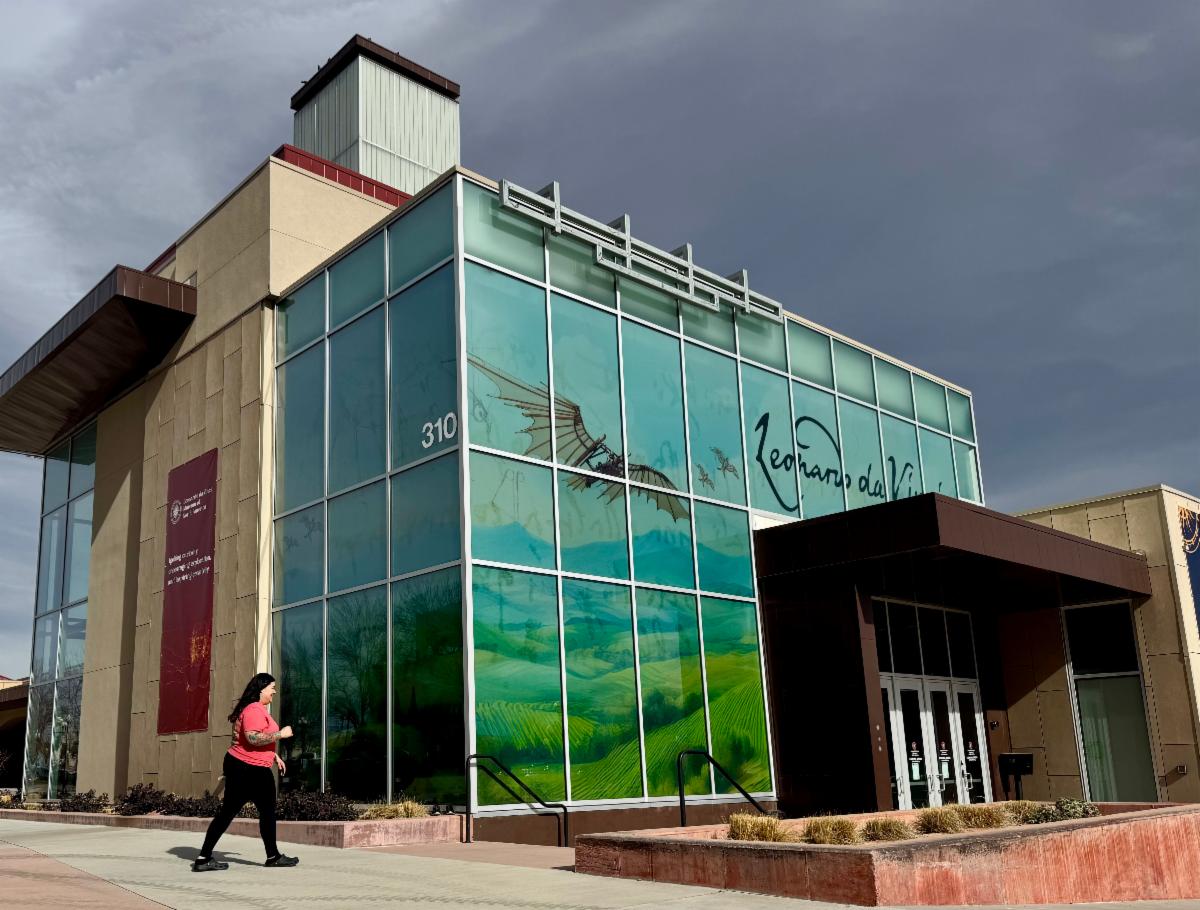
Last but not least, Heather Mundt writes about the new Leonardo da Vinci museum in Pueblo, Colorado that has contributed hugely to its community. The founders of the museum point out that Pueblo has a surprisingly active arts community and its people are really engaged and really want to see their community grow. The final decision to locate the museum in Pueblo was made too to help support an "underserved population here in terms of education, science education, arts education.” This is the power of arts communities....to inform and education and support communities.
Author Walter Isaacson explored the power of the Declaration of Independence in his book, The Greatest Sentence Ever Written and that despite the obvious flaws in the second sentence, the document still underpins our country and provides common ground. At Side of Culture, we believe that building communities plays a part in keeping our country strong.
We would be thrilled if you would join our SideofCulture community and subscribe to our newsletter.
Thank you for reading!
Victoria Larson
|