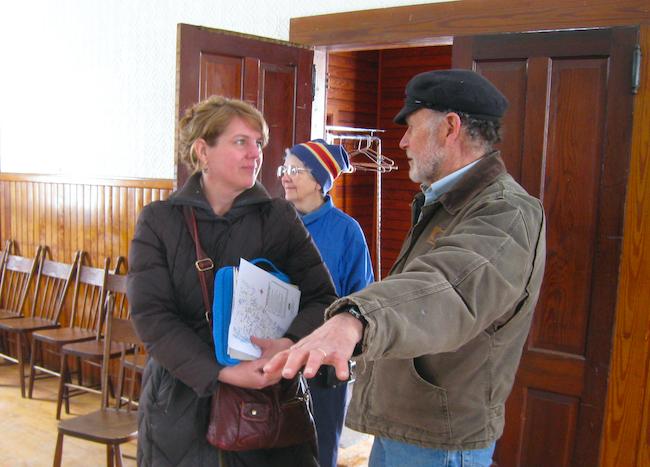
Field Service Rep Lisa Ryan providing support to the community of West Newbury |
|
We're Hiring!
Seeking Field Service Representative for The Preservation Trust of Vermont
The Preservation Trust of Vermont (PTV) builds community through the preservation of historic buildings and the revitalization of Vermont’s villages and downtowns.
PTV is seeking a Field Service Representative to help achieve this mission by working closely with Vermonters on a wide range of historic preservation and community development projects. The Field Service Representative provides field-based technical assistance on historic preservation best practices; supports community-led efforts by providing advice, education, encouragement, and connections to other resource providers; and promotes and administers PTV grant programs. The ideal candidate will have a strong technical background in historic preservation principles and construction, good understanding of community and economic development, the ability to work independently and as part of a team, and solid administrative skills. More information here: www.ptvermont.org/fieldservicerep
Application Deadline: March 15, 2022. The Preservation Trust of Vermont is a 501(c)3 status non-profit and an Equal Opportunity Provider.
|
|
Seven Projects Receive Preservation Grants in Partnership with the Freeman Foundation
The Preservation Trust of Vermont is pleased to announce the the recent recipients of Preservation Grants in partnership with the Freeman Foundation. A total of $345,000 has been awarded to seven Northeast Kingdom projects. The grants range from $25,000 to $75,000 and will be used for the restoration, repairs, access and upgrades of historic buildings and structures.
Through our more than 20 year partnership with the Freeman Foundation, PTV has been able to grant more than $11 million to preservation projects in every county in the state of Vermont. These projects represent more than $140 million of total project costs.
|
|
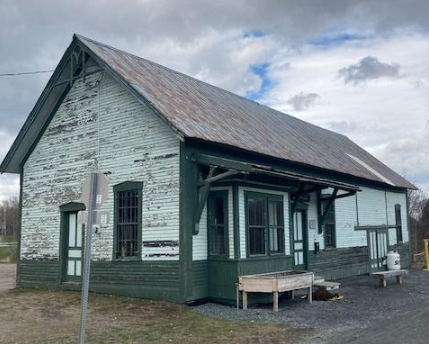
Danville Train Depot, Danville: $45,000
Built in 1871, the 19th century Danville Train Depot is located on the edge of the Village at the intersection of Peacham Road and the Lamoille Valley Rail Trail. The historic building and its surroundings have changed little since its construction. There is a shared understanding among the members of the Select Board, Historical Society, Planning Commission, Conservation Committee, and now members of the newly formed Railroad Station Committee, that the historic structure is not being used to its full potential (it is currently a recycling center)...
|
|
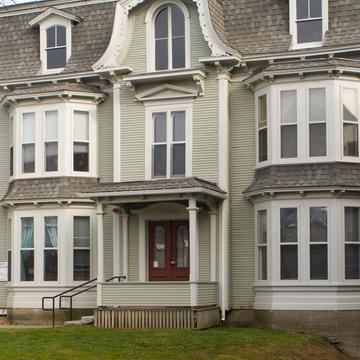
The Rossi House, St. Johnsbury: $50,000
Located on the corner of Fairbanks Drive and Belvidere Streets, this National Register property was built in 1868 on land owned by one of the founders of the St. Johnsbury Academy. Today, the Academy owns property on three sides of this property, making the Rossie House a strategically important location that would complete and unite the Academy campus.
|
|
Photo credit: Curtis B. Johnson |
|
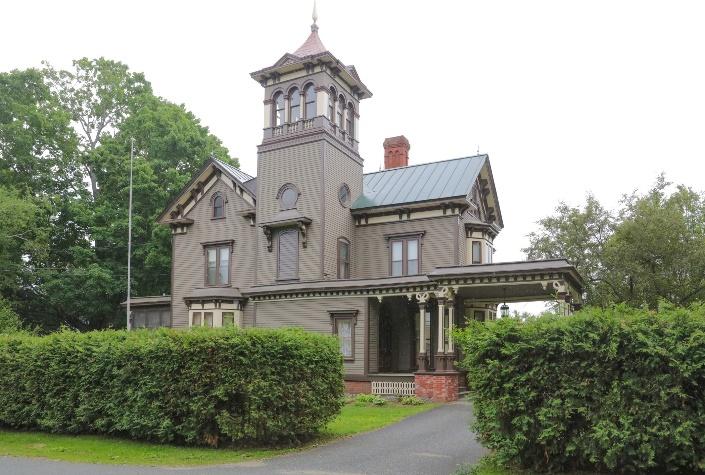
Jerry Dickerman House, Newport: $50,000
Built for a local lawyer and customs collector, the 1875 Jerry E. Dickerman House, is a prominent and rare example of residential Second Empire architectural style. Rural Edge, the primary affordable housing developer for the Northeast Kingdom, is undertaking an extensive rehabilitation of the building which currently houses six units of affordable housing.
|
|
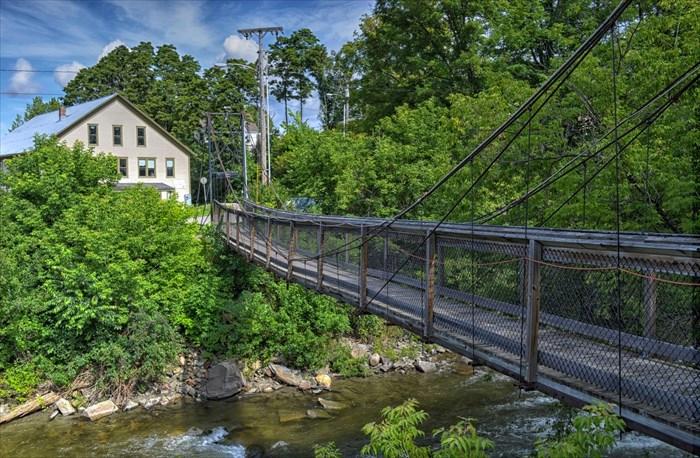
Swinging Footbridge, Hardwick: $75,000
At town meeting in 1915, the Hardwick Village citizens instructed the Village Trustees to help fund a footbridge across the Lamoille River, from Main Street at “a point between the Gazette building and the flatiron building to a point on the Brush Street property recently purchased by Samuel Daniels.” The Villagers instructed the Trustees not to spend more than $350.00 on the footbridge. The footbridge was used for over 100 years. The bridge has now met the end of its expected life and is closed to the public due to safety concerns.
|
|
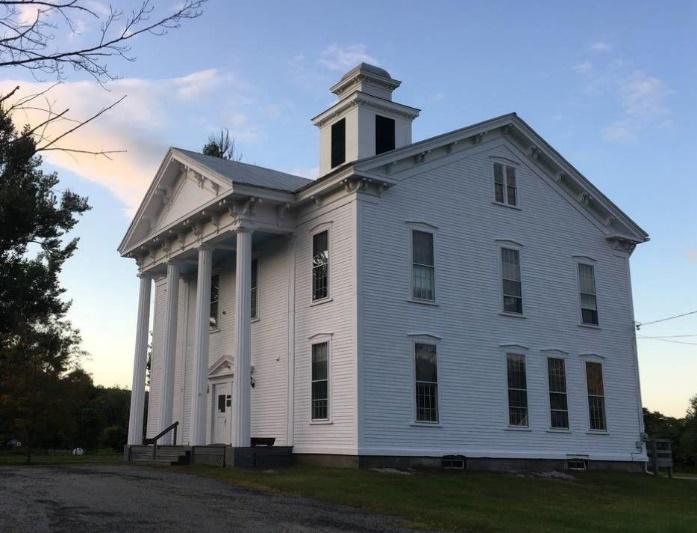
McIndoe Academy, McIndoe Falls: $50,000
Built in 1853, McIndoe Academy is well situated on a dramatic, functional, and welcoming 2½ acre site in the village of McIndoe Falls. In 2016, the Trustees of the Academy began identifying potential partners to expand community use and ownership of the building. In recent years, the building has been home to a town library, the post office and the Academy Alumni Association. The expanded partnership will include the historical society, a friends group and a variety of non-profit and community uses.
|
|
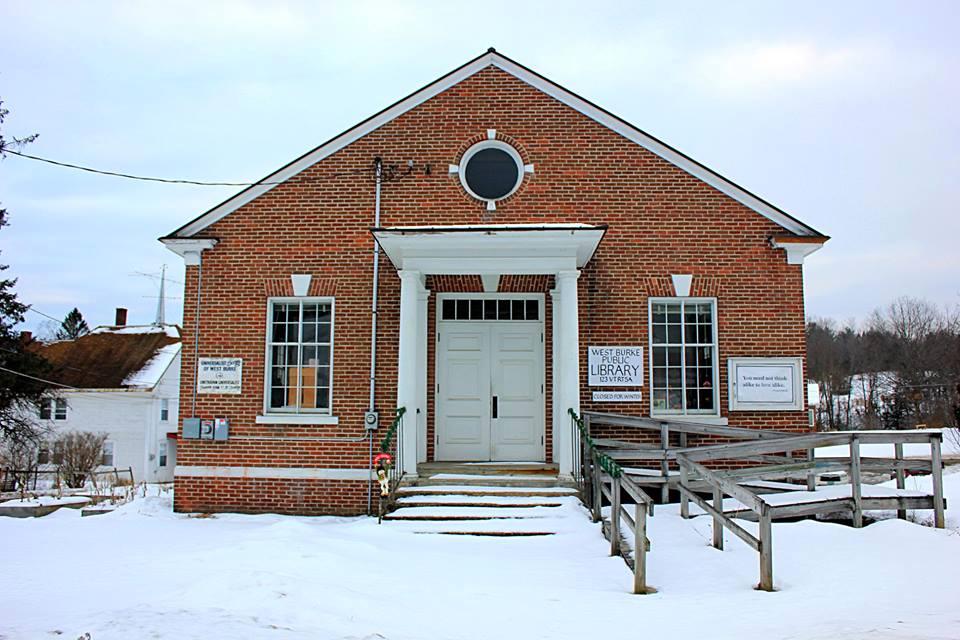
West Burke Library, Burke: $25,000
The West Burke Public Library is located on the south side of the green in the center of West Burke Village and shares a lot with the West Burke Post Office. Because of these location attributes, the building serves a significant role in the community. With a year-round population of 367, the library is an important community gathering space and resource for residents, including library patrons, the Unitarian Universalist Society (it maintains ownership of the building in partnership with the Village), and those looking for new skis through a long-running equipment swap program. While the building is generally well maintained, the community is currently working to improve accessibility to the library, including redesigning the main entrance and creating accessible programming space and restrooms.
|
|
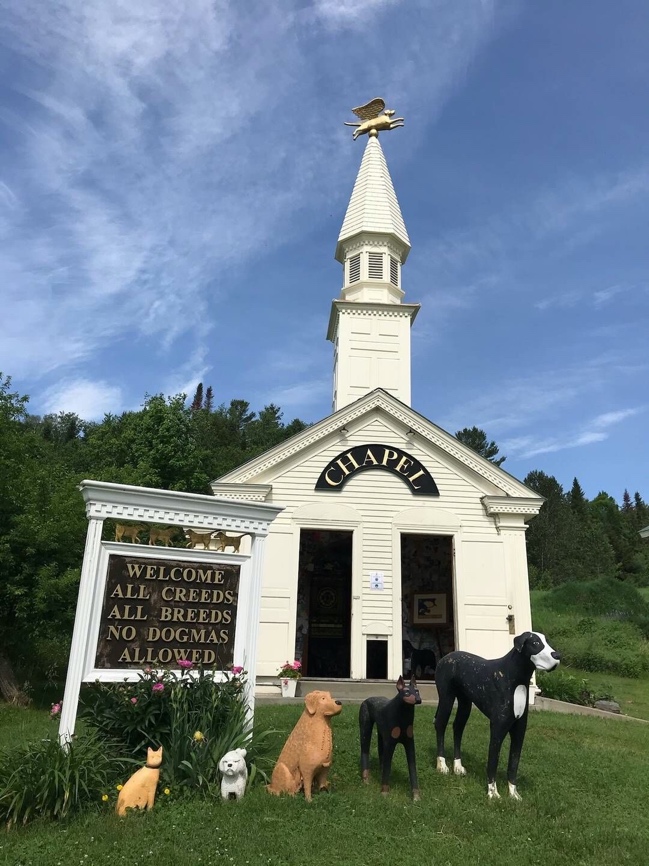
Dog Mountain Chapel, St. Johnsbury: $25,000
While not technically historic (yet), The Dog Chapel, built in 2000 by the world-renowned Vermont artist, Stephen Huneck, is widely considered the artist’s masterpiece. It is located on the Dog Mountain Campus, an area that contains a number of historic barns and is one of the most culturally significant sites in the Northeast Kingdom. Constructed in the style of a small New England Chapel, every inch is touched by the artist’s hand, from the dog-themed, stained-glass windows, and pews, to the hand carved doorknobs and fixtures. The Dog Chapel receives tens of thousands of visitors annually and they have covered the walls from floor to ceiling in hundreds of thousands of notes and remembrances to passed pets, transforming the Dog Chapel into a living piece of communal art and history, ever evolving, with each new note pinned to the overflowing walls. Restoration of the Dog Chapel is part of a multi-tiered revitalization plan.
|
|
|
|
|
|
|