The important aspects of Omnibus include proposed pay cuts of 2% in 2023 for physicians, a reduction from 4.5%, and in 2024, the cuts will increase to 3.5%.
The Wall Street Journal described this as the ugliest Omnibus bill ever with a 4,155-page bill that most members will never read. This bill includes multiple provisions affecting healthcare providers:
1. Reduce the physician fee schedule cut from 4.5% to 2% for 2023 and 3.5% for 2024
2. Prevents the 4% statutory pay as you go sequester for 2 years
3. Provides extension of telehealth services for 2 years
4. The worst news is that:
- There is no mention of a 2% sequester cut from ACA. Consequently, the 2% sequester cut will continue. Obviously, this will result in a 4% cut for the physician fee schedule from 2022 (2% new cut + 2% sequester cut = 4%).
- For facilities, a sequester cut of 2% will be implemented through 2023.
There are also multiple changes to the Medicaid policy, which will remove ineligible of their Medicaid roles in April, regardless of when the COVID-19 public health emergency ends.
As you well know, the American Society of Interventional Pain Physicians (ASIPP) advanced advocacy to prevent all cuts permanently. Obviously, we are extremely disappointed, along with almost all physician organizations. ASIPP will soon be providing you with appropriate activities for upcoming months and years as the new Congress steps in to remove these cuts permanently.
The new fee schedule, based on 2% and 4% cuts for 2023 for physicians and a 2% cut for facilities, is available at asipp.org. Sample schedules are as follows:
|
|
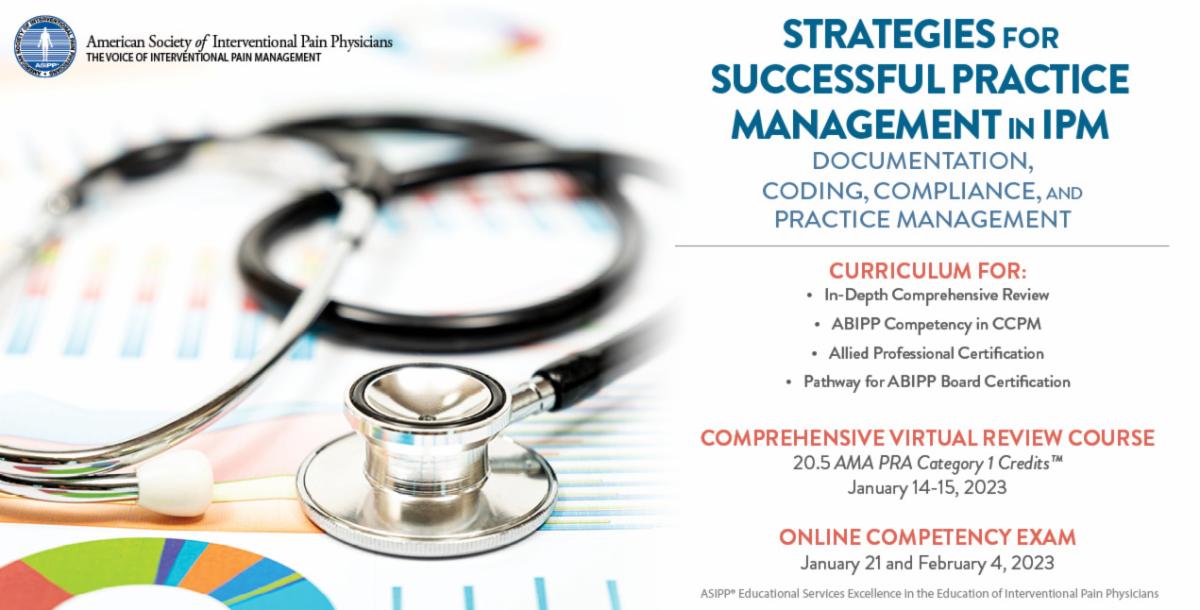
Have you registered for this weekend's virtual review course? |
|
The Federal Trade Commission says the move would open new job opportunities for 30 million Americans and raise wages by $300 billion a year
The Federal Trade Commission proposed a rule Thursday to prohibit employers from imposing noncompete clauses on workers — a widespread practice that economists say suppresses pay, prevents new companies from forming and raises consumer prices.
The ban would make it illegal for companies to enter into noncompete contracts with employees or continue to maintain such contracts if they already exist, and it would require that companies with active noncompete clauses inform workers that they are void. Such agreements typically prevent workers from getting jobs at a competitor of a current or former employer for a defined period.
The FTC estimates that banning noncompete contracts would open new job opportunities for 30 million Americans and raise wages by $300 billion a year. If enacted, the rule could send shock waves across a wide range of industries.
|
|
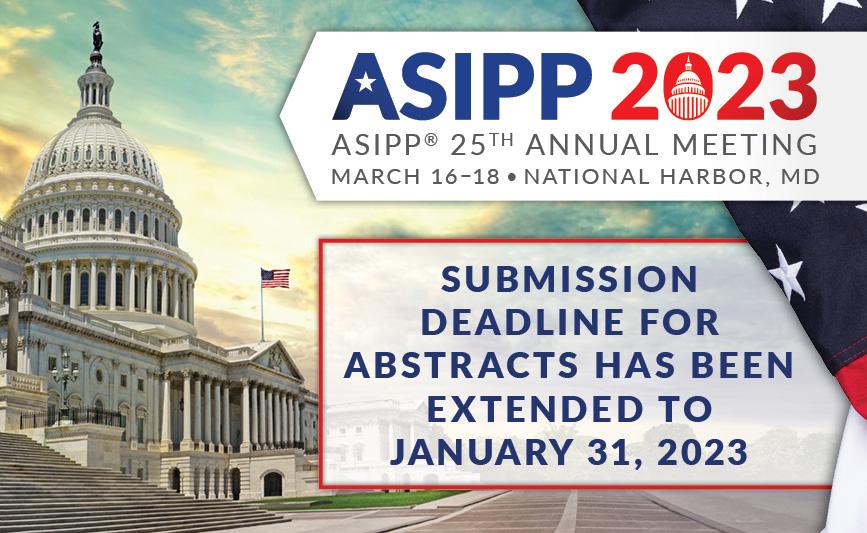
Submit your abstracts by January 31, 2023
Questions should be directed to Savannah Gold at
|
|
Thorough evaluations of its adoption and quality are essential
While telehealth has been embraced as a silver lining of the pandemic, concerns around telephonic care (or audio-only telehealth) continue to dog its proponents.
Prior to the pandemic, federal law required telehealth services be delivered to Medicare beneficiaries via two-way video. However, given the technology challenges many seniors face, the administration waived the requirement during the COVID-19 Public Health Emergency.
In an analysis of traditional Medicare beneficiaries, the Bipartisan Policy Center (BPC) took an in-depth look at the use of audio-only telehealth services.
|
|
FASIPP nomination applications are due no later than January 15, 2023. |
|
Lown president calls the list "a tragic comedy of grift and profiteering"
Medicare Advantage plans took the top spot in this year's Shkreli Awards, the annual list from the Lown Institute that calls attention to some of healthcare's most greedy and unethical behavior.
The plans' penchant for defrauding or overbilling Medicare by an estimated $25 billion in 2020 alone by saying beneficiaries were much sicker than they actually were earned them their top marks, according to the Lown Institute.
Others who made the 2022 list included Texas hospice leaders who tried to hasten patients' deaths to avoid losing federal funds; a Wisconsin dentist who broke patients' teeth so they would need crowns; and a Virginia hospital that diverted federal discounts from its poorer hospital to its wealthier ones.
|
|
Resident/Fellow News and Updates |
|
A limited number of qualifying residents/fellows will receive a travel scholarship to attend the ASIPP 25th Annual Meeting, March 16-18, 2023 at the Gaylord National Harbor, MD.
Recipients of this scholarship will receive reimbursement for up to three nights' stay at the host hotel at the official ASIPP single-occupancy room block rate. This includes room, tax, and resort fees.
Qualification Requirements:
• Residents and Fellows must register for the meeting to be eligible for reimbursement (The meeting fee is only $25 for Residents and Fellows) Click here to register for the meeting.
• Residents and Fellows must be active participants in their fellowship or residency programs during the meeting dates.
• Residents and Fellows must be active ASIPP members.
• A letter of recommendation from the (non-industry) residency or fellowship program director must include:
- Proof that the resident or fellow is an active participant in the program during the meeting dates.
- A statement verifying that no other travel scholarships for the ASIPP 2023 Annual Meeting have been or will be awarded.
• Must be willing to share your email with sponsoring company of the scholarship program.
|
|
|
|
Limited number of scholarships available.
|
|
|
Regular cannabis users may have more post-operative pain and other complications
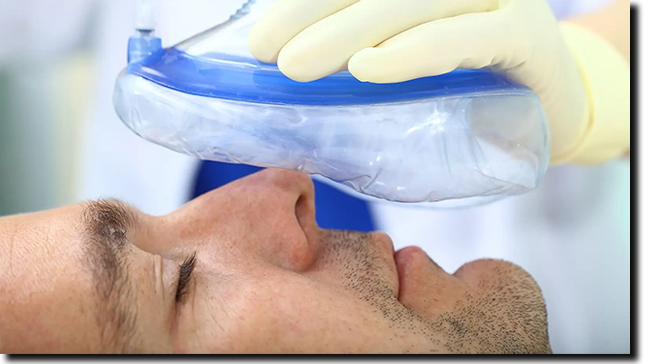
Surgical candidates undergoing anesthesia should be screened universally for cannabis use, new guidelines from the American Society of Regional Anesthesia and Pain Medicine (ASRA Pain Medicine) stated.
Anesthesiologists should ask all patients about the type of cannabis product used, whether it was smoked or ingested, the amount used, how recently it was used, and the frequency of use, reported Shalini Shah, MD, of the University of California Irvine, and colleagues in Regional Anesthesia & Pain Medicine.
Anesthesiologists also should be prepared to possibly change the anesthesia plan or delay surgery, the authors noted. They should let patients know that regular cannabis users may have more pain and nausea after surgery and may need more medications to manage post-surgical pain.
|
|
Responding to portal messages in "real time" is just the latest assault
Now that patients have online access to their medical information there have been several articles and posts published recently about the increase in patients seeking -- in real time -- information and explanations about clinical results appearing on their charts. There are also reports now appearing noting that many healthcare facilities are increasingly seeking to bill patients for these interactions.
Growing Work Loads: A Case Study
I have been working with one physician colleague concerning evolving changes in his long-standing healthcare workplace and his accelerating feelings of frustration, burnout, and dissatisfaction.
He tells me now that a "final straw" has just been added: real-time health portal messages.
|
|
These practices also saw increases in advanced practice providers versus those not acquired
When it comes to workforce composition at physician practices, differences abound between those that had recently been acquired by private equity (PE) firms and those that had not, according to a study that used longitudinal clinician-level data linked to PE acquisitions.
Among dermatology, ophthalmology, and gastroenterology practice sites from 2014 to 2019, PE-acquired practices had higher clinician replacement ratios compared with their non-PE-acquired counterparts (1.75 vs 1.37), as well as significant annual increases in the number of advanced practice providers (APPs), reported Jane Zhu, MD, MPP, of Oregon Health & Science University in Portland, and colleagues in Health Affairs.
This was also the case for each specialty on its own:
- Dermatology: 1.71 versus 1.28
- Gastroenterology: 2.18 versus 1.93
- Ophthalmology: 1.40 versus 0.98
|
|
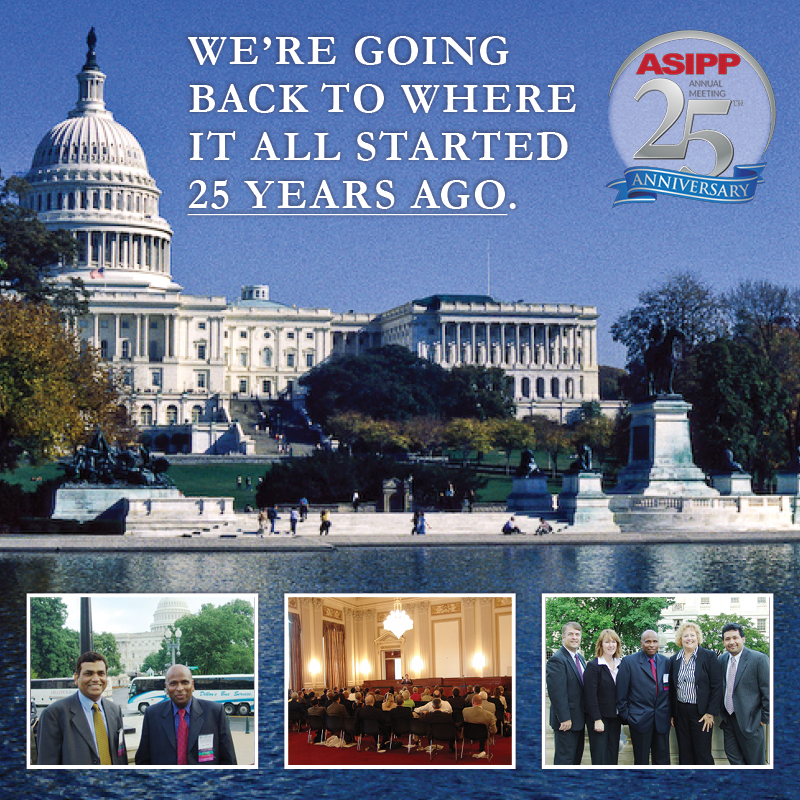
Remembering our roots and revisiting why ASIPP has been The Voice of Pain Management since 1998. |
|
But now, doctors will have to take substance use disorder training to get their DEA license
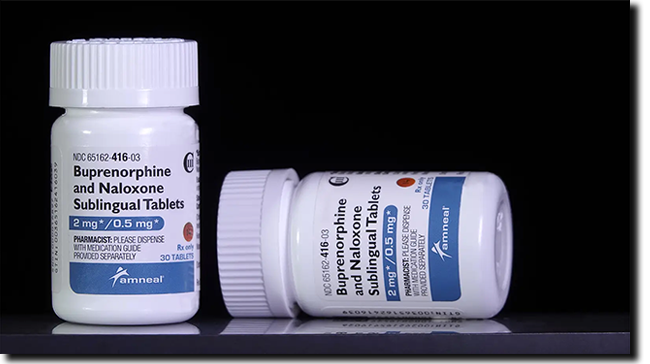
The Biden administration's recent spending bill contained under-the-radar changes for addiction medicine, including eliminating the X waiver requirement for clinicians who treat opioid use disorder with medication-assisted treatment (MAT).
The X waiver, a special Drug Enforcement Administration (DEA) certification that allowed clinicians to prescribe buprenorphine (Suboxone), a partial opioid agonist that curbs opioid cravings, has long been considered a bureaucratic hurdle to improving treatment access for patients who struggle with opioid addiction.
|
|
- ASIPP Members Only Site Information - |
|
-
To log in for the first time you will need to click “forgot password” at the bottom of the login window.
- Check your email and then log in as directed.
-
If you have problems logging into your account, click here.
|
|
Allowing fluid intake closer to procedure increased patient well-being
Changes to fasting policies prior to surgery could impact the length at which patients need to fast, as well as improve patient well-being.
Liberal fasting policies allowing patients to drink clear fluids up until the time of the procedure cut the duration of fasting by an estimated 3:07 hours (interquartile range [IQR] 1:36-7:22), down to a median of 1:20 hours (IQR 0:48-2:24), reported Marije Marsman, MD, of the University Medical Center Utrecht in The Netherlands.
Patients who participated in the new policy also reported decreased thirst (from 46% to 37%), decreased postoperative nausea and vomiting (PONV, from 10.6% to 9.4%), and a decrease in antiemetic administration during recovery (from 11% to 9.5%), potentially improving patient experience (P<0.001 for all), according to the study published in JAMA Surgery
|
|
Pain Medicine Case Reports (PMCR) and Editor-in-Chief Alaa Abd-Elsayed, MD, PhD would like to invite you to submit case reports and case series to the PMCR journal. Your article will be published free of charge.
Open access journals are freely available online for immediate worldwide open access to the full text of published articles. There is no subscription fee for open access journals. Open access journals are no different from traditional subscription-based journals: they undergo the same peer-review and quality control as any other scholarly journal.
Interested in becoming a member of the PMCR Editorial Board?
Editorial board members are asked to review 2-6 manuscripts per year. Please submit your most up-to-date CV to sgold@asipp.org for consideration.
For more information or to submit your articles, click here.
|
|
| CASE REPORT |
Omar Alnatour, MD, and Billy Huh, MD
Abstract
Background: Epidural blood patch (EBP) is a known gold standard in the treatment of post-dural puncture headache (PDPH). However, there are no known reports in the literature to date that discuss a fluoroscopy-guided single-shot approach of EBP administration immediately following a lumbar puncture (LP).
Case Report: The patient is a 71-year-old man with progressive multifocal leukoencephalopathy that presented with a history of debilitating PDPH following recurrent LPs that were required for lab monitoring. The patient underwent a single-shot LP followed by an EBP via the same needle prior to removal from the skin. The patient was free of any PDPH symptoms immediately postprocedure and on follow-up.
Conclusions: A single-shot fluoroscopy-guided approach of administering an EBP immediately after an LP, but prior to needle removal from the skin, may be a safe and efficient approach for preventing PDPH in applicable patient populations.
Key words: Post-dural puncture headache, epidural blood patch, fluoroscopy, lumbar puncture, case report
|
|
| SYSTEMATIC REVIEW |
Xiaoyu Zhang, MSc, Lihua Peng, PhD, and Danyan Liu, PhD
Abstract
BACKGROUND: Conventional radiofrequency (CRF), pulsed radiofrequency (PRF), and pulsed com-bined conventional radiofrequency (PCRF) are widely used in the clinical treatment of trigeminal neuralgia (TN), collective evidence comparing the efficacy and safety of these radiofrequency therapies is still controversial.
OBJECTIVES: To provide additional evidence for the efficacy and safety of different radiofrequency therapies in the management of TN to update this section of the systematic review of Wu et al 2019.
STUDY DESIGN: A secondary systematic review and meta-analysis was conducted.
METHODS: Systematic database research about double-blind, randomized controlled trials (RCTs) was conducted based on PubMed, Embase, and Web of Science. Literature on TN in adults under different radiofrequency therapies was collected to evaluate pain scores, excellent pain relief, and occurrence of adverse effects after corresponding therapies.
RESULTS: A total of 11 studies, including 570 patients, were involved in our systematic review. Two studies from the same research team and one study with a completely different pain assessment tool were excluded from the meta-analysis. Ultimately, 8 studies, including 412 samples, were included in the quantitative synthesis. In secondary analyses, as with the report of Wu and colleagues, we also observed a safer outcome in PRF than CRF when regarding the occurrence of adverse effects. Nevertheless, unlike the last meta-analysis, despite no statistical difference in pain scores between CRF and PRF one week after surgery, a positive impact was observed in the CRF group one month and 3 months after surgery. A meta-analysis of 6 studies comparing PCRF and CRF was conducted and revealed no evidence to prove excellent pain relief of PCRF and CRF groups at 6 months, one year, and 2 years after surgery. However, a positive influence in reducing pain scores was observed in the PCRF group. Subgroup analysis further exhibited that PCRF positively affected TN when the temperature was lower than 70°C.
LIMITATIONS: (1) A small overall sample of included trials; (2) the diversity of tools used for pain assessment across trials, such as VAS, BNI, and NRS, limits the evaluation of outcomes; (3) a high risk exists for most studies in the meta-analysis for at least one domain, which may affect the reliability of results; (4) the short follow-up period of a few studies in the meta-analysis while the long-term efficacy of different radiofrequency treatments may require longer follow-up data to enhance the accuracy of the assessment.
CONCLUSIONS: PCRF provides better long-term efficacy and fewer adverse effects for treating TN. Yet, it is hard to draw definitive conclusions about excellent pain relief comparisons due to the moderate quality of evidence, high heterogeneity, and scarcity of available data.
KEY WORDS: Radiofrequency therapy, trigeminal neuralgia, systematic review, meta-analysis
|
|
| SYSTEMATIC REVIEW |
Jingyao Jiang, MM, Xu Cheng, MM, Donghang Zhang, MD, and Cheng Zhou, PhD
Abstract
BACKGROUND: Nalbuphine has been increasingly used as a local anesthetic adjuvant to extend the duration of analgesia in brachial plexus block (BPB).
OBJECTIVES: To systematically and firstly evaluate the available evidence on the efficacy of nalbuphine as an adjuvant to local anesthetics in BPB.
STUDY DESIGN: Systematic review and meta-analysis.
METHODS: Cochrane Central Register of Controlled Clinical Trials, Cochrane Database of Systematic Reviews, Medline, Embase, Scopus, Web of Science, EBSCO, PubMed, and additional databases were searched. Randomized controlled trials comparing combination of perineural nalbuphine with local anesthetics to local anesthetics alone in BPB for upper extremity surgical procedures were eligible for inclusion.
RESULTS: Nineteen randomized controlled trials involving 1,355 patients met the inclusion criteria. Perineural use of nalbuphine prolonged the duration of analgesia in BPB (mean difference [MD], 162.5; 95% confidence interval [CI], 119.0 to 205.9; P < 0.00001; very low quality of evidence). The duration of sensory block was also extended (MD, 141.6; 95% CI, 100.3 to 182.9; P < 0.00001; very low quality of evidence). Furthermore, nalbuphine shortened the onset time of sensory block (MD, -2.6; 95% CI, -3.6 to -1.5; P < 0.00001; very low quality of evidence). There were no significant differences in side effect-related outcomes, including nausea (risk radio [RR], 1.56; 95% CI, 0.82 to 2.59; P = 0.17; moderate quality of evidence) and vomiting (RR, 1.41; 95% CI, 0.66 to 3.02; P = 0.38; moderate quality of evidence).
LIMITATIONS: The study was limited by substantial heterogeneity, a relatively small sample size and difference-in-differences in how outcomes of interest were described and assessed.
CONCLUSIONS: Perineural use of nalbuphine in BPB is an effective strategy for analgesia in adult patients undergoing upper extremity surgery.
KEY WORDS: Nalbuphine, brachial plexus block, local anesthetics, nerve block, local anesthetic adjuvant, analgesia, meta-analysis, systematic review
|
|
ASIPP is now in collaboration with Curi Medical Liability Program
Since this malpractice insurance program officially launched in November 2018, ASIPP has signed up hundreds of providers with an average savings of 30%. This is professional liability insurance tailored to our specialty and will stand up for us and defend our practices.
Curi is a full-service advisory firm that serves physicians and their practices. Their valued advice is grounded in your priorities and elevated in your outcomes. They are driven by a deep understanding of your specific circumstances in medicine, business, and life. To read a few important points to keep in mind about the program, including discounts, administrative defense, cyber coverage, aggressive claims handling, and complimentary risk management CME activities, visit our website.
|
|
ASIPP® has formed a partnership with Henry Schein and PedsPal, a national GPO that has a successful history of negotiating better prices on medical supplies and creating value-added services for independent physicians. Working with MedAssets, PedsPal provides excellent pricing on products like contrast media that alleviate some of the financial pressures you experience today.
|
|
ASIPP® is now offering our members the benefit of a unique revenue cycle management/ billing service.
We have received a tremendous amount of interest in the ASIPP® billing and coding program.
Click here to learn more about the negotiated rate for practices and more!
|
|
|
up-to-date news related to you, your practice, and your patients!
|
|
|
|
|
|
|