Logo.png

Virginia - North Carolina: Saturday, October 15, 2022

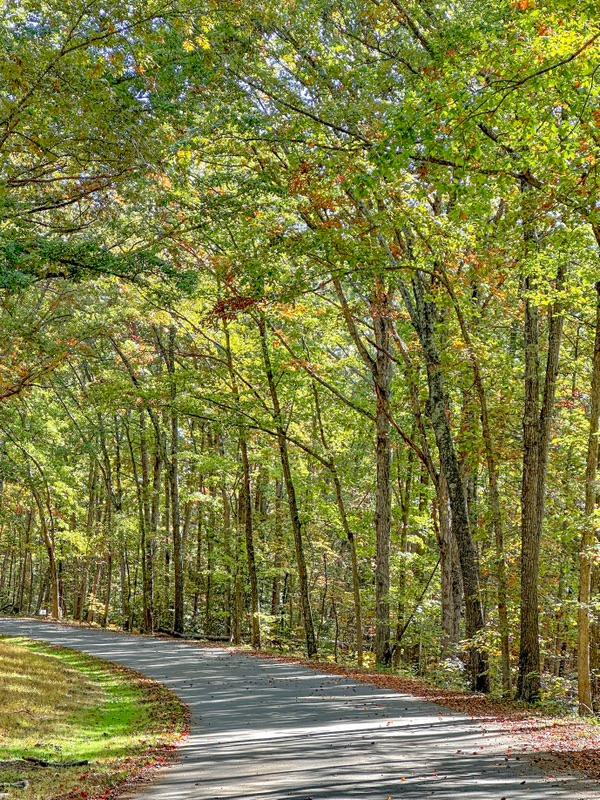
Like yesterday, this peaceful, hallowed road that weaves around the Spotsylvania Battlefield camouflages the horrific conflict that occurred here.

SPOTSYLVANIA COURT HOUSE - May 8 - 21, 1864:


After General Grant disengaged from the Wilderness, he took the Army of the Potomac around Lee’s right flank and headed down to Spotsylvania Court House, about 15 miles away. Lee guessed that Grant was heading there and the race to get there was on. Lee won the race.


Civil War battles, even major ones, usually lasted a couple of days, three at the most. Spotsylvania lasted two non-stop weeks of horror and carnage. A new concept was introduced to warfare - total warfare.


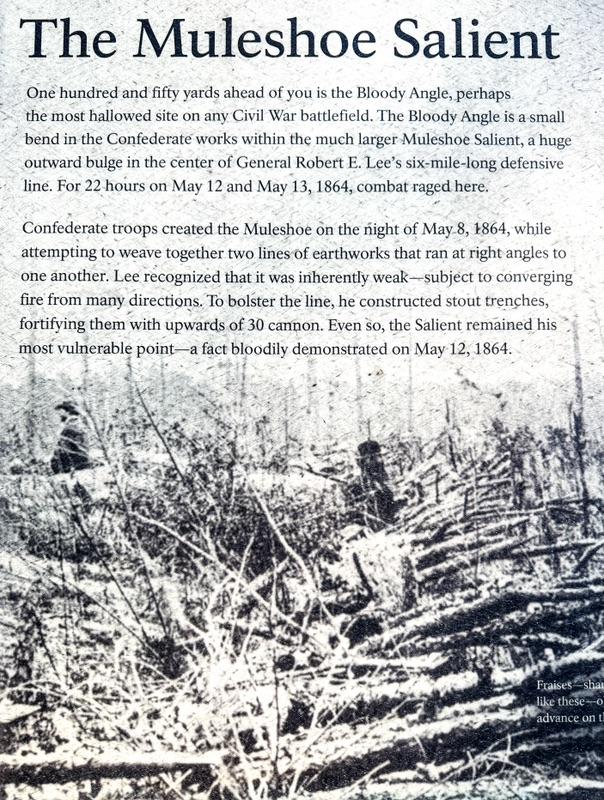
A couple of interesting, if not macabre, things happened during this battle. Lee’s defensive line was strong and dug in, however, it had one flaw, a salient that was nicknamed the Muleshoe. A salient is a bulge in a battle line. It is considered weak because the opposing forces can attack it on its two sides as well as on the front, creating some deadly crossfires for the defenders to contend with.


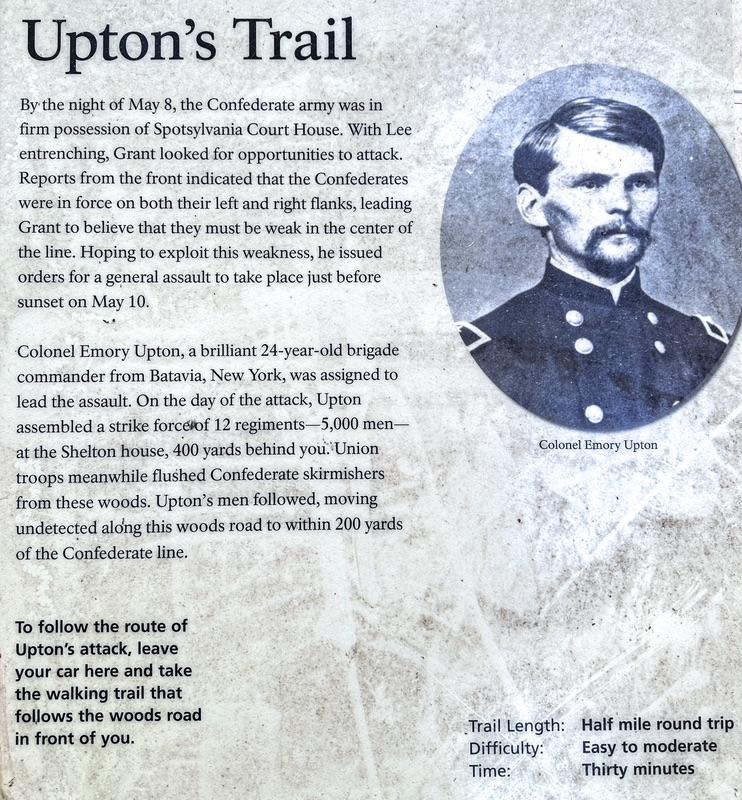
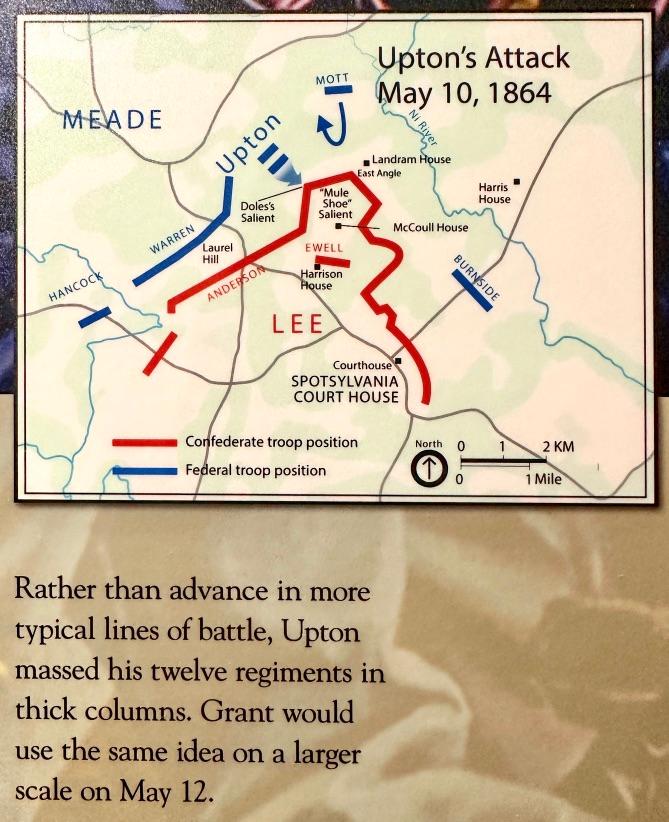
Colonel Upton, a brigade commander, devised a radically different way to attack the salient. Normally, an attack is carried out on a broad wide front - a wave of soldiers. If the defensive line is well dug in, they can mow down the oncoming attackers with some ease.


Instead, Upton formed his brigade in a long narrow formation, much like a spear. It presents a much narrower and thus smaller target to shoot at - pity the poor fools at the front (tip) of that line. Anyway, if the tip of the spear could penetrate the enemy line, the long line of men pouring in behind could fan out behind the enemy’s line and wreak havoc.


Upton tried his new technique on the Muleshoe. It worked, however, his valiant brigade was not supported by other units and his attack petered out. After plenty of bloody hand-to-hand bludgeoning combat, he was forced to retreat.


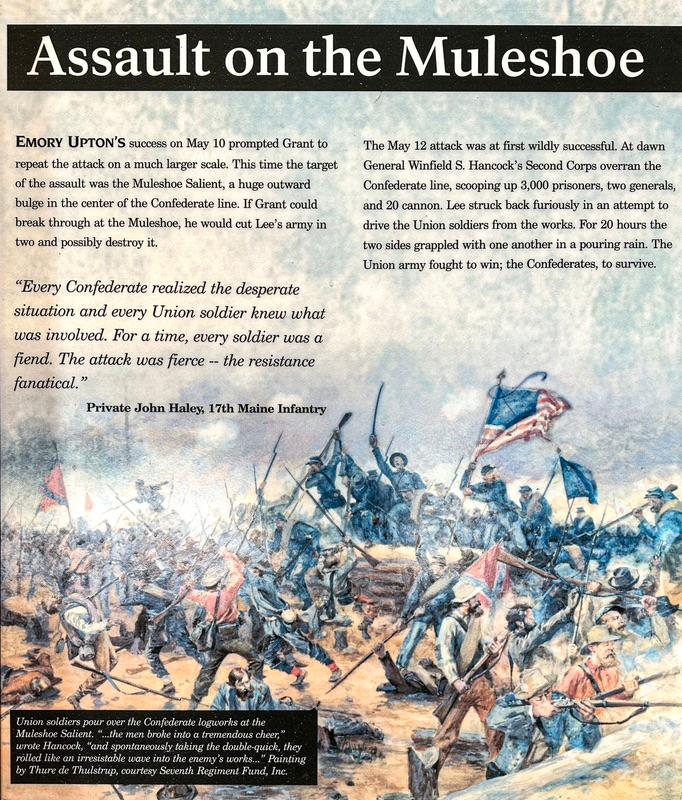
Grant was impressed. If a Brigade wasn’t enough, he reasoned, let’s try a Division. He assembled 20,000 of Hancock’s Corps and aimed it towards a small curve in the Muleshoe salient that became known as the “Bloody Angle”. Even though Lee was ready for this, Hancock’s men broke through. Lee desperately poured in reinforcements. Grant sent Burnside’s Corps to attack the salient’s eastern side. Poor hapless Burnside. His attack didn’t make a dent.


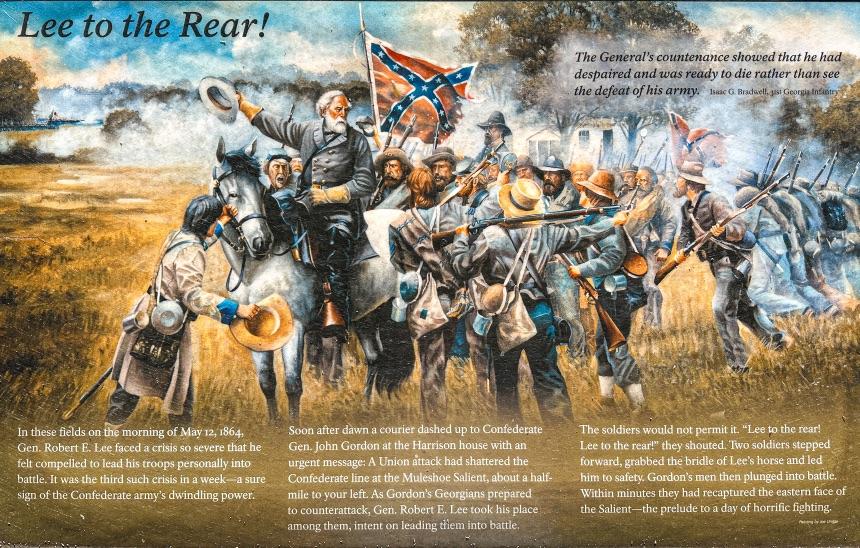
In the most horrific hand-to-hand slugfest of the war, the Bloody Angle resulted in 17,000 casualties in 20 hours. Lee was able to pull back and re-establish a defensive line across the neck of the salient thus eliminating the bulge and its inherent weakness. It was also one of the rare times that Lee came forward to personally take control. His men met him, crying out, “Lee, to the rear.”

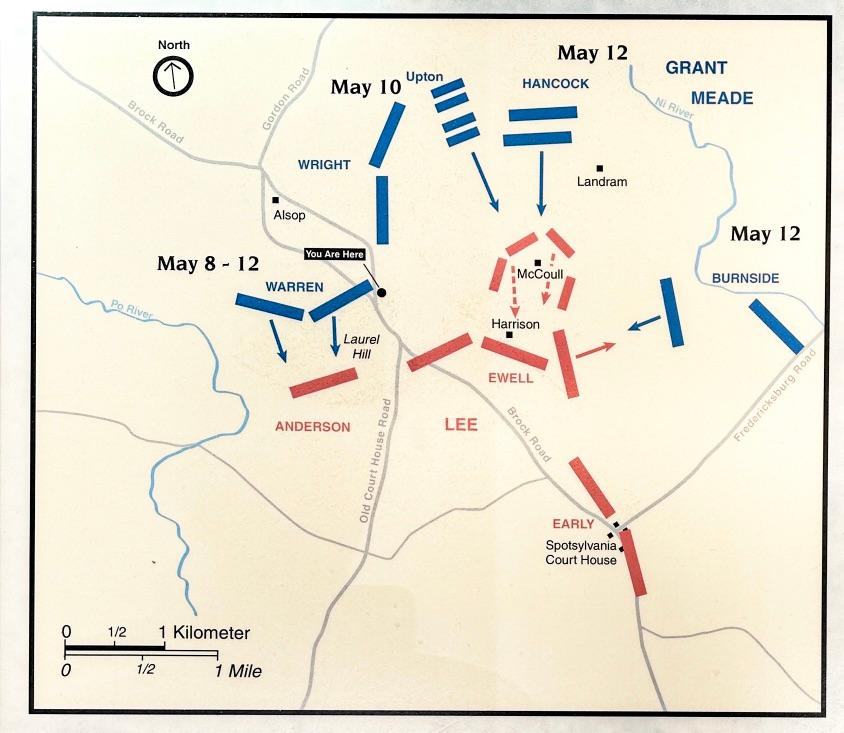
In this map, you can see the bulge, or salient, in Lee’s defensive line. A bulge like that can be attacked on three sides causing it to be a weakness in a defensive line. This particular salient was nicknamed the “Muleshoe”.

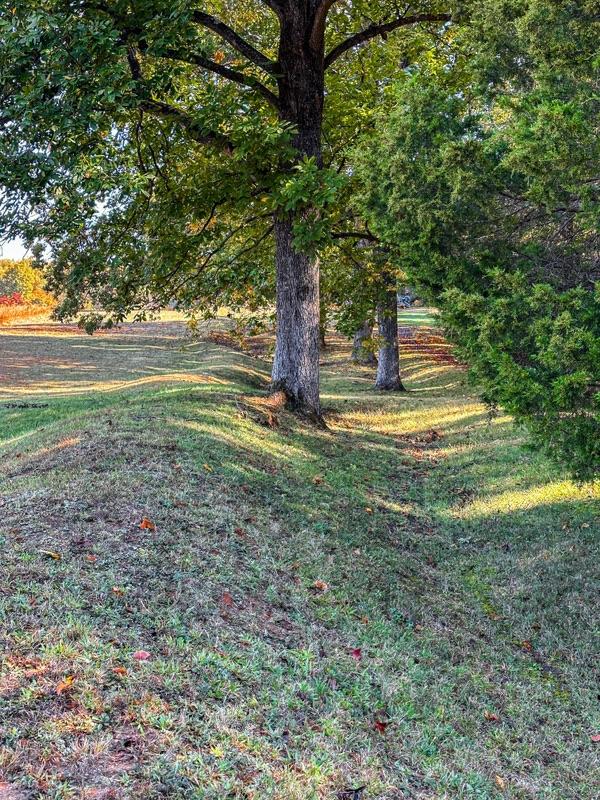
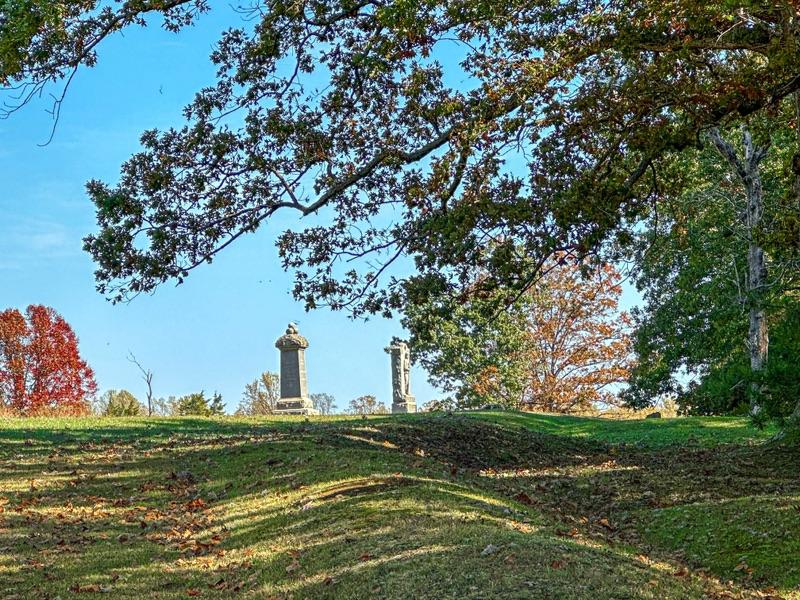
These mounds are all that is left of Lee’s trenches. The original mounds were higher and then topped off with a wood fence and/or sharpened logs pointing out towards the enemy, giving the defenders a barrier to hide behind and making it more difficult for the attackers to breach.

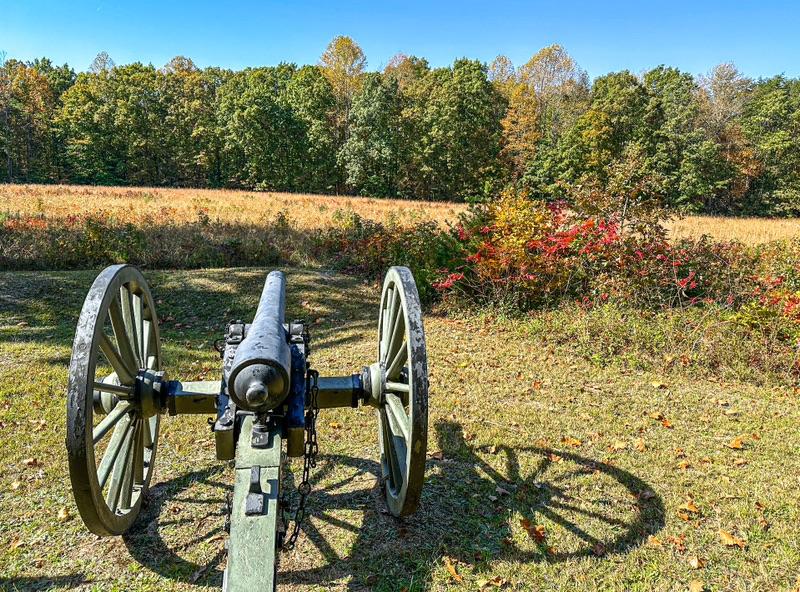
This canon is in a Confederate position looking over an open field. Upton’s brigade came out of the woods in the background to attack the “Muleshoe” salient.

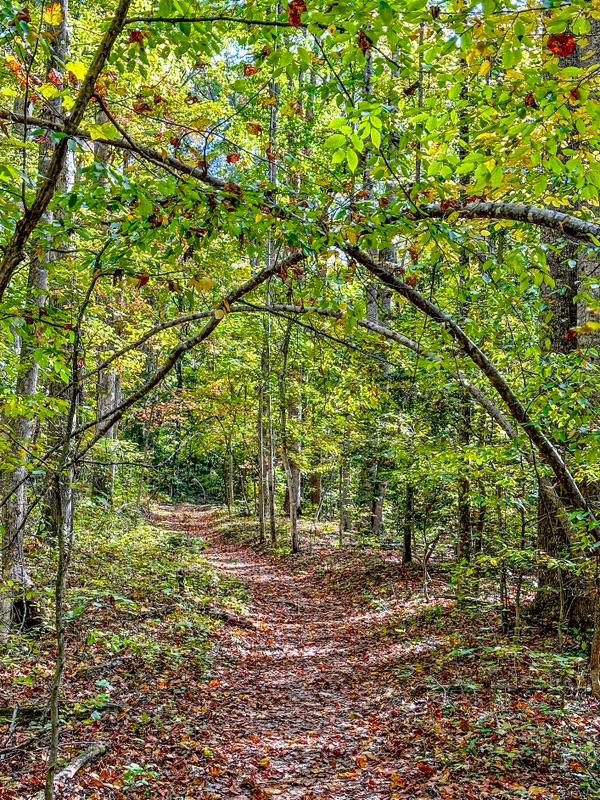
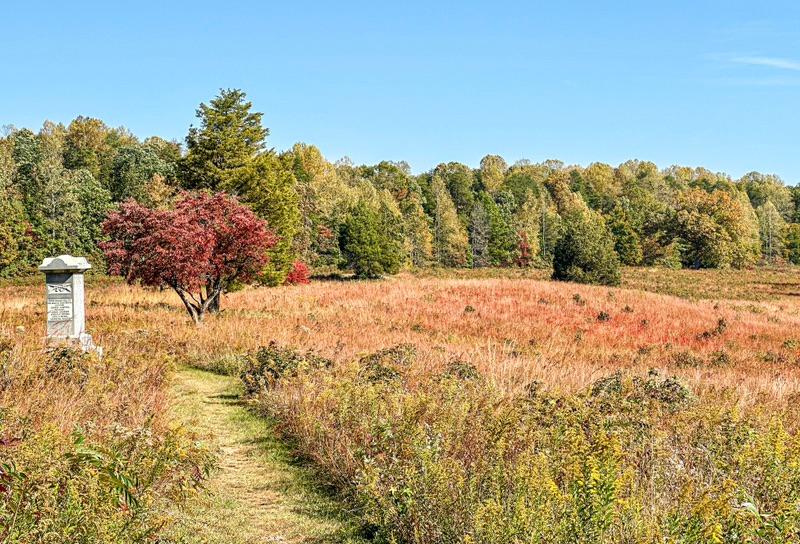
This is the narrow road, or trail that Upton used to bring his brigade closer to the Muleshoe salient to attack.

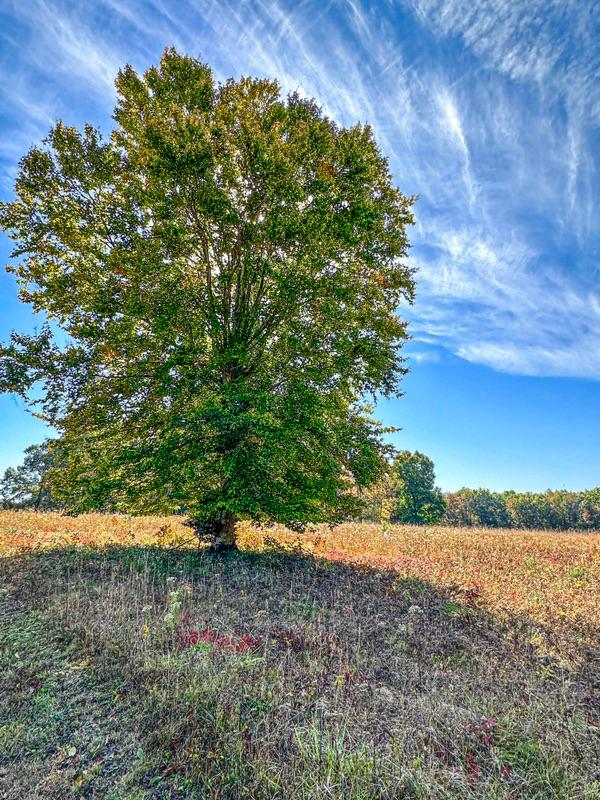
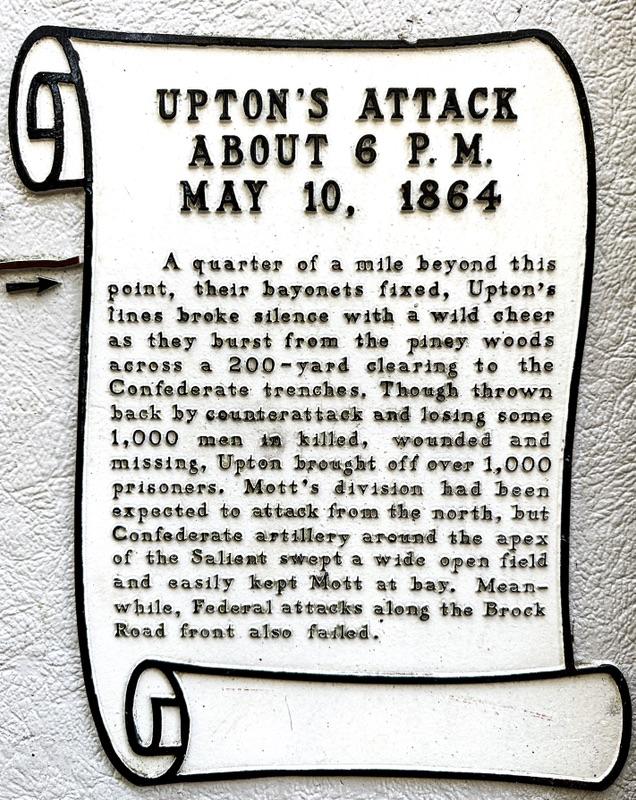
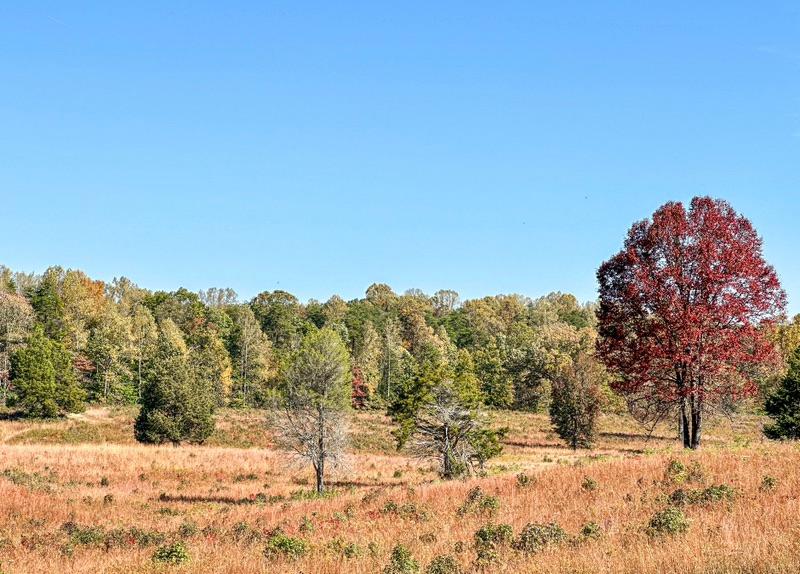
When Upton’s brigade emerged from the woods, they still had a wide, 200-yard expanse of open field to go through before reaching the Muleshoe. This is that field.

Upton took 1,000 Confederate prisoners before being brutally pushed back. Still, Upton’s attack was so important that many plaques and maps told the story. Its importance lay in the fact that Grant tried Upton’s tactics on a much grander scale later on.

After Upton’s smaller, nearly successful attack on the Muleshoe, Grant assembled a force of 20,000 men under General Hancock to try Upton’s tactics at a curve in the Muleshoe salient. That curve became known as the “Bloody Angle”. The fighting degenerated into hand-to-hand combat. Again, the attack was nearly successful. Lee frantically came to the front lines to personally direct reinforcements to plug the line. The Confederate soldiers were horrified that Lee was so vulnerable and forced him back saying, “Lee, to the rear.”

In this photo, you can see the sharpened logs laid down on top of the trenches.

This gentle curve is the infamous “Bloody Angle”.

Above and below: The field in front of the Bloody Angle.

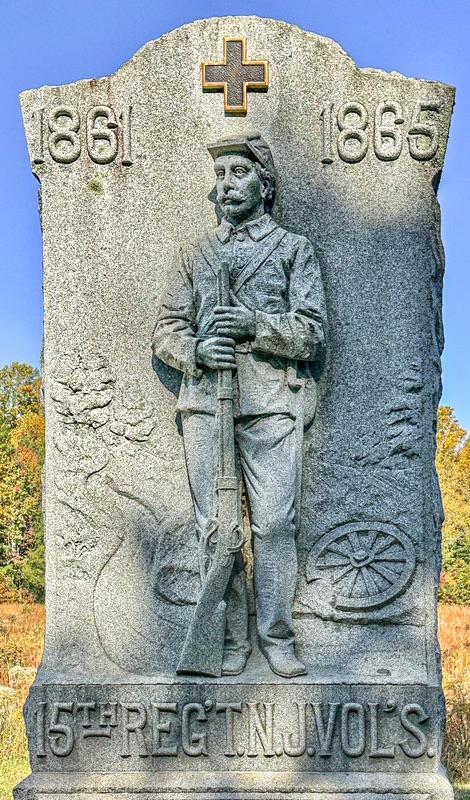
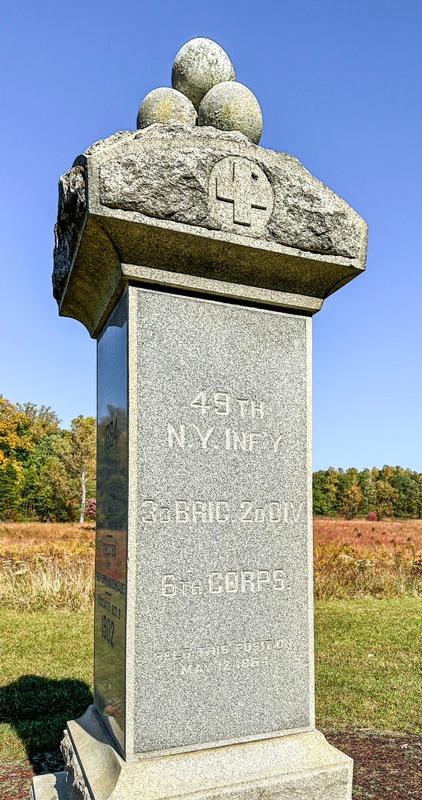
Above and below: Two of several monuments at the Muleshoe salient dedicated to units that fought at the “Bloody Angle”.

A depiction of the famous “Lee, to the rear” moment.

All told, Spotsylvania cost the Union army 18,000 casualties, while the Confederates lost 12,000 casualties. Again, Grant disengaged and moved his army around Lee’s right flank. The two armies met at North Anna River, Cold Harbor, and finally settled in for a nine-month siege at Petersburg. Known as the Overland Campaign, Grant’s losses were double that of Lee. However, Lee could not stop Grant’s advance. Lee’s losses in men and material were far more significant as he could not replace them.


I spent a lot of time looking over the Bloody Angle, trying to envision the horror. It is hard to believe that thousands of soldiers desperately fought hand-to-hand for survival at this small piece of ground. When Lincoln later met with Grant at City Point, the giant military base that the Army of the Potomac built near Petersburg during the siege, he was pleased with what he saw, but remarked to Grant, “Please, no more Spotsylvanias.”


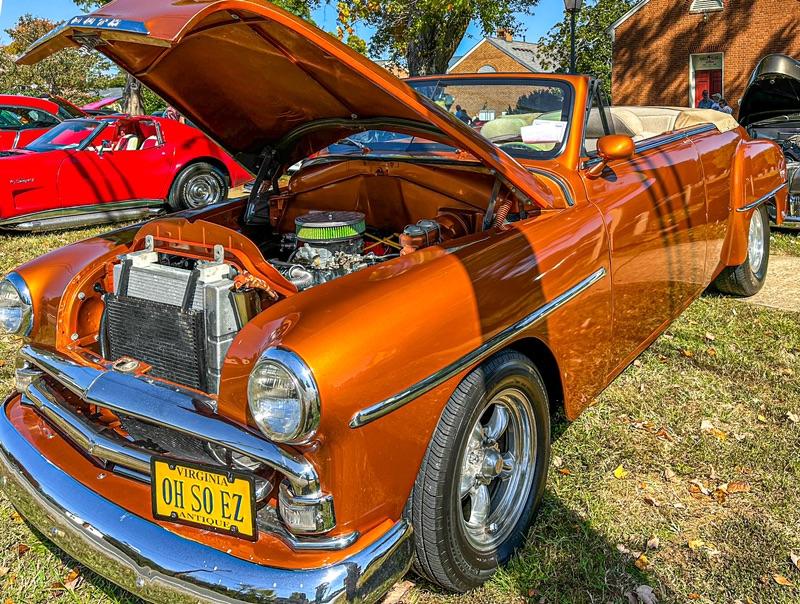
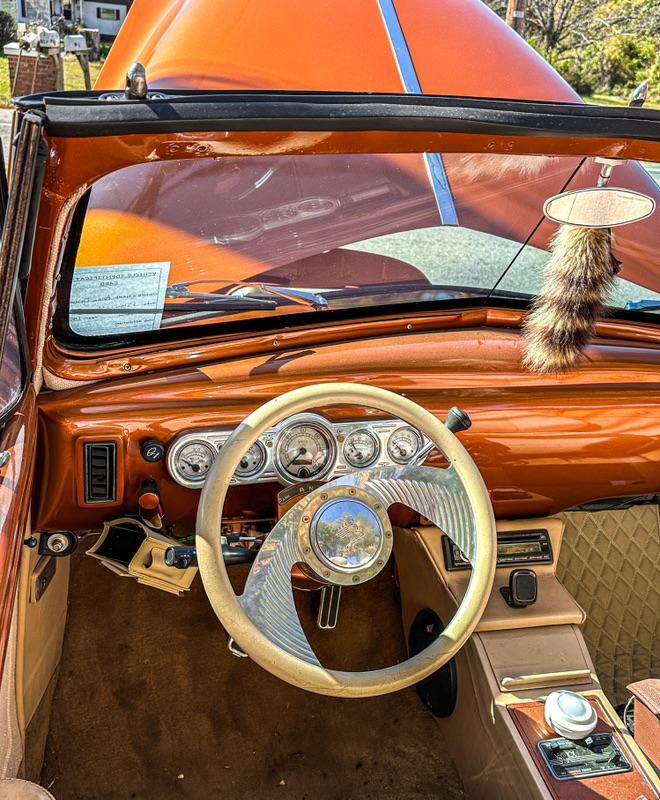
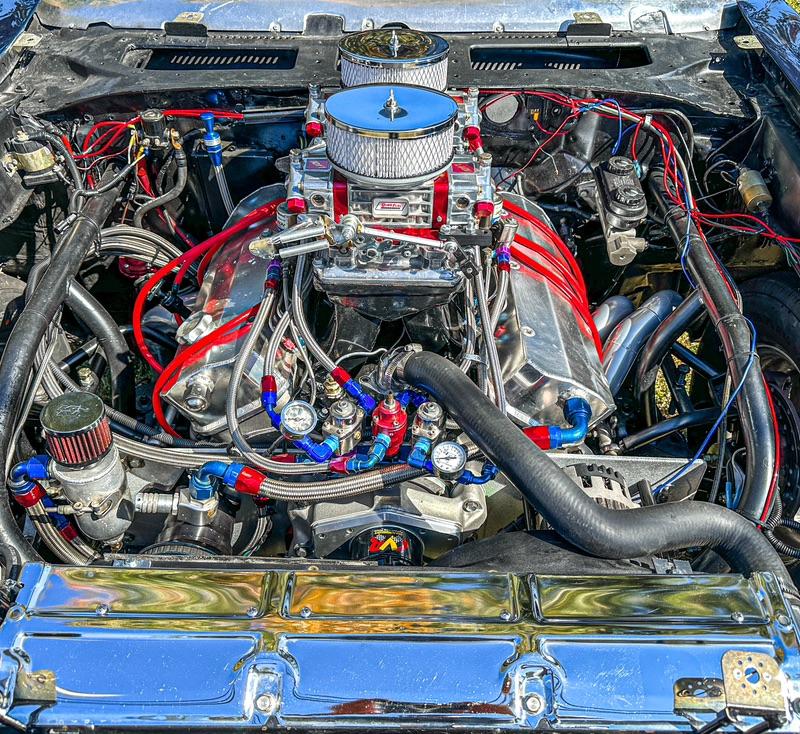
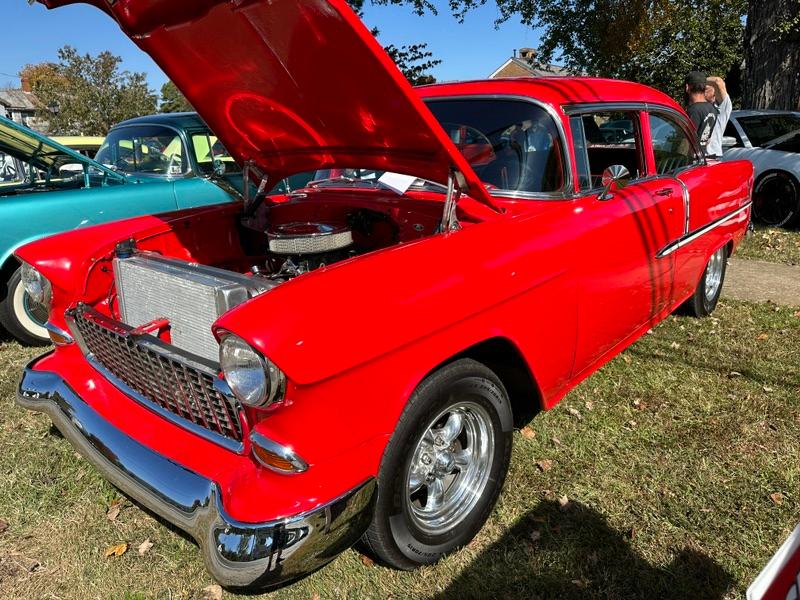
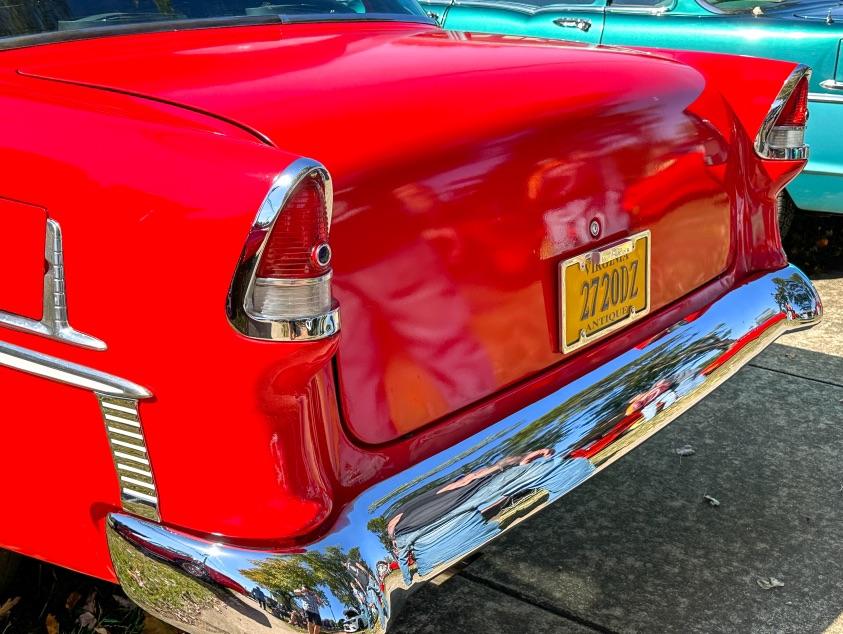
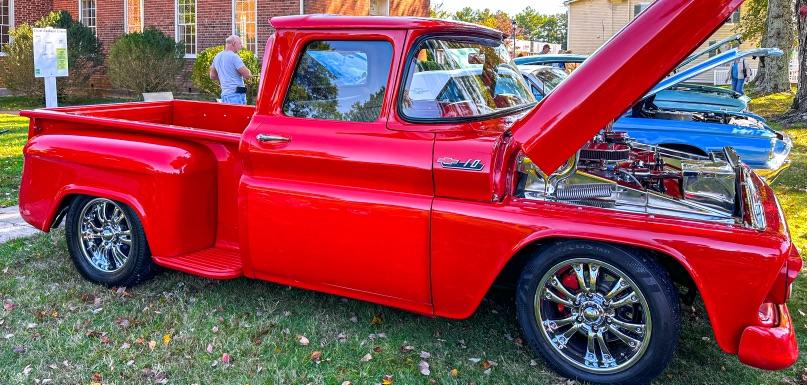
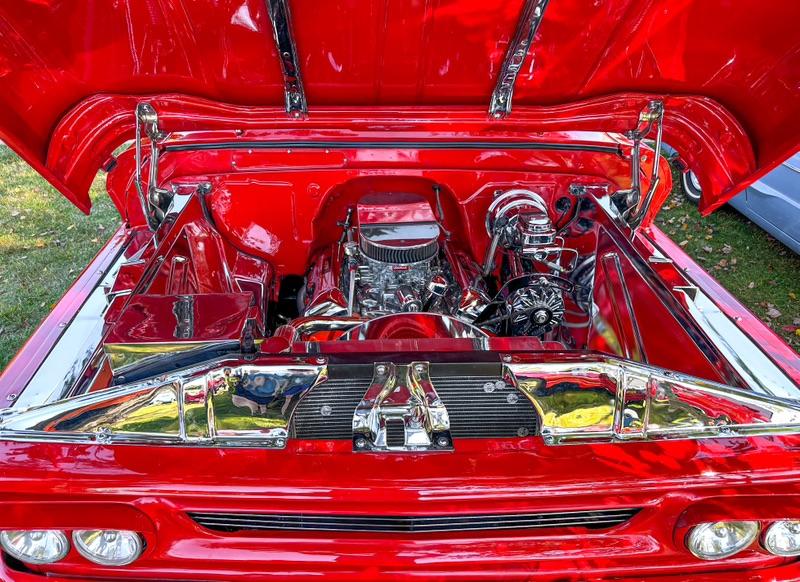
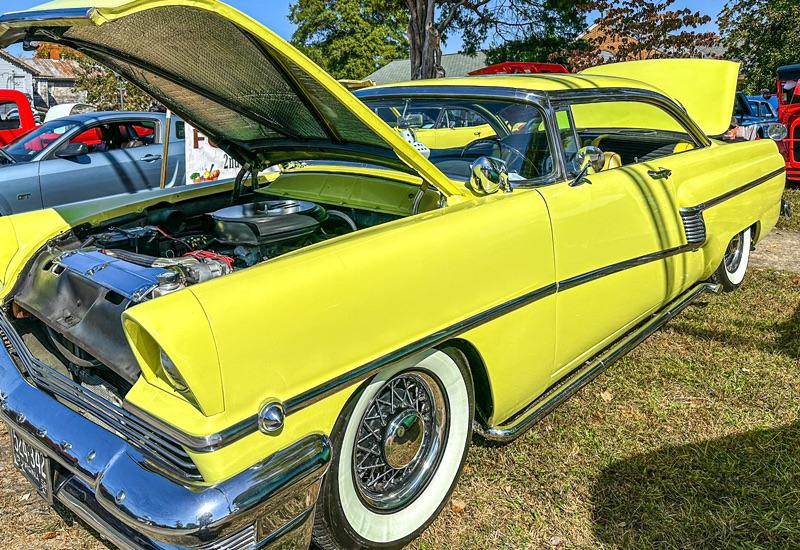
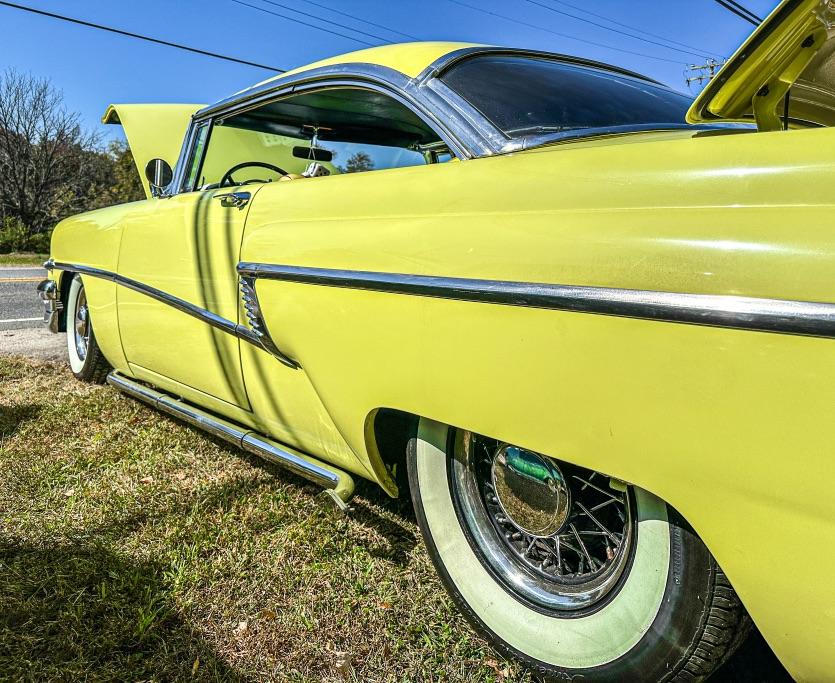
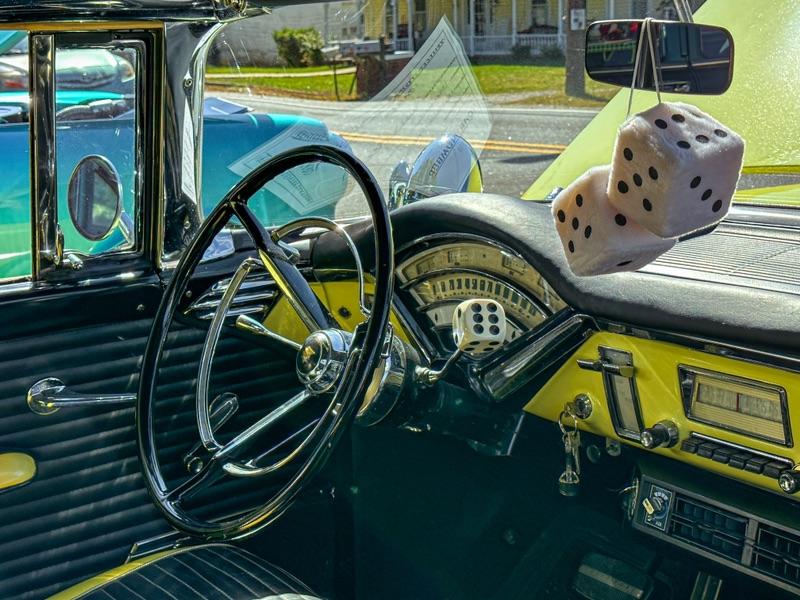
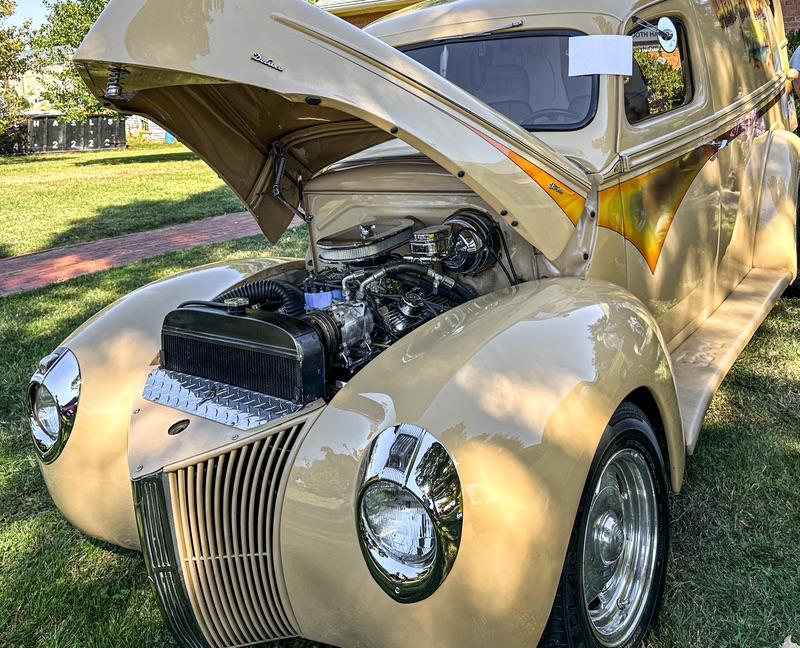
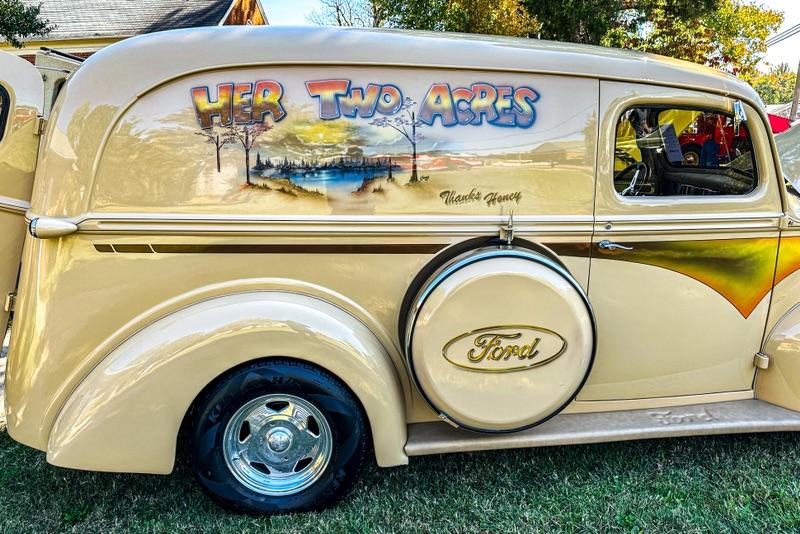
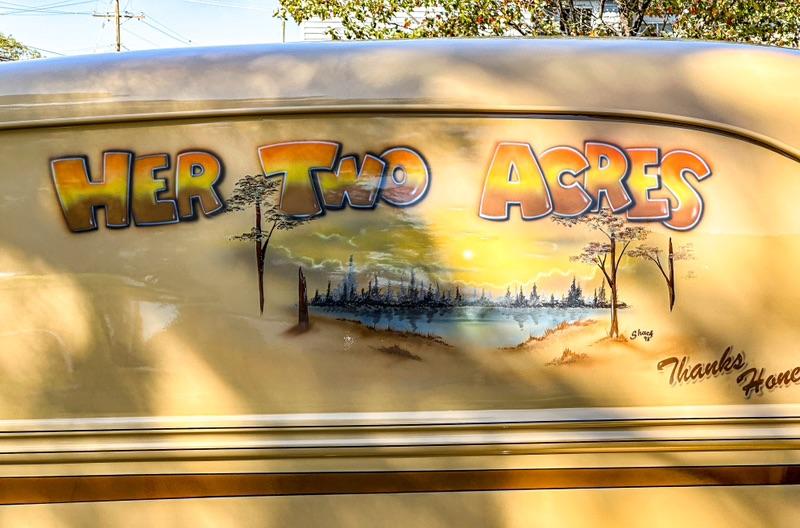
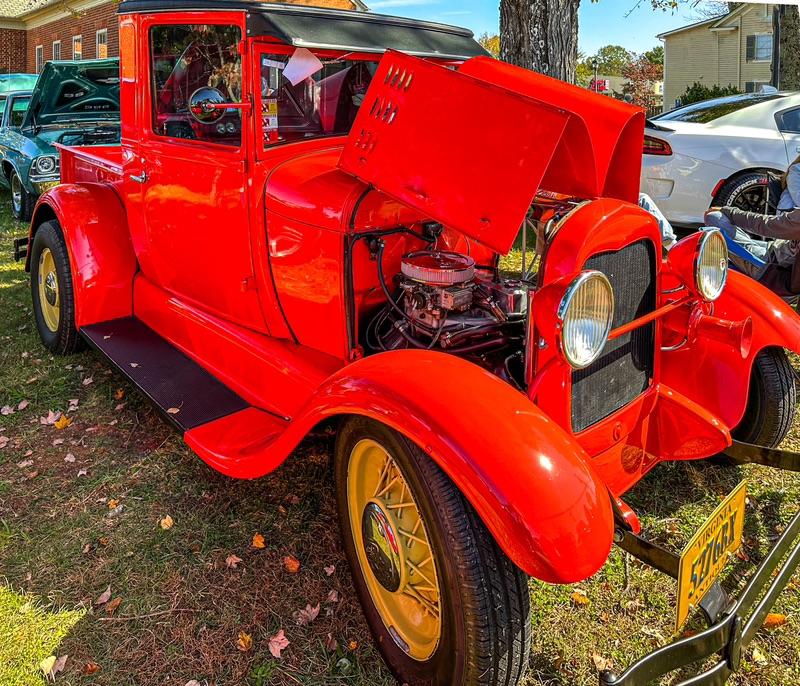
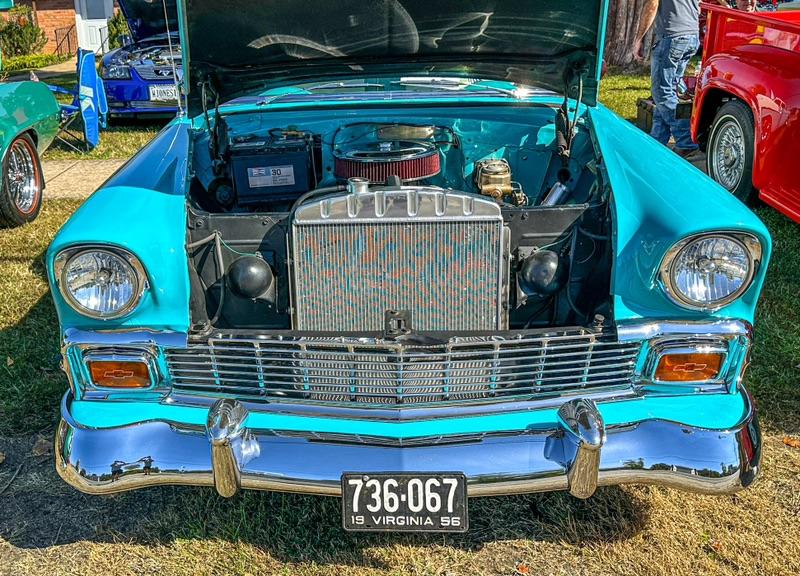
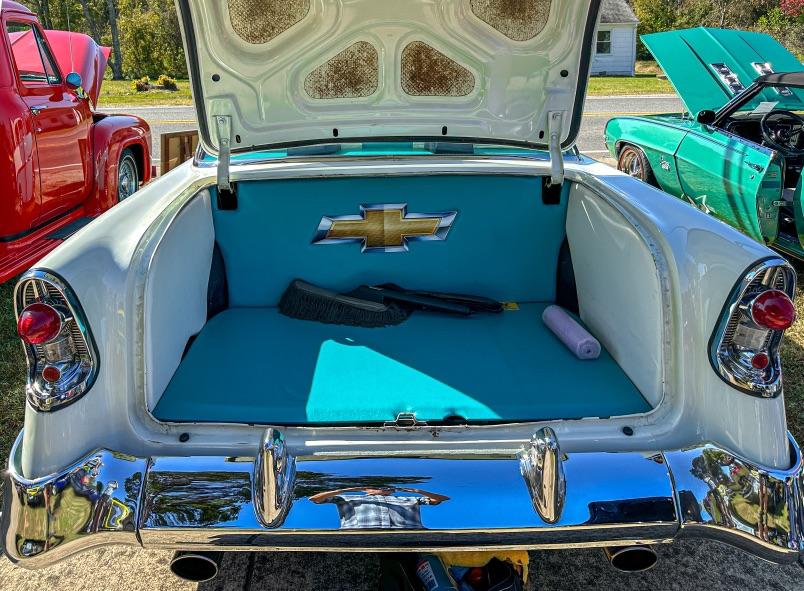
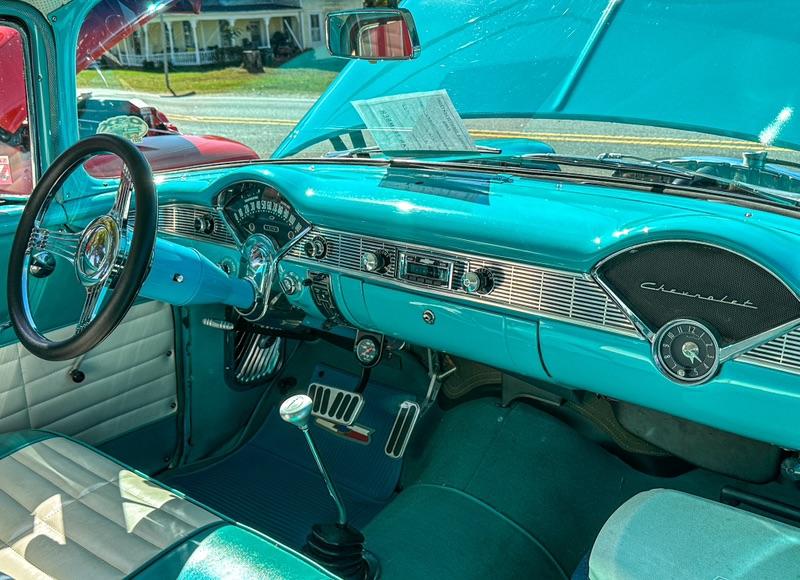
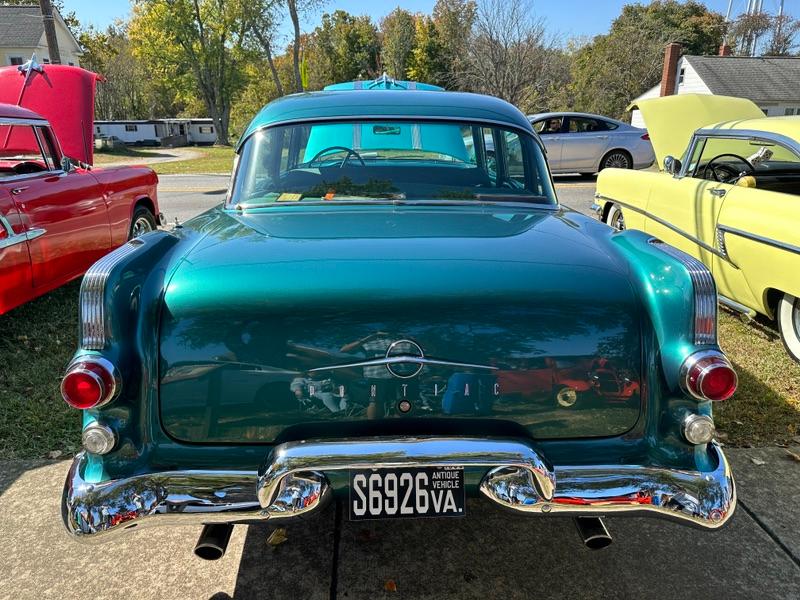
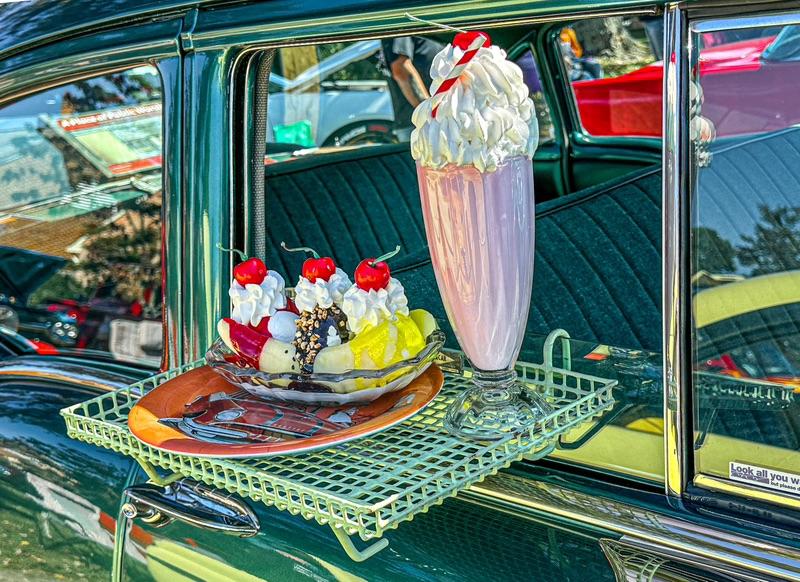
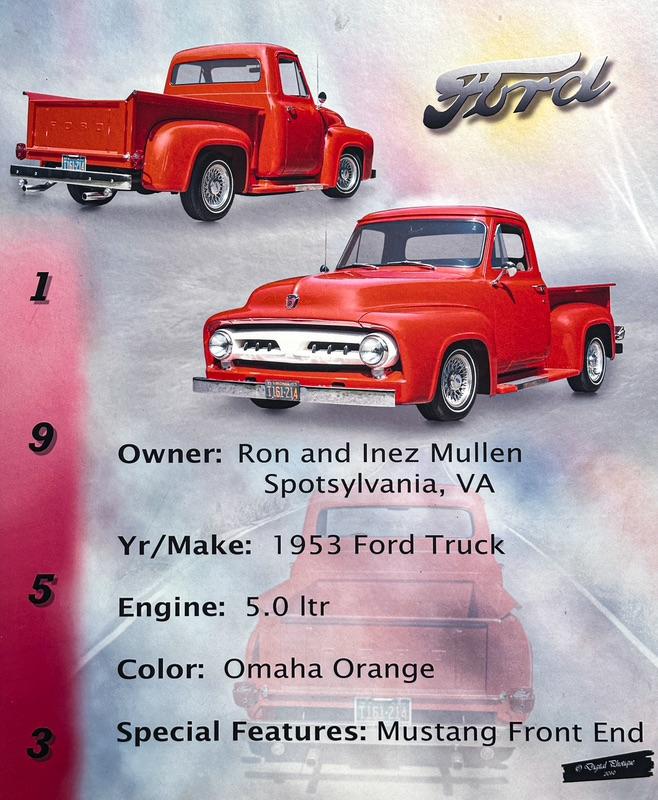
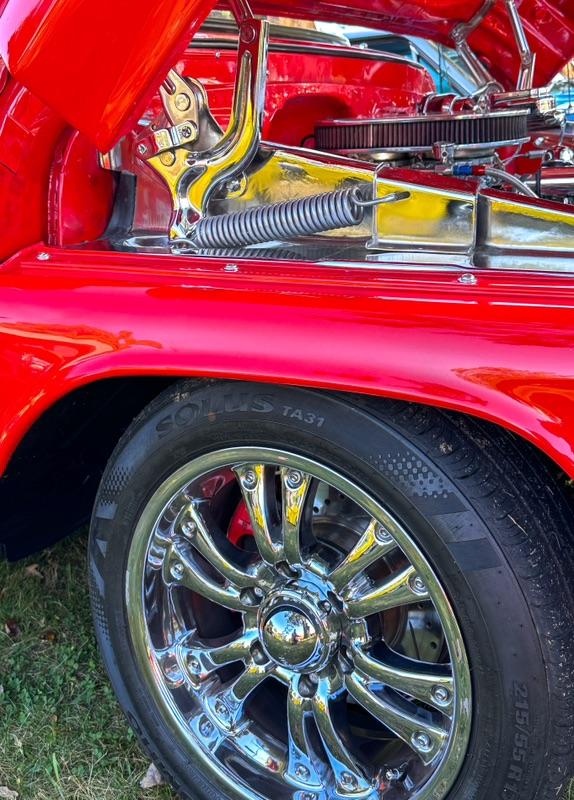
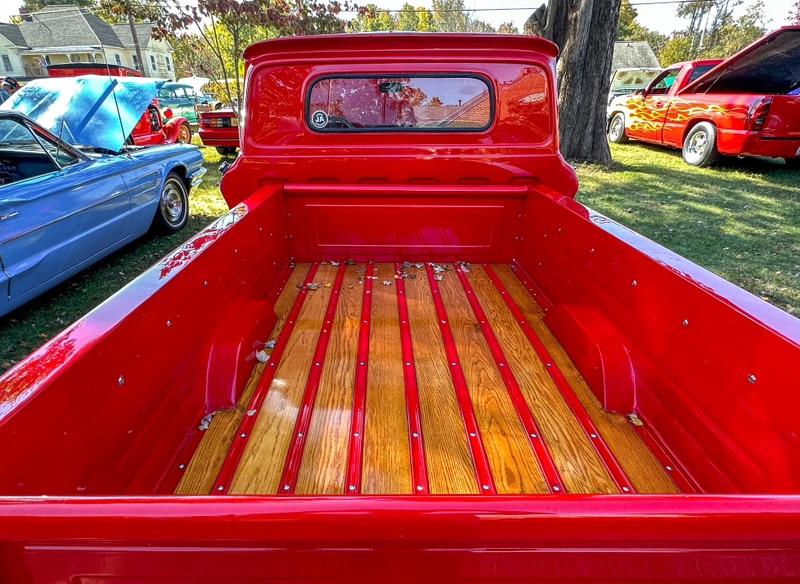
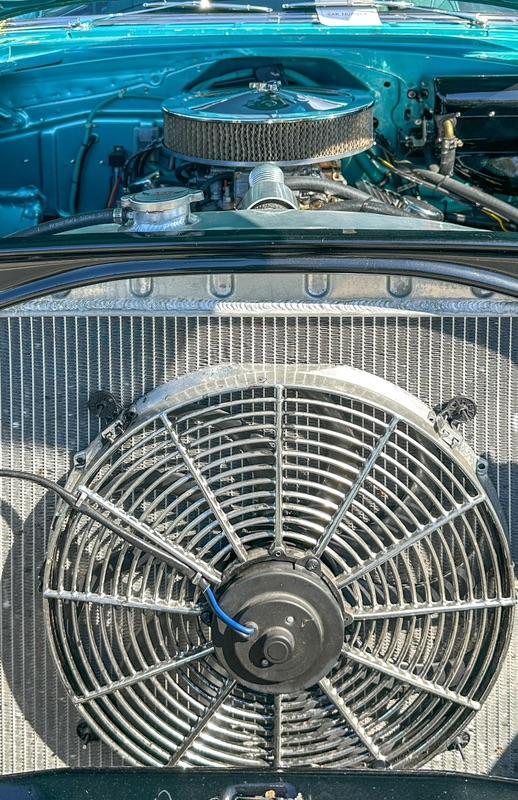
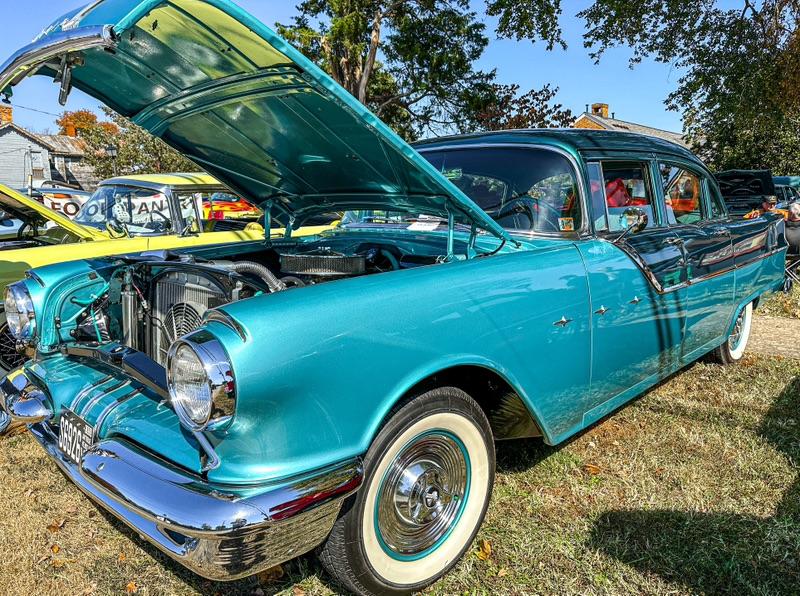
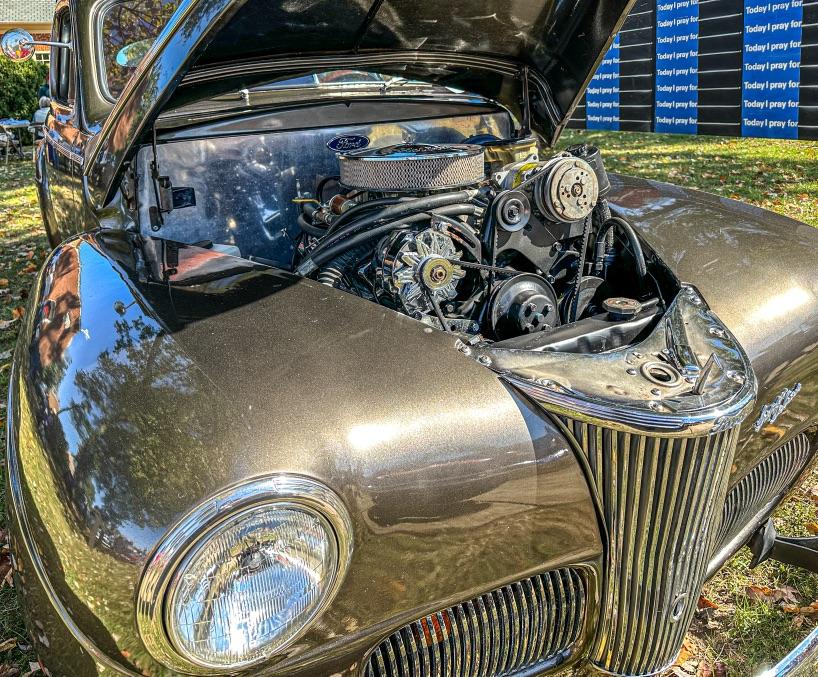
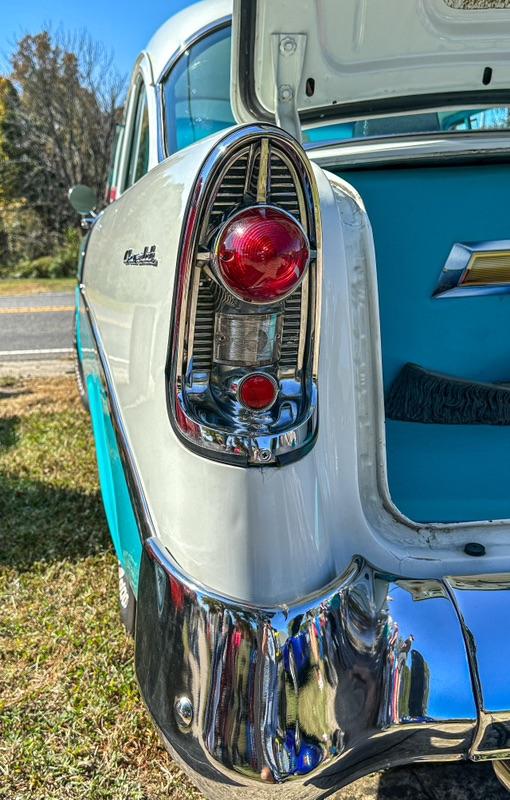
We spent the whole morning and early afternoon at Spotsylvania. Finally, it was time to move on down the road to Chickahominy County Park Campground. That trip was quickly interrupted when we drove through present-day Spotsylvania just a few miles south of the battlefield. A church was holding a picnic. The highlight of the picnic was an antique car show. I stopped to admire the wonderful cars on display.

Mango habanero cider - are you kidding me?

The traffic on I-95 between Fredericksburg and the southeast side of Richmond was brutal. It was a relief when we reached highway 5, known as the Virginia Capital Trail, also known as the John Tyler Memorial Highway. A road with three different monikers must be something special. It was a narrow winding beautiful road lined with a dense canopy of trees. The John Tyler Bike Trail parallels the highway.


The campground is part of a large park right on the Chickahominy River. Calling these broad bodies of waters “rivers” is misleading. They were rivers farther upstream, but as they converge to empty into the Atlantic Ocean, the James, the Chickahominy, the York, the Rappahannock, the Potomac, and many more widen out to form the giant Chesapeake Bay. From our campground, if we had the proper boat, we could sail nearly anywhere in the world.

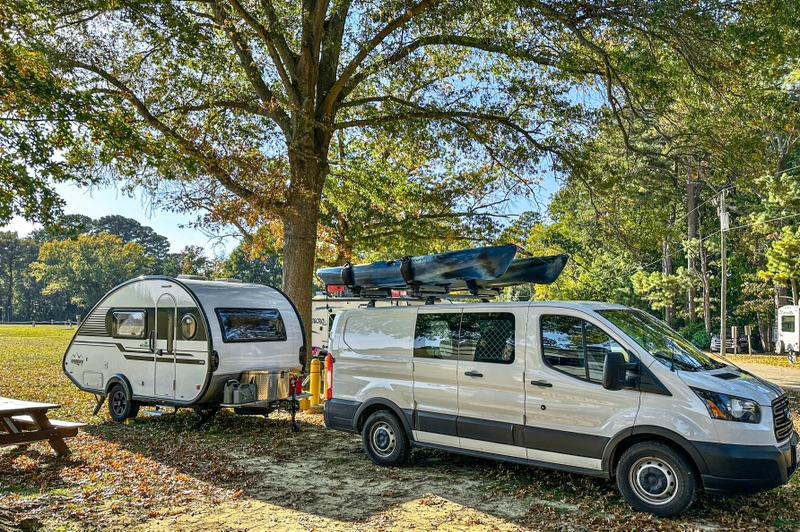
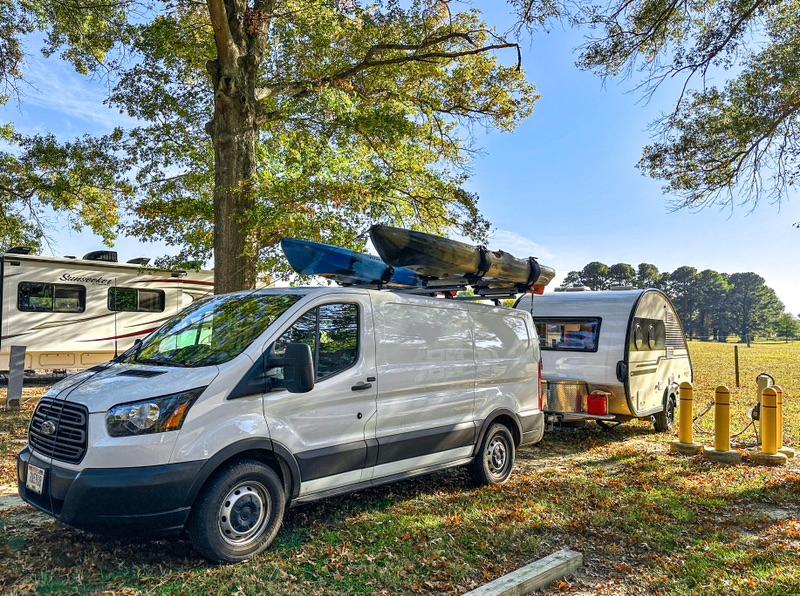
Our spot at Chickahominy County Park Campground.

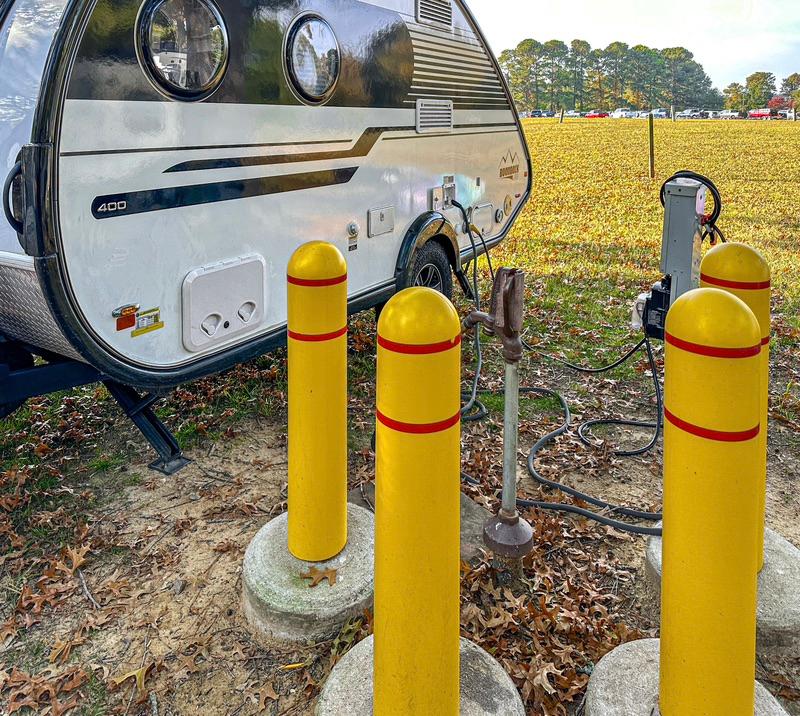
The hookups were well protected from accidentally getting schmucked.

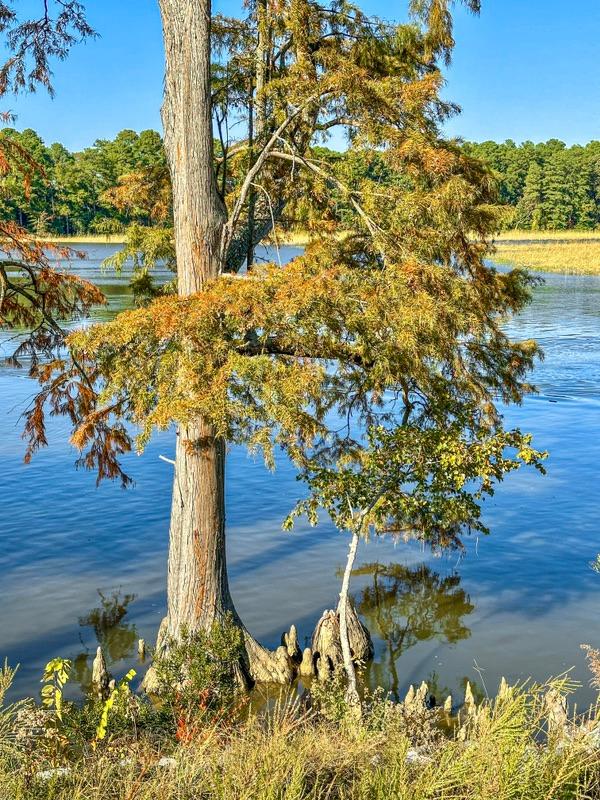
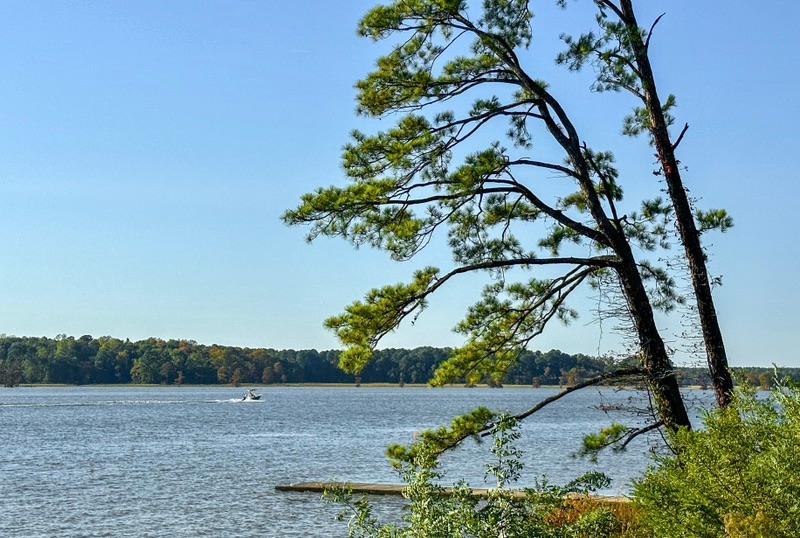
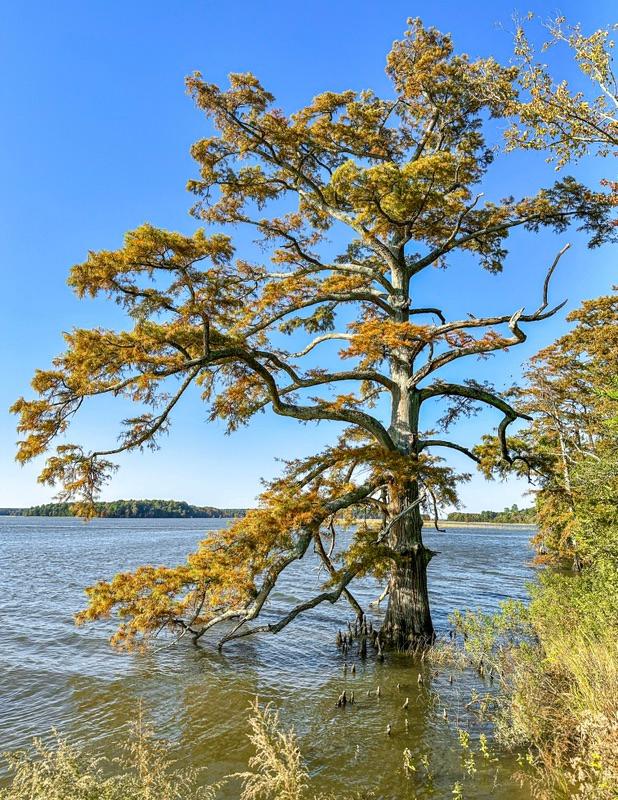
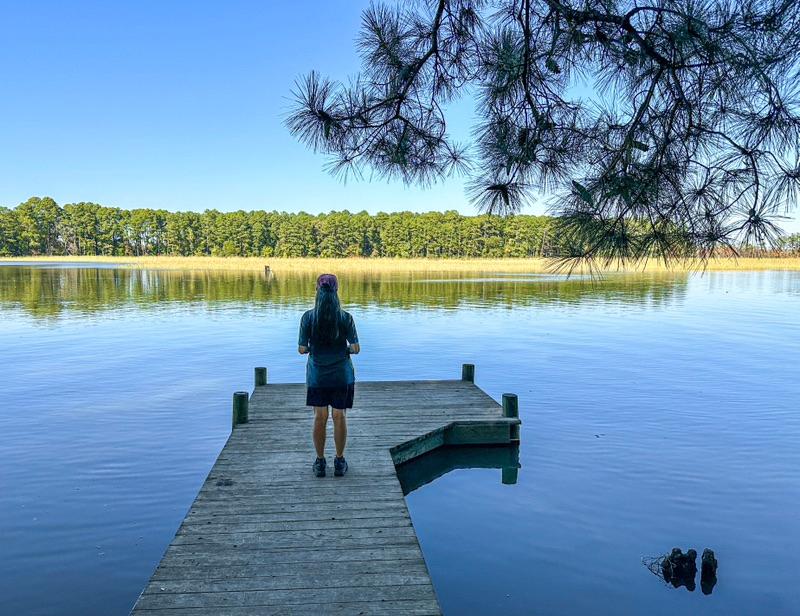
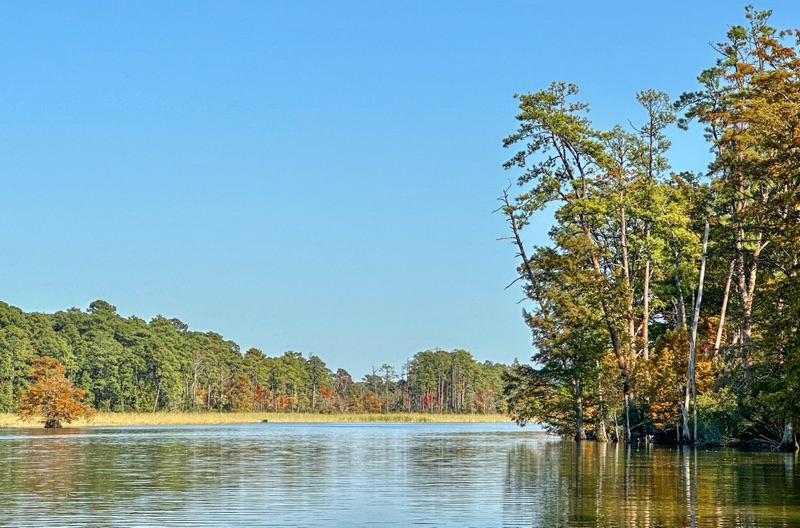
The Chickahominy Park was on the banks of the Chickahominy River, just before flowing into the James River, which flows into the Chesapeake Bay which flows into the Atlantic Ocean. Both the Chickahominy and the James River are miles wide at this point. Cypress trees, with their strange knees, line the shoreline.

This waterway affords endless boating.

The park is a nice setting for relaxing, boating, camping, fishing, crabbing, picnicking, etc.

Glossary of terms used for newcomers: 1) V-Jer. The name of our camper. 2) Saturn. The name of our Van. 3) Duende. Our mischievous gremlin that breaks things. 4) Tata. The good gremlin that helps us fix Duende’s dirty work. 5) The Black Hole. This is what we call Walmart because every time we go in for just a couple of items, we come out spending way more than we figured. 6) QT. Quaint Town. 7) Little Buddy. This is what we call our Dyson cordless stick vacuum.

Dave and Wanda

Get Vaccinated To Save Lives.

Virtual Business Card

North America . Europe . Mexico . Asia . Product Reviews . Books & Maps


Please send us your thoughts and any errors we may have missed. We're on the road and cellular service is intermittent in the remote areas. As soon as we get online, we are eager to read all of your messages.


Message us: 715-252-6664 | 715-252-3326
Email: alloverthemaptravelventures@gmail.com

Visit our Website