Money includes grants for increasing access to naloxone
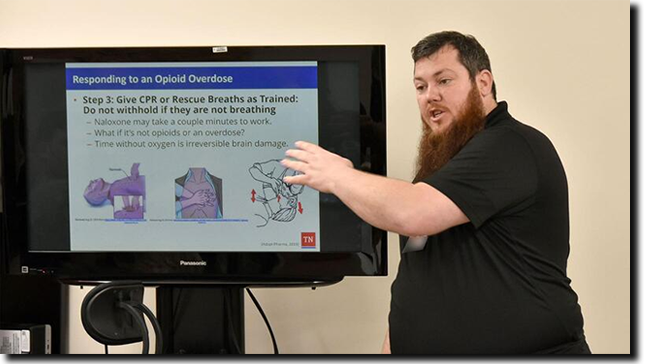
The Biden administration announced Thursday that it would spend an additional $450 million to address drug overdoses and said that its efforts in this area so far have been working.
"The Biden-Harris administration is taking action to beat the overdose epidemic, and more importantly, to save lives," Second Gentleman Douglas Emhoff said on a Zoom call with reporters, which was timed to coincide with International Overdose Awareness Day. "We know the overdose epidemic is a national crisis ... We're investing billions to address addiction and the overdose epidemic and to keep communities healthy and safe."
"Because of the historic investments of the Biden-Harris administration, overdoses have flattened in 2022 after sharp increases from 2019 to 2021," Emhoff said. "This shows that the efforts of the Biden-Harris administration are working."
|
|
Increase seen particularly in western states and in younger adults
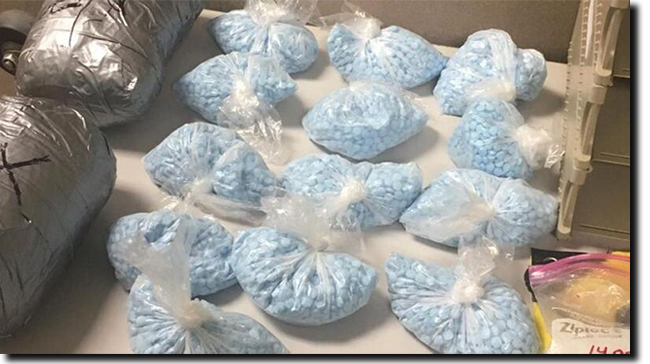
Fatal overdoses from counterfeit pharmaceuticals, particularly pills found to contain fentanyl, more than doubled in recent years, the CDC reported.
Among more than 100,000 recent overdose deaths in the U.S., the percentage caused by pills disguised as legitimate pharmaceutical products increased from 2.0% in the third quarter of 2019 to 4.7% in the last quarter of 2021.
The proportion of those deaths involving illicitly manufactured fentanyls jumped to 93.0% from 72.2%, while illicit benzodiazepines also rose to 5.3% from 1.4%. Fake fentanyl was the sole drug involved in 41.4% of counterfeit pill-related deaths, compared with 19.5% of overdose deaths without evidence of counterfeit pill use.
|
|
Interventional Techniques in IPM
Review Course & Cadaver Workshop
|
|
Regenerative Medicine
Review Course & Cadaver Workshop
|
|
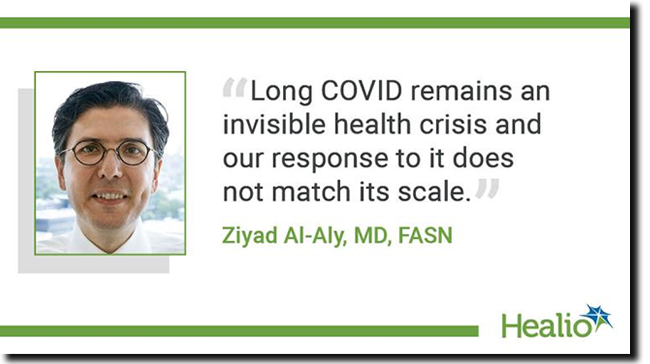
A large study found that long COVID-related conditions may persist among patients for as long as 2 years after recovery from acute disease, with COVID-19-related hospitalization increasing the risk sharply.
People who had COVID-19 — regardless of hospitalization — were at elevated risk for diabetes, lung problems, fatigue, blood clots and disorders of the gastrointestinal and musculoskeletal systems, according to the study, which enrolled more than six million patients, including more than 138,000 with a documented SARS-CoV-2 infection.
Most people who have had COVID-19 have not been hospitalized, and their risk for some long COVID-linked conditions declined over time after recovery from the acute disease, researchers reported.
|
|
Experts aren't convinced that younger, healthy people need boosters this season
While the FDA and CDC have yet to weigh in on fall COVID boosters, experts in infectious disease and public health are already discussing who should get them, and who may not need to.
High-risk groups get a resounding "yes" -- but when it comes to younger, healthy adults, the answer is less clear.
There's wide agreement that older adults will receive a hearty recommendation to receive the booster, which targets the XBB.1.5 strain, said William Schaffner, MD, of Vanderbilt University Medical Center in Nashville, Tennessee and a spokesperson for the Infectious Diseases Society of America (IDSA).
|
|
Virtual
ABIPP Part I; ABIPP Path - Combined DCCPM/CSM virtual exam; ABIPP Competency Exam in IPM; ABIPP Competency Exam in Regenerative Medicine
Memphis, TN
ABIPP Part II - Practical Portion; ABIPP Competency Exam - Practical Portion; ABIPP Regenerative Medicine Competency Exam - Practical Portion
|
|
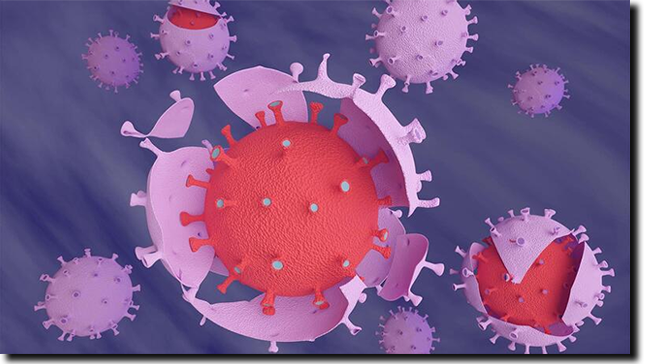
The CDC and the World Health Organization have dubbed the BA 2.86 variant of COVID-19 as a variant to watch.
So far, only 26 cases of “Pirola,” as the new variant is being called, have been identified: 10 in Denmark, four each in Sweden and the United States, three in South Africa, two in Portugal, and one each the United Kingdom, Israel, and Canada. BA 2.86 is a subvariant of Omicron, but according to reports from the CDC, the strain has many more mutations than the ones that came before it.
With so many facts still unknown about this new variant, we asked experts what people need to be aware of as it continues to spread.
|
|
Industry-funded meta-analyses published in oncology journals reported favorable conclusions more frequently than those with no industry funding, according to findings published in JAMA Network Open.
The analysis included 93 meta-analyses published from 2018 through 2021 on five oncology journal websites. Researchers examined study characteristics and results, as well as information about study authors.
Investigators coded study conclusions as negative, positive or equivocal. They also coded each article's subject matter based on whether it may affect company marketing or profits.
|
|
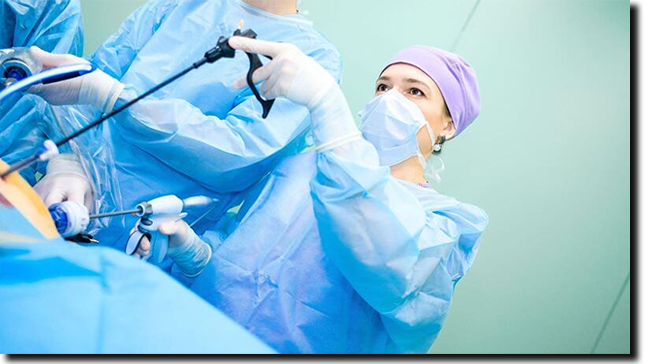
Fewer complications and lower likelihood of adverse postoperative outcomes with women surgeons
Patients treated by women surgeons had better outcomes, according to two population-based cohort studies from Canada and Sweden, both of which were published in JAMA Surgery.
The retrospective Canadian study found that, compared with male surgeons, patients treated by female surgeons had a lower risk-adjusted likelihood of adverse postoperative outcomes at 90 days (13.9% vs 12.5%; adjusted OR 1.08, 95% CI 1.03-1.13) and 1 year (25.0% vs 20.7%; aOR 1.06, 95% CI 1.01-1.12), reported Christopher Wallis, MD, PhD, of the University of Toronto, and co-authors.
Findings were similar for mortality at 90 days (0.8% vs 0.5%; aOR 1.25, 95% CI 1.12-1.39) and 1 year (2.4% vs 1.6%; aOR 1.24, 95% CI 1.13-1.36).
|
|
Abstract submissions are open for
ASIPP's April 4-6, 2024 Annual Meeting!
The submission deadline is January 22, 2024.
Don't miss your chance to be part of an exceptional event,
sharing insights and discoveries that shape the future of pain management.
|
|
Physician turnover is putting patient health at risk
*The patient's name has been changed
Hospitals and health systems around the country are launching initiatives and programs aimed at combatting healthcare worker burnout. This isn't just in the interest of keeping their doctors and nurses happy -- it's about keeping patients healthy.
Let's look at a scenario that has become increasingly common amid worsening doctor shortages. Maria* was receiving her cancer treatment from Dr. Smith, who then left the medical center last year due to burnout. Dr. Hong assumed her care, but she also left a few months later; Maria's care is now in the hands of Dr. Patel. Maria is grateful for the great care she has received, but she can no longer remember her doctor's name, and wonders if the doctor remembers hers.
Academic medical centers are especially prone to the turnover Maria experienced, as physicians in these settings are more susceptible to burnout. Patients are becoming hot potatoes, handed off from one provider to another.
|
|
A recently released analysis of 10 years of data on physician practice arrangements sheds light on the growing shift from private practice to physician employment in the U.S., including what’s driving the decision for many doctors.
The analysis was based on data collected from 2012–2022 by the AMA through the nationally representative Physician Practice Benchmark Survey, which explores the changes in the ownership and organization of physician practices.
|
|
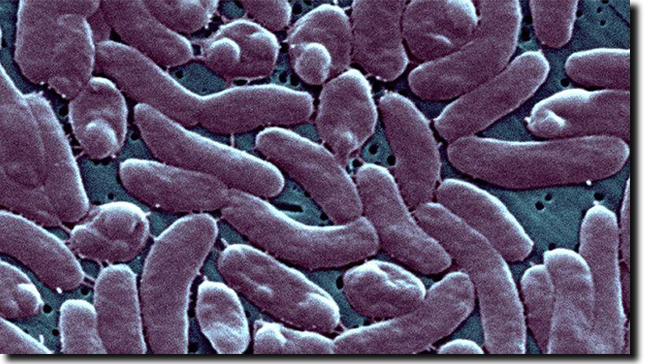
The US Centers for Disease Control and Prevention issued a national health alert Friday to warn clinicians to be on the lookout for infections with the flesh-eating bacteria Vibrio vulnificus.
During July and August, as the US saw widespread heatwaves and above-average coastal sea surface temperatures, Connecticut, New York and North Carolina reported more severe and fatal V. vulnificus infections. At least five people have died in those states.
The bacteria naturally live in coastal waters and proliferate in the warmer months when ocean temperatures are at their highest.
|
|
It's been a long road to Medicare price negotiation ... and there's still work to be done
I've been thinking about the campaign's message as the fever surrounding pharmaceutical pricing has spiked. I not only raise this campaign with my University of North Carolina MBA students when we discuss the issue, I've also asked them to write a paper taking a position: Are drug prices too high, or are they on the mark?
While I don't tell my students what to conclude, I believe the answer is clear.
Like housing prices, drug prices are too high. And that's exactly what the Biden administration concluded as well.
|
|
- ASIPP Members Only Site Information - |
|
-
To log in for the first time you will need to click “forgot password” at the bottom of the login window.
- Check your email and then log in as directed.
-
If you have problems logging into your account, click here.
|
|
This change will bring TRICARE reimbursement for ambulatory surgery care into alignment with the statutory requirement that payment methods for institutional care be, to the extent practicable, in accordance with the same reimbursement rules used by Medicare. This change will create TRICARE and Medicare Fee-For-Service ASC reimbursement parity for all authorized ASC procedures. Consequently, access to care in the ASC setting for TRICARE beneficiaries will improve because of this change.
From TRICARE Reimbursement Manual 6010.61-M, Chapter 9, Section 2, POLICY 3.1: "Effective for service dates on or after October 1, 2023, TRICARE is adopting the Medicare ASC reimbursement system including their ASC fee schedule rules, payment rates, payment indicators, list of covered procedures and ancillary services, and wage indices."
|
|
Researchers achieved a breakthrough in converting brain signals to audible speech with up to 100% accuracy. The team used brain implants and artificial intelligence to directly map brain activity to speech in patients with epilepsy.
This technology aims to give a voice back to people in a locked-in state, who are paralyzed and cannot speak. The researchers believe that the success of this project marks a significant advance in the realm of Brain-Computer Interfaces.
Key Facts:
- Using a combination of brain implants and AI, the researchers were able to predict spoken words with an accuracy of 92-100%.
- The team focused their experiments on non-paralyzed people with temporary brain implants, decoding what they said out loud based on their brain activity.
- While the technology currently focuses on individual words, future goals include the ability to predict full sentences and paragraphs based on brain activity.
|
|
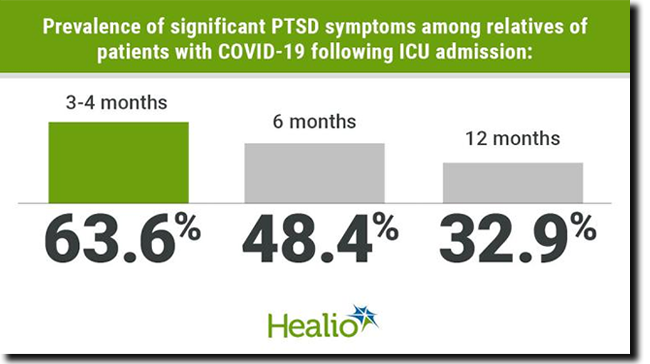
The impact of COVID-19 extends beyond those who get infected and evokes symptoms of anxiety, depression and PTSD in their families, according to two studies published in Annals of the American Thoracic Society.
“The experience of families during the COVID-19 pandemic was unique for many reasons,” Jared A. Greenberg, MD, MSc, associate professor in the division of pulmonary, critical care and sleep medicine at Rush University Medical Center, told Healio. “Many families were prohibited from visiting the hospital, many patients who were previously well were suddenly very sick in an ICU and families and clinical staff were dealing with a novel disease process.”
Anxiety, depression, stress
In a longitudinal cohort study, Greenberg and colleagues analyzed 90 families of patients who had COVID-19 between September 2020 and April 2021 to determine the prevalence of anxiety, depression and stress while their relative was in the ICU compared with after their time in the ICU.
|
|
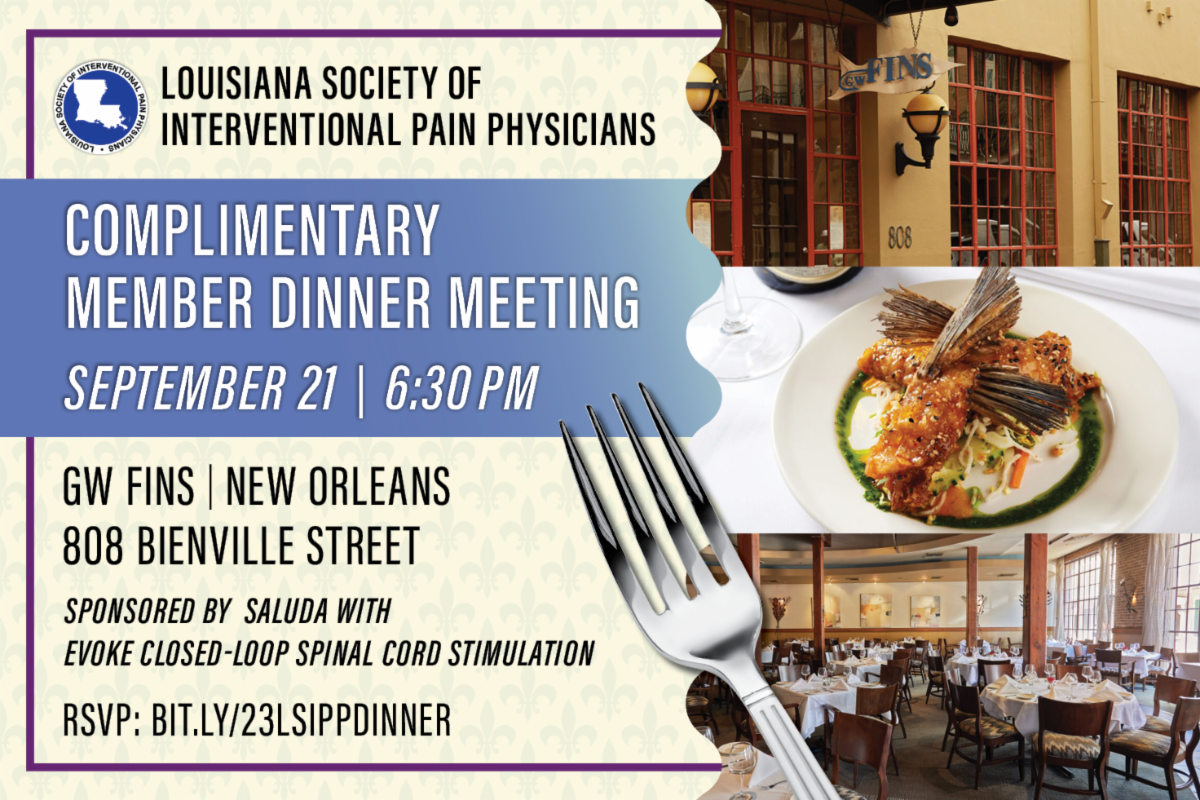
Attention LSIPP Members
You are invited to a complimentary member dinner at GW Fins,
September 21, 6:30 PM
|
|
Pain Medicine Case Reports (PMCR) and Editor-in-Chief Alaa Abd-Elsayed, MD, PhD would like to invite you to submit case reports and case series to the PMCR journal. Your article will be published free of charge.
Open access journals are freely available online for immediate worldwide open access to the full text of published articles. There is no subscription fee for open access journals. Open access journals are no different from traditional subscription-based journals: they undergo the same peer-review and quality control as any other scholarly journal.
Interested in becoming a member of the PMCR Editorial Board?
Editorial board members are asked to review 2-6 manuscripts per year. Please submit your most up-to-date CV to sgold@asipp.org for consideration.
For more information or to submit your articles, click here.
|
|
| CASE REPORT |
Cecilia A. Maclae, BA, David A. Provenzano, MD, and Leonard A. DeRiggi, MD
Abstract
Background: Nocardia brasiliensis, an uncommon human pathogen, is rarely seen in infections secondary to insect bites or stings. However, Nocardia brasiliensis can infect an individual through an ulcerative wound, such as one mediated by the phospholipase D toxin immune response following a Loxosceles reclusa (i.e., brown recluse spider) bite.
Case Report: This report presents the case of a patient who underwent a spinal cord stimulator (SCS) trial with an unknown brown recluse spider bite on her left foot. We describe the Nocardia brasiliensis cutaneous infection following a brown recluse bite and the effective management of the infection through long-term antibiotic use, which allowed for the eventual successful implantation of the SCS.
Conclusion: The present case urges health care providers to conduct thorough, full-body examinations prior to any surgical procedure to identify and treat all remote infections prior to SCS implantations, as advised by the Neurostimulation Appropriateness Consensus Committee’s recommendations for infection prevention.
Key words: Nocardiosis, Loxosceles reclusa, Nocardia brasiliensis, spinal cord stimulation, case report
|
|
| RETROSPECTIVE STUDY |
Qiongbin Zhu, MD, PhD, Bo Huang, MD, Lei He, BS, and Xingyue Hu, MD, PhD
Abstract
BACKGROUND: Subdural hematoma (SDH) is a potentially life-threatening complication in patients with spontaneous intracranial hypotension (SIH). Though bed rest is the basis of conservative treatment, no clear evidence exists regarding the association between bed rest and the later complication of SDH in these patients.
OBJECTIVES: This study aimed to evaluate the association between bed rest and SDH development in patients with SIH.
STUDY DESIGN: A retrospective study was conducted from March 2013 through December 2019. Four hundred twenty adult patients diagnosed with SIH were enrolled. Clinical presentations and radiographic findings were recorded. The cumulative duration of bed rest in hours was used to measure the bed rest length. The clinical outcomes during follow-up were assessed.
METHODS: Categorical data were compared using chi-square tests; continuous data were compared using the Mann-Whitney U test or Kruskal-Wallis test. A backwards stepwise Cox proportional hazard regression model adjusted with confounders which differed between SDH and non-SDH in univariate analysis was used to estimate the risk of cumulative duration of bed rest for SDH. A stratified Cox regression was performed to exclude the effect of the treatment algorithm.
RESULTS: Of the 420 patients with SIH, 88 (21%) were in the SDH Group and 332 (79%) were in the non-SDH (NSDH) Group. The cumulative duration of bed rest in hours was a protective factor for SDH in SIH (Hazard Ratio [HR] = 0.997; P < 0.001). A stratified Cox regression analysis showed that the cumulative duration of bed rest remained a protective factor for SDH both in patients who received conservative treatment before admission (HR = 0.997; P < 0.001) and in those who did not (HR = 0.996; P = 0.061). Age (HR = 1.029, 95% CI, 1.009-1.050; P = 0.004) and orthostatic headache (HR = 4.770, 95% 95% CI, 2.177-10.450; P < 0.001) were risk factors for SDH in SIH. The clinical outcomes, including length of hospital stay, epidural blood patch (EBP) therapy, and repeated EBP therapy, were higher in the SDH Group. The revisit rate was similar between the 2 groups.
LIMITATIONS: Retrospective studies are susceptible to different radiological procedures and therapeutic strategies. A bed rest score based on a patient’s memory is susceptible to recognition and reporting bias. This is a single-center study and the sample size is not large. The validity of the bed rest scale has not been previously evaluated in any other study.
CONCLUSIONS: Bed rest was a protective factor for SDH in patients with SIH. With more time and proper treatment, patients with SIH who have an SDH can achieve good prognosis in the long term.
KEY WORDS: Spontaneous intracranial hypotension, complication, subdural hematoma, bed rest, protective factor, conservative treatment, epidural blood patch, prognosis
|
|
| RETROSPECTIVE ANALYSIS |
Sayed E. Wahezi, MD, Aakash Patel, MD, Sandeep Yerra, MD, Tahereh Naeimi, MD, Dawood Sayed, MD, Devin Oakes, DO, Nicole Ortiz, MD, Michelle Yee, MD, Christopher Yih, MD, Kishan Sitapara, MD, Jacob Schulz, MD, Lynn Kohan, MD, Jared Rosenburg, MD, Evan Schwechter, MD, Ferdinand Chan, MD, David Gonzalez, MD, and Champ Baker, MD
Abstract
BACKGROUND: Upper lateral hip pain is a common complaint in adults and is referred to as greater trochanteric pain syndrome (GTPS) and is more prevalent among older women. This is a debilitating condition that could result in lower physical activity and quality of life, and higher unemployment rate. GTPS is a clinical diagnosis, and many cases improve with conservative medical management (CMM). However, there is still a gap between patients not responding to CMM and those who are not good surgical candidates. Thus, percutaneous ultrasound tenotomy (PUT) may be a valuable treatment option to limit this gap.
OBJECTIVES: Demonstration of the one-year pain and functional outcomes, including sit to stand.
SETTING: Academic tertiary care medical center.
METHODS: Forty-eight consecutive patients with refractory trochanteric pain due to iliotibial band (ITB) tendinopathy. Fifty-six hips were treated; 8 patients underwent bilateral procedures. Electronic medical record review of consecutive patients who underwent ITB TENEX® was performed at Montefiore Medical Center from December 2019 to December 2021. Institutional guidelines recommended TENEX® for greater trochanteric pain refractory to conservative treatment and ultrasound (US) confirmed ITB tendinopathy (hypoechogenicity or thickened tendon > 6 mm). Pain level, as well as sit-to-stand, side-lying, and walking tolerance levels were evaluated at baseline preprocedure visit and one-year visit. Follow-up was performed by independent practitioners and corroborated by chart review.
RESULTS: Numeric Rating Scale (NRS-11) improved by 4 points across all patients. Seventy percent of patients endorsed pain relief at one-year visit. Median preprocedure NRS-11 was 9. The reported median NRS-11at one year was 5 (Wilcoxon signed rank NRS-11 demonstrated a Z score of -6.042 with P < 0.001). One-year analysis among all patients revealed 57%, 78%, and 66% improvement in side-lying, sit-to-stand, and walking tolerance levels, respectively.
LIMITATIONS: We believe that our results must be confirmed with a randomized control trial with a control arm and more patients included.
CONCLUSIONS: PUT of the ITB using the TENEX® tissue remodeling device could be a safe and effective treatment for ITB tendinopathy-associated GTPS.
KEY WORDS: Surgery, novel, TENEX, iliotibial band, GTPS, function
|
|
ASIPP is now in collaboration with Curi Medical Liability Program
Since this malpractice insurance program officially launched in November 2018, ASIPP has signed up hundreds of providers with an average savings of 30%. This is professional liability insurance tailored to our specialty and will stand up for us and defend our practices.
Curi is a full-service advisory firm that serves physicians and their practices. Their valued advice is grounded in your priorities and elevated in your outcomes. They are driven by a deep understanding of your specific circumstances in medicine, business, and life. To read a few important points to keep in mind about the program, including discounts, administrative defense, cyber coverage, aggressive claims handling, and complimentary risk management CME activities, visit our website.
|
|
ASIPP® has formed a partnership with Henry Schein and PedsPal, a national GPO that has a successful history of negotiating better prices on medical supplies and creating value-added services for independent physicians. Working with MedAssets, PedsPal provides excellent pricing on products like contrast media that alleviate some of the financial pressures you experience today.
|
|
ASIPP® is now offering our members the benefit of a unique revenue cycle management/ billing service.
We have received a tremendous amount of interest in the ASIPP® billing and coding program.
Click here to learn more about the negotiated rate for practices and more!
|
|
|
up-to-date news related to you, your practice, and your patients!
|
|
|
|
|
|
|