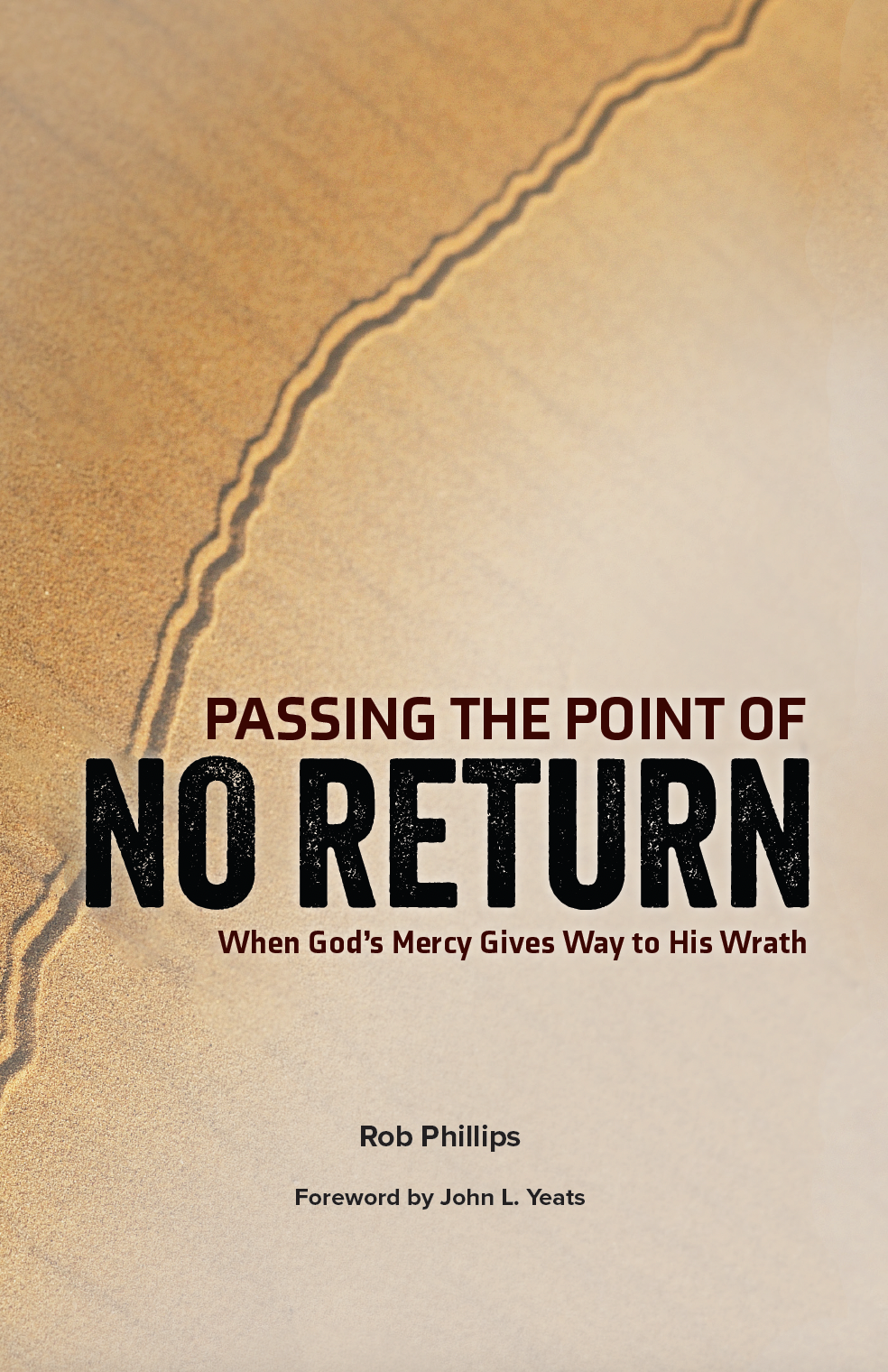
Does God draw a line in the sand when it comes to sin? Can those who reject the living and true God rebel against him so grievously, and reject his grace so persistently, they pass a point of no return? The answer is yes. It's this truth that's explored in the new release, Passing the Point of No Return, from Rob Phillips.
Rosh Hashanah is one of Israel's seven major feasts, occurring on the first day of Tishri, the seventh month of the Jewish lunar calendar - September or October by Western reckoning. While the biblical and modern-day observances of Rosh Hashanah differ, the holiday plays a significant role for the book of life.
After a detailed look at New Jerusalem's exterior, the apostle John turns his attention inside the city's walls (Rev. 21:22-27). He notes first of all the absence of a temple "because the Lord God the Almighty and the Lamb are its temple" (v. 22).
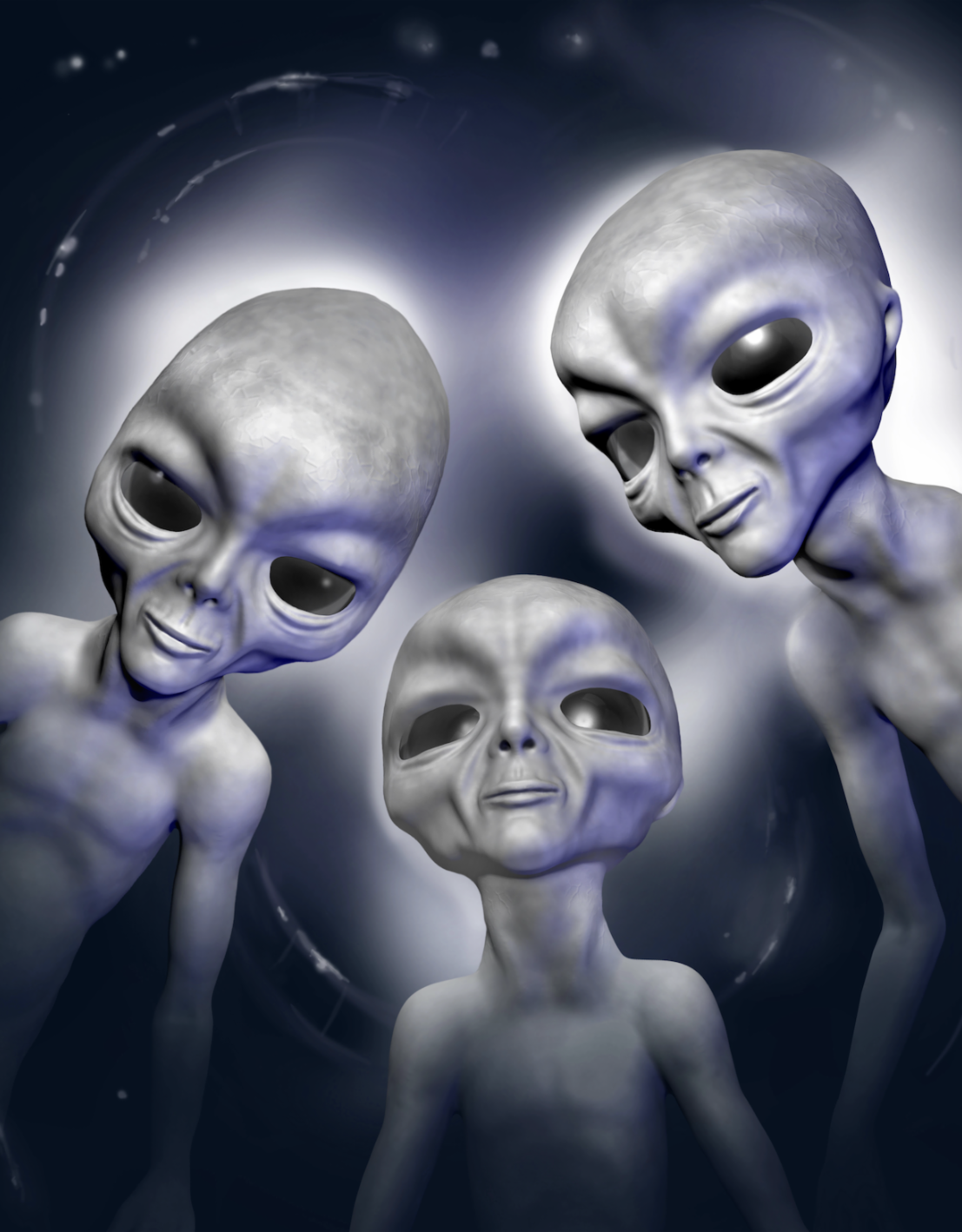
There's a striking similarity between the aliens in the Hollywood blockbuster Signs and alleged sightings of little gray men in real life - including little gray men who abduct people. In fact, there have been so many eyewitness accounts, they're almost impossible to ignore. Who are these beings? And does the Bible give us any clues as to their identity and intentions?
The first five verses of Revelation 22 describe four prominent objects in New Jerusalem: a river "clear as crystal," a broad street of gold, the tree of life, and the throne of God and of the Lamb.
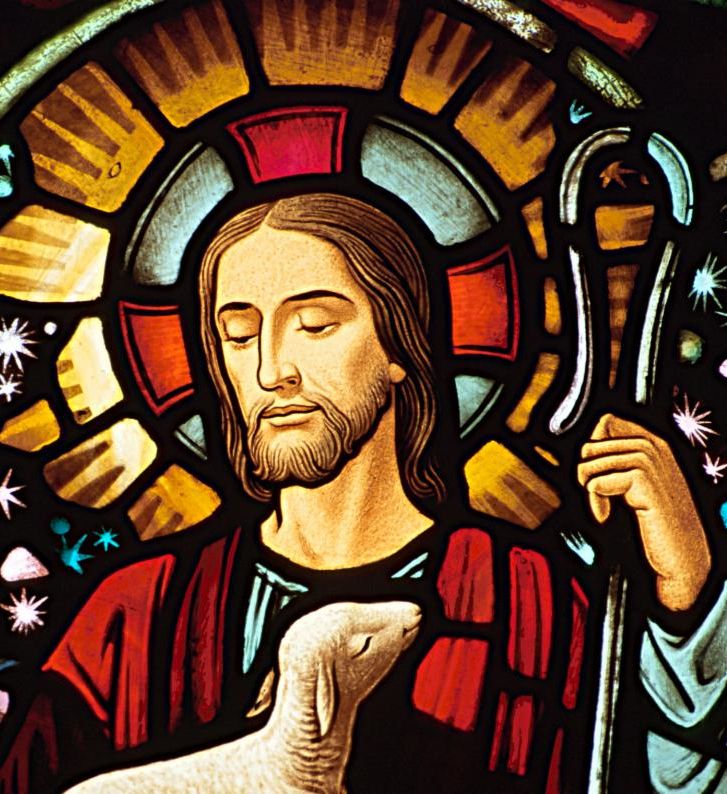
The epistle to the Hebrews clearly distinguishes between Jesus and created spirit beings - or angels, as we commonly use the term. Jesus cannot be an angel in this respect - although he is the "angel" or "messenger" of the Lord in his preincarnate existence - because he is superior to angels ... and is their creator.
John Vaughan leads Church Growth Today Apologetics, which explores 12 core areas in 175 research topics, including Mormonism, in which he has invested more than 3,000 hours of research. Learn more about John and his ministry.
Listen to the first in a series of interviews about the Trinity between the MBC's Rob Phillips and Carmen LaBerge of The Reconnect on Faith Radio. In this initial session, they explore a biblically faithful understanding of the Trinity and discuss heretical views as well as bad analogies.
The New Testament offers numerous references to the book of life, and it specifically identifies the book of life as belonging to the Lamb. As we read the Gospels and epistles, we come to understand more clearly that the book of life is the registry of the redeemed.
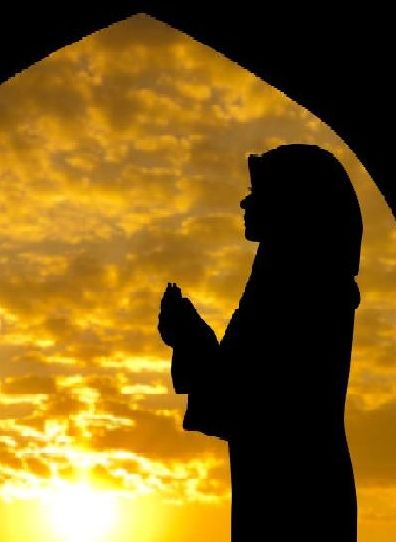
Missionaries to Muslims often report resistance to the gospel message -- not because Muslims reject Jesus as a great prophet, but because it does not align with their cultural perspective that stresses shame and honor rather than guilt and innocence. So, how can Christians share the gospel cross-culturally? Is it even possible?
Members of local Southern Baptist churches work together for the sake of the gospel in their communities. They also realize the limitations of their resources and understand that joining hands with other like-minded churches enables them to accomplish more together than they ever could alone.
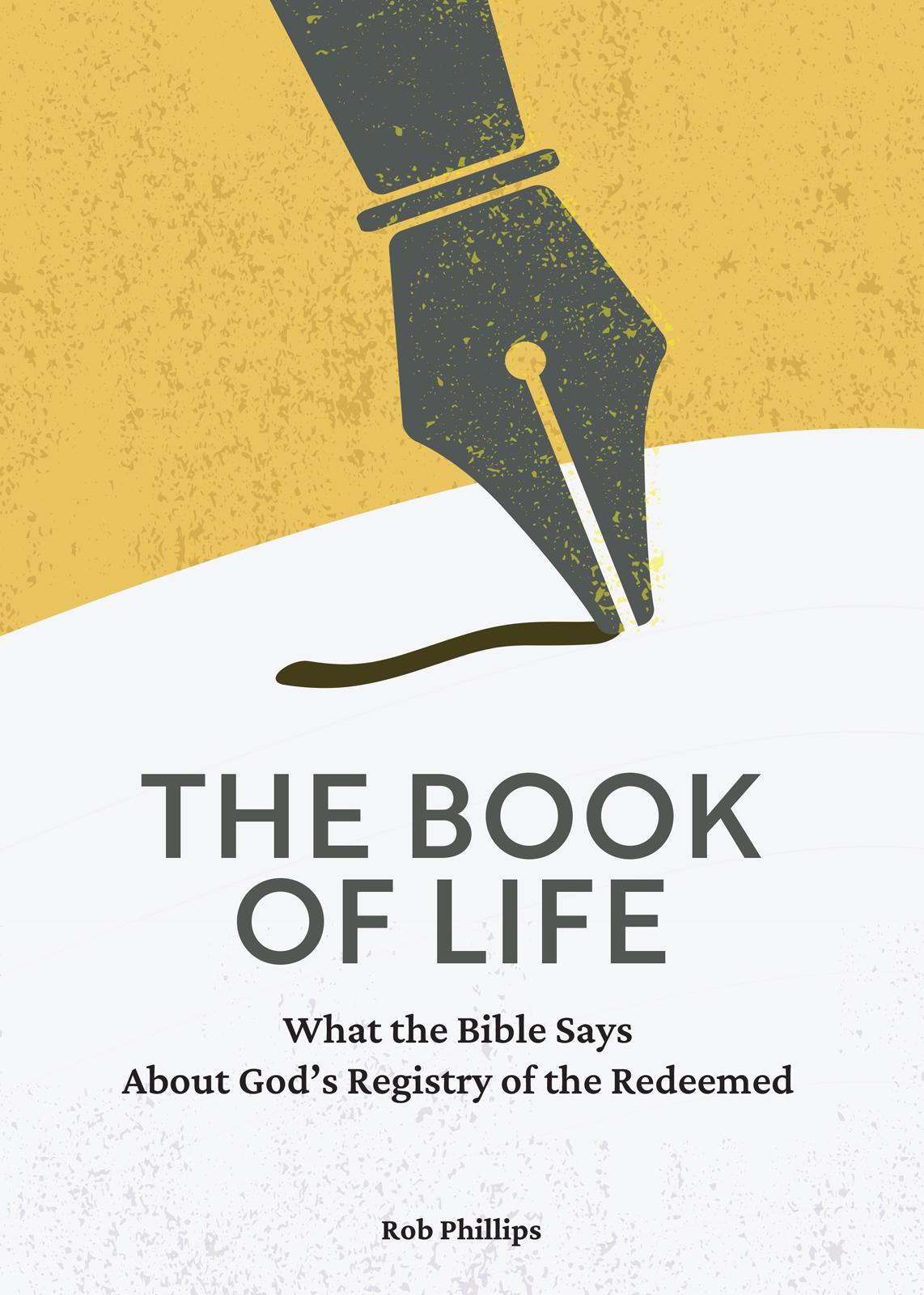
The Book of Life: What the Bible Says About God's Registry of the Redeemed addresses key questions about this fascinating book: What is the book of life? Why does it exist? Whose names are written there? Once entered, can names be erased? And how can I know if my name is recorded there? Written for pastors and laypersons alike, this resource is designed for personal or group study.