NASA Harvest News
Rapid increases in agricultural productivity in South America over the past decade have increased global food supply and greatly impacted global food markets. In a recently published paper, former USDA Chief Economist and current NASA Harvest Markets and Trade Co-Lead Joseph Glauber discusses this impact and presents a structural model that can provide insights into intraseasonal patterns of storage, trade, and market prices.
A new crop yield model developed by NASA Harvest and partners at the University of Valencia, University of Maryland, and NASA GSFC is helping to fill gaps in the current agricultural monitoring systems. Dubbed "ARYA," the model uses EO data to build quantitative, global yield estimates at a sub-national and national level. Testing found that the model is able to predict wheat harvests within ~0.7 t/ha, two months ahead of harvest at the subnational level. 
This summer Hannah Kerner, NASA Harvest’s AI and US Domestic Lead, had the opportunity to participate in the 2021 Pro Farmer US Crop Tour. Spanning the US Midwest, the Tour investigates local crop conditions. Over its almost 30 year history, the ProFarmer Crop Tour has become a valuable source of early crop yield estimates, while also helping to make interpersonal connections throughout the agricultural sector.
The international ASA-CSSA-SSSA meeting brings together professionals across the agricultural sector who are working to advance the state of the science and develop research applications. The symposium focused on ongoing NASA Harvest and AgMIP activities with an emphasis on EO-crop modeling connections.
Submit Your Work
Career Opportunities
Upcoming Events
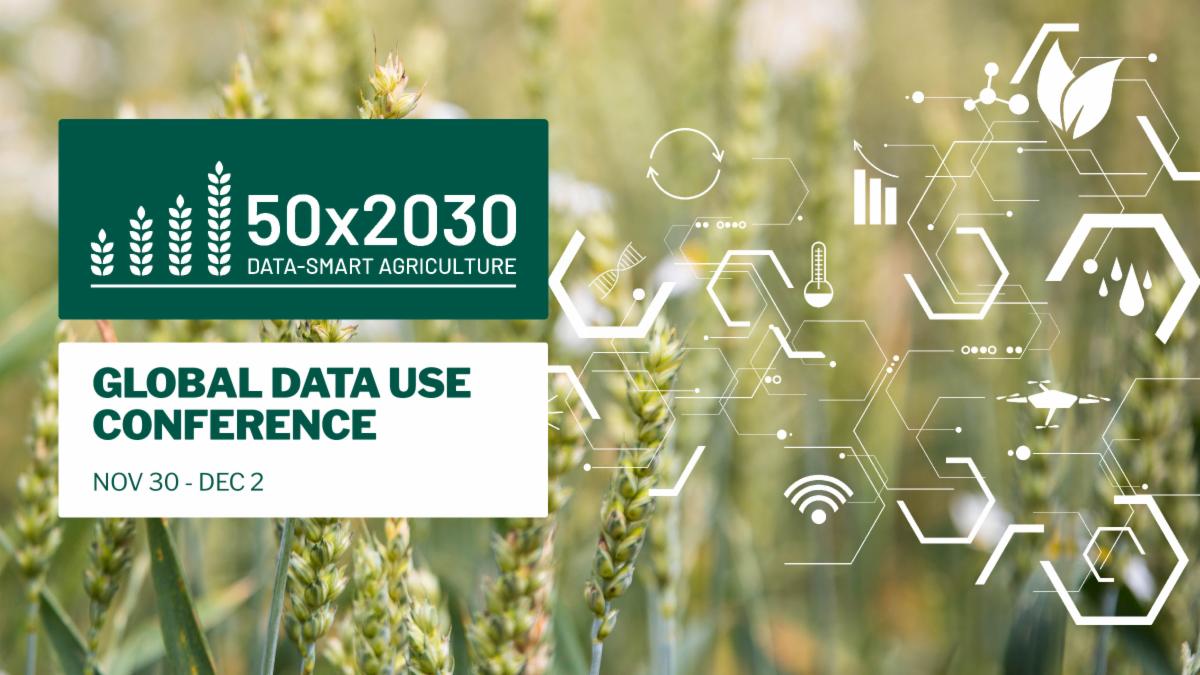
The inaugural 50x2030 Global Data Use Conference will be held virtually November 30 - Dec 2, 2021. Hosted by the 50x2030 Initiative to Close the Agricultural Data Gap, the conference will look at how food insecurity is being fought with improvements in agricultural data and effective methods to encourage the uptake of agricultural data-based policymaking. Participants will work with each other to explore solutions to national development goals relating to food insecurity and hunger. You can find more information on the conference here.
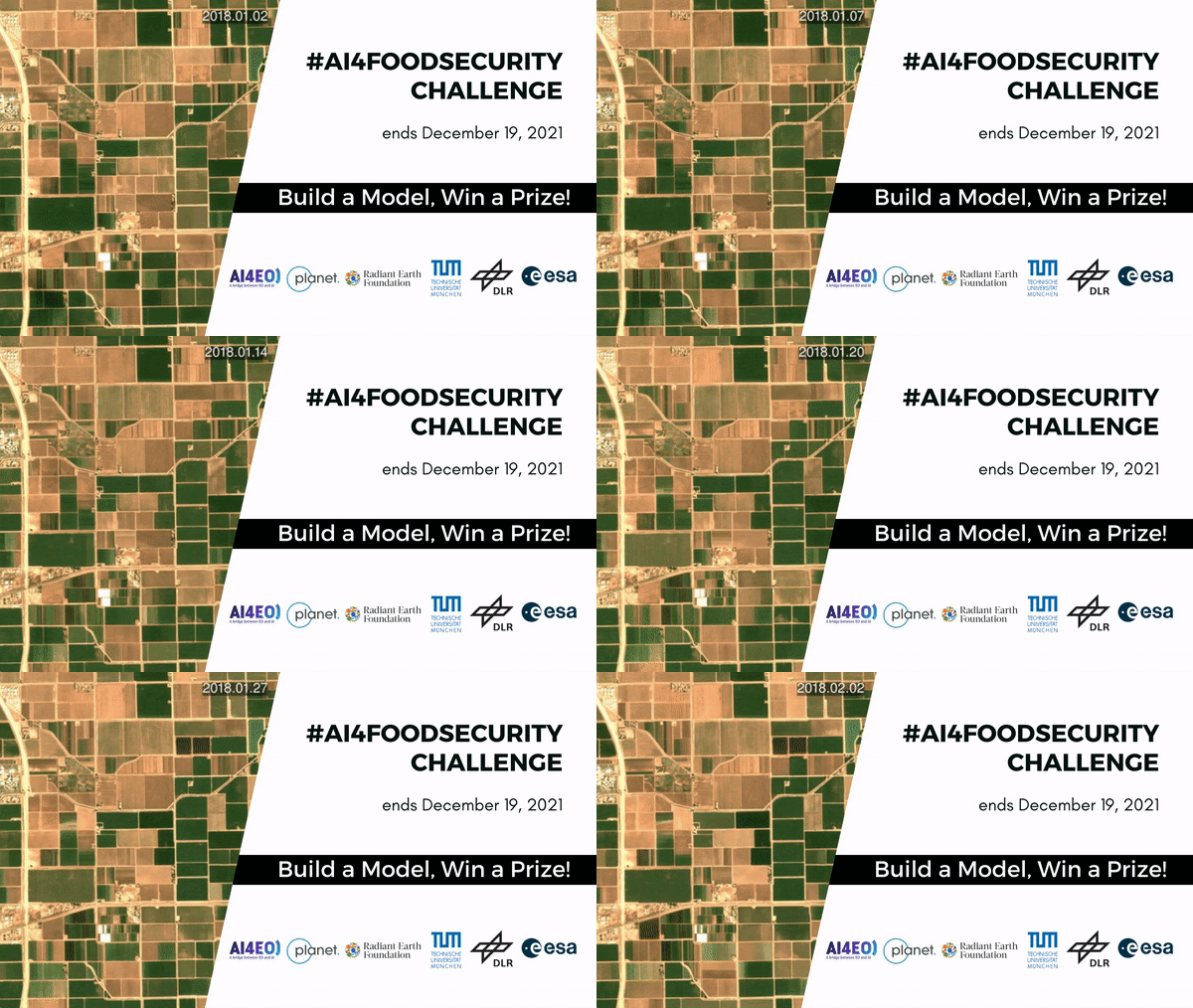
AI for Earth Observation's AI 4 Food Security Challenge is open for submissions. Sponsored by the European Space Agency, the program challenges EO data users to solve various remote sensing-derived data challenges. This current challenge looks at the importance of accurate agricultural data in decision making and food security. Participants are asked to "map cultivated land using Copernicus Sentinel imagery and develop solutions to extract as much information as possible from the native 10-meter per pixel resolution." The challenge remains open through Dec 19 and interested participants can register here.