|
Flowing into Spring: Aligning with Nature’s Rhythms |
As February unfolds, we find ourselves at a crossroads between Winter’s stillness and Spring’s awakening. In Chinese Medicine, this time is about preparing for growth while remaining rooted in the restorative energy of Winter. |
|
History Spotlight:
The Philosophical Foundations of Chinese Medicine
| |
The Huangdi Neijing (The Yellow Emperor’s Inner Classic), written over 2,000 years ago, is considered the cornerstone of Traditional Chinese Medicine (TCM). More than just a medical text, it is a profound dialogue between the legendary Yellow Emperor, Huangdi, and his physician, Qi Bo, detailing the intricate relationships between humans and nature, health and disease, and the balance of Yin and Yang.
One of its core teachings is that human health is inseparable from the natural world. It explains that seasonal changes directly influence the body, and by aligning with these rhythms, one can maintain vitality and prevent disease. Winter, according to the Neijing, is a time for deep introspection and conservation of energy. It emphasizes that Qi must be stored rather than dispersed, as the body mirrors nature's hibernation phase. When Spring arrives, the stored Qi can be used to facilitate renewal and growth.
The text also introduces the concept of meridians—energetic pathways through which Qi flows—and how acupuncture can regulate this flow to restore balance. It establishes the fundamental theory that illness arises from disruptions in Qi movement, and acupuncture serves to correct these imbalances.
This ancient understanding remains at the heart of modern acupuncture practices, reinforcing the idea that true health is cultivated by living in harmony with nature’s cycles.
| |
Preparing for Spring: The Subtle Awakening of Liver Energy
| |
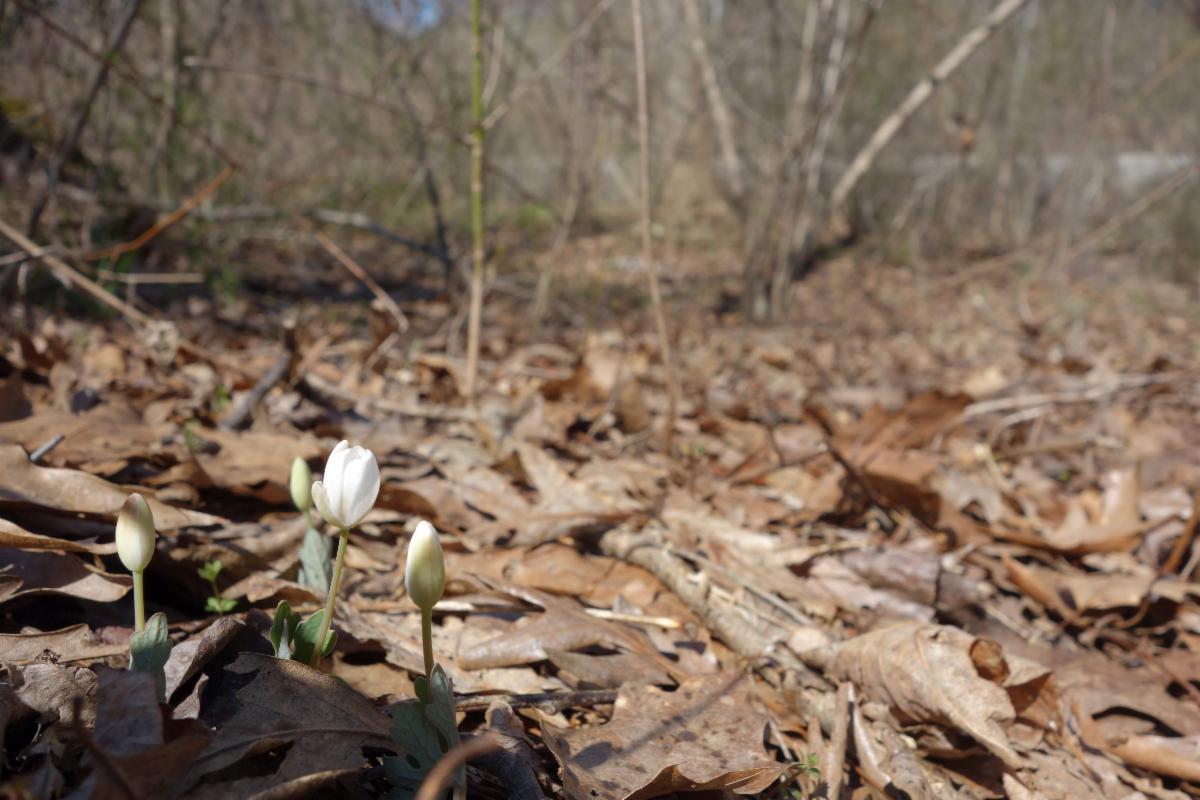
February is a time of transition, as the dormant energy of Winter (Water Element) begins to nourish the budding energy of Spring (Wood Element). In TCM, the Liver, associated with the Wood Element, governs the smooth flow of Qi throughout the body.
When Liver Qi is stagnant, you may experience irritability, muscle tension, headaches, or digestive discomfort.
Signs of Liver Qi Stagnation:
- Feeling “stuck” emotionally or physically.
- Tension in the shoulders or neck.
- Mood swings or frustration.
Practical Tips for February:
- Gentle Movement: Incorporate stretching, tai chi, or yoga to promote Qi flow.
- Add Sour Flavors: Foods like lemon, vinegar, and pickles gently stimulate the Liver.
- Spring Cleaning: Declutter your space to release stagnation.
| |
|
“Those who flow as life flows know they need no other force.”
-Chapter 8 of the Tao Te Ching
As the energy of Winter begins to stir with the winds of Spring, this teaching reminds us to align with nature’s flow rather than resist it. By moving gently and intentionally, we can prepare for Spring’s renewal without depleting ourselves.
Practical Wisdom: Practice quiet observation this month. Take time to notice where you feel “stuck” in life and explore small, intentional steps to release that tension—whether it’s through journaling, breathing exercises, or a mindful walk.
| |
|
Acupuncture Meets Science:
Acupuncture is increasingly recognized in scientific research for its role in regulating stress and emotional well-being. The Liver, in TCM, is responsible for the smooth flow of Qi and is closely tied to emotional regulation. Modern studies have shown that acupuncture affects the hypothalamic-pituitary-adrenal (HPA) axis, the body's central stress-response system. By modulating this system, acupuncture can help regulate the release of cortisol, the body’s primary stress hormone, reducing symptoms of anxiety, tension, and emotional stagnation.
A study published in Neuroscience Letters found that acupuncture at specific points—such as Liver 3 (Tai Chong) and Pericardium 6 (Nei Guan)—enhances the release of endorphins and serotonin, neurotransmitters responsible for relaxation and mood stabilization. This biochemical response helps explain why patients often report feeling a profound sense of calm following acupuncture treatments.
Additionally, functional MRI studies have demonstrated that acupuncture can activate regions of the brain associated with emotional regulation, including the amygdala and prefrontal cortex. These findings support the long-held TCM understanding that Liver Qi stagnation contributes to emotional imbalances such as frustration, depression, and irritability.
By integrating acupuncture into a wellness routine, individuals can support both their emotional health and Liver function, ensuring a smoother transition into Spring.
| |
Call to Insight: A Reflection on Transition
As the frozen river begins to thaw, cracks form on the surface, revealing the movement underneath. Though the landscape may still appear dormant, deep within, life is stirring. February is a lesson in patience—the tension between what has been and what is yet to come.
Just as the tree does not rush to bloom, but instead draws on its stored essence, we too must trust our inner timing.
If you feel restless or uncertain, ask yourself: Am I forcing movement before the energy is ready? Growth is inevitable, but so is the need for preparation. Can you sit with the discomfort of transition and recognize it as the moment before emergence?
This is the wisdom of the seasons: every pause serves a purpose. Let February be a month of gathering strength, aligning with your inner rhythms, and honoring the quiet force of becoming.
| |
|
Featured Acupoint of the Month:
Liver 3 (Tai Chong – Great Rushing)
Location: On the top of the foot, in the depression between the first and second toes.
Benefits: Moves stagnant Liver Qi, reduces stress, and alleviates tension.
| |
|
"I’m grateful for the opportunity to support your healing journey. Whether it’s pain relief, stress management, or just a deeper sense of peace, I’m here to help you find balance and wellness. Acupuncture is a collaborative process, and I’m honored to walk alongside you as you navigate the steps toward greater health. Don’t hesitate to reach out if you have questions or if there’s anything I can do to support you along the way."
— Clark Mollenhoff M.Ac. L.Ac.
Your Partner in Health and Well-Being
clark@mollenhoffacupunture.com
| | | | |