MSA 2020 Spring Election Results
|
|
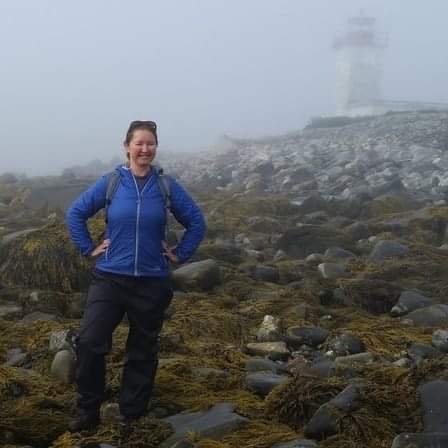
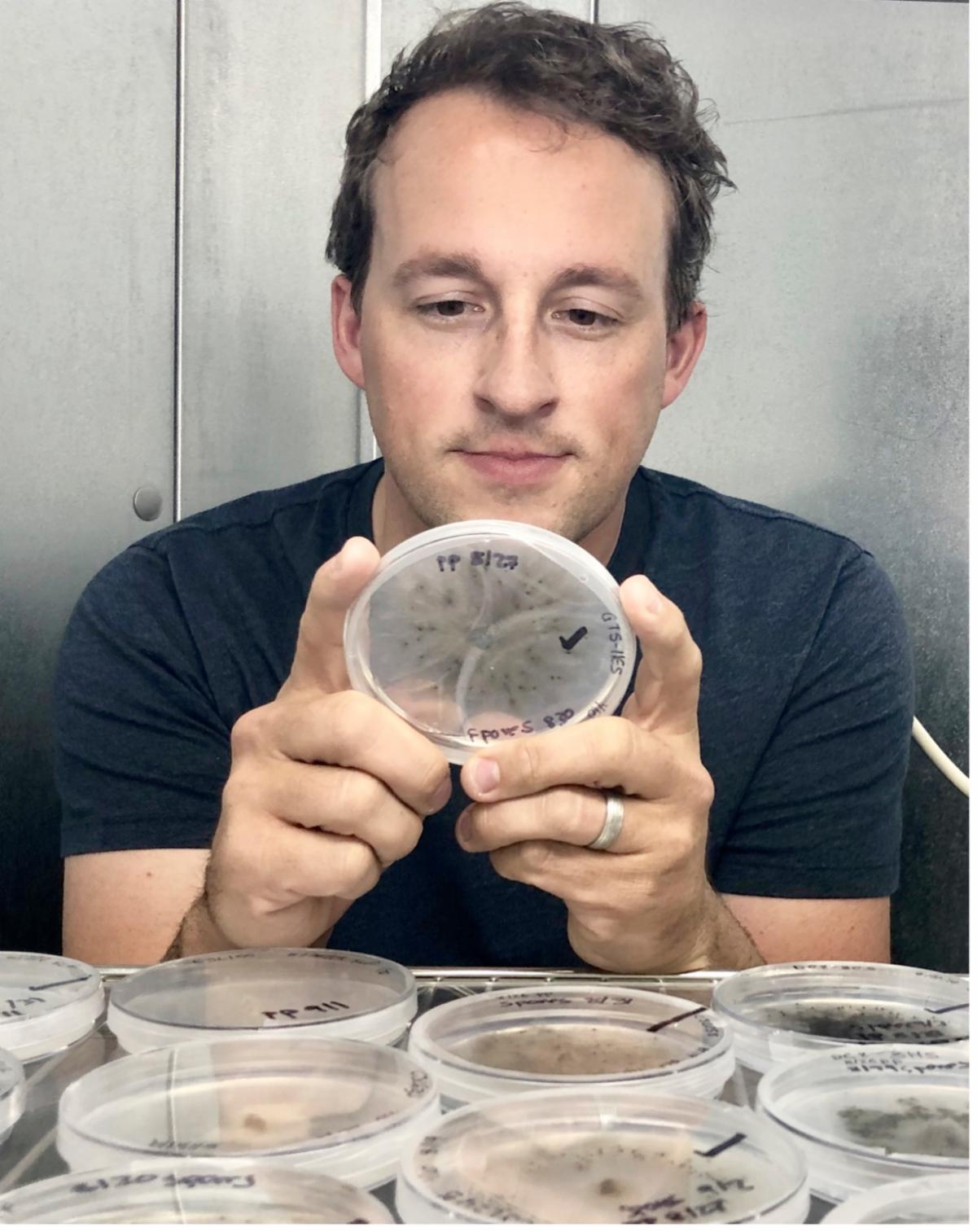
The Mycological Society of America (MSA) is pleased to announce and congratulate the following MSA members on election to their respective positions:
|
|
The newly elected members will begin their terms at the end of the business meeting at the MSA 2020: Mycology from the Cloud virtual meeting!
|
|
MSA 2020 Virtual Meeting:
Mycology from the Cloud
|
|
Don't forget to
register
! The deadline to do so is
Friday, July 10, 2020
.
|
|
You must be a current member of the MSA to attend.
Enroll or renew
your membership now to avoid any delays in the meeting registration process.
Invite any and all friends or colleagues who have the slightest interest in Mycology. The more the merrier!
|
|
If you have any problems or questions pertaining to registering, enrolling, or renewing your membership, please contact the MSA Membership Coordinator,
Cori VanGalder
.
|
|
Review submitted by
Amy Rossman
, Book Review Editor, Department of Botany and Plant Pathology, Oregon State University, Corvallis, Oregon, USA
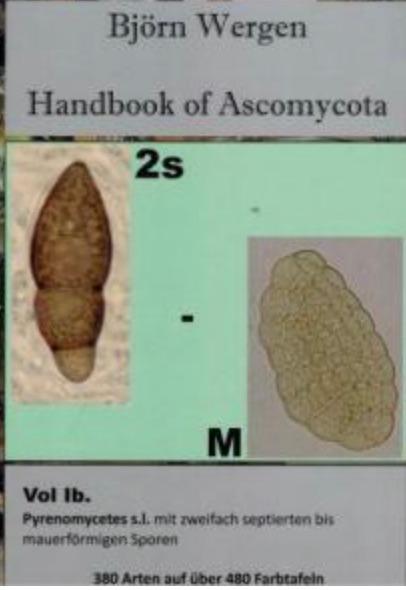
2018 Handbook of Ascomycota, Vol. 1a Bildband. Pyrenomycetes s.l. Sordariomycetes, Dothideomycetes, Eurotiomycetes, Wergen, Björn 2018. Arten mit ein- bis zweizelligen Sporen. Funghiparadise Productions
Anyone who has ever tried to identify pyrenomycetes, those tiny little black spheres, knows that they are really, really hard. Truly there are no books that cover all of them anywhere in the world. The two volumes reviewed here are amazing and should be purchased by those who wrestle with these fungi.
Each book is a compilation of color plates usually one for each species. Each plate consists of close-up macrophotos of the fruiting bodies, often including a cross-section plus asci and ascospores and conidia. All micrographs are...
|
|
USDA - Retired, Upper Marlboro, Maryland, USA
Generic Names of Fungi: Etymology, Descriptions, Classifications, and
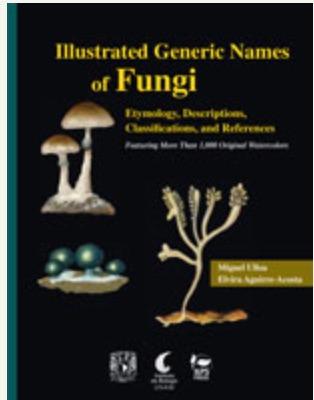
References, Featuring More Than 1,000 Original Watercolors, Miguel Ulloa & Elvira Aguirre-Acosta, 2020. Illustrated. Available in print: 978-89054-618-5, price (hardcover) $199.00; online: 978-0-89054-619-2, The American Phytopathological Society, St. Paul, MN, USA
Ulloa and co-author Elvira Aguirre-Acosta have produced a tome that helps readers obtain biological information for 1,592 genera as well as the current classification, etymology of the generic name, authority names and citations, and illustrations. In addition to genera from the Kingdom Fungi the authors include a number of genera from the Chromista and Protozoa because these have historically been studied by mycologists.
|
|
|
December 7, 1954 - March 21, 2020
Submitted by John Taylor, University of California, Berkeley
(Photo to the left: Nick Read (R) and John Taylor at the 9th International Mycological Congress in Edinburgh - August 2010.
Photo Credit: Rytas Vilgalys)
The pioneering fungal cell biologist, Nick Read, passed away on March 21, 2020, after a heroic struggle with daunting health conditions. He is survived by his wife Shenda and his daughters, Hannah and Sophie. Nick Read’s lasting impact on mycology ensures that not a British Mycological Society Meeting, nor an International Mycological Congress nor a Fungal Genetics Conference shall go by but he will be remembered for his science, his leadership and his fellowship.
Read earned his PhD at the University of Bristol with Alan Beckett in 1981 and then stayed for three more years of postdoctoral research. His study of perithecial development (1) is a classic and together with a later review (2) and a recent updating (3) have made it a joy to teach students the details of sexual reproduction for a structure too important to overlook and too small to fully appreciate in a teaching lab.
|
|
The MSA Archive: What, When, Where?
|
|
Submitted by Meredith Blackwell and Ronald H. Petersen
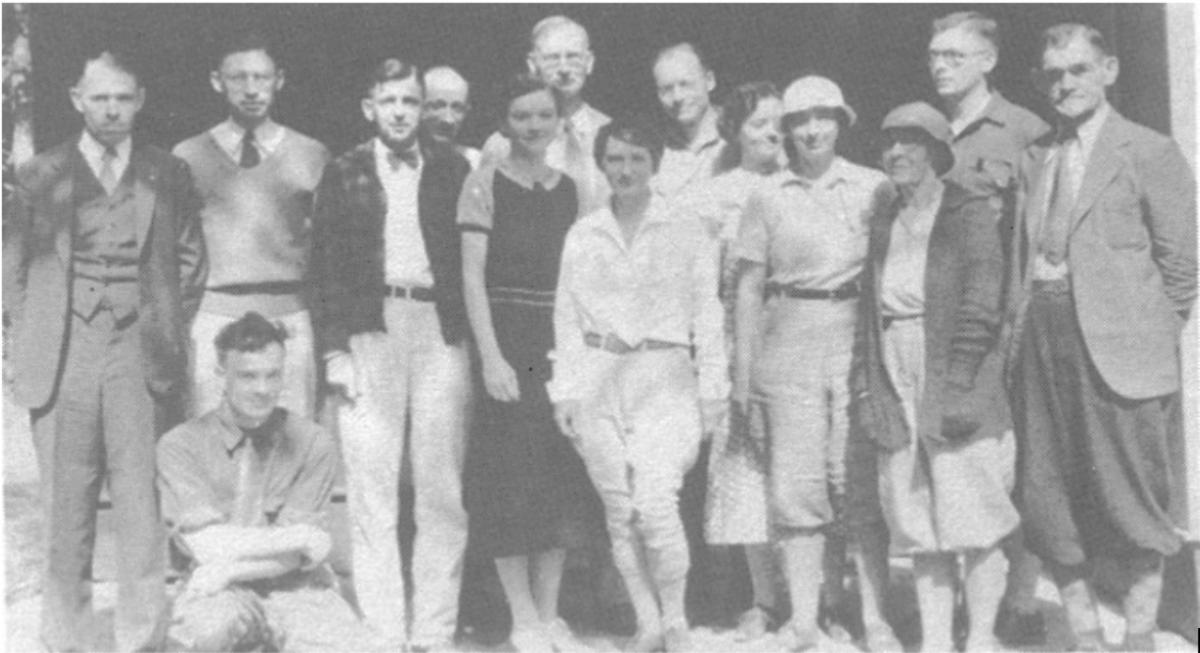
The Mycological Society of America (MSA) archive languishes, piled on top of cabinets in a climate-controlled room at the New York Botanical Garden (NYBG). The archive is a collection of memorabilia: portraits, written records of the Society, establishment and adoption of the journal, and documentation of the history of the Society. The archive is contained in 45 boxes that have accumulated since the beginning of the MSA in 1932. The records are safe for now, stored in a climate-controlled room at NYBG, but un-curated and un-digitized. Consulting the archive for a specific item is impossible; first one would need to search through the 45 boxes, but since no one knows exactly what the archive contains, what would one look for? We actually do not know the last time the collections have been examined by a Society member except to determine the amount of material present (e.g., 45 boxes).
Ron Petersen, previous MSA Historian and Memorialist appeared before Council a few years ago...
|
|
Executive Vice President's Report
|
|
I hope that all of my MSA colleagues are healthy and safe! I miss all of you and look forward to seeing all of you again.
We are disappointed that we had to postpone the meeting in Gainesville, Florida, to 2022, but we are looking forward to the first-ever MSA virtual meeting “Mycology from the Cloud” taking place wherever you are on July 22, 2020
https://msafungi.org/2020-meeting-registration/
. The abstract and poster submission and registration portals are open.
Council Business
: Executive Council met by videoconference on February 8, 2020. The minutes of the Executive Council Midyear meeting and the Midyear reports are available here:
https://msafungi.org/msa-meeting-minutes-and-reports/
. The Annual Council meeting is scheduled for July 20, 2020, by videoconference. Three email polls were sent out to Council and approved since my February column:
Poll 2020-02
— Request for Emeritus Member Status for Don Hemmes;
Poll 2020-03
—Approval of the MSA Honorary Awards Nominees 1;
Poll 2020-04
— Approval of the MSA Honorary Awards Nominees 2.
New Members
: I would like to extend a warm welcome to the following new members who joined MSA since my February 2020 column. Their membership will be formally approved at the 2020 Annual Business Meeting during the virtual meeting:
Canada:
Sean McCotter
Mexico:
Daniel Acosta García, Raquel Aline Melo Saint-Cyr Frías, Olivia Rojo Nava
Pakistan:
Arooj Naseer
United States:
Annakay Abrahams, Brianna Almeida, Olivia Anderson, Charlene Aparicio, Jessa Ata, Johnny Balidion, Charles Bond, Caroline Burks, Luis Bustamante, Zack Cargile, Anita Davelos, Lauren Dorsch, Joseph Edwards, Zachary Guillian, Damian Hernandez, Morgan Ingraham, Kaitlin Knutson, Erika Lyon, Lisa Markovchick, Valerie Martin, Joseph Miller, Jason Miller, Kyle Mondron, Taryn Mueller, Jake Nash, Gary Olds, Bryan Rennick, Hannah Roden, Thomas Roehl, Wednesday Smith, Jose Solorzano, Anthony Vozzella
2020 Membership Renewal:
Renewal notices have been sent. Membership dues will remain the same.
We now have autorenewal and multiyear renewal options available. You must be a member to join the virtual meeting so renew now if you have not done so already. Please contact me with any suggestions, complaints, or feedback on the membership renewal process.
To increase membership and involvement in the MSA, it is important to recommend the Society to amateur and professional colleagues, and particularly to students and postdoctoral associates who are interested in fungi. MSA members include pathologists, geneticists, systematists, ecologists, and those people who just want to know more about the fascinating world of fungi. Please help us get the word out! Signing up is easy by following the links on the membership page (
https://msafungi.org/join-or-renew/
). Please feel free to contact
our MSA Membership Coordinator, Cori VanGalder,
at
msafungi@reesgroupinc.com
if you have questions about renewing or new memberships.
|
|
REMINDER — MSA Directory Update
:
Have you checked your information in the MSA directory recently? Now is a good time to make sure your address, phone, and email are current. The MSA relies almost entirely on email to bring you timely information on MSA news, awards, elections, meetings, and other activities. To ensure that you receive MSA blast emails and
Inoculum
, and so your colleagues can keep in touch, please check the accuracy of your contact information in the online directory. This can be accessed via our website (
https://msafungi.org/
). Look for the membership menu option and drop down to “Member Login”. Once you log in, you will see your profile with options such as “edit profile”, “my directory profile”, and “email subscriptions”. If you need assistance with updating your membership information, please contact our MSA Membership Coordinator, Cori VanGalder, at
msafungi@reesgroupinc.com
.
|
|
Please feel free to contact me about MSA business, or any other questions you have about the Society.
Hope you can attend the virtual meeting!
Respectfully submitted,
MSA Executive Vice President
|
|
Mycology During a Pandemic...
Stories from MSA Members during this unique time
|
|
Seeing Patterns
Submitted by: Roo Vandegrift
Anyone reading this that knows who I am probably knows me as “the
Xylaria
guy,” but lately I’ve been working on something completely different: I am currently producing a documentary film about mining and conservation in Ecuador, called "
Marrow of the Mountain
." I was in Ecuador filming for the documentary when the COVID-19 quarantine came down, interrupting our filming schedule and stranding us in Quito. We're using the quarantine as an editing retreat, and I'm still working hard every day on the film, but the isolation lends itself well to design work as a mental 'break' from the film and the constant barrage of news. So, I’ve been designing fungal patterns, with the idea of eventually turning some of them into fabrics or other printed things.
|
|
Teaching Mycology During a Pandemic
Submitted by:
Emily G. Cantonwine
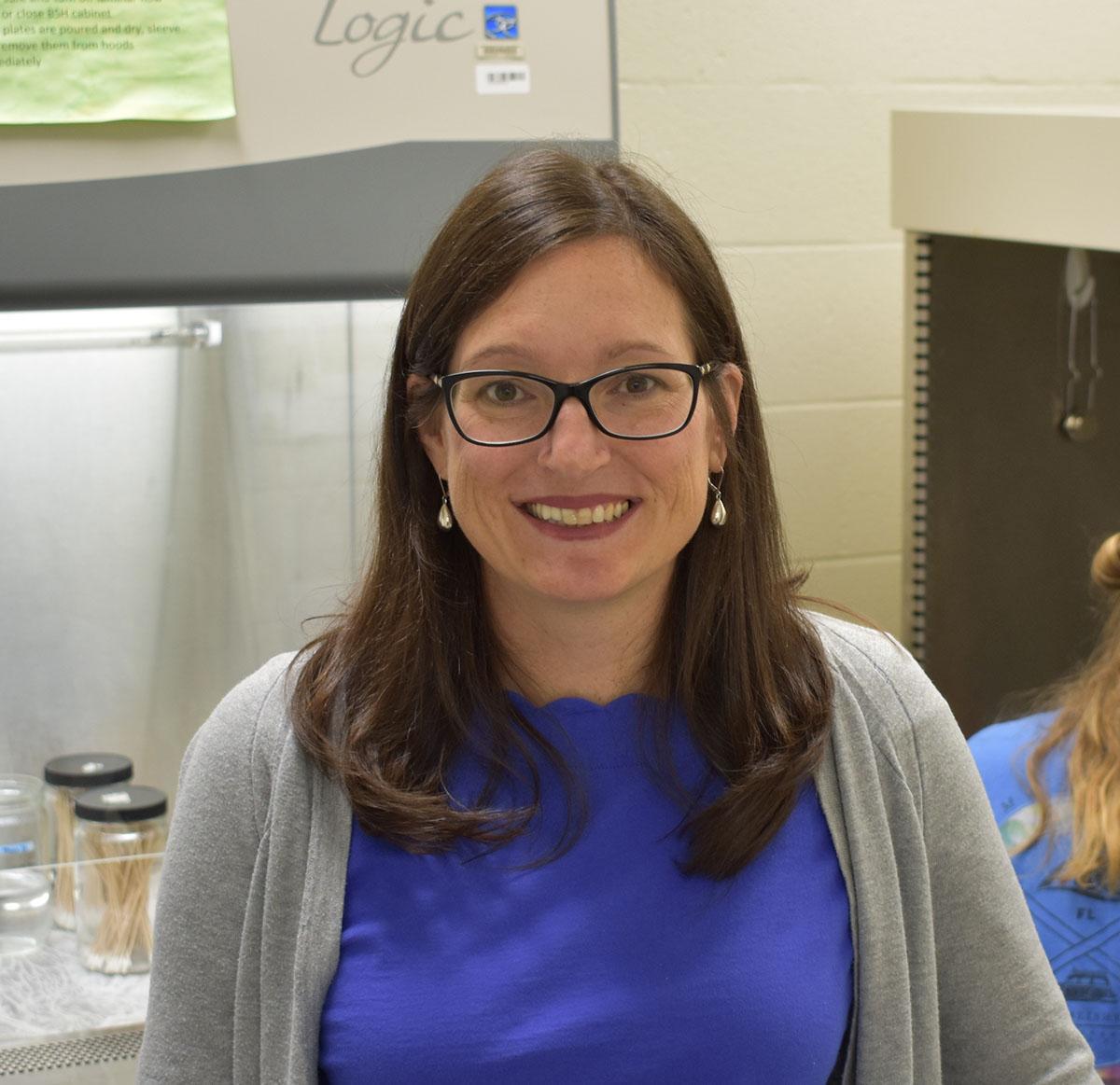
In early March, the undergraduate students in my Introductory Mycology course had just entered the phase where they were looking for fungal specimens on their own and were having more successes in the laboratory than failures. In a typical semester, this momentum would have continued, and my students would have finished the course with much enthusiasm and mycological knowledge. However, after the course moved from a face-to-face to an online format due to the pandemic, the best my students and I could do was crawl to the end of the semester.
Like me, many members in our Society transitioned to teaching online last semester and will likely teach online courses again this fall semester having little training or experience with online education and instruction.
|
|
There’s No Social Distancing From Your Fungal Housemates
Submitted by: Rachel Adams
While many are thinking of fungi while
at home
, I continue to think about fungi
in homes
. That is, the fungi that grow in buildings because of water damage. Most people are surprised to learn that we haven’t found what aspect of fungi to measure in buildings that would tell us if the building poses a health risk to occupants, or even if there’s water damage at all. Three thousand years after the Book of Leviticus advises on how to cleanse a home of “defiling mold”, we can still give only vague guidance on which homes need that cleansing.
The number of fungal species in house dust is essentially unbounded – a combination of what blew in the window or came in through the ventilation system, what we brought in on the soles of our feet and on our clothing, as well as what we and our pets shed. It is likely this rich tapestry of environmental fungi that make the fungi that are actually growing in our homes so difficult to spot. As a researcher currently working...
|
|
Mycology During the Quarantine; News From Bogota, Colombia
Submitted by: Adriana Corrales
In 2018, I moved to Bogota, Colombia, to start my own lab at Universidad del Rosario. In 2019, I started an undergraduate research group focusing on studying the ecology, function and interactions of tropical fungi. We named our group FUNGI-UR. I never thought this was going to be such a fun and rewarding experience. The group gained recognition very quickly. I started with three students last year and now we have about 12 members! During the quarantine we have continued to have Zoom meetings once a week to listen to student presentations and discuss topics about mycology. We have talked about phytopathogenic fungi, mycoheterotrophic plants, fungal allelochemicals, and entomopathogenic fungi.
|
|
Searching for a Subtle Seed-borne Systemic Symbiosis
Submitted by: Christopher Schardl
In 1985, I came to Lexington, Kentucky, to take a junior faculty position in the Department of Plant Pathology at the University of Kentucky (UK). I was soon to be followed by my wife, Kuey, eight-months pregnant. (She put off ending her productive postdoc at the MRC in Cambridge, England, till the last possible day, and who could blame her?!) And then we had a newborn daughter (Anisa), and a week later, bought and moved into a new house. So, this piece is about the house…sort of…since that’s where Kuey and I are spending more time together than we perhaps have ever done in all that time.
|
|
Finding New Fungi in Familiar Places
Submitted by: Michael Fulcher
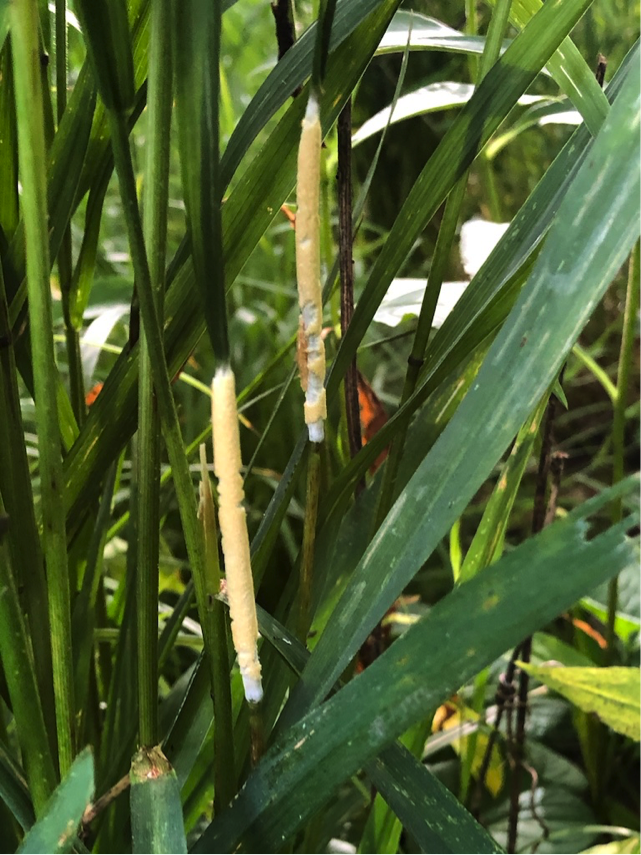
While it’s not unusual to find me just outside of my house picking through piles of mulch or rolling over a fallen branch, the number of afternoons spent scouring my backyard for fungi over recent weekends is unmatched by any time in memory. No blade of grass within the fence line, no potted plant in sight has gone uninvestigated. Like so many of us under stay-at-home orders, quarantines, or self-isolation, I find myself revisiting overly familiar spaces, yearning to see something new. Fortunately, mycologists are of the observant persuasion and predisposed to spot interesting things in mundane places. For my part, a few unexpected finds this spring remind me that a thoroughly close observation will always reveal some novelty, even in well-trodden territory.
|
|
Home Ectomycorrhiza Succession Project During the COVID-19 Pandemic
Submitted by:
Slavomír Adamčík, Benjamin Avis, Miroslav Caboň, Munazza Kiran, and Barbora Zámocká
Before the pandemic, we had two visiting researchers, Ben Avis and Munazza Kiran, and one PhD student, Barbora Zámocká, at the Laboratory of Molecular Ecology and Metagenomics (MEM) of the Plant Science and Biodiversity Centre, Slovak Academy of Sciences, (Bratislava, Slovakia). The supervisor and scientific host is Slavomír Adamčík, and the assistant and curator of MEM lab is Miroslav Caboň.
Benjamin Avis, associated with Indiana University Northwest (IN, USA), started his stay at the beginning of February 2020 and was supposed to stay until the end of March 2020. His mission was training in morphology standards proposed at our lab and the object of his study was North American foetid Russulas and their systematics. He was enjoying weekends by visiting historic cities in the area, as well as Vienna and Budapest.
|
|
Millipedes and Mealworms and Mucoromycota, Oh My!
Submitted by: Angie Macias, Brian Lovett, and Matt Kasson
In the Kasson lab at West Virginia University, we are trying to understand how millipedes and fungi interact. Fungivorous millipedes are a wonderful (and understudied) system for investigating fungal biodiversity, but the closest fungivorous millipedes (
Brachycybe
spp.) reside in the southern part of the state, a good distance from Morgantown. Years ago, my advisor Matt Kasson, several other members of the lab, and I drove 15 hours in a rented van to sample these millipedes in the Ouachita Mountains of Arkansas and Oklahoma for several unforgettable days. This and other multi-day sampling trips in 2015 and 2017 laid the foundation for my Master’s thesis on “Diversity and Function of Fungi Associated With the Fungivorous Millipede,
Brachycybe lecontii
,” which was published in
Fungal Ecology
in 2019
.
|
|
Mint and Mushrooms
Submitted by: Dr. Meredith Blackwell
|
|
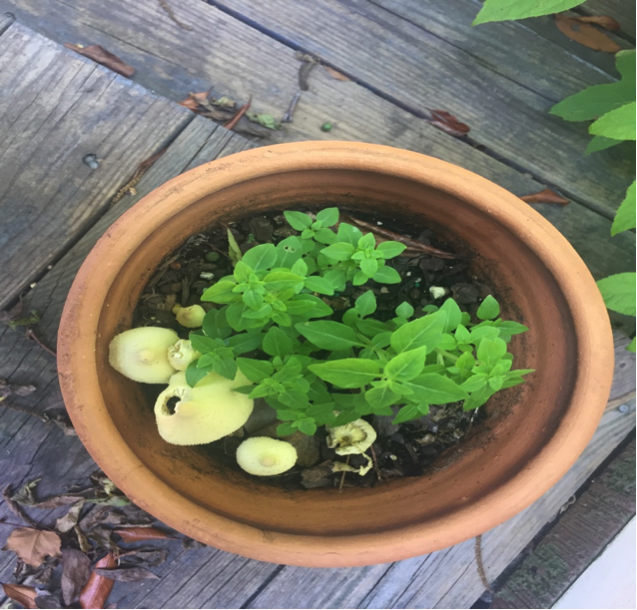
Photo: June 1, 2020
The mint has grown from seeds planted in 3-year-old commercial potting soil to ward off SARS-2 quarantine boredom. Seven other pots with the same soil but different seeds did not yield mushrooms. Where did the mushrooms come from? What’s been nibbling on them?
|
|
Images of
Licea Iridescens
, a Corticolous Myxomycete Species New to Science, and Crystals of Unknown Origin on the Tree Bark of Living American Elm Trees
Submitted by: Harold W. Keller
This study concentrated on myxomycete biodiversity on the tree trunk bark sampled from living American elm trees located in nature parks in the Fort Worth, Texas, area. Moist chamber bark cultures yielded new species of
Licea
and crystals of unknown origin never before published in scientific literature. The light photomicrographs using multifocal imaging (10 to 70 images) and computer stacking shown here, highlight the iridescent bluish and reddish sparkles on the smooth wrinkled sides of the tiny sporangium about 100 micrometers in diameter.
|
|
Influences of a Prolific Gut Fungus (
Zancudomyces culisetae
) on Larval and Adult Mosquito (
Aedes aegypti
) – Associated Microbiota
Submitted by: Jonas Frankel-Brickner
Mosquitoes are widespread vectors of numerous human pathogens and harbor microbiota known to affect host phenotypic traits. However, little research has directly investigated how bacterial communities associated with larvae and adults are connected. We characterized whole-body bacterial communities in mosquito larvae preceding pupation and in newly emerged adults, and investigated whether a significant biotic factor, fungal colonization of the larval hindgut, impacted these microbiomes. Results showed that fungal colonization reduced microbial community variation across individuals and differentially impacted the outcomes of transstadial transmission for certain bacterial genera, revealing downstream effects of the fungus on initial adult microbiomes.
|
|
10
th
International Congress on the Systematics and Ecology of Myxomycetes
Submitted by: Dr. Steven L. Stephenson
The 10
th
International Congress on the Systematics and Ecology of Myxomycetes was held during the period of February 25 to 28 on the campus of Sede del Atlántico of the University of Costa Rica, located in Turrialba, Costa Rica. This Congress, which brings together individuals from throughout the world who have an interest in or study myxomycetes and other slime molds, is held every three years. This year’s Congress was attended by approximately 50 individuals, many of whom presented posters or talks on various aspects of myxomycetes (Fig. 1). Topics of special sessions included such things as Tropical Myxomycetes, Myxomycete Phylogeny and Classification and Myxomycete Biogeography. A highlight of the Congress was a day-long field trip to the La Marta Biological Station (Fig. 2), where participants in the Congress had the opportunity to observe and collect myxomycetes in a tropical forest, which was a new experience for many of them.
|
|
Evolution of the North American Mycoflora Project
Submitted by: Bill Sheehan and D. Jean Lodge
The North American Mycoflora Project is changing. In August 2020 we will announce a new name and logo, a new DNA sequencing partner with new protocols, as well as a more expansive and inclusive vision of engaging citizen scientists and professional mycologists.
Our mission remains unchanged: to equip citizen and professional scientists with the tools to document the diversity and distribution of fungi across North America. We are evolving to better address our ultimate purpose: to increase awareness of the critical role of fungi in the health of our ecosystems and allow us to better protect them in a world of rapid climate change and habitat loss.
|
|
Chenopodium Album
Submitted by: Sean McCotter and Ludovic Le Renard
|
|
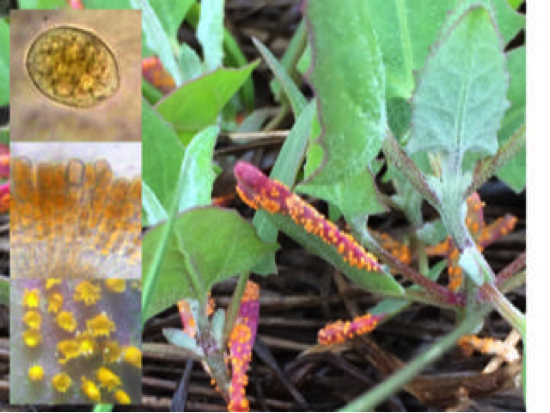
Aecia and aeciospores of
Uromyces peckianus
Farl. on
Chenopodium album
(pictured). This rust is macrocyclic and the telial host,
Distichlis spicata
,
was found growing abundantly nearby. This is one of the few rusts known to infect different species of aecial host plants (Harveson RM, 2014). Iona Beach Regional Park, BC, Canada.
Photo Credit
: Le Renard, L and McCotter, SW
|
|
|
|
- Donations to the MSA endowment keep our society strong and help foster the growth of mycology as a discipline. Now it’s easier than ever to donate to the MSA endowment thanks to our web-based member services.
|
|
We Want to See Your Fungal Photos!
|
|
|
|
Your fungal photo could be featured as the header for the next issue of
Inoculum!
MSA is calling for your photos! Chosen photos will appear in future issues of
Inoculum
. Submit your photos along with your name and any text you'd like to accompany the image (optional) using the button below!
The header for this issue of
Inoclum
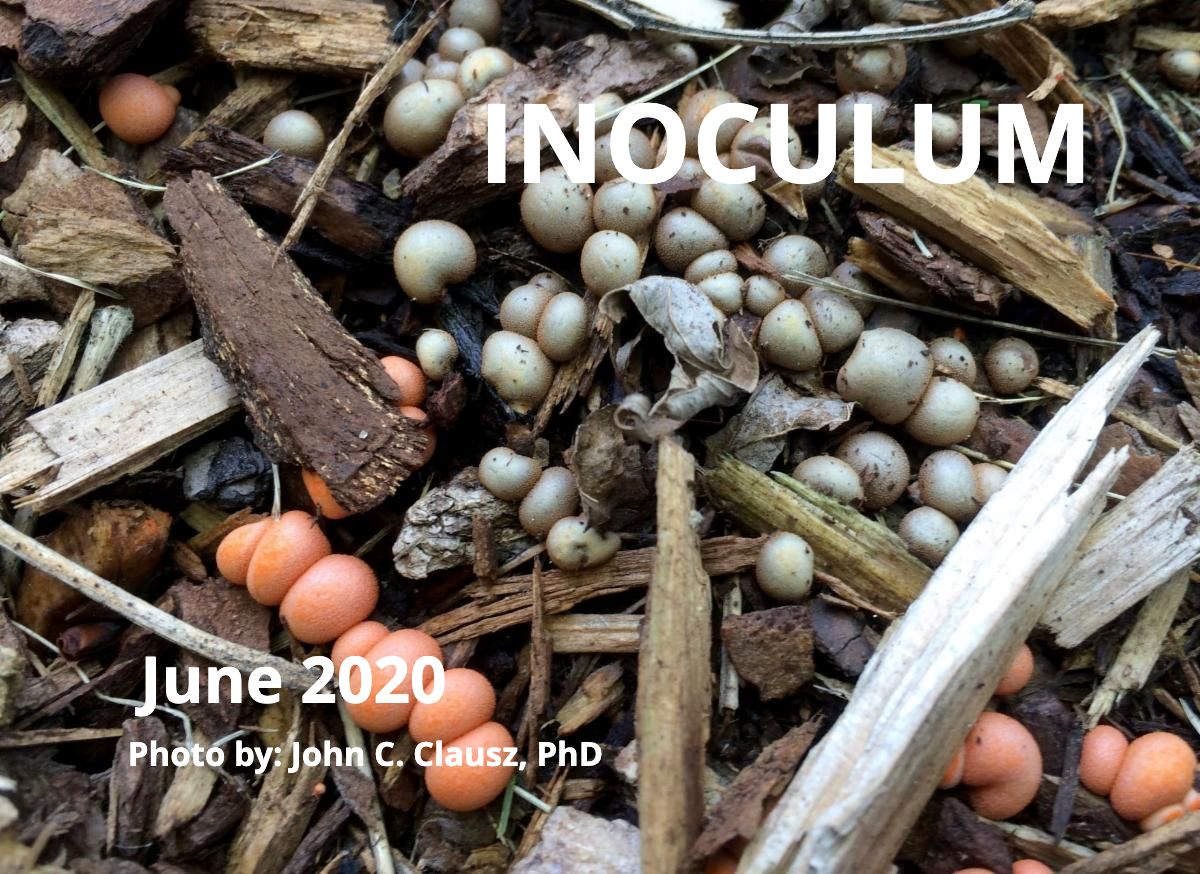
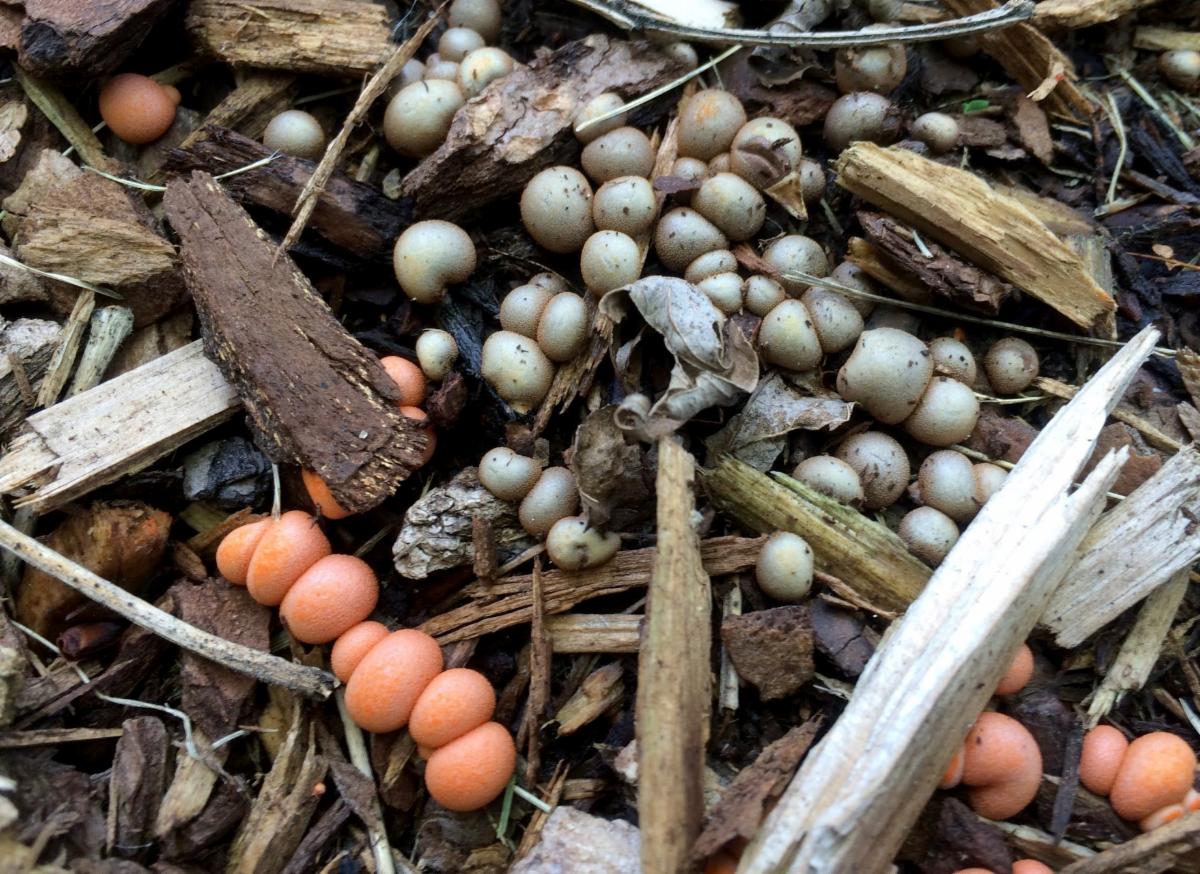
was submitted by John C. Clausz, PhD. The photo is of Fruiting body of the slime mold Lycogola – unknown species. Immature (orange) and mature (gray) fruiting bodies in mulch surrounding Professor Clausz’s house.
Thank you for submitting your photo, Professor Clausz!
|
|
The Mycological Society of America |
(608) 441-1060 | 2424 American Ln. Madison, WI, 53704 |
MSAfungi.org
|
|
|
|
|
|
|