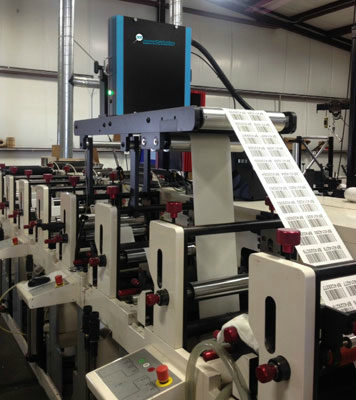
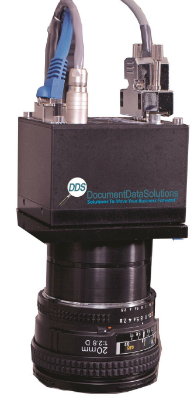
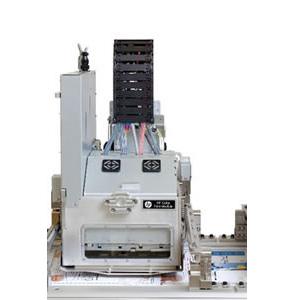
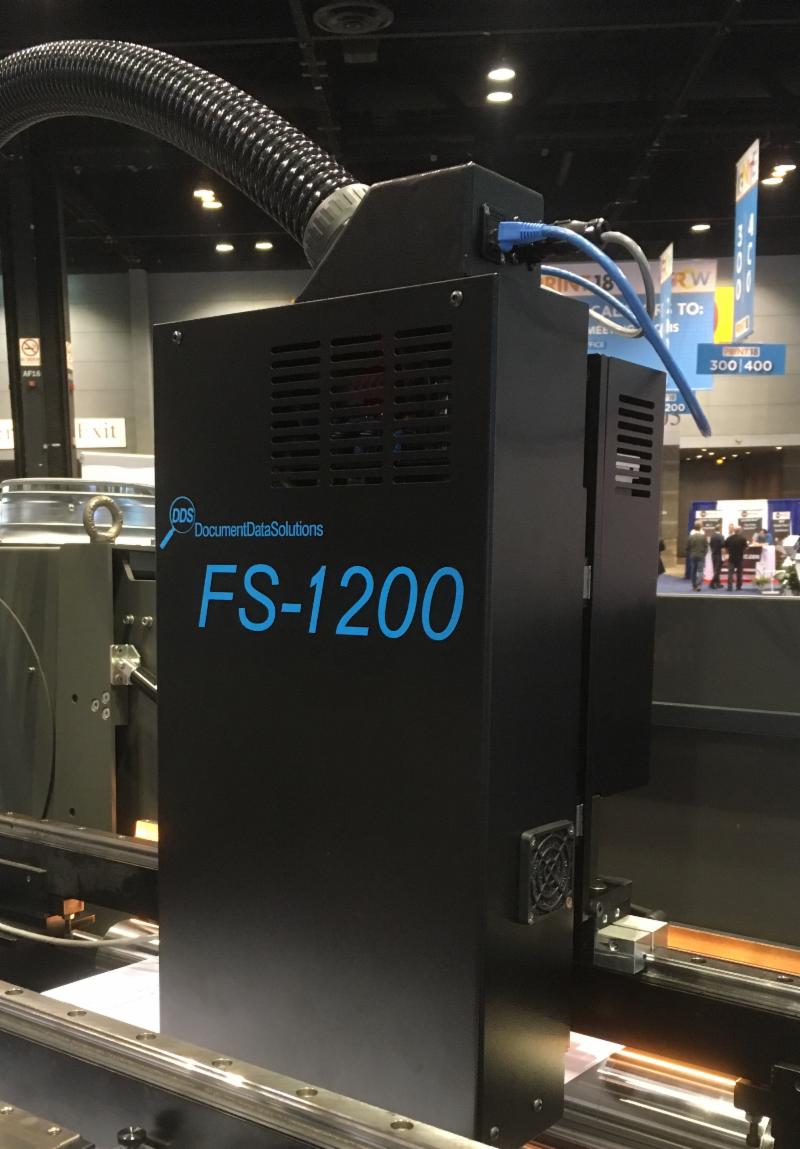
Data is driving documents these days, which means print service providers must offer variable data printing capabilities. Many have filled this need by investing in standalone digital printers, but that solution doesn’t always deliver the speed, flexibility, or cost savings necessary for the job. By adding hybrid color or monochrome inkjet modules to web presses, printers can extend the useful life of expensive equipment–much of which they have fully depreciated.
If you haven't upgraded your presses yet, it's time to seriously consider how you will compete in a data-driven economy.
Adding variable data print modules to existing presses protects investments in existing printing and finishing equipment. Printing companies can provide the personalization and segmentation their customers demand while leveraging familiar workflows and staff experience.
Even jobs that don’t call for individually personalized documents can benefit from a hybrid production line. Printers can avoid a drop in productivity and rising costs from running too many small jobs on their analog presses. By adding hybrid print modules to their presses, printers can merge several jobs to make longer print runs, using the new print heads to image only portions of the pieces that differ among versions.
Direct Mail Applications
Studies prove that personalization improves direct mail response. The newest hybrid digital print modules produce high-quality text and images, enabling marketers to send each mail recipient an offer relevant to their demographic, sales history, or geographic profile.
Printers can personalize membership cards or coupons with language preferences, photographs, graphs, or maps.
With nearly all direct marketing campaigns moving to multi-channel, printers with hybrid print engines can produce printed materials that match the variability present in corresponding messages distributed through electronic channels.