Registration is open for
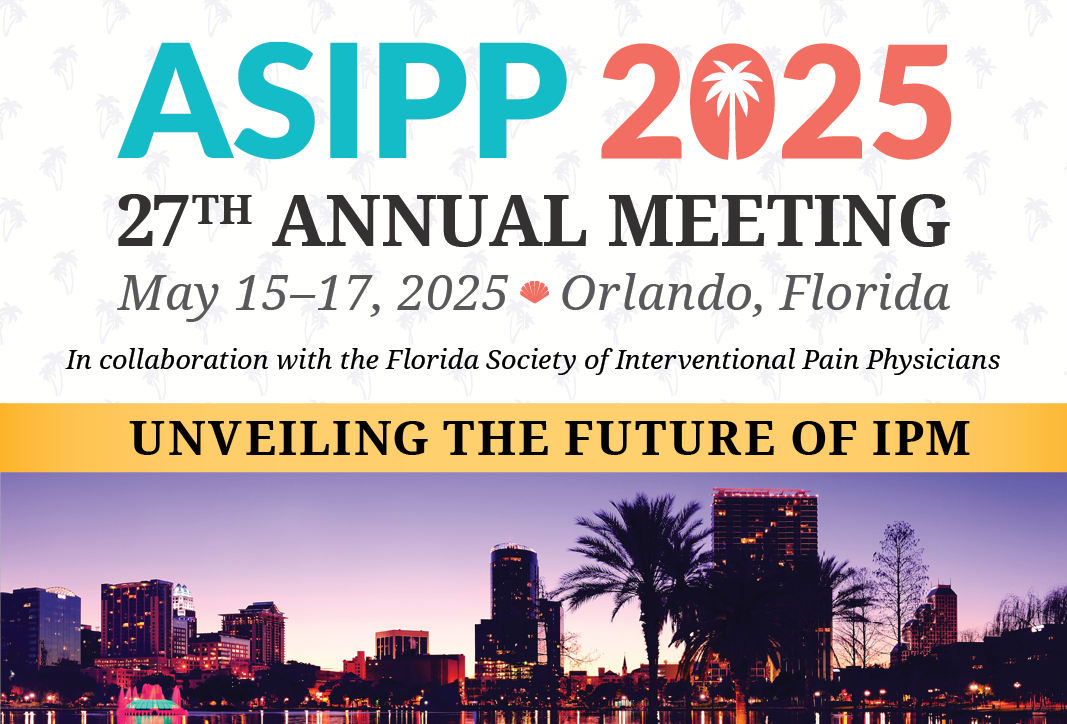
ASIPP's 2025 Annual Meeting
We would love it if you would register and join us in Orlando!
| |
Attention Fellows and Residents! | |
|
ASIPP is pleased to announce a scholarship to help fellows and residents participate in the 2025 ASIPP Annual Meeting. Recipients of this scholarship will receive reimbursement for up to three nights stay at the host hotel at the official ASIPP single-occupancy room block rate. This includes room block room rate and tax.
The number of scholarship recipients will be limited so it is important to apply soon!
| |
Abstract submissions are open for
ASIPP's 2025 Annual Meeting!
The abstract submission deadline is March 10, 2025.
Don't miss this opportunity to share your insights
and help shape the future of pain management.
| |
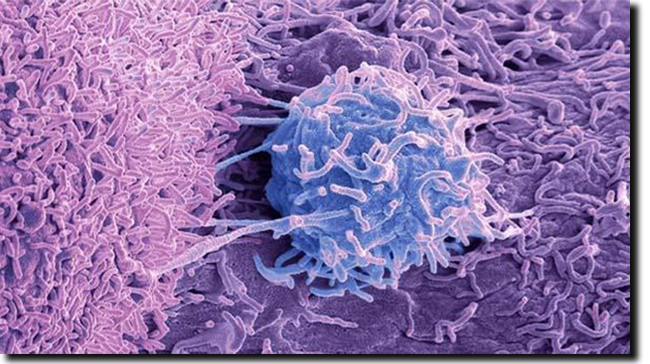
The lowest-risk type of prostate cancer is never life-threatening. Should we call it something else?
Roughly one in six men will be diagnosed with prostate cancer at some point in their lives, but these cancers usually aren't life-threatening. Most newly diagnosed men have Grade Group 1 (GG1) prostate cancer, which can linger for years without causing significant harms.
Prostate cancer is categorized according to how far it has spread and how aggressive it looks under the microscope. Pure GG1 prostate cancer is the least risky form of the disease. It occurs frequently with age, will not metastasize to other parts of the body, and it doesn't require any immediate treatment.
So, should we even call it cancer? Many experts say no.
Read More
| |
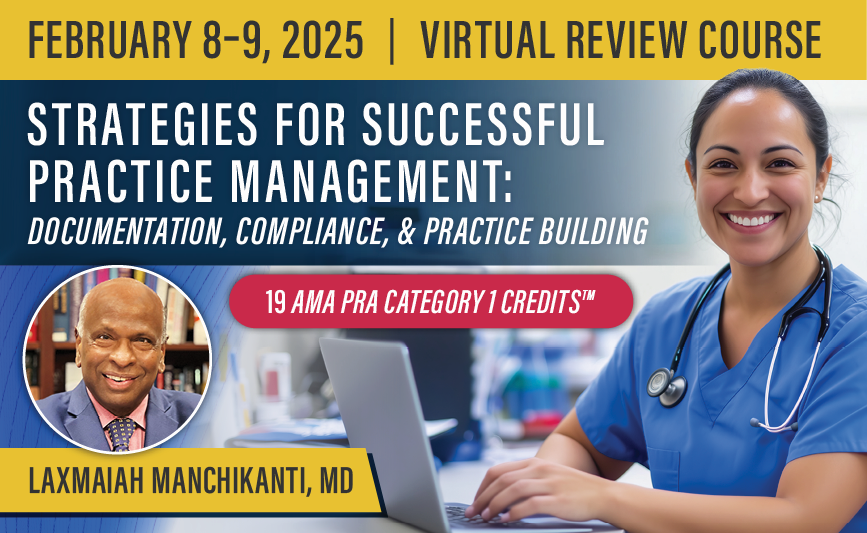
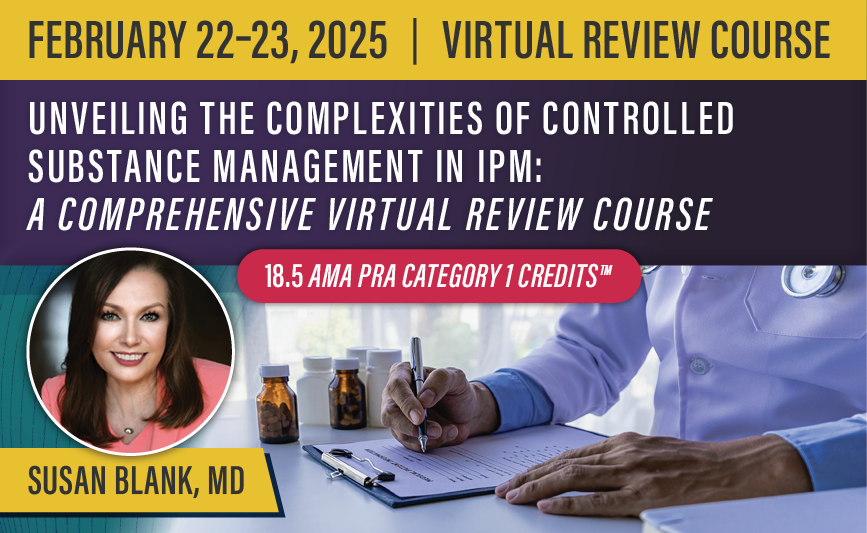
Agendas for ASIPP's
Virtual Review Courses Are Here!
| |
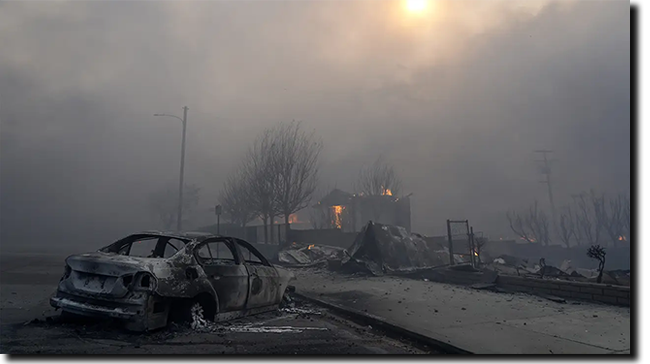
Toxic chemicals in drinking water after a fire pose risks from temporary nausea to cancer
As fires continue to burn across Los Angeles, several utilities have declared their drinking water unsafe until extensive testing can prove otherwise.
A warmer, drier climate means wildfires are getting worse, and encroaching on cities -- with devastating impact. Toxic chemicals from those burns can get into damaged drinking water systems, and even filtering or boiling won't help, experts say.
Last week, Pasadena Water and Power issued a "Do Not Drink" notice to about a third of its customers for the first time since it began distributing water more than a century ago. With at least one burned pump, several damaged storage tanks, and burned homes, they knew there was a chance toxic chemicals had entered their pipes.
Read More
| |
|
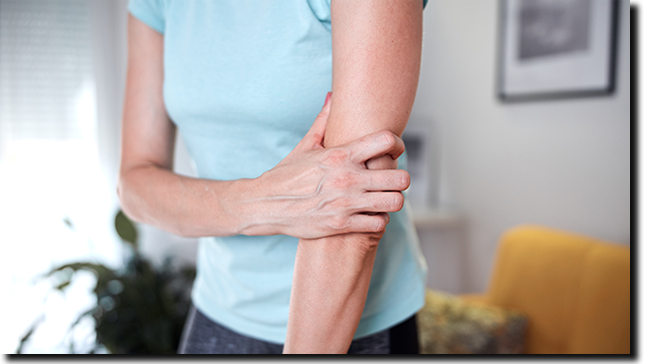
As many as two billion people suffer from it — including me. Can science finally bring us relief?
Here’s a strange story: One day two summers ago, I woke up because my arms — both of them — hurt. Not the way they do when you’ve slept in a funny position, but as if the tendons in my forearms and hands were moving through mud. What felt like sharp electric shocks kept sparking in my fingers and sometimes up the inside of my biceps and across my chest. Holding anything was excruciating: a cup, a toothbrush, my phone. Even doing nothing was miserable. It hurt when I sat with my hands in my lap, when I stood, when I lay flat on the bed or on my side. The slightest pressure — a bedsheet, a watch band, a bra strap — was intolerable.
It was August, and every doctor seemed to be away on vacation. The ones I did manage to see were politely stumped. It wasn’t carpal tunnel, tennis elbow or any other injury they could identify. I did nothing unusual the day before: an hour of work on my laptop, followed by a visit with a friend. We sat in her backyard and talked.
For the first few weeks, I could barely sleep. Over the following months, I lost weight — almost a pound a week. I couldn’t drive, or cook, or use my laptop for work, or even hold a book or a pen. I would have been bored, except the pain was so tiring that I could barely function. I spent the days shuffling around the house listening to audiobooks and doing voice-to-text searches for “nerve pain arms” with my phone flat on the table, then carefully, painfully, scrolling through the results.
Read More
| |
A look at the near-universal advice for retirement
The "4% rule" is nearly universal in the personal finance space. My goal here is to explain the 4% rule and its origins, while also examining if the rule still holds up -- especially for doctors.
So, how much of your retirement savings can you take out for living expenses each year in retirement without running out of money? That is the question that the 4% rule tries to answer.
And it's the biggest piece of the puzzle to estimating how much of a nest egg you will need to reach "financial independence" and "retire early" (FIRE).
Well, the answer to the question is the 4% rule. It says that if you draw down 4% of your retirement savings each year during retirement, your nest egg will have the best chance of living as long as you do. This means you will not run out of money before you die.
Read More
| |
|
New 2025 Dates
Mark your calendars!
January 25, February 15,
March 1, and March 29
Four (4) hour virtual exam
- ABIPP Path – Combined CCPM/ CSM Exam
For those with subspecialty in Pain Medicine
Two (2) hour virtual exam
- ABIPP Competency Exam in IPM
For those without primary board certification
Two (2) hour virtual exam
- ABIPP Competency Exam in Regenerative Medicine
Two (2) hour virtual exam
- Controlled Substance Management Competency Exam
Two (2) hour virtual exam
- Documentation, Coding, Compliance, Practice Management Competency Exam
Two (2) hour virtual exam
| |
|
In the second half of the school year, you may find that there is a surge of families coming to appointments with concerns about school performance, wondering if their child has ADHD. We expect you are very familiar with this condition, both diagnosing and treating it. So this month we will offer “mythbusters” for ADHD: Responding to common misperceptions about ADHD with a summary of what the research has demonstrated as emerging facts, what is clearly fiction and what falls into the gray space between.
Demographics
A CDC survey of parents from 2022 indicates that 11.4% of children aged 3-17 have ever been diagnosed with ADHD in the United States. This is more than double the ADHD global prevalence of 5%, suggesting that there is overdiagnosis of this condition in this country. Boys are almost twice as likely to be diagnosed (14.5%) as girls (8%), and White children were more likely to be diagnosed than were Black and Hispanic children. The prevalence of ADHD diagnosis decreases as family income increases, and the condition is more frequently diagnosed in 12- to 17-year-olds than in children 11 and younger. The great majority of youth with an ADHD diagnosis (78%) have at least one co-occurring psychiatric condition. Of the children diagnosed with ADHD, slightly over half receive medication treatment (53.6%) whereas nearly a third (30.1%) receive no ADHD-specific treatment.
The Multimodal Treatment of ADHD Study (MTA), a large (600 children, aged 7-9 years), multicenter, longitudinal study of treatment outcomes for medication as well as behavioral and combination therapies demonstrated in every site that medication alone and combination therapy were significantly superior to intensive behavioral treatment alone and to routine community care in the reduction of ADHD symptoms. Of note, problems commonly associated with ADHD (parent-child conflict, anxiety symptoms, poor academic performance, and limited social skills) improved only with the combination treatment. This suggests that while core ADHD symptoms require medication, associated problems will also require behavioral treatment.
Read More
| |
- ASIPP Members Only Site Information - | |
-
To log in for the first time you will need to click “forgot password” at the bottom of the login window.
- Check your email and then log in as directed.
-
If you have problems logging into your account, click here.
| |
|
Results published from a systematic review and meta-analysis find an inverse association and a dose-response link between fluoride exposure and children’s IQ scores.
Kyla W. Taylor, PhD, with the Division of Translational Toxicology at the National Institutes of Health, Morrisville, North Carolina, led the multicountry study published online in JAMA Pediatrics.
Two accompanying editorials offer two very different perspectives on how to interpret the researchers’ conclusions.
Read More
| | |
|  |
REGISTRATION
COMING SOON!
| | |
|
These journals take advantage of the current academic environment with its pressure to publish
Action by all stakeholders is required to protect authors and the public from predatory medical journals, an international group of prominent medical journal editors said Monday.
"Predatory journals have developed strategies to profit by taking advantage of a climate that nurtures the growth of open access, author-pays publication models," wrote Christina Wee, MD, MPH, secretary of the International Committee of Medical Journal Editors, and colleagues in an editorial published simultaneously in JAMA and the Annals of Internal Medicine. "It is worrisome that despite the awareness of these entities for many years, academicians still fall prey to them."
Predatory journals are those which "misrepresent themselves as scholarly journals for financial gain despite not meeting scholarly publishing standards," the editors said in their introduction. "The number of predatory journals is difficult to accurately determine but was estimated at more than 15,000 in 2021."
Read More
| |
|
In a world that is more connected than ever, a silent epidemic is taking its toll. Overall, 1 in 3 US adults report chronic loneliness — a condition so detrimental that it rivals smoking and obesity with respect to its negative effect on health and well-being. From anxiety and depression to life-threatening conditions like cardiovascular disease, stroke, and Alzheimer’s and Parkinson’s diseases, loneliness is more than an emotion — it’s a serious threat to both the brain and body.
In 2023, a US Surgeon General advisory raised the alarm about the national problem of loneliness and isolation, describing it as an epidemic.
“Given the significant health consequences of loneliness and isolation, we must prioritize building social connection in the same way we have prioritized other critical public health issues such as tobacco, obesity, and substance use disorders. Together, we can build a country that’s healthier, more resilient, less lonely, and more connected,” the report concluded.
Read More
| |
|
Pain Medicine Case Reports (PMCR) and Editor-in-Chief Alaa Abd-Elsayed, MD, PhD would like to invite you to submit case reports and case series to the PMCR journal. Your article will be published free of charge.
Open access journals are freely available online for immediate worldwide open access to the full text of published articles. There is no subscription fee for open access journals. Open access journals are no different from traditional subscription-based journals: they undergo the same peer review and quality control as any other scholarly journal.
Interested in becoming a member of the PMCR Editorial Board?
Editorial board members are asked to review 2-6 manuscripts per year. Please submit your most up-to-date CV to sgold@asipp.org for consideration.
For more information or to submit your articles, click here.
| |
|
Alaa Abd-Elsayed, MD
Abstract
BACKGROUND: The loss of smell and taste are some of the chronic complications that have impacted and continue to impact patients who suffered a COVID-19 infection. Impairment of smell and taste have significant impact on patients’ lives. Current treatment modalities are very limited.
CASE REPORT: We present a 40-year-old patient who completely lost smell and taste following a COVID-19 infection. The patient was treated with bilateral stellate ganglion blocks (SGBs) where each side was blocked at separate visits. At the 6-month follow-up, taste and smell both improved by 90%.
CONCLUSIONS: SGBs should be considered as an option in treating loss of smell and taste in patients who suffer this complication as a result of COVID-19 infection.
KEY WORDS: COVID-19, smell, taste, chronic COVID infection
Read More
| |
RANDOMIZED CONTROLLED TRIAL | |
|
Dina Abdelhameed Elsadek Salem, MD, Mahmoud M. Elnady, MD, Sherif A. Alagamy, MD, and Sherif M. Mowafy, MD
Abstract
BACKGROUND: Post dural puncture headache (PDPH) is a major challenging complication and may be a cause of morbidity after spinal anesthesia. Currently there is no definitive management for PDPH, so the search for effective treatment continues.
OBJECTIVES: Our aim was to investigate the analgesic effectiveness of oral prednisolone vs oral pregabalin for managing PDPH subsequent to spinal anesthesia for lower limb surgeries.
STUDY DESIGN: A prospective controlled double-blind randomized study.
SETTING: Academic University Hospitals.
METHODS: A total of 63 patients who had lower limb surgeries and suffered PDPH after spinal anesthesia were randomly allocated into one of 3 groups. Group C patients received conservative treatment and to maintain blinding, a tablet of vitamins was given to them twice per day for 3 days; Group P patients received conservative treatment and oral prednisolone 20 mg once daily plus one tablet of vitamins (in order to ensure blinding) for 3 days; Group G patients received oral pregabalin 150 mg twice daily for 3 days in addition to conservative treatment. The primary outcomes we measured were the Visual Analog Scale (VAS) score and modified Lybecker score. The secondary outcomes we measured were the total dose of rescue analgesia, the need for an epidural blood patch (EBP), and adverse effects from the study drugs.
RESULTS: When comparing the intensity of headaches assessed through both the VAS and the modified Lybecker score, no statistically significant disparities were observed in relation to baseline measurements. While after starting treatment by 12 hours and 24 hours, the headache intensity was statistically significantly lower in Group G compared to Group P and Group C, but there was no significant difference between Group C and Group P at 12 hours. The headache intensity was statistically significantly higher in Group C compared to Group P and Group G, but there was no significant difference between Group P and Group G at 48 hours and 72 hours. Ketorolac consumption was statistically significantly higher in group C than the other groups. However, it was statistically significantly lower in group G than group P. Only 2 patients in group C were indicated for EBP while no patients in either Groups P or G required an EBP.
LIMITATIONS: Our study’s limitations include the paucity of literature studying prednisolone and pregabalin use in PDPH, our study’s small sample size, and the lack of sufficient studies for comparing results may limit the generalization of our findings.
CONCLUSION: Both oral prednisolone and pregabalin were effective in reducing PDPH severity; oral pregabalin is superior to prednisolone.
KEY WORDS: Spinal anesthesia, post dural puncture headache, prednisolone, pregabalin
Read More
| |
RANDOMIZED CONTROLLED TRIAL | |
|
Amir Abouzkry Elsayed, MD, Mohammad Fouad Algyar, MD, and Sherif Kamal Arafa, MD
Abstract
BACKGROUND: Effective postoperative analgesia enhances the patient’s comfort and facilitates early mobilization and recovery.
OBJECTIVE: This study compared the analgesic efficacy of the erector spinae plane block (ESPB), thoracic paravertebral block (TPVB), and quadratus lumborum block (QLB) for pelvi-ureteric surgeries. The primary outcome measure in the study was the total morphine consumption during the first 48 hours following the operation. The secondary outcomes included the levels of postoperative pain, the time of first rescue analgesia, and the satisfaction of patients.
STUDY DESIGN: Randomized double-blind noninferiority trial.
SETTING: Kafr Elsheikh University Hospitals, Egypt.
METHODS: This trial was performed on 90 patients between the ages of 21 and 65, men and women, who had an American Society of Anesthesiologists physical status of I or II and were undergoing elective pelvi-ureteric surgeries. Patients were assigned equally to the TPVB, QLB, and ESPB groups. Before the induction of general anesthesia, blocks were performed using 20 mL of 0.25% bupivacaine. The numeric rating scale (NRS) score was measured in the post-anesthesia care unit at one, 2, 4, 6, 8, 12, 24, 36, and 48 hours. If the NRS score was ? 4, the patient received 3 mg of intravenous morphine.
RESULTS: The time of the performing block was shorter in the ESPB group than in the TPVB or QLB group (P < 0.001), but the TPVB and QLB groups were comparable. The intraoperative consumption of fentanyl and total consumption of morphine at 24 and then 48 hours postoperatively were comparable among the 3 groups, as were the satisfaction of the patient, NRS scores, time of first rescue analgesia, and complications (P > 0.05).
LIMITATIONS: A relatively small sample size, a single-center setting, and the absence of a control group.
CONCLUSIONS: In pelvi-ureteric surgeries, the ESPB, TPVB, and QLB provided comparable intraoperative and postoperative analgesia, patient satisfaction, and postoperative complications, but the ESPB was performed more quickly. Therefore, we recommend the ESPB as a routine regional anesthetic technique.
KEY WORDS: Analgesia, erector spinae plane block, paravertebral block, pelvi-ureteric surgeries, quadratus lumborum block, numeric rating scale, morphine consumption
Read More
| |
|
ASIPP is now in collaboration with Curi Medical Liability Program
Since this malpractice insurance program officially launched in November 2018, ASIPP has signed up hundreds of providers with an average savings of 30%. This is professional liability insurance tailored to our specialty and will stand up for us and defend our practices.
Curi is a full-service advisory firm that serves physicians and their practices. Their valued advice is grounded in your priorities and elevated in your outcomes. They are driven by a deep understanding of your specific circumstances in medicine, business, and life. To read a few important points to keep in mind about the program, including discounts, administrative defense, cyber coverage, aggressive claims handling, and complimentary risk management CME activities, visit our website.
| | |
|
Group Purchasing Organization Offer Better Pricing and Creates Added Value
ASIPP has formed a partnership with Henry Schein and PedsPal, a national GPO that has a successful history of negotiating better prices on medical supplies and creating value-added services for independent physicians. Working with MedAssets, PedsPal provides excellent pricing on products like contrast media that alleviate some of the financial pressures you experience today.
Learn More
| | |
|
ASIPP, Fedora Healthcare Solutions Partnership
ASIPP offers our members the benefit of a unique revenue cycle management/ billing service.
We have received a tremendous amount of interest in the ASIPP billing and coding program.
Click here to learn more about the negotiated rate for practices and more!
| |
|
Like and follow ASIPP® on Facebook, X, and LinkedIn for the most
up-to-date news related to you, your practice, and your patients!
| | | | |