portsbanner_opt2b high res.jpg

EPA Ports Initiative Newsletter

May 2022 | Vol. 7, Ed. 5

Featured News and Resources

  • May 23 Webinar: Electrifying America’s Ports
  • New Case Study: Developing a Community Action Roadmap to Engage in Port of Wilmington Expansion
  • New Webpage: Harbor Craft Best Practices to Improve Air Quality
  • Updated Shore Power Emissions Calculator
  • Proposed Heavy-Duty Vehicle Emissions Standards – Comment Period Open thru May 16
  • Minor Updates to Port Emissions Inventory Guidance


See more detail in the feature articles below.

Talk About Ports

sec-ports-auth.jpg


Add TalkAboutPorts@epa.gov to your address book and let us know your thoughts.


Join Our Mailing List
Visit Our Newsroom
Visit EPA Ports Initiative Website

Events & Activities


May 16 Deadline for Public Comments: Proposed EPA Emissions Standards for Heavy-Duty Vehicles and Engines


May 16 Application Deadline: DOT Ports Infrastructure Development Program (PIDP) Grant Opportunity


View DOT Ports Infrastructure Development Program (PIDP) Informational Webcast Recording on ‘Small Projects at Small Ports’ from March 23rd


May 23 Webinar: Electrifying America’s Ports


May 23 Application Deadline: DOT Multimodal Projects Discretionary Grant (MPDG) Opportunity


EPA to fund air quality monitoring project in Cincinnati's high-risk neighborhoods; one of seven Ports Initiative EJ Small Grants


Zero Emissions Electric Yard Trucks Arrive in Tacoma Harbor 

Quick Links

About EPA Ports Initiative


Funding Opportunities for

Ports & Communities


NCDC-web-banner-2018-08-23 resize.jpg


DERA Funding

Community-Port Collaboration


Port Operations

smartway.png

SmartWay Partnership

Webinar: Electrifying America’s Ports

May 23, 2:00-3:30 p.m. ET

Cargo handling equipment and rail

Learn how electrifying drayage trucks, locomotives, ocean-going vessels, cargo-handling equipment, and harbor craft is helping to accelerate decarbonization and cut pollution in communities across the U.S.


Join U.S. Environmental Protection Agency’s (EPA) Office of Atmospheric Programs and Office of Transportation and Air Quality for a webinar on port electrification. “Electrifying America’s Ports” is the third webinar in EPA’s State, Local, and Tribal series on fleet electrification. Presentations will highlight EPA Ports Initiative resources to support electrification as well as lessons learned about electrification projects at the South Carolina Ports Authority, Port of Tacoma, and California Air Resource Board (CARB). Tacoma Power, an electric utility, will also provide recommendations for distribution planning and load management strategies based on their experience working with the Port of Tacoma.


Speakers:

  • California Air Resources Board – Leslie Goodbody, Engineer; and Earl Lanberg, Staff Air Pollution Specialist
  • South Carolina Ports Authority – Mark Messersmith, Environmental Manager
  • Utility-Port Coordination in Tacoma:
  • Northwest Seaport Alliance and Port of Tacoma – Graham VanderSchelden, Environmental Project Manager
  • Tacoma Power – Jeremy Steward, Power Analyst
  • EPA’s Office of Transportation and Air Quality – Sarah Froman, Ports Initiative Team Lead


The webinar is scheduled for May 23rd from 2 – 3:30 p.m. ET

More Webinar Information

Case Study: Developing a Community Action Roadmap to Engage in

Port of Wilmington Expansion

iStock-1269966920 resize.jpg

How local stakeholders are working to secure environmental protections as part of a planned port expansion project


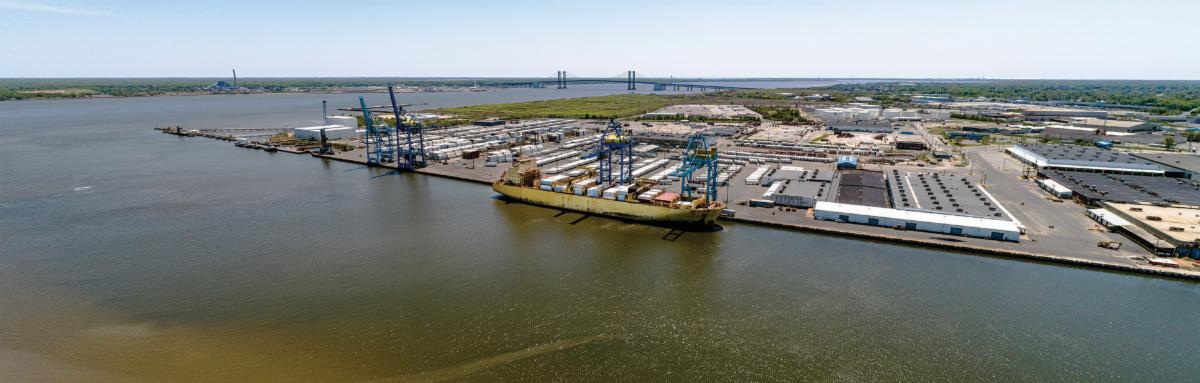
The EPA) has published a case study highlighting how one community group is working to empower and organize local residents to secure local environmental projections as part of a planned expansion project at the Port of Wilmington, Delaware.


In 2021, EPA provided technical assistance to the Delaware Community Benefits Agreement Coalition (“The Coalition”) to help the group create a tailored, practical, and actionable roadmap to engage with Port representatives and voice concerns.


Using the EPA Ports Initiative’s Community Action Roadmap tool, a step-by-step guide to help near-port communities engage in port decision-making, the Coalition worked to organize its efforts, expand its network, and amplify community voices when speaking with port stakeholders. 

More Information on This Case Study

EPA developed this case study to share lessons learned that may inform other near-port communities with similar efforts. Additional case studies and other EPA resources to support collaboration between ports and communities to advance environmental justice can be found at: www.epa.gov/community-port-collaboration.

New Webpage: Harbor Craft Best Practices to Improve Air Quality

Harbor Craft Tug.jpg

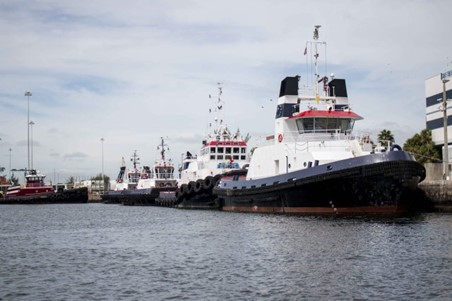
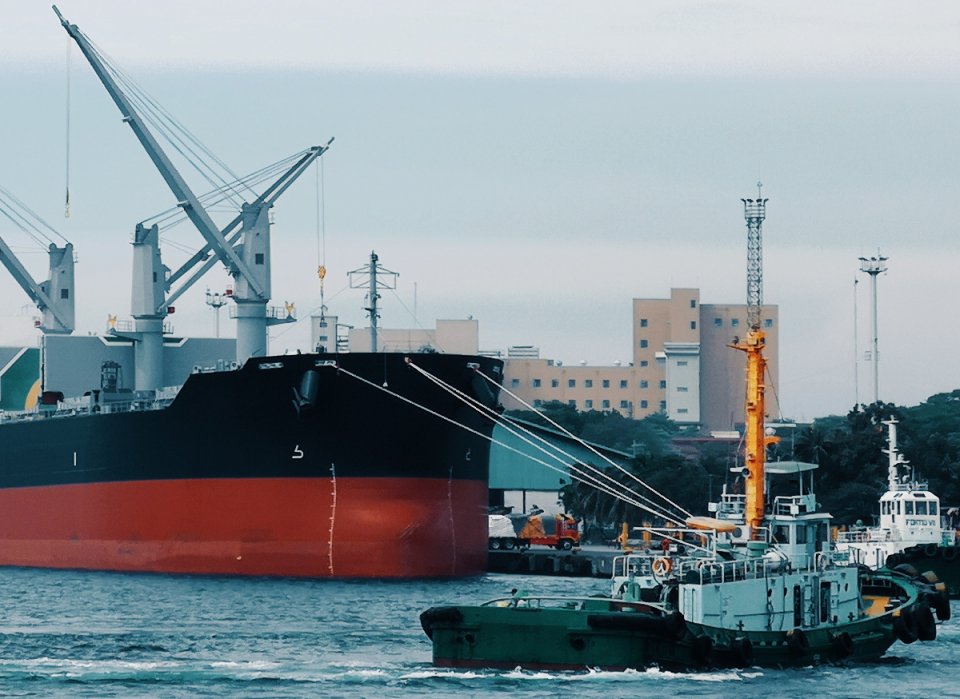
EPA’s series of Best Clean Air Practices for Port Operations webpages now includes a new page on Harbor Craft Best Practices to Improve Air Quality.

Please visit this new site for technical resources, real-world examples, and other information about using shore power to reduce emissions from idling vessel engines and upgrading harbor craft engines to newer, cleaner models.

Learn More About Harbor Craft Best Practices

Updated Shore Power Emissions Calculator

420r17004_cover_final_rev_1 cropped.jpg


EPA is pleased to announce an update to its Shore Power Emissions Calculator. This calculator can be used to estimate how harmful air pollution from marine vessels could be reduced at U.S. ports through the use of shore power systems. The tool was last updated in 2017 and has since been modified to include:


  • Latest marine vessel emissions factors from EPA’s Port Emissions Inventory Guidance for an expanded set of vessel and fuel types
  • Updated eGrid 2018 electricity power plant emissions factors, including for particulate matter (PM)
  • Updated user guide and other enhancements to improve usability 
Go to Updated Shore Power Emissions Calculator

Proposed EPA Emissions Standards for Heavy-Duty Vehicles and Engines

or-hdv-002.jpg

Deadline for Public Comment is May 16


This March, EPA proposed a rule that would set new, more stringent standards to reduce pollution from heavy-duty vehicles and engines starting in model year (MY) 2027. The goal of this proposed rule is to reduce emissions of smog- and soot-forming nitrogen oxides (NOx) from heavy-duty gasoline and diesel engines and set more stringent greenhouse gas (GHG) standards for certain commercial vehicle categories, including short-haul tractors such as those often used in drayage operations at ports. 


Minor Updates to

Port Emissions Inventory Guidance

harborcraft.jpg

EPA has made minor updates to the Ports Emission Inventory Guidance. This guidance describes the latest, state-of-the-science methodologies for preparing an emissions inventory from sources including ocean-going vessels, harbor craft, recreational marine, cargo handling equipment, on road vehicles, and rail. Inventories can be used for a variety of purposes including regulatory, voluntary, and research needs.


The April 2022 version is based on the September 2020 guidance version but supersedes it. The following aspects have changed:

  • NOx emission factors for auxiliary engines of C3 vessels operating with fuel type marine gas oil/marine diesel oil have been updated in Table 3.5. (The medium-speed and high-speed diesel engine type numbers had been inadvertently reversed in the September 2020 version).
  • New guidance about accounting for ocean-going vessels with Tier III propulsion engines operating at low loads (see Section 3.5.1; new guidance found after Table 3.5).
  • Update to Table 3.11, defining ocean-going vessel transit mode as speeds greater than 1 knot (instead of 3 knots), based on EPA’s experience since the previous guidance was issued.
  • Minor updates to reflect EPA’s latest MOVES model, MOVES3; most of these are in Section 7, Onroad Vehicles.


Please view the Port and Goods Movement Emissions Inventories page for more information.

Visit Port and Goods Movement Inventories Webpage

New Resources Coming Soon

Look for the following resource coming soon: Update of interactive map highlighting clean air practices at ports

EPA Ports Initiative Vision

People living and working near ports across the country will breathe cleaner air and live better lives as a result of bold steps taken through a collaboration of industry, government and communities to improve environmental performance and increase economic prosperity.

LinkedIn Share This Email