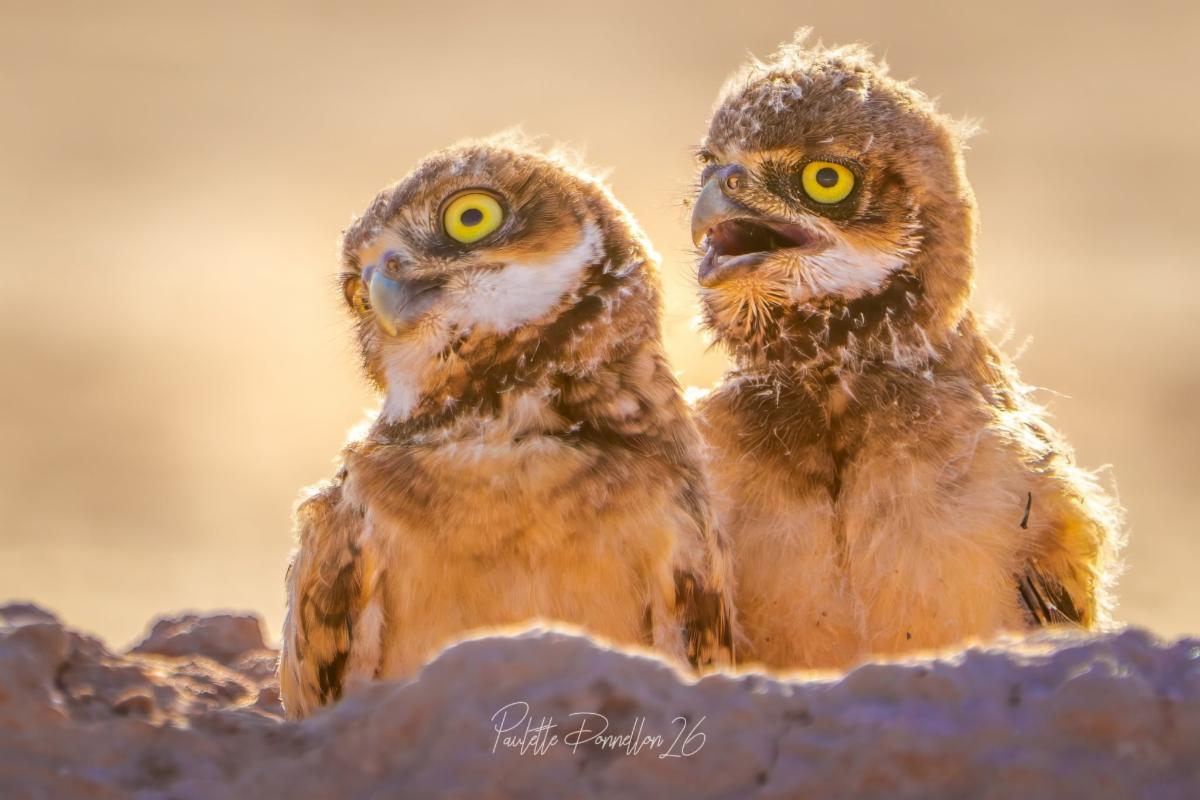
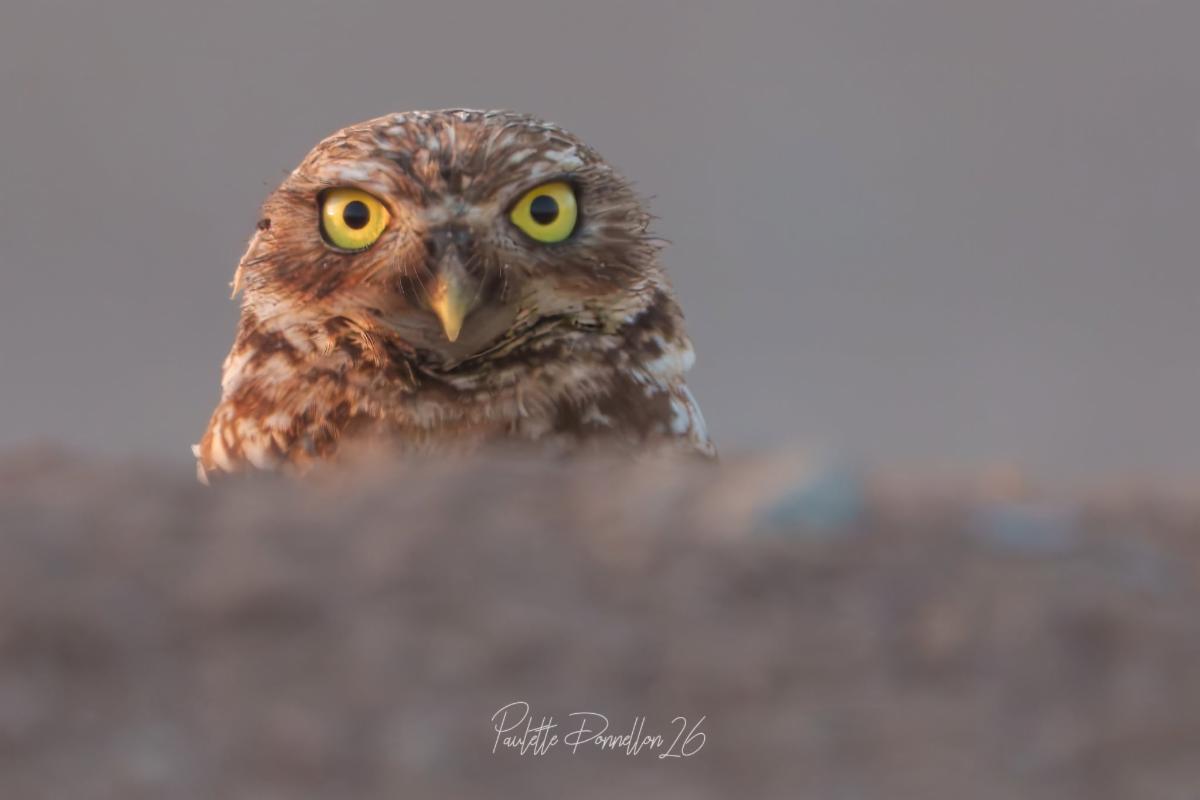
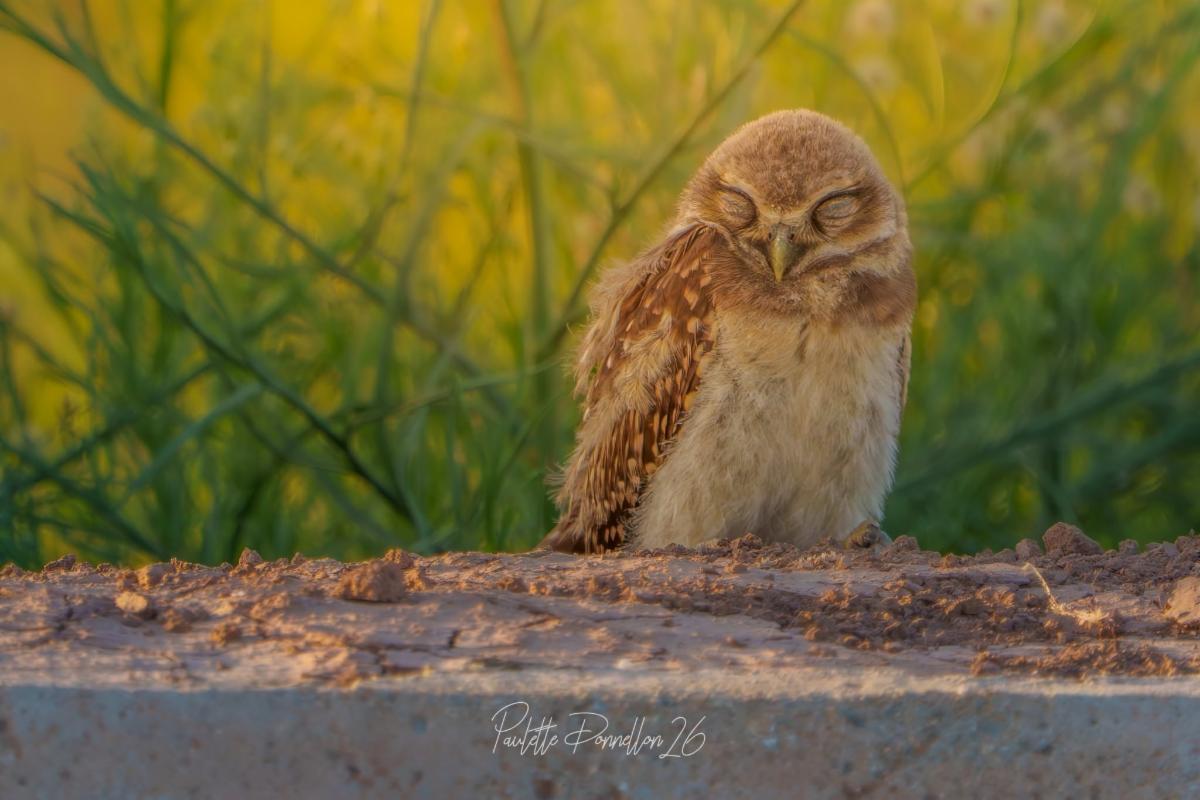
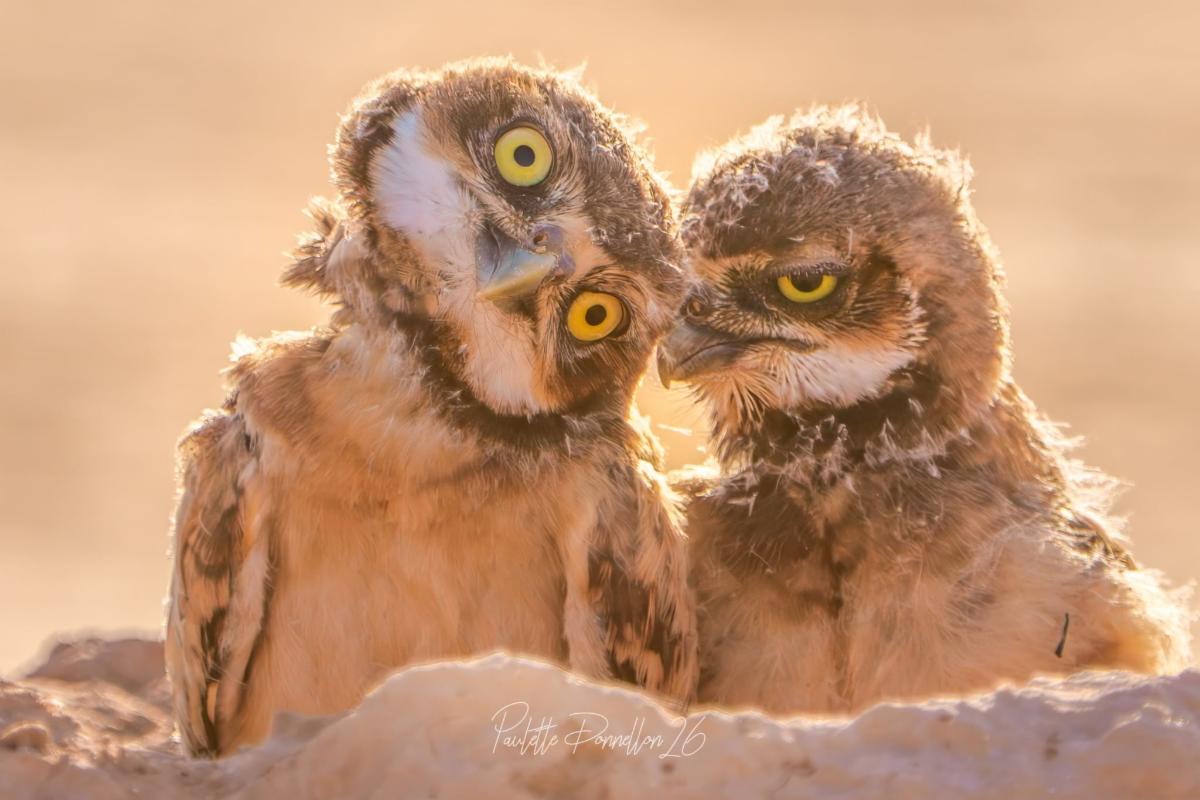
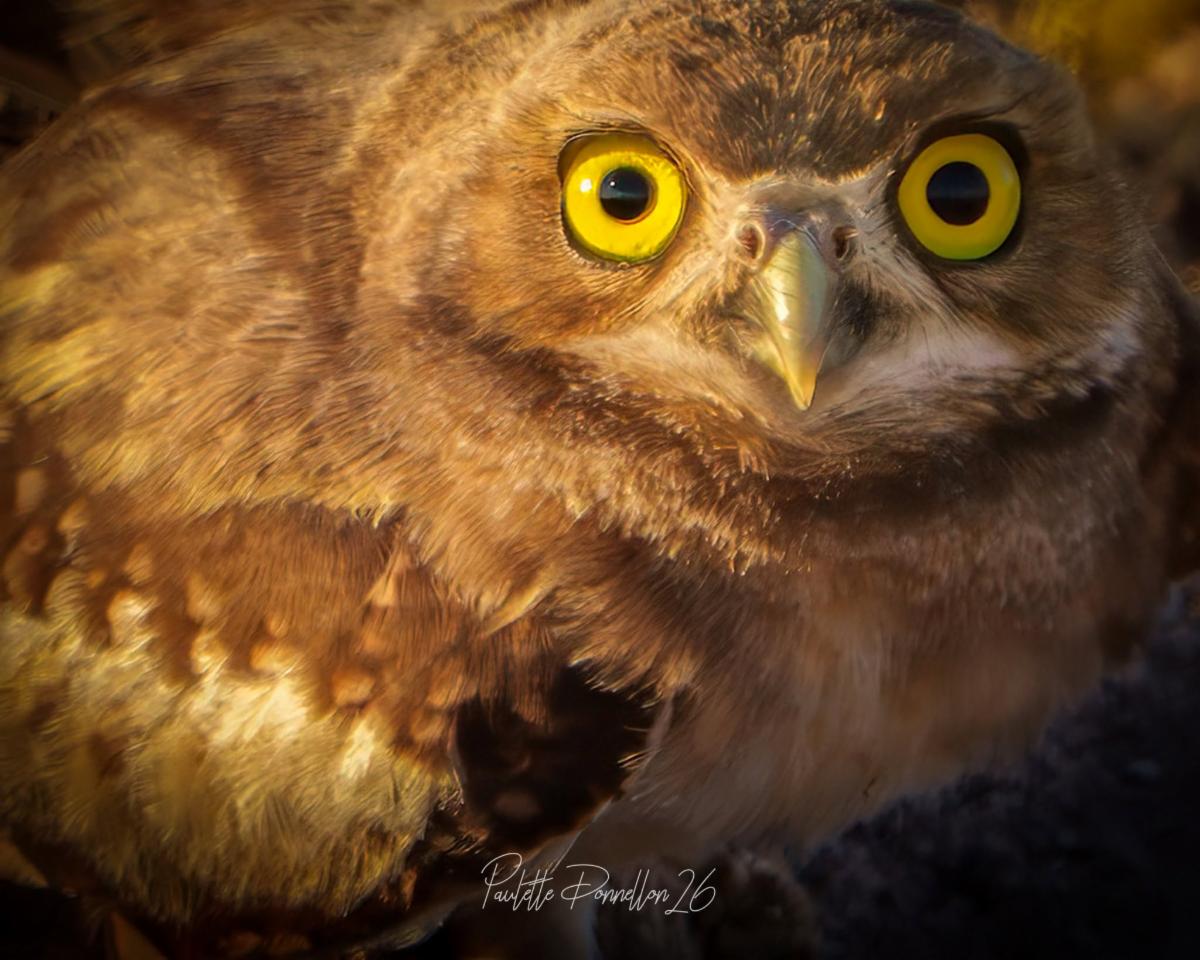
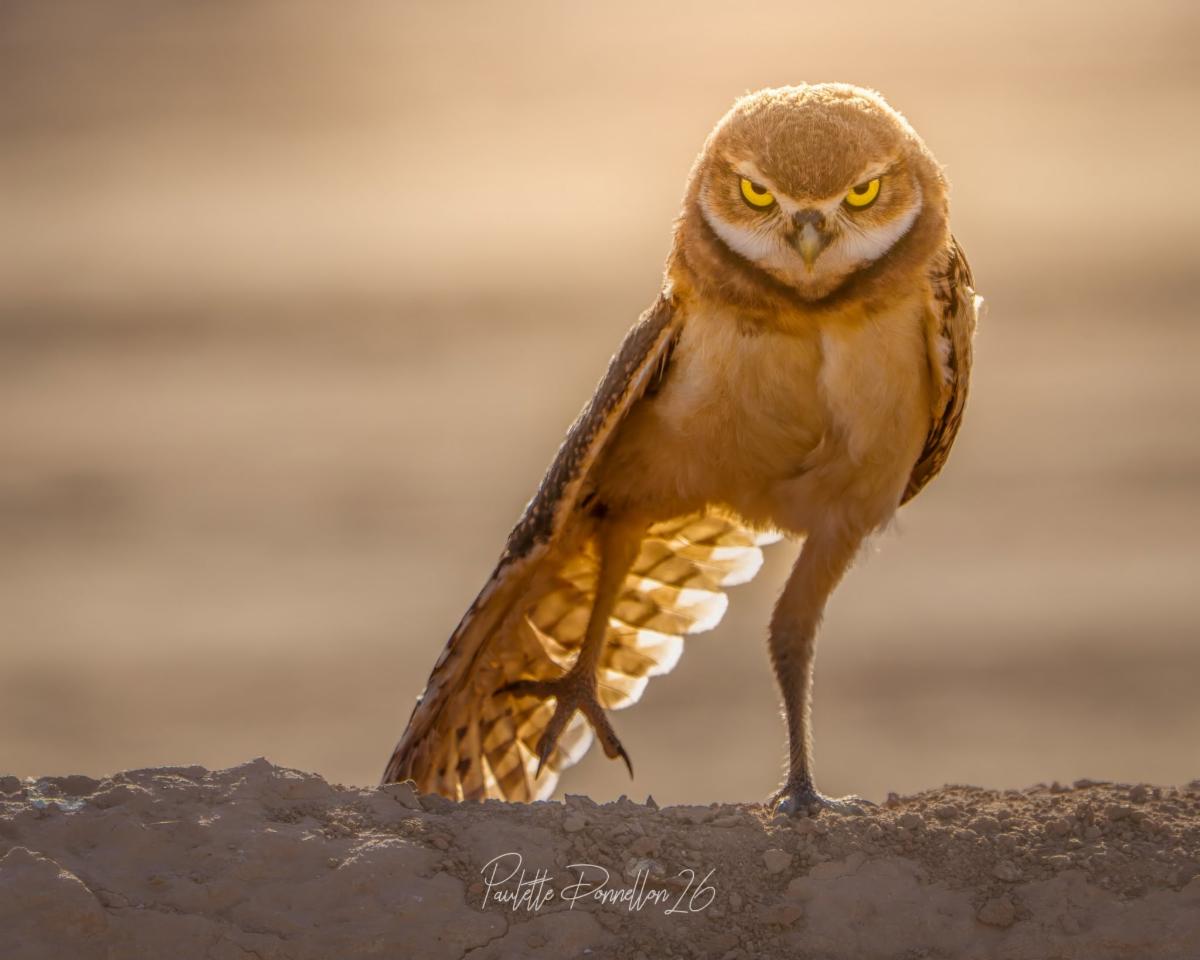
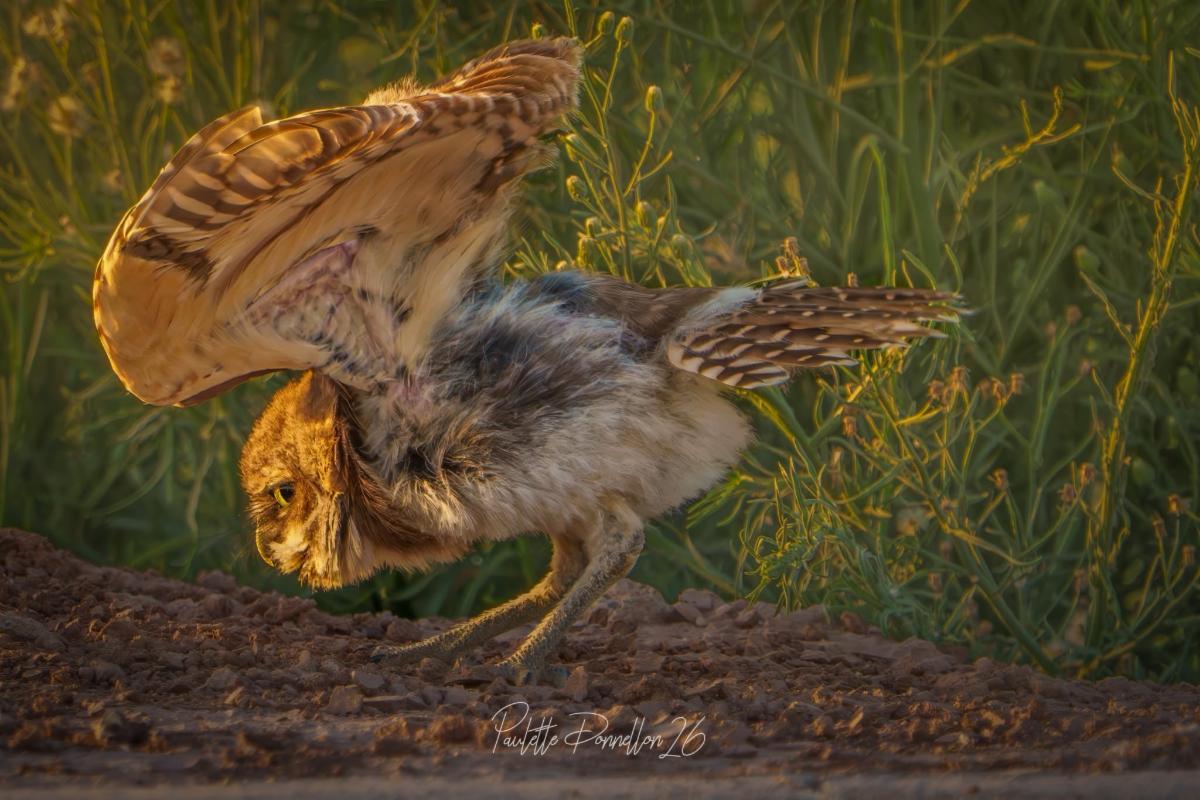
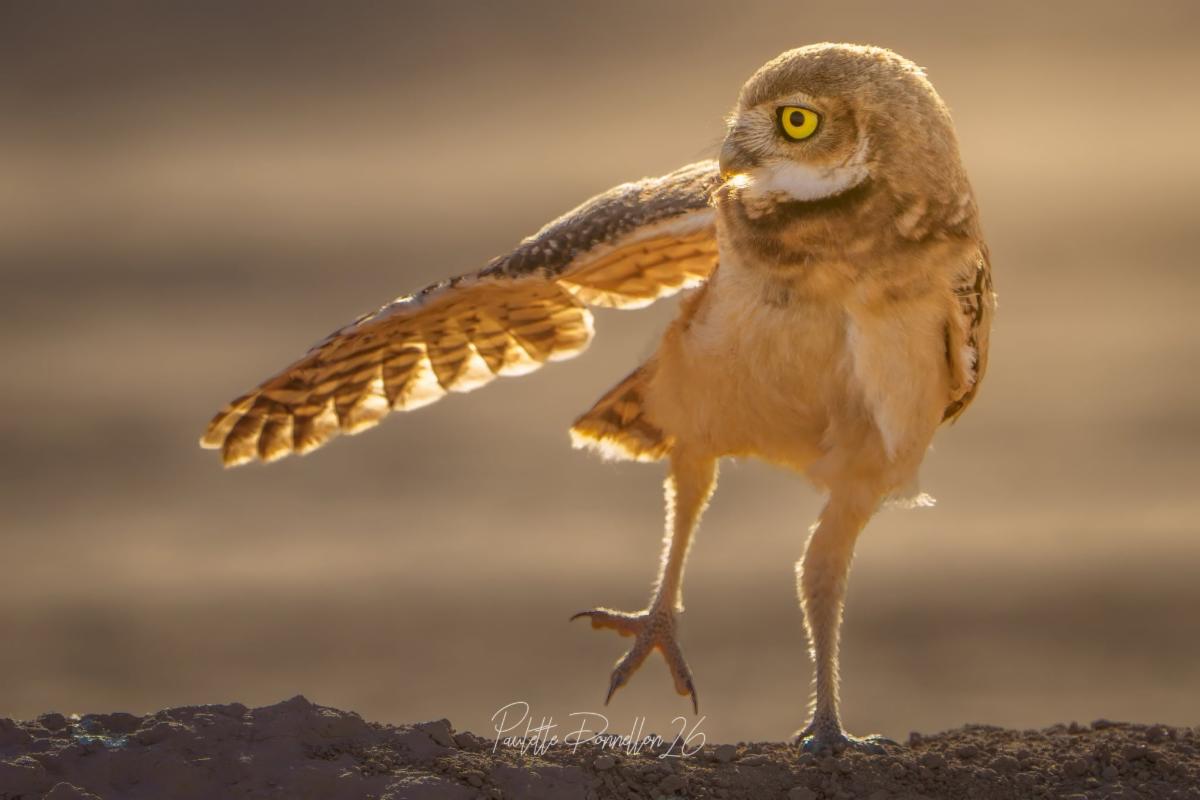
A Humorous Look at Burrowing Owls | | |
Left owl: "Did you just hear what the humans said about us?"
Right owl: "EXCUSE ME, WE ARE APEX PREDATORS, NOT COTTON BALLS WITH LEGS!"
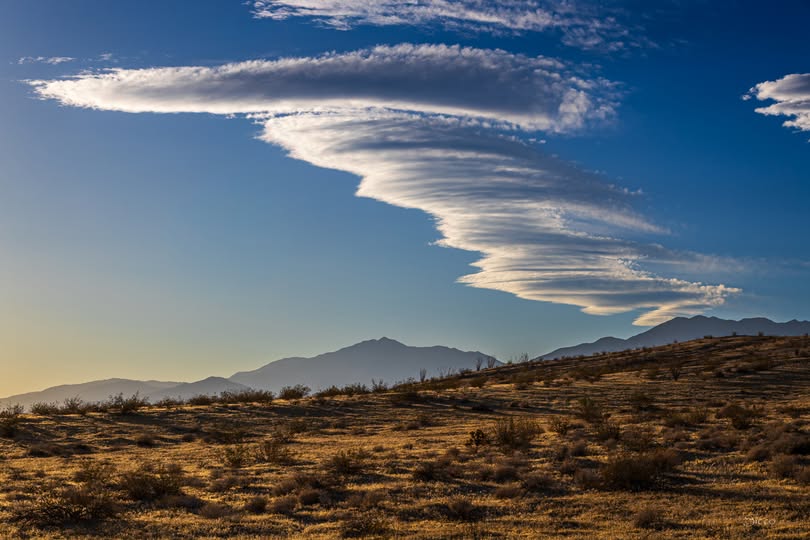
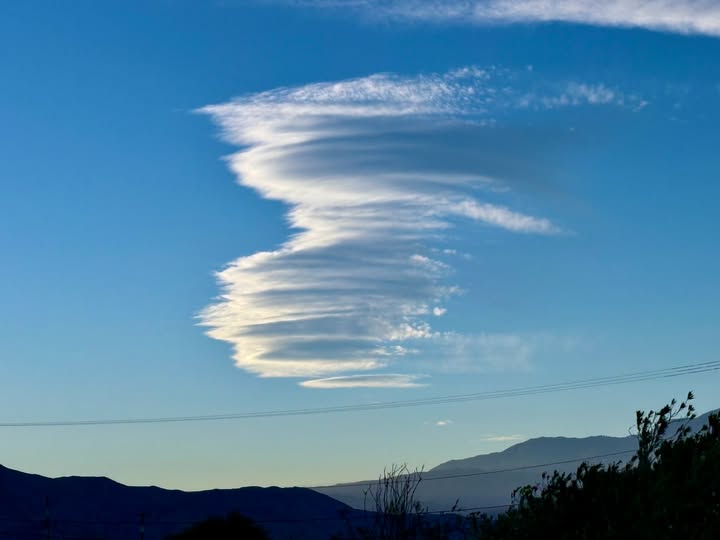
| | Paulette Donnellon captured these images of burrowing owls at the Sonny Bono Salton Sea National Wildlife Refuge and added these playful captions. | | When you're 90% fluff but 100% suspicious. | Popping up just to say: "Please, go away." | That afternoon slump hits hard. | When you ask your kids to "just act normal for one nice picture." | | Just a feather duster with eyeballs, nothing to see here. | Serving major attitude and high-fashion angles. | The classic airplane stretch, perfectly executed by the fluffiest pilot in the desert. | Poetry in motion. Every feather perfectly aligned. | | Local residents Sicco Rood and Mitchell Sterling captured a couple of great shots of lenticular clouds on a particularly windy day here in Borrego Springs. | | | | |
Lenticular clouds form when three requirements are met:
1) Fast-moving winds are hitting a mountainside at a perpendicular angle.
2) The air contains enough moisture for condensation to occur.
3) The air is stable, resisting vertical motion and creating the plate-like (or UFO-like) layers as seen in the photos.
| | |
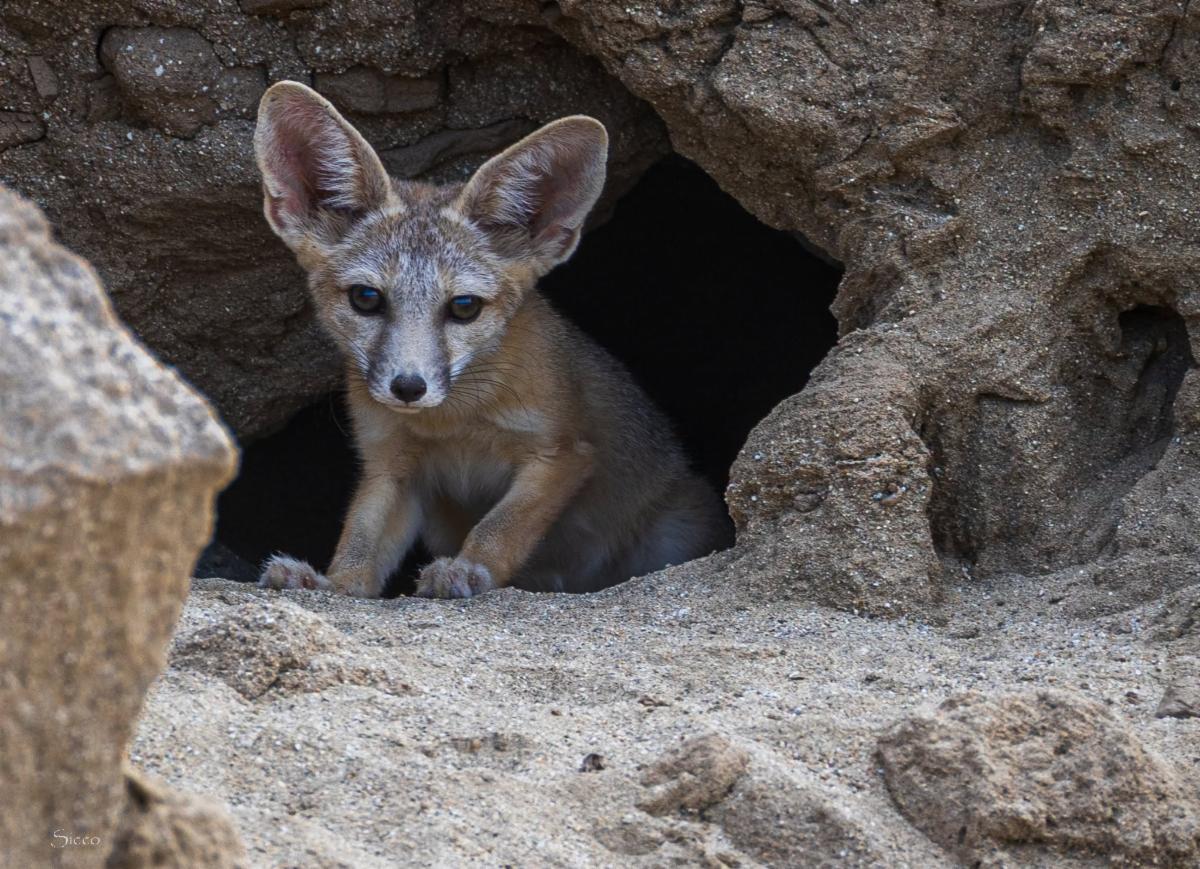
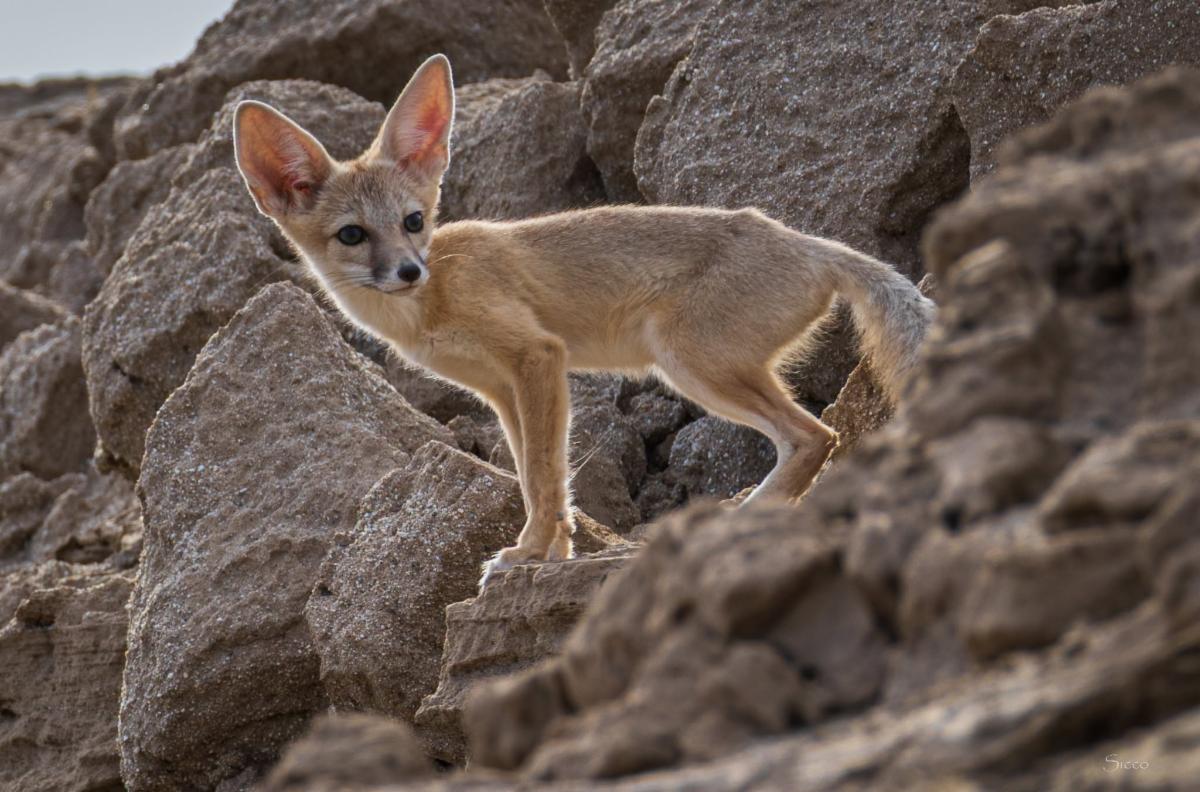
While coyotes are the iconic canine faces and voices of Anza-Borrego, their little fox cousins are also numerous – just seldom seen.
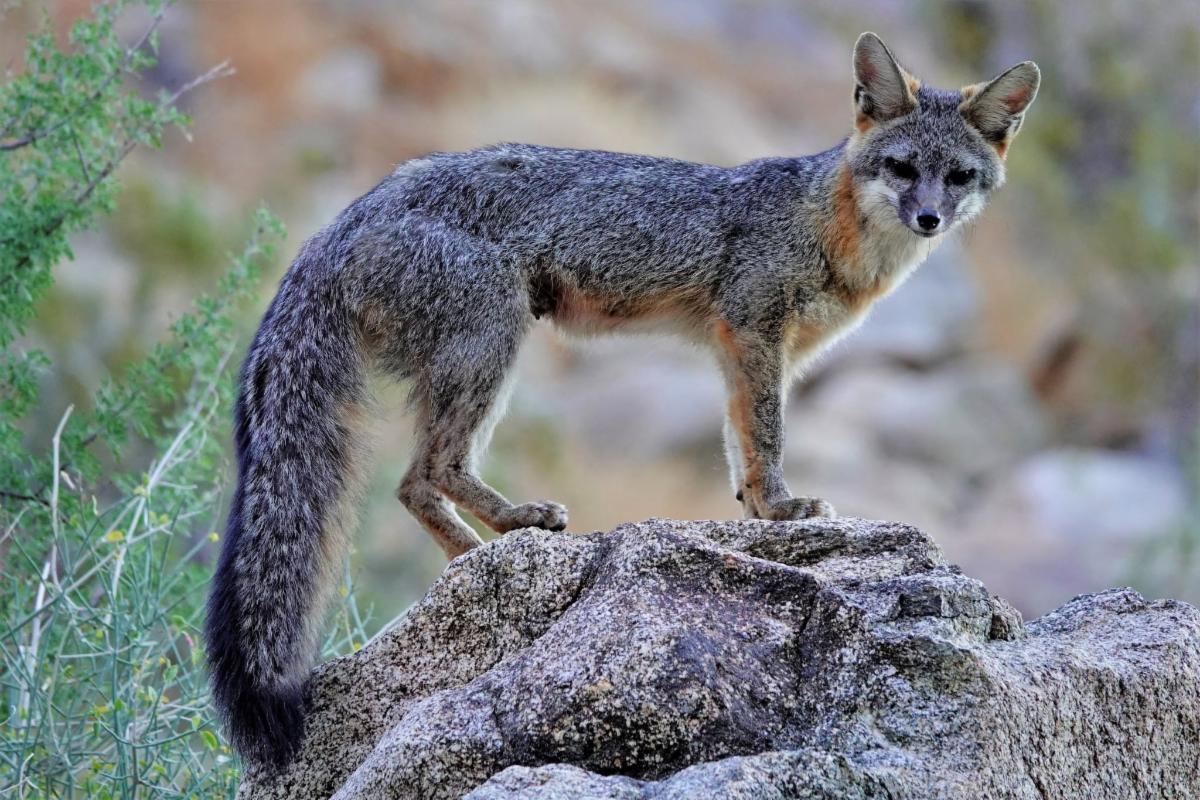
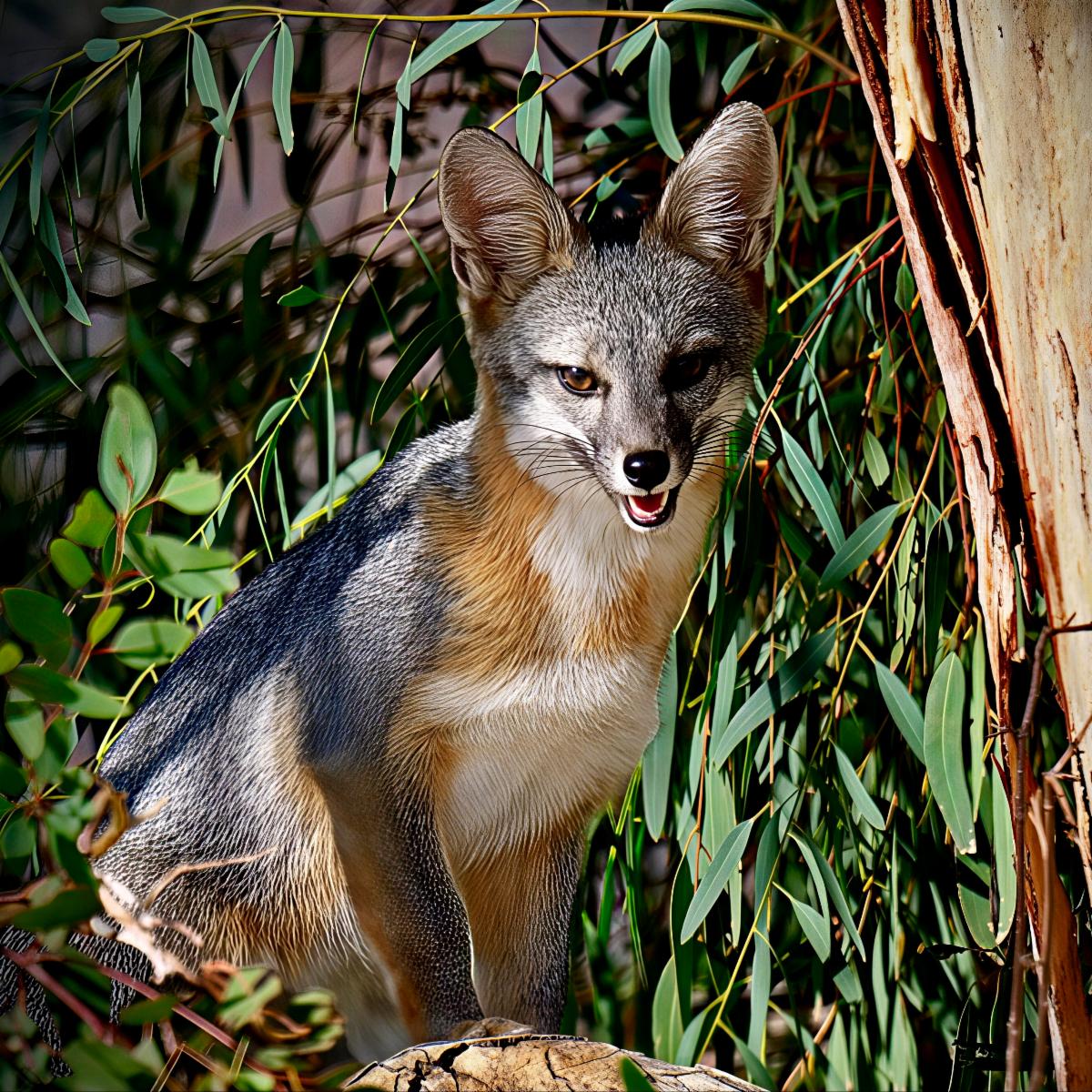
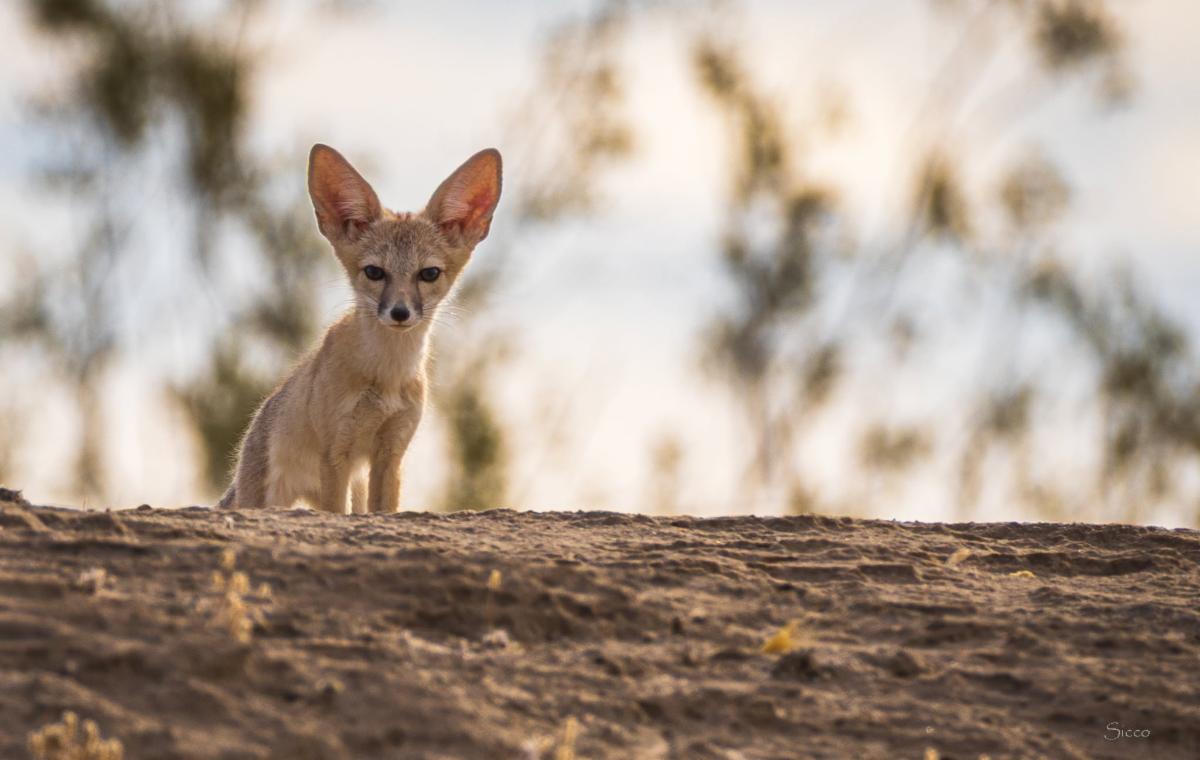
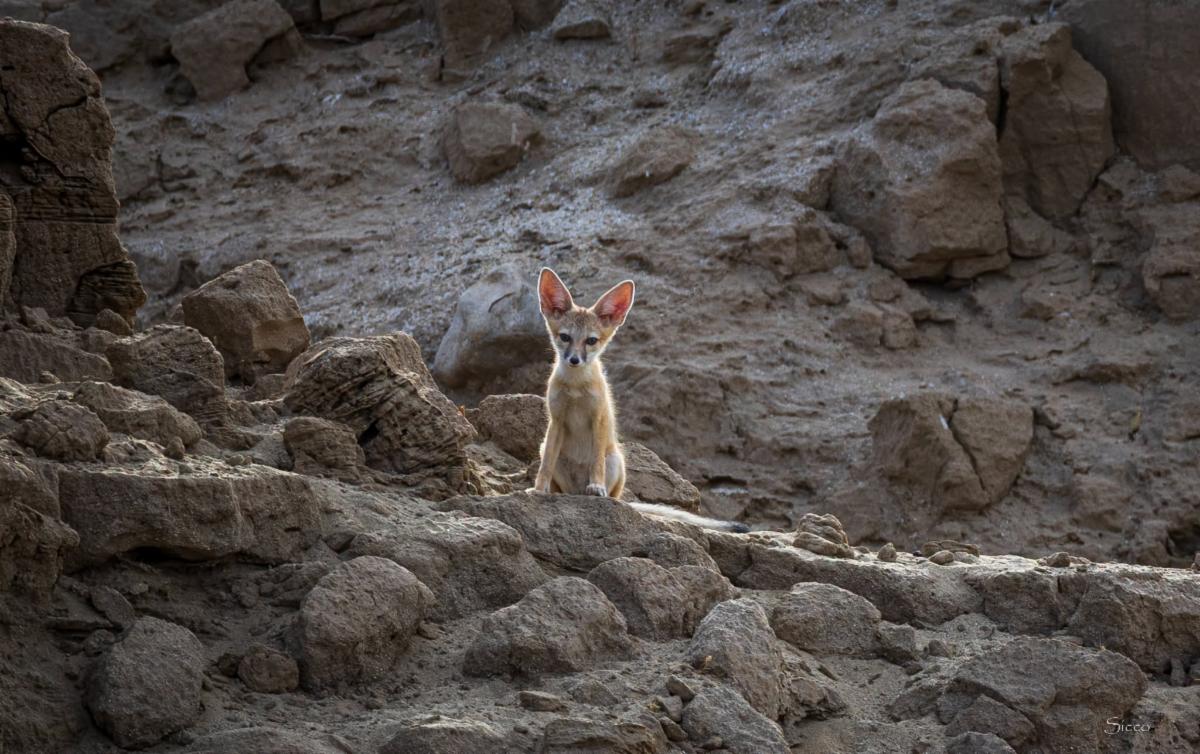
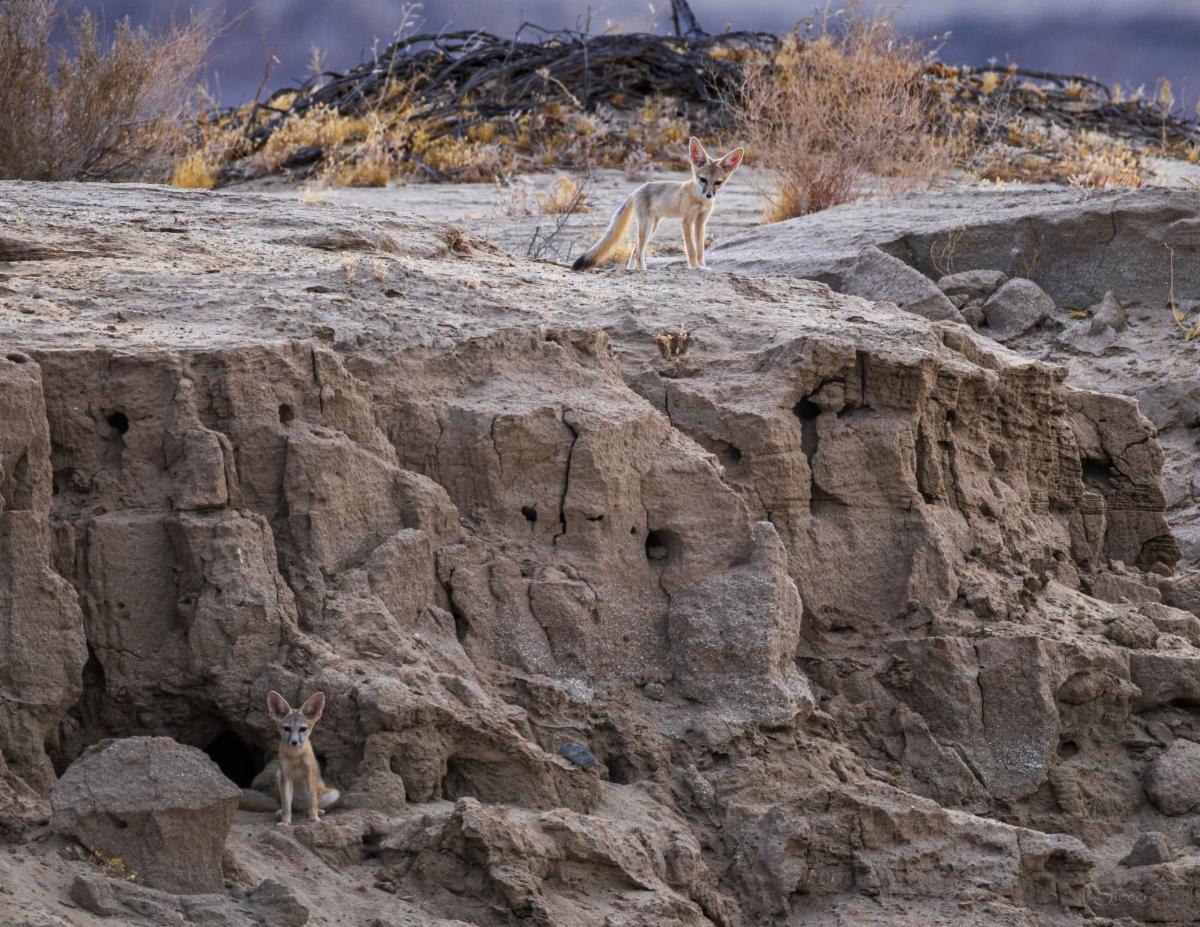
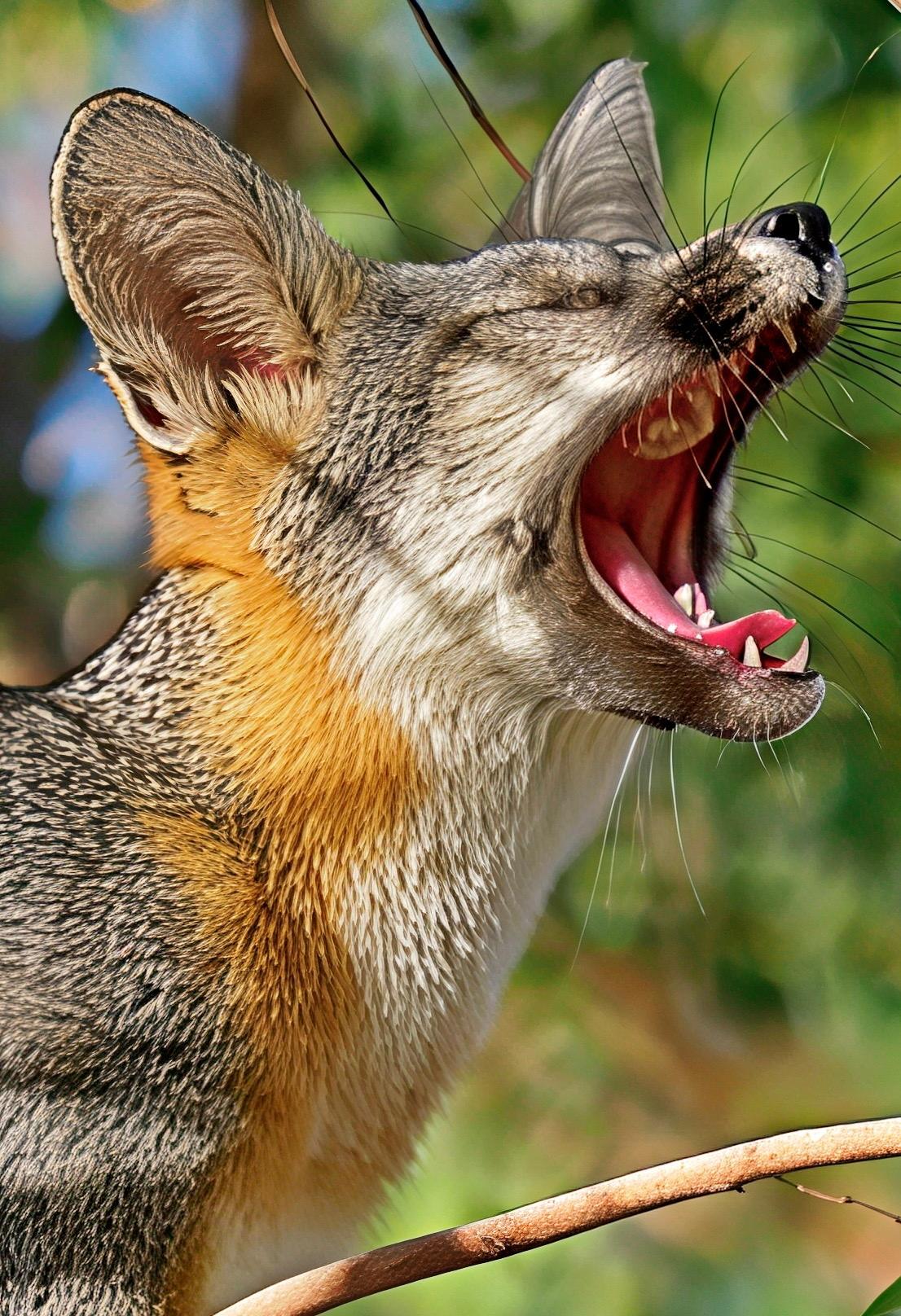
Anza-Borrego is home to two of the 20 plus fox species across the world – the Gray Fox, Urocyon cinereoargenteus, and the even smaller Desert Kit Fox, Vulpes macrotis.
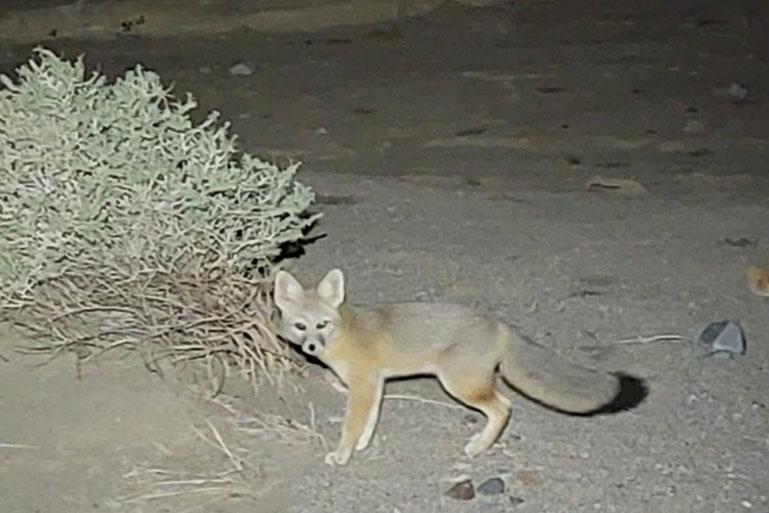
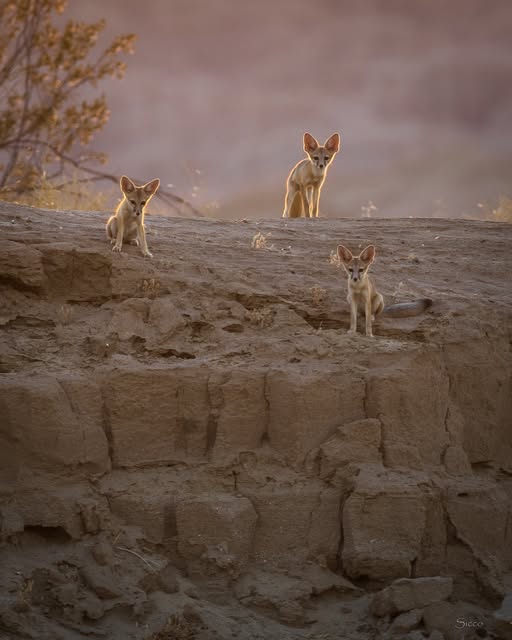
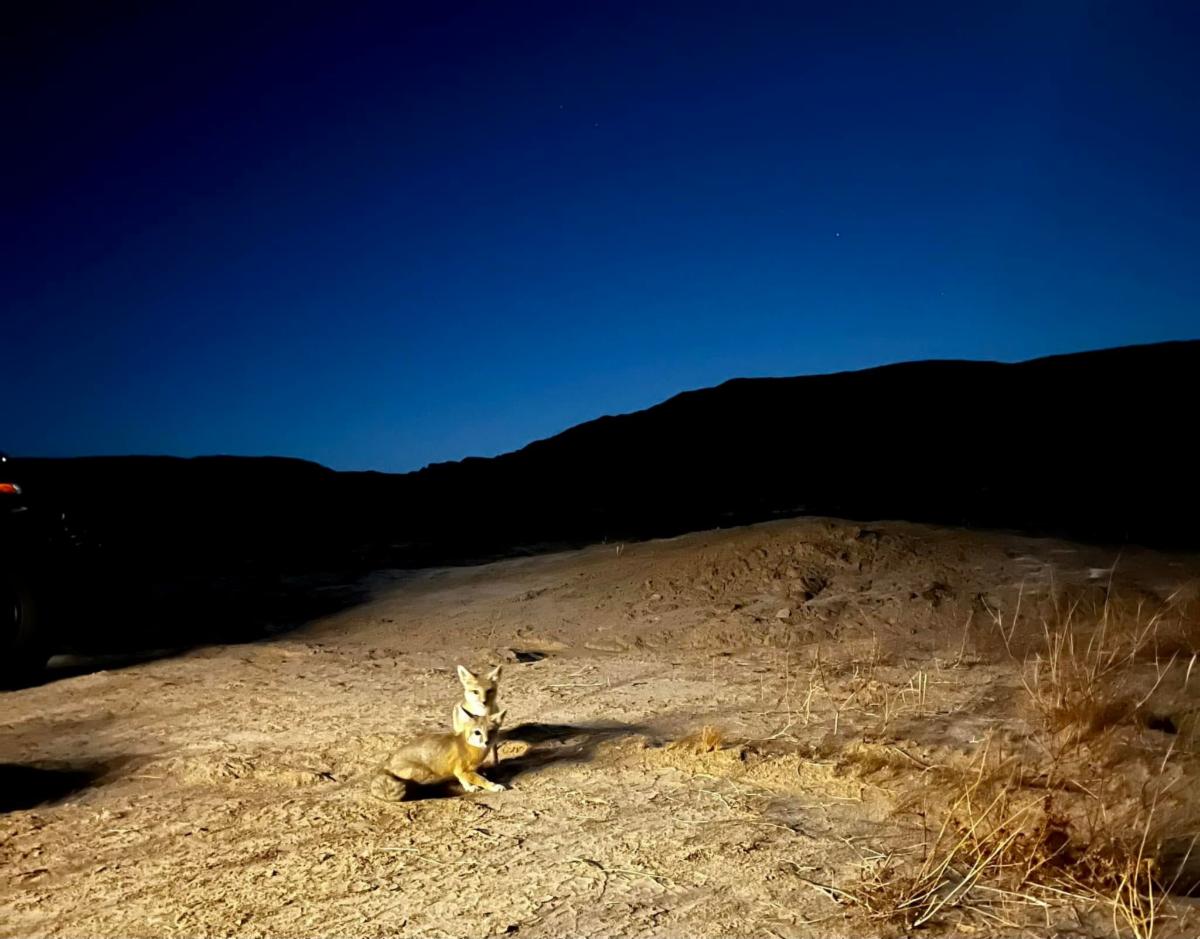
| | Since foxes are elusive and mostly active at night, this photograph taken by Gary Skipper is a true rarity. Out in the open, calmly watching the world, this gray fox displays the distinctive long, full tail with a black stripe along its top ending in a black tip. | | Desert Kit Fox by Matt Buller | | Also crepuscular (active at dawn, dusk, and night), this desert kit fox was caught checking out the photographer’s campsite during the night. Like the gray fox, kit foxes also have long, full tails ending in a black tip, but they lack the dorsal stripe. Their coats are the color of the sand, which helps to camouflage them in their natural environment. | | Gray foxes are spectacular tree climbers and use their strong, hooked, semi-retractable claws to scramble up trunks. This allows them great protection from their main predator, the coyote, and expands their dietary options to include tree fruits that have not yet fallen. Their skillfulness allows them to jump from branch to branch, which must be amazing to witness. They are one of only two members of the Canidae family to possess this tree-climbing capability. | Anza-Borrego photographer Sicco Rood chanced upon a true treasure while hiking in the badlands in early June. An unbelievably cute kit fox kit (“kit” is also the term for a fox baby) gazed down at him out from atop a cliff. | | One kit turned out to be three young and very curious babies, all eager to find out what this unusual two-legged creature was all about. | | Ten days later, Sicco returned to the fox den and found his little friends again. Just as curious, they were now larger and more filled out. Sicco reports that while he has not spotted the parents, they seem to be doing a good job nurturing and caring for their litter. Note that the kit on the right is graciously showing off her lovely, full tail with the requisite black tip! | Desert Kit Foxes by Michelle Motley | |
If you are one of the lucky ones to see a fox in the desert, how can you identify its species? There are two foolproof methods:
If it is in a tree, OR if its tail has a dorsal stripe (running across the top) ending in a black tip, it is a gray fox. Likewise - no stripe confirms it's a kit fox.
Beyond that, it gets a little murkier – a gray fox has salt and pepper coats with areas of reddish hair, while a kit fox’s coat is more uniformly sandy gray. Kit foxes are extremely small, weighing 3.5 to 6 pounds, and have surprisingly large ears. Gray foxes are larger, weighing 7 to 15 pounds. Kit foxes have vertical, slit-like pupils, while gray foxes' pupils are oval shaped. However, these differences may not be helpful for species identification in the wild.
One thing that is not in question – catching site of either species is truly a rare gift from the desert and must be cherished.
| |
MORE FUN FOX FACTS:
- Both fox species are considered monogamous, and both parents participate in the care of the babies.
- Some kits stay with the family until the next litter is born and help with their care.
- A group of foxes is called a skulk.
- Gray foxes have a wide range of vocalizations – chirps, growls, screeches, and barks.
- Kit foxes are generally silent, but can be heard barking at times.
| | Full Strawberry Moon by Paulette Donnellon | | July 16 is World Snake Day! | | |
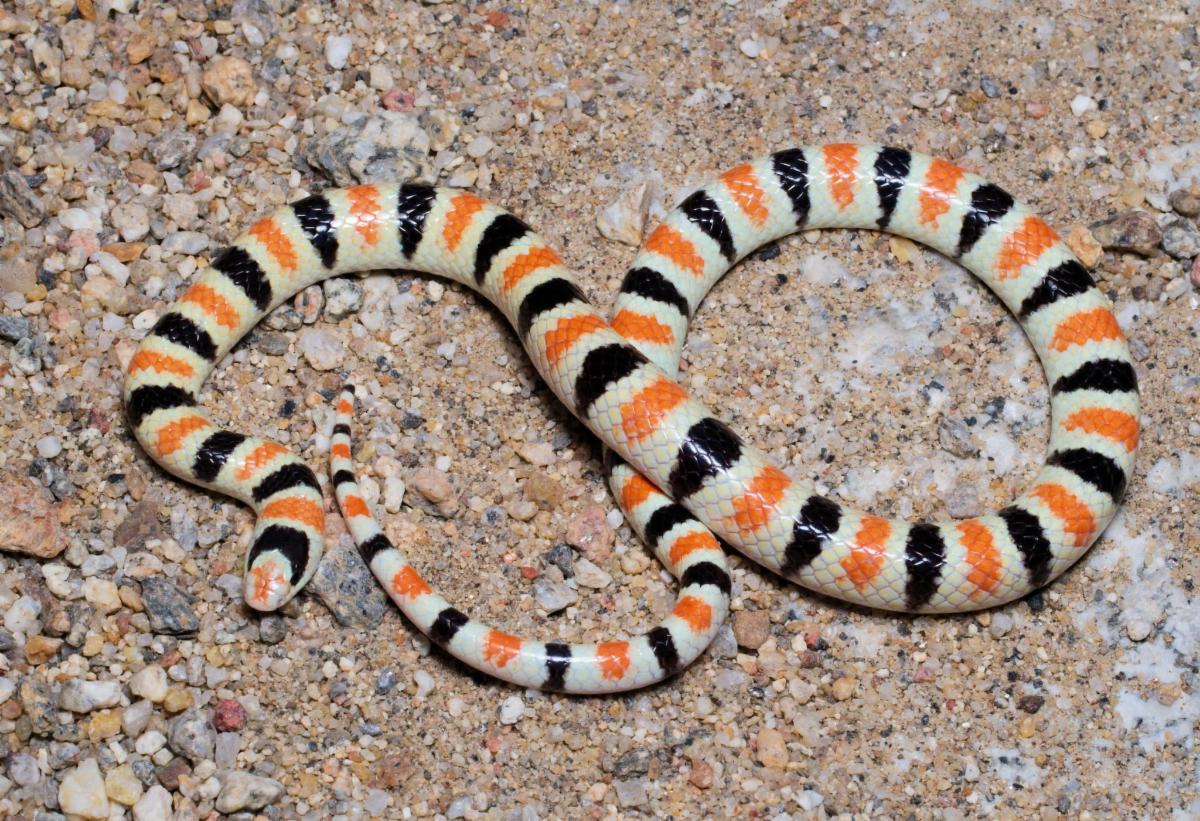
Colorado Desert Shovel-nosed Snake
by Jim Rorabaugh
What is World Snake Day?
It's a day to celebrate and appreciate snakes! They may not be the most cute and cuddly animals, but they certainly deserve our respect. Snakes play a vital role in our ecosystem by managing rodent populations, protecting humans from diseases like hantavirus and Lyme disease.
| | |
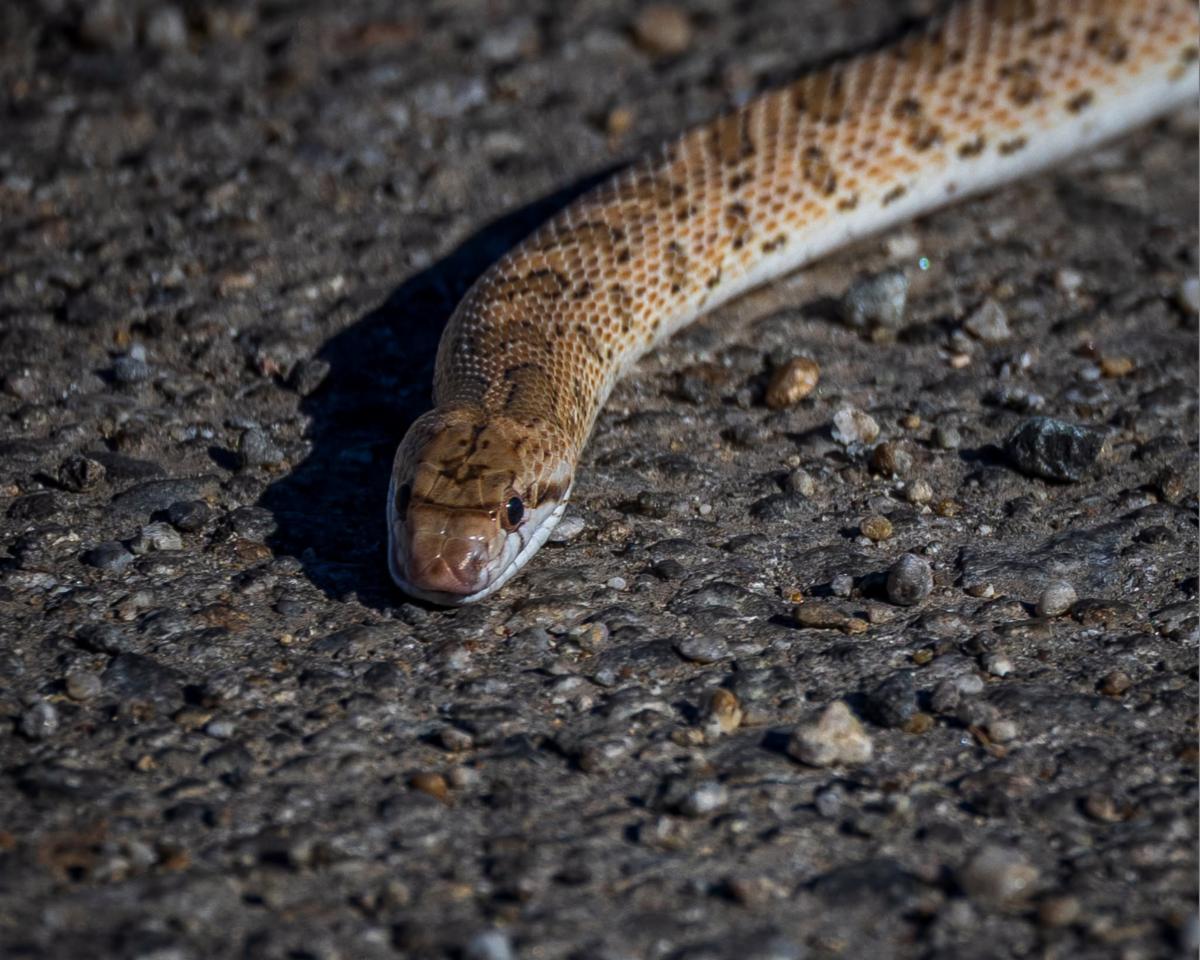
Western Glossy Snake
by Sicco Rood
| | |
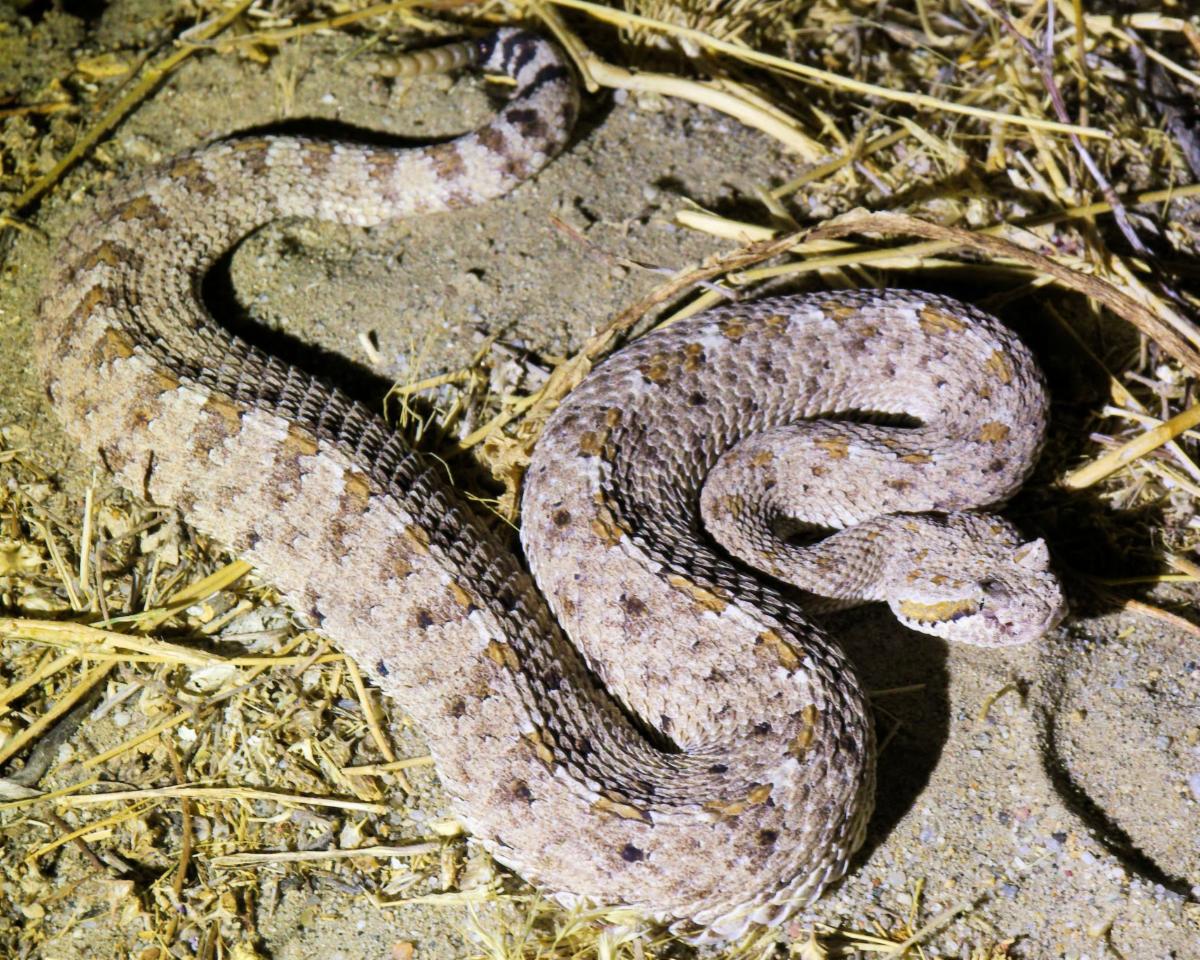
Sidewinder Rattlesnake
by Jim Rorabaugh
| | Venoms produced by certain species are used in lifesaving medicines to treat high blood pressure and prevent heart attacks. | | |
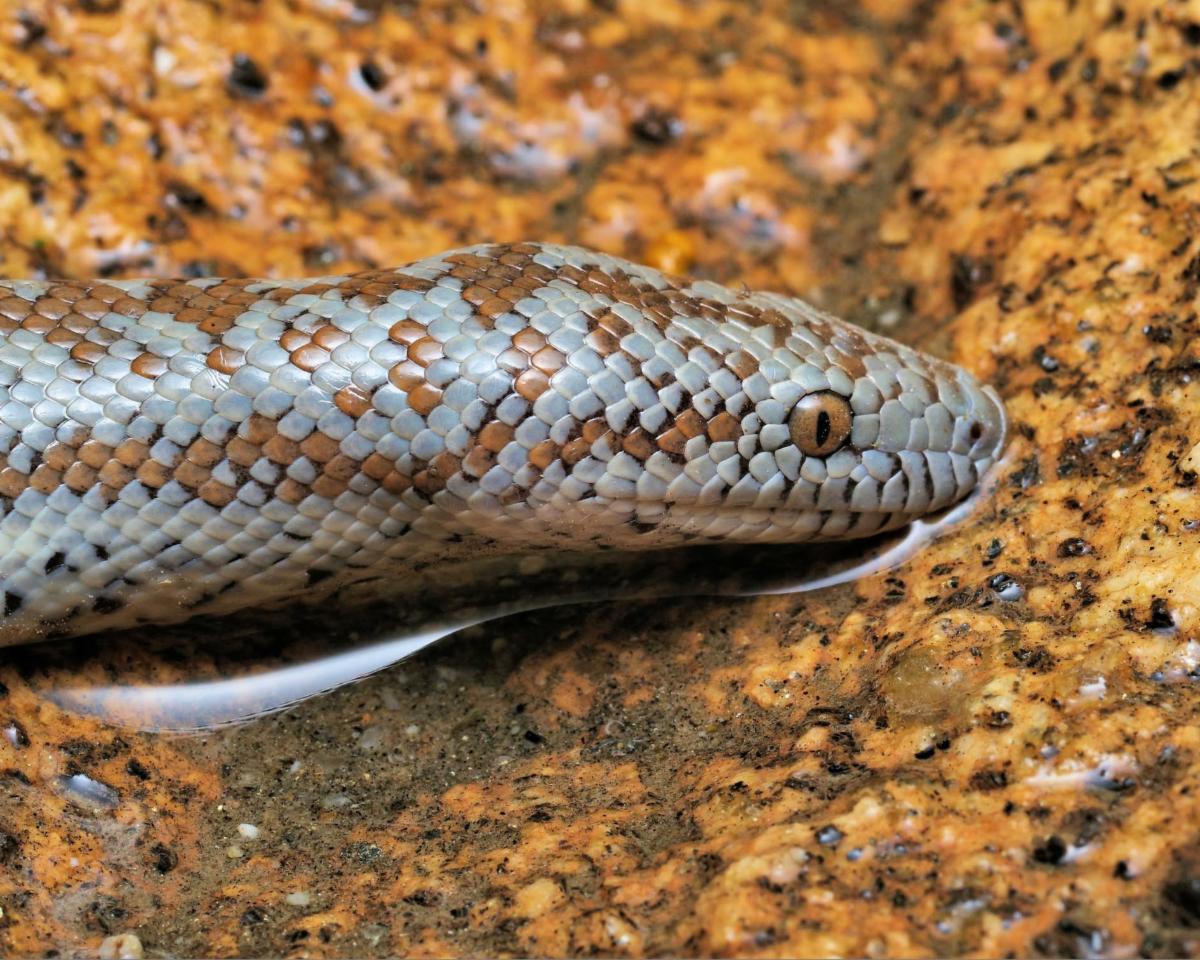
Rosy Boa
by Jim Rorabaugh
| | |
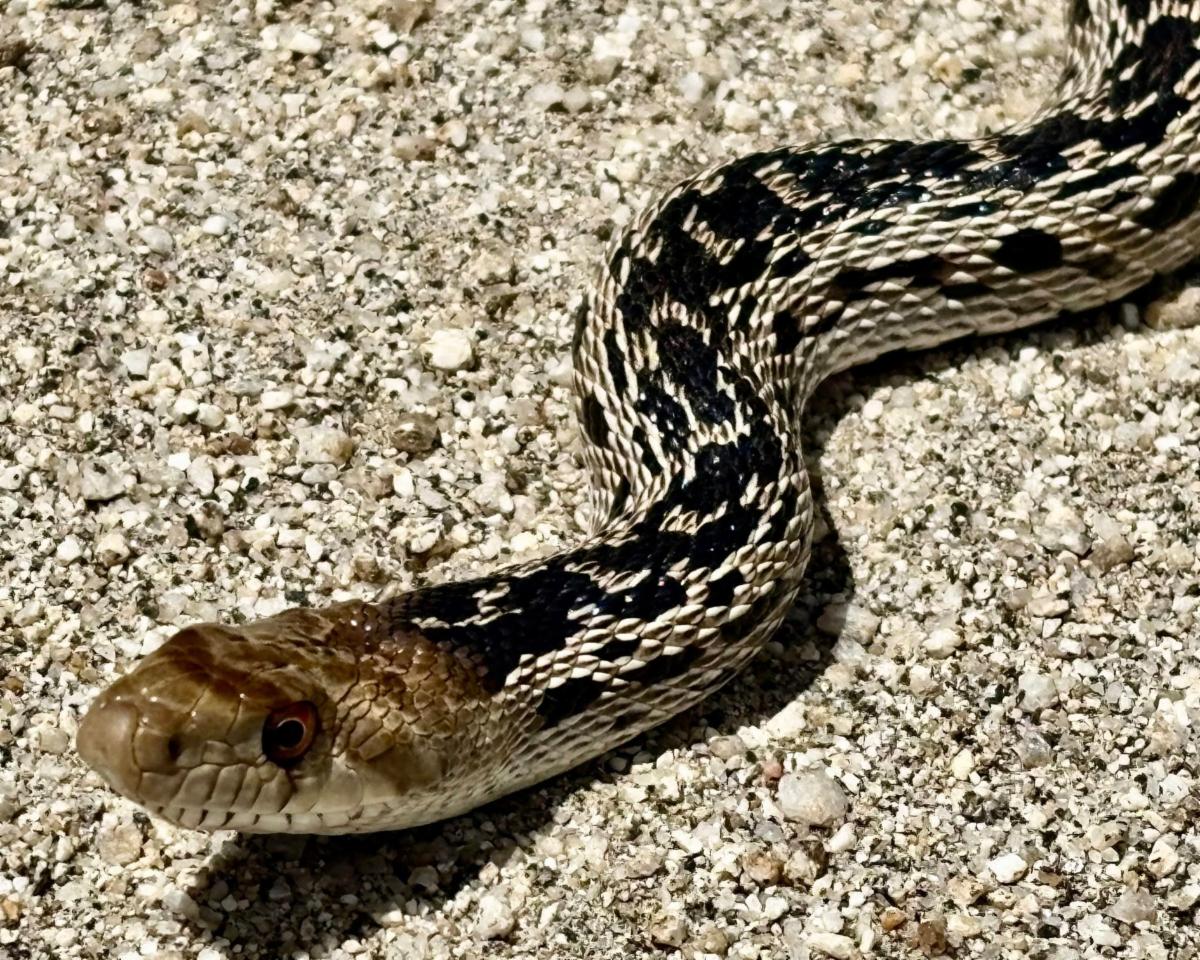
Gopher Snake
by Mitchell Sterling
| | All of these snake photos were taken in Anza-Borrego. | | |
Did you know... ?
- Snakes smell with their tongues.
- Snake length can range from 4 inches to over 20 feet, depending on the species.
- The upper and lower jaws separate, allowing snakes to consume prey up to three times the size of their heads without chewing!
- There are over 3,500 known species of snakes, across all continents except Antarctica.
- Of the 600 venomous species, only 200 are life-threatening to humans.
- Some species have specialized pits on their faces to sense the body heat of prey.
| | Get on the Wait List for these Trips! | | See what's happening in Borrego! | | |
Start your desert adventure at ABDNHA's
Borrego Desert Nature Center!
Guidebooks, Maps (including flower maps!), Shirts, Hats, Gifts, Laminated Sculpture Guides, Jewelry, Local Art, Native Crafts, Children's Section, Southwest Fiction,
and ideas for day trips and sightseeing
| | |
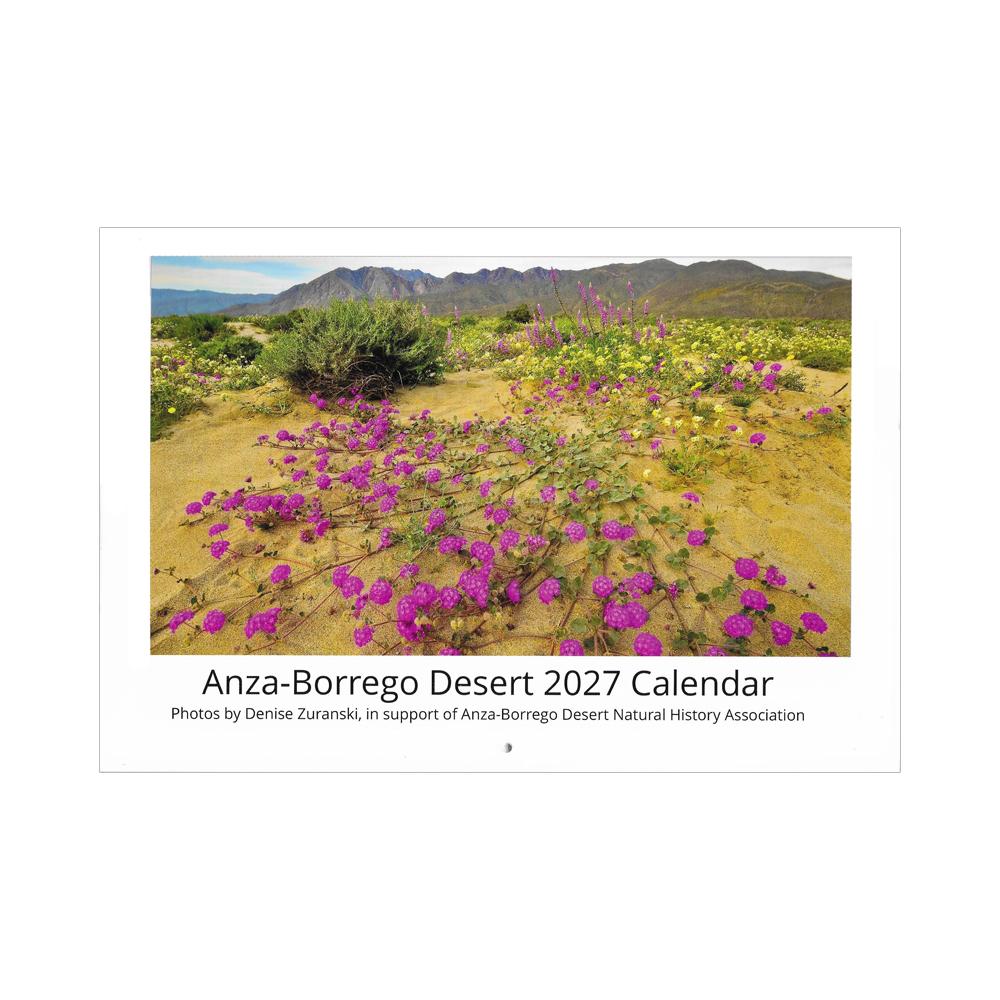
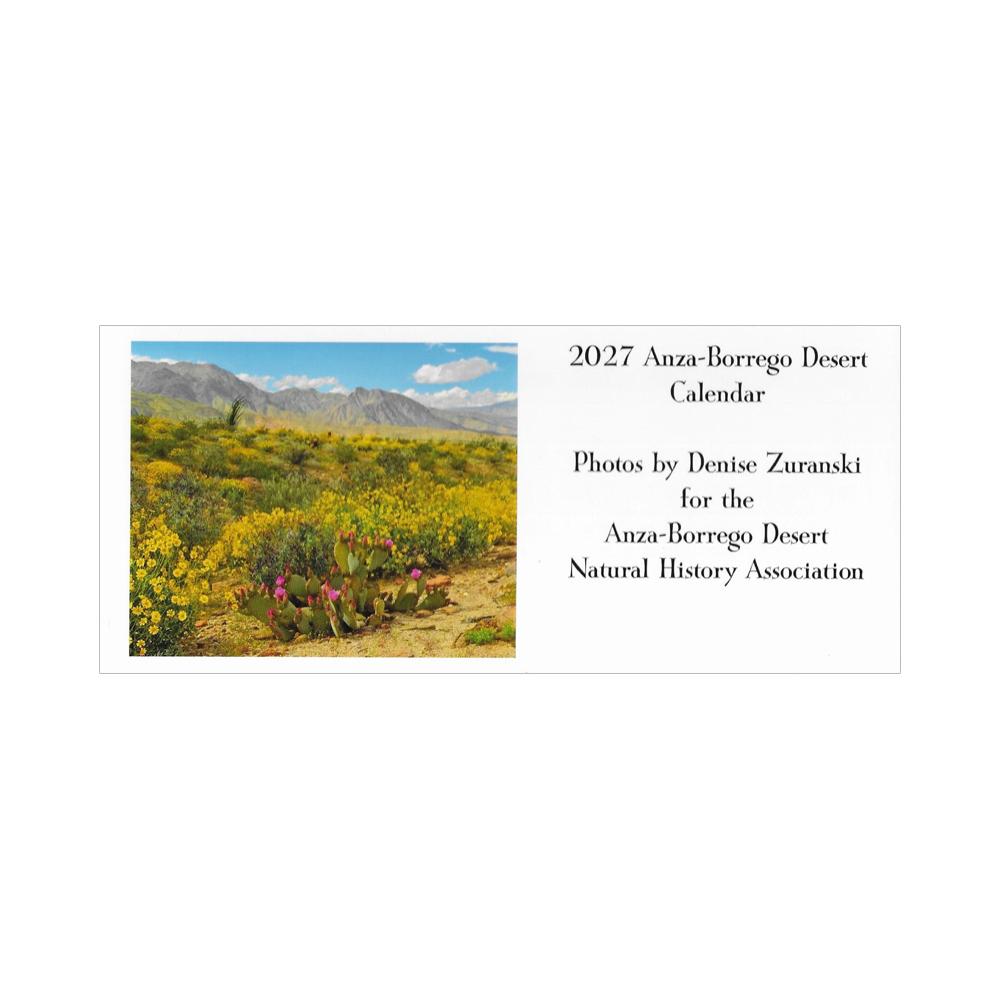
2027 Anza-Borrego calendars are in!
Available at the Nature Center. Click on the item to shop.
| | 2027 Anza-Borrego Wall Calendar | | 2027 Anza-Borrego Desk Calendar | | |
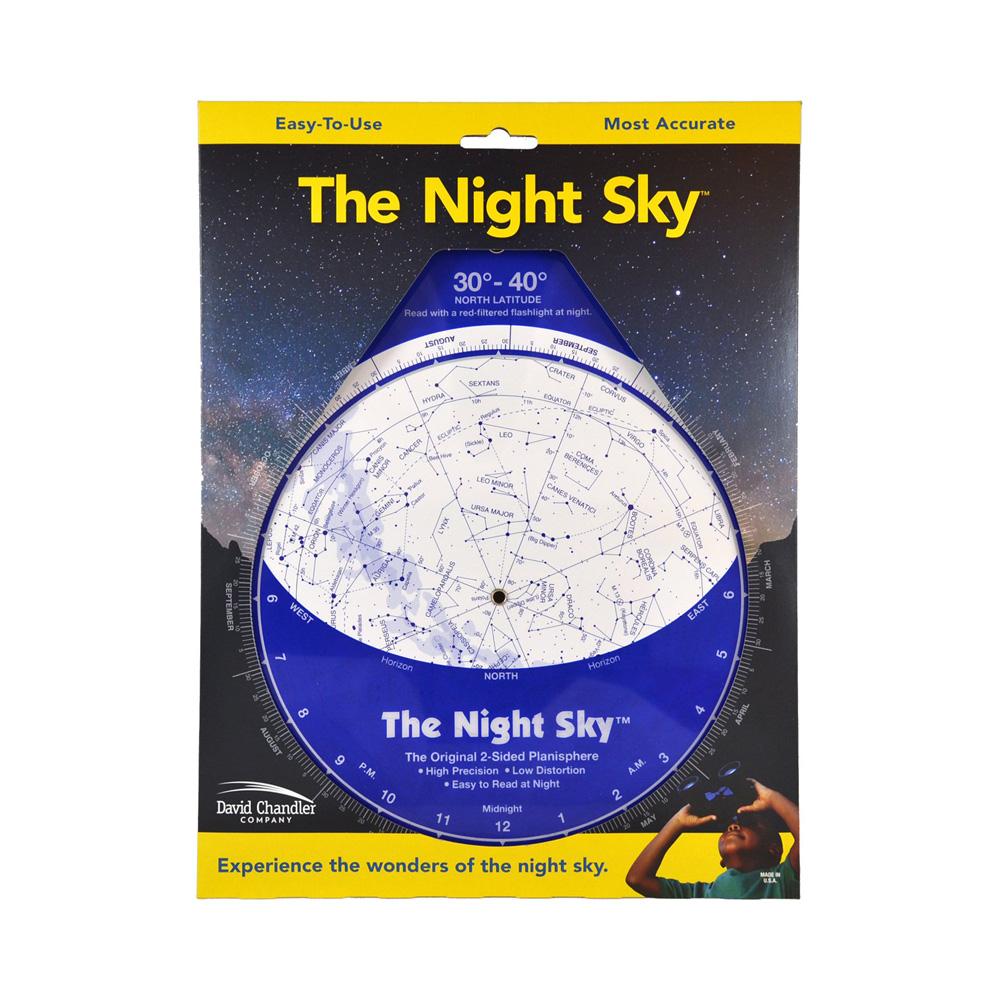
Enjoy the summertime night sky!
Available at the Nature Center. Click on the item to shop.
| | | | |
Check out our SALE table!
There are some great bargains on our
end-of-season SALE table,
with selected items up to 50% off!
| | | Our Desert Classics Shelf | We have many out-of-print and older editions of classic books on the desert, plants, animals, geology, history, literature and more! | |  | Look for our sale book cart outside, with lots of books, on travel, geology, plants, animals, astronomy and literature, all for $10 or less! | | | ABDNHA Members receive 15% off purchases every day! | | |
Borrego Desert Nature Center
652 Palm Canyon Drive, Borrego Springs, CA
760-767-3098
Just west of Carlee's
July & August Hours: Open Fri-Mon 10-3, Closed Tues-Thurs
Your purchases support ABDNHA's programs & services throughout the year.
Thank you for your support!
| | |
Get free shipping on any online order of $75 or more!
Members, use the MEMBER coupon code to get your 15% discount!
| | |
Join ABDNHA
and Make the Desert a Part of Your Life!
| | Join ABDNHA and support an award-winning non-profit 501(c)3 nature education organization dedicated to interpreting and preserving the Anza-Borrego Desert. | |
As a member, you can enjoy all of the great benefits below:
- Stay informed about the desert and activities
-
The Sand Paper Newsletter - 5 per year
- 15% discount at Nature Center and ABDNHA's Attic Shop!
- Special member appreciation events and volunteer opportunities
- Calendar of activities & reduced price on lectures, hikes, & field trips
- Friendship & camaraderie with other desert lovers, and have a great time
- Support of nature education & desert conservation
Join or give a gift membership anytime throughout the year!
Membership is for 12 months from the month you join.
Join ABDNHA and make the desert a part of your life!
| | Donate Your Vehicle to ABDNHA! | | |
Do you have a car, truck, golf cart, RV, trailer, motorcycle, or boat sitting around that you no longer use? Too many miles? Needs repair? Make space in your garage or driveway!
Donate your vehicle to ABDNHA!
Thank you to our members who have donated their vehicles!
| | Vehicle donations are tax-deductible, and we make it easy with free pickup and by providing you with the necessary tax receipts. | | Join ABDNHA as a Business member! | | |
Promote your business and show your support of ABDNHA!
Display your business on the ABDNHA website,
in the Sand Paper newsletter and the bi-weekly Desert Update emails.
| | |
Anza-Borrego Desert Natural History Association (ABDNHA, pronounced
"AB-NA") is an award-winning, community based, educational non-profit 501c3 organization, founded in 1971.
| | | |
ABDNHA's Mission:
Enhance the understanding, appreciation, enjoyment, and conservation of the
Anza-Borrego Desert and
surrounding area.
| | |
We invite you to join ABDNHA
and make the desert a part of your life!
| | ABDNHA offers information to visitors and programs to enrich the lives of those who live in and visit the community of Borrego Springs. We sponsor approximately 150 hikes, rides, lectures, tours, special events, and educational programs each year, and we lead conservation and citizen-science programs, including the Borrego Dark Sky Coalition and the Borrego Valley Hawk Watch. | | | | |