|
|
December 2025
AgriSafe in Action Newsletter
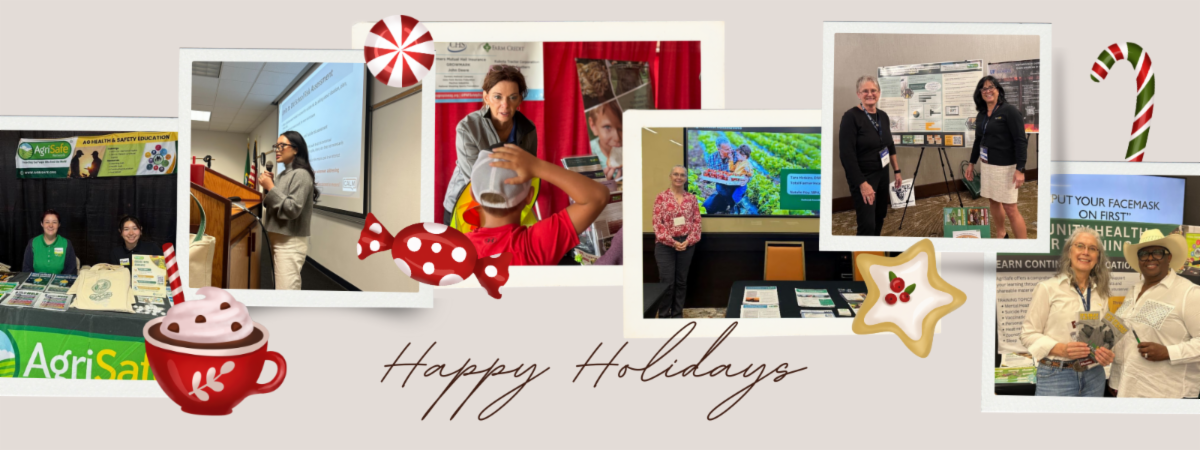
| | | | We hope you have a safe, healthy, and happy holiday season. Thank you to our sponsors and partners for helping make 2025 a successful year—we are grateful for your continued support. Wishing you happiness and prosperity in the year ahead. - The AgriSafe Team | | |
WORKING THROUGH WINTER:
Cold-Weather Safety Tips for Ag Workers
| | |
As colder weather sets in, it ss important to take steps to stay warm and safe while working outdoors. Agricultural work doesn’t pause for snow, ice, wind, or low visibility, and winter conditions can significantly increase the risk of injury if you’re not prepared. Planning ahead and using the right gear can help prevent cold-related illnesses and weather-related injuries.
Dress in protective layers to retain body heat and stay dry throughout the workday. Start with moisture-wicking base layers, such as long johns, to pull sweat away from your skin. Add insulating layers like fleece or wool for warmth, and finish with a windproof, waterproof outer layer to guard against snow, ice, and biting winds. These winter essentials are critical for working safely in cold conditions: insulated gloves, snow bibs, a warm hat that covers the ears, and a heavy winter coat.
Footwear is especially important on the farm during winter. Fifty-four percent of slips, trips, and falls are caused by human error, and icy or uneven ground only adds to that risk. Wearing insulated boots with strong traction can greatly improve stability and help reduce falls around equipment, livestock areas, and outdoor workspaces.
Staying alert to changing conditions and taking extra precautions during winter tasks protects your health and safety. Taking care of yourself in cold weather ensures you can continue the essential work that keeps agriculture moving year-round. For additional guidance and practical tips, explore Iowa State University Extension and Outreach’s article, Winter Preparedness: Is your Farm Ready for Winter Hazards.
| | Meet our Winter Intern: Meena | | |
Vijaya Meenakshi Inturi (Meena) is pursuing her master’s degree in Health Informatics at the University of North Texas, and is currently a Health Informatics Intern with AgriSafe Network. In her role, Meena supports the AgriStress Helpline by reviewing anonymous call and referral data to better understand the types of support agricultural communities are seeking. She also assists with AgriSafe’s transition to a new Learning Management System, helping with data migration and internal documentation. Meena is passionate about using health data to improve access to mental health resources for farmers, ranchers, and rural communities.
| | KINKEEPING: Invisible Work that Holds the Family Together | | |
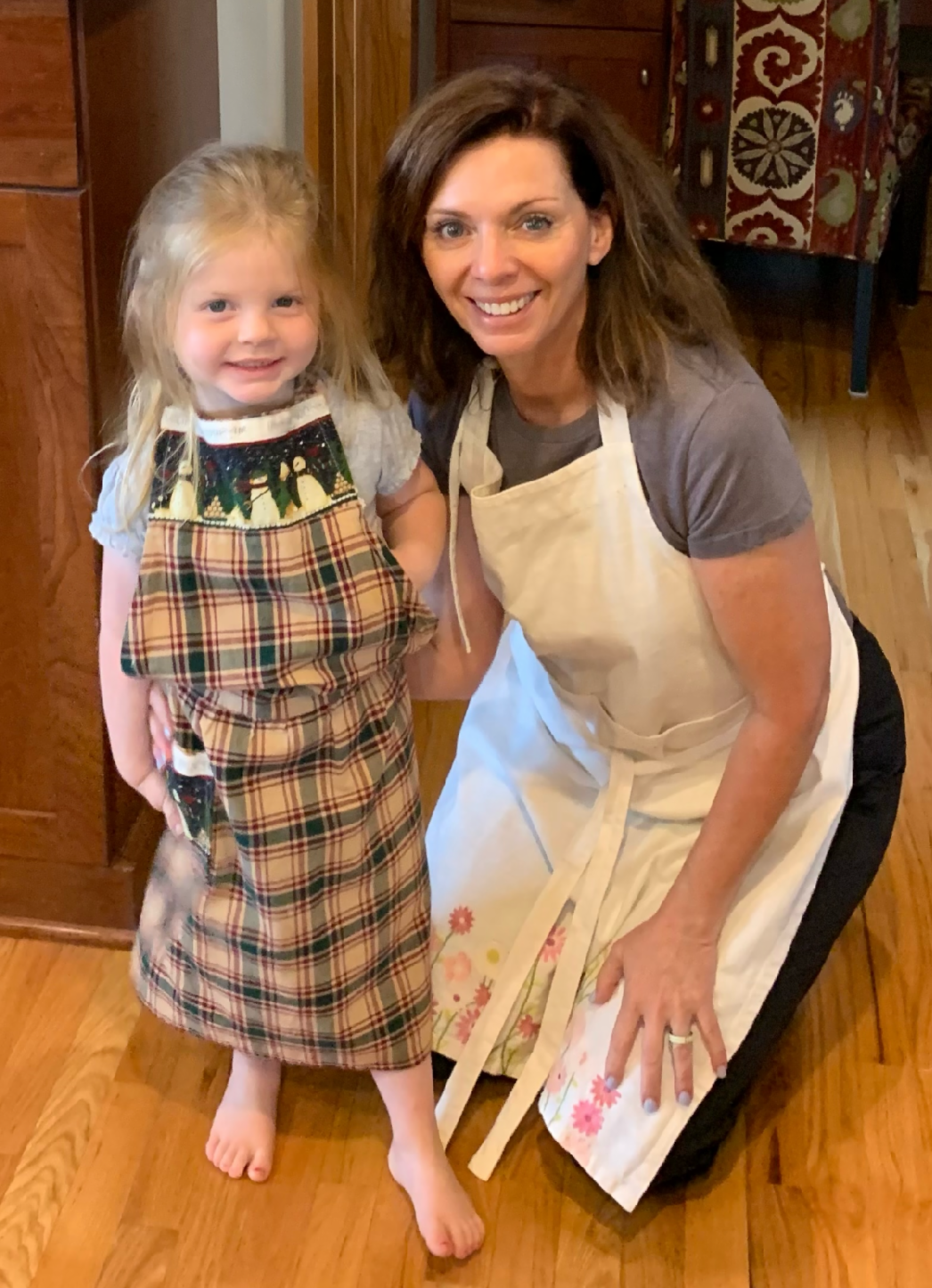
The preparation, time, and energy invested in maintaining and passing down family traditions during the holiday season is truly remarkable. Behind the magic is a concept coined by a sociologist in 1985: kinkeeping. Kinkeeping refers to the often-invisible labor involved in maintaining and strengthening family connections.
Women most often take on this role, preserving family stories, safeguarding treasured recipes, and passing down cultural traditions to their daughters and granddaughters. While this work creates a deep sense of connection and belonging, it frequently goes unnoticed and undervalued. Kinkeeping can also be emotionally demanding and time-consuming, especially during the holidays.
Without kinkeeping, family identity and rootedness can be at risk, potentially leaving individuals feeling disconnected or adrift. All family members can help share this responsibility in meaningful ways by acknowledging and appreciating their kinkeepers, sharing everyday tasks both inside and outside the home, and taking ownership of traditions within their own families.
Looking ahead, 2026 has been declared the International Year of the Woman Farmer by the Food and Agriculture Organization of the United Nations. AgriSafe proudly recognizes the vital role women agricultural workers play across all food systems. In celebration of this global declaration, AgriSafe will elevate and spotlight female producers and their essential contributions throughout 2026. We welcome you to join us in empowering women as one of the most powerful levers in improving farm and ranch families' health and viability!
| | |
The North Dakota Nurses Association (NDNA) Conference (November 7 | Fargo, ND)
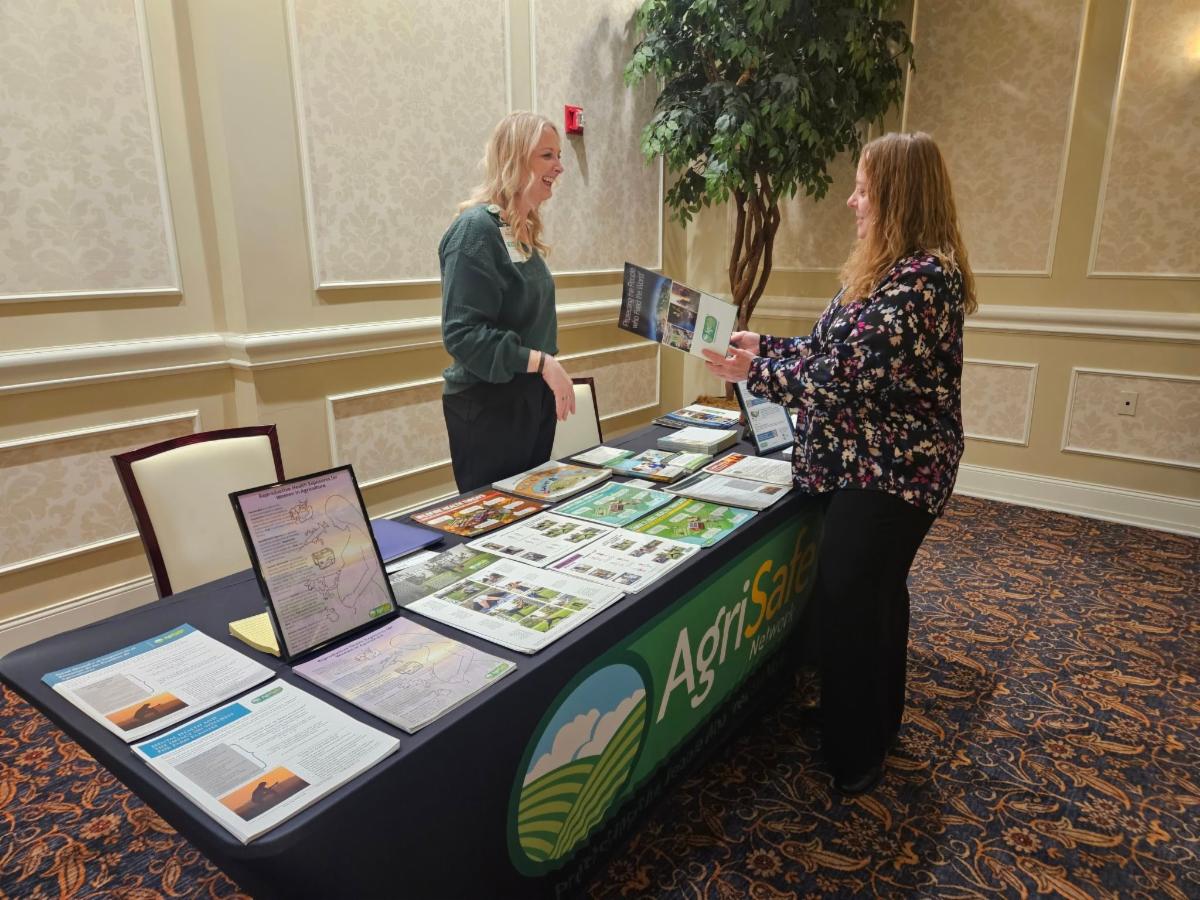
AgriSafe was proud to attend the NDNA Conference – “Strengthening Healthcare Through Interprofessional Collaboration” – held on November 7, 2025, at the Avalon Center in Fargo, ND. AgriSafe's Total Farmer Health Coach, Tara Jo Maus, connected with numerous nurses and healthcare professionals dedicated to improving rural healthcare.
Tara Jo presented a breakout session on “Suicide Risks in Agricultural Communities,” highlighting AgriSafe’s training programs and mental health resources. She emphasized AgriSafe’s network of 400+ trained professionals and a directory of over 120 Farm Response-trained counselors across 49 states.
The conference underscored the critical need for training on agricultural health challenges—including mental health, zoonotic diseases, limited insurance access, and unpredictable weather—and the pivotal role AgriSafe programs play in addressing these gaps. Tara Jo’s participation was supported by Blue Cross Blue Shield of North Dakota and CS-CASH, and she looks forward to sharing AgriSafe’s curriculum with nursing programs and professionals across the state.
| |
USA Rice Outlook Conference
(December 7 – 9 | New Orleans, LA)
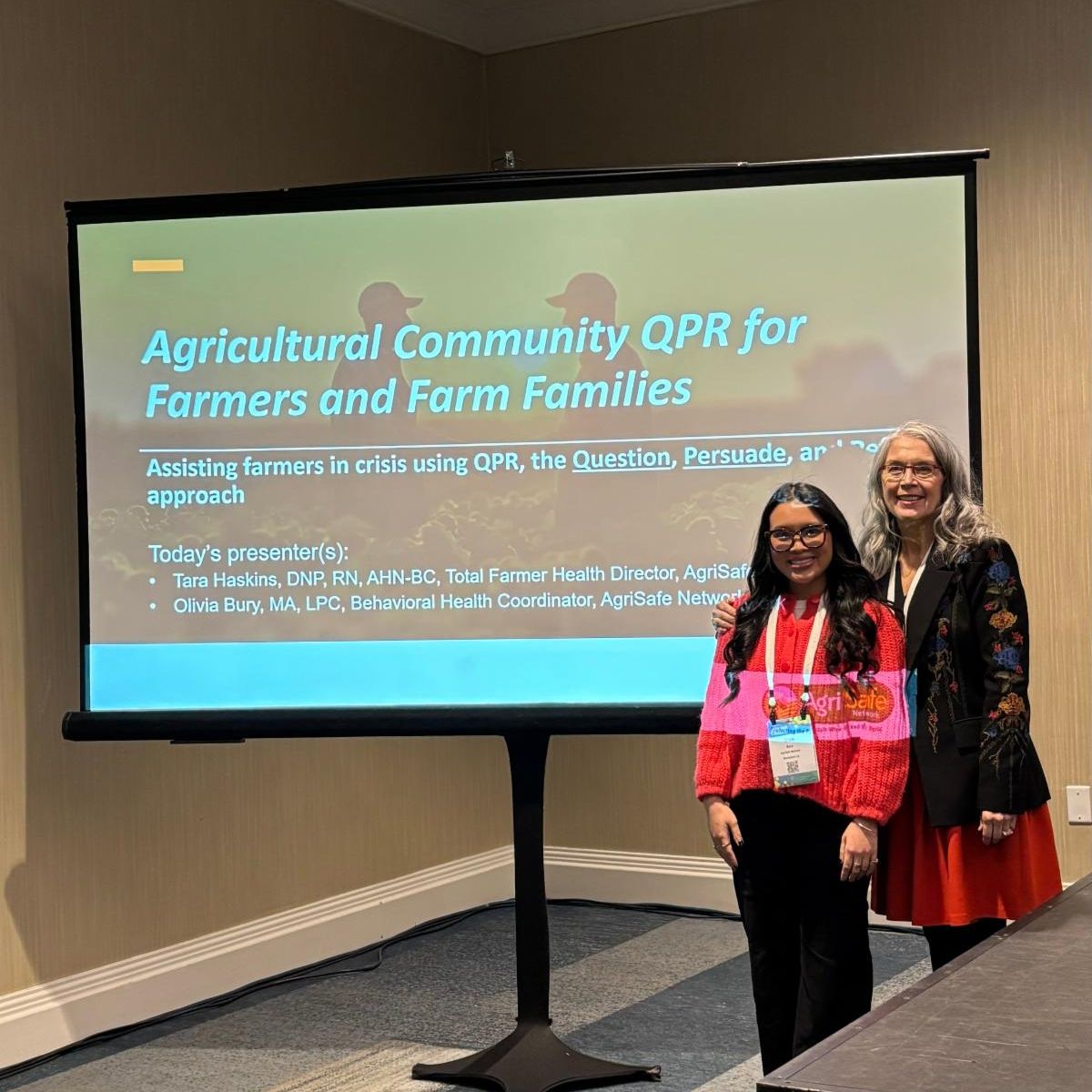
AgriSafe was honored to present at the USA Rice Outlook Conference, held December 7–9, 2025, in New Orleans, Louisiana. The session, "Agricultural Community QPR for Farmers and Farm Families," focused on equipping agricultural communities with practical tools to recognize warning signs of suicide, ask the right questions, and connect individuals to support.
The presentation was led by AgriSafe’s Total Farmer Health Director, Dr. Tara Haskins, and Behavioral Health Coordinator, Olivia Bury. We appreciated the opportunity to engage with leaders from across the rice industry and to highlight the importance of mental health awareness and prevention for farmers and farm families.
| | |
DECEMBER HEALTH SPOTLIGHT
Holiday Blues and Seasonal Affective Disorder Awareness Month
| | |
The holiday season can evoke a wide range of emotions within agricultural communities where family, work, and tradition are closely connected. For many individuals and families in rural areas, this time of year may also intensify feelings of grief related to the loss of a loved one. Holidays can magnify absence, and it is important to recognize that grief during this season is a normal and valid response, and not a sign of weakness. Acknowledging loss honors the lasting impact and legacy of those who have passed.
As you support agricultural workers and rural families through the winter months, encourage gentle self-care and intentional reflection. Simple practices—such as sharing stories, continuing meaningful traditions, or spending quiet time outdoors—can provide space for remembrance and healing. Equally important is reinforcing that seeking support is a healthy and necessary step. Connection with trusted family members, peers, faith leaders, or mental health professionals can reduce isolation and promote resilience.
Seasonal changes and holiday stress can also significantly affect mental health. Seasonal Affective Disorder (SAD) impacts millions of Americans each year and may pose increased challenges in rural settings due to shorter daylight hours, geographic isolation, and limited access to behavioral health services. Symptoms may include low energy, depressed mood or anxiety, oversleeping, difficulty concentrating, social withdrawal, and changes in appetite or weight. Early recognition by healthcare and safety professionals can help reduce long-term impacts and improve quality of life.
Resources and strategies that may help:
-
Vitamin D supplementation, as appropriate
-
Light therapy lamps for use at home or in work environments
-
Counseling or talk therapy, including telehealth and virtual care options
-
Medications, such as antidepressants, when clinically indicated and prescribed
Healthcare providers and safety professionals play a critical role in normalizing conversations around grief and seasonal mental health challenges. Your outreach, education, and compassionate engagement can help strengthen the well-being and resilience that define agricultural and rural communities year-round.
Additional Resources:
-
For more resources and information about SAD, visit: National Alliance for Mental Health (NAMI): December Blog Highlight
-
National Alliance on Mental Illness (NAMI): Education, support groups, and mental health tools
-
988 Suicide & Crisis Lifeline: Call or text 988 for free, 24/7 support
-
AgriStress Helpline - Now available in Arizona, Colorado, Connecticut, Missouri, Montana, Oregon, Pennsylvania, Texas, Virginia, Washington, and Wyoming!
- Local Extension offices or rural health clinics may also offer mental health resources
| | |
TTFH PODCAST - NEW EPISODE
Why All Healthcare Providers Need to Understand Ag Producers
| | |
Did you know that tailored training and understanding of agricultural life can strengthen provider–patient trust and improve health outcomes in agricultural communities?
In this episode of Talking Total Farmer Health, our host Linda Emanuel speaks with AgriSafe's Professional Development Coordinator, Jessi Grote, DNP, RN, NPD-BC. Both Jessi and Linda share their experiences living and working on multi-generational family farms/ranches, intermixed with their expertise from working in rural healthcare. They discuss the unique stressors and common barriers to care that farmers and ranchers face, and they outline AgriSafe’s continuing education offerings for healthcare professionals.
Whether you work in agriculture or healthcare, this is an episode you don't want to miss!
To listen to the latest episode, visit our website or on Apple Podcasts or Spotify - make sure to subscribe so that you to get notified when our episodes are released!
| | Natural Disaster Preparedness and Recovery - | | |
This article was written by AgriSafe's previous intern Maira Khan:
It should come as no surprise that children and youth are affected by natural disasters just as much, if not more, than adults. They are much more vulnerable to these disasters given their limited capabilities and because of their differences in capabilities from adults. When exposed to these high-stress situations, it can impact their development as well as increase their risk of psychiatric disorders and vulnerability to toxins. It is also important to note that they will have varying responses to the disaster, as every age group is at a different developmental stage with varying degrees of understanding.
When cleaning areas/homes affected by natural disasters, it is important to keep children and youth away. They should not be helping with the cleanup post-disaster. Only once the area(s) have been cleaned and deemed safe should children and youth be allowed in.
Youth need specialized care post natural disasters, appropriate for their age group.
SAMHSA provides a great tool in understanding the needs of the youth after a natural disaster here: https://www.samhsa.gov/sites/default/files/srb-childrenyouth-8-22-18.pdf.
The EPA provides more in-depth information about the specific threats to youth health after natural disasters at: https://www.epa.gov/children/protecting-children-aftermath-hurricanes-and-floods
| | UPCOMING AGRISAFE WEBINARS | | |
Monthly Mental Health Innovations Exchange (MHIE) Meeting
Wednesday, January 7
10 am - 11 am CT
| |  | |
Empowering Farmers with Disabilities through Assistive Technology
Thursday, January 8
12 pm - 1 pm CT
| | |
CONTINUING EDUCATION CORNER:
Training for Community Health Workers
| | |
Calling All Community Health Workers!
CHWs play a vital role in strengthening health where people live, work, worship, and heal. Through outreach, education, and trusted support, they help promote positive rural health outcomes—particularly in agricultural communities.
AgriSafe is honored to contribute to this work by offering education on agricultural health and safety topics that are not typically included in standard CHW training programs. These trainings are available for FREE until December 31, 2025, so register today to save your seat!
Training topics include:
- Mental Health in Agricultural Communities
- FarmResponse
- Suicide Prevention
- Personal Protective Equipment (PPE)
- Heat-Related Illnesses
- Zoonotic Disease
- Sleep
- Vaccinations
CHW and CHW-I CEUs for these AgriSafe-developed courses are available through a collaboration with The University of Texas at Tyler Health Science Center, Center for Community & Rural Health Education. Some topics are available now, with additional courses to be released soon.
| | UPCOMING AGRICULTURAL EVENTS | | |
REGISTRATION NOW OPEN:
2026 AgrAbility National Training Workshop (NTW)
Registration is now open! Early bird pricing ends on February 16 at 4 PM, and registration closes on March 5. Travel stipends are available to help farmers/ranchers with disabilities come to the 2026 NTW in Traverse, Michigan. If you are a farmer/rancher with a disability and would like to attend, please click here for an online application. Registration is available here.
| | |
CALL FOR ABSTRACTS: ISASH 2026 Conference
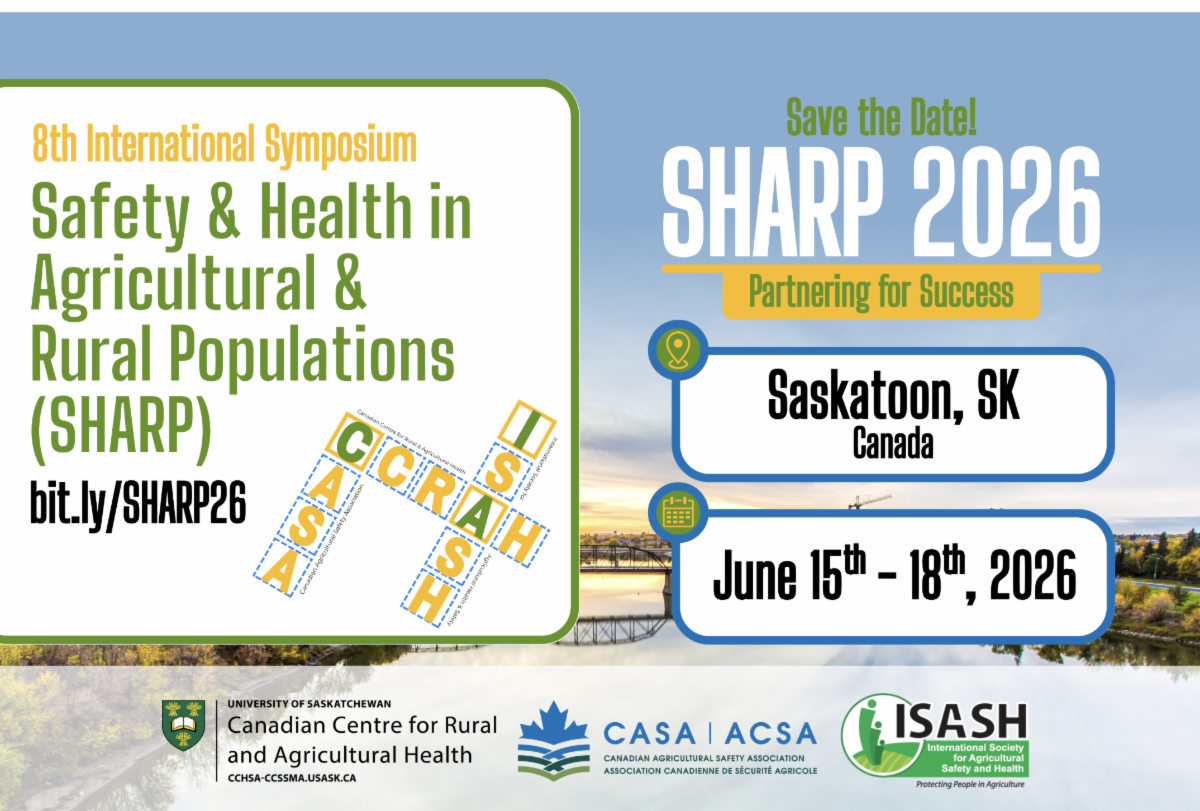
The International Society for Agricultural Safety and Health (ISASH) invites abstract submissions for the 2026 Annual Conference, to be held June 15–18, 2026, in Saskatoon, Saskatchewan, Canada. The conference is hosted by the Canadian Centre for Rural and Agricultural Health (CCRAH) in partnership with ISASH and the Canadian Agricultural Safety Association (CASA).
The deadline for abstract submissions is January 16, 2026.
| | | | |