|
HOW LONG HAVE THESE DRUGS BEEN AROUND?
The new weight loss drugs belong to a class of pharmaceuticals known as “GLP-1 agonists, or stimulators," that has revolutionized obesity treatment by offering a completely new way to address this condition. These drugs were originally developed to treat diabetes and have been studied extensively. The first such drug was approved by the FDA in the 1990s! Several others were approved as well for the treatment of type 2 diabetes in subsequent years and we participated in research studies with many of them.
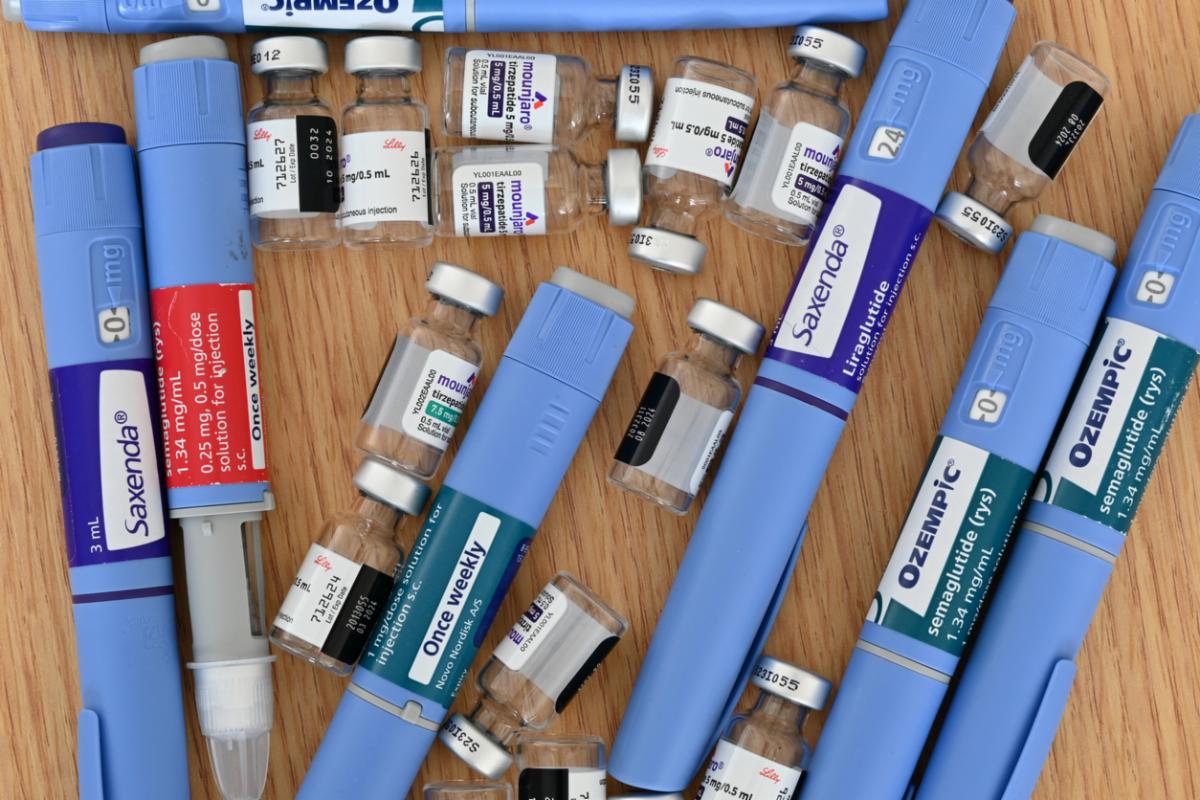
Novo Nordisk now makes the drug semaglutide, which is sold under the brand names Ozempic and Wegovy, which are injectables. Rybelsus is also semaglutide in oral form.
Eli Lilly makes and sells Mounjaro, Zepbound and Trulicity as injectable GLP-1Ras drugs. Mounjaro's and Zepbound's main active ingredient is tirzepatide, which is the drug which will be tested together with LAARA (Pramlintide) in our upcoming study. We have also been involved in clinical studies with tirzepatide for years!
WHEN/HOW DID THEY BECOME SO POPULAR?
The weight loss potential of these drugs took center stage only in the past few years, after an early clinical trial of Ozempic confirmed a surprising benefit; in addition to improved diabetes control those taking it could lose as much as 15% of their body weight. Similar reductions in body weight were later confirmed in studies using semaglutide in patients with obesity both with and without diabetes.
Obesity affects roughly 42% of U.S. adults, according to the Center for Disease Control and Prevention (CDC) estimates, a number which has been steadily on the rise for the past 2 decades and skyrocketed during and after COVID. About two-thirds of Americans say willpower, education, exercise and diet alone usually aren’t enough to lose weight and keep it off, according to a new Pew Research Center survey. Put these two facts together with viral social media coverage and deft marketing, and it should come as no surprise that this new class of drugs that helps people lose weight has soared in popularity. Clinical trial results announced at major medical meetings such as the scientific sessions of the American Heart Association and the American Diabetes Association have confirmed the impressive effects these drugs have on weight reduction, reduction in HA1C, reversal and prevention of diabetes and CVD and other disease states both in people with and without diabetes, so the potential market is huge.
Demand has skyrocketed with the combined sales of Ozempic, Rybelsus and Wegovy making up nearly two-thirds of Novo Nordisk's entire revenue last year, with the drugs' combined sales 89% higher than in 2022. In 2023, 71% of semaglutide revenues came from the U.S.
When these drugs are "off-label" (i.e. prescribed for weight loss in patients who don’t meet insurance criteria for coverage), they are usually not covered by insurance, and can be prohibitively expensive, running as much as $1,000 per month and making them too costly for many people who could benefit from them.
HOW DO THEY WORK?
Wegovy, Rybelsus and Ozempic (manufactured by Novo Nordisk) contain the compound semaglutide, which stimulates levels of the body’s hormone GLP-1. GLP-1 receptor agonists improve glycemic control and stimulate satiety (a sense of fullness), leading to reductions in food intake and body weight. They work by slowing down gastric and bowel activity, by directly reducing the appetite centers in the brain, by stimulating insulin production by the pancreas after eating and by reducing the liver’s breakdown of stored glucose (glycogen) into glucose. This makes people feel full faster, and for longer. Mounjaro and Zepbound (manufactured by Eli Lilly) work similarly, but they use tirzepatide which stimulates both GLP-1 and a second similar gut hormone, GIP. It may have even greater weight loss potency. Other similar drugs are in development.
It's important to consult with a healthcare professional to discuss if these drugs are right for you. They can assess your individual needs, weigh the potential benefits and risks, and provide personalized guidance. There are certain conditions which pose increased risks for patients to use these drugs, and these must be carefully reviewed before prescribing or using. Or if you decide to participate in a clinical drug trial you will get this very careful assessment, education and monitoring and collection of your data.
SIDE EFFECTS
Common side effects include nausea, vomiting, diarrhea and constipation, which often improve over time. More serious effects, such as pancreatitis and thyroid problems, are very rare but these and other complications can occur. Patients should consult health professionals about symptoms and be monitored carefully.
|