|
Europe 2023
September 23 & 24
SINSHEIM
| |
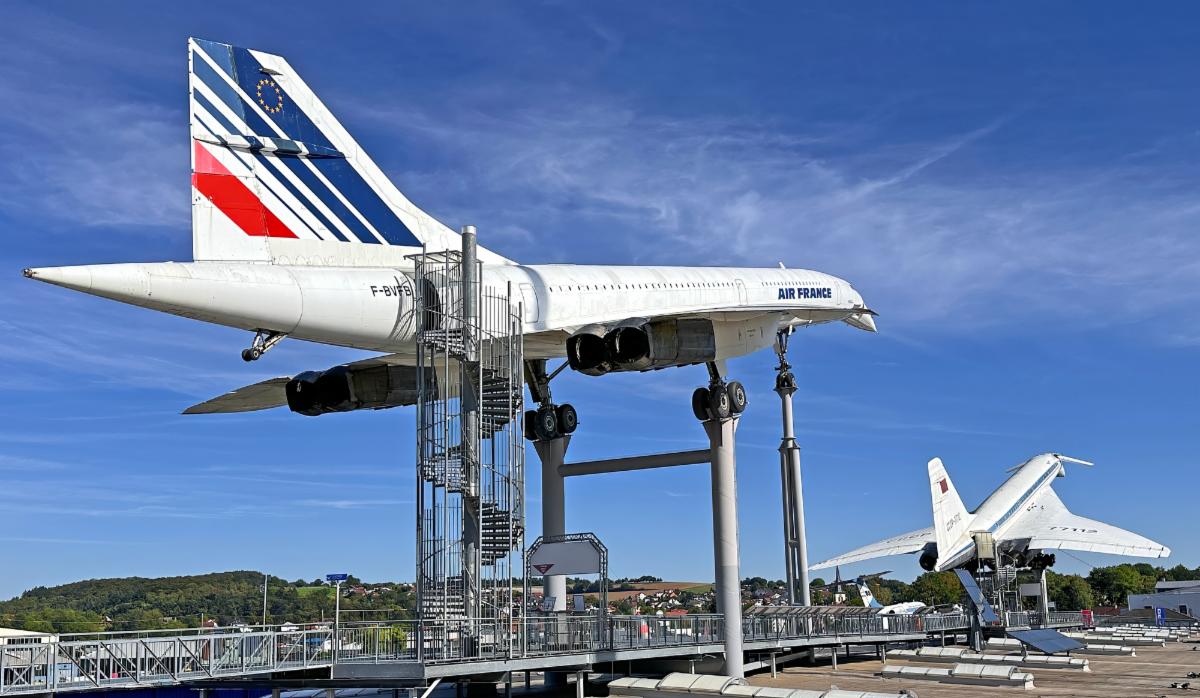
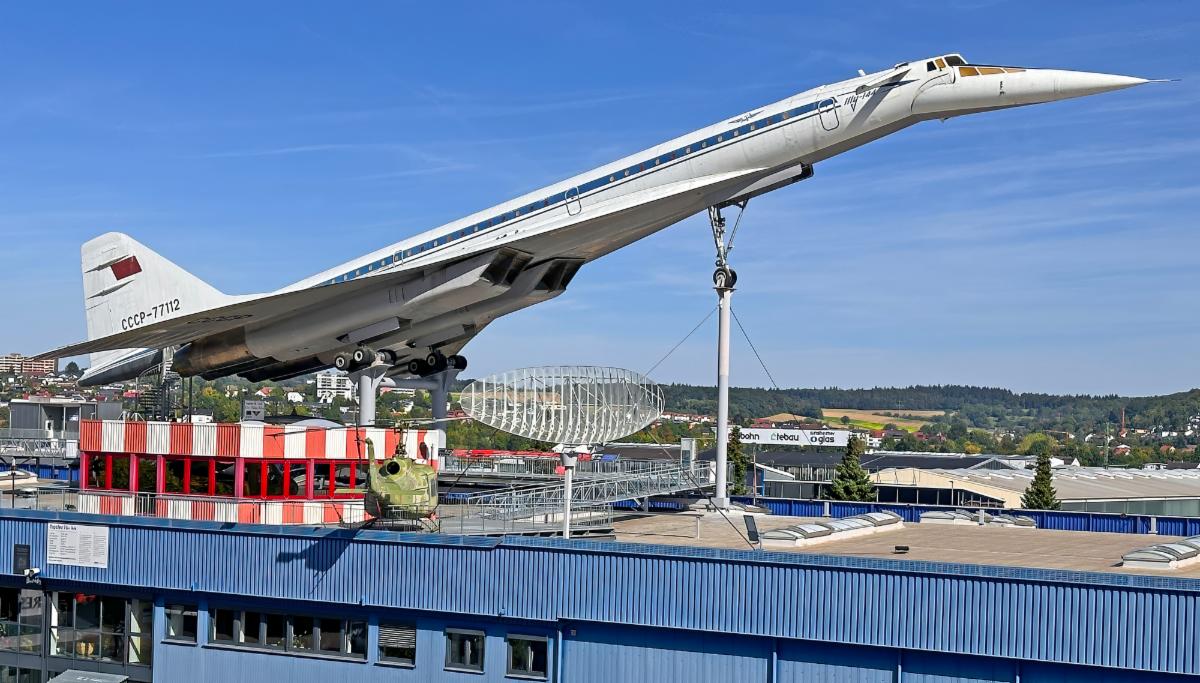
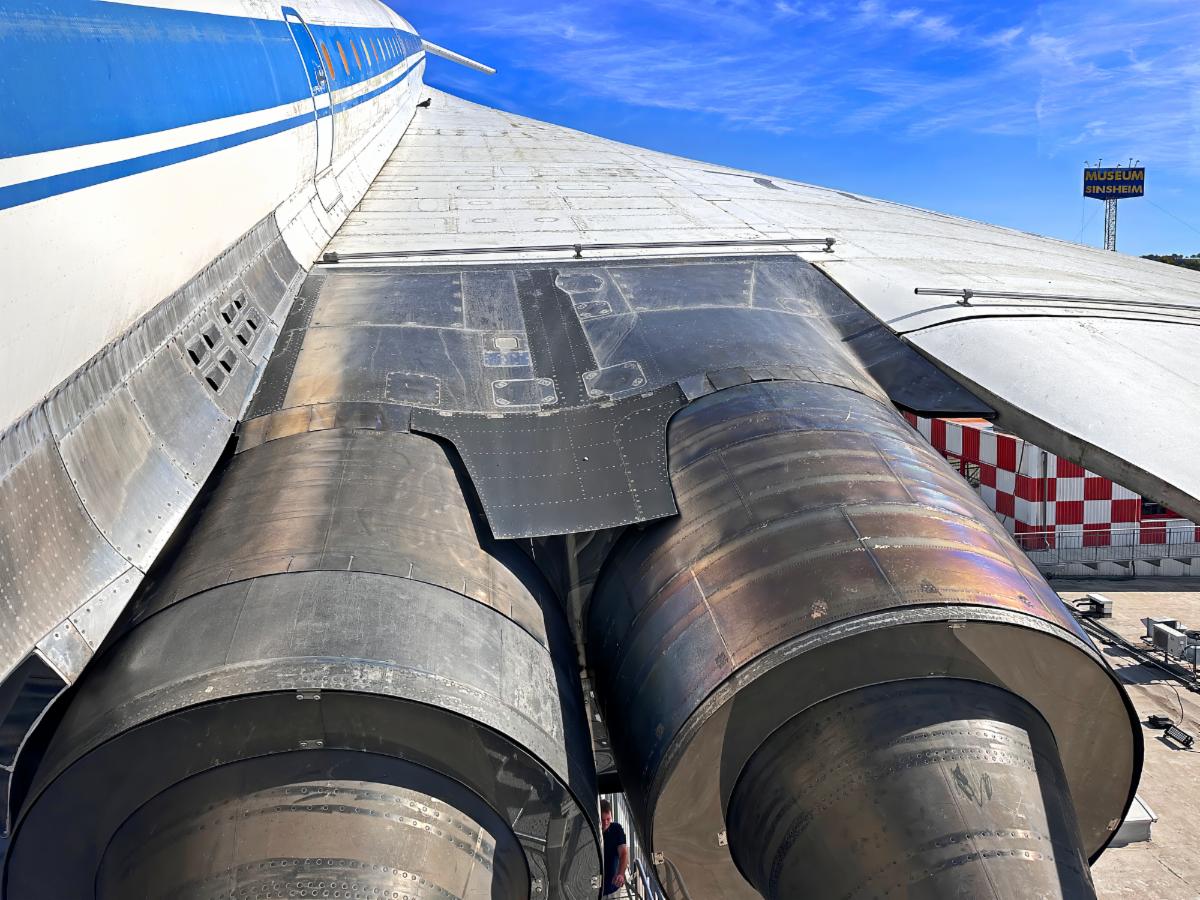
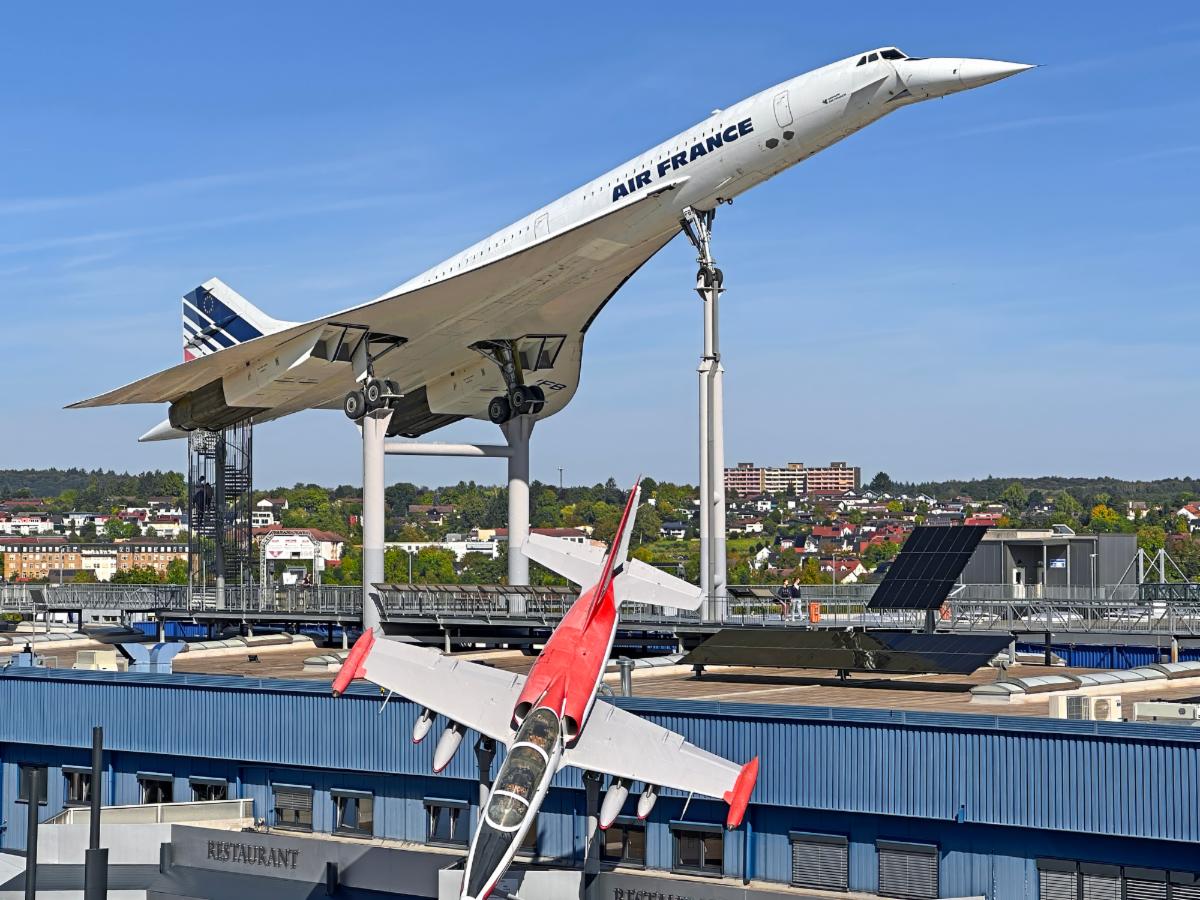
The Sinsheim Technik Museum displayed both the Concord SST and the Soviet TU-144 SST . SST stands for Super Sonic Transport. These were airliners that flew at Mach 2 (around 1,400 mph). | |
|
SUNDAY, SEPTEMBER 24, 2023
WHEELS UP DAY - AGAIN
Sunday is the best day to drive. Trucks are not allowed to run on Sundays. During the rest of the week, the truck traffic is brutal on the autobahns despite all the freight trains constantly crisscrossing Germany. According to Heinrich, this is because Germany is in the middle of Europe. All European east-west traffic goes through Germany. Consequently, Heinrich likes to start RV trips on Sundays.
Hienrich’s leg is somewhat better. My eyesight is spectacular. It is roadtime - again. We took off for Sinsheim around 3 p.m. It was a 3-hour drive. The traffic was light, but I have one quibble with the autobahns. They are spectacular, and you can drive 100 mph if you want, at least in some stretches. However, you can’t drive 20 miles without coming across a construction zone. With today’s light traffic, that is OK. For the rest of the week, these construction zones create gridlock.
Simsheim has an excellent city RV park. For €12 a night, they provide clean parking, a grey and black water dump, a water station, and modern toilets and showers. Electricity is €5 extra. A shower costs an extra €.30 per minute. It is worth it as the shower room is gorgeous, roomy, and heated. Wanda and I luxuriated in the showered together for €1.45.
Once settled in, the first order of business was to scope out the busbahnholf (bus and train station). We came to Sinsheim to tour the renowned Technik Museum. The museum is two kilometers from the RV park, too far for Heinrich to walk. The busbahnholf is just around the corner. It took Wanda and me about 30 minutes to figure out that two trains (S5 & S42) and one bus (675) go to the museum. That was it for the day.
| 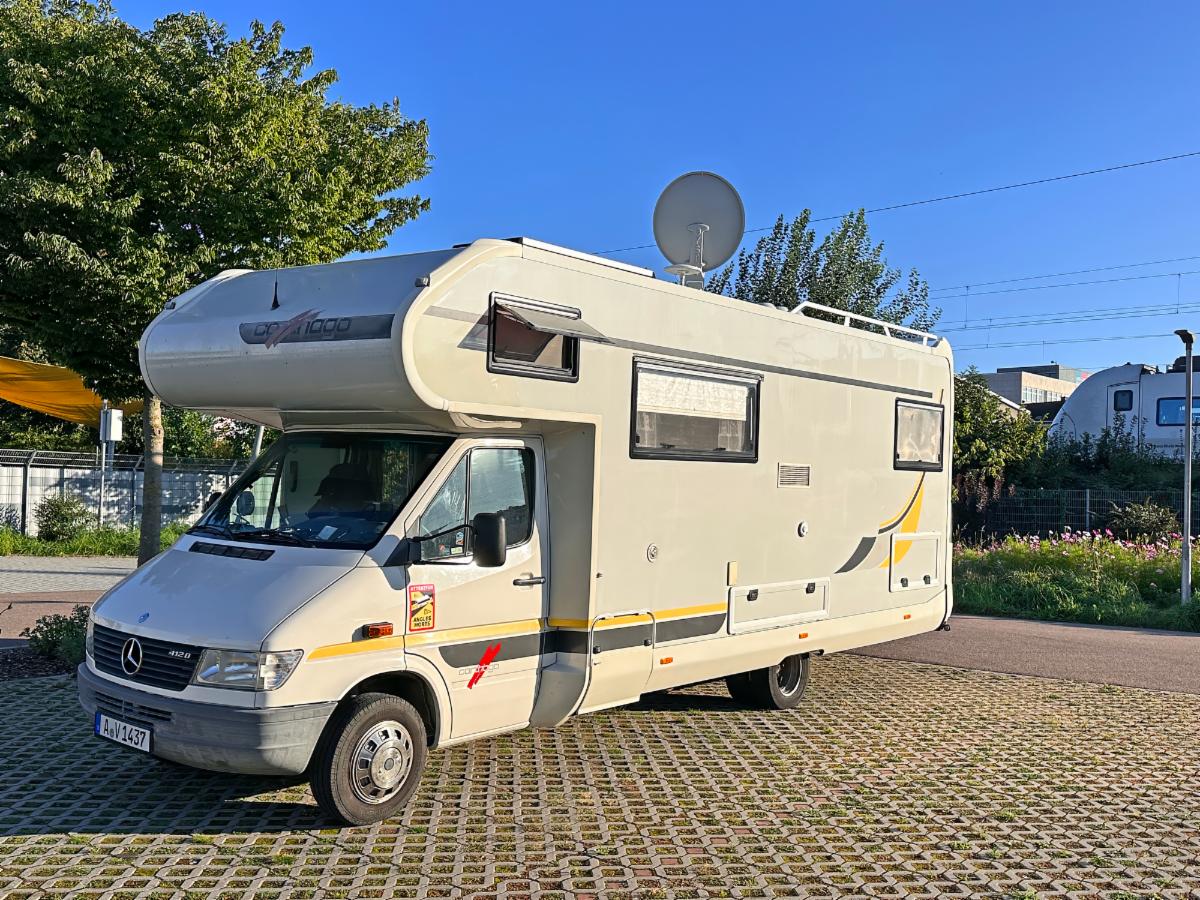 | The city RV park was a 1st class operation. It had all the services needed at an affordable price, plus it was just one block from the combined central bus and train station. | |
MONDAY, SEPTEMBER 25, 2023
SINSHEIM - TECHNIK MUSEUM
Wow, what a great museum! The big draw is the two actual supersonic air transports on display - the Soviet Tupolev-144 and the European Concord. Both of these marvels can be toured.
The Tu-144 made its first flight on December 31, 1968, but didn’t go into passenger service until November 1, 1977. It held 140 passengers and flew at 1,429 mph (Mach 2.15). Due to serious reliability issues, including a fatal crash at the 1973 Paris Airshow, the Tu-144 was retired as a passenger air carrier in 1978 after only 55 flights. It carried cargo a bit longer and then was used as a flying laboratory for cosmonauts.
The Concord had a far better record. It went into commercial service on January 21, 1976. Cruising speed was 1,354 mph (Mach 2.04), a little slower than the Tu-144, but it didn’t need afterburners to achieve that speed, making it far more efficient and quieter. Due to a variety of configurations, it held 92 to 120 passengers. Even at $12,000 for a roundtrip ticket, the Concord never reached profitability, but it could fly from London or Paris to New York in 3 1/2 hours. You could celebrate New Year's in Paris or London and repeat it in New York.
Concord’s demise began on July 25, 2000, when a freak accident caused the crash of Concord Flight 4590, taking off from Paris. A tire blew after hitting a large metal engine part from a Continental DC-10 left on the runway. A chunk of the blown-out tire cut into the fuel tank in the wing.
The remaining Concords were grounded until November 2001, when flights resumed for another two years before being permanently ceased.
So, what did I think of the two planes after a walk-through? They were impressive machines. They both looked suspiciously alike. In fact, conspiracy theories claimed that the Soviets ripped off much of the Concord, so much so that the Tu-144 was nicknamed the Concordski.
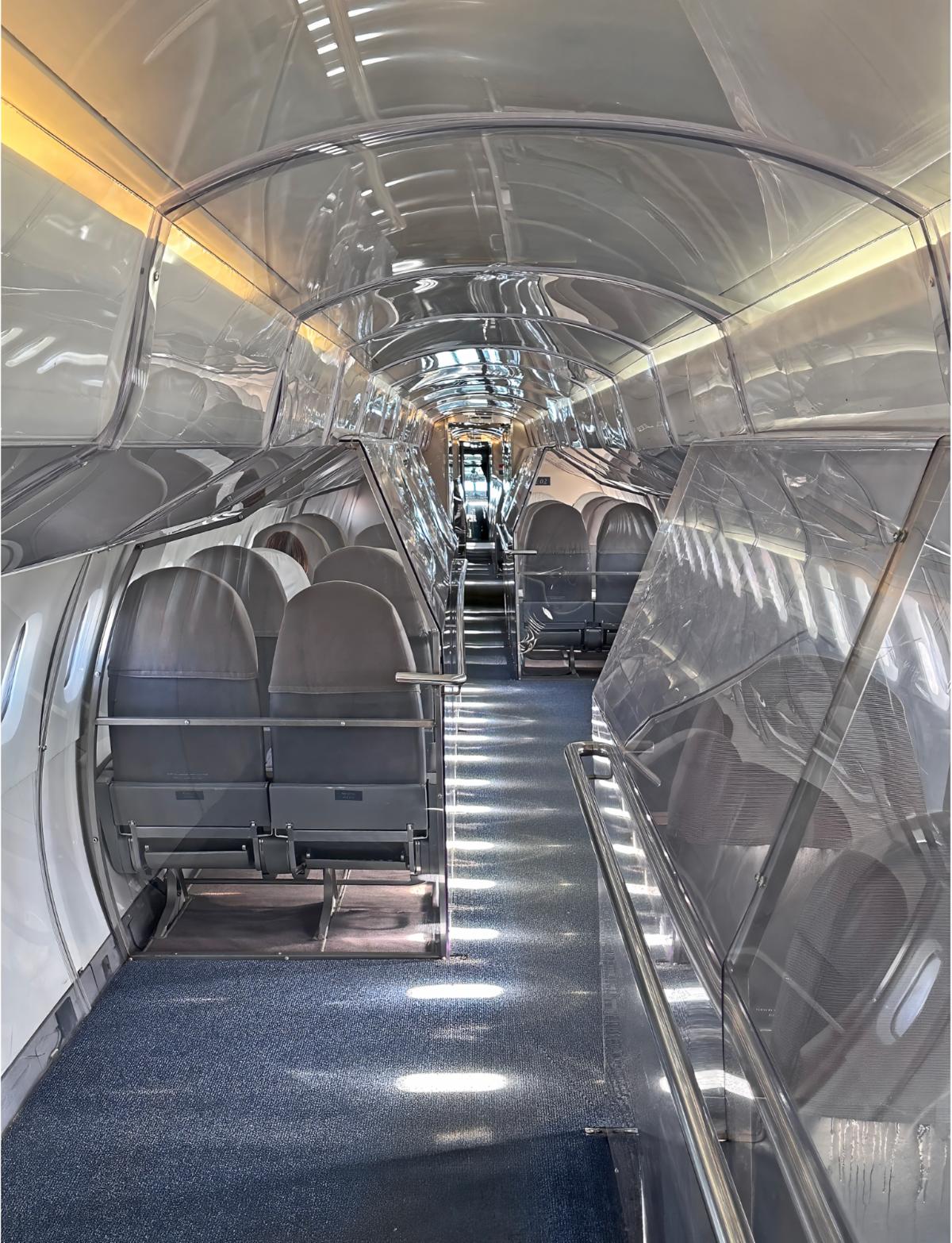
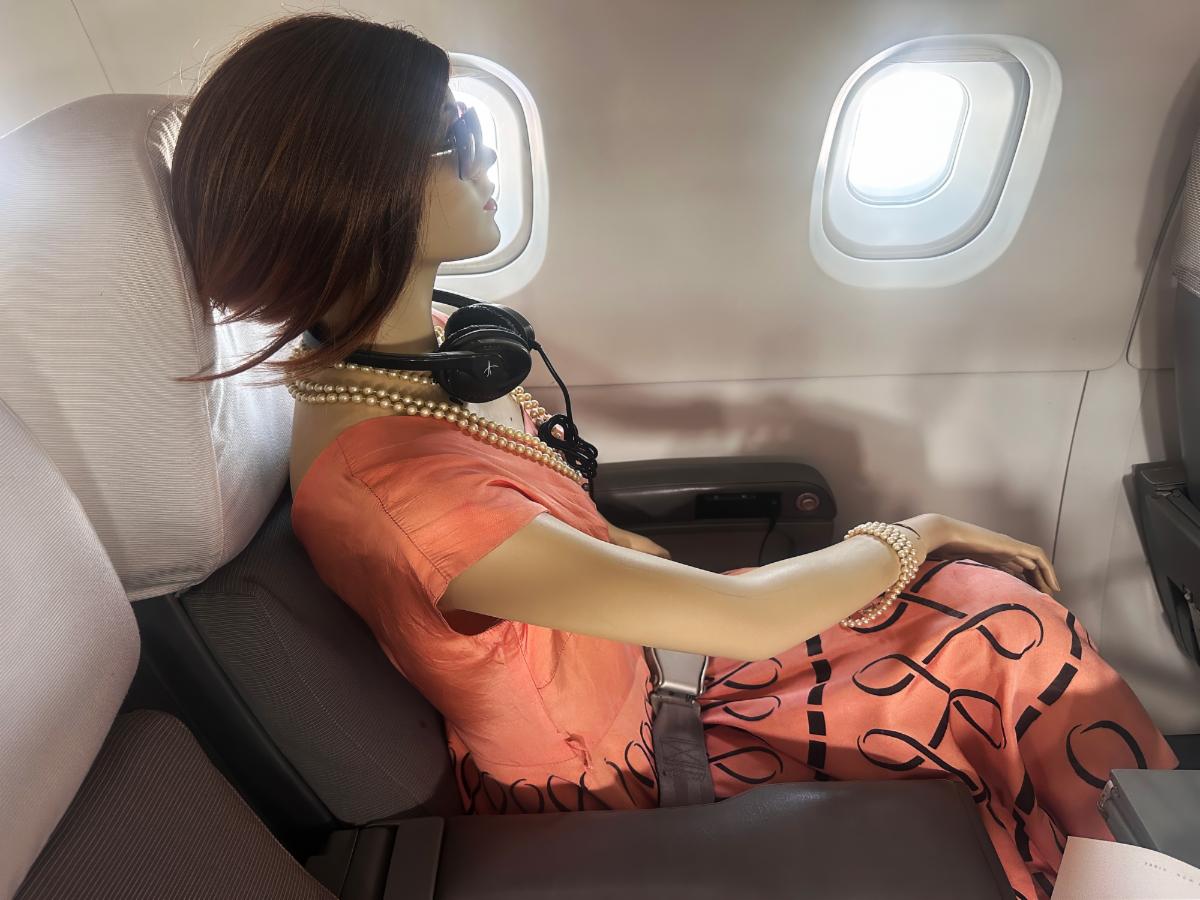
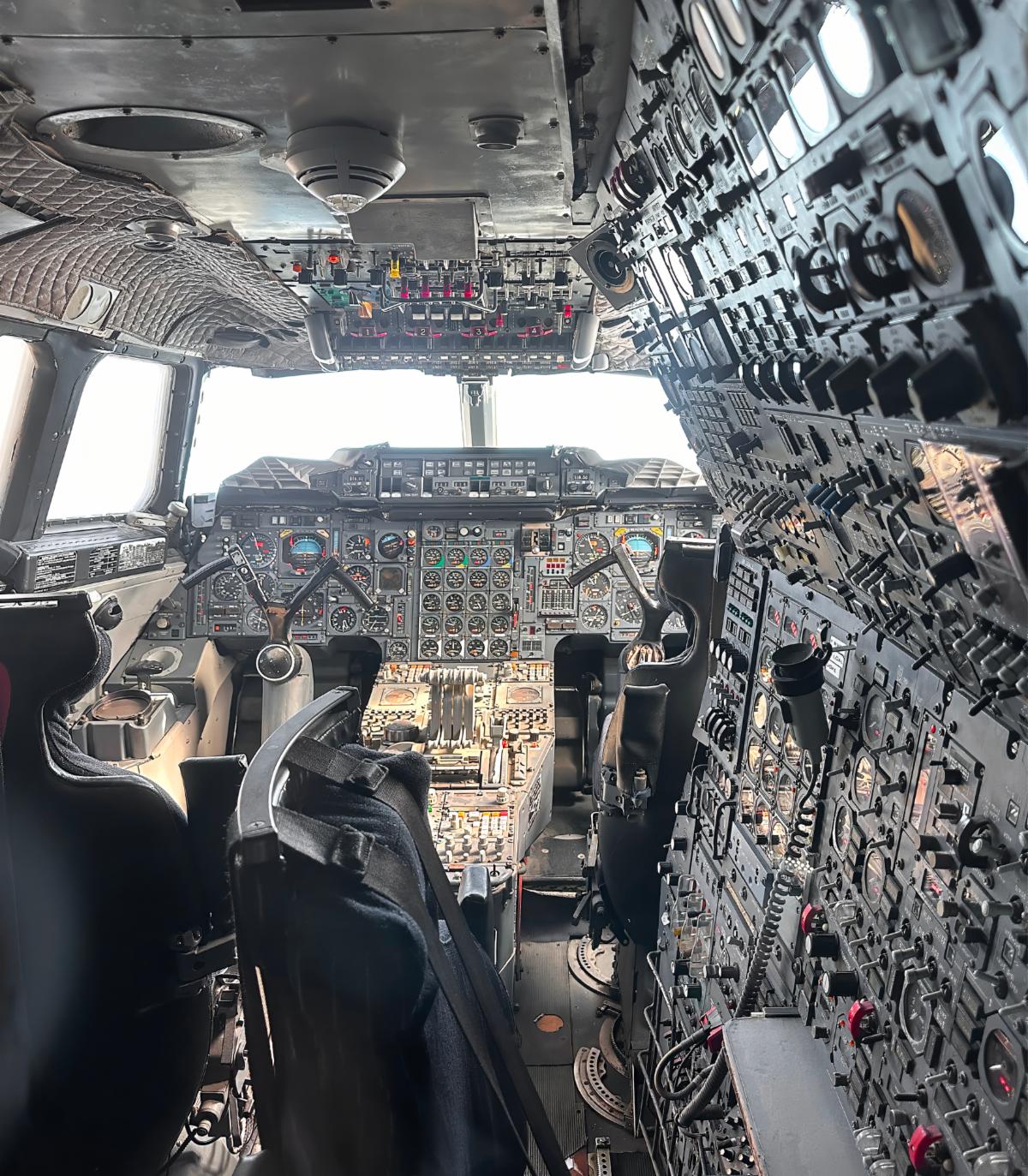
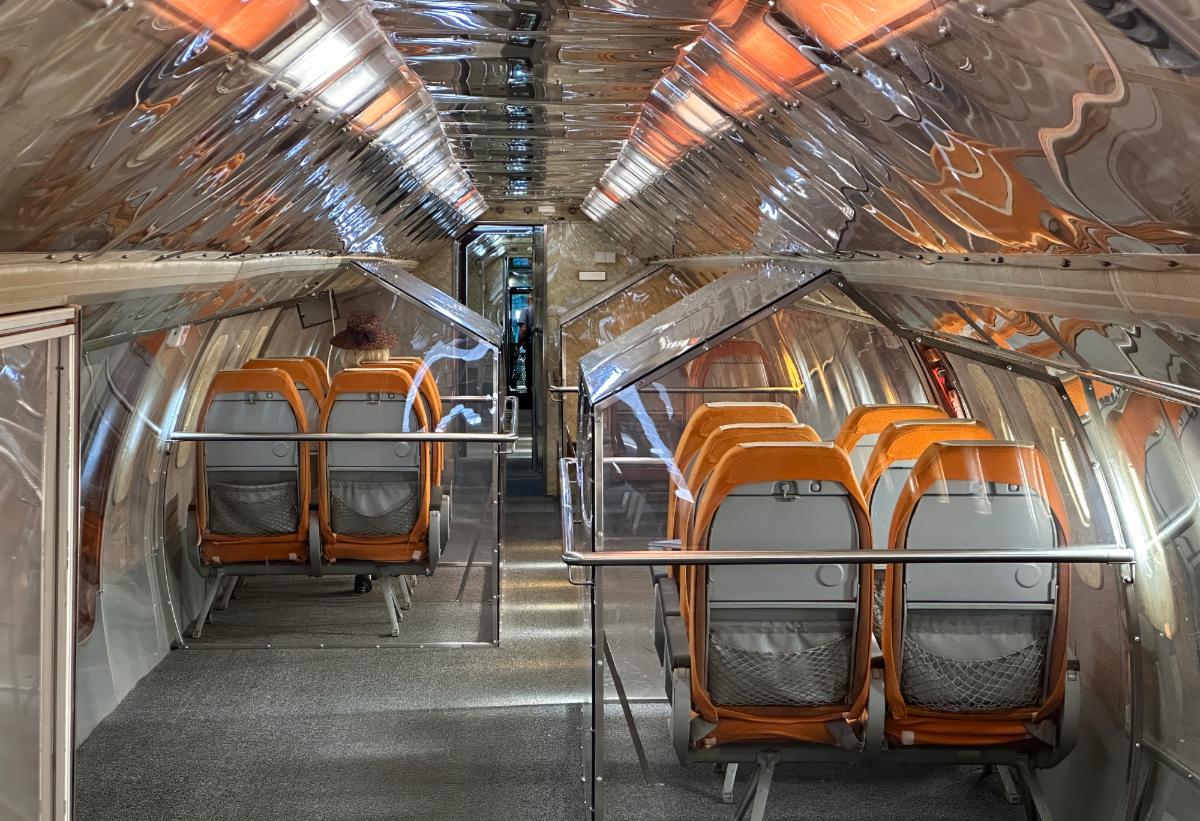
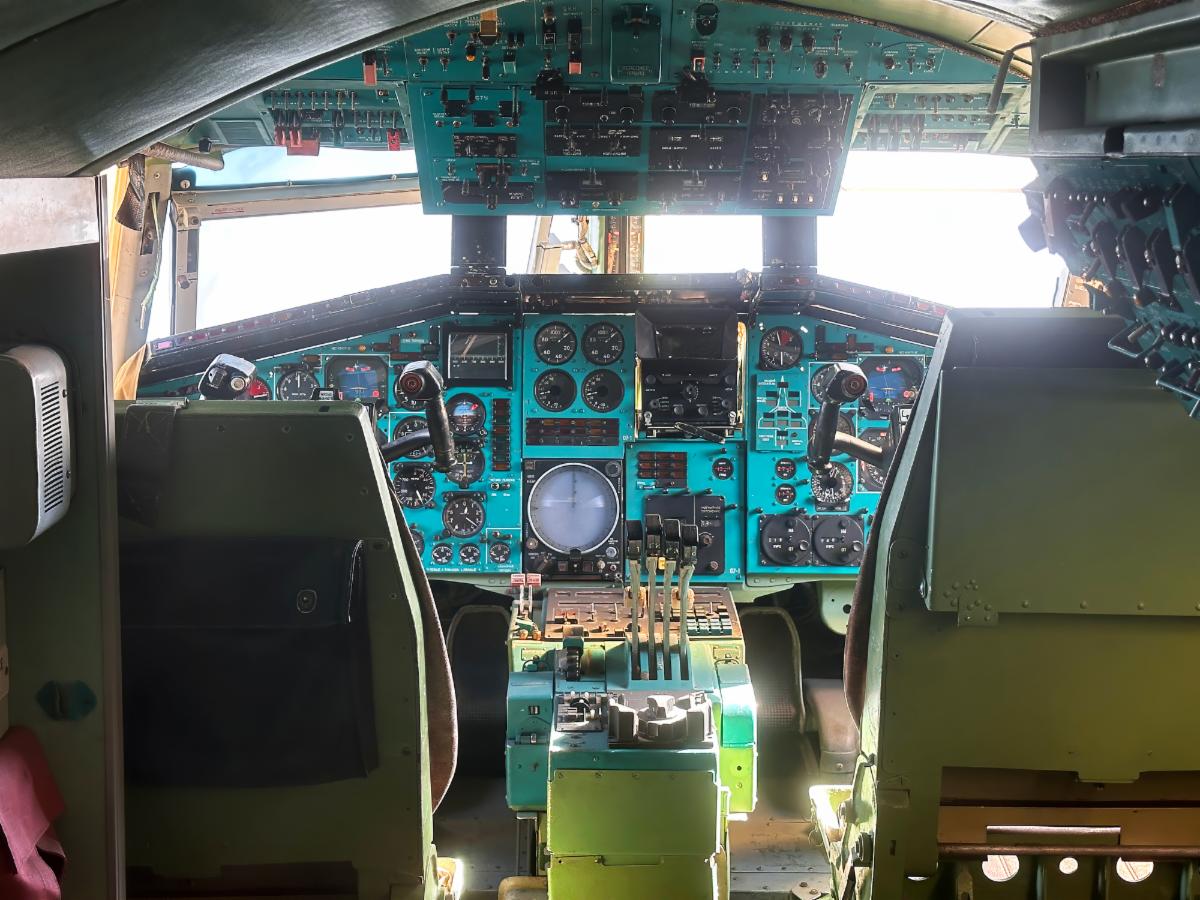
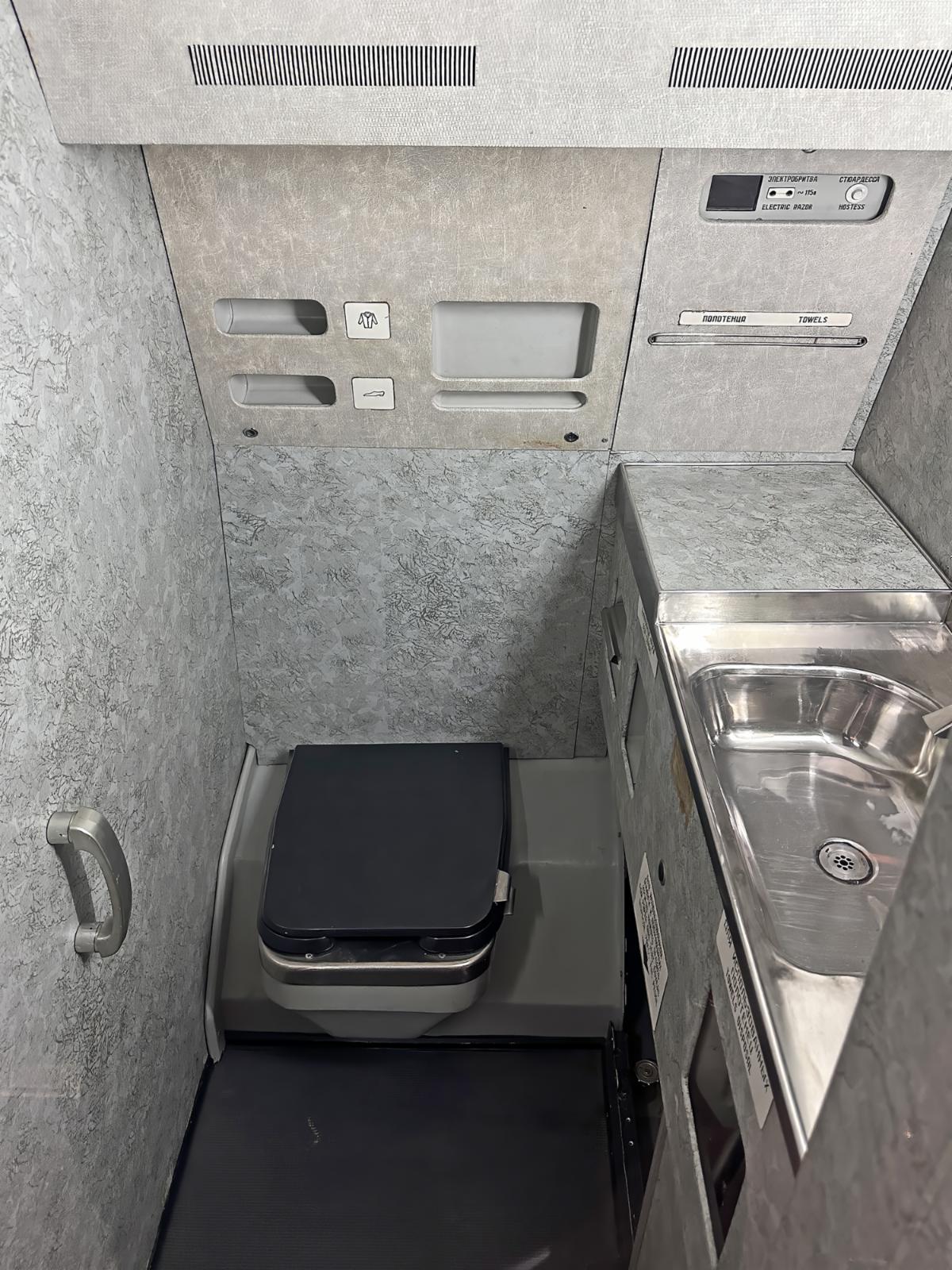
After seeing the beautiful lines of the exteriors of both planes, I was dumbfounded by how cramped the interior was. The middle aisle was little more than a foot wide. The cabin crammed four seats per row, and I mean crammed. There didn’t seem to be any overhead bins. The Concord had two tiny baggage compartments, and it could only handle one modest-sized checked bag per passenger. I guess if you can afford the ticket, you can afford to buy new clothes in Paris, London, or New York. The cockpit of the Tu-144 looked very primitive compared to the Concord.
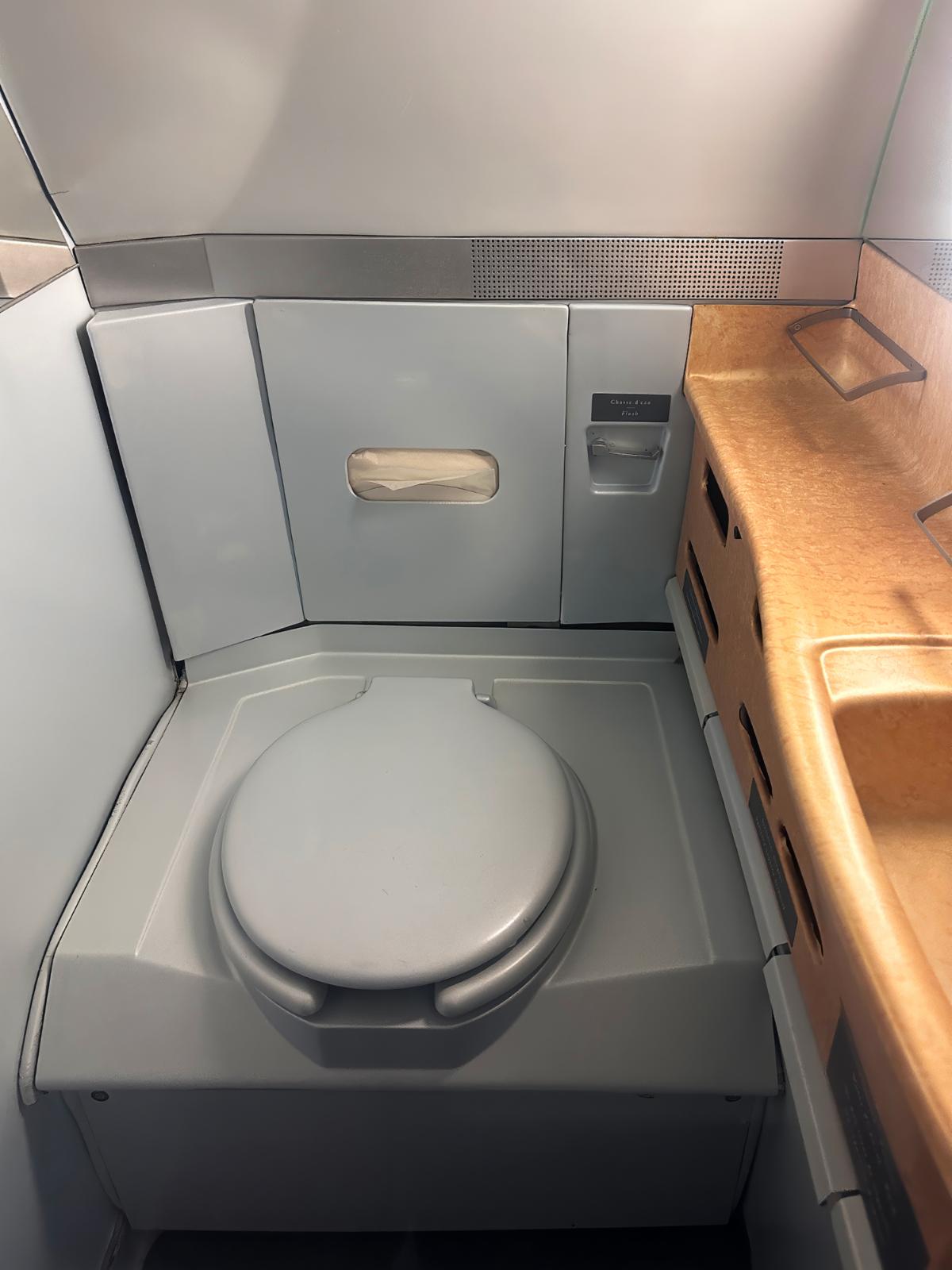
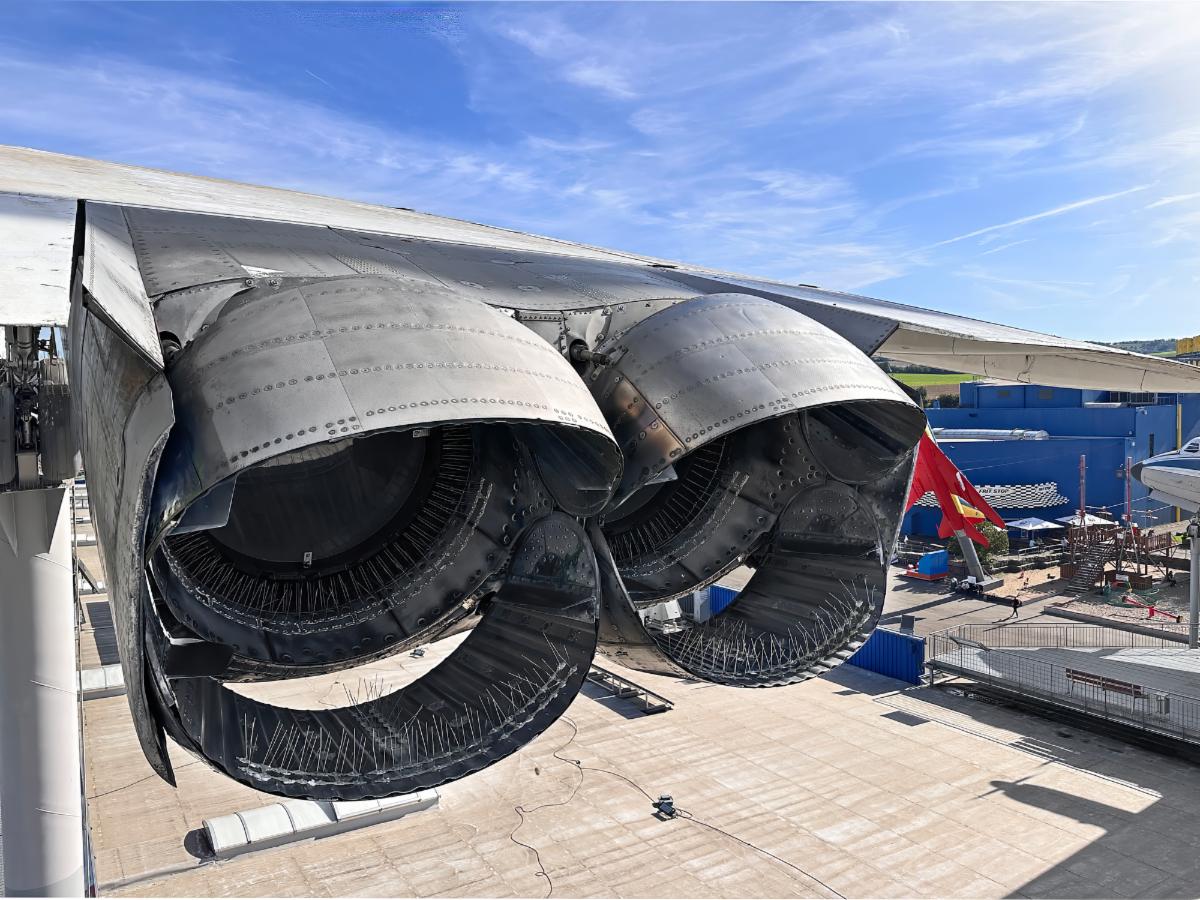
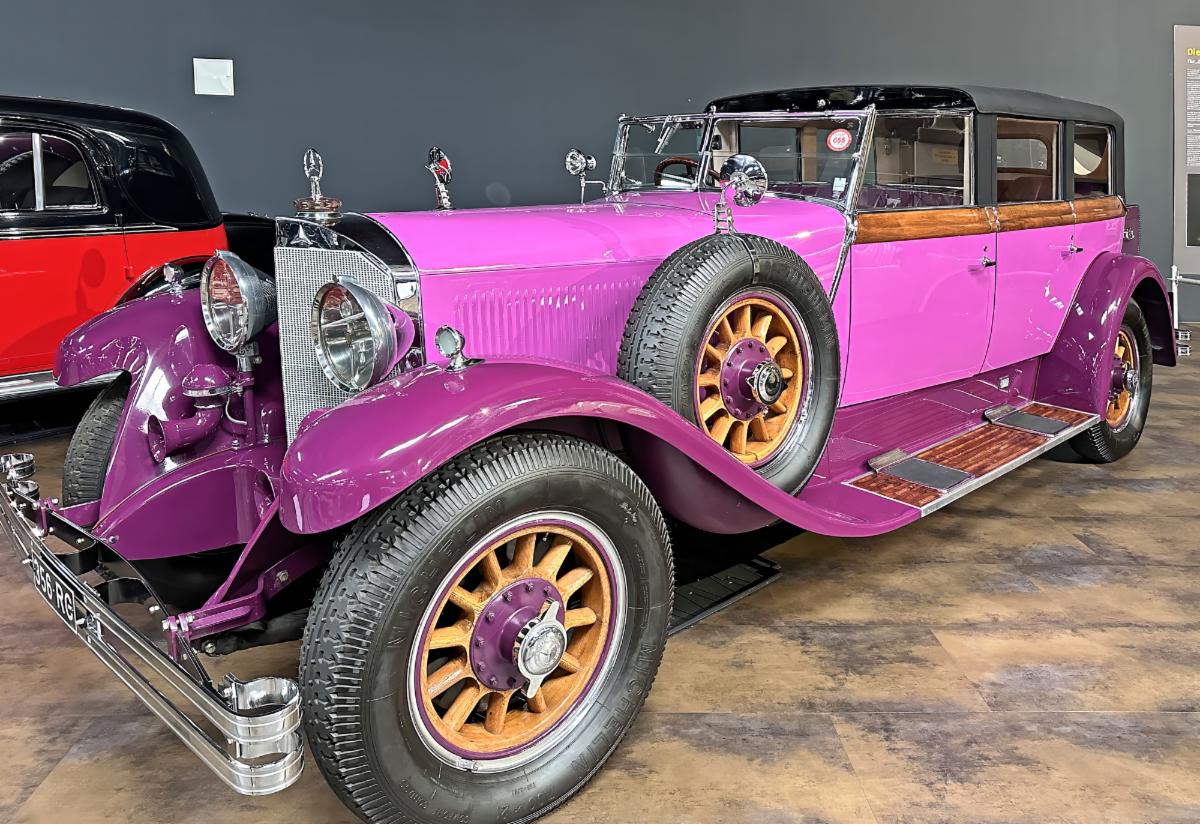
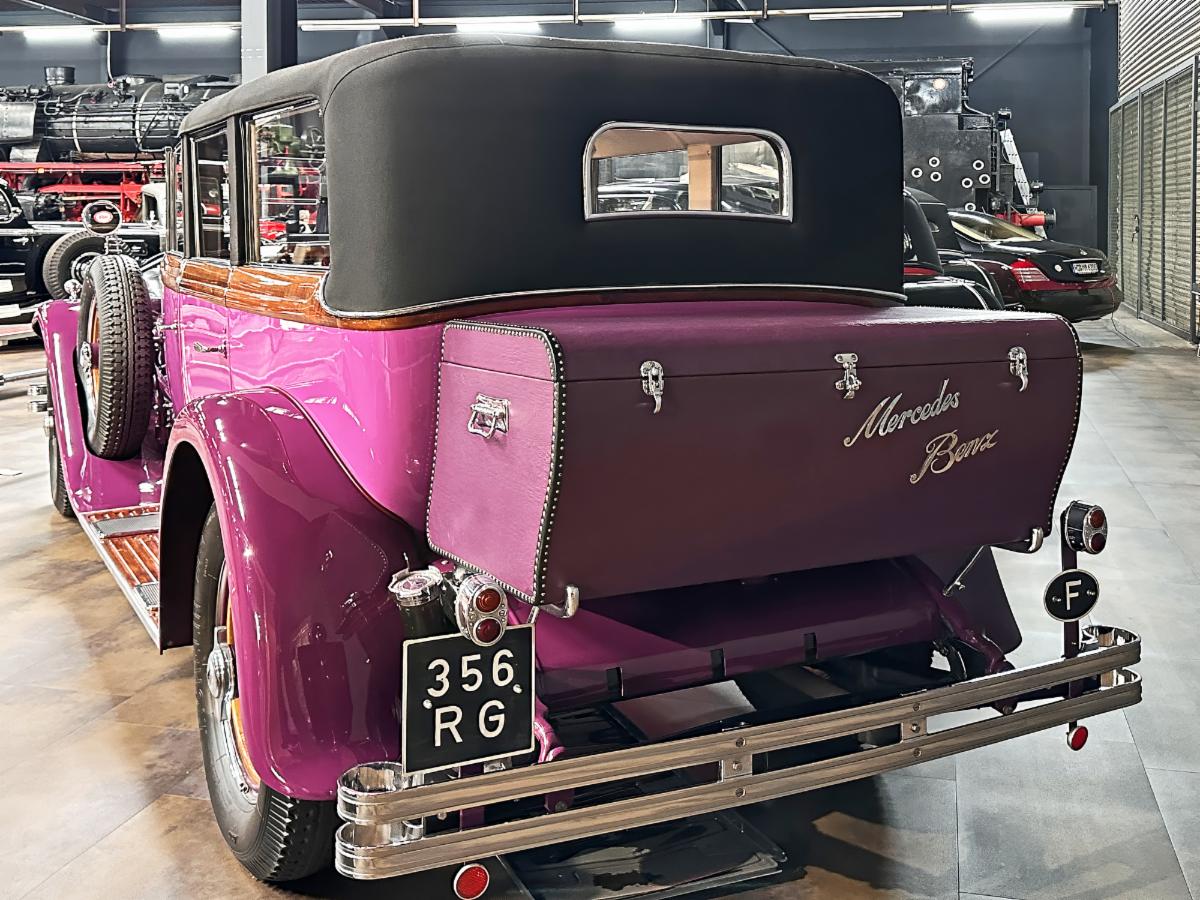
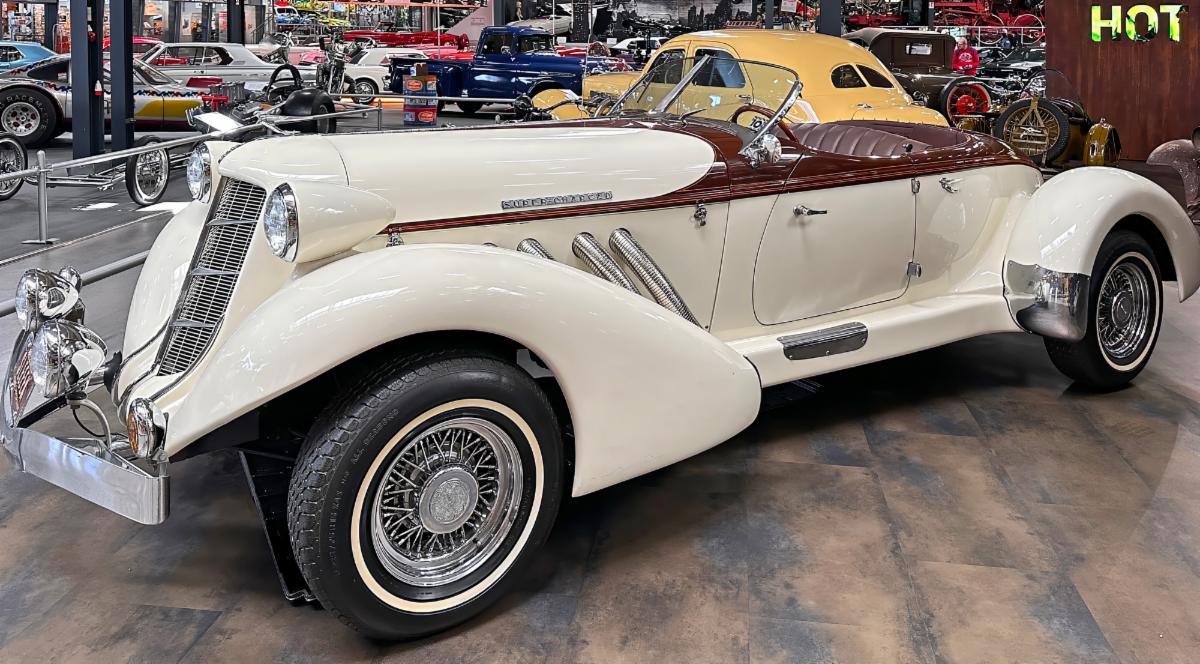
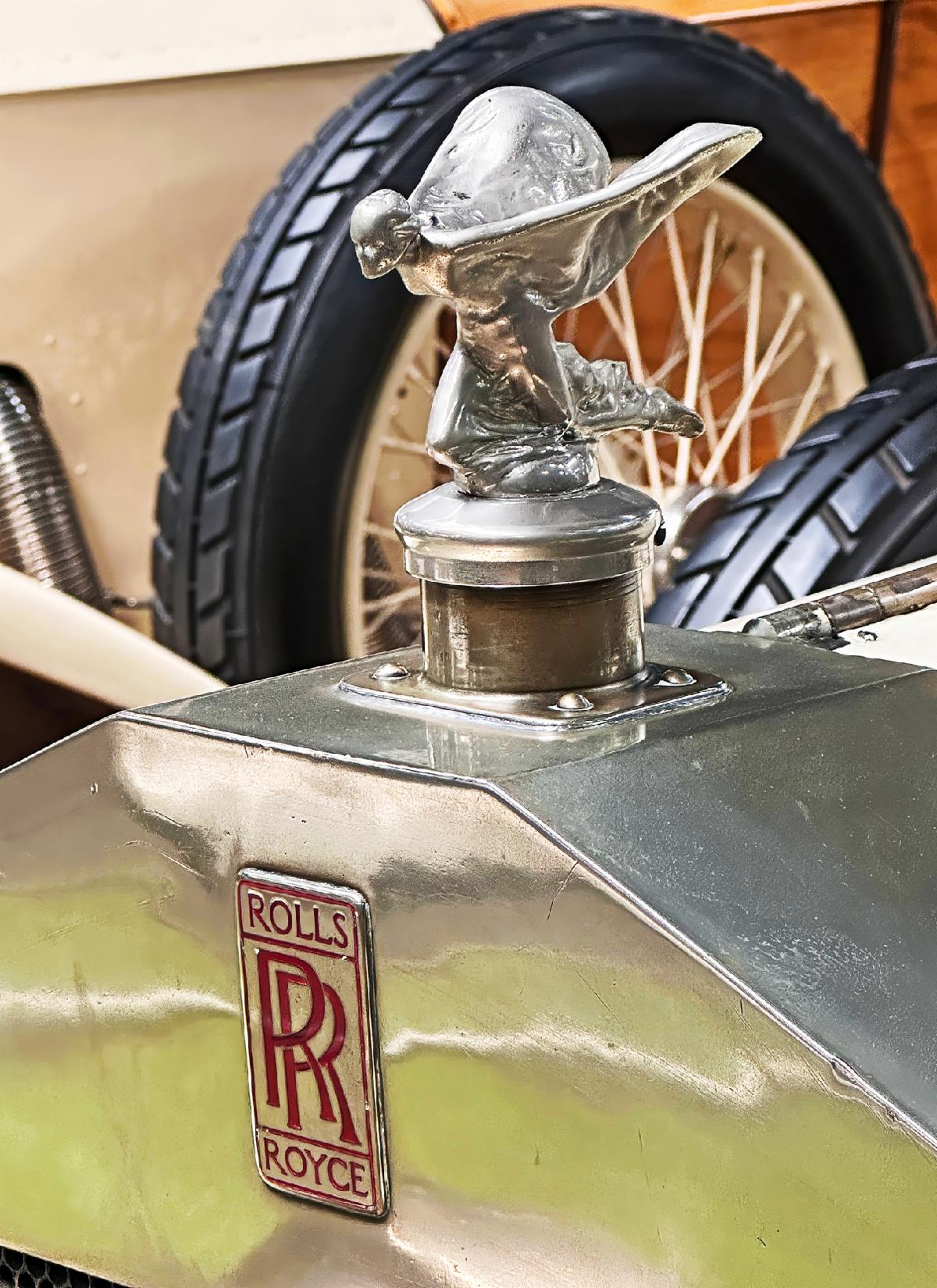
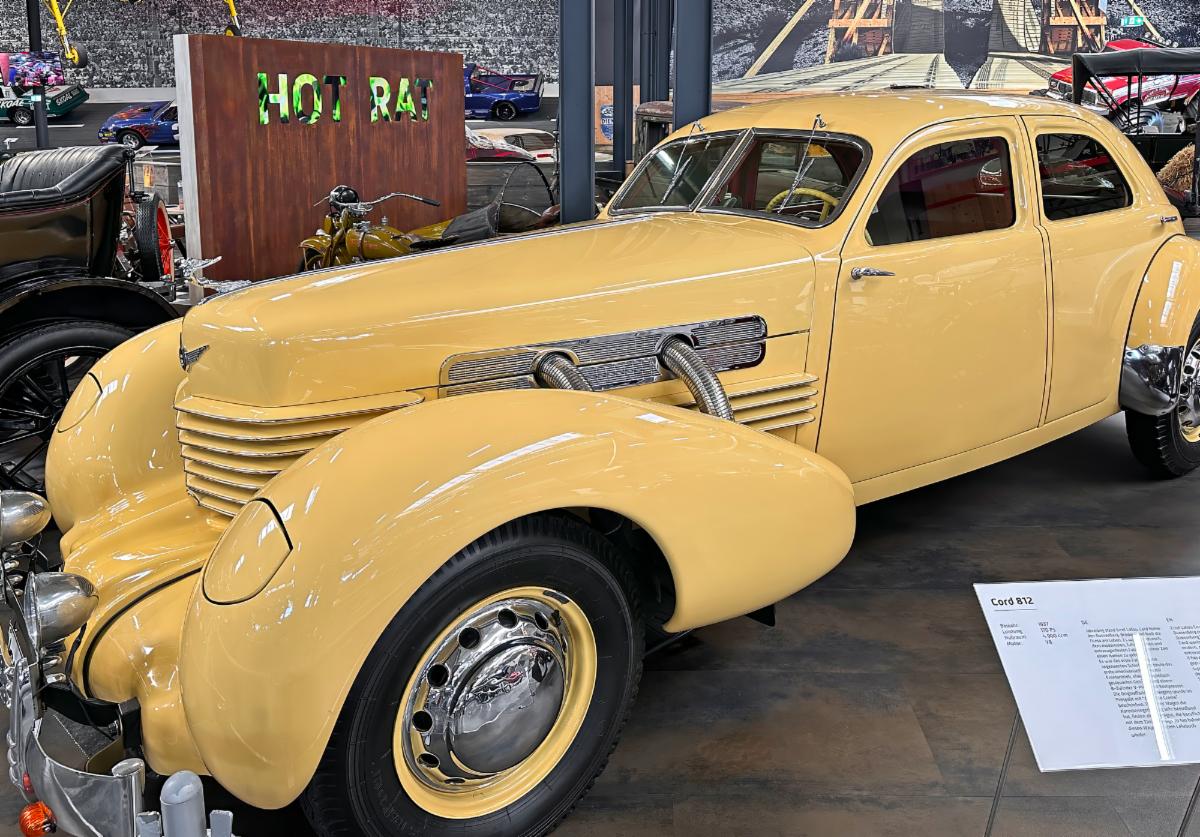
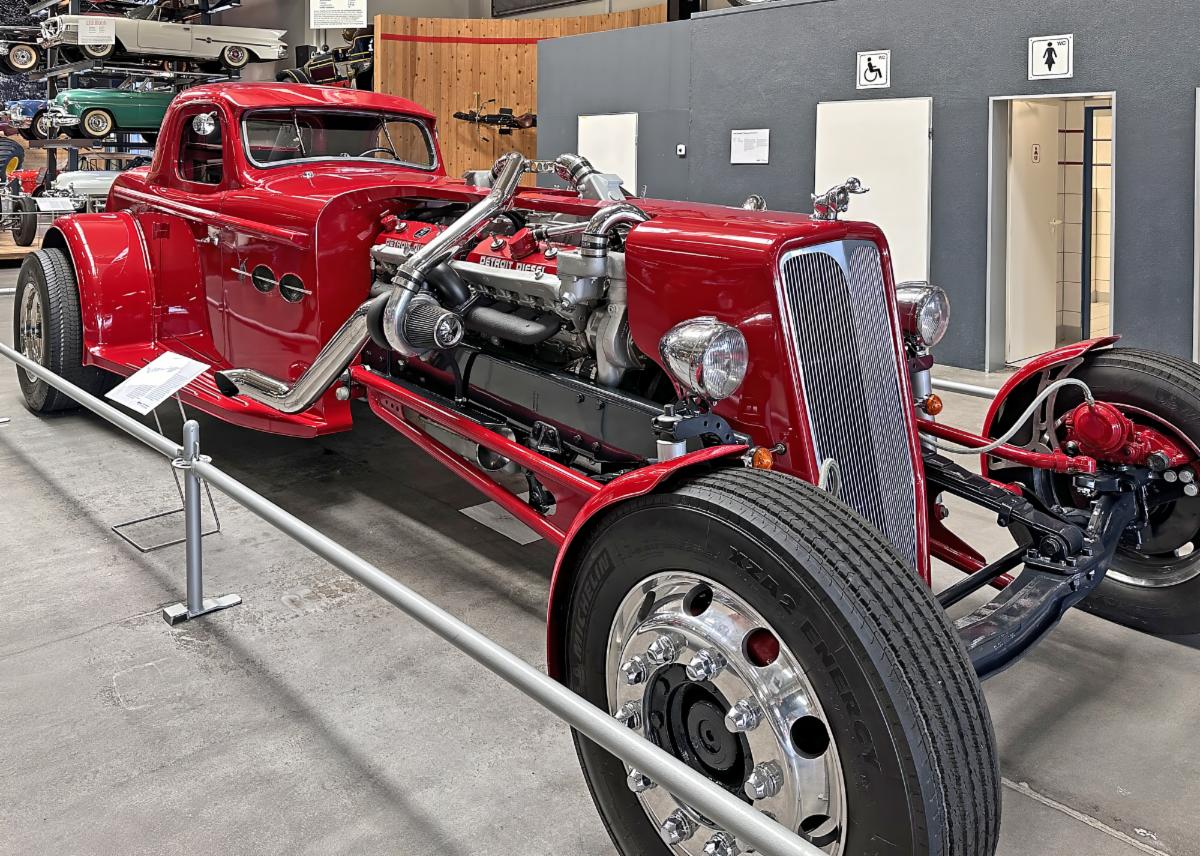
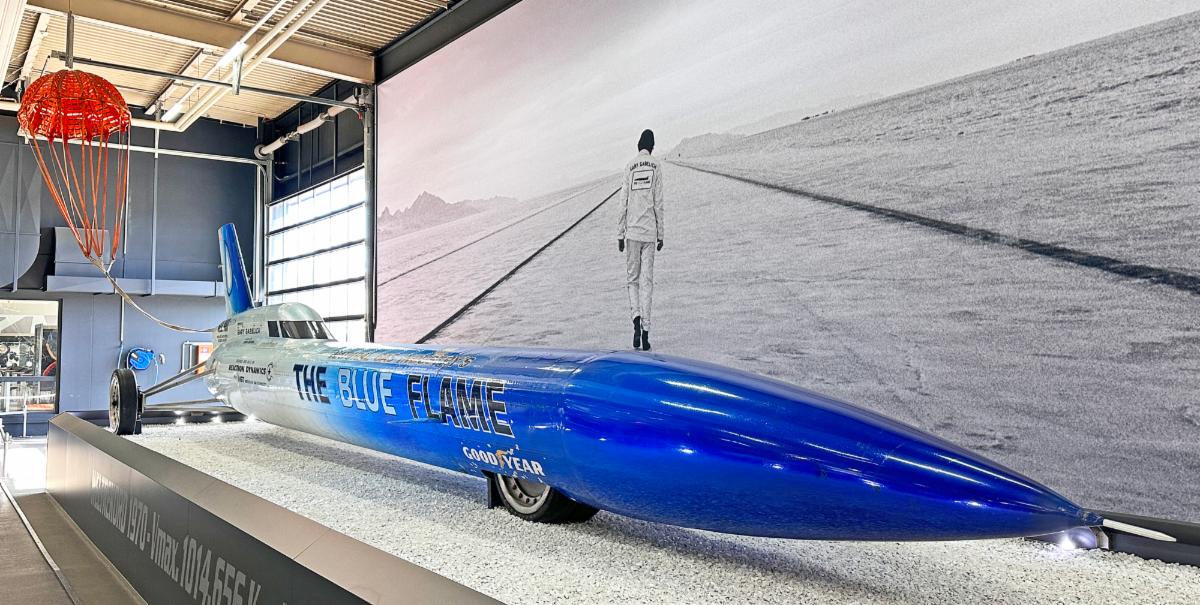
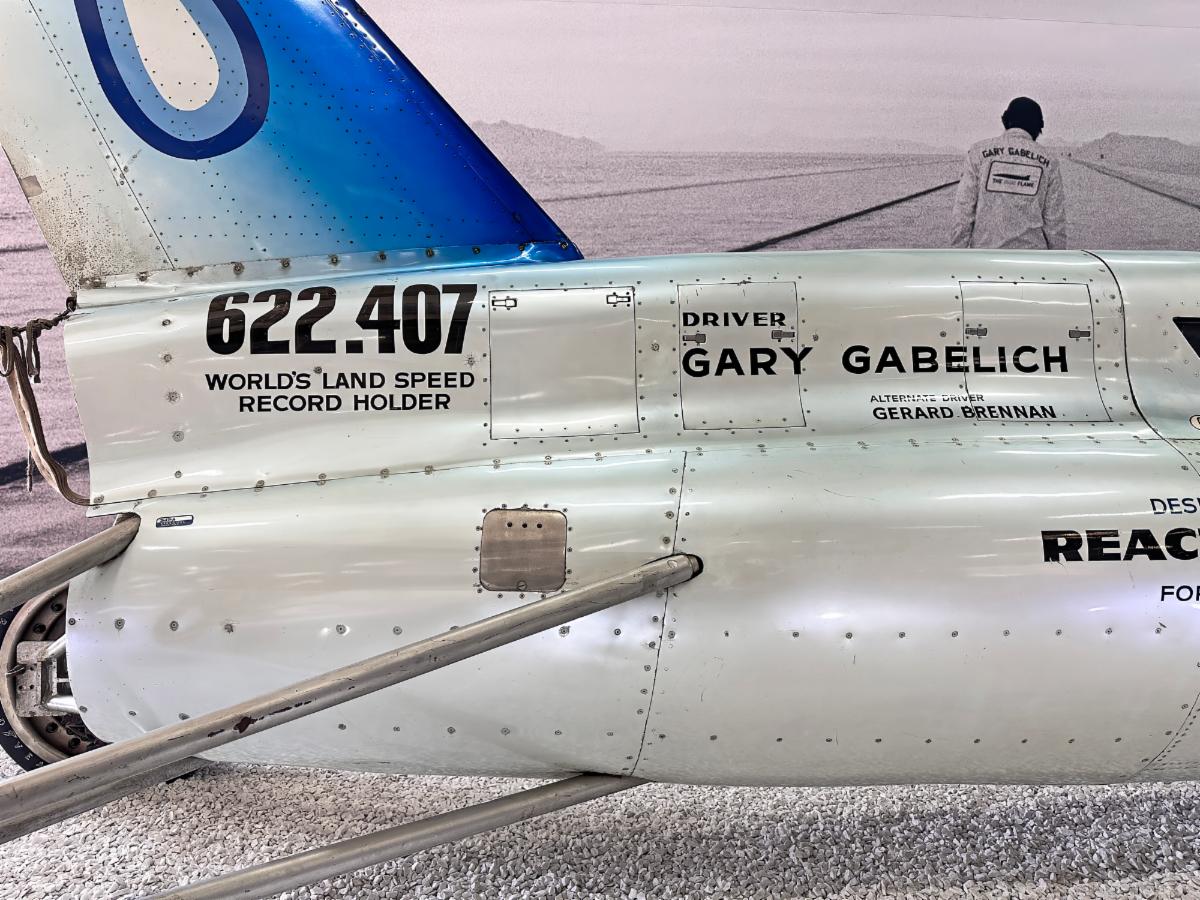
|  | Every other bank of seats was removed so we could more easily walk from one end of the plane to another. Imagine how narrow the center aisle would be if all the seats were installed. | A thin manikin shows the amount of room she has on the Concord. For us economy-class passengers, this looks familiar. | An impressive cockpit. Our Piper Cherokee 140 had 1/1000th of the dials, switches, and buttons this baby has. | The business end of the Concord's engines. | The Soviet Tu-144 SST. It looks surprisingly like the Concord. | The Soviet Tu-144 was nearly as cramped. | Is it me, or is this cockpit far less sophisticated than the Concord? It almost looks like our Piper Cherokee 140 cockpit, except we only had one throttle, while this has four. | It is difficult to tell from the angle of this photo, but the toilet seat is very, very low to the floor. | The Technik Museum had oodles more to offer than these two mammoth exhibits. My favorite displays were the cars and motorcycles, all in mint condition, from the first car ever built, a Karl Benz 1885 model, to modern Formula One race cars. They even had the Blue Flame, the rocket car that holds the world speed record of 622.407 mph. | 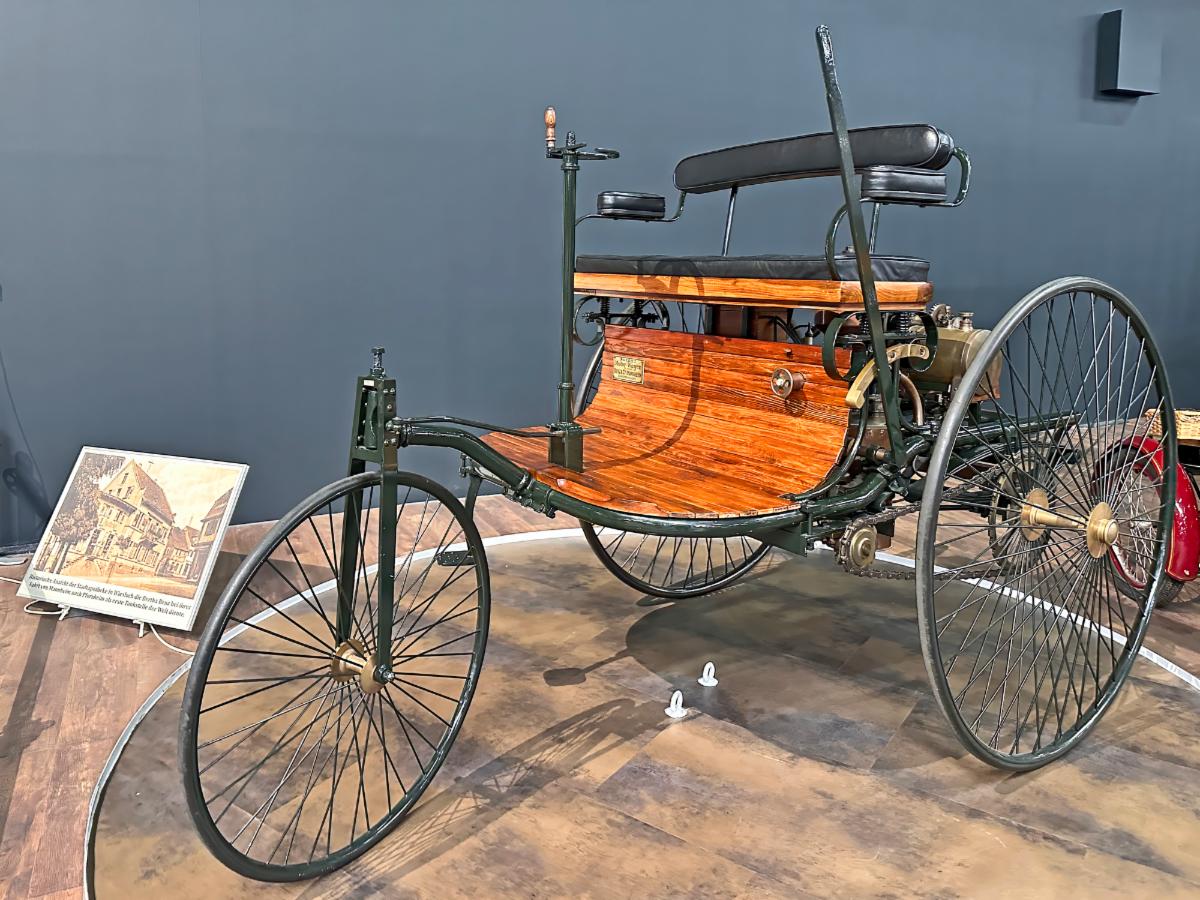 | |
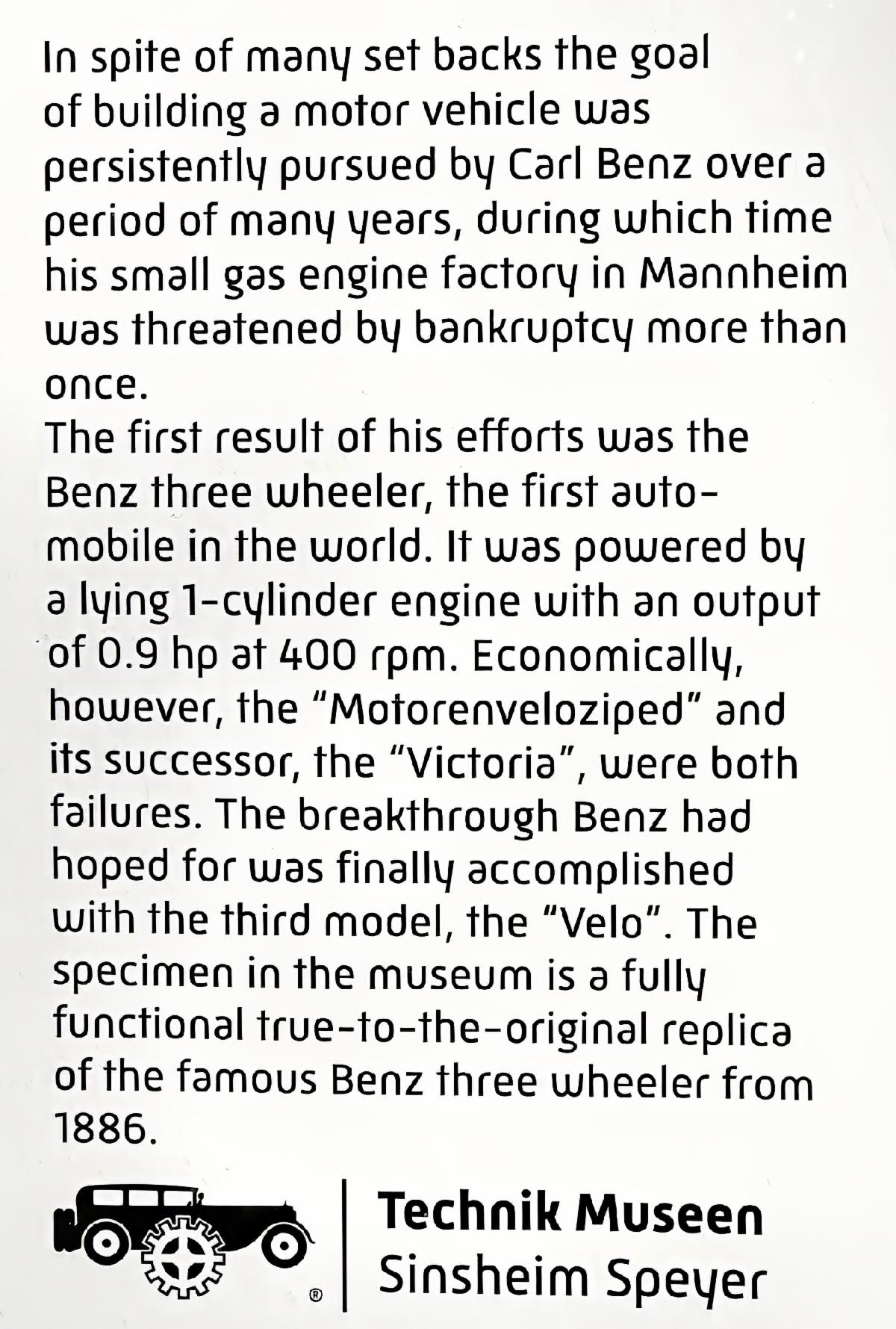
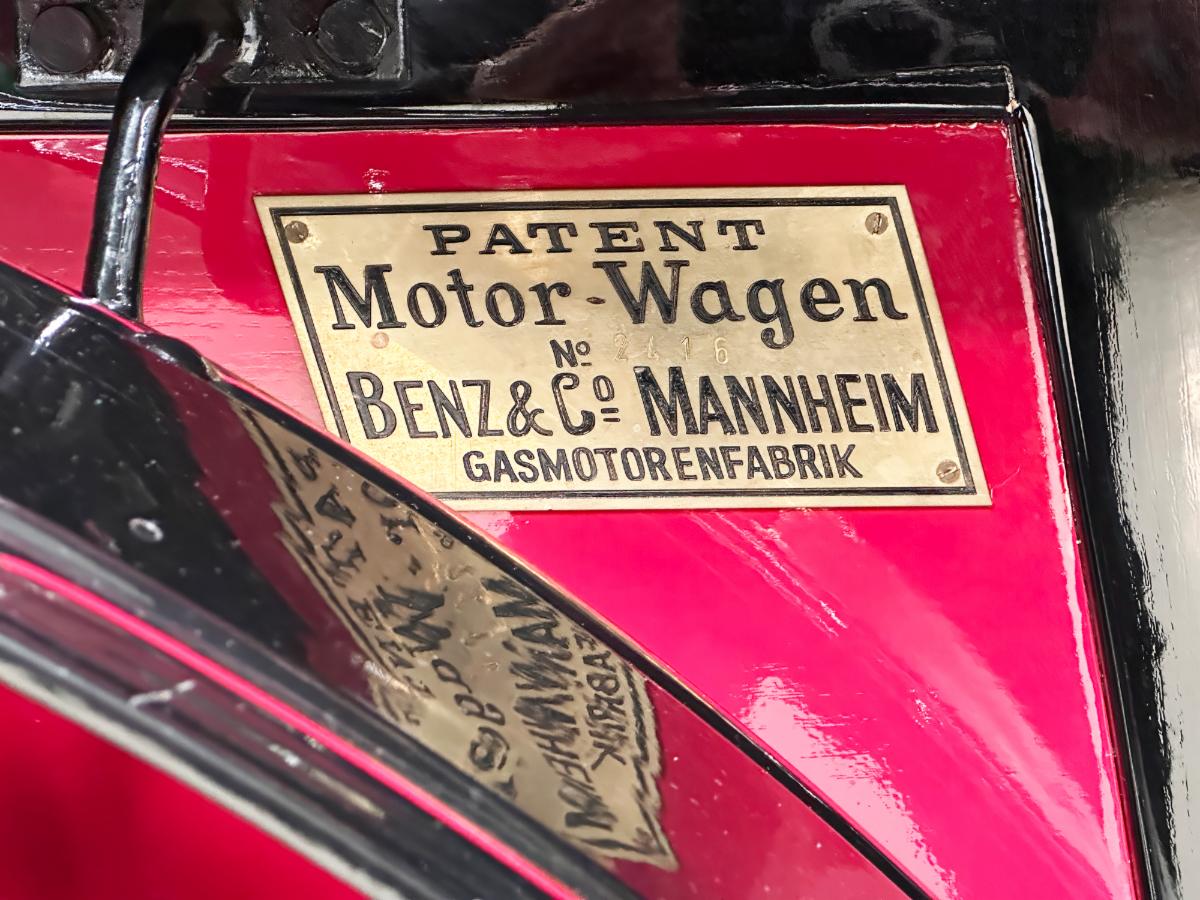
Karl Benz built the world's first automobile. He called it the 'Benz Patent Motor-Wagen'.
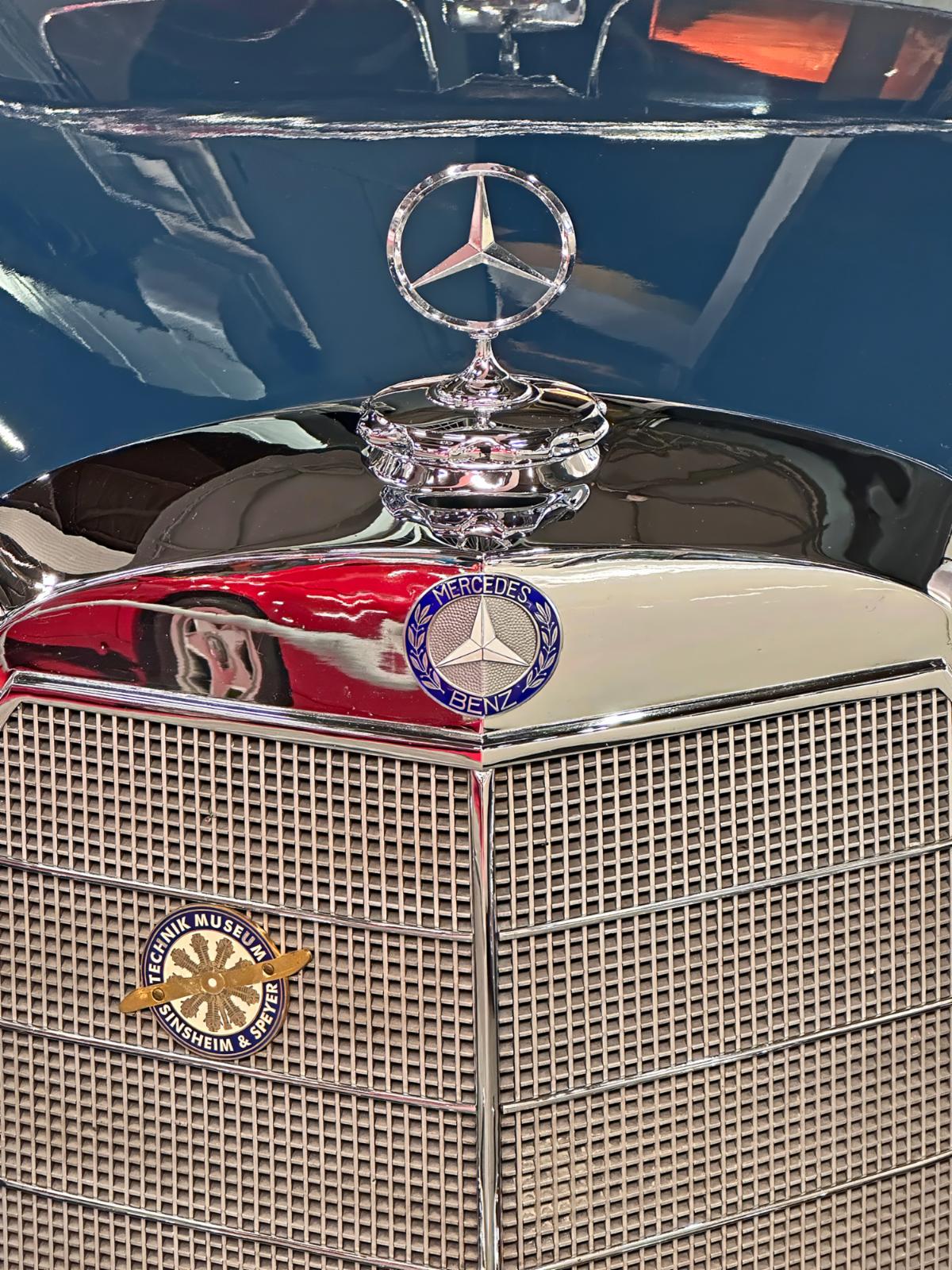
Where did the modern name of Mercedes Benz come from? In the mid-1880s, Gottlieb Daimler and Wilhelm Maybach had a better engine than Karl Benz. They developed their version of the Motor-Wagen and began selling them. In 1899, Emil Jellinek, a German-born racing enthusiast and entrepreneur, helped to market Daimler's automobiles to the rich and famous. He raced under the name of Monsieur Mercedes. Mércedès was the name of his daughter. In 1901, the Daimler company formed the Daimler Motoren Gesellschaft (Daimler Motor Company), or DMG, to sell their cars. That same year, because of the company's close ties with Jellinek, they borrowed Jellinek's 'Mercedes' racing name and made it the trademark automobile name of DMG. In 1926, Karl Benz's company merged with DMG. The new trademark name thus became Mercedes Benz.
| 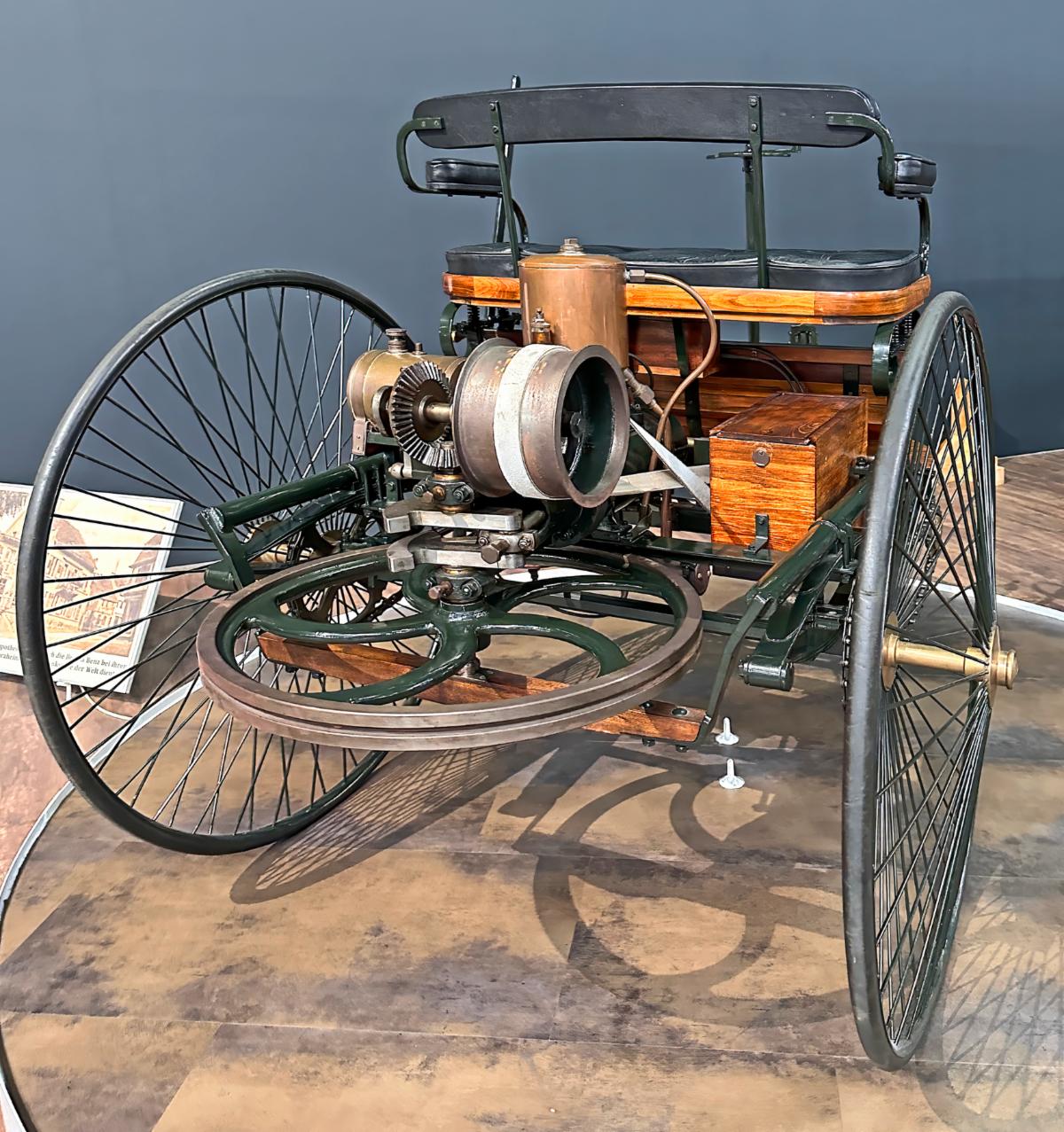 | |
Above: The rear of the Motor-Wagen. Notice the huge flywheel and the white belt driving the wheels.
Below: The info plaque for this display.
| |
The nameplate on the Patent Motor-Wagen. | |
|
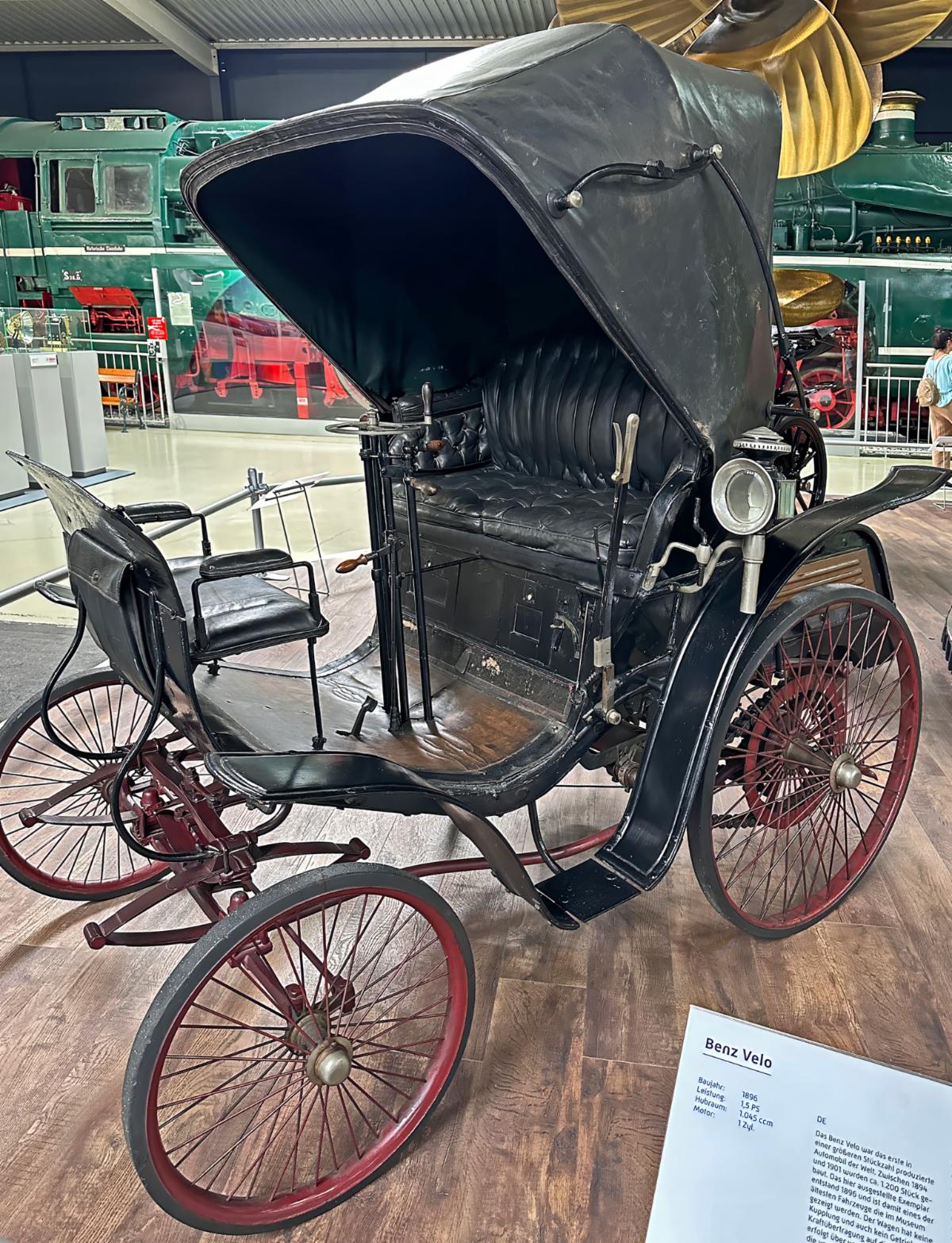
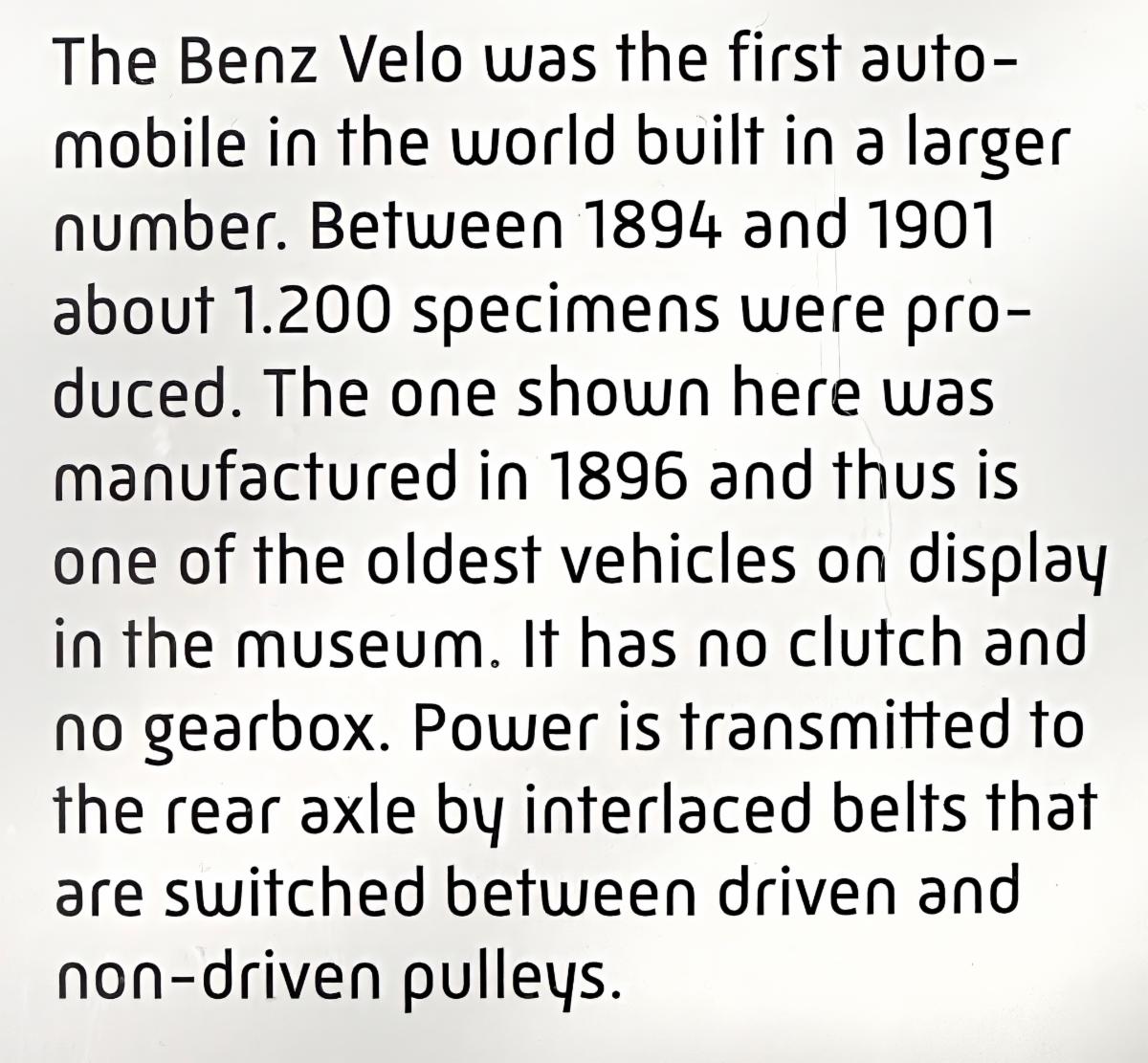
Above: The Benz Velo.
Below: The info plaque for the Benz Velo display.
| |
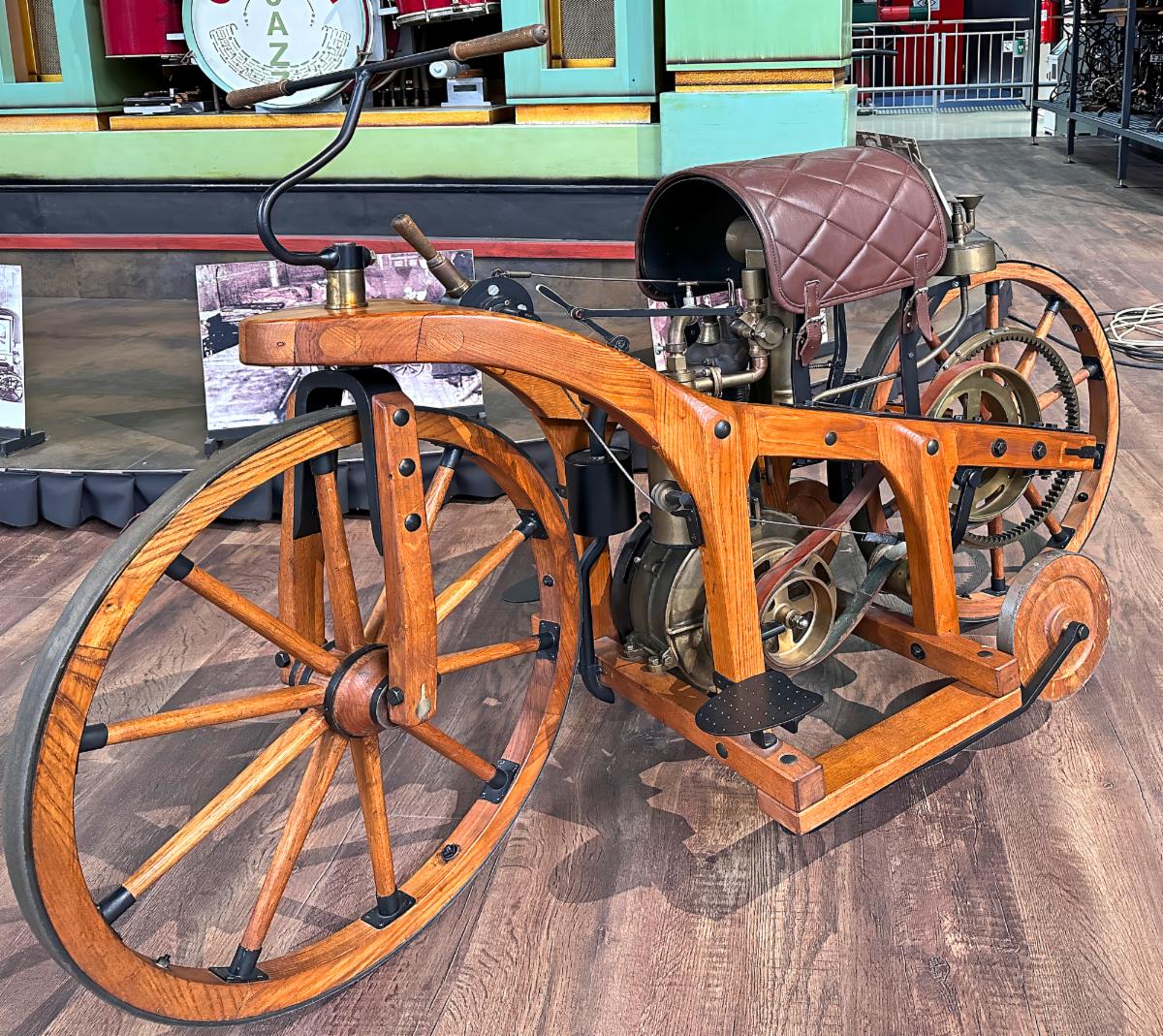
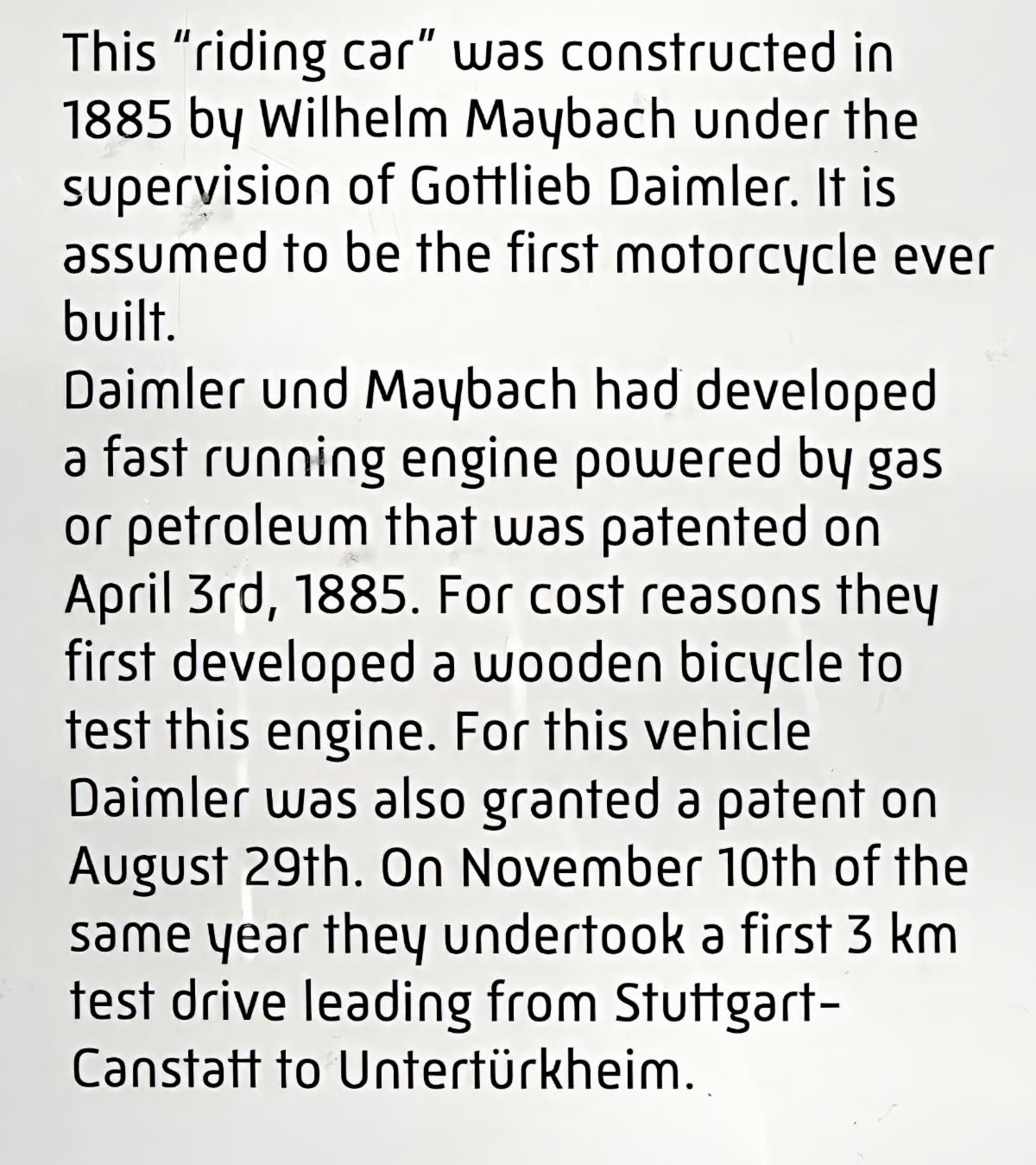
Above: The first motorcycle.
Below: The info plaque for the first motorcycle. Notice how Gottlieb Daimler was in the thick of early motorized development.
| |
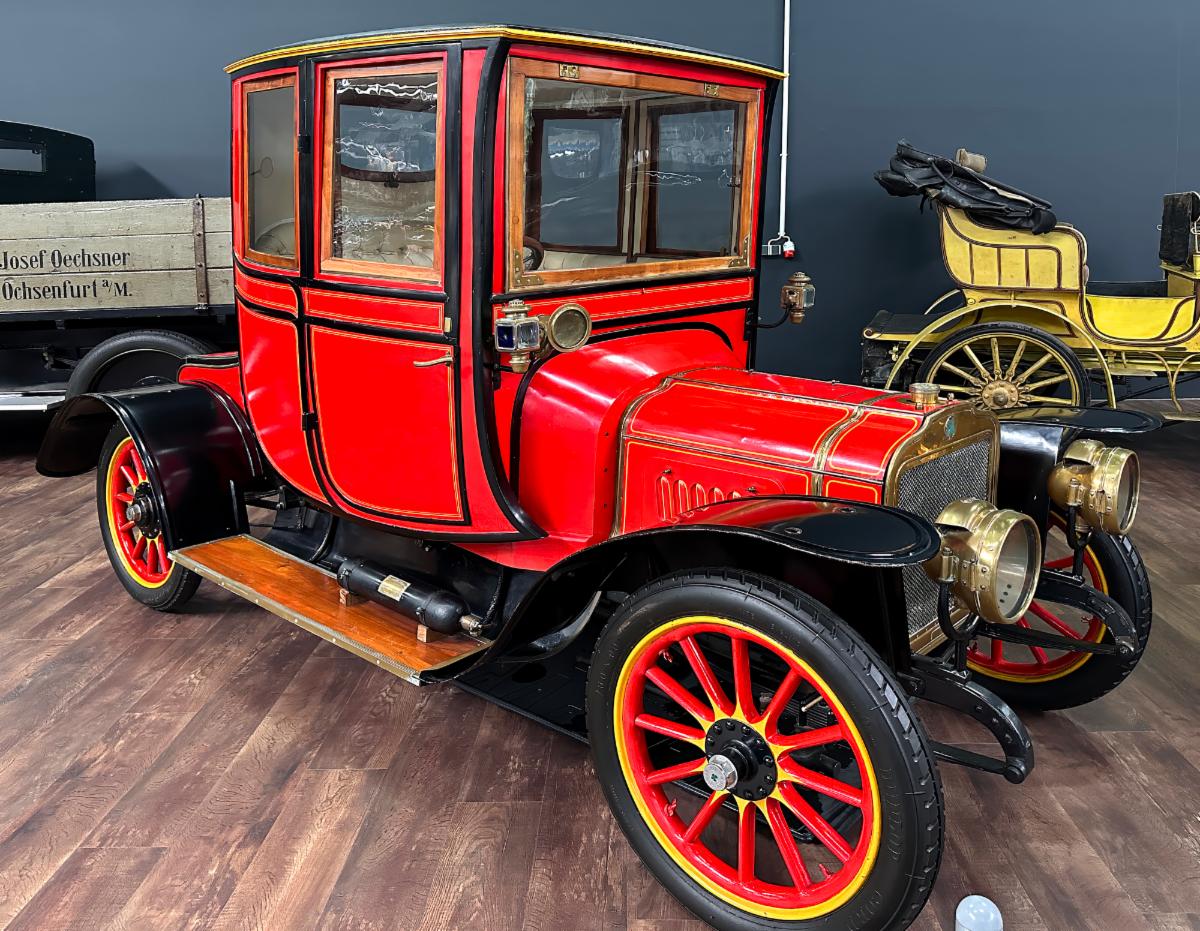
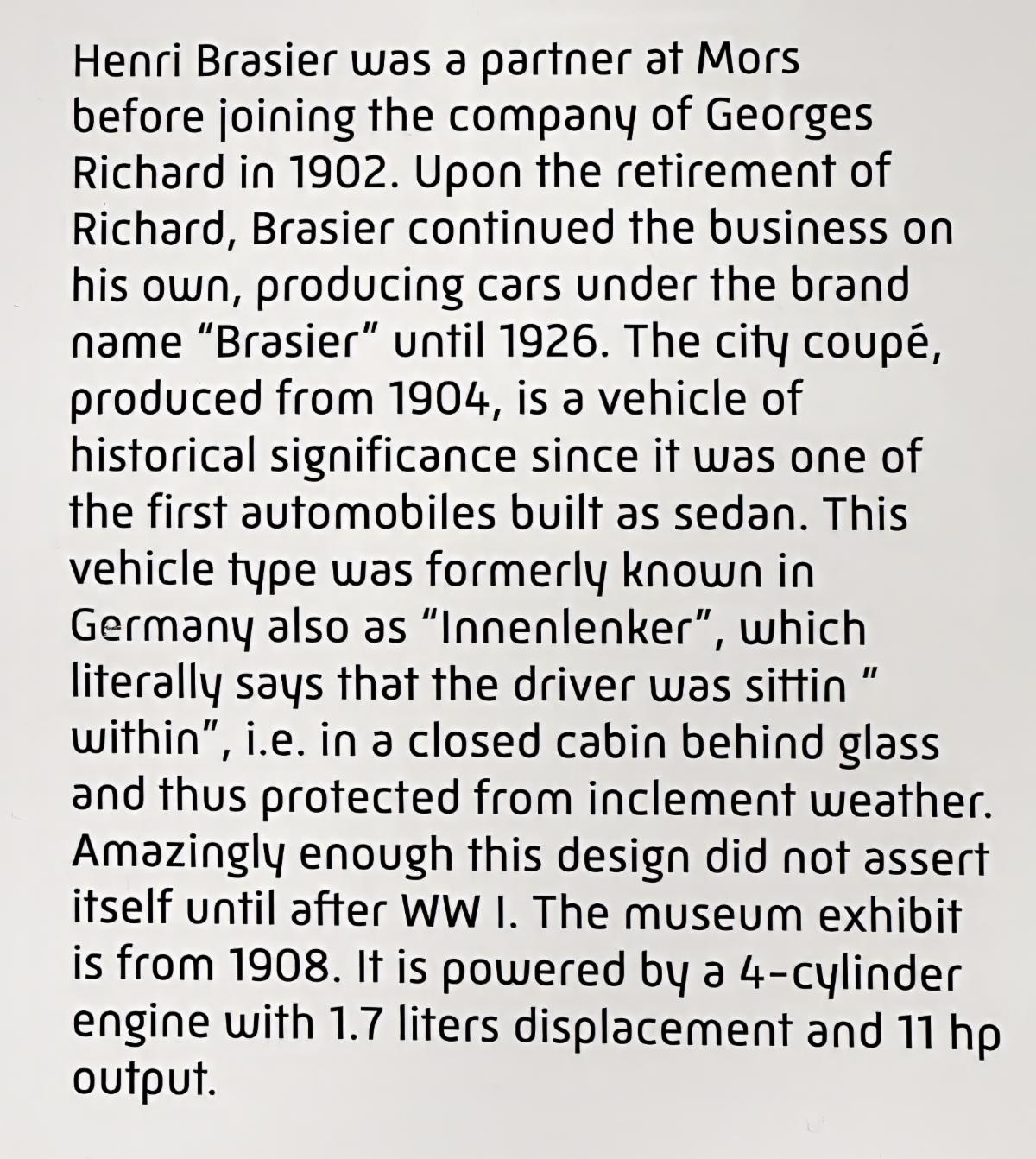
The first enclosed sedan. | |
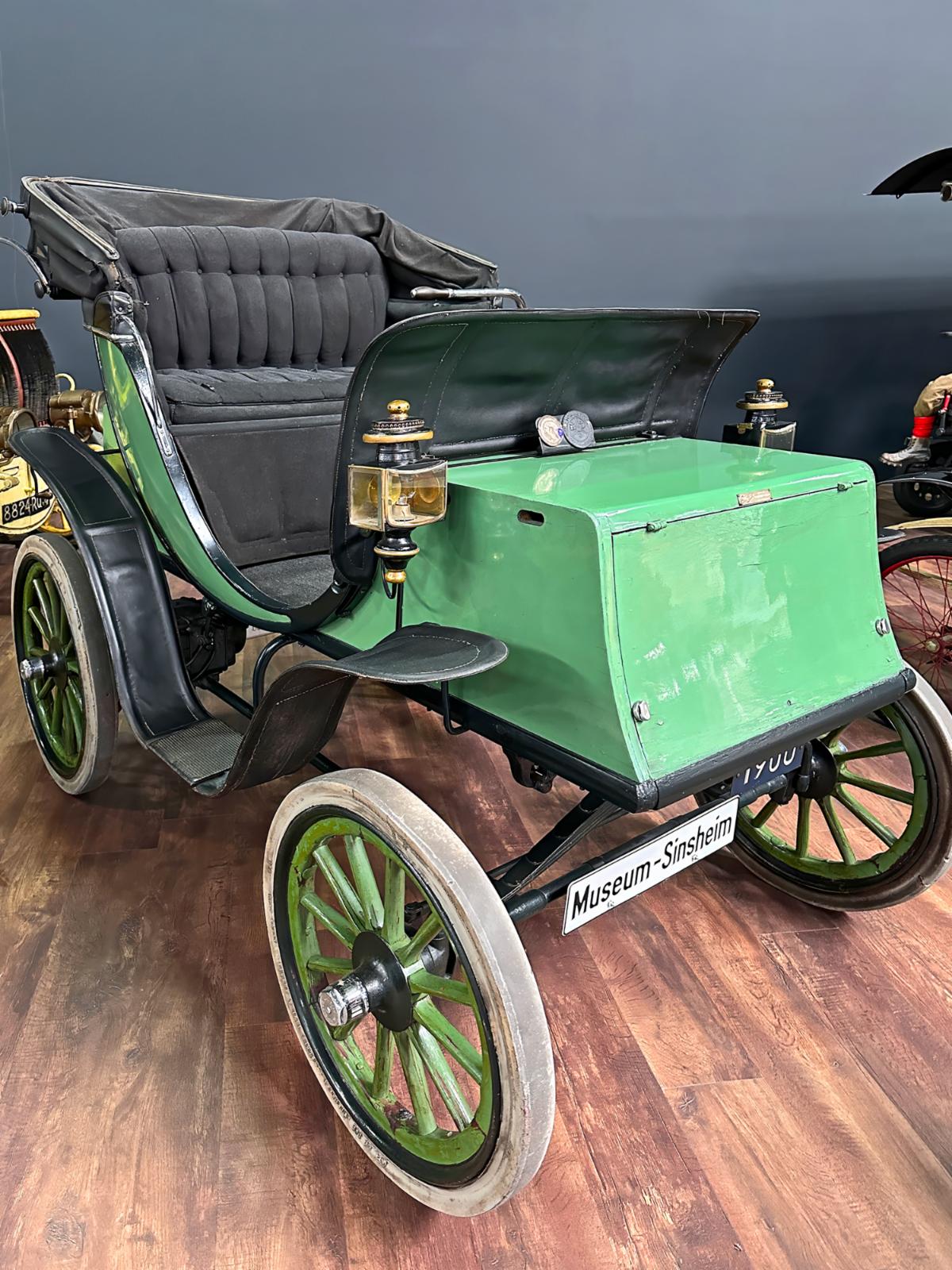
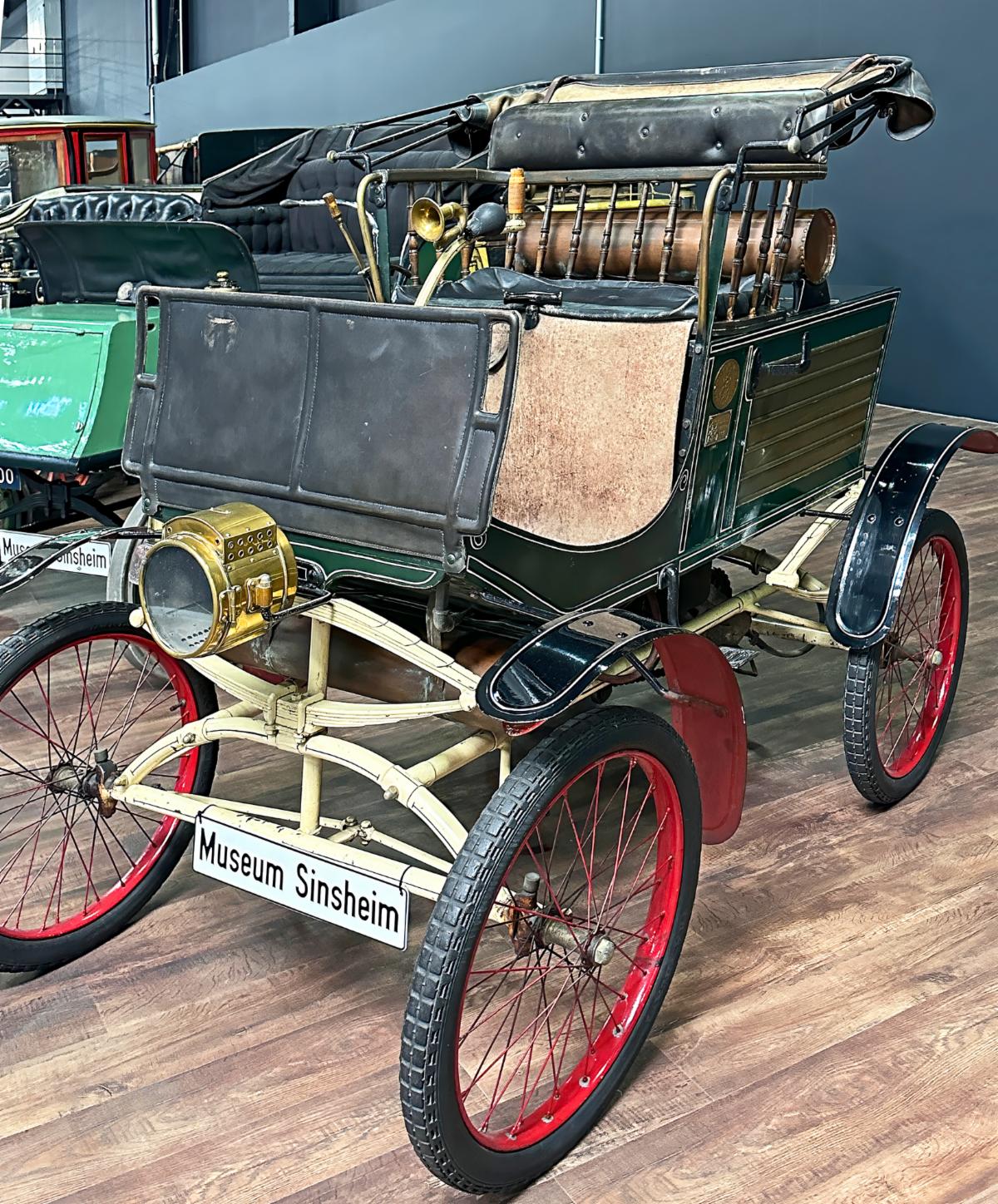
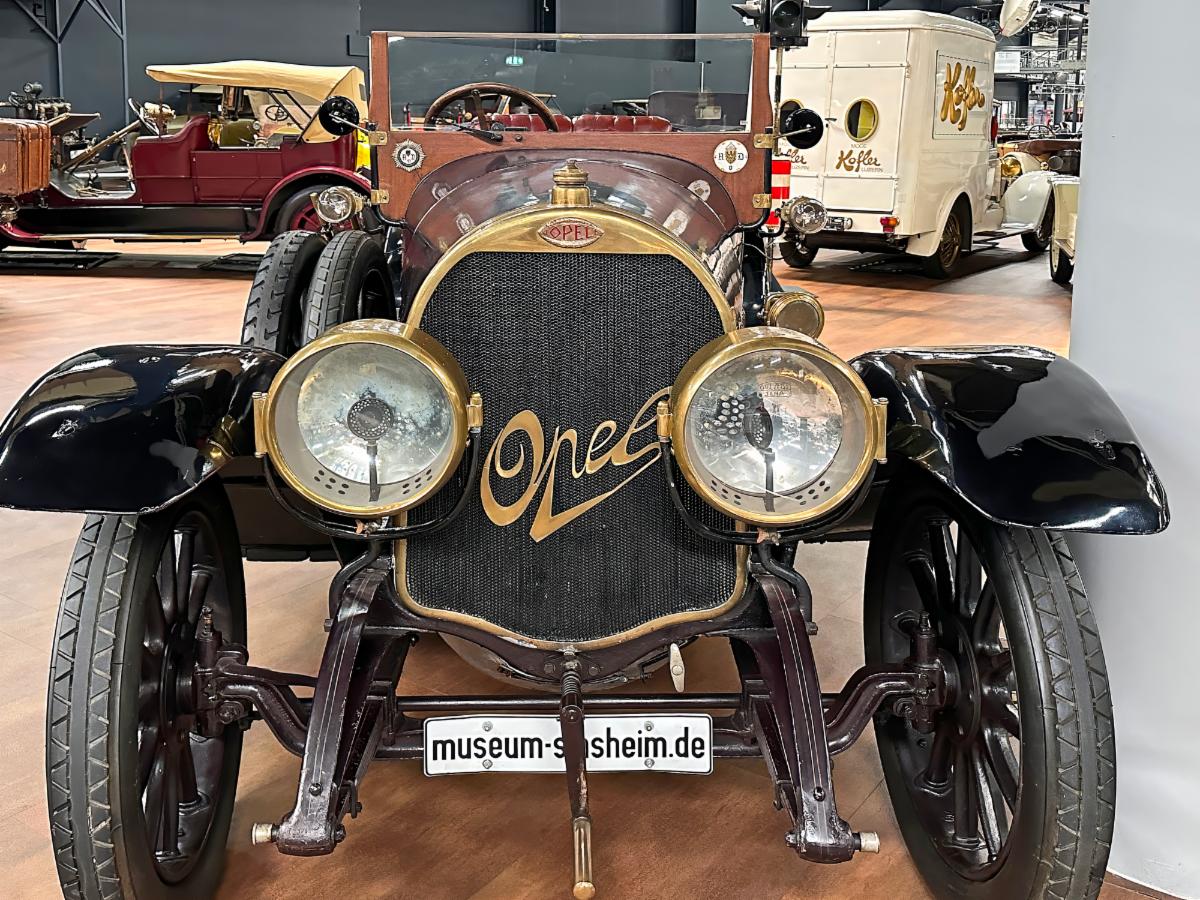
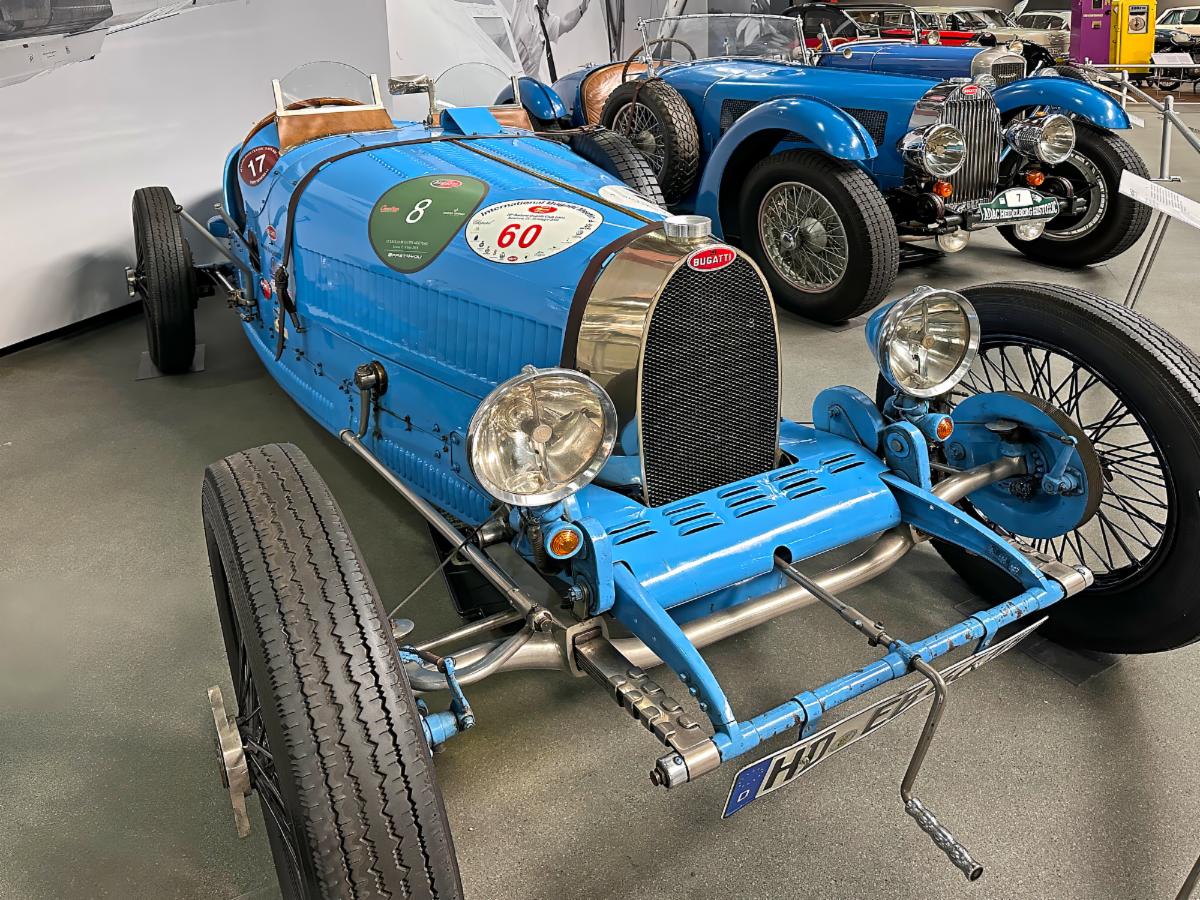
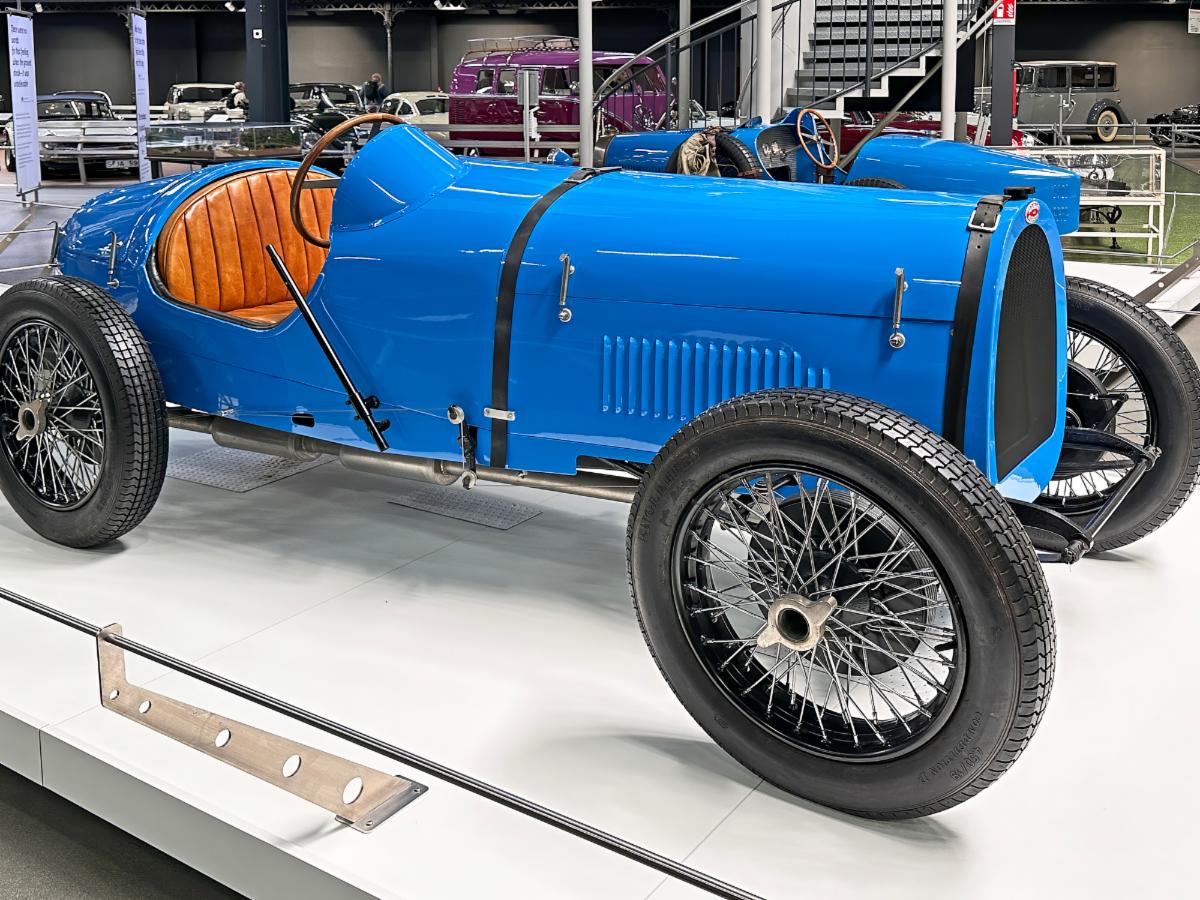
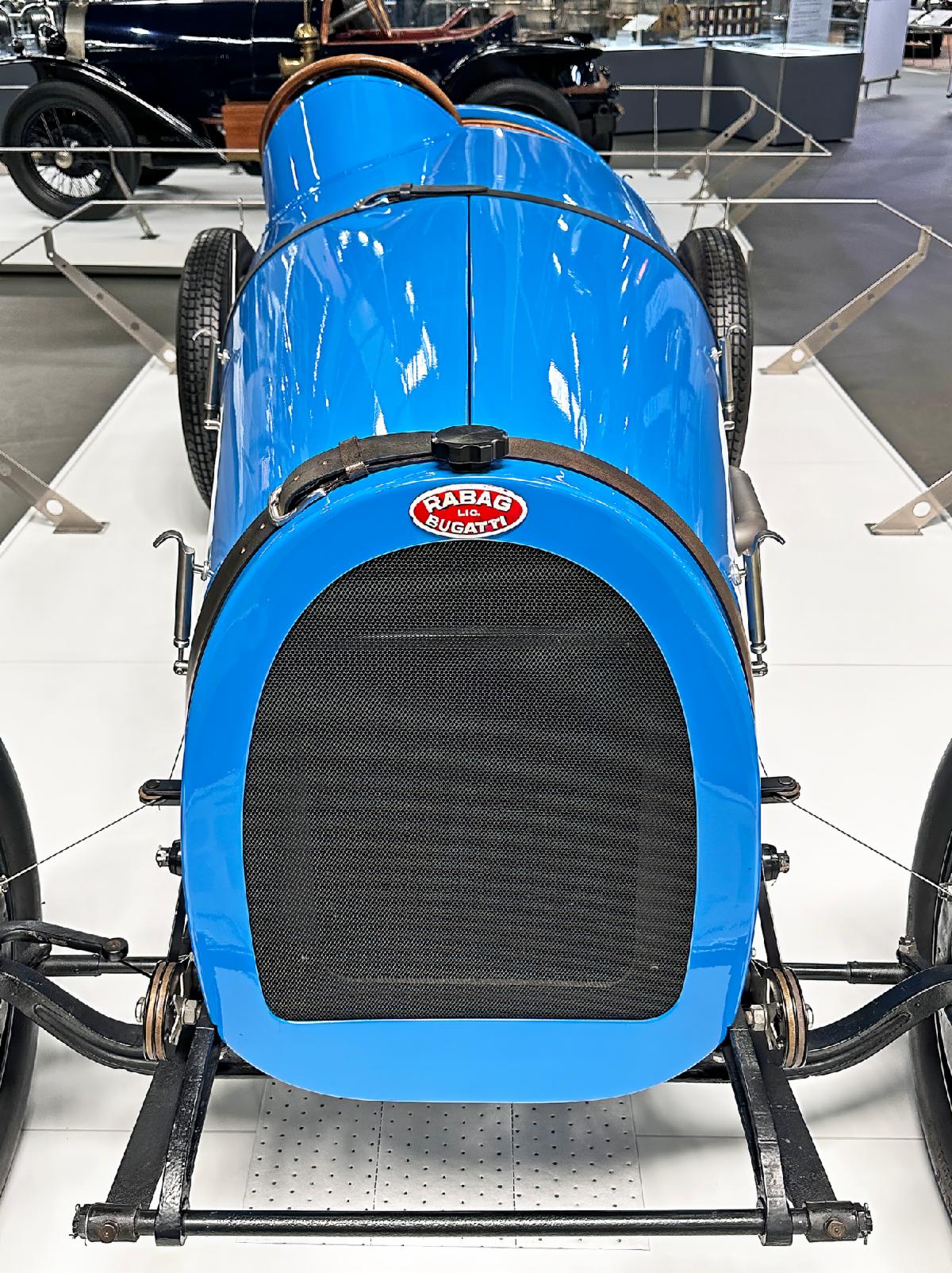
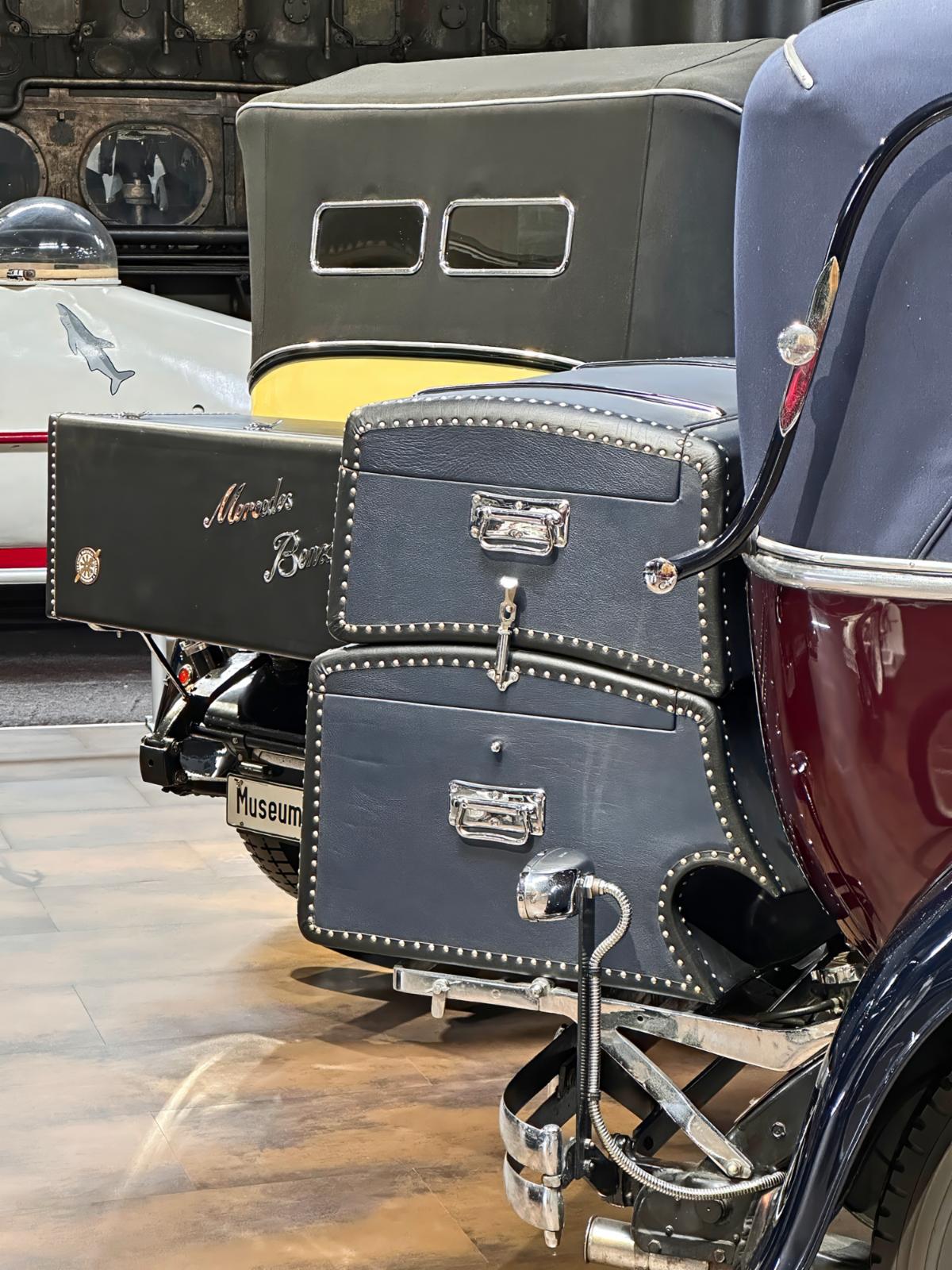
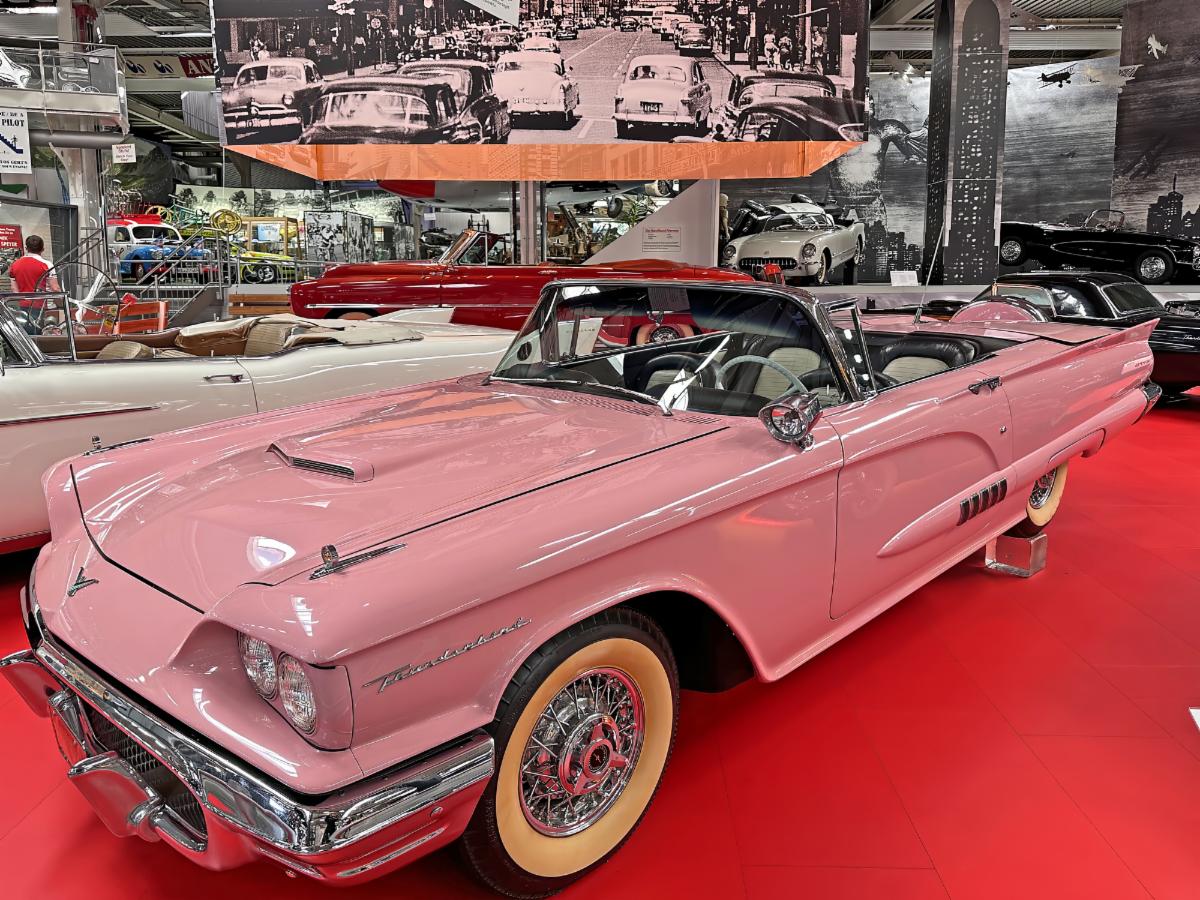
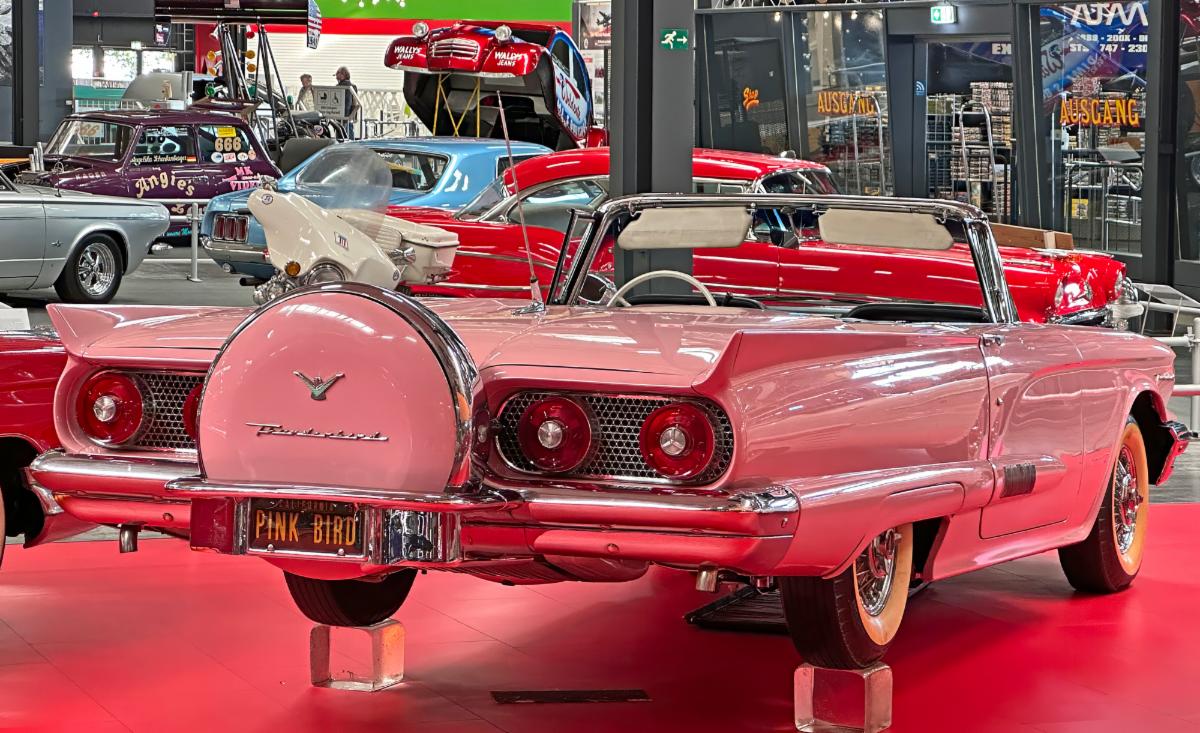
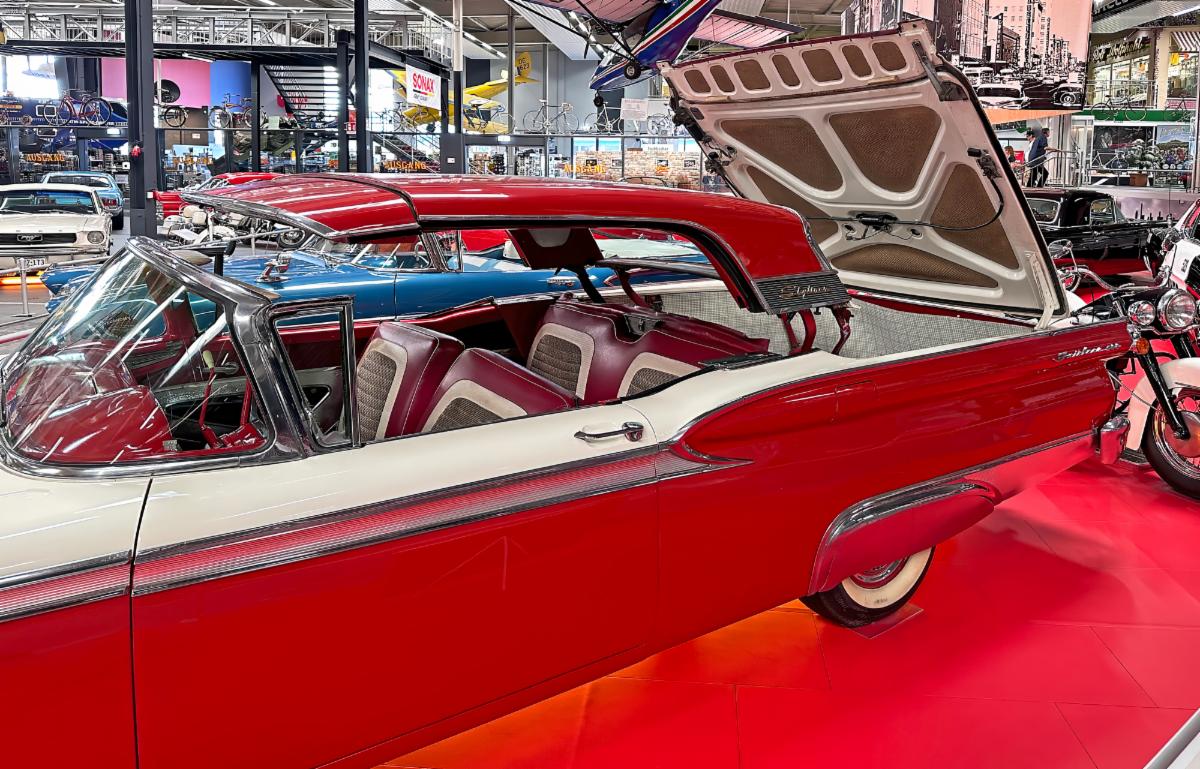
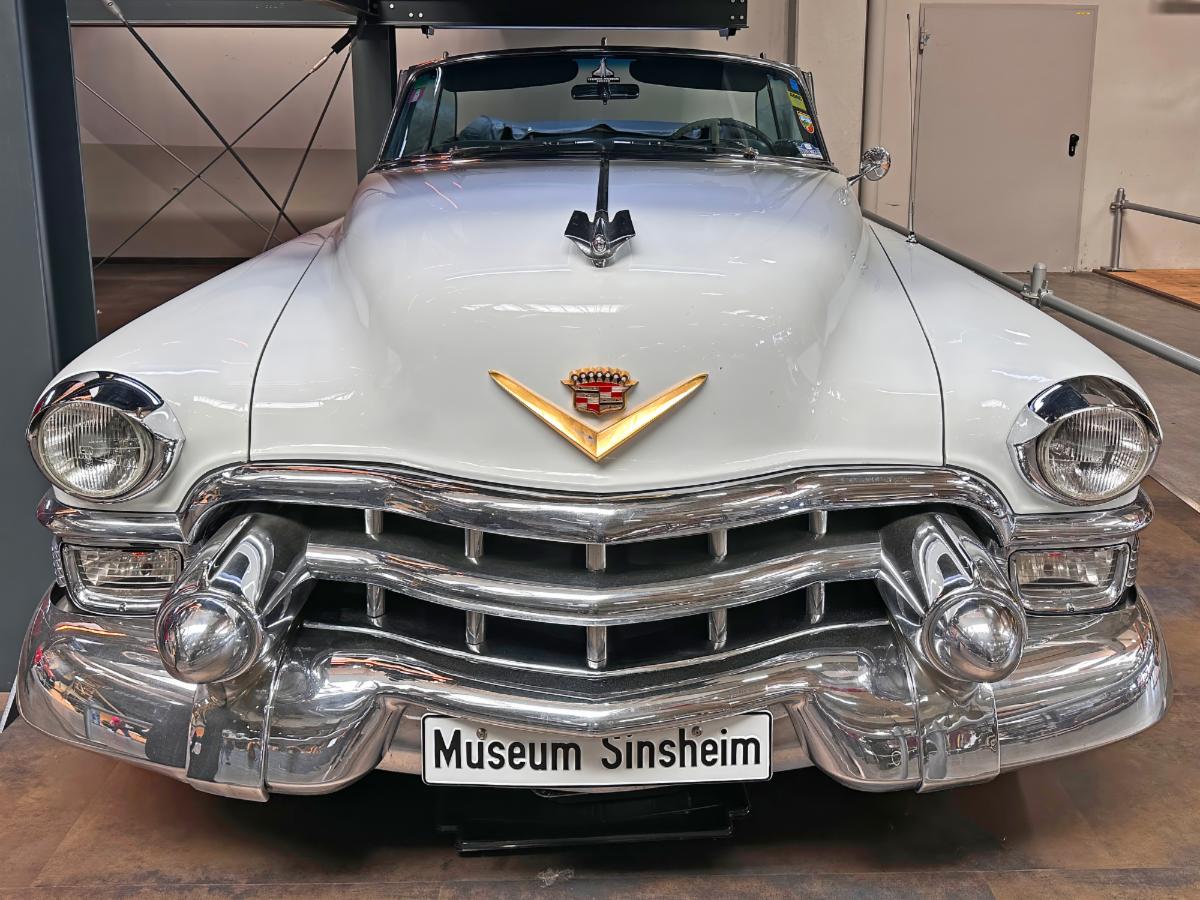
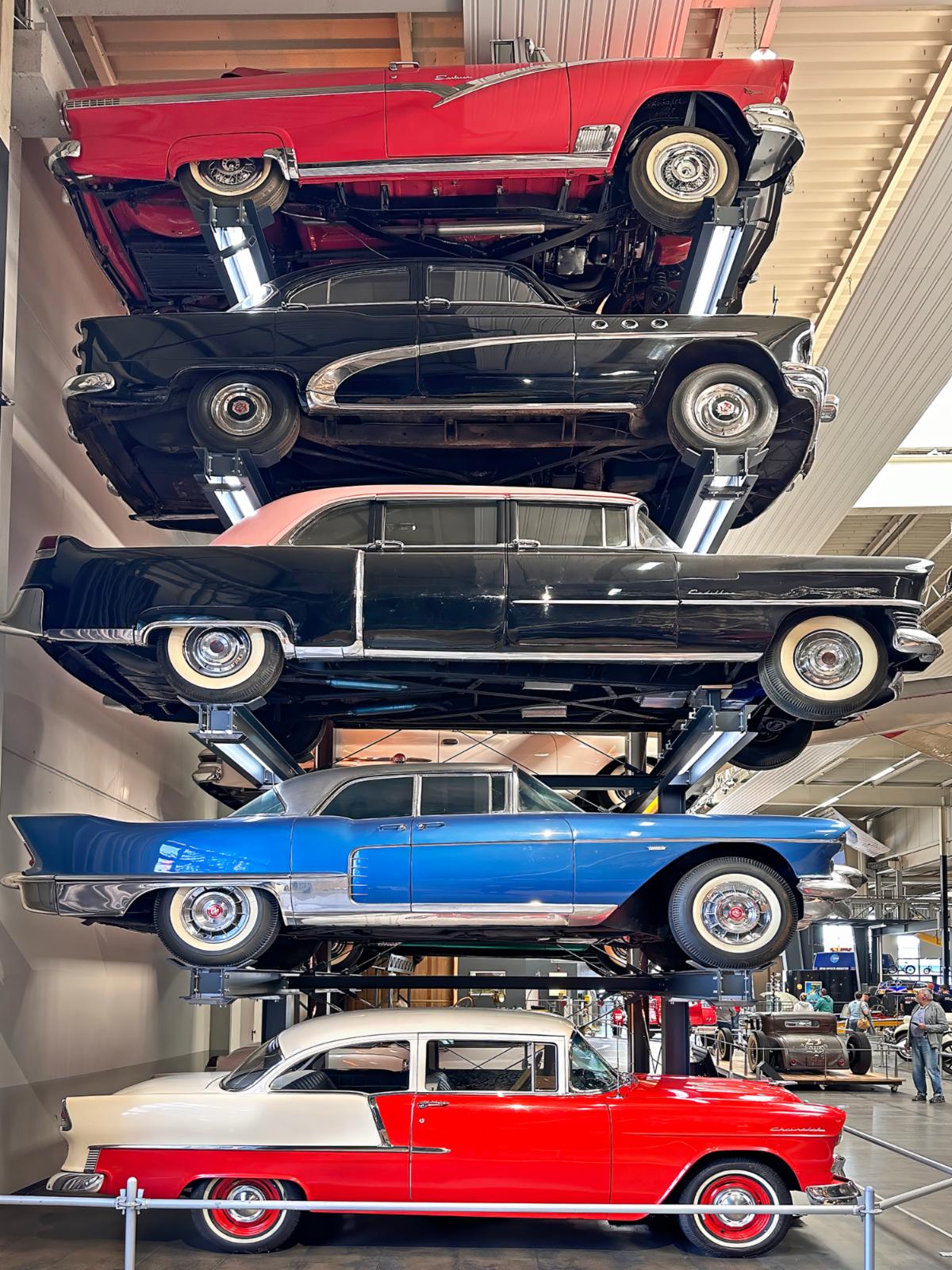
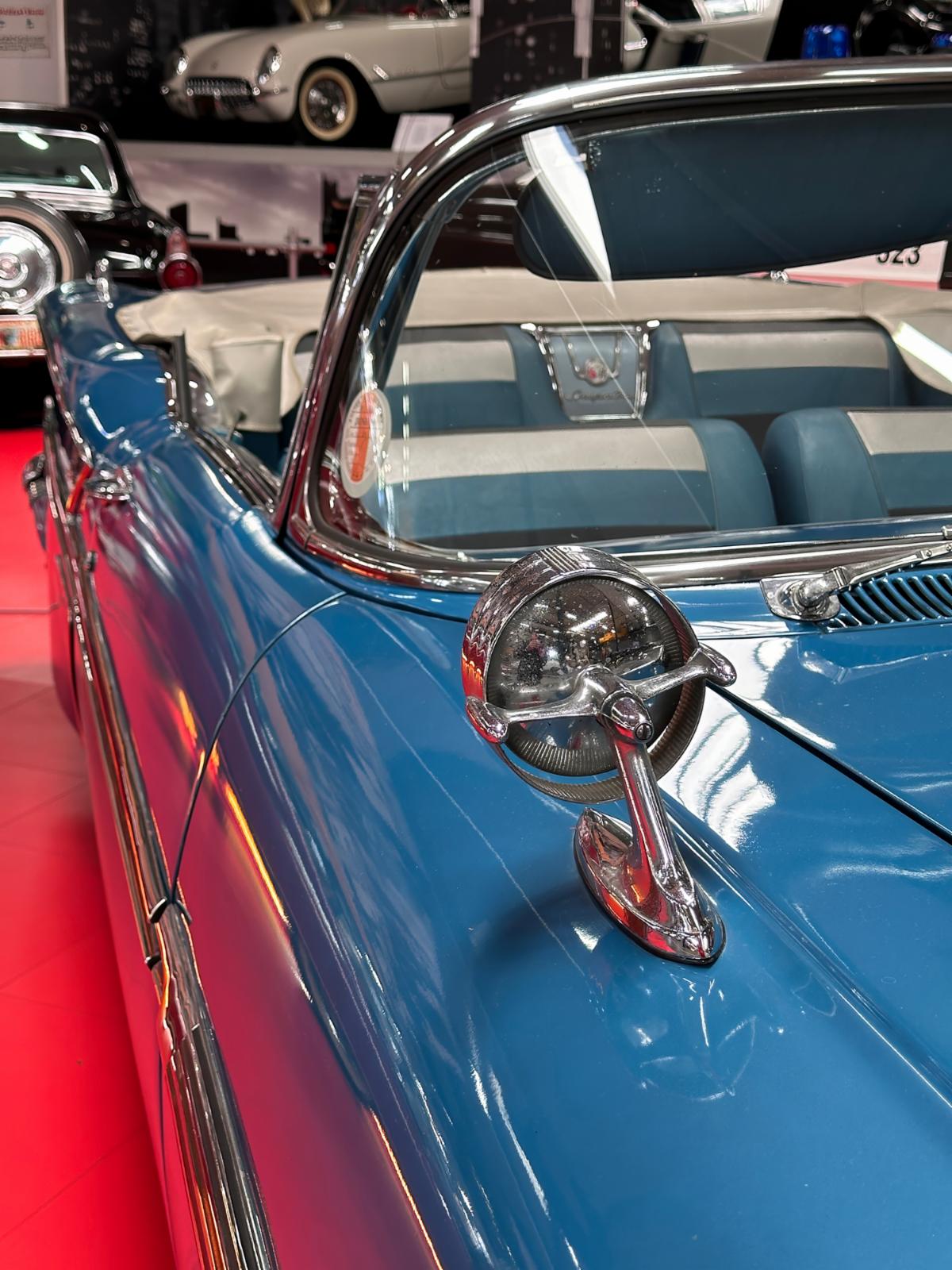
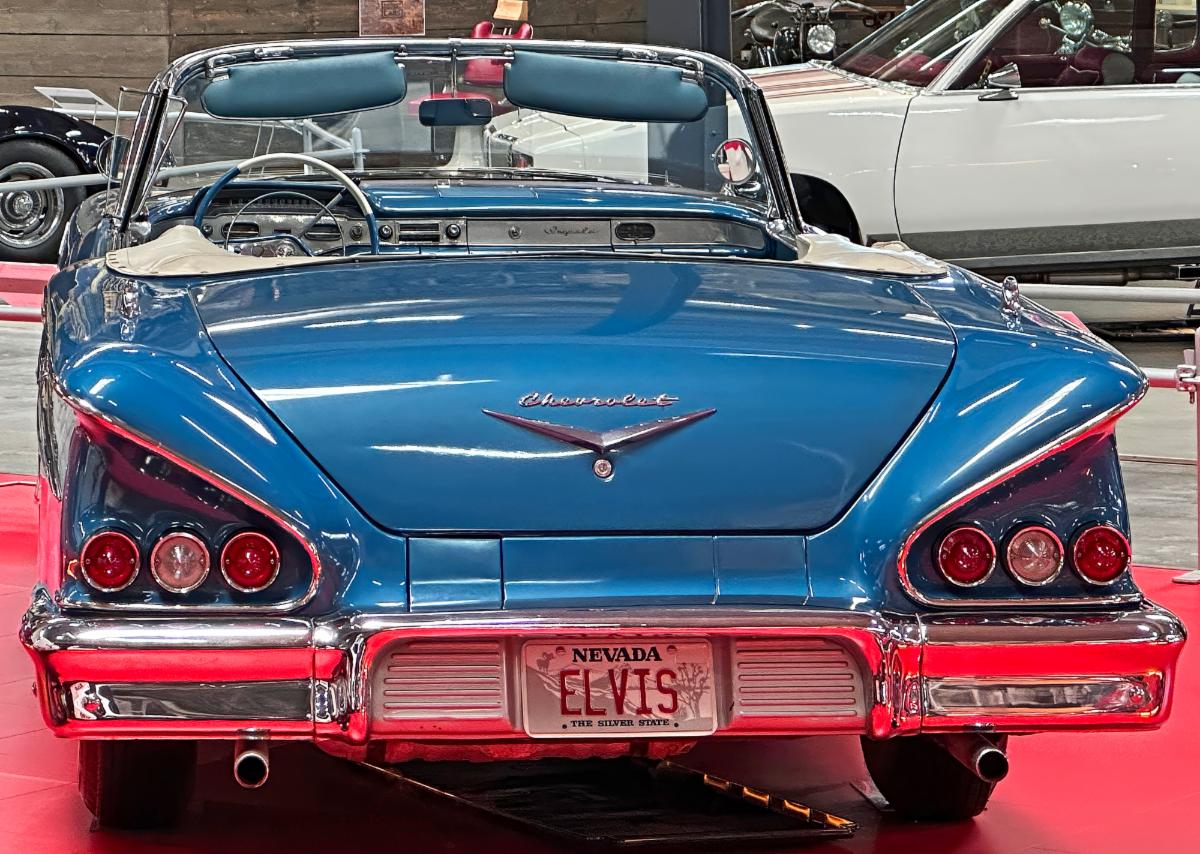
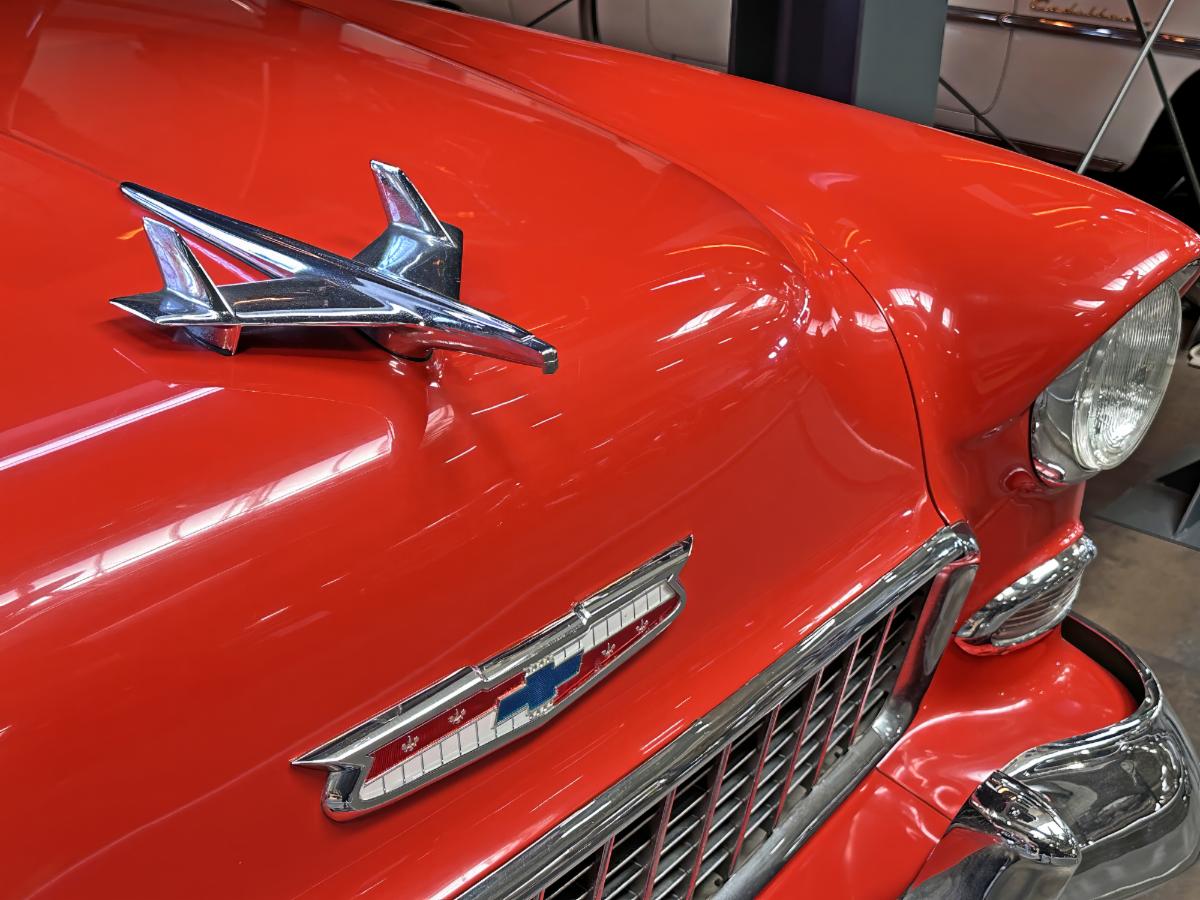
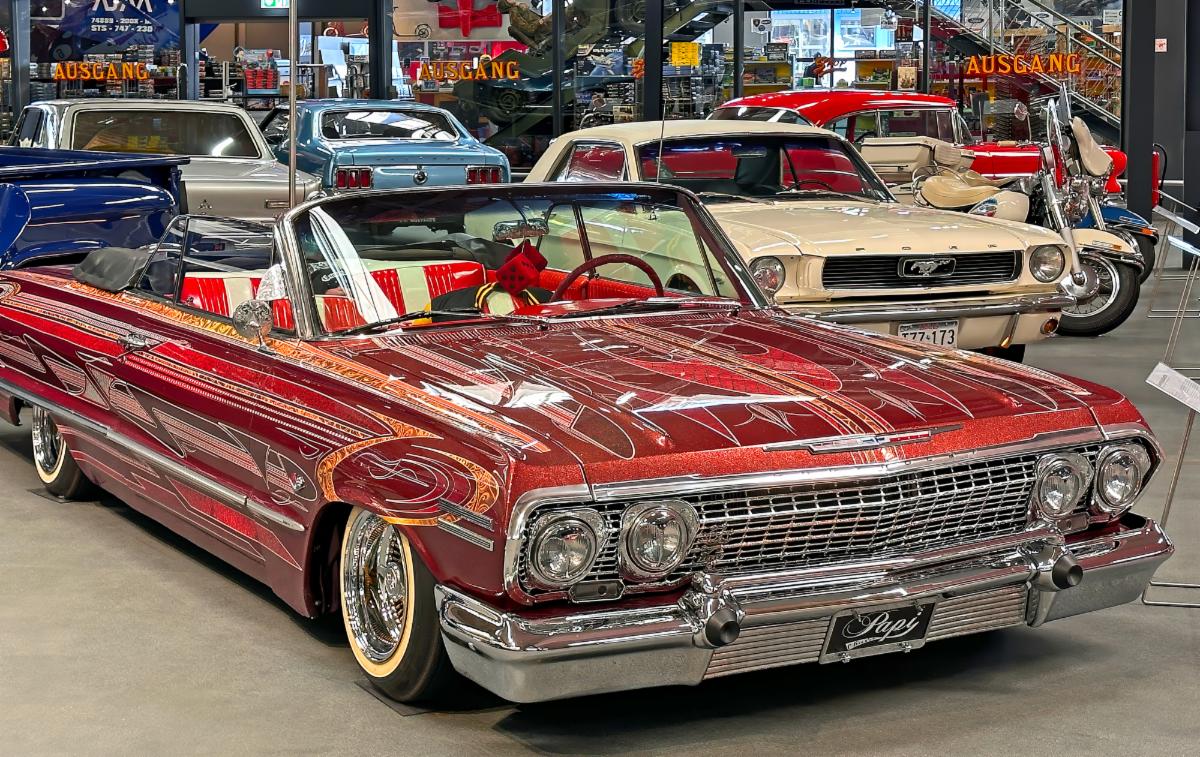
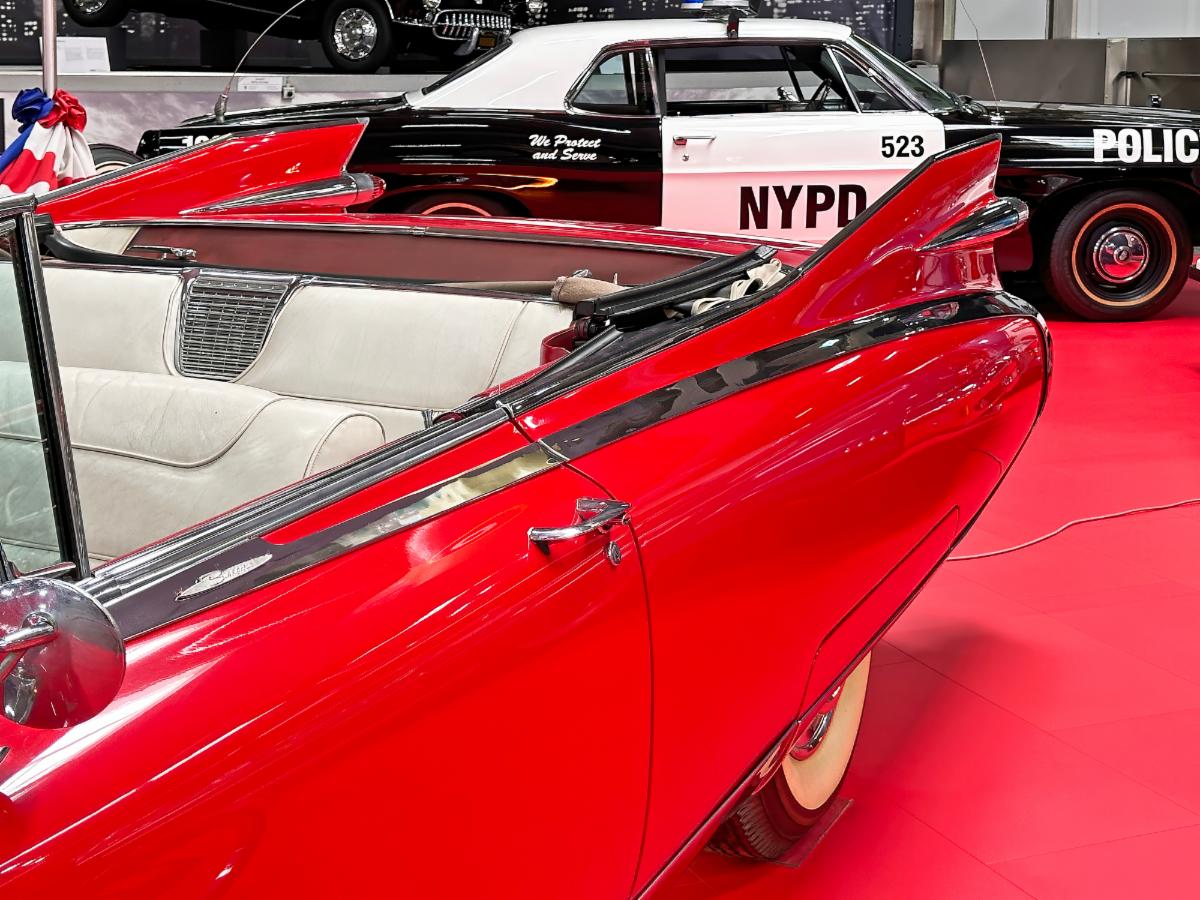
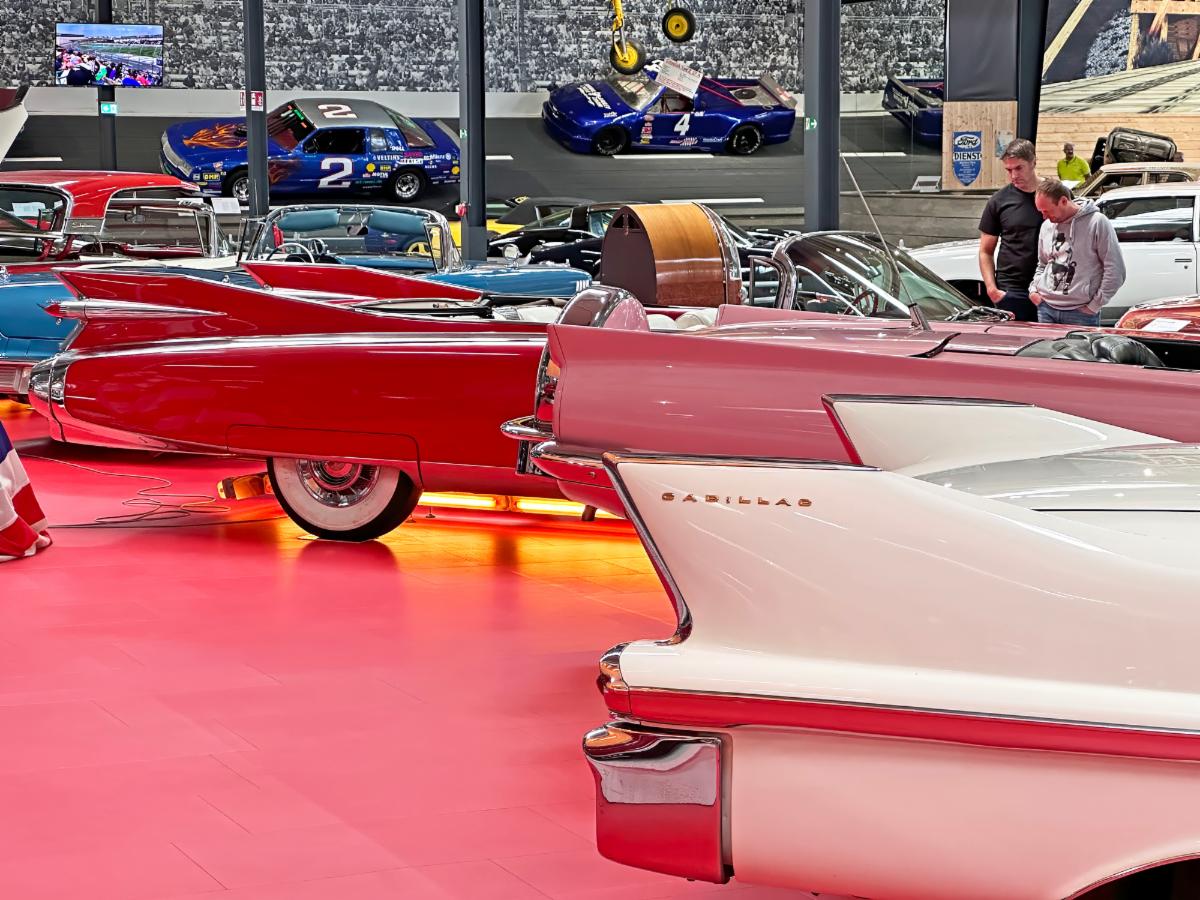
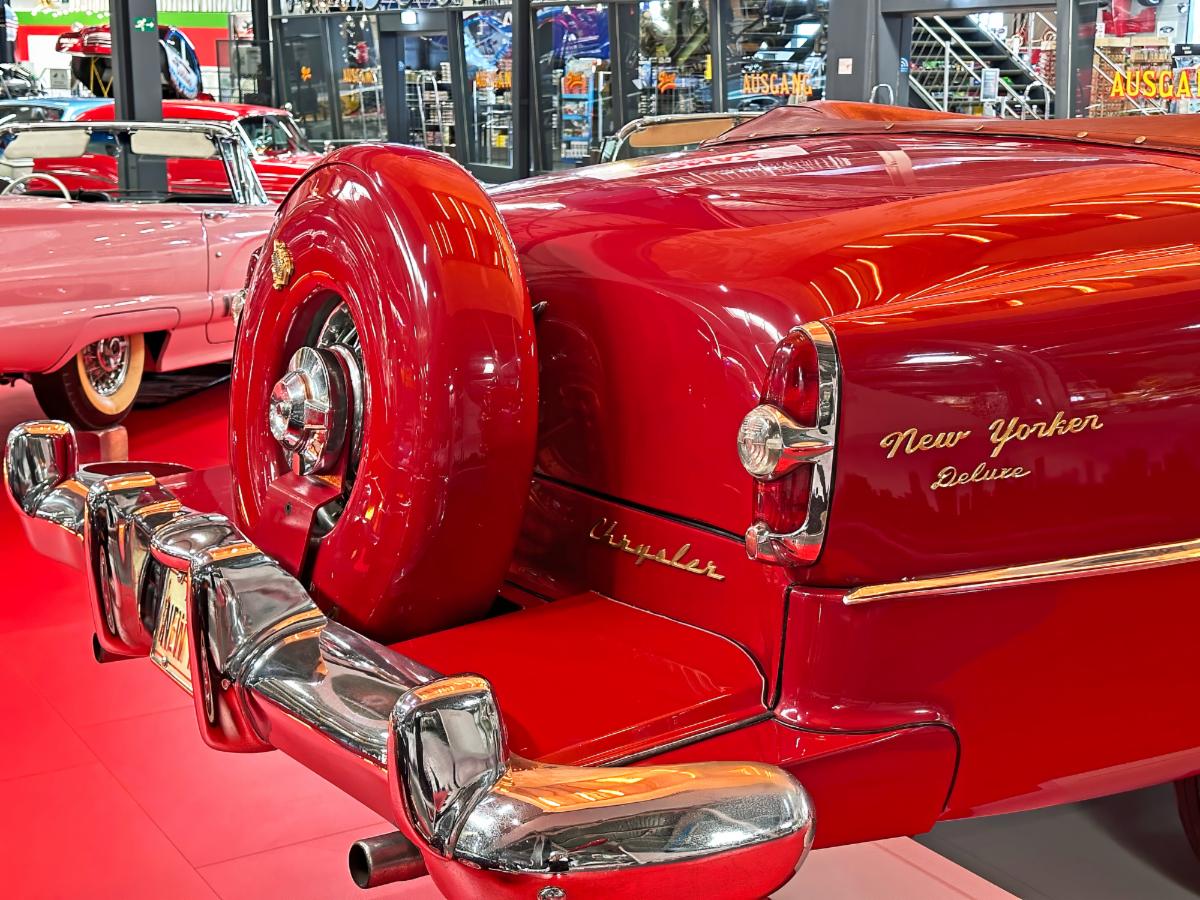
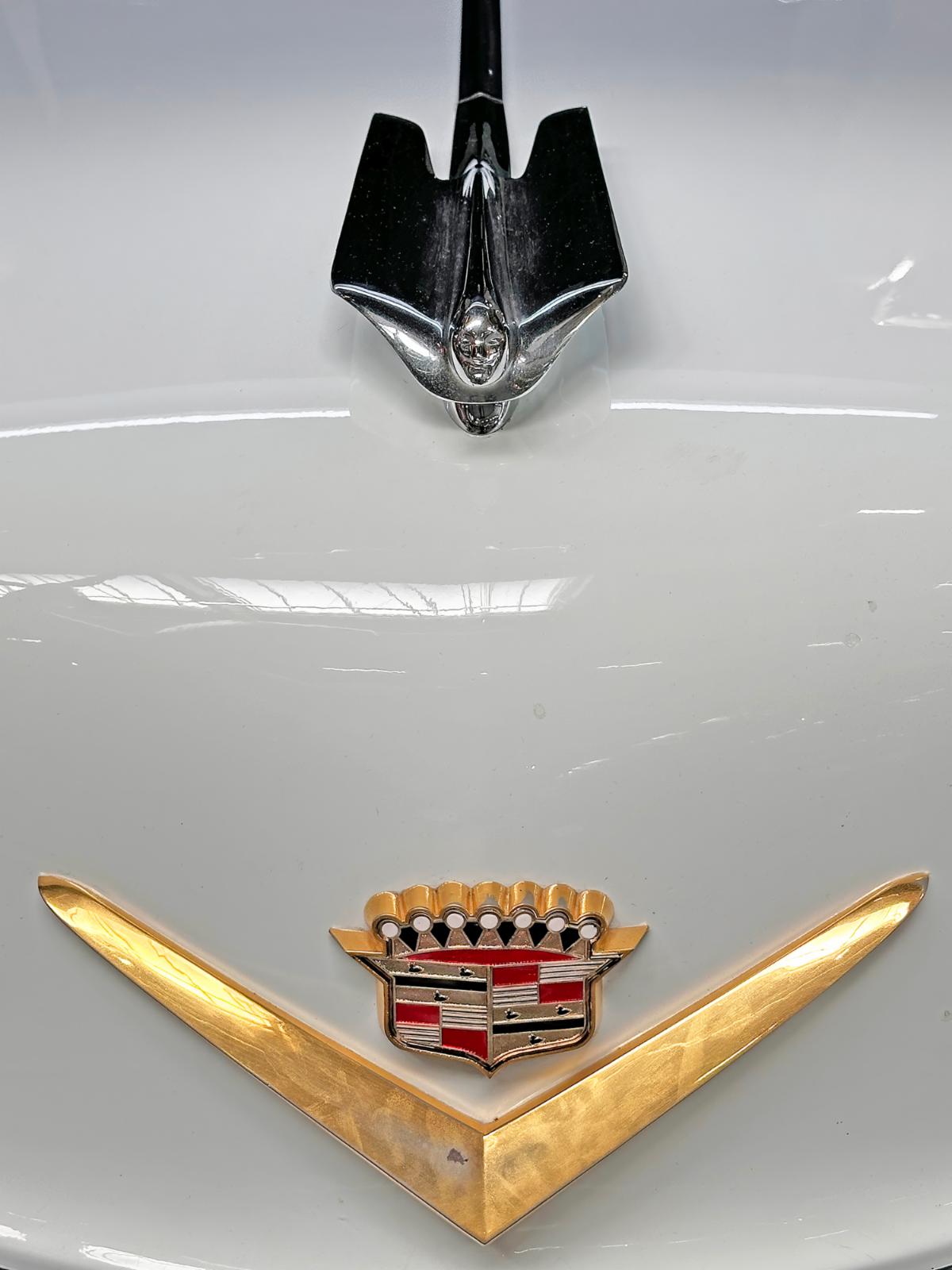
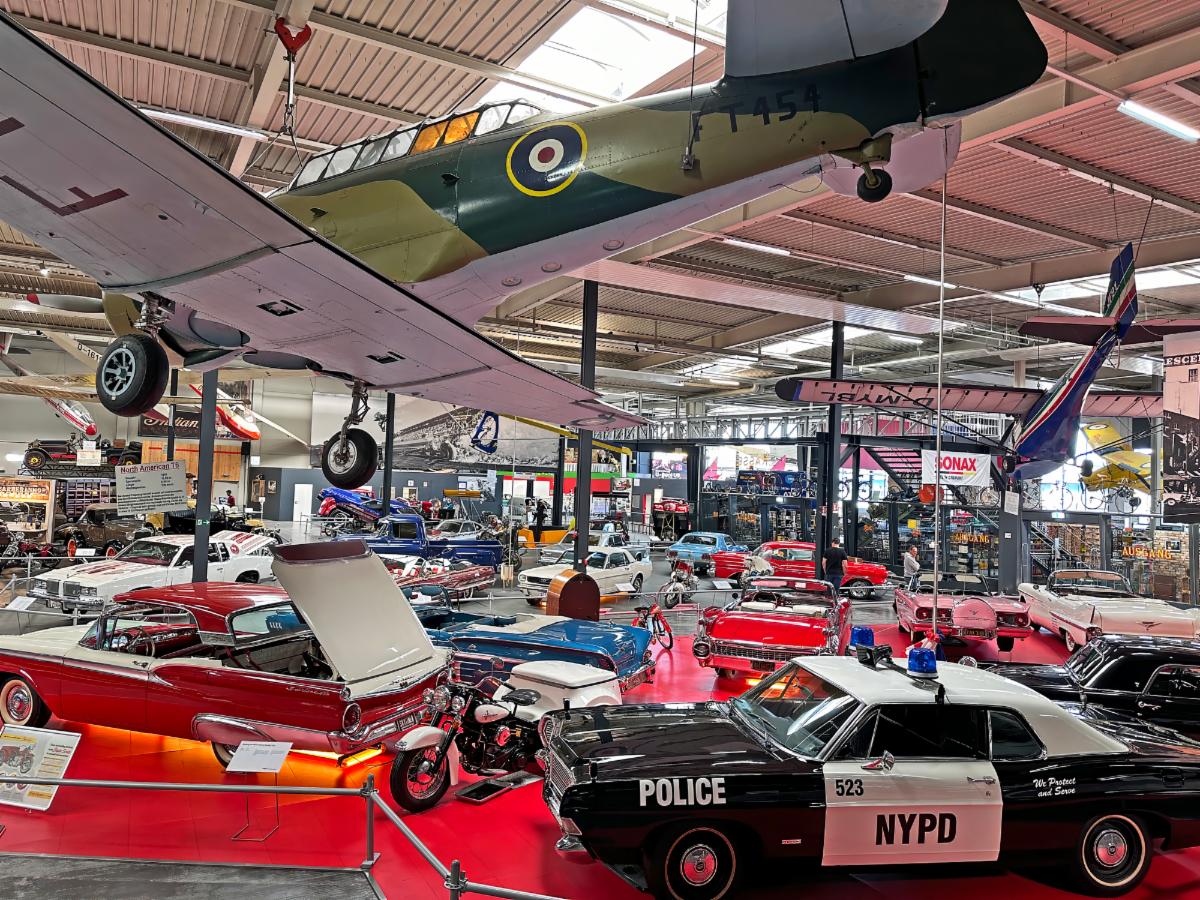
An early electric car, ironically owned by the Rockefeller 'oil' family. | Check out those elegant headlights. | Above and below: Two similar but different Bugatti race cars. | The true meaning of the word 'trunk'. | The 1950s were America's car glory years. From fins to chrome, what style! | |
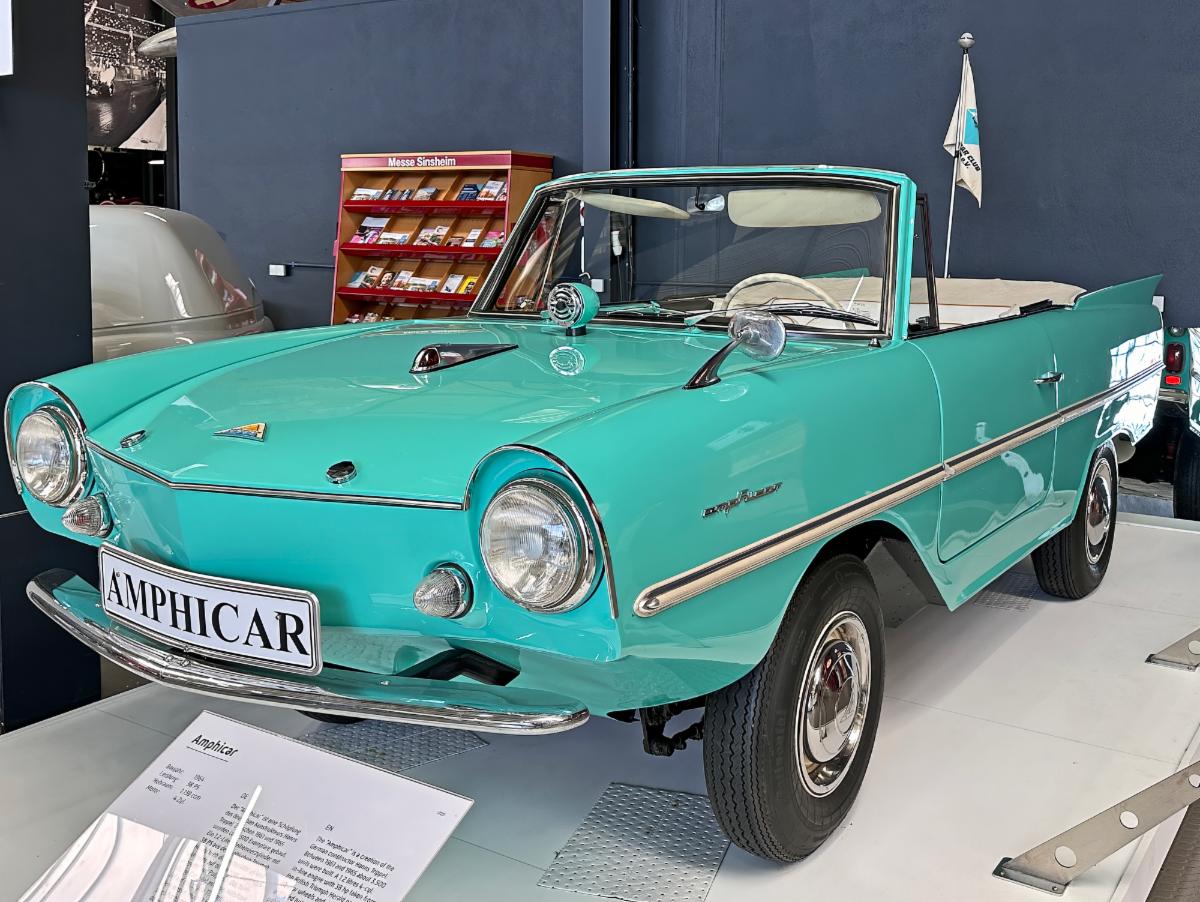
The German automotive engineer Hans Trippel designed the Amphicar. It was manufactured from 1961 to 1968. With a Triumph four-cylinder 1200cc, 38hp engine, the Amphicar reached a top speed of 105km/h on land and 12km/h on water. Most of the 3,878 vehicles manufactured ended up in the USA – where they still enjoy an iconic status.
When I was 11 or 12, I watched an Amphicar drive from land into the water at Lake Emily, just 15 miles from my hometown of Stevens Point, Wisconsin. I remember it clearly. I was amazed and daydreamed about someday owning one for a long time.
| |
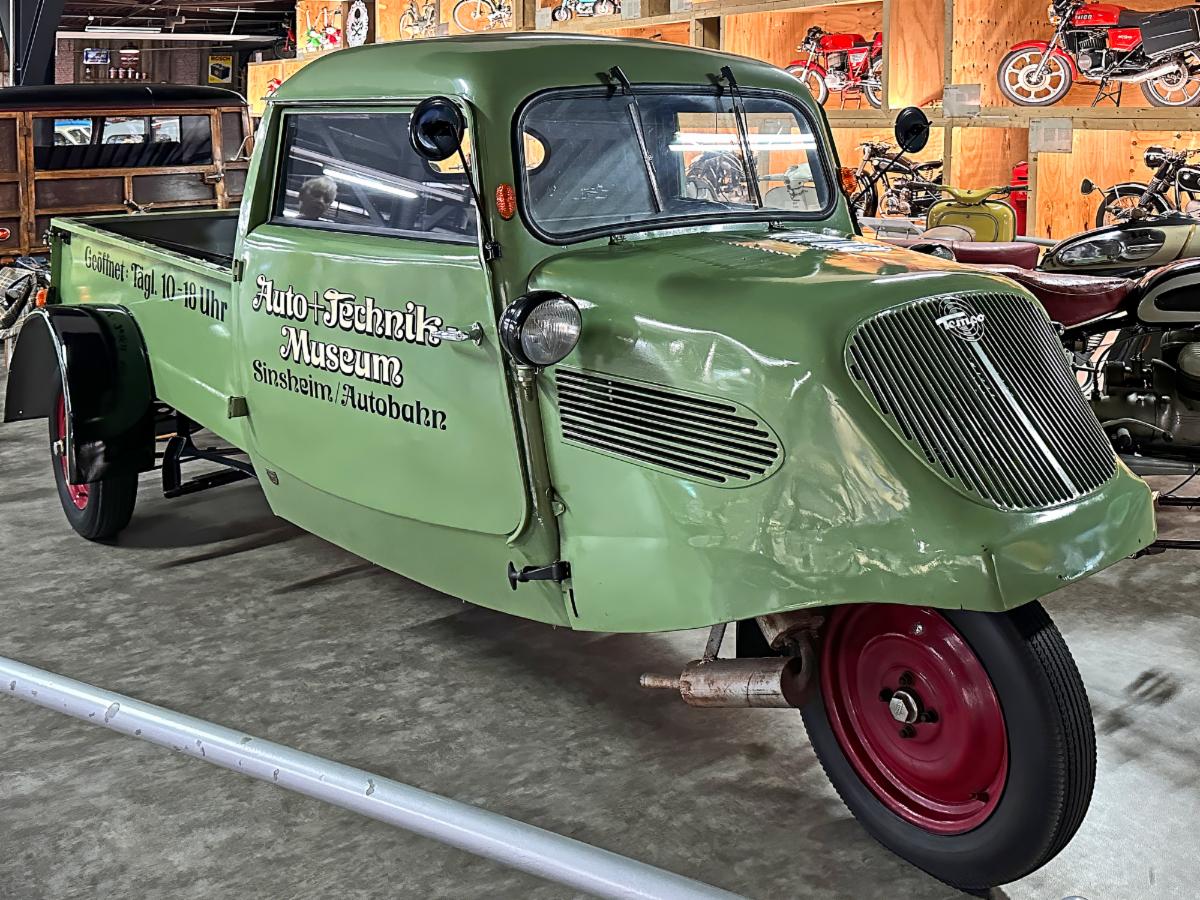
Above: The Tricycle Tempo truck.
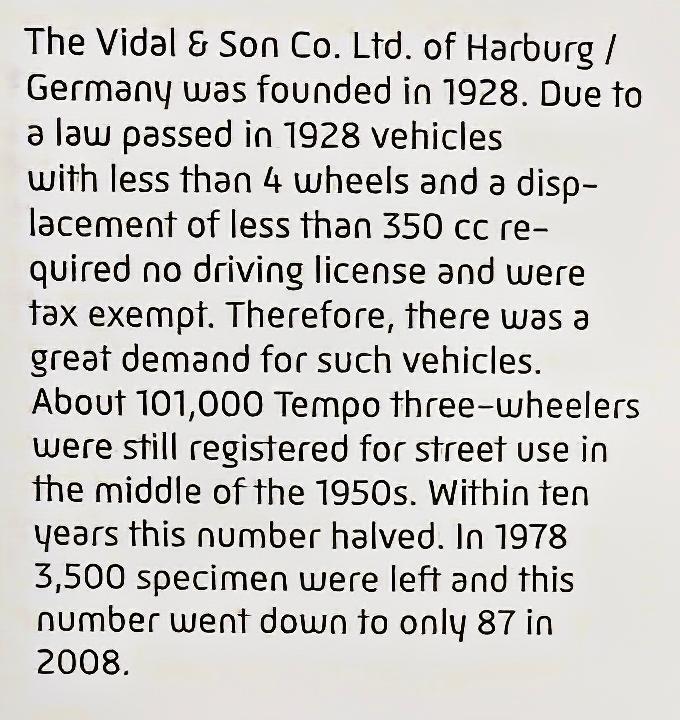
Below: The info plaque for the Tempo vehicle.
| |
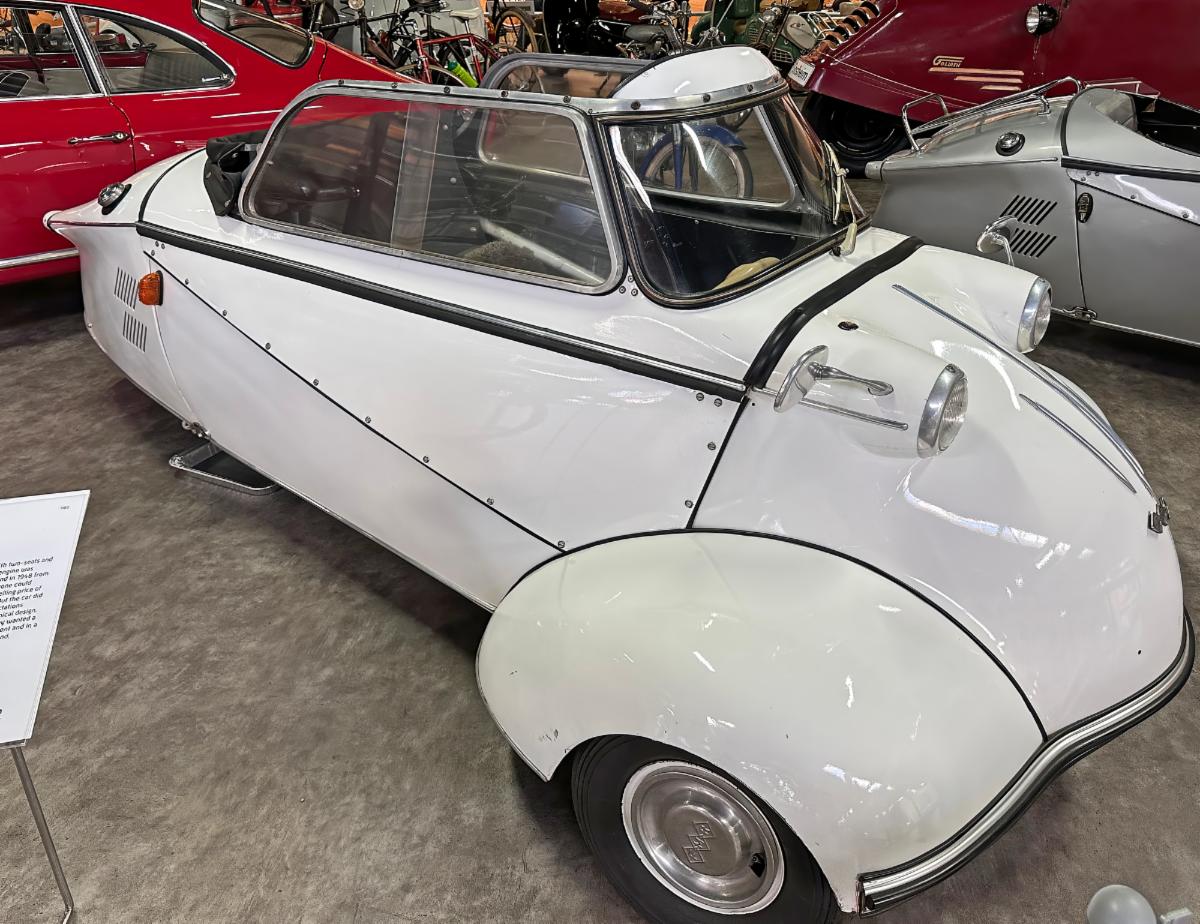
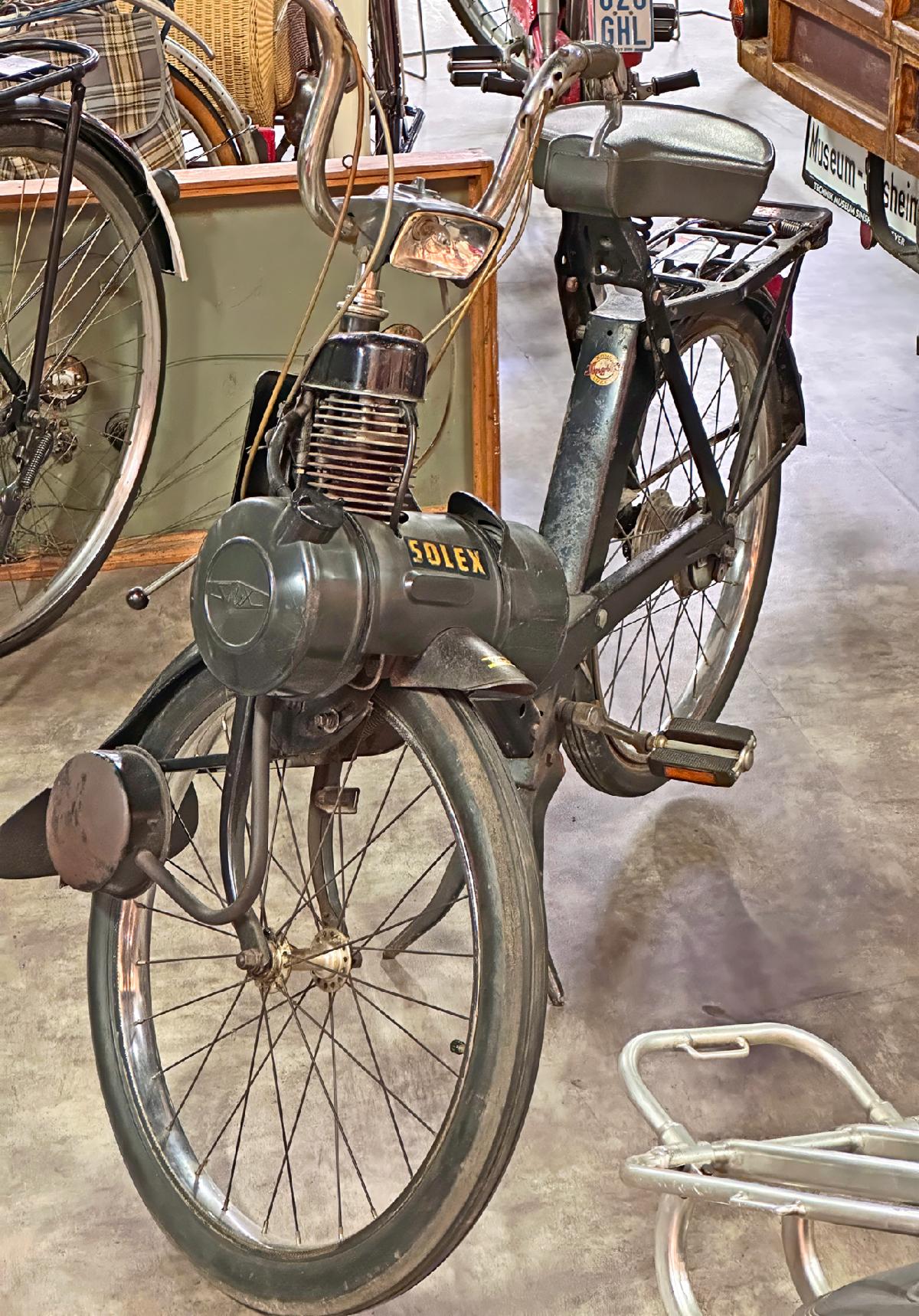
This two-seat, air-cooled, 2-stroke engine was developed by Fritz Fend in 1948. Even though it was technically well-designed, it did not sell well. People wanted a more traditional car.
I saw one of these at the eye clinic just a few days ago when I went for my laser treatment. It had the canvas top snapped on. I looked it over carefully. I couldn't figure out how to get into the seat, especially with the canvas top snapped on. Perhaps the whole top part flips over from one side to the other.
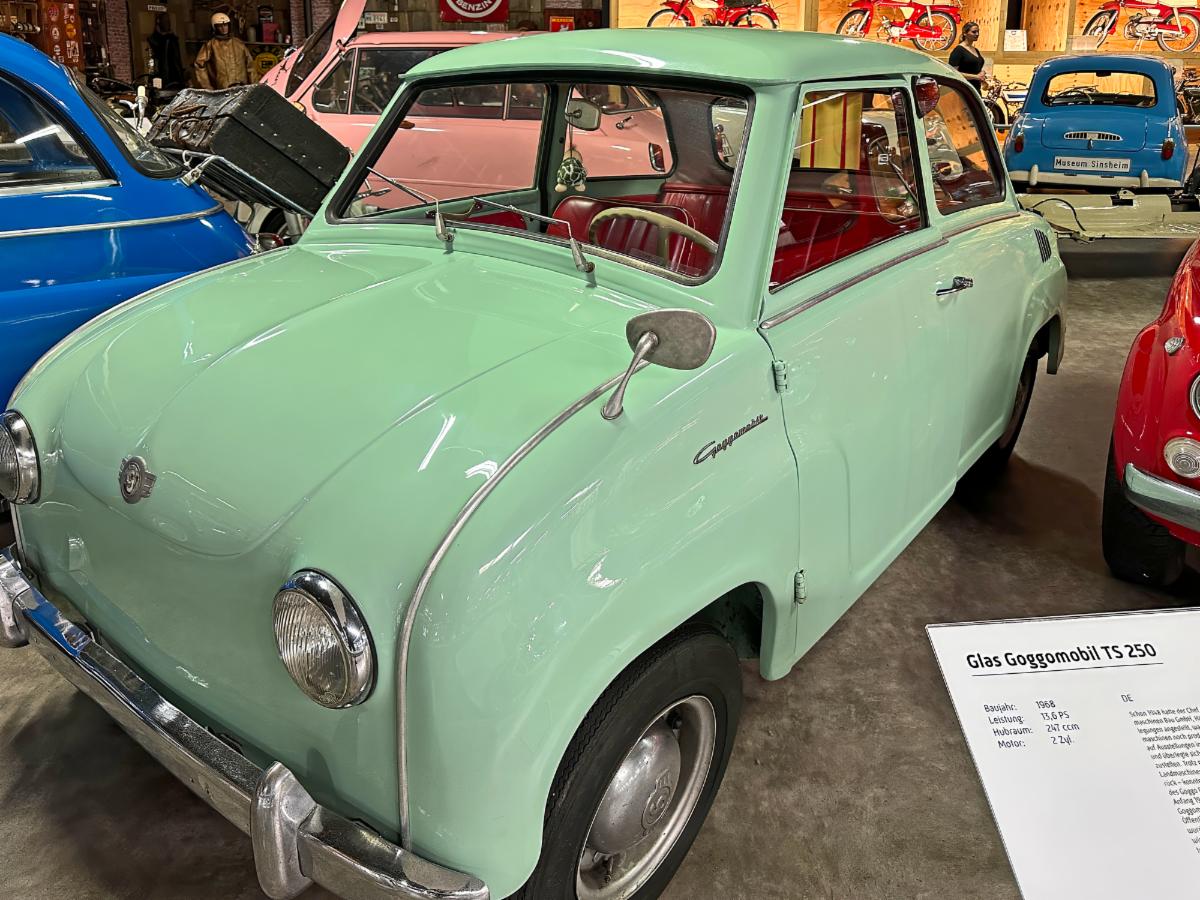
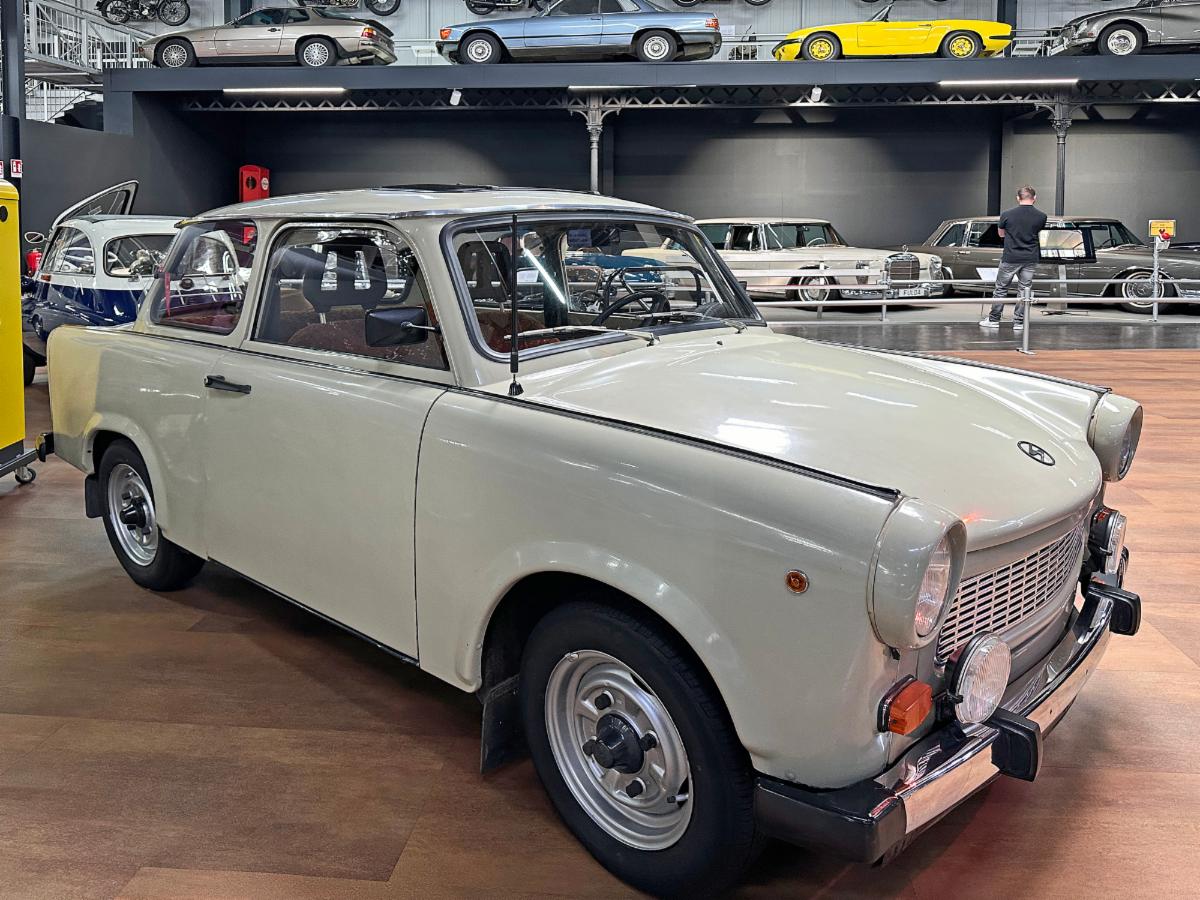
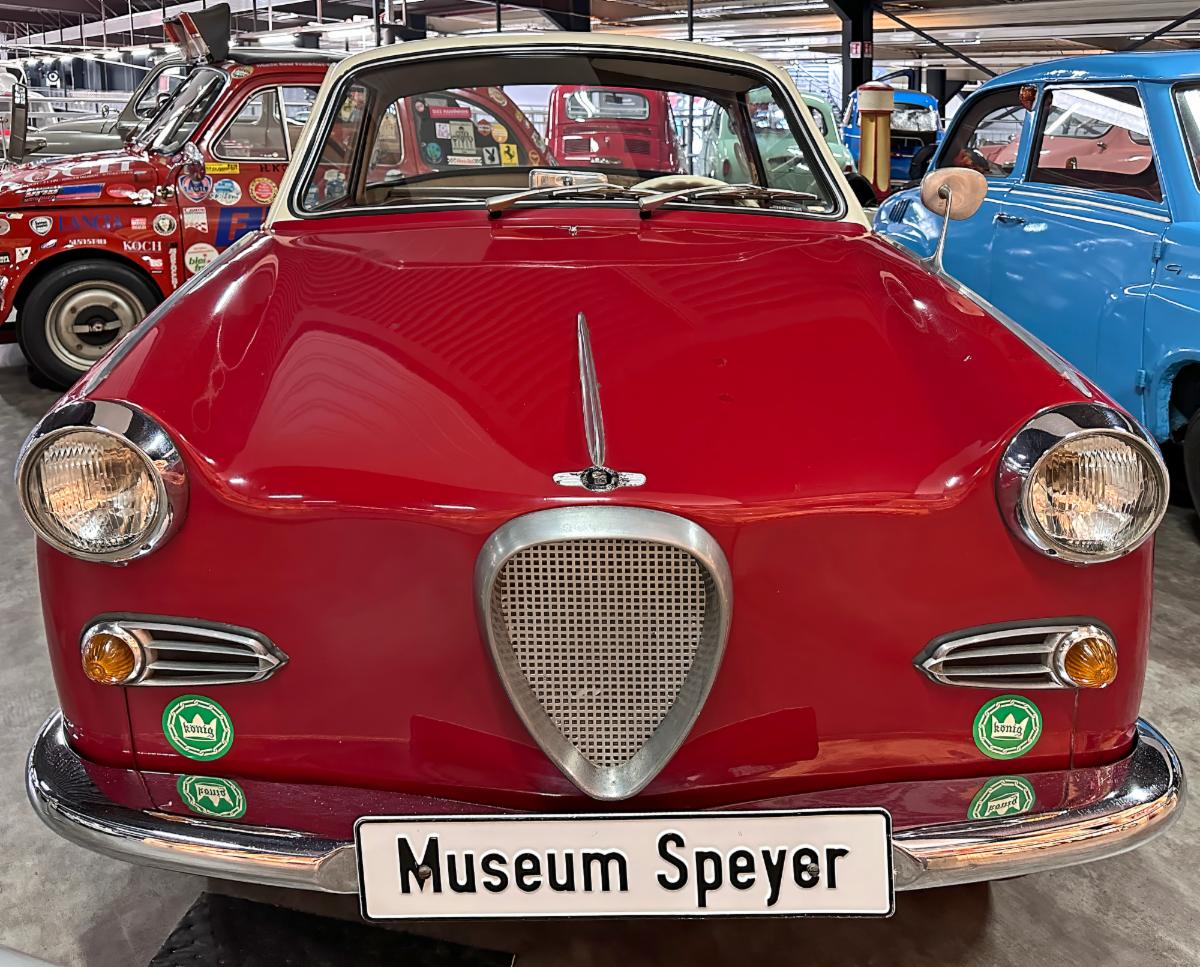
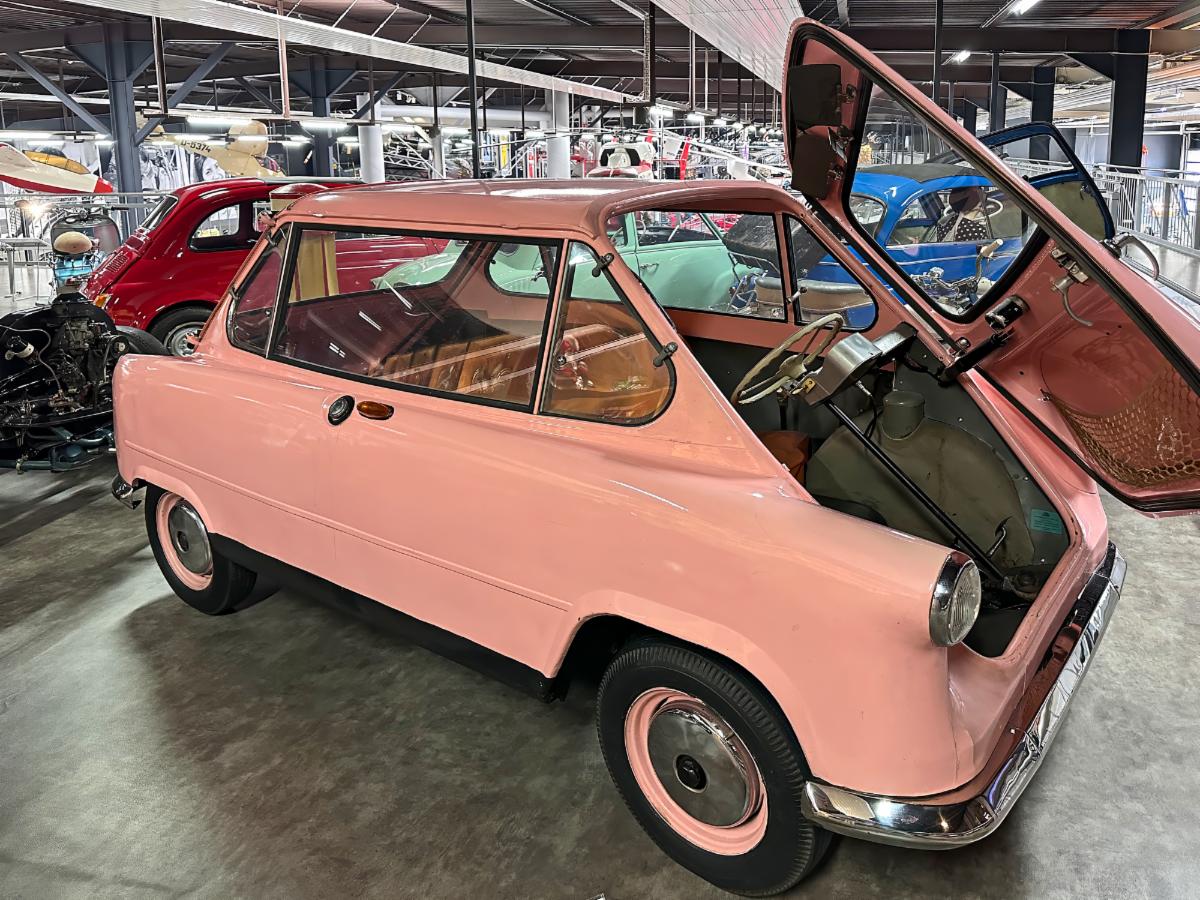
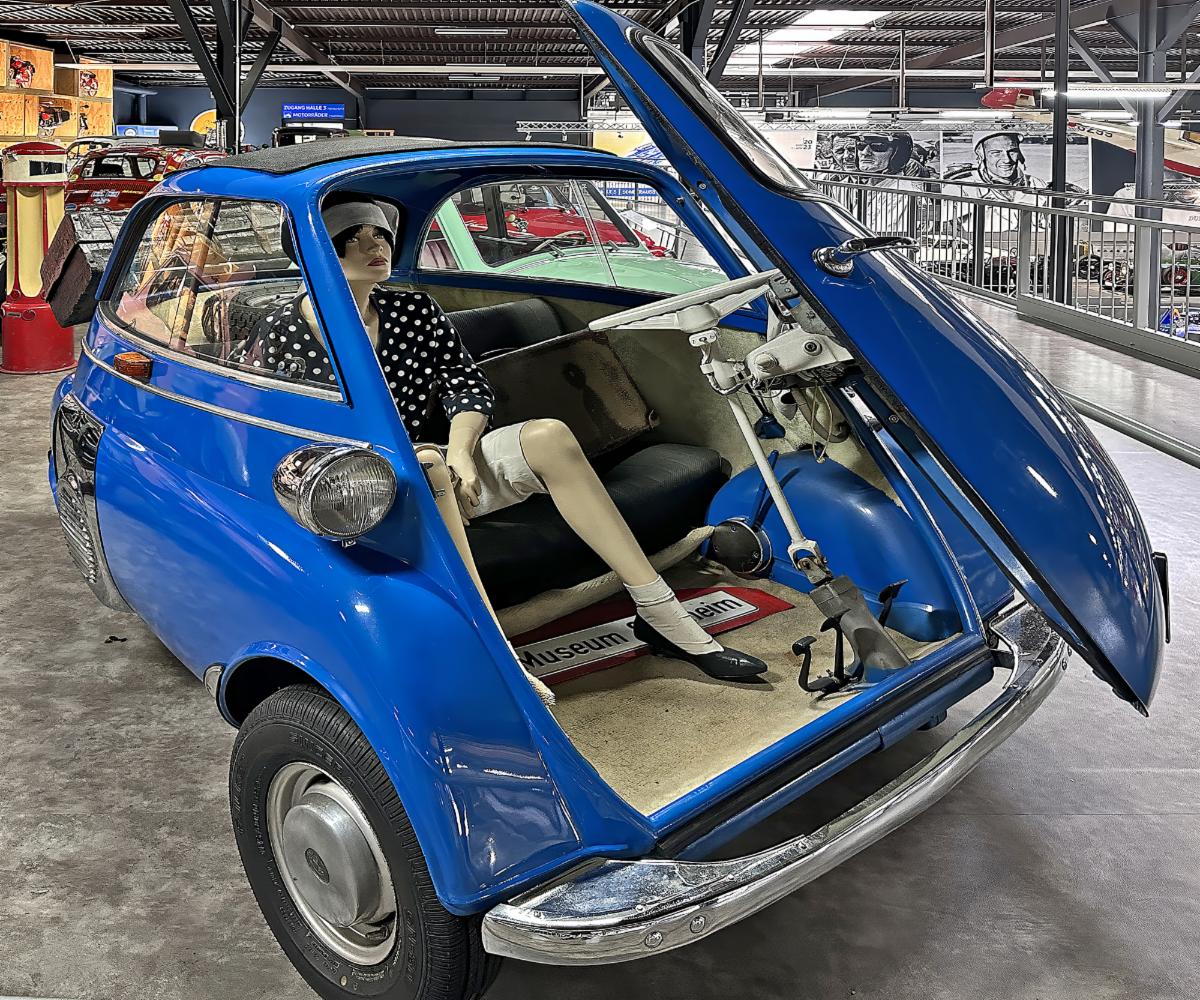
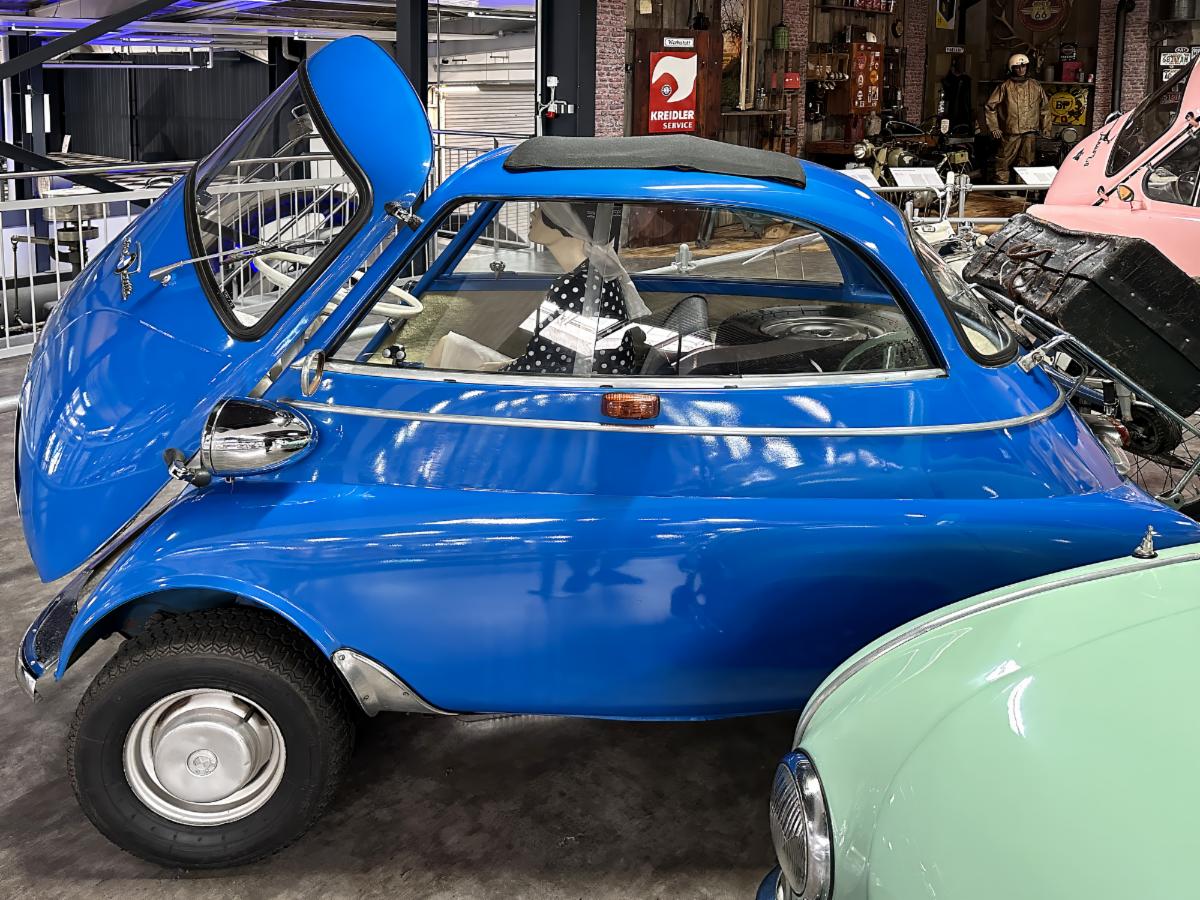
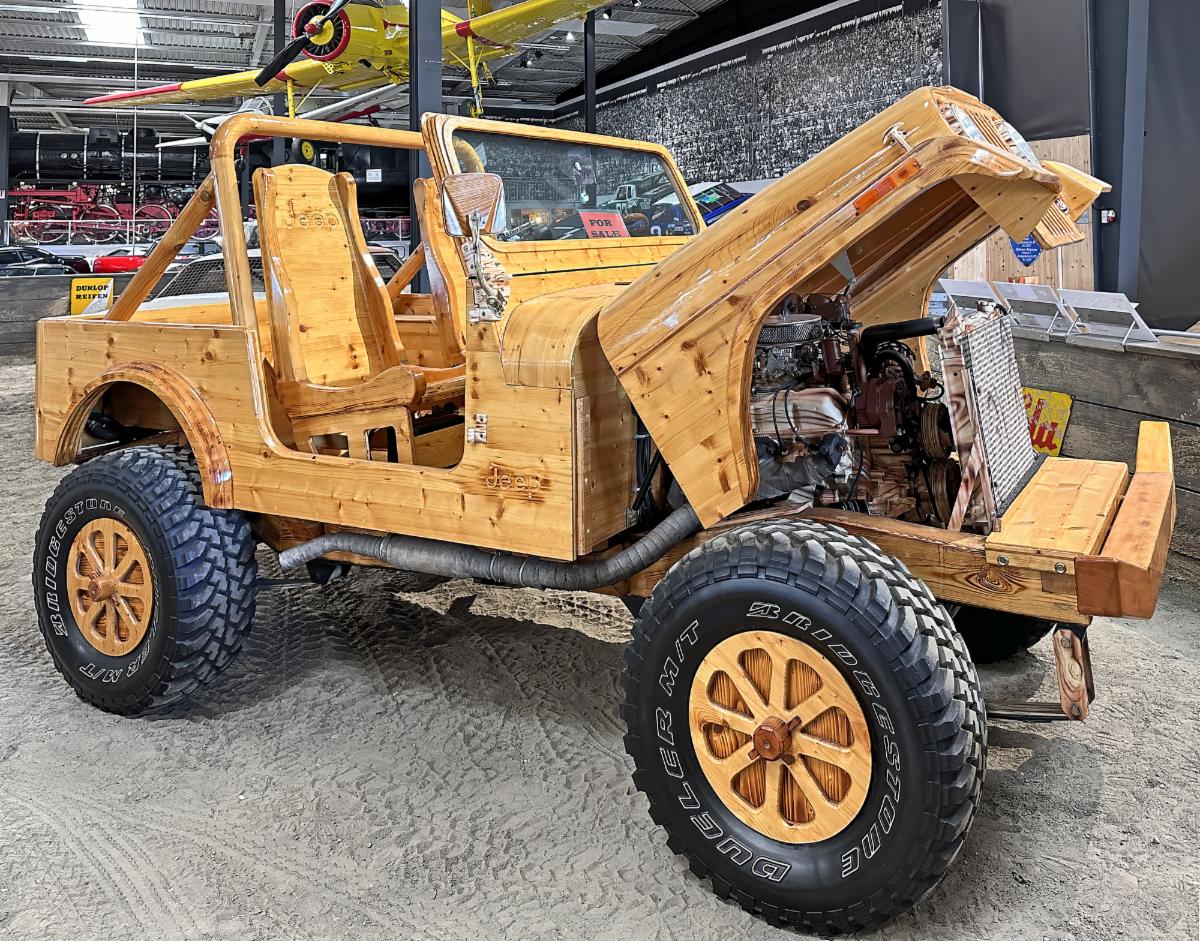
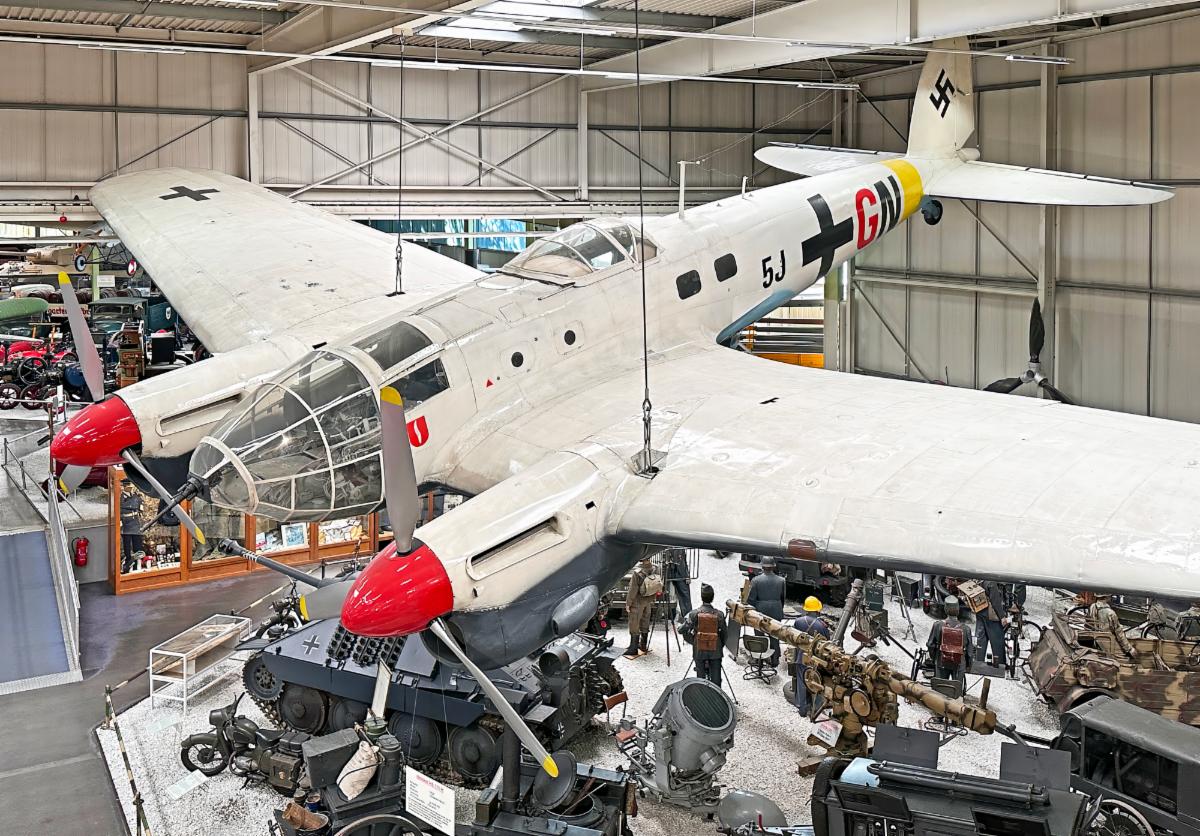
| The ultra-compact Glas Goggomobil TS-250. What a great name. | The East German Trubant P601 was built from 1964 to 1990. In all that time, nothing changed in the car - no innovations, no modernization, nothing. However, because Trubant was the only car East Germans could purchase, by 1988, there was a 15-year waiting list. When the wall went down and East and West Germany reunited, the Trubant was mercifully put to rest. Now, however, Trubants have become a collector's item. | The Edsel-like front caught my eye. | There are no side doors on this car. The entire front is a door and the entire back is a door. The back seat faces backward. | Another front door car. It only has three wheels and one front seat. Notice the spare tire in the area behind the seat. | This one-of-a-kind wooden Jeep was built be a woodworker. He wanted to show off his woodworking skills. I certainly was impressed. | There were a ton of other mechanical wonders at the museum. Huge steam locomotives, mobile sawmills, giant electric generators, and a plethora of WWII tanks, guns, transport vehicles, and aircraft. There was even a 3D IMax theater. Wanda and I are suckers for IMax-size screens. We paid an extra couple of bucks for a documentary on the Hubble Space Telescope. We should have remembered that it would be shown in German. Oops! It was eye candy, even if we didn’t understand a word. | |
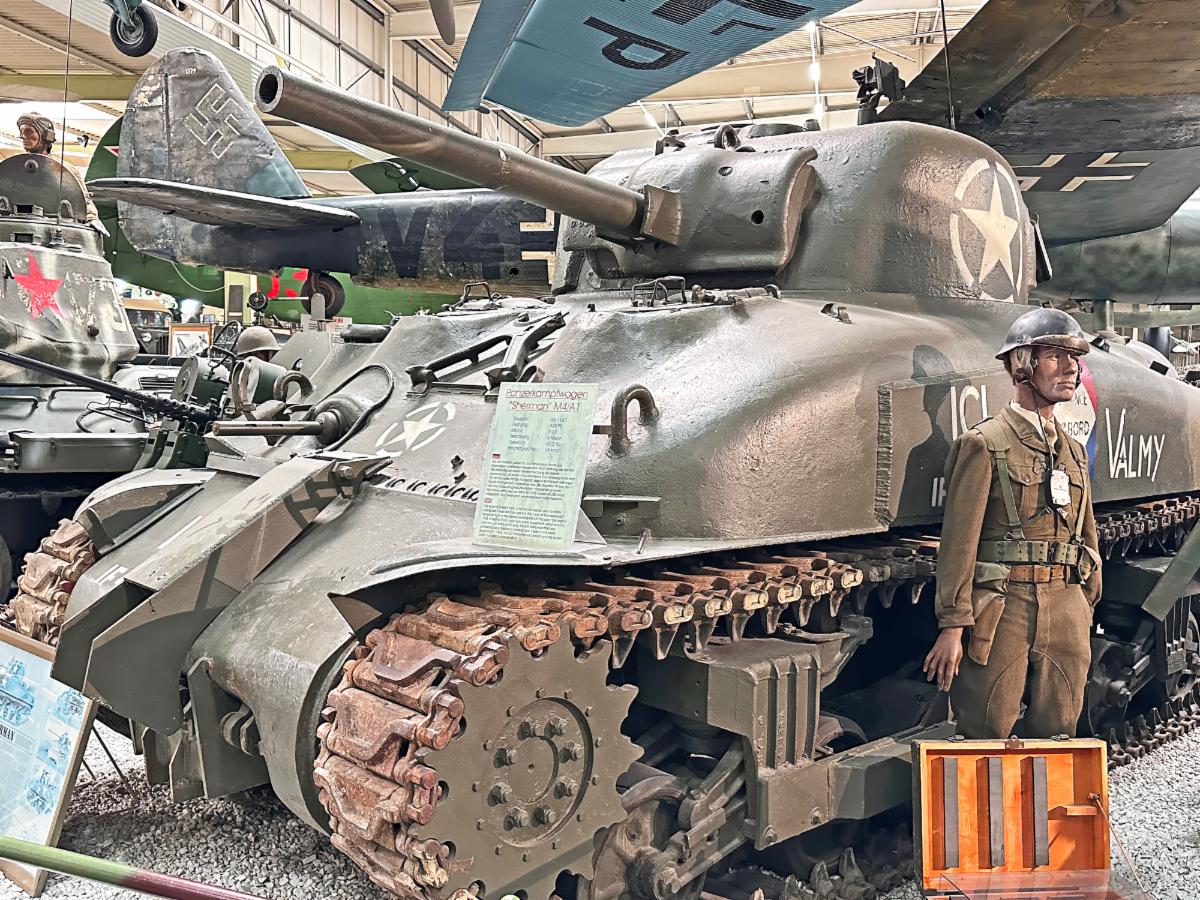
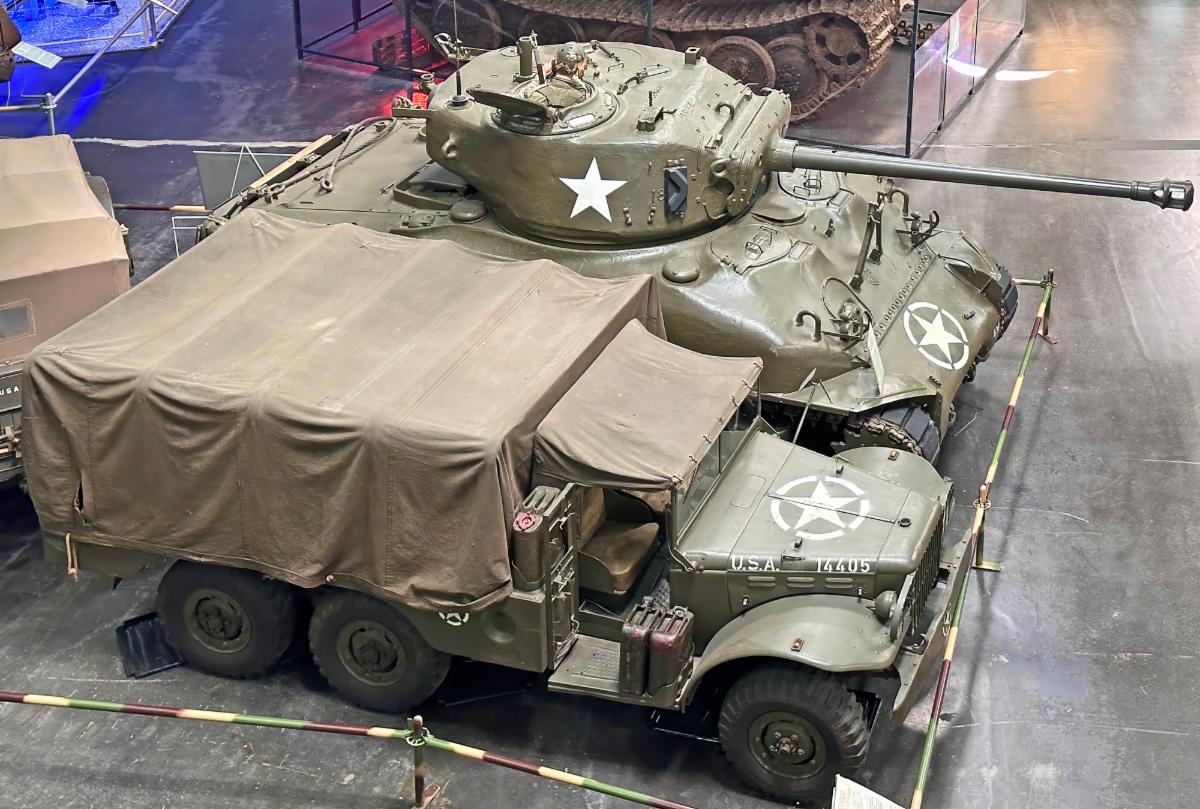
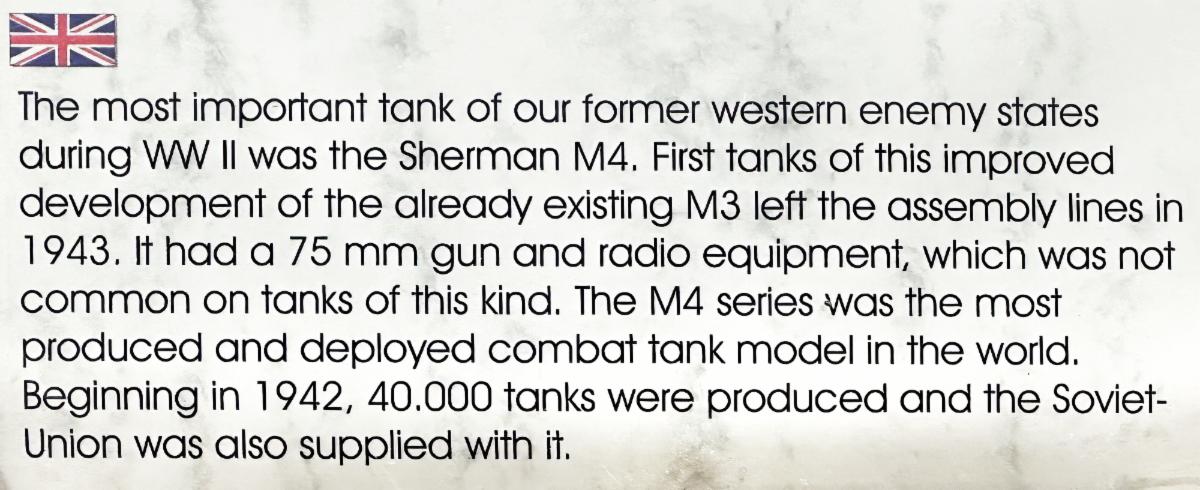
Above and below: The iconic American WWII Sherman Tank. | |
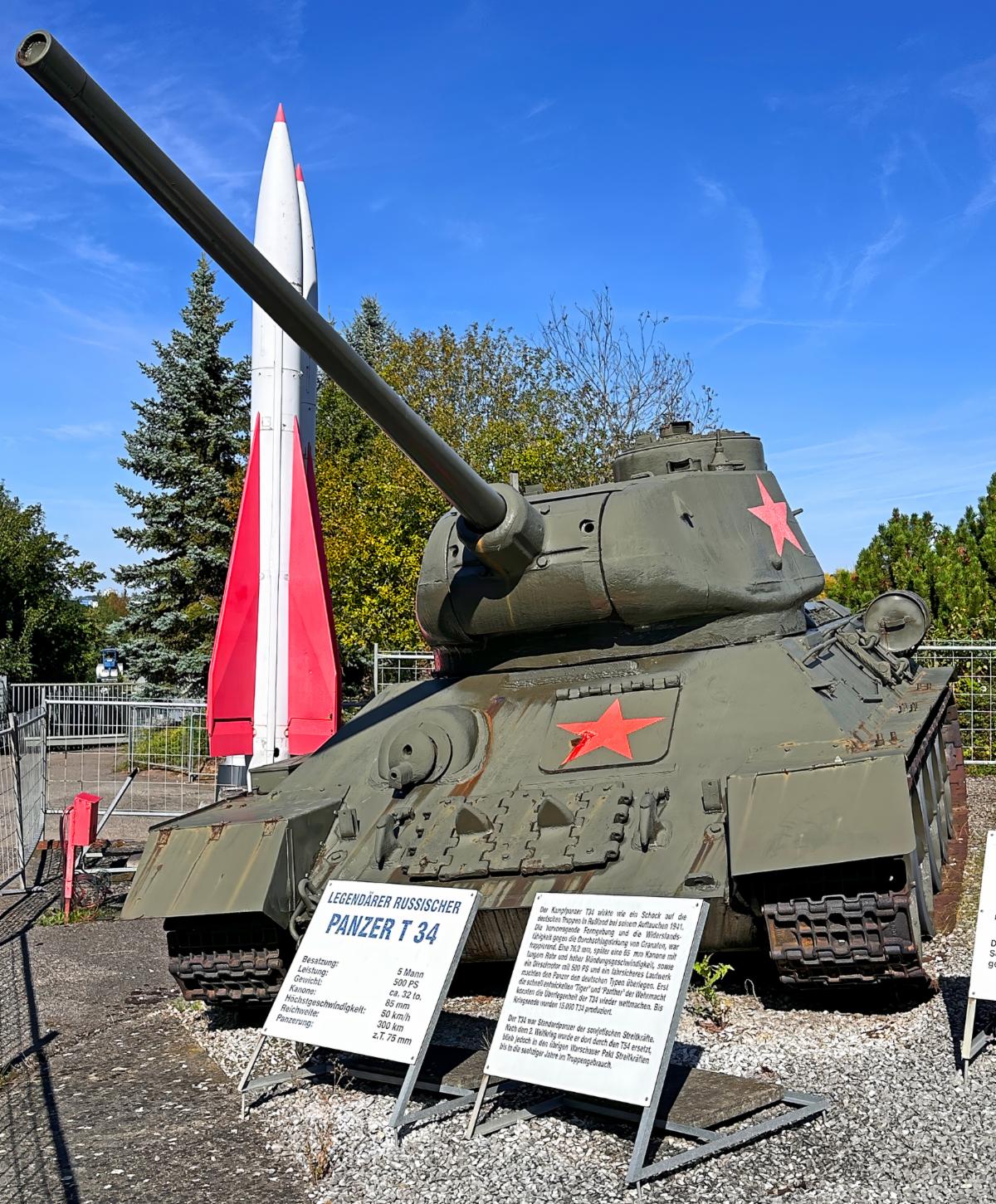
The Soviet's highly successful WWII T-34 tank. The sloped angularity of the design helped to deflect incoming shells. | |
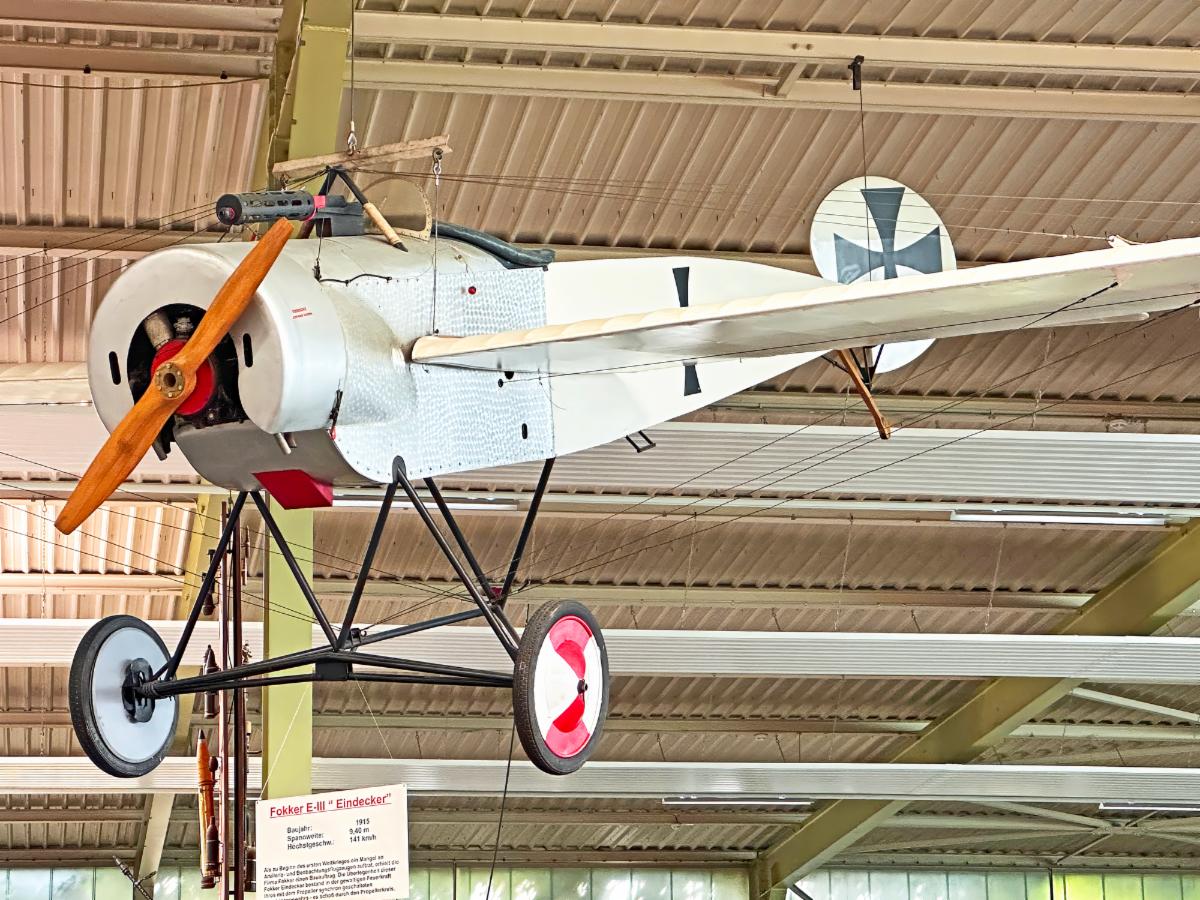
The famous WWI German Fokker. Interestingly, this version was a mono-wing. I thought all WWI planes were bi-planes. | |
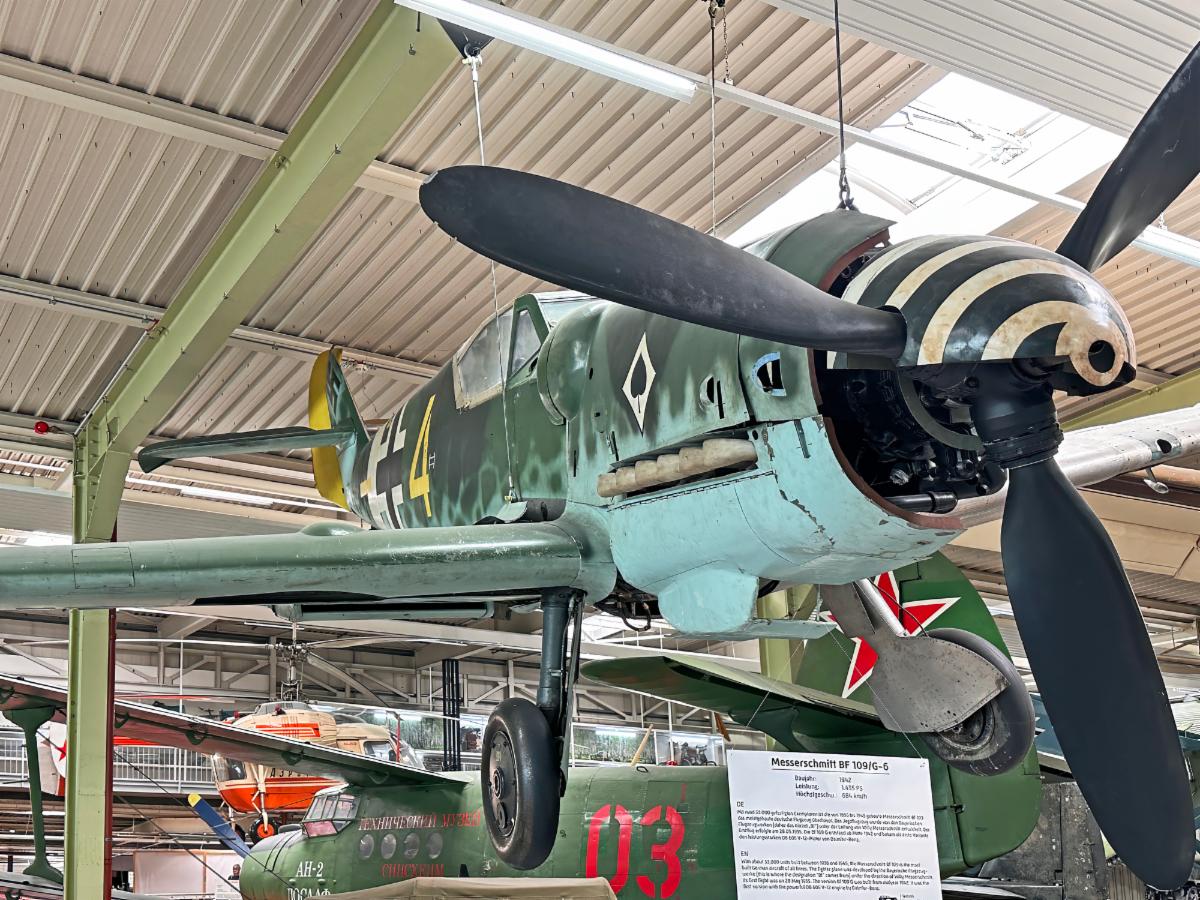
Germany's even more famous WWII Me 109 fighter. | |
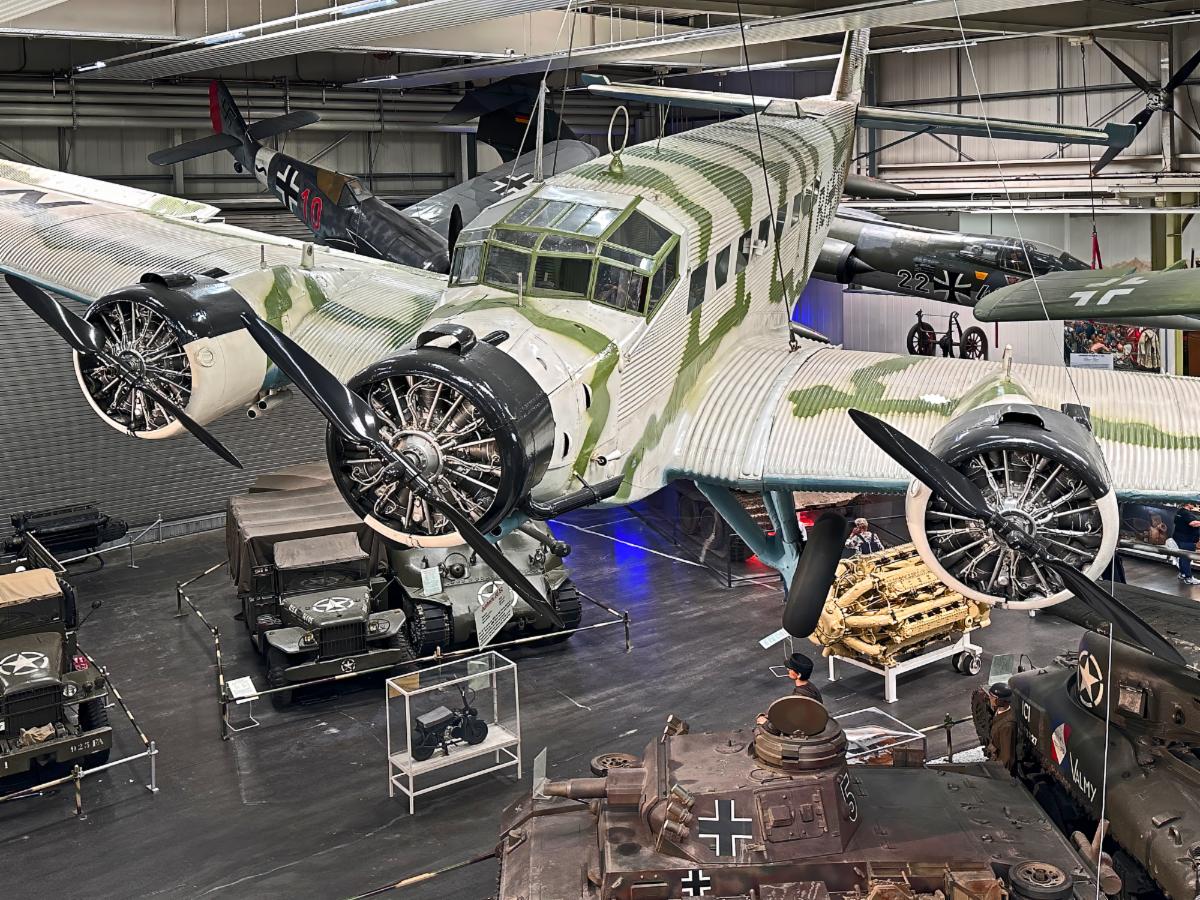
The German version of the Ford Tri-Motor plane. | |
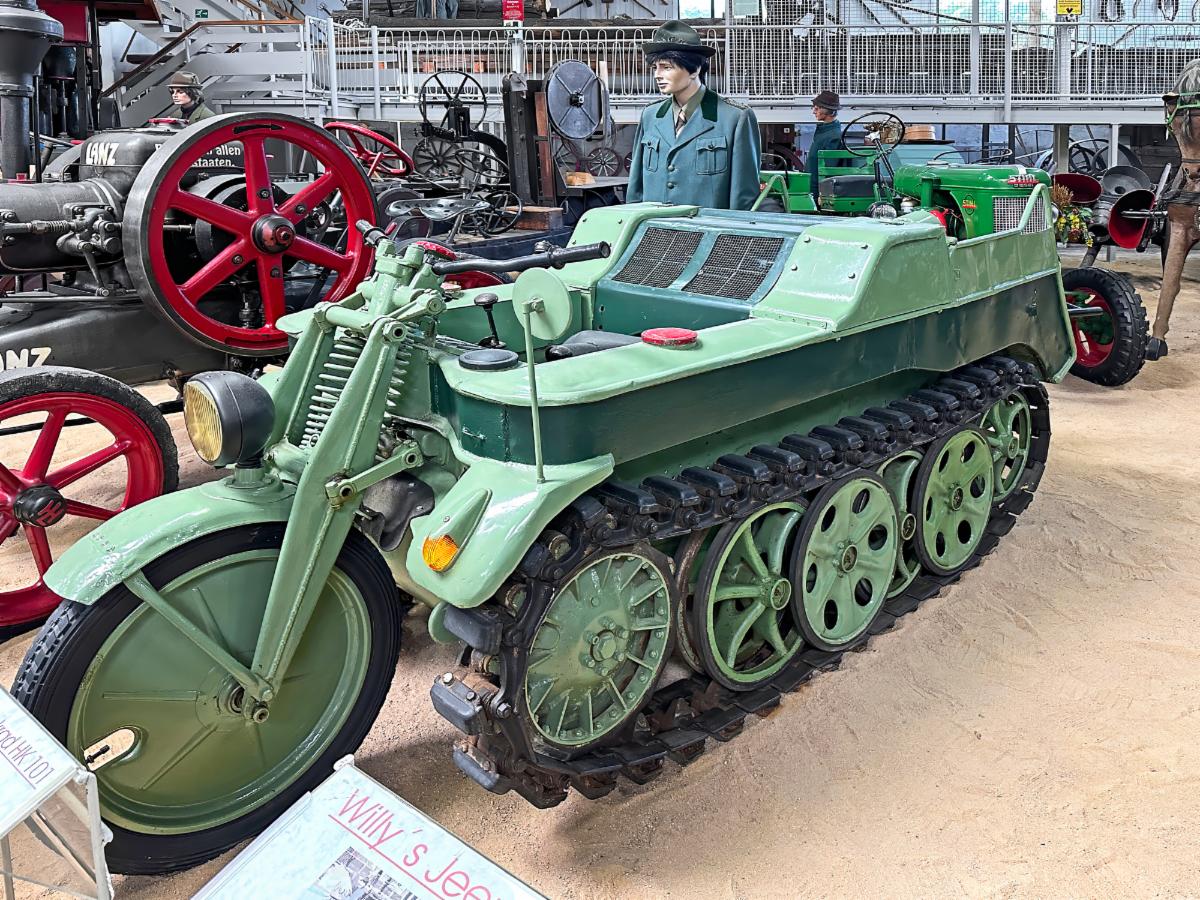
This could probably be used as a snowmobile. | |
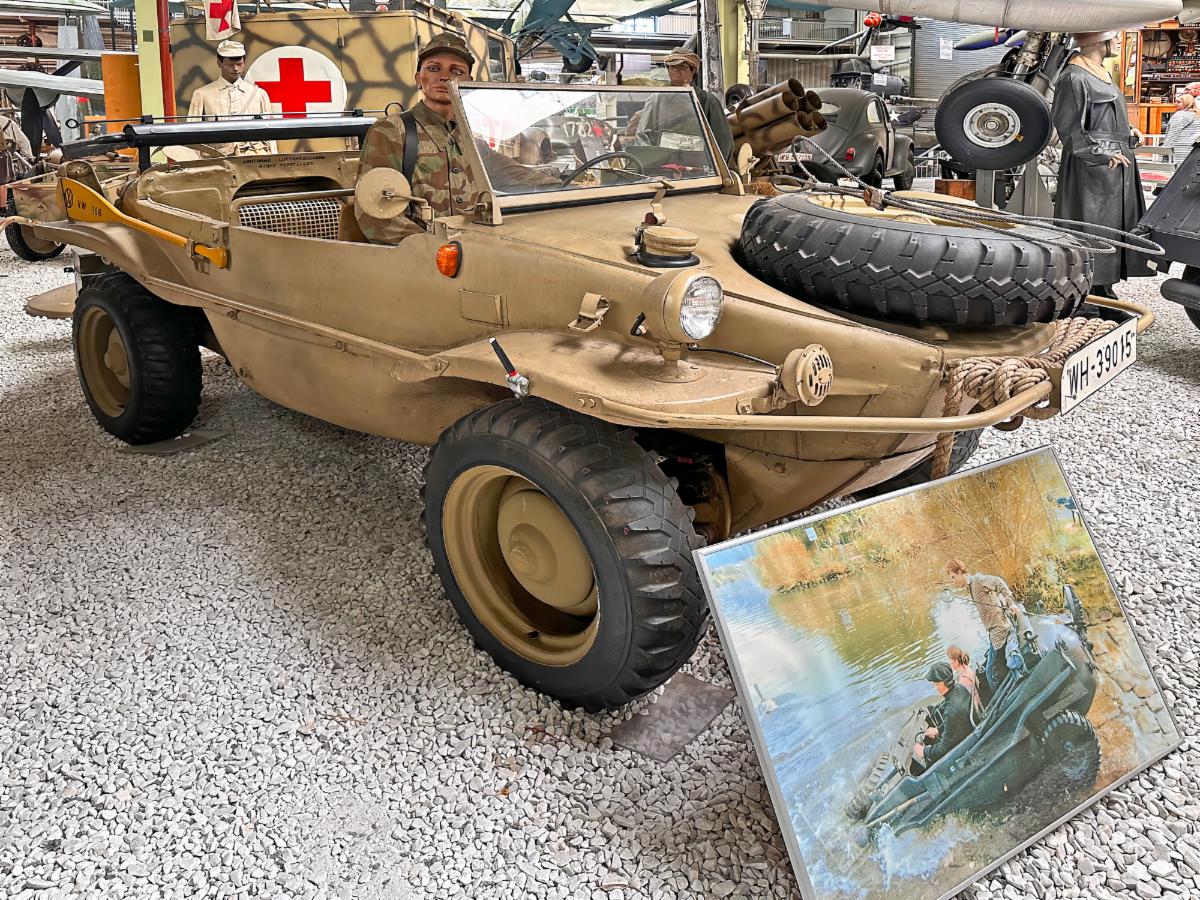
Hans Trippel, the designer of the Amphicar, had designed an amphibious military vehicle in the 1930s. I wonder if this was his design. | |
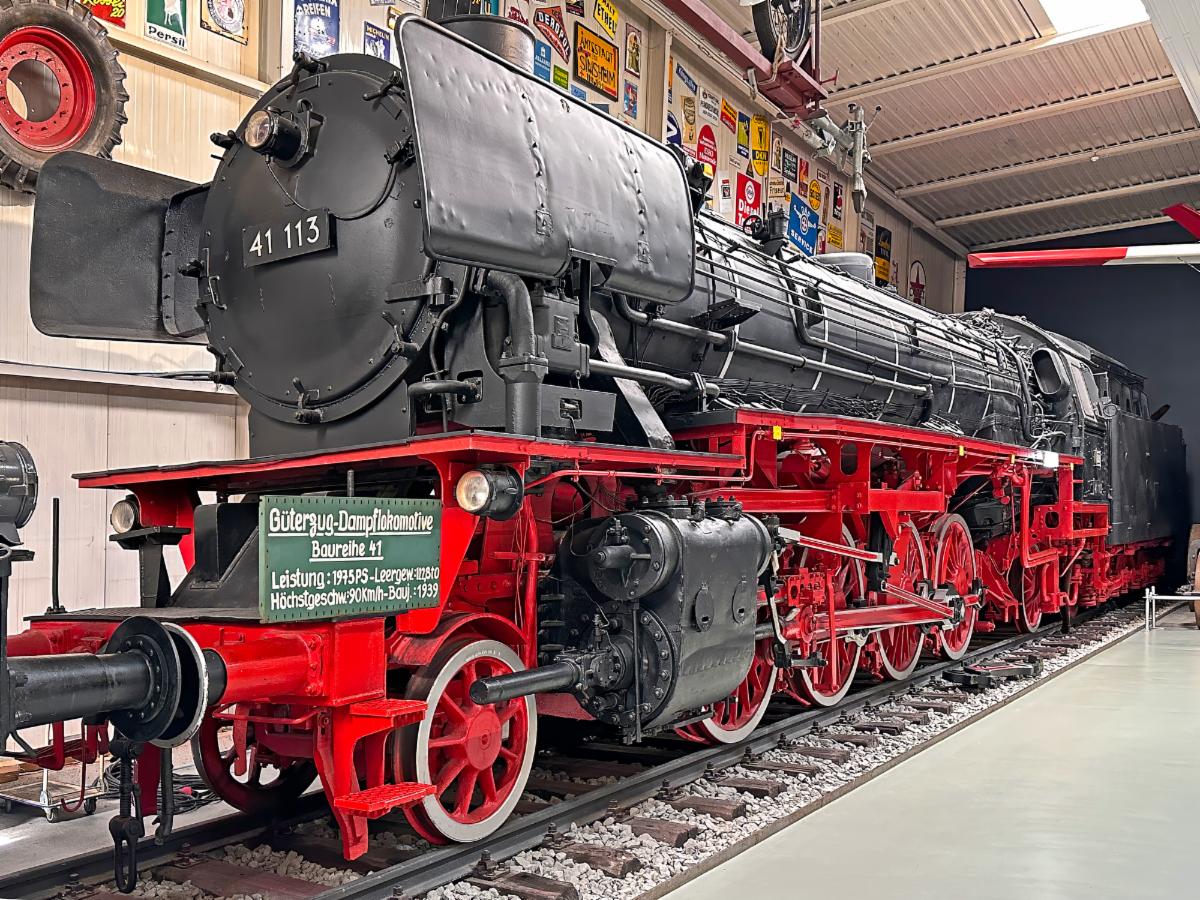
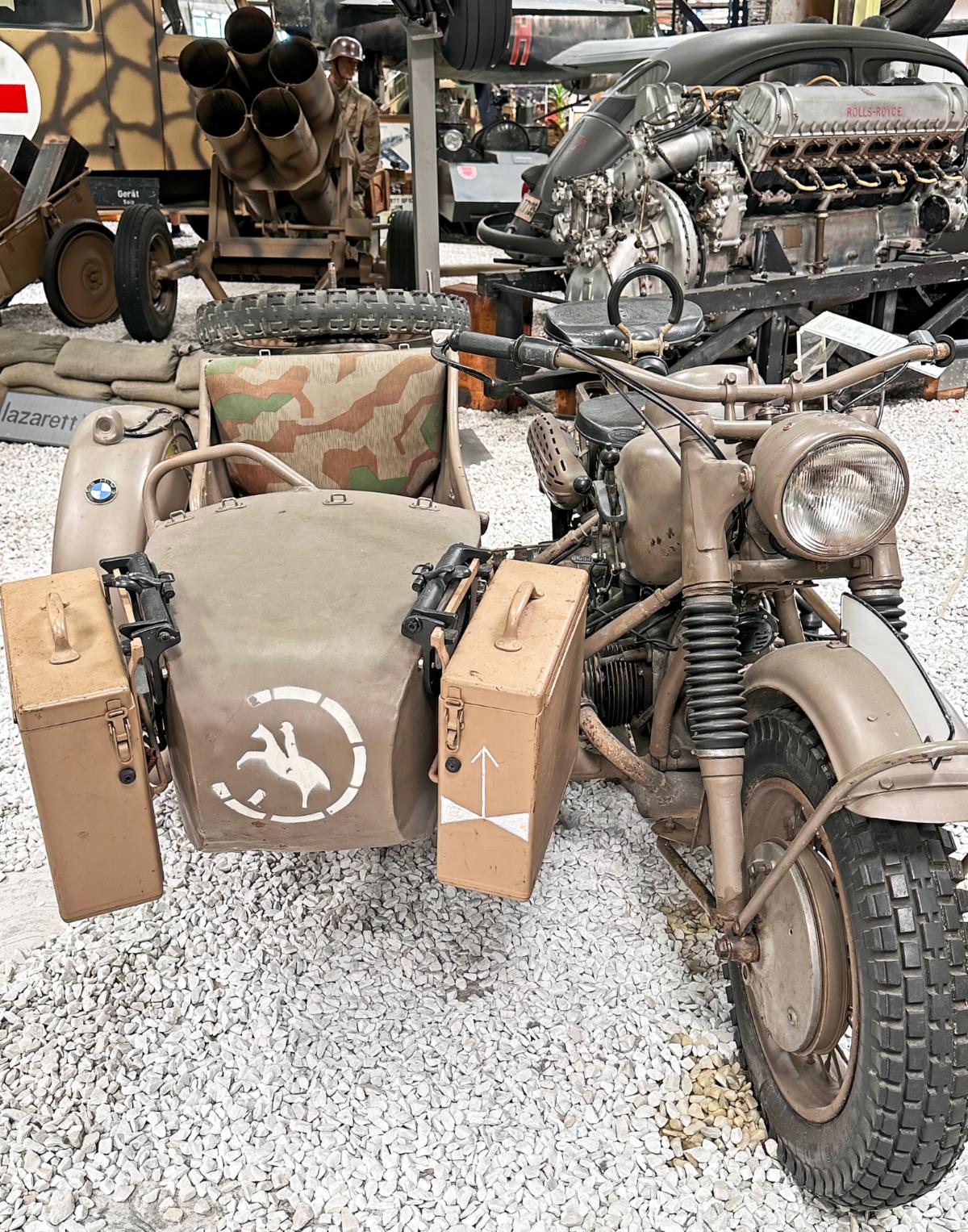
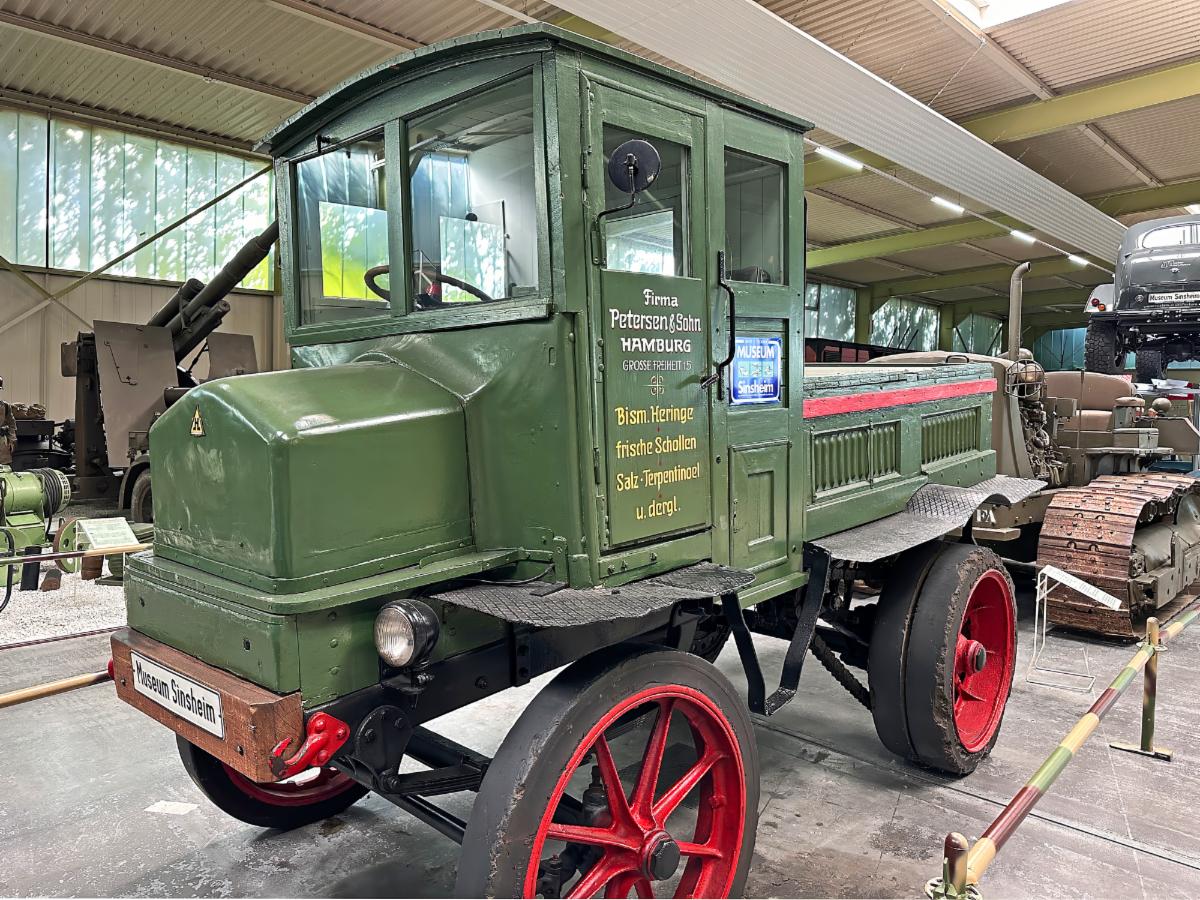
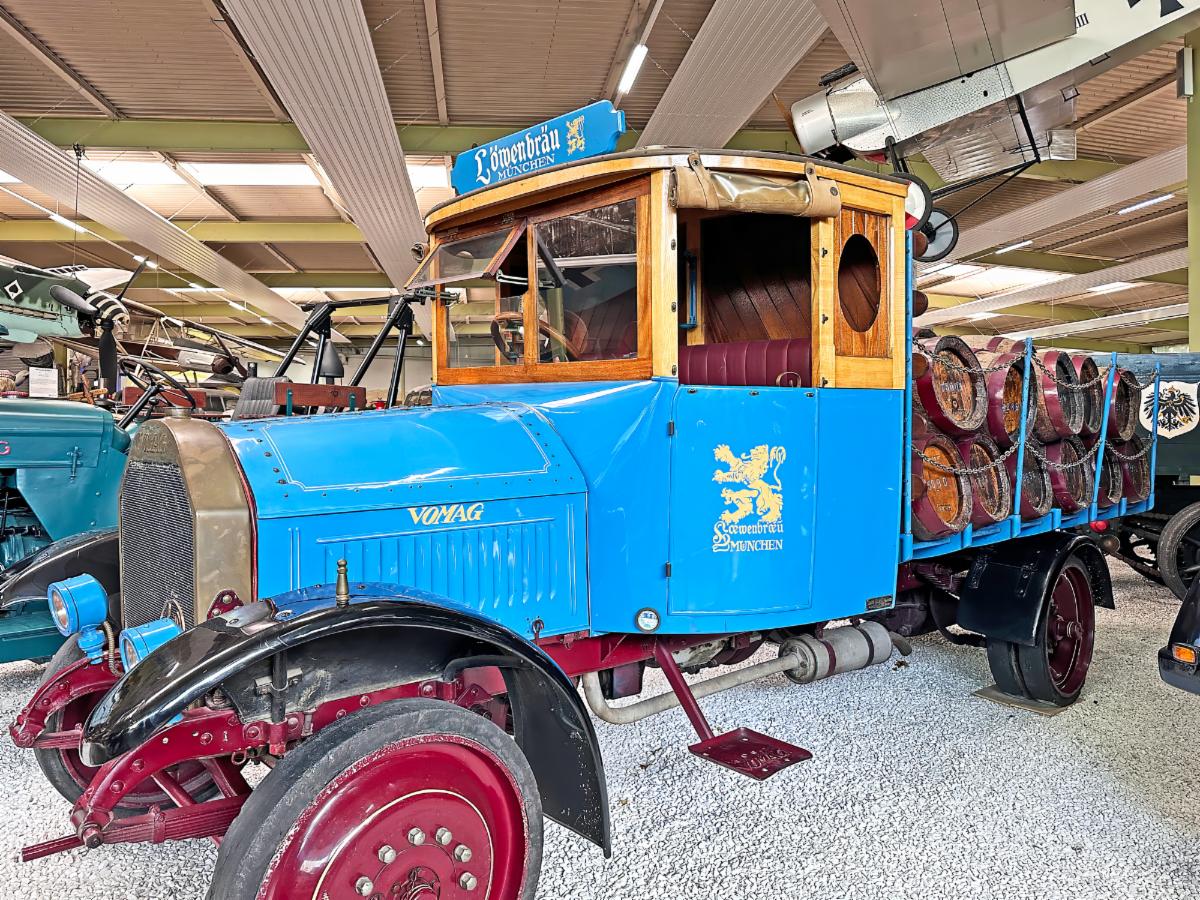
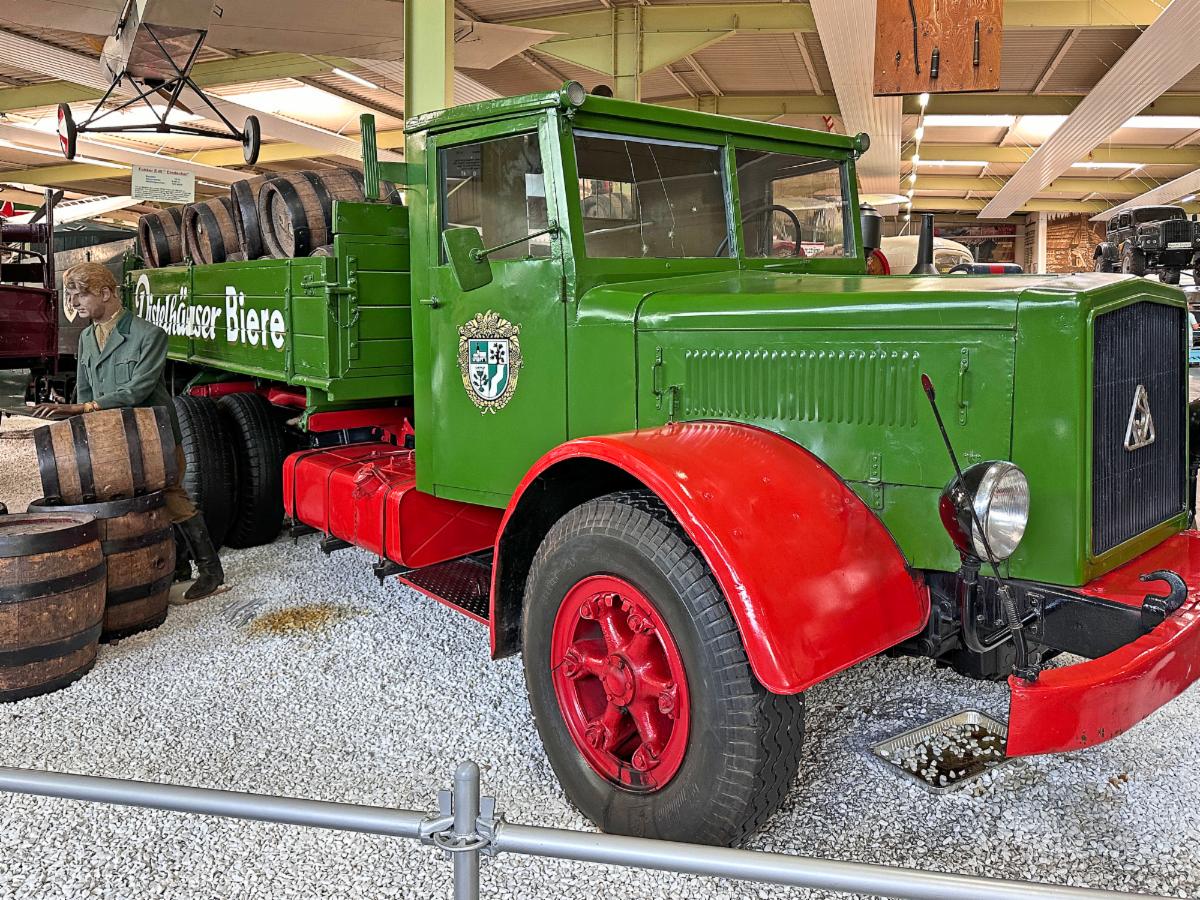
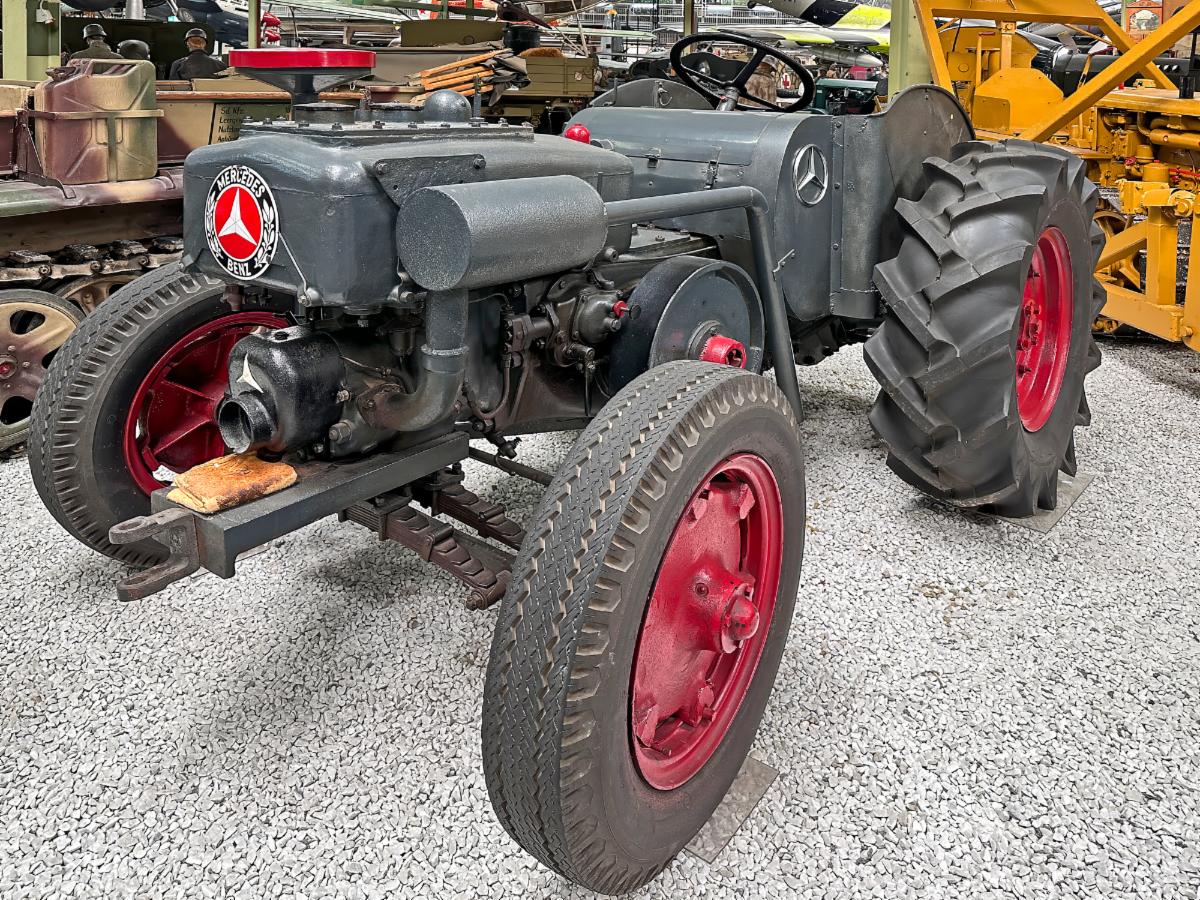
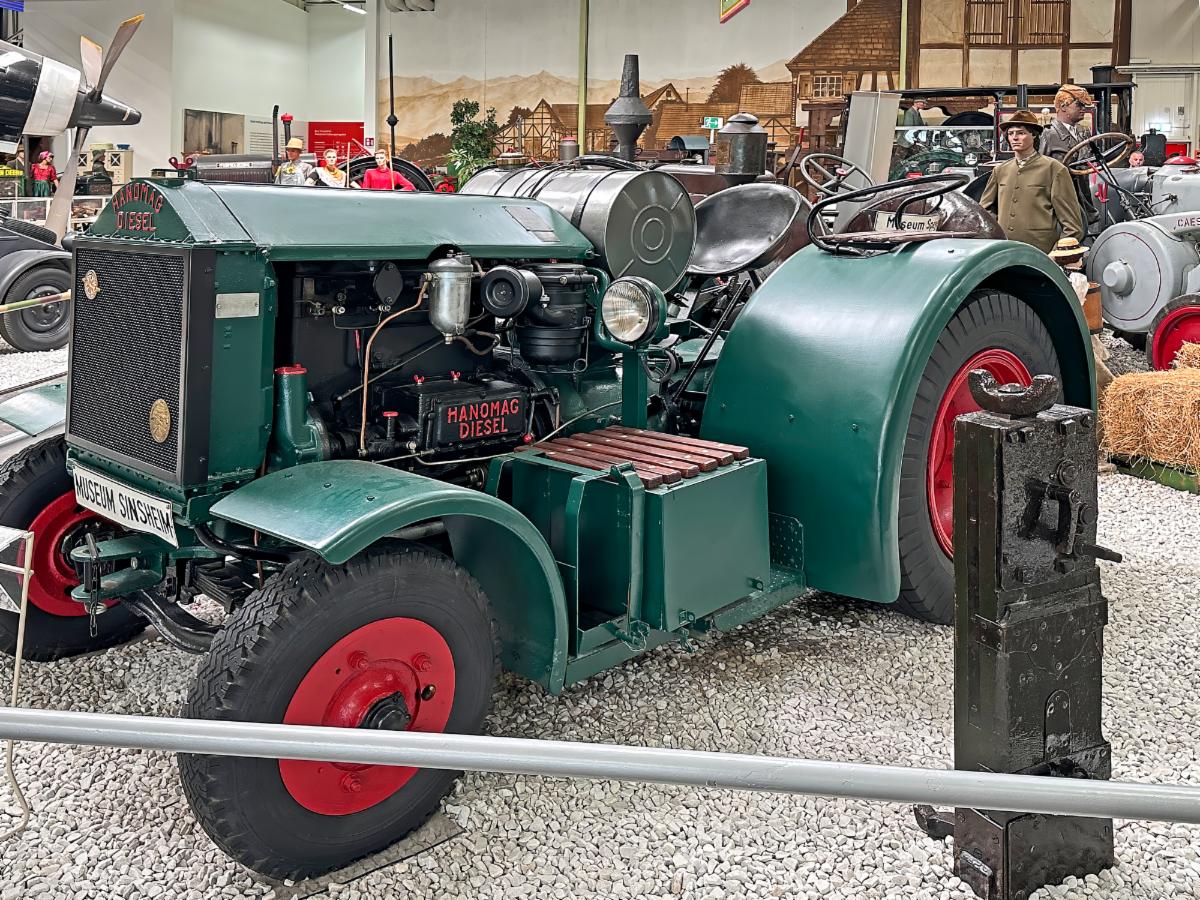
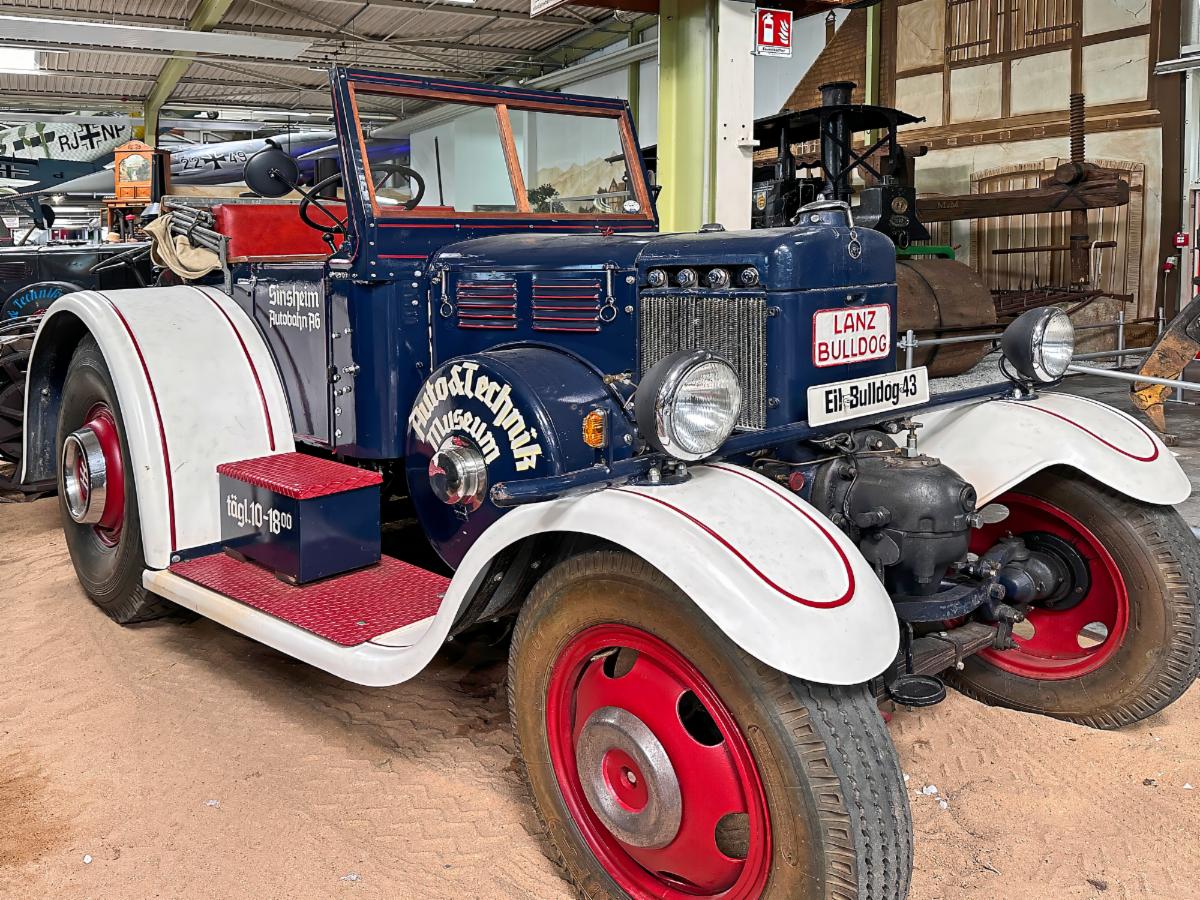
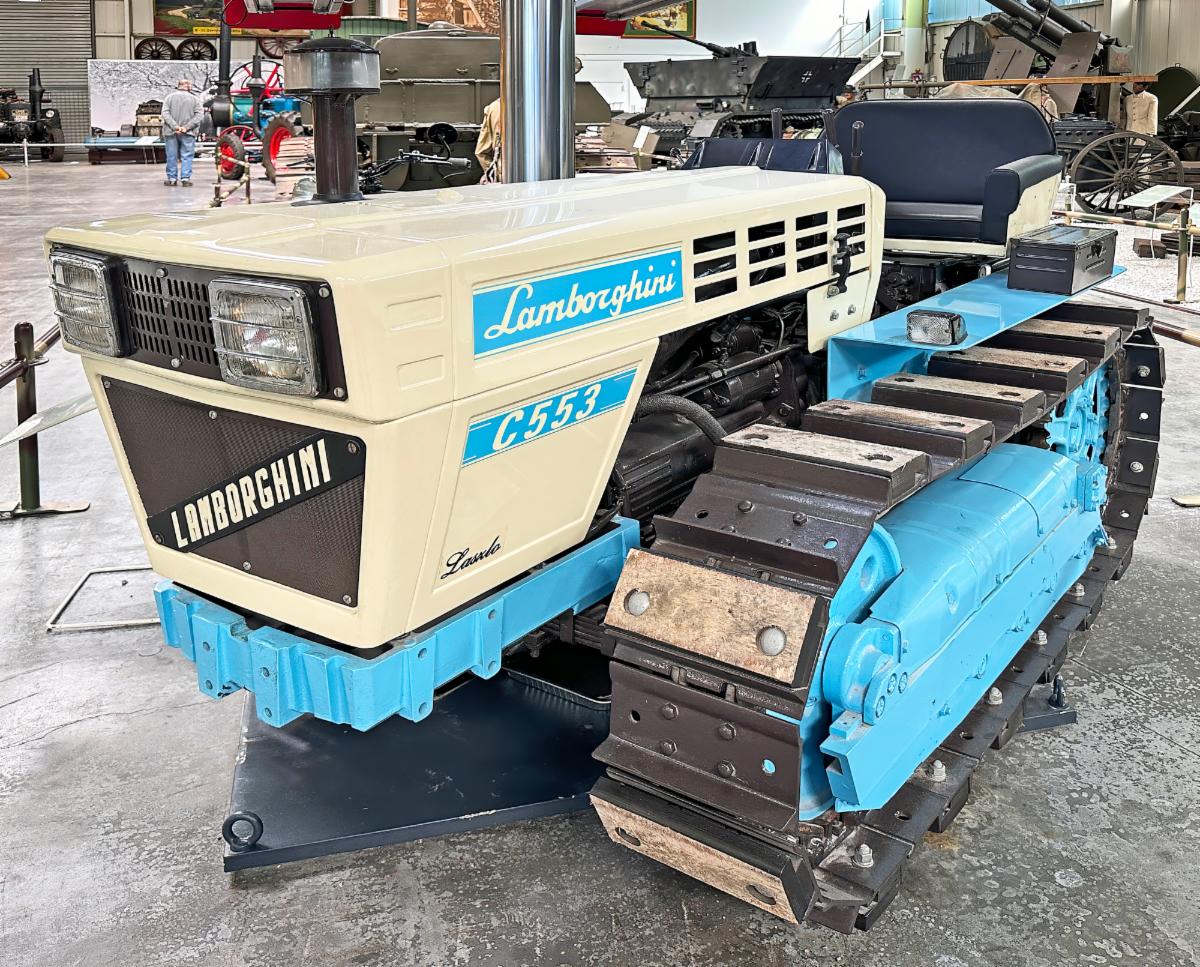
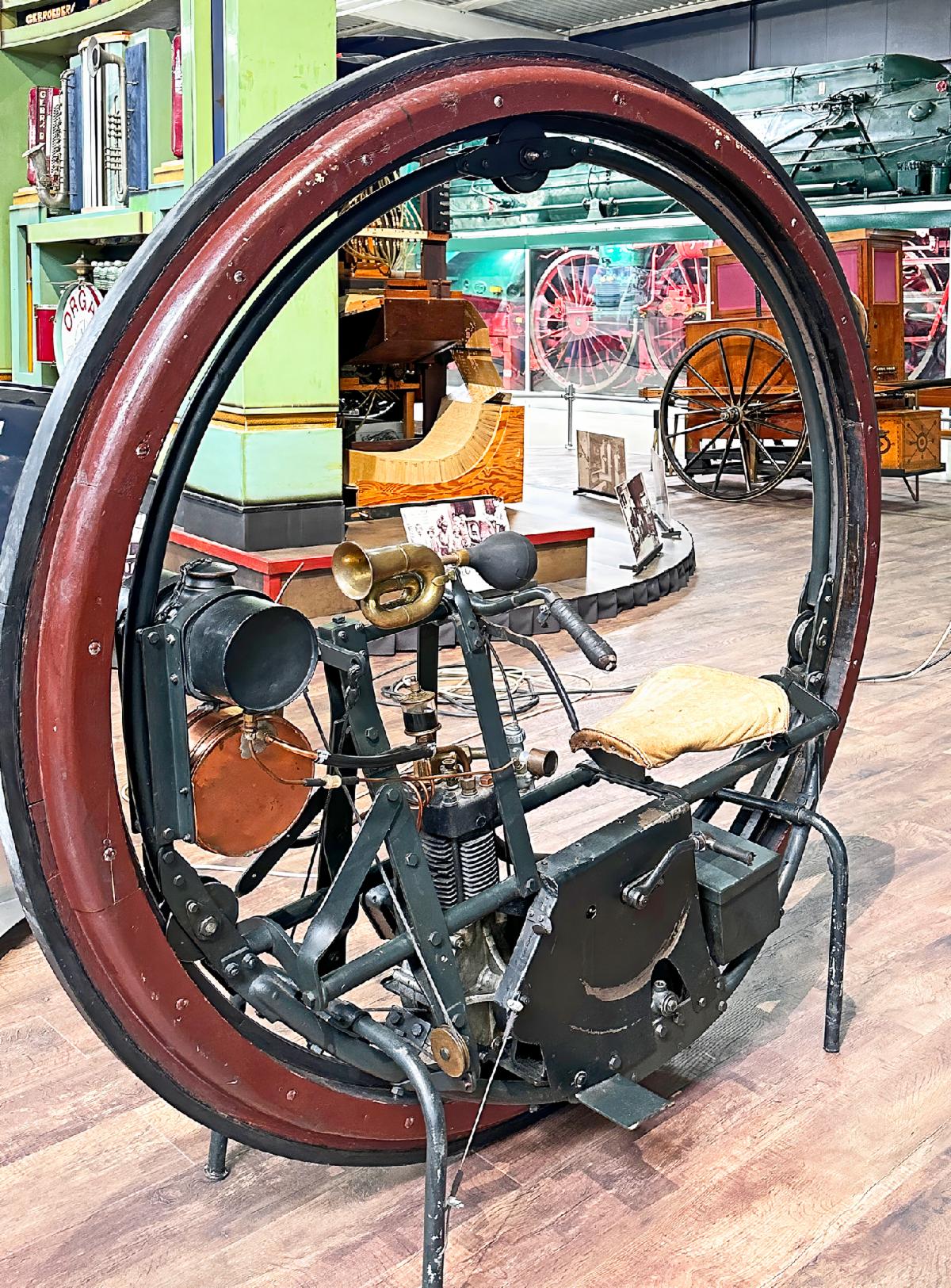
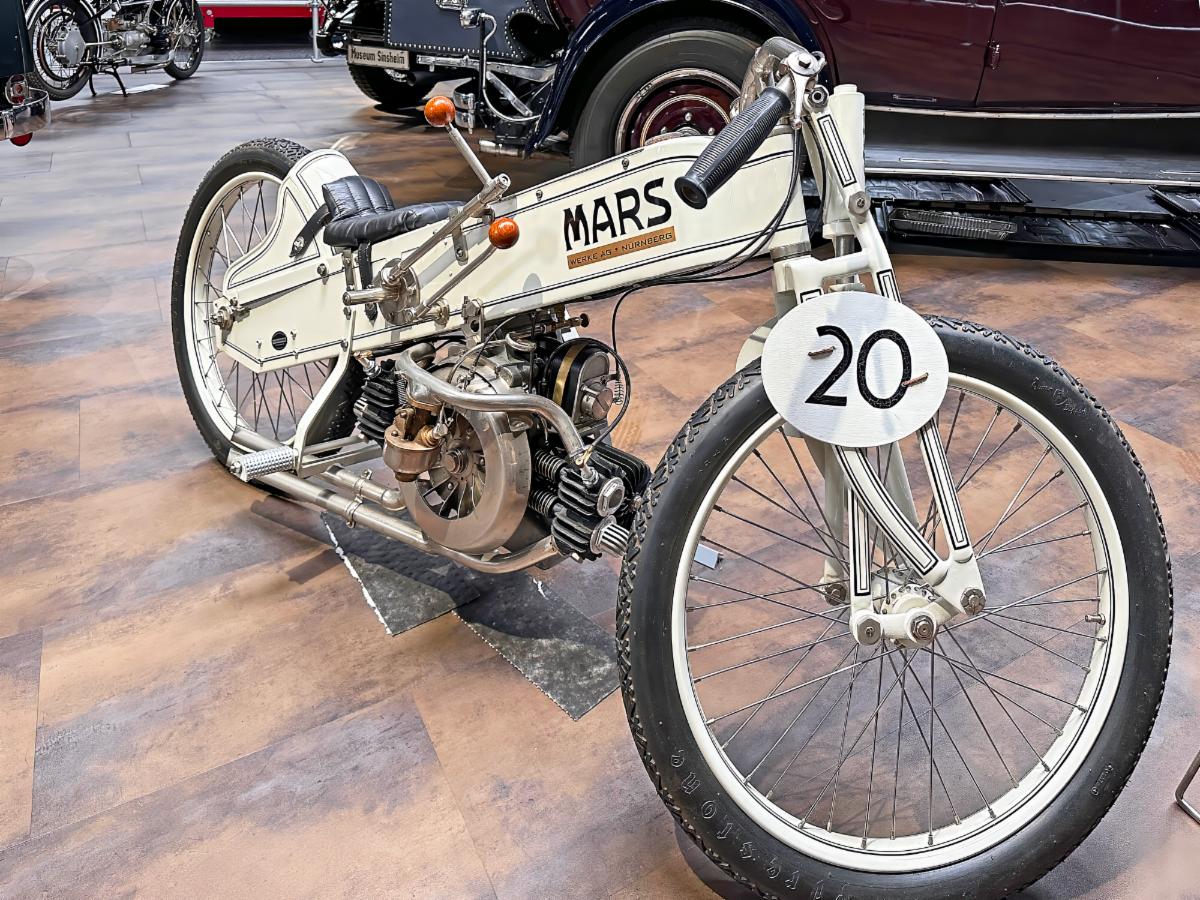
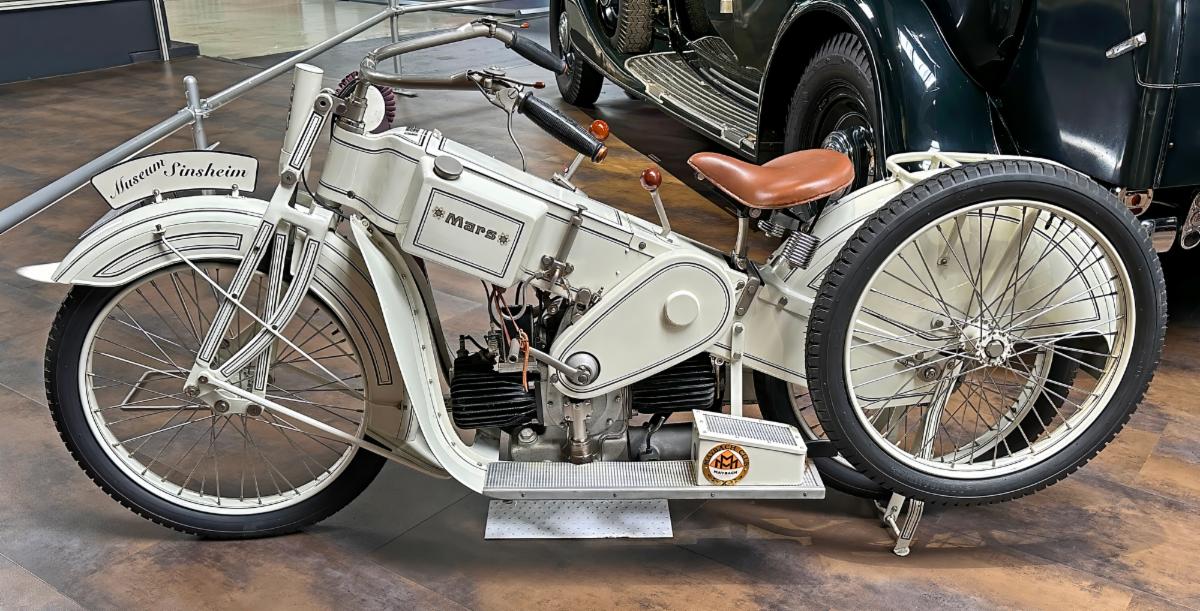
Early trucks were ungainly-looking affairs. Heinrich's father served in both WWI and WWII. He was a truck driver by profession and owned his truck. He and his truck were drafted into WWII. | Above and below: Few things are more important than a beer truck. | A Mercedes tractor - now that's class. | A steam-powered Lanz Bulldog tractor. It's almost designed to be an oversized car. | Above and Below: Mars' beautiful white motorcycles were manufactured from 1920 to 1926. Notice that the version below carries its spare tire on the back and has bicycle-like pedals. | This front tire mounted engine could be mounted any bicycle. | When we completed the two giant buildings of great mechanical stuff, we took the 765 bus back to the RV park. The cool part is that we were picked up at the beginning of the route loop, which also stopped at four more outlying rural villages before returning to Sinsheim. We got to view the beautiful rolling green hills in the area. | |
Dave and Wanda
Vaccines: Your ticket to safe world travels.
Virtual Business Card
North America. Europe. Mexico. Asia. Product Reviews. Books & Maps.
We are on an RVing adventure through Europe that could last as long as six months. Traveling with family, we will start in Germany and explore several countries. We are excited to explore all that Europe offers and share our travels with you through this blog.
Share if you know someone who would enjoy tagging along. Please join our email list if you haven't already done so. On the slightest whim, tap 'reply' to this email and drop us a line. We'll get back to you whether you need travel help, have ideas, or just want to say hello.
Please send us your thoughts and any errors we may have missed. We're on the road, and cellular service is intermittent in the remote areas. We are eager to read your messages as soon as we get online.
Message us: 715-252-6664 | 715-252-3326
Email: alloverthemaptravelventures@gmail.com
| | | | |