Beating the February Blues
By Catherine Weller
|
|
Despite all the hearts, pink decor and talk of love, the mood I most frequently ascribe to February is doldrums. Blame it on the cold. The bad air. Politics. The days that aren’t getting longer quickly enough. It’s easy to feel listless and stuck.
Fortunately the book industry provides us with a cure. Reading books is an excellent way to get out of your head space and into someone else’s for a while. It’s wonderful how opening a book can also open your mind. Both literature and non-fiction do the trick. Here are some of my current favorites.
|
|
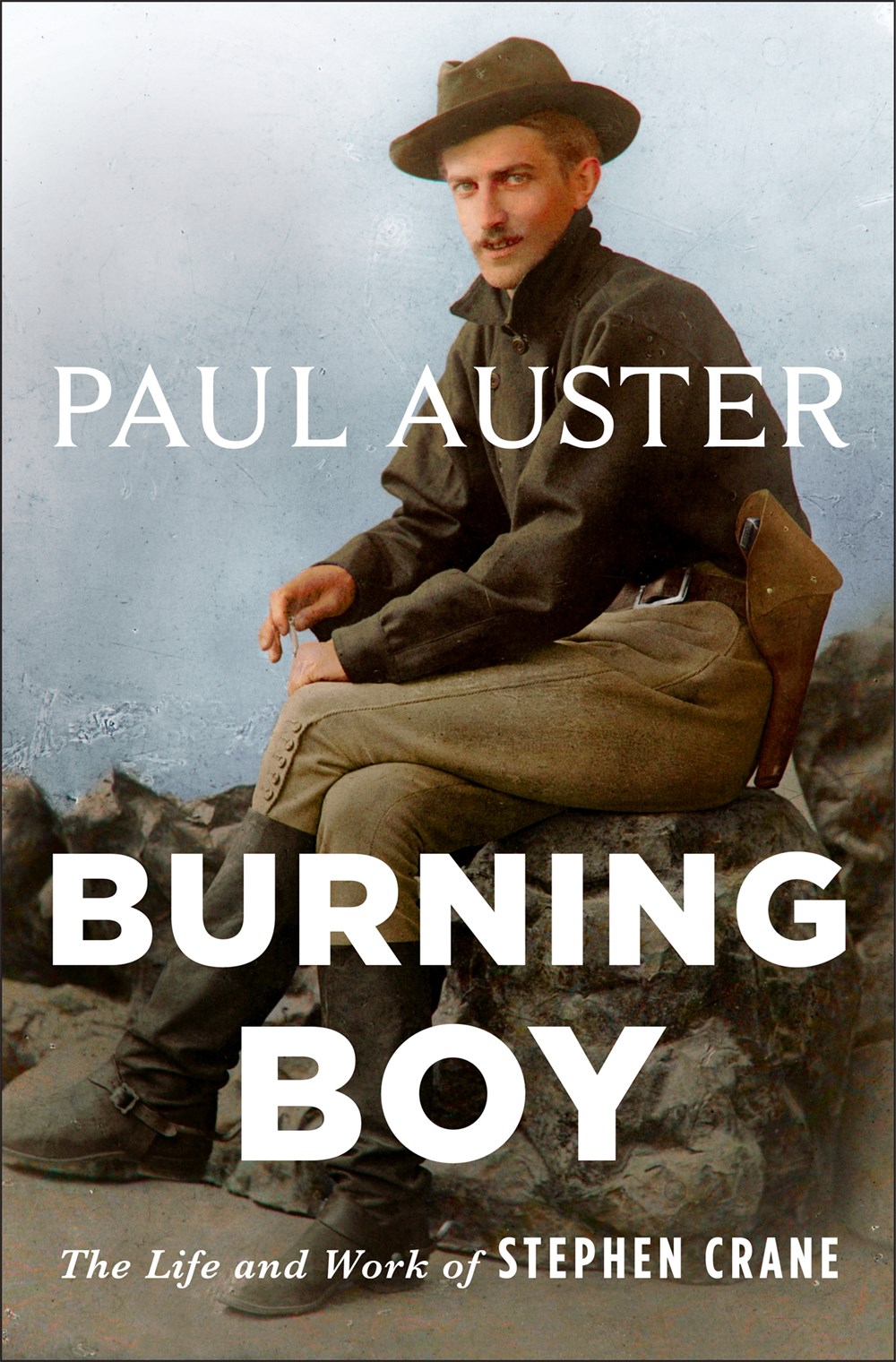
Burning Boy: The Life and Work of Stephen Crane by Paul Auster is a big, dense biography of the writer who heralded a sea-change in American writing. Despite the fact I called it dense, Auster’s writing—which includes close analysis of texts such as The Red Badge of Courage and The Black Riders—is easy and pleasurable to read. Charles McGrath wrote in his New York Times Book Review piece, “… it’s often thrilling, in fact, to see a contemporary American writer engage so deeply with one of his forebears.” It is thrilling, indeed.
|
|
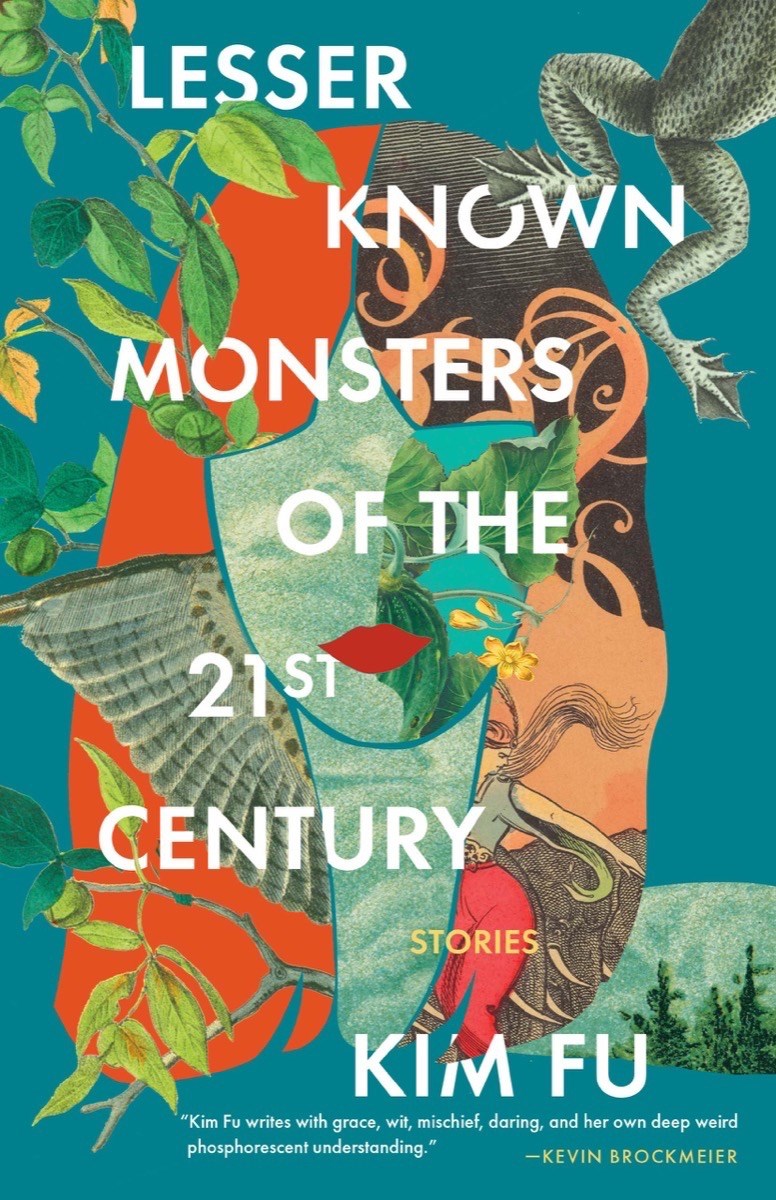
Kim Fu’s book of short stories, Lesser Known Monsters of the 21st Century, is captivating. I met Fu and picked up an advance copy of her book at a trade show last October. Booksellers were buzzing about her writing. To be honest, the first two stories were good but they didn’t grab me the way I expected, given the praise I’d heard. However, the stories that followed left me gobsmacked. Months later I’m still thinking about a couple of them, especially the one in which a married couple keeps killing one another because they have a 3-D printer in the basement that can recreate their bodies with memories and consciousness intact. Oh, and the one about the June bug infestation in a rented house… |
|
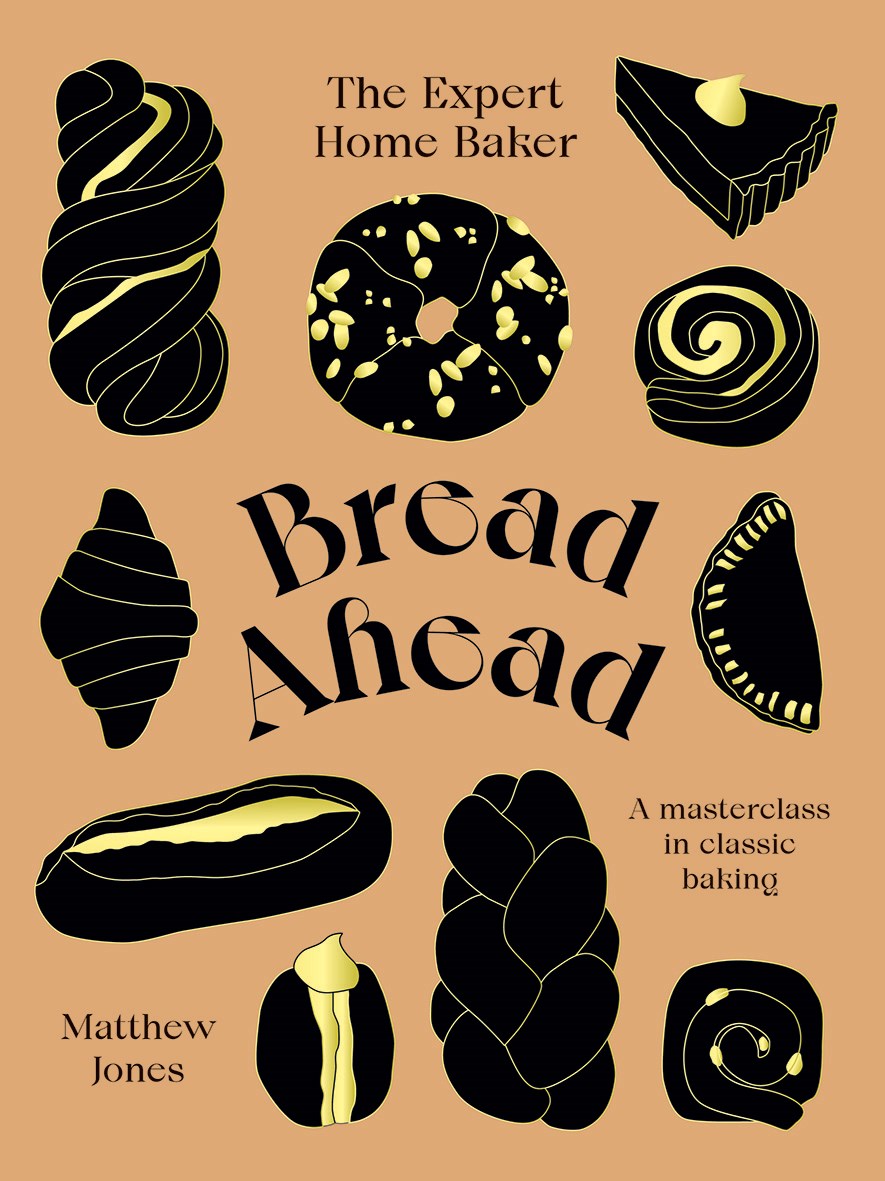
Who doesn’t love the smell of freshly baked bread, especially in the winter? Bread Ahead: The Expert Home Baker: A Masterclass in Baking by London baker Matthew Jones is just that. The ninety recipes it contains will expand your technique and broaden your baking repertoire. It will also help your friends, family and roommates love you that much more. |
|
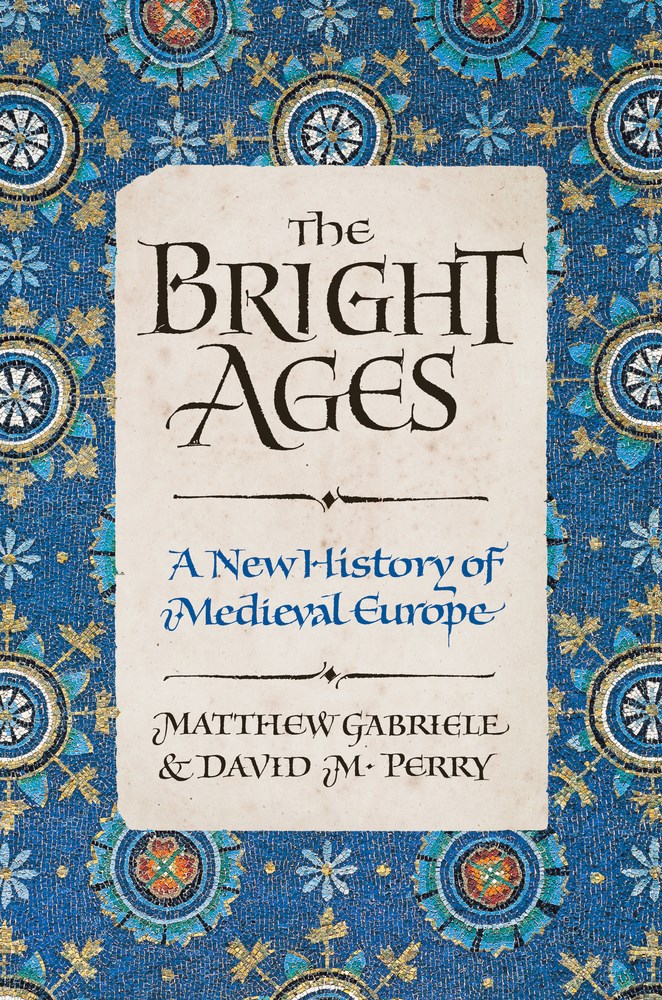
Released last December, The Bright Ages: A New History of Medieval Europe is a perfect book to read when one feels trapped in darkness and fog. This ambitious popular history challenges the widely held belief that the roughly thousand year period known as the “Dark Ages” was just that: small minded, dark, and desperate. No doubt the era that suffered repeated crushing outbreaks of disease and famine while also bringing us the crusades wasn’t a love fest. But it was also a time of great innovation and exploration that laid the foundations for the enlightenment. Authors Matthew Gabriele and David M. Perry bring to light previously marginalized writers and artists of the period while reexamining crucial moments in medieval history that crisscross the globe. |
|
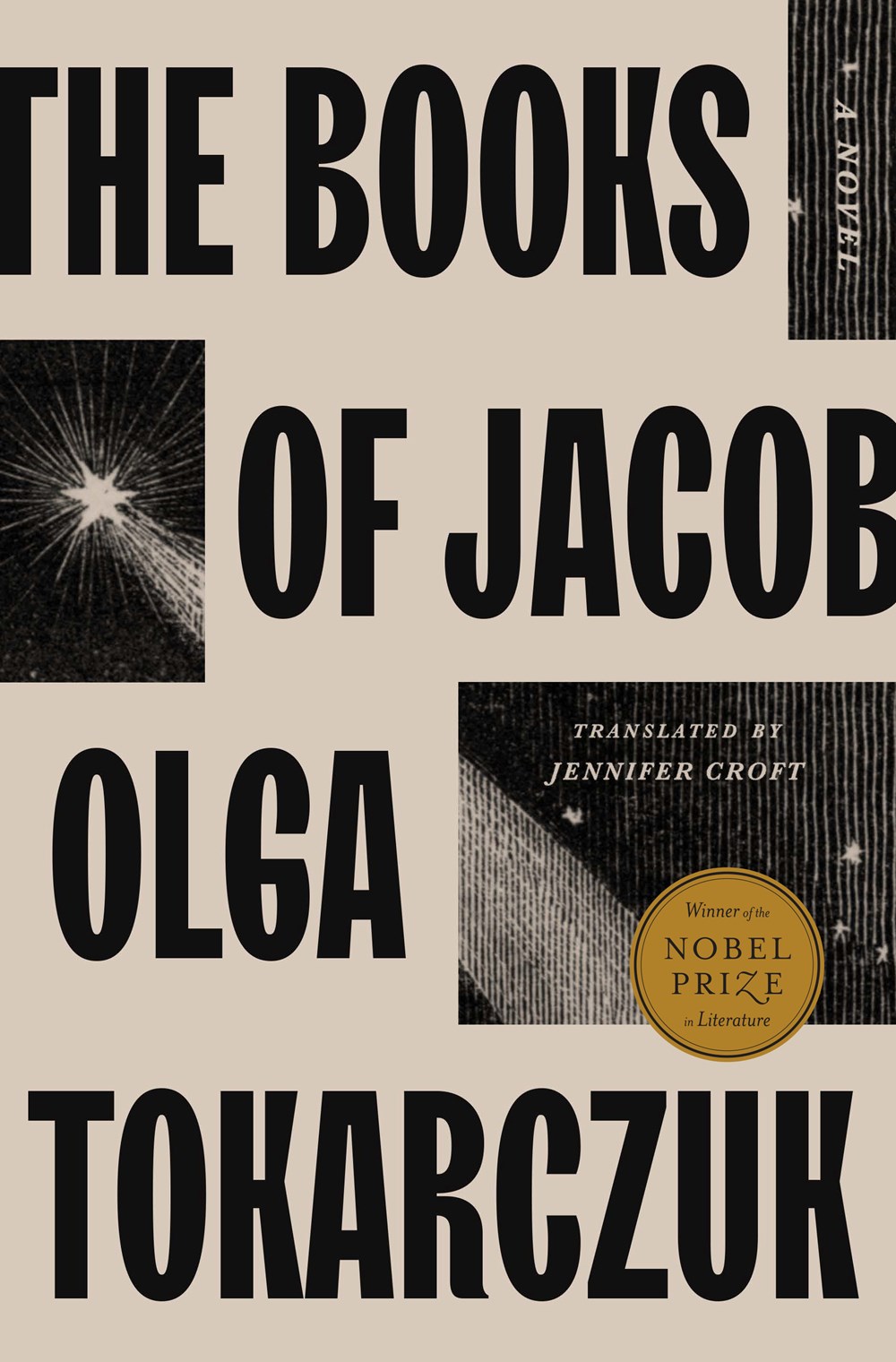
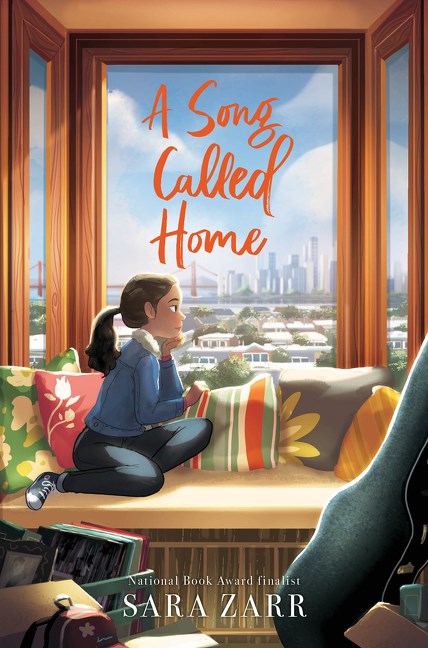
What am I going to read next you ask? I’m looking forward to Olga Tokarczuk’s powerful new novel, The Books of Jacob (out now), and author Sara Zarr’s first novel for middle-grade readers, A Song Called Home, which is stacking up starred reviews (publishes in early March). |
|
|
Rare Book Acquisitions
By Tony Weller
|
|
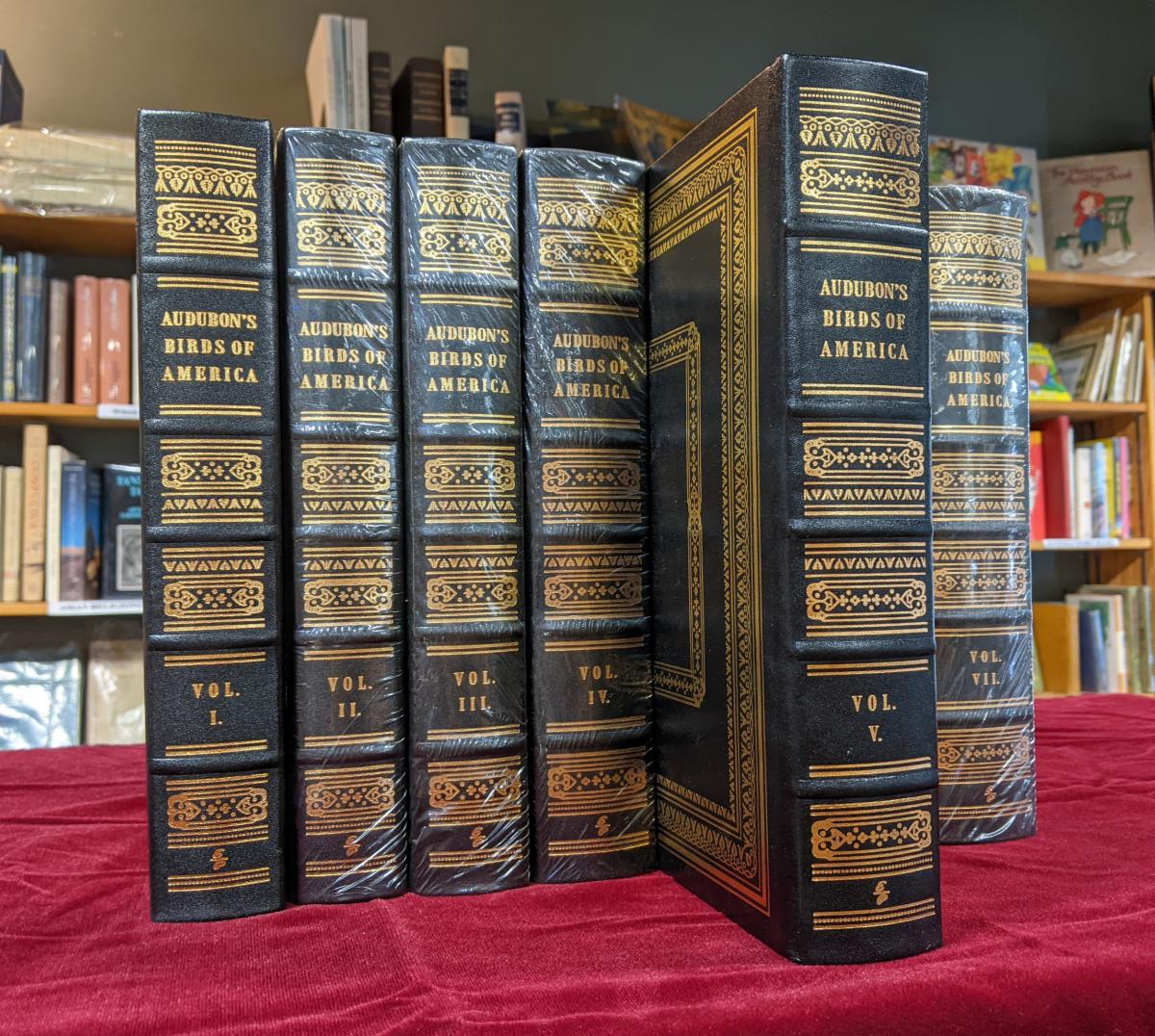
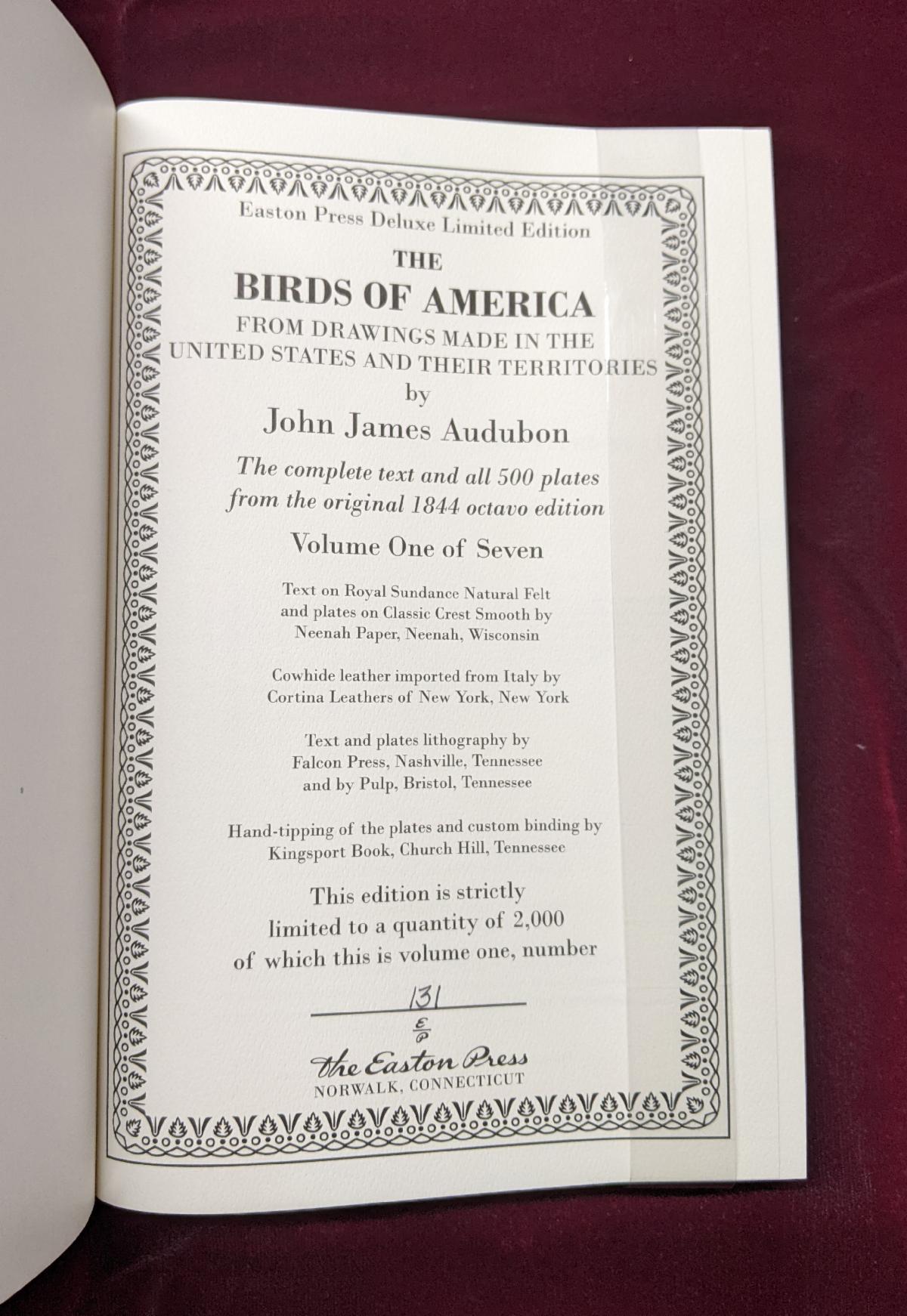
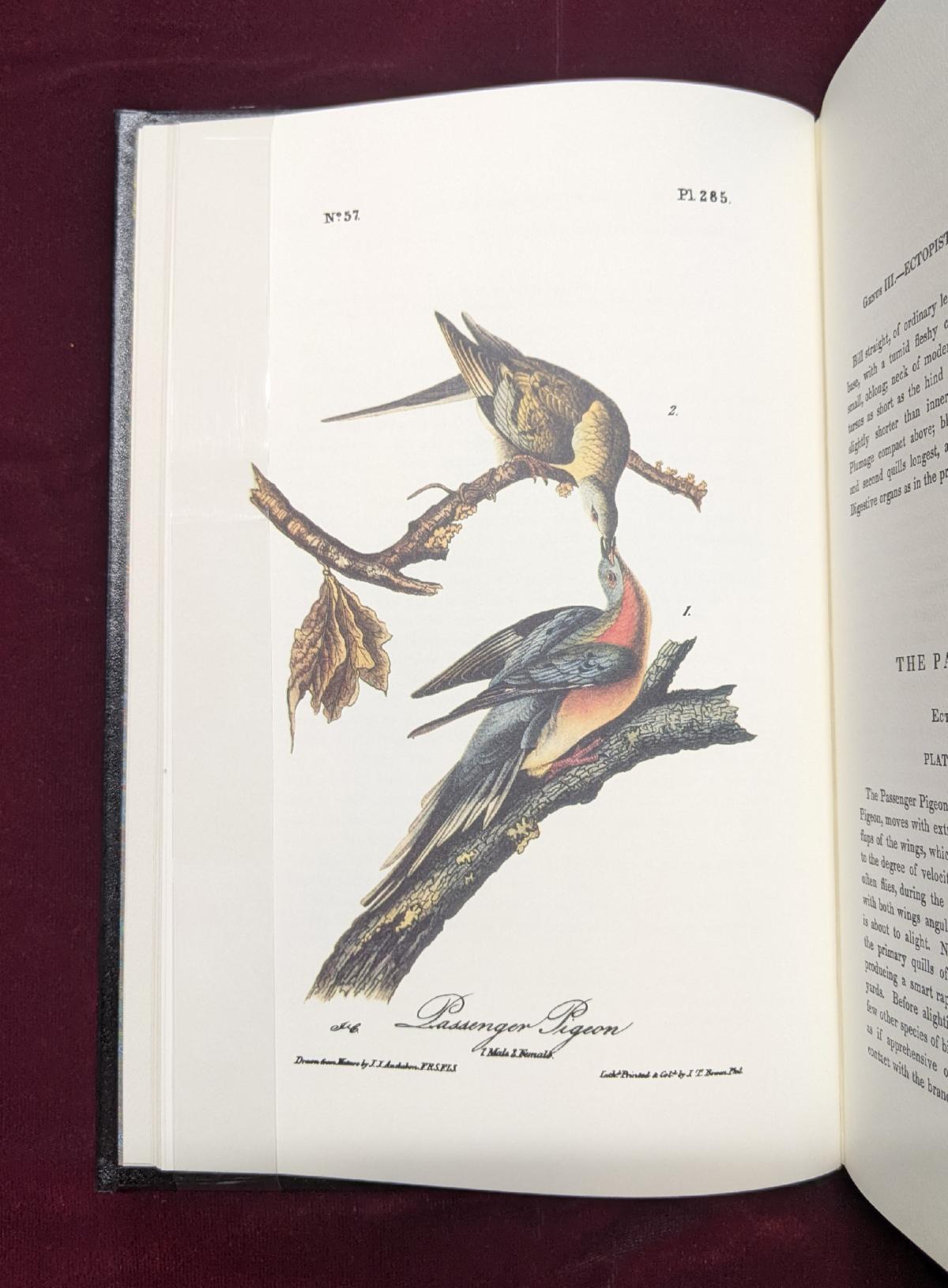
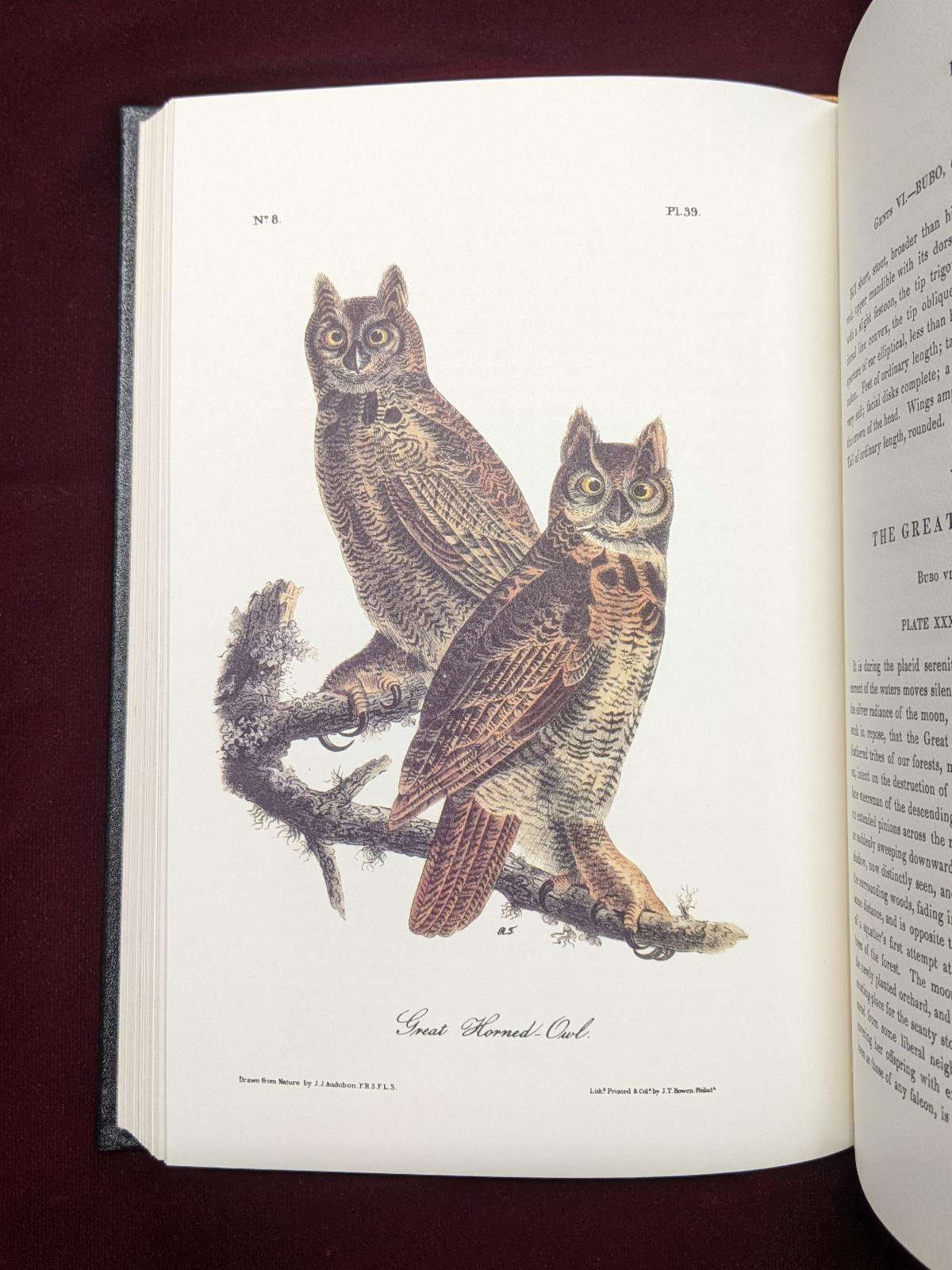
John James Audubon’s Birds of America, 1827–1838, was first printed and colored in London in monumental (double-elephant) folios so even the largest bird, the American White Pelican, could be shown in authentic size. In 1830, Audubon began composing the Ornithological Biography to accompany the American edition that would also contain 65 additional illustrations, bringing the count to 500. The set was published in New York in seven octavo volumes in 1844. Although smaller in scale, the octavo edition represents Audubon’s complete and final version.
Original sets are scarce and more expensive than most can afford. In 2016, Easton Press issued 2000 facsimile sets bound in black bonded leather with gilt décor and lettering, gilded edges and, of course, color illustrations. Ours is in fine condition. It could be yours. $1400
|
|
January-February Best Wellers' Pick |
|
Receive 20% off when you purchase during January & February
|
|
Farrar, Straus and Giroux
Hardback
Sale price $28.00
|
|
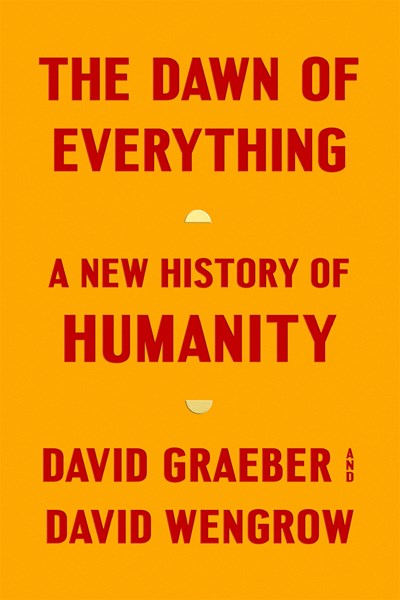
Just to be clear: The Dawn of Everything: A New History of Humanity by the late anthropologist David Graeber and archaeologist David Wengrow is the most profound book I've read in fifty years as a bookseller. When I read Patricia Limerick's The Legacy of Conquest: The Unbroken Past of the American West in 1987, my mind was opened to a new way of experiencing history; the paradigm of white male imperialism that dominated published accounts of the American West was being unmoored by a wave of writing that became known (or reviled) as revisionist history.
"The opening and closing of the frontier were set up like flags . . . to give the West its significant chronology," Limerick wrote. But as her book's subtitle indicated, the exploitative frontier had no end zones. She knew how the game of history had been played; she toppled the imaginary goalposts, erased the arbitrary boundaries, and invited everyone else in from the sidelines.
The standard narrative of "big history" that Graeber and Wengrow address in The Dawn of Everything—and which represents another set of conceptual goalposts that are begging to be toppled—is the "Agricultural Revolution," which begat private property, which begat cities, which begat concentration of wealth, which begat a ruling class elite. As they point out, "3,000 years of human history," the time it took for grain domestication, is "far too long to constitute an ‘Agricultural Revolution.’"
Typically, such Eurocentric, global histories as the Agricultural Revolution are full of unexamined assumptions that relegate Native American cultures to footnotes and appendices. In contrast, The Dawn of Everything foregrounds the history of the First Nations of the Americas, highlighting their diversity and offering an abundance of counter-narratives to the conventional.
Graeber and Wengrow relate the influence on Western thought of Wendat chief and orator Kandiaronk (who may have actually travelled to France), whose critique of European culture was published and popularized by one of Jean-Jacques Rousseau's fellow aristocrats. It significantly influenced the concept of the "noble savage" in Rousseau’s "State of Nature" in A Discourse in Inequality, a book that became foundational to the Age of Reason.
The authors also discuss the preliterate society of Teotihuacan, which, a thousand years before the Aztecs, raised monumental stone pyramids on a foundation of hundreds of sacrificed human bodies. Eventually the people of the city overthrew their ruling-class priesthood, sacked and burned the Temple of Quetzalcoatl, and built thousands of egalitarian apartments, leaving no evidence of underclass ghettos or elite mansions. And they kept building those comfortable apartments for hundreds of years. So much for the one way street of cultural evolution.
These are just two samples of the wealth of alternative human histories presented in abundance in The Dawn of Everything.
|
|
Bookseller Recommendation |
|
By Valérie Perrin
Translated by Hildegarde Serle
Europa Editions
Paperback
$16.95
Reviewed by Gia Aguilar
|
|
|
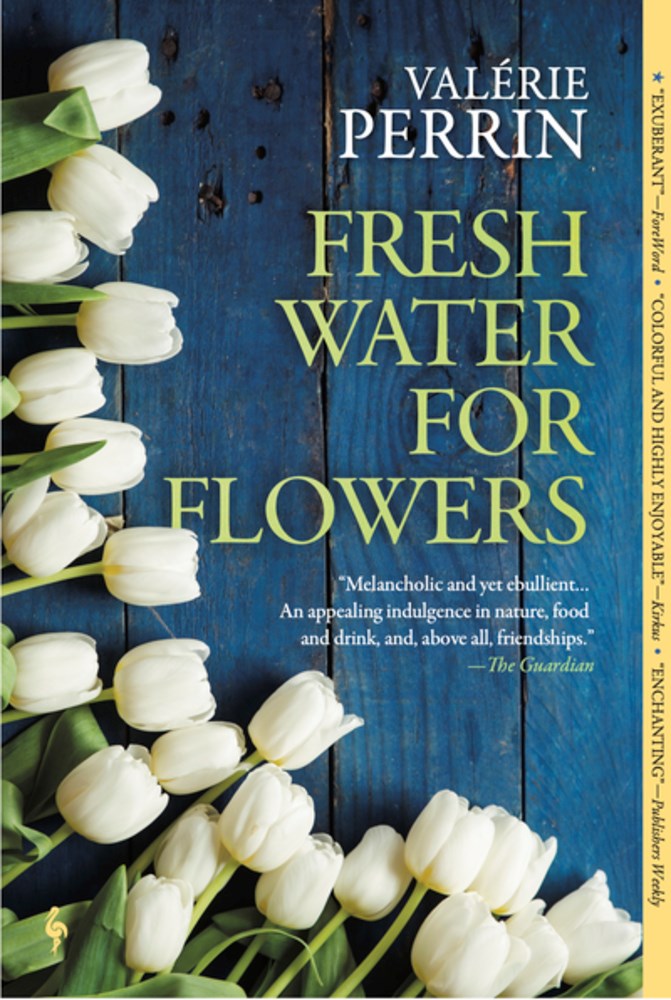
Valérie Perrin’s Fresh Water for Flowers is a beautiful story of Violette, a woman and her life as a graveyard keeper. Perrin’s writing pulls you straight in, affectionately connecting you to Violette. The book jumps back and forth between earlier years of Violette’s life and the present day. There is a bleak solemness in her modern life, and through the course of the book you begin to understand why. Violette dedicates her life to other people, oftentimes denying happy moments for herself. The characters are dynamic. Whether or not they are likable simply does not matter as the storyline they create is utterly fantastic. The horrible, dislikeable, and adverse characters are necessary for the beauty of the novel to exist.
The writing is lyrical and poised. There are so many lines within the writing that almost make you catch your breath. The story is expertly woven together. This book is one you will likely enjoy on a rainy day with a cup of coffee. A novel about grief, and how much one moment can change the course of your life. This is perfect if you’re looking for a heartfelt book and a quick read.
|
|
Click here for our February events newsletter.
We host both virtual and in-person events, and we look forward to seeing you soon.
|
|
Come visit us!
SUNDAY 12-5
MONDAY-THURSDAY 10-8
FRIDAY & SATURDAY 10-9
|
|
Can't make it to the store?
Support your local indie from home!
|
|
Order by phone or online, then pick up at the store or the curb!
We also ship!
|
|
Give us a call at 801-328-2586
|
|
Thanks for supporting your local, independent bookstore!
|
|
Store hours: Sunday 12PM-5 PM | Monday-Thursday 10 AM-8 PM | Friday & Saturday 10 AM-8 PM
|
|
|
|
|
|
|