Welcome to the University of Oklahoma Carceral Studies Consortium Newsletter. The Carceral Studies Consortium strives to build a community for intellectual exploration that includes faculty, staff, graduate students, community members, practitioners, and organizers.
Carceral Studies is concerned with the independent function and nexus of the political and social systems that organize, shape, sustain, and entrench practices of punishment, surveillance, incarceration, and harm.
|
|
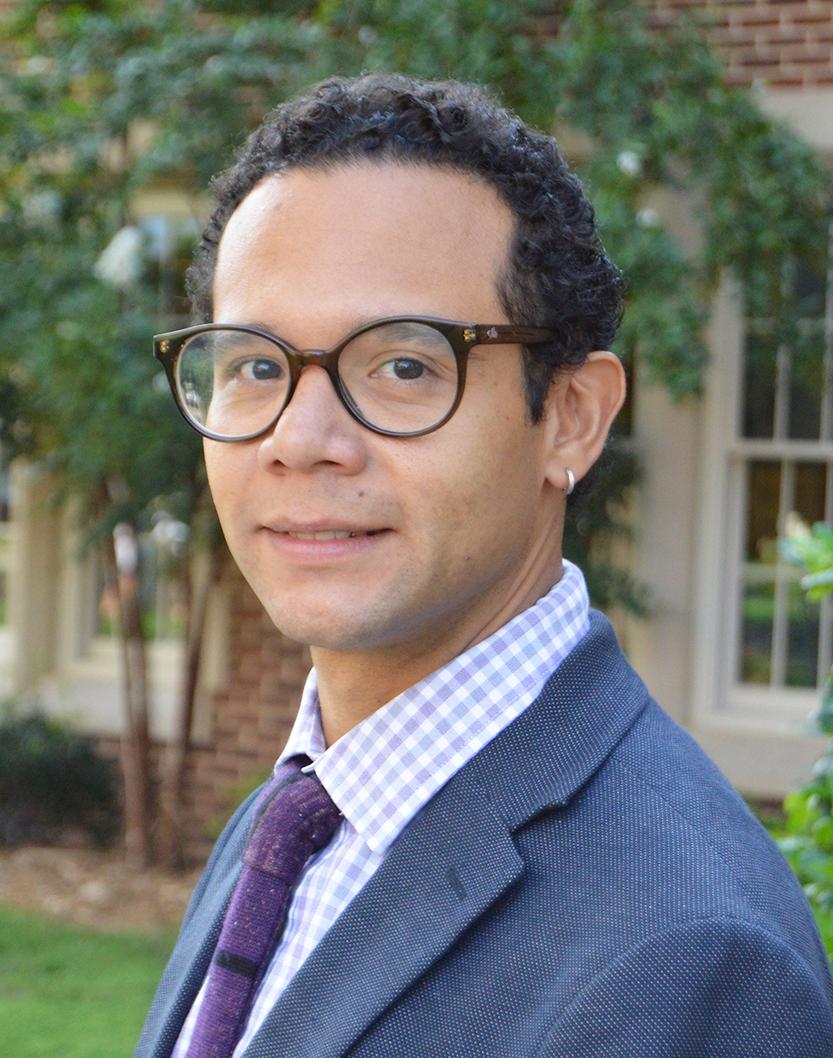
Carceral Studies Consortium Member Fabio de Sa eSilva Receives Top-cited Status for From Car Wash to Bolsonaro
|
|
An article by Fabio de Sa e Silva, an assistant professor and the Wick Cary Professor of Brazilian Studies in the College of International Studies, was recognized by Wiley as being among the top-cited papers determined via citation data from Clarivate Analytics. "From Car Wash to Bolsonaro: Law and Lawyers in Brazil's Illiberal Turn (2014–2018)" was published in the Journal of Law and Society on Oct. 10 2020.
|
|
Grand Rapids Police Department |
|
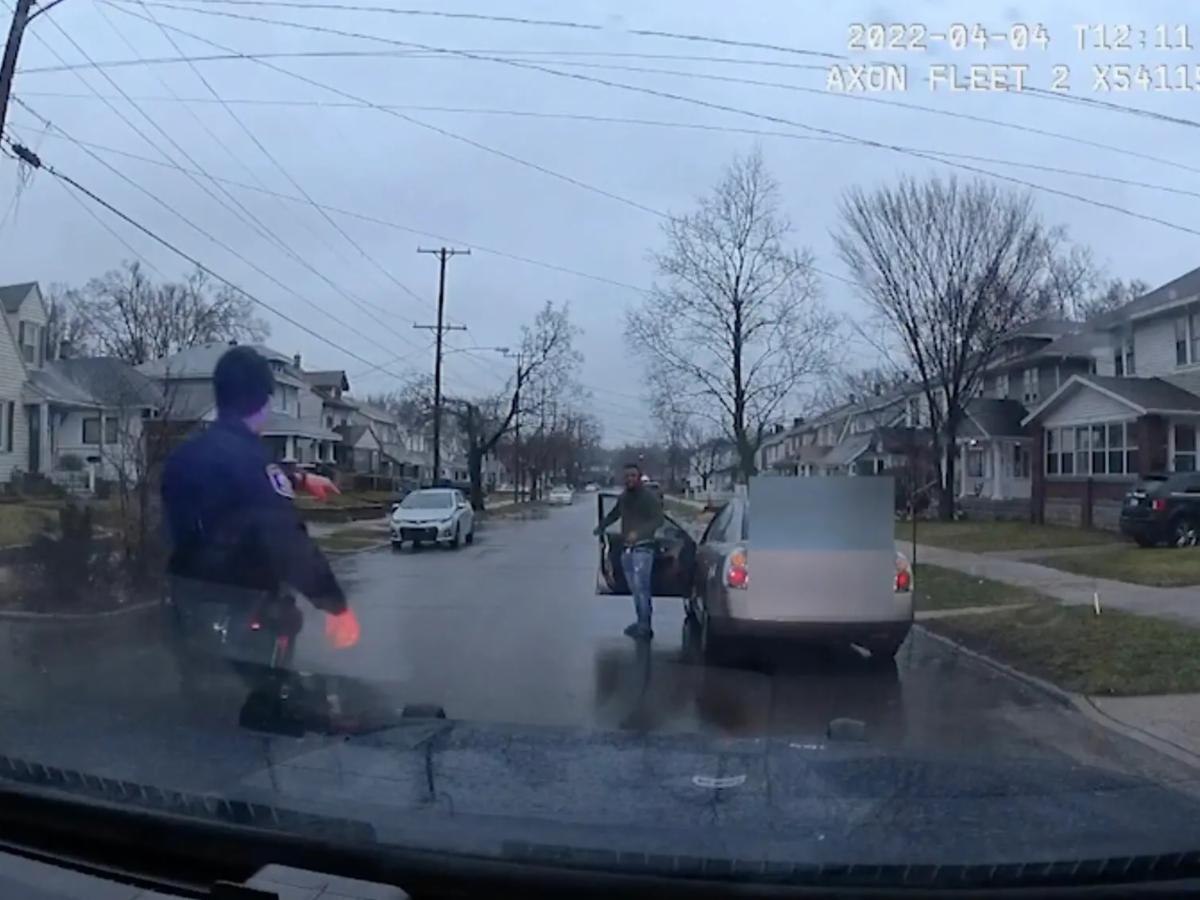
Los Angeles is beginning the process of reducing traffic stops for infractions like broken taillights or expired tags where the intent is to use the violation as a pretext to search for drugs, guns, or other violations. While these pretextual stops have been historically supported, recent investigations have found that some cities have witnessed police officers killing more than four hundred motorists in five years who were not wielding a knife or firearm. Additionally, proponents of the change cite data that show the disproportionate use of pretextual stops on racial minorities and the tendency for the situation to escalate into avoidable violence. For example, Pittsburgh councilman Ricky Burgess believes that these policing practices escalate existing tensions between the police and racial minorities, posing a greater threat to the public than simple traffic violations. As the movement to reduce pretextual stops increases, many supports are offering non-confrontational methods for the future of handling minor traffic violations while reducing the harm to communities. Viable alternatives to pretextual stops include mailing systems for equipment failure/expiration, coupon programs to repair vehicles, and traffic cameras.
|
|
Anna Sorokina / The Marshall Project |
|
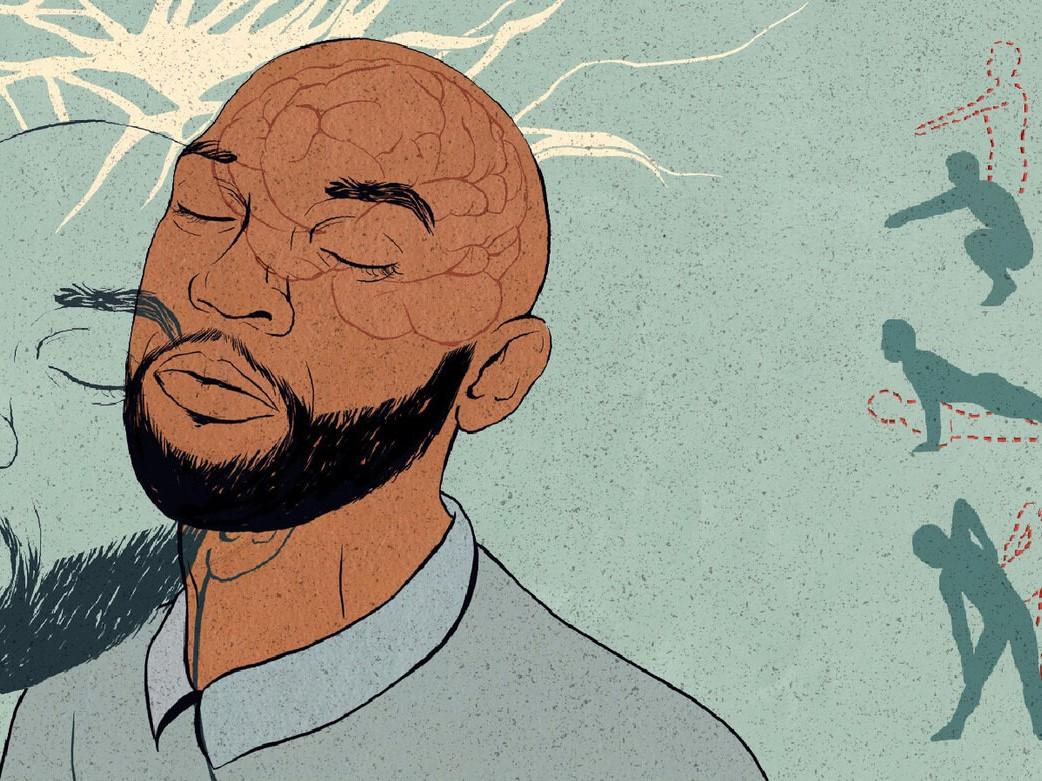
Aaron Kinzer can be found leading a fitness course that features a mix of popular programs like Insanity, P90X, and Beachbody. However, Kinzer is not in a nice commercial gym with fans, equipment, televisions, or a smoothie bar. Rather, Kinzer and twenty-six other incarcerated individuals are giving it their all in a Pennsylvania prison gym with no air conditioning or lights. Through the high temperatures and substandard gym conditions, this group of incarcerated individuals is dedicated to maintaining their physical and mental health while being subjected to the harsh conditions of prison. Kinzer believes that incarceration in the United States resembles a business profiting off of the massive growth of its captive consumers. As a result of focusing on the size of the population rather than the conditions for that population, Kinzer believes that the U.S. is "complicit in creating habitats of bad health," which results in issues like "heart attacks, hypertension, diabetes and strokes". So, to stave off the overwhelming factors leading to poor health outcomes, groups like Kinzer's focus on their collective physical fitness and nutritional wellbeing. These groups also maintain stability in their mental health through their high-intensity interval training routines that alleviate the stress from the daily struggles of "rejected phone calls, denied visits, humiliating random pat downs and other microaggressions". Kinzer explains that their "only defense against prison's oppressive operations is exercise" in these tough conditions.
|
|
Erik McGregor/LightRocket / Getty Images |
|
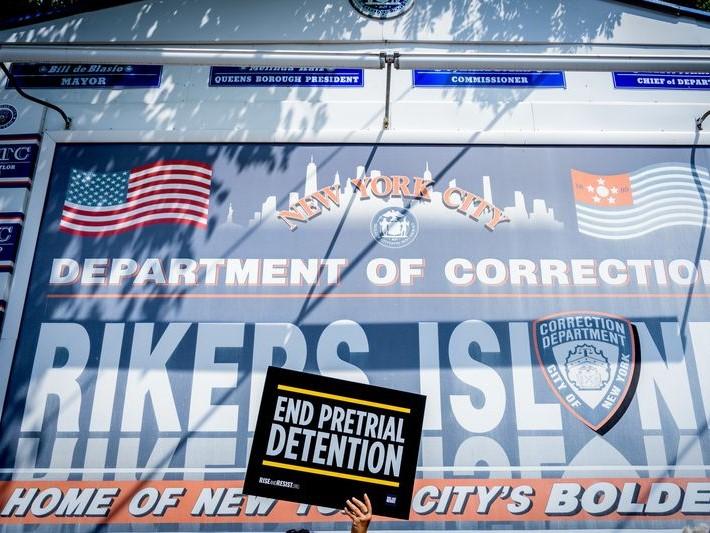
A recent study commissioned by Arnold Ventures, a philanthropic organization, found that the recidivism rate of individuals placed in pretrial detainment is greater than those released. According to Fola Akinnibi, the study tracked nearly "1.5 million people who were booked in jail in Kentucky over roughly a decade, making it one of the largest of its kind and building on more than 100 studies that have come to similar findings". Whereas pretrial detainment is said to serve multiple purposes, one of which is to keep potentially dangerous individuals away from the public, the report asserts that spending more than twenty-three hours in detainment before a court appearance had a negative impact on community safety through increased recidivism. In addition to the increased likelihood of recidivism, those in pretrial detainment also face other issues due to their separation from their community and daily lives. Ezekiel Edwards, a vice president at Arnold Ventures, believes that the consequences of pretrial detainment make it increasingly "harder to maintain basic needs. You're taken away from your family, you're more at risk of losing employment and housing". Taken together, the risk of recidivism and the consequence of being separated from a community should provide adequate support for a shift away from detainment practices. However, as of this article, those against pretrial detainment still face stiff opposition in their movement from notable figures, such as New York Governor Kathy Hochul and New York City Mayor Eric Adams.
|
|
Chloe Jones / PBS NewsHour |
|
In 2012, the Arizona Department of Corrections, Rehabilitation and Reentry (ADCRR) faced mounting legal pressure due to claims of providing inadequate medical and mental care. When the case settled in 2015, the ADCRR agreed that the prison system would meet over one hundred benchmarks of care for their incarcerated populations. However, the private Arizona prison health care system has missed many of these benchmarks as multiple medical maltreatment and neglect cases are surfacing. Timothy Pena, a formerly incarcerated person, told PBS that he was given a different HIV medication when he arrived in an Arizona state prison, leading to four suicide attempts. Other accounts depict long wait periods for treatment, neglectful physicians, lack of access to treatment, and even the denial of pain management medication for those with cancer. Michele Deitch, from the University of Texas, believes that the origin of the issue is the privatization of the health care system, which creates a question "about whether private health care [is] capable of providing appropriate services, given that the profit motive is going to interfere with the provision of care . . . they have a built-in incentive to limit the treatment that’s provided". As a result, in November 2021, Judge Rosalyn O. Silver ordered a new trial. She believes that the prison authorities have "proffered erroneous and unreliable excuses for non-performance, asserted baseless legal arguments and in essence resisted complying with the obligations they contractually knowingly and voluntarily assumed".
|
|
Please share recent research you would like to see featured, including your own!
Send it to carceralstudies@ou.edu
|
|
ABSTRACT: First responders—including police officers—play a prominent role in managing the risk of fentanyl overdoses. In many jurisdictions, they have Naloxone (also commercially available as Narcan) at their disposal to counter the effects of an opioid overdose. Little empirical research exists on how effectively police are incorporating this emergency rescue medication into routine practice. Between 2018 and 2019, we conducted semi-structured interviews with police officers from two Western Canadian police organizations. We also administered organization-wide web surveys to determine what factors facilitate or inhibit the incorporation of Narcan into police practice by looking at two domains: 1) the inner setting of the police organization and 2) personal knowledge of, and attitudes toward, an intervention. Whether officers administered Narcan depended on several personal and organizational factors, including: 1) having sufficient knowledge and concern about the fentanyl situation, 2) being knowledgeable about Narcan and trained in its use, 3) the medication being readily available to officers, and 4) being willing to administer it to citizens.
|
|
ABSTRACT: Individuals with disabilities and/or mental health concerns were historically removed from society and placed in institutions and asylums. Advocacy groups, drawing on civil rights movements, protested and lobbied for deinstitutionalization and increased inclusion of disabled individuals in schools and communities (Chapman et al., 2014). Although disabled individuals have more rights and access than ever before, they are still segregated in schools, encounter the judicial system more often, and are murdered by police (Reingle Gonzalez et al. in Journal of Disability Policy Studies 27:106-115, 2016). We examine the history and ongoing incarceration of individuals with differences in the United States by analyzing contextual variables, as well as systemic inequities, including the school-to-prison pipeline, access to services, and prison infrastructure. We offer resources and actionable ways for behavior analysts to begin antiracist and anti-disableist work, apply principles of behavior analysis to address personal and systemic racism, and engage in advocacy toward a more just and equitable future for all.
|
|
ABSTRACT: Policymakers and advocates make contradictory claims about the effects of providing military equipment to local law enforcement, but this intervention is not well understood because of severe data limitations and inferential challenges. I use 3.8 million archived inventory records to estimate the magnitude of sources of bias in existing studies of the 1033 Program. I show that most variation in militarization comes from previously unobserved sources, which implies that studies that show crime-reduction benefits are unreliable. I then leverage recent policy changes to evaluate the effect of military equipment: the Obama Administration recalled property under Executive Order 13688, which resulted in a forced demilitarization of several hundred departments. Difference-in-difference estimates of agencies that retained similar equipment show negligible or undetectable impacts on violent crime or officer safety. These findings do not suggest that similar scale federal reforms designed to demilitarize police would have the downside risks proposed by proponents of military transfers.
|
|
ABSTRACT: OBJECTIVE - This study investigated how relationship dissolution and repartnering shape women's relationship quality after their partner's incarceration and evaluates whether incarceration is a unique context for relationship transitions. BACKGROUND - Millions of couples in the United States face incarceration each year, and many relationships do not survive the experience. Although these breakups are typically framed as negative events, it is unclear whether relationship dissolution harms or helps women navigating the incarceration of their partner or coparent. METHOD - Using longitudinal data from the Fragile Families study, this article contrasts the experiences of women who stayed with their child's father through his incarceration, those who separated and remained single, and those who separated and repartnered. Three domains of relationship quality were considered: cooperativeness of parenting relationships, supportiveness of romantic relationships, and risk of domestic violence. Results: Data reveal that most relationships end, creating an opportunity for mothers to form stronger relationships with more advantaged new partners. Incarceration also provides a distinct context for repartnering, amplifying both the advantages and disadvantages of dissolution. CONCLUSION - Most couples experiencing paternal incarceration will also navigate relationship dissolution, and many will integrate a new partner into the family. For many women, particularly those whose relationships have become violent, these transitions may be sources of resilience rather than hardship. IMPLICATIONS - Rather than a proscriptive focus on preserving families, these findings highlight the need to support families simultaneously navigating incarceration and changing family roles.
|
|
Updates, Events & Opportunities |
|
Writers Guild: Re-Emergence Press Release
Published in the fall of 2019, Emergence: Writings by the JHCC Writers Guild is an anthology of essays, fiction, and poetry produced by eleven writers who were incarcerated at Joseph Harp Correctional Center in Lexington, Oklahoma. This spring and summer, the Writers Guild plans to have "several readings around the state to continue to share this phenomenal work, to raise awareness about the carceral system in Oklahoma and the US, and to promote a new organization, Oklahoma Prison Writers and Artists Foundation. All are welcome to the first of these readings, hosted by the Writers Guild, at Commonplace Books in Oklahoma City on Apr. 16 at 6 PM.
|
|
|
Carceral Studies Graduate Student Fellowship
The Carceral Studies Consortium offers an outstanding graduate student with an interest in advancing Carceral Studies a 12-month, .20 FTE position (8 hours per week). This CSC Graduate Student Fellow serves as the student representative on the Carceral Studies Board of Directors, as well as provides critical support for CSC initiatives throughout each academic year (July 1 to June 30). Applications are due by May 6, 2022.
|
|
|
Artificial Intelligence in Law Practice Panel
The Data Institute for Societal Challenges and the University of Oklahoma College of Law are hosting "four expert-led panel discussions of modern innovations in artificial intelligence and how they are transforming the practice of law." Panelists will include Jacqueline Schafer (Founder and CEO of Clearbrief AI), Jim Chiang (Founder and CEO of My Legal Einstein), James Lee (Co-Founder and CEO of LegalMation), and Dan Ivstan (Chief Product Officer of Gavelytics). The event will be held in person and virtually on April 22 from 1 pm to 5 pm (CST).
|
|
|
2021-2022 Carceral Studies Consortium Student Work Prize
The Carceral Studies Consortium is inviting original student essays or creative works developed as part of any course in any discipline during the 2021-2022 academic year that engages the topic of Carceral Studies, broadly conceived. Submissions are not limited to essays, but may be in any creative or scholarly format, including but not limited to art in any medium, story maps, and more.
|
|
|
Russell Sage Foundation Race, Ethnicity, and Immigration Grant
The Race, Ethnicity, and Immigration grant is offering individual funding up to $175,000 for research that addresses the “severe consequences of the Covid19-pandemic, including its economic disruptions, and the recent mass protests to combat systemic racial inequality in policing and other institutions have reaffirmed the importance of social science research examining economic, political, racial, ethnic, generational, and social inequalities relevant to public policy and social change.”
|
|
|
OU Libraries and Carceral Studies Consortium Assemble “Racial Capitalism” Library Guide
In a collaborative effort between OU Libraries and the Carceral Studies Consortium, a library guide on “Racial Capitalism” is now available for all students, staff, and faculty. Racial capitalism contends that racist oppression is central to how capitalism operates. Racial subjugation is not one specific manifestation of a larger capitalist system, but rather, capitalism itself is a racial system. The guide includes resources (written, audiovisual, and contacts) for information about the carceral state, crimmigration, and race and labor.
|
|
|
ABOUT
The Consortium Newsletter will offer a roundup of a few selected articles that reflect today’s news, organizing, and thinking related to the carceral state. We understand that freedom work is built on education and engagement. Education requires an understanding of contemporary issues informed by their historical context. We hope that these curated articles will help you analyze the issues that we face and understand the community that we strive to construct.
Join the conversation!
We encourage feedback, suggestions, and article suggestions. Please reach out to carceralstudies@ou.edu with any ideas, thoughts, or recommendations.
If anyone you know is interested in receiving this newsletter and other information from the Carceral Studies Consortium, please forward them this email and they may click this link to subscribe.
|
|
Land Acknowledgment
The University of Oklahoma is on the traditional lands of the Caddo Nation and the Wichita & Affiliated Tribes. This land was also once part of the Muscogee Creek and Seminole nations. It also served as a hunting ground, trade exchange point, and migration route for the Apache, Cheyenne, Comanche, Kiowa, and Osage nations. Today, 39 federally-recognized Tribal nations dwell in what is now the State of Oklahoma as a result of settler colonial policies designed to confine and forcefully assimilate Indigenous peoples.
|
|
The University of Oklahoma is an equal opportunity institution. ou.edu/eoo |
|
|
|
|
|
|