Email          LinkedIn          Web


Sean Lynch

Director
Toxic-Free Healthcare

(formerly the IPM in Health Care Facilities Project)


Spring into Action with

Toxic-Free Healthcare
(Formally the IPM in Healthcare Facilities Project)

Spring Greetings! A recent development concerning the pesticide glyphosate is why our project has rededicated itself as Toxic-Free Healthcare to keep you fully up to date on these evolving issues. We want to remind you that the growing scientific concern about exposure to glyphosate and its possible effects on health makes it even more important to utilize safer alternatives, especially in places that serve vulnerable populations. Hospitals, long-term care facilities, and outpatient settings frequently have extensive grounds where spring weed control is prevalent, creating opportunities for unavoidable exposures for patients, staff, and visitors. Safe grounds-care approaches are available to replace the use of toxic chemicals before and during the growing season. Concerns about pesticide use in healthcare settings are also increasing at the institutional level. Healthcare professionals and researchers recently warned that eliminating pesticide-related standards in healthcare accreditation poses risks to vulnerable patients, noting that pesticides are linked to cancer, neurological, reproductive, developmental, and respiratory disorders, and other serious health impacts. Read on for more information about how you can implement safer grounds care at your facility!


Spring Alert:

Groundskeeping Matters More Than Ever


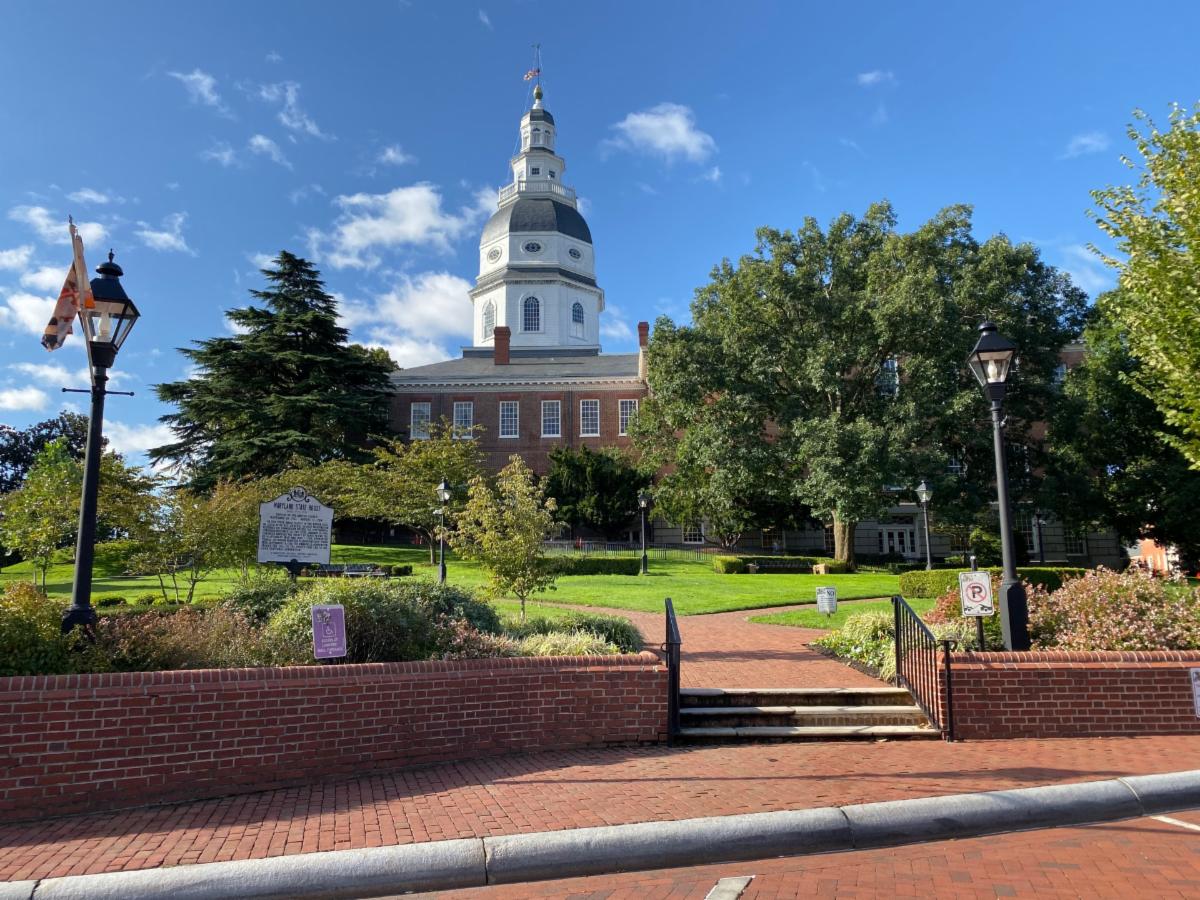
As healthcare facilities are focused on spring cleaning and sprucing up their grounds, recent events underscore why it's more important than ever to be wary about unnecessary pesticide use (see Maryland State House grounds example below). Despite a years-long body of extensive research on the health hazards of the pesticide glyphosate/Roundup, considered a probable carcinogen, a February 2026 executive order claimed glyphosate-based herbicides and elemental phosphorus as critical to ‘national defense’ and directed federal agencies to ensure an adequate supply for farmers. This designation elevates the continued availability of these herbicides, despite significant data about their lack of safety and environmental health advocates working to restrict their use due to the product being linked to cancer (specifically non-Hodgkin lymphoma), endocrine disruption, and liver/kidney damage. 


Patients with compromised immune systems, infants, the elderly, and those recovering from illness may be especially vulnerable to exposure, including exposure from outdoor applications that migrate indoors. These developments make proactive groundskeeping decisions essential. Choosing organic land care approaches this spring can reduce exposure risks while maintaining effective and attractive grounds.


A Success Story:

Maryland State House


The Maryland State House demonstrates that safer groundskeeping is achievable at scale. For over a decade, the State House has successfully maintained pesticide-free grounds through organic land care practices, following a structured transition that included soil testing, organic turf management, and ongoing maintenance improvements. The result has been healthy, attractive grounds with minimal weed pressure, demonstrating that organic strategies can perform effectively even in high-visibility public spaces.


Last year, MPEN bestowed the Organic Land Care Award to Governor Wes Moore and Lt. Governor Aruna Miller for continuing this commitment. The Maryland State House proves that prioritizing health and sustainability is both practical and sustainable over time. Healthcare facilities can use the same methods to reduce exposure risk while remaining professional and welcoming. This success story shows that safer options are not only possible, but they are already being used in Maryland today and can serve to protect patients, staff, and visitors from unnecessary exposure to toxic pesticides


Expert Note from the Field

From our EVS and Facility Operations Advisor with 35+ years of senior operations experience, including 16 years at Sheppard Pratt


Groundskeeping decisions play an important role in reducing unnecessary chemical exposures. Concerns about glyphosate’s (RoundUp) potential links to cancer, endocrine disruption, neurotoxicity, and other health harms continue to raise questions about reliance on herbicides, particularly in environments serving vulnerable populations. At the same time, pesticide-free land care guidance continues to show that effective non-chemical alternatives exist for weed management and healthy landscapes. For healthcare facilities, this reinforces that groundskeeping is a part of a broader commitment to health and prevention.


Treat weeds as a management issue, not a chemical problem

Focus on prevention first through healthy turf, proper mowing height, aeration, and soil health practices that reduce weed pressure naturally.


Build groundskeeping into your prevention strategy

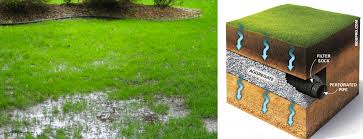
Routine inspection, mulching, overseeding, and addressing drainage or bare soil early in spring can prevent many weed problems before they require intervention.


undefined

Joe Griffen


Project Consultant


Toxic-Free Healthcare


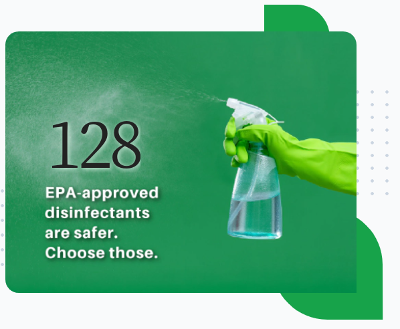
Check Your Disinfectants


Some regularly used disinfectants in facilities are actually registered pesticides that can deplete a patient’s immune system and harm respiratory function.

Use the Safer Disinfectants website to see if what your facility uses is an “increased risk” or “safer” product.


Protect Pollinators


Support pollinators while reducing pesticide use this spring. Organic lawn care focuses on building healthy soil, limiting chemical inputs, and using native plants that provide food and habitat. These practices create safer, more resilient grounds that support biodiversity and long-term landscape health. Learn how your facility can take simple, effective steps.


For information and help, contact us!


Sean@mdpestnet.org or

call 301-664-4374


Our services are always free.


www.ToxicFreeHealthcare.org