|
Soil Health Principles 5: Increasing Biodiversity
Margit K., Agriculture Agent
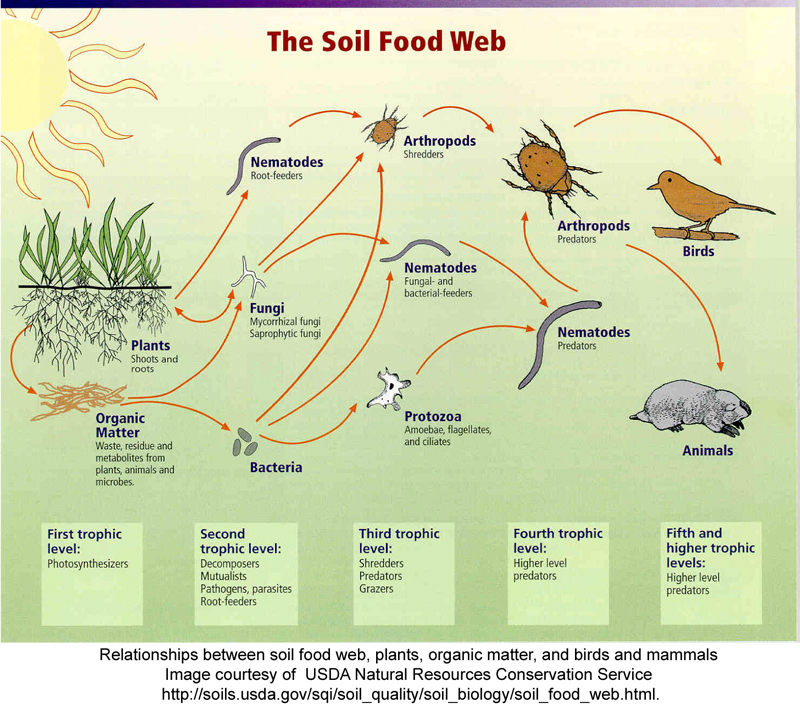
Of all the soil health principles, increasing biodiversity remains one of the most enigmatic and elusive. If you pause long enough to look and listen with all your senses, you may be surprised to notice the variety and diversity of life forms above ground within your farm ‘ecosystem’. Or perhaps, like me, you may notice the absence of certain life forms — such as the near disappearance of Brown Leopard Frogs and American Toads in the river bottoms where I live.
Twenty years ago, millions of amphibians in the Order Anura covered the fields and crowded the roads during warm spring and summer evenings. Today, they are essentially gone. Why? Sometimes our actions have unintended consequences removed from time and space that make it difficult to connect the cause and effect. One cannot help but think there are connections to agricultural practices causing harm. Does this also help explain the decreased number of snakes, rodents, and other species dependent upon amphibians as a primary food source? Or losses of other pollinators, insects and spiders we aren’t even aware of?
What is biodiversity? At what scale should we be concerned? Why is it so important to increase biodiversity on our farms? And how can we do so while balancing the many demands of agricultural production?
There are multiple levels at which biodiversity can be considered, including genetic diversity within a species; species diversity within an ecosystem; functional diversity (the ecological role or niche each organism fills); ecosystem diversity (grassland, woodland, wetland, forest); and habitat diversity (riparian corridors, meadows, ponds, hedgerows, and native prairie), to name a few.
A good place to begin is by considering ecological context — returning to the first article in this series — and reflecting on the grassland biome in which we live here in Kansas. Understanding the natural history of a place helps us recognize which organisms “belong here,” the ecological roles they serve, and how human actions influence the ecosystem upon which agriculture ultimately depends. Biodiversity is perhaps best understood as the interconnected web of life through which ecological systems function...
| | |
Douglas County 4-H Youth Grow, Thrive, and Become Beyond Ready Through the County Fair Experience
Nickie H., 4-H Youth Development Agent
Each summer, the Douglas County Fair brings together families, volunteers, businesses, and community members to celebrate the accomplishments of local youth. For Douglas County 4-H members, the fair is much more than rides, food, and entertainment, although those favorite traditions certainly add to the excitement. The fair represents the culmination of months of learning, leadership, dedication, and personal growth. Through 4-H and the county fair experience, youth develop the confidence and life skills needed to thrive today and become “Beyond Ready” for college, careers, and future opportunities.
The 2026 Douglas County Fair will take place July 27 through August 1 at the Douglas County Fairgrounds in Lawrence, with several 4-H events occurring in the two weeks leading up to the fair. During this time, 4-H members will participate in livestock shows, exhibit judging, fashion revue, photography judging, horse shows, and other project events. For many 4-H’ers, the fair is an opportunity to proudly showcase the projects they have spent months preparing while sharing the results of their hard work, creativity, and determination with the community...
| | |
Mobile Apps Can Enhance 4-H Projects: Emboldening Citizen Science
Nancy N., 4-H & Ag Program Assistant
Do you have a plant or bird identification app on your mobile device? I would wager if you identify as an “outdoorsy” or a “nature-curious” person, you either have Seek by iNaturalist or Merlin Bird ID; perhaps both! The former is a joint initiative of the California Academy of Sciences and the National Geographic Society. The latter was developed by Cornell Lab of Ornithology.
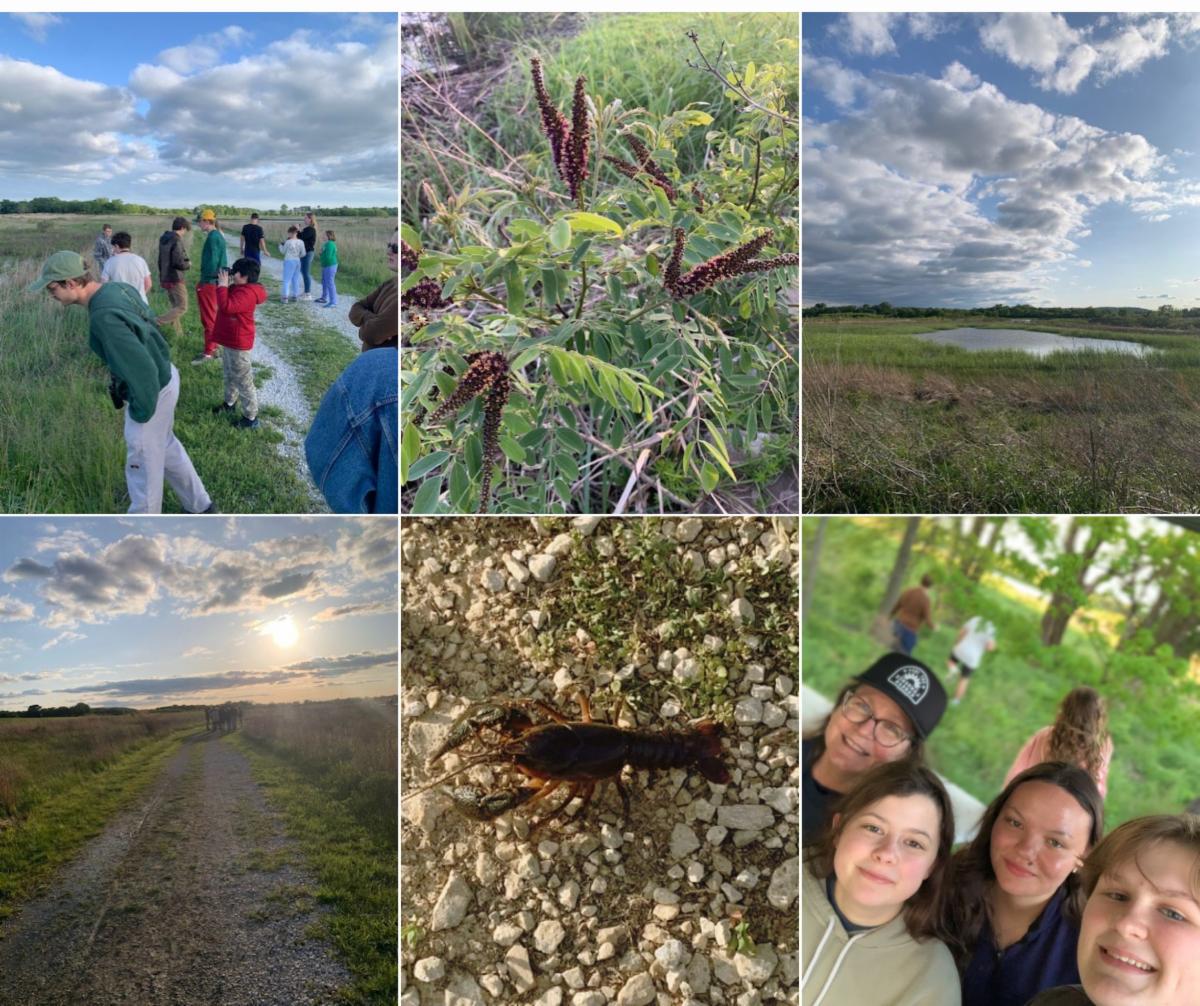
At the end of last month, I witnessed a group-use of mobile devices for a real positive- SCIENCE! Our April Biology & Natural Sciences SPIN session was held at the Baker Wetlands. Our monthly topic was birdwatching. April marks the start of the peak spring migration in Kansas, as over 300 species traverse the Central Flyway. The month is characterized by "waves" of arrivals, with ducks and cranes peaking in early April followed by a surge in shorebirds and songbirds toward the end of the month. Twelve 6-12th grade youth gathered with six University of Kansas postdoctoral mentors from the Ecology and Evolutionary Biology Department to explore, listen, and observe the natural world. In addition, their mentor-leaders provide scientific webpages which are not monetized or filled with advertisements for the group to take a deeper dive into the topic for the month...
| | |
Extension Community Food Systems Team: Reducing Friction Between Tiers of the Food System
Quinlan C., Food Business Resource Navigator
| | |
Across Kansas, the Extension Community Food Systems Team continues to ask an important question: How do we strengthen the relationships that make local and regional food systems work?
The answer, increasingly, is not just more information — it is more connection.
The graphic accompanying this article illustrates the different “tiers” of the food system, from personal food production and direct-to-consumer sales, all the way to large-scale aggregation and global distribution. Much of Extension’s work naturally centers around Tier 1: producers selling directly to consumers through farmers markets, farm stands, and community-supported agriculture. But some of the most important — and often overlooked — work happens in Tier 2: the strategic partners who help producers succeed.
These are the organizations and individuals building infrastructure, coordinating logistics, creating market access, and supporting entrepreneurship in communities across the state. They are the connectors of the food system. And our team has increasingly focused on reducing friction between these tiers — helping people find one another, learn from one another, and move their work forward together.
| | |
Both groups are built around a simple recognition: while market managers and kitchen operators spend their time supporting growers, makers, and small businesses, they themselves often lack structured peer support. Many are solving complex operational, regulatory, staffing, and community engagement challenges in relative isolation — the
“wild west” of emerging food systems infrastructure...
| | |
Helping Families Stretch Food Budgets During the Summer
Kaitlyn P., Community Health & Wellness Agent
| | |
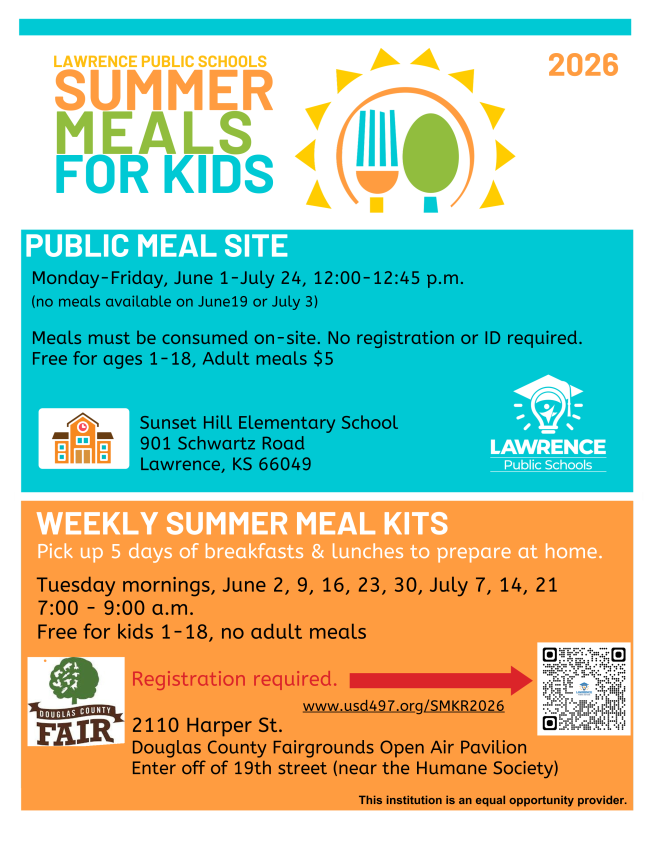
Summer Meal Opportunities
For more information and other Food Opportunities, visit the Douglas County Food Resource Guide
| | For many families, summer brings a change in routine that can also create challenges around food and grocery budgets. Without school meals during the day, parents and caregivers often find themselves preparing additional breakfasts, lunches, snacks, and drinks at home. Rising food costs can make this season especially stressful for households already trying to balance tight budgets. | | |
Planning ahead and using available resources can help families provide nutritious meals while reducing financial strain. Consider these practical tips to make summer meals more manageable:
-
Create a weekly meal plan. Planning meals before shopping helps reduce impulse purchases and food waste. Include simple breakfasts, lunches, dinners, and snacks that use overlapping ingredients.
-
Shop sales and seasonal produce. Grocery stores often advertise weekly specials on fruits, vegetables, meat, and pantry staples. Seasonal produce is typically more affordable and tastes fresher during summer months.
- Use coupons and store reward programs. Digital coupons, store apps, and loyalty programs can help lower grocery costs. Comparing unit prices can also help determine the best value.
-
Prepare meals and snacks at home. Homemade snacks such as popcorn, trail mix, cut vegetables, yogurt parfaits, or sandwiches are often less expensive than individually packaged convenience foods.
-
Buy staple foods in bulk when possible. Rice, pasta, oats, beans, peanut butter, and frozen vegetables can stretch across multiple meals and help families save money over time.
-
Limit food waste. Freeze leftovers, repurpose ingredients into new meals, and store produce properly to help food last longer.
- Involve children in meal preparation. Kids can help rinse produce, prepare snacks, or choose healthy meals for the week. This can encourage healthier eating habits while reducing mealtime stress.
It is also important to recognize that many families may experience food insecurity during the summer months. Seeking assistance is a responsible and helpful step when food budgets become difficult to manage...
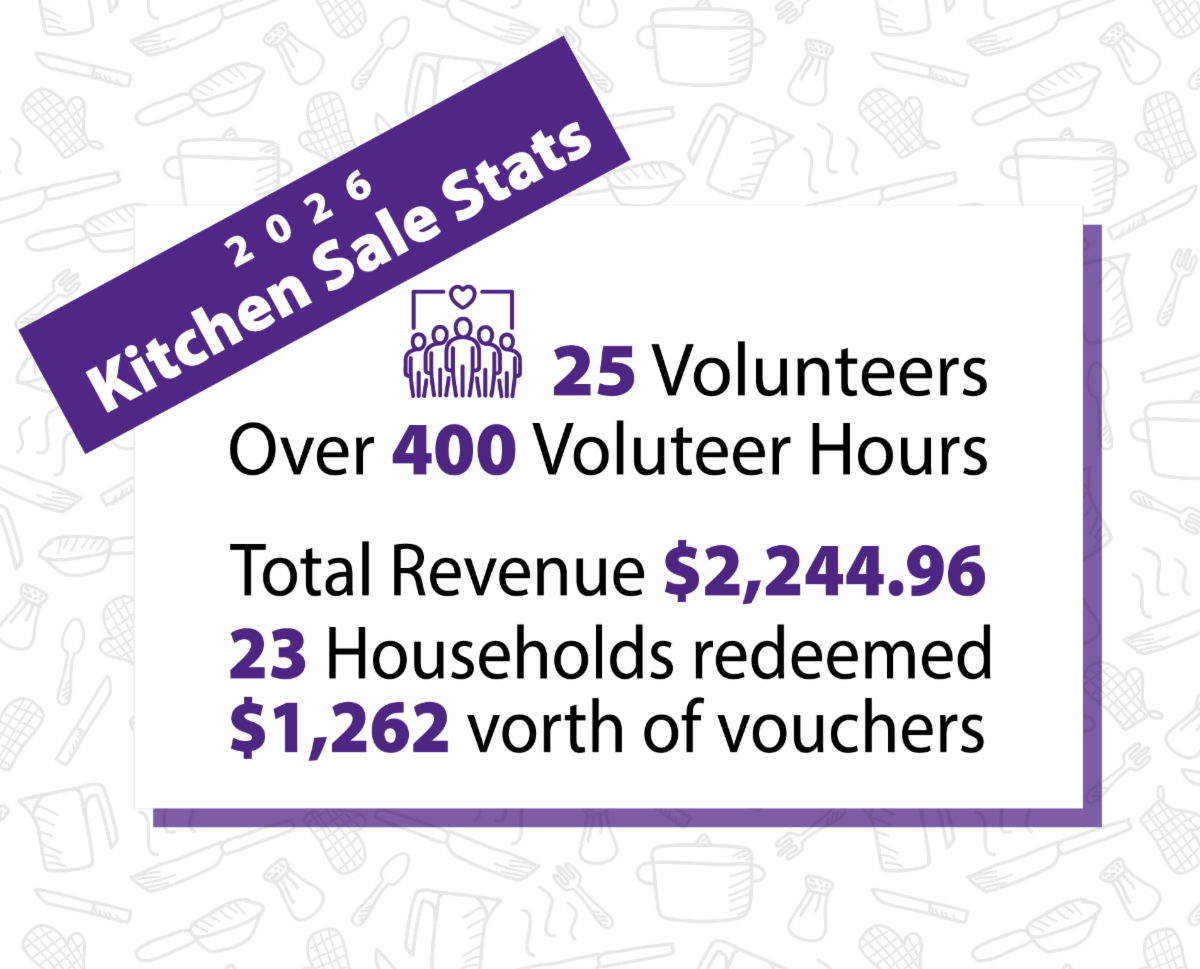
| | The 2026 Kitchen Sale was a Great Success! | | |
Thank you to everyone who donated and everyone who came out to shop! Extra huge thanks to our volunteers who put the whole thing on!
Want to learn more about the kitchen sale? Check out the videos below!
| | |
Water, Wheels and Summer Safety
Ginny B., LiveWell Douglas County Executive Director
3 – 2 – 1 . . . It’s Summertime! When you think of your favorite summer activities as a kid many adults remember spending time at a pool, playing at a playground, or riding a bike. According to survey data from the National Recreation and Park Association, more than half of all U.S. adults have a happy childhood memory from a pool, beach, park, or playground. For children today, summer is still a favorite time of year, but we also know that it comes with an increased risk for unintentional injury. Often referred to as the “100 deadliest days of summer,” the time between Memorial Day and Labor Day is when the number of unintentional injuries to children is the highest. Whether your family is planning a backyard barbecue or cooling off at the pool, keep these safety tips in mind:
- Buckling up on every ride is the single most important thing a family can do to stay safe in the car.
- Seventy-three percent of car seats are not used or installed correctly, so before you hit the road, check your car seat. Visit livewelldgks.org to schedule an appointment with a certified Child Passenger Safety Technician.
- Watch kids when they are in or around water, without being distracted. A Water Watcher card can help designate a responsible adult to keep an eye on kids in the water at all times.
- A large portion of boating accidents each year involve alcohol consumption by both boat operators and passengers. To keep you and your loved ones safe, do not drink alcoholic beverages while boating.
- Headed out for a ride on a bike or scooter? Wear a properly-fitted helmet. It is the best way to prevent head injuries and death.
- Wear bright colors and use lights, especially when riding in the evening and in the morning. Reflectors on your clothes and bike will help you be seen.
- When it’s time to heat up the grill, position it well away from siding, deck railings, out from under eaves and overhanging branches and a safe distance from lawn games, play areas, and foot traffic.
- Keep children and pets away from the grill area by declaring a three-foot "kid-free zone" around the grill.
Kick-off summer safety fun with our first Clover Camp Adventure Series on June 9 – Water and Wheel Safety. For kiddos that will be in grades 3-5 for the 2026-27 school year, participants will learn and practice hand signals, review road signs, receive a free properly-fitted helmet or life jacket, play water safety bingo, and learn hands-only CPR.
| | Horticulture & Natural Resources | | |
Build a rain garden to enliven your landscape and protect our streams and rivers
Sharon A., Horticulture and Natural Resources Agent
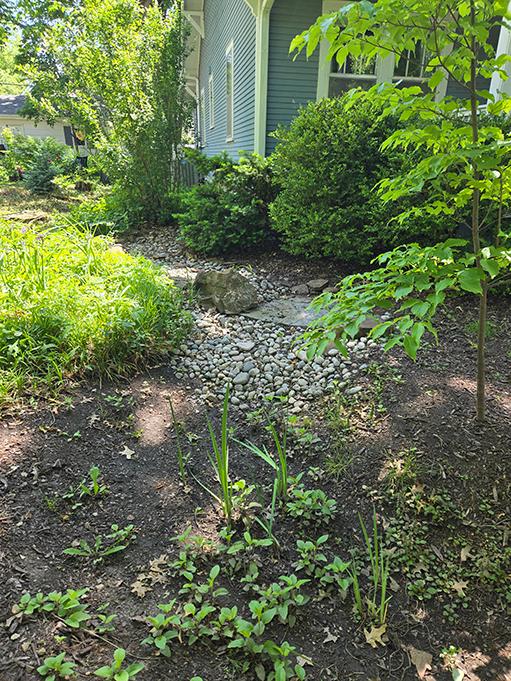
During recent rain events, you may have noticed a spot in your yard where water collects, or the soil is especially soggy. That might be a good spot for a rain garden. Do you notice an area where water rushes off your property, or that the tail end of your downspout is a problem area? Those might be good spots for a rain garden.
Rain gardens are shallow depressions in the landscape that capture stormwater and allow it to slowly soak into the soil. That captured rainwater helps keep the landscape moist, reducing the need to water with expensive, treated tap water. Rain gardens also prevent stormwater from rushing across the landscape, stripping soil and mulch from around plants, and carrying it all to the storm sewer or creek.
Rain gardens strategically placed to accept stormwater runoff from parking lots and other paved surfaces not only capture water but also the “stuff” washed off the pavement with the water. Sediment, the biggest pollutant in our waterways, will settle in the rain garden basin when the water carrying it is slowed down. Oil, gas, fertilizers, pesticides, and pet poop from concrete surfaces are also captured by the rain garden. These pollutants adhere to sediment particles washed off the pavement or are captured by the soil in the rain garden. Once captured, many pollutants are taken up by plant roots, so any outflow from the garden contains far fewer pollutants.
Rain gardens that capture a lot of sediment do need to be cleaned out regularly. Larger rain gardens are sometimes built with a forebay – a deeper basin where water first enters the garden and sediment is captured. Sediment removed from rain gardens that filter runoff from concrete surfaces, such as parking lots, should not be placed back on the landscape and should be disposed of with the regular trash or taken to a waste facility...
| |
| Clover Camp Adventure Series | Join us for a morning of learning and summer fun for grades 3-5 (for the 2026-27 school year)!
All camps run from 9am - 12pm. Please make sure you are selecting the correct camp(s) when you purchase your ticket(s). | | | | Food Business Start-Up Summit - Lawrence | Attention, Kansas food and farm businesses: apply by 5/18 for the Food Business Start-Up Summit in Lawrence, designed to move businesses forward with clarity, confidence, and connection. Apply as a team with your key business partners (teams up to 3).
As many as 25 businesses will be able to participate in this two-day working retreat; to step away from daily operations, tackle hard questions, and receive practical, Kansas-specific guidance from experts and peers. There is no cost to apply. If selected, teams will be invited to register by 6/18. The registration cost is $300 per business. | | | |
Kansas State University is committed to providing equal opportunity for participation in all programs, services, and activities. Program information may be available in languages other than English. Reasonable accommodations for persons with disabilities, including alternative means for communication (e.g., Braille, large print, audiotape, and American Sign Language) may be requested by contacting the event contact our main office or the event's program leader four weeks prior to the start of the event at 785-843-7058. Please see the full Douglas County staff list for detailed contact information. Requests received after programs' deadline dates will be honored when it is feasible to do so. Language access services, such as interpretation or translation of vital information will be provided free of charge to limited English proficient individuals upon request.
Kansas State University is an equal opportunity provider and employer
| | | | |