|
America’s Financial Cliff is Looming
The warning lights on the financial dashboard are blinking red.
For example, Social Security’s trustees project that reserves supporting retirement and survivor benefits will be depleted in late 2032 — only six years from now. Without congressional action, its continuing revenues would cover only 78% of required payments, leaving a 22% shortfall.
Many young Americans doubt Social Security will ever be there for them. With timely reforms, it would be. Future retirees may qualify at a different age, with benefits calculated under a revised formula.
Phasing in reforms prudently over time can protect current retirees while preserving benefits for future generations. We all deserve confidence that Social Security will be there when we need it. That’s a win.
That Social Security deadline does not predict when a broader debt crisis might strike. But it demonstrates the cost of delay. Growing fiscal pressure could also threaten funding for Medicaid, Medicare, and other entitlement programs Americans rely on.
What's the fastest way to get Washington’s fiscal house in order?
Speaking at the Harvard conference, Former New Hampshire Gov. Chris Sununu summed up the looming federal fiscal crisis this way: “It is truly a cliff. It's going to be bloody; it's going to be horrible. You're going to have massive hyperinflation, which is the worst tax on the poor. By not dealing with this, you're creating an inflationary process that is going to hit low-income and working-class Americans extremely hard.”
Sununu says building on the Department of Government Efficiency’s (DOGE) work is a starting point for reducing federal spending. “You can easily cut $350-400 billion out of the current budget. It is so wasteful and so bloated. There's a lot of savings to be had.”
States Will Be Squeezed
Most assuredly, balancing the federal budget will also cause states to budget more efficiently because federal budget cuts will shift some costs to the states to fill the void. But the federal government needs to agree – we’ll send you the money, but we’ll also send you the control. We can’t have federal bureaucrats micromanaging our state spending.
Federal spending cuts will force states to clearly define their priorities and make difficult choices: raise taxes, reduce services, or find savings elsewhere.
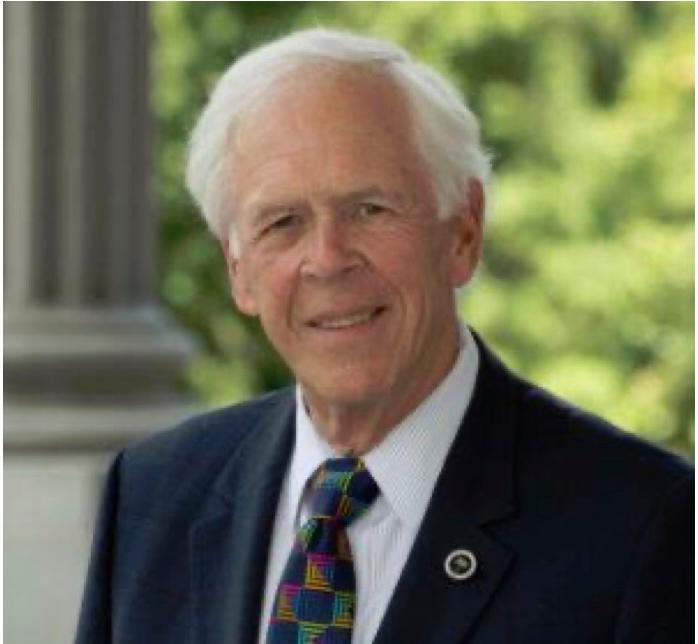
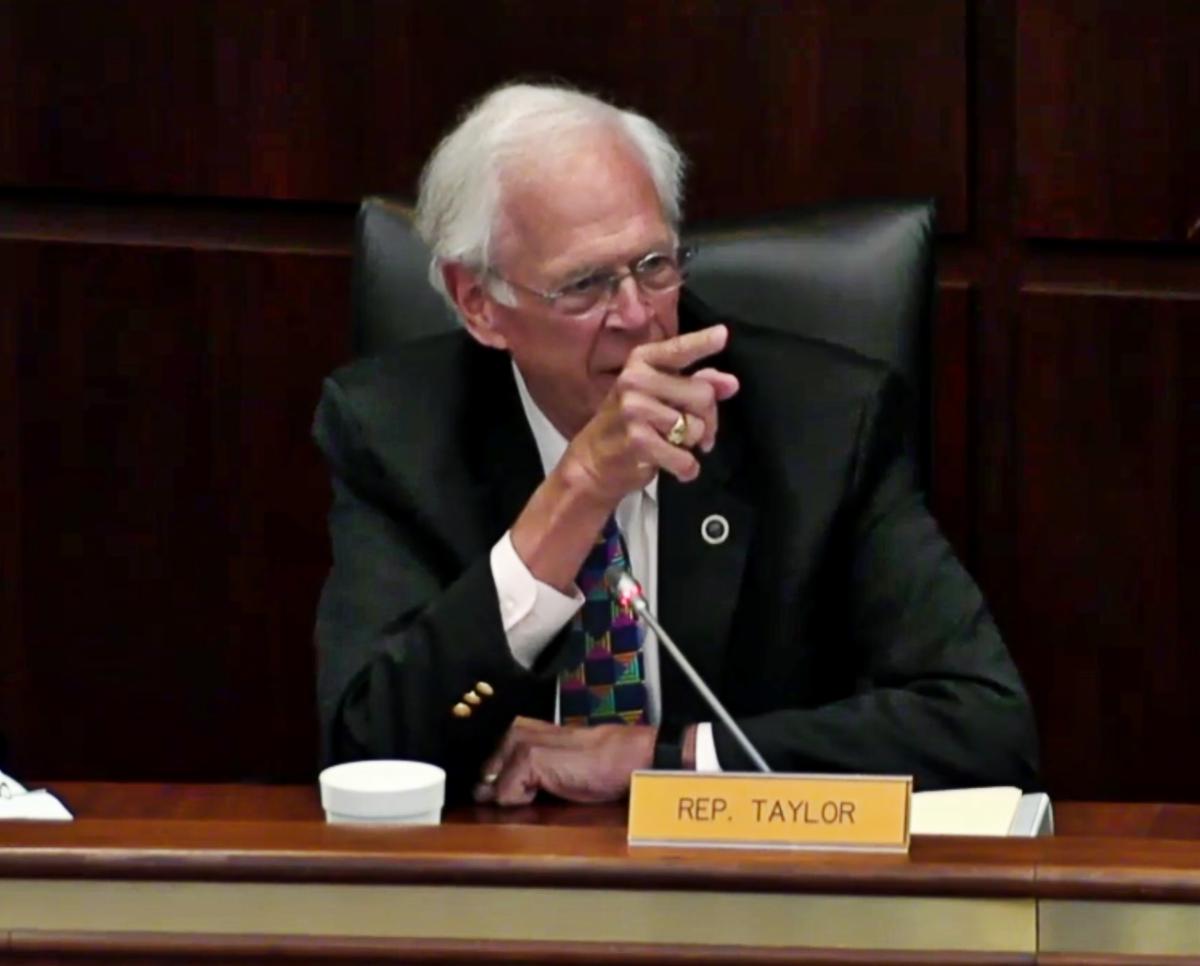
Although I am not seeking reelection, House Speaker Murrell Smith has reappointed me to represent the South Carolina House on the National Federalism Commission (NFC). I have served for four years as a delegate to this bipartisan organization, which works to strengthen the role of states in our constitutional system.
As a member of the NFC policy committee, I am helping assess how federal belt-tightening would affect state budgets. My analysis begins at home. With help from House Ways and Means analysts, I compiled an overview of federal funding coming to South Carolina.
The Impact on SC
Federal dollars support healthcare, food assistance, highways, schools, and disaster recovery. Healthcare is most at risk because it receives the largest amount of federal money.
The S.C. Department of Health and Human Services administers Medicaid, which accounts for nearly $11 billion in annual spending, with 90% sent from Washington. Major services include coordinated care, nursing home care, and long-term community care.
The S.C. Department of Social Services reports approximately $1.6 billion in direct federal awards, including $991 million for SNAP food assistance. There is additional federal support for childcare, Temporary Assistance for Needy Families, and foster care.
The S.C. Department of Transportation reports $1.3 billion in federal grants annually for highways, freight corridors, and other transportation-related improvements.
The S.C. Department of Education reports $782 million in federal awards, including nearly $480 million for school meals. Other substantial awards support disadvantaged students, special education, and school improvement.
Public health, environmental protection, behavioral health, and services for people with developmental disabilities also receive significant federal support. Disaster recovery adds hundreds of millions more in federal dollars, although those awards fluctuate and tend to span several years.
These examples represent the largest streams of federal funding flowing into South Carolina. They show how deeply Washington’s spending decisions affect our state—and why federal cuts will bring difficult choices close to home.
Demand a Fix Now, Before it’s Too Late
Washington is addicted to spending, deficits, and debt. Many in Congress are shopaholics, freely spending your hard-earned tax dollars. Unless Congress changes course, we risk a national economic meltdown. When federal lawmakers delay tough decisions, they must face consequences. This isn’t about party politics. It’s about math.
Those consequences will reach directly into every South Carolina home, classroom, hospital, and highway. Preparing for that risk is part of responsible state leadership. Demanding action from Washington is every citizen’s responsibility.
I believe America’s best days are ahead — but a bright future requires fiscal discipline and leaders willing to make tough choices. Citizens must demand both. We must insist on a credible plan to put the nation’s finances in order. We must make those in Congress accountable for fiscal discipline and positive results.
Washington won’t break its spending addiction until Americans stop accepting the excuses and demand fixes.
|