Weekly Digest Number 33 - August 16th, 2022 |
|
Welcome to the RWU Rail & Labor News! This news bulletin is produced and emailed out each Tuesday morning. We hope you find each week's news and information useful. If so, please share with co-workers, friends, and colleagues. If you like, you can sign them up to get all the news from RWU HERE. Or forward them the link. Note: If you read over this news bulletin each week, you will be sure to never miss the important news of what is going on in the railroad world from a worker's perspective!
|
|
(Editor's Note: This is a no-nonsense hard-hitting piece that makes clear what needs to be done. If a good contract is not forthcoming, there could be a mass exodus soon, even if a proposed contract is ratified, as thousands of workers could take the back pay settlement and then quit.) |
|
Railroads Ignore Train Crew Complaints at Their Own Peril: Analysis
Crew shortages could get worse if rank-and-file find new contract underwhelming
|
|
If there’s one thing all railroaders have in common, it’s the ability to complain about anything and everything. They’re world-class grumblers. So when train crews and labor unions bash the railroads for this, that, and the other thing, sometimes you have to wonder if they’re crying wolf.
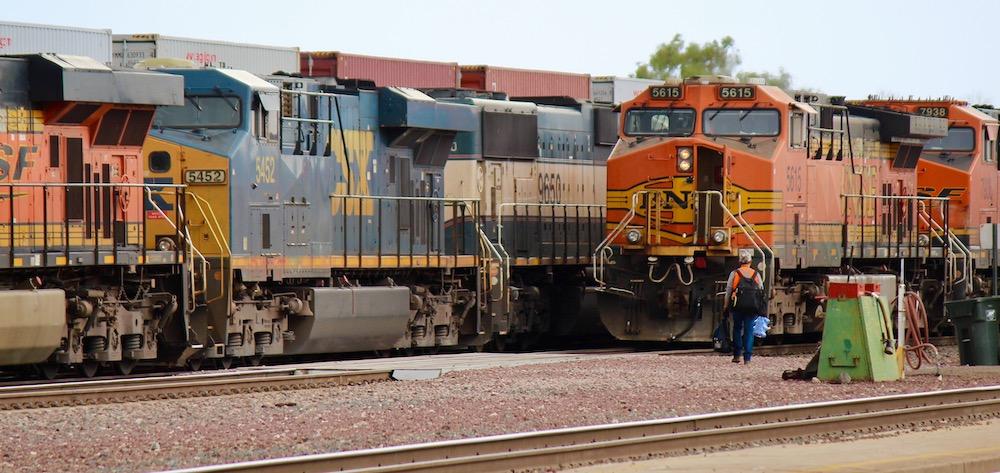
Wonder no more. The union-management pot, which is normally set on simmer, is boiling over at the big four U.S. Class I railroads. And it’s prompting railroaders — even those with 10, 15, or 20 years of experience — to pull the pin before they’ve reached retirement age.
In other words, they’re voting with their feet. This tells you that railroaders aren’t just bitching about their demanding jobs. They’ve had it. As ol’ Johnny Paycheck would sing, “Take this job and shove it.”
None of this should come as a surprise. CSX Transportation, Norfolk Southern, and Union Pacific have for the past couple of years earned the dubious distinction of being among the worst places to work, according to the job-rating site Glassdoor.
UP and NS ranked No. 1 and No. 2, respectively, due to their low ratings from their employees, while CSX held the No. 5 spot. Go back to 2008, though, and you’ll not find a railroad among the 50 worst companies on Glassdoor’s list.
What’s changed? It’s not one thing, railroaders say. It’s everything.
A massive wave of layoffs began when E. Hunter Harrison brought his Precision Scheduled Railroading operating model to CSX in March 2017. Since then, rail employment levels have fallen nearly 30% as NS and UP adopted PSR and BNSF Railway began running a leaner operation, too. In many cases this puts more work on the shoulders of the railroaders who kept their jobs — and has meant fewer days off under attendance policies that crews view as draconian.
Then there are PSR-related operational changes, such as running fewer but longer trains. They take longer to build and are likely to encounter more mechanical mischief en route. Conductors don’t want to walk 2 miles or more to find and fix a defect at the back of the train.
A side effect of longer trains is running with lower horsepower/ton ratios. The combination of heavier trains and no horses to spare makes for longer trips for conductors and engineers. They also say that TripOptimizer and LEADER, the energy management systems that act like advanced cruise control and help conserve fuel, also slow transit times. Ditto for throttle and speed restrictions some railroads use to save fuel.
And then there are the national contract negotiations that have been stalled since 2019. Railroaders have worked through the pandemic as front-line workers and have now gone nearly three years without a raise. Talk of one-person crews, with conductors shifted to the ground, doesn’t help and has been a stumbling block in negotiations.
Add all this up, and it’s not hard to see why railroaders are a disgruntled lot.
|
|
(Editor's Note: The issue of rail congestion, crew shortages, PSR, and all the rest are finally making it into the mainstream media. Watch this interesting short film clip from CBS this Morning from last week.)
|
|
Massive Disruptions to the Supply Chain Predicted by Experts |
|
Just as retailers are starting to gear up for the holiday season, there are warnings of a possible nationwide
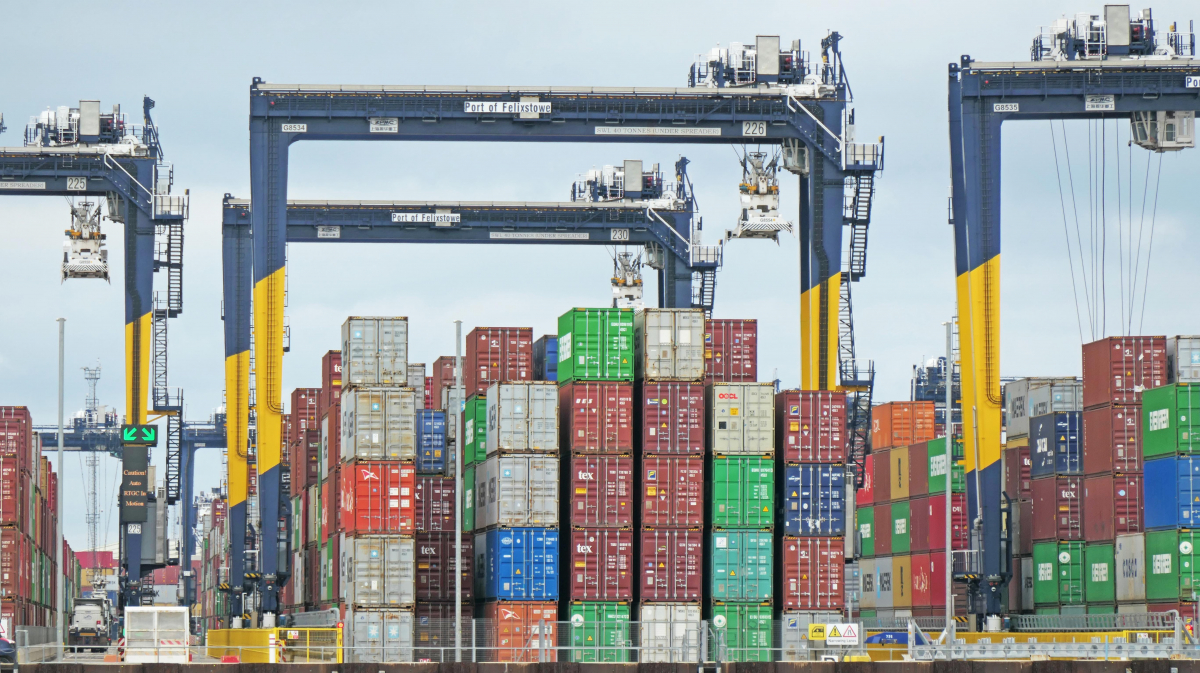
shipping log jam. A shortage of rail workers is causing cargo to pile up once again in America's ports. Carter Evans reports from the port of Los Angeles, a key link in the U.S. supply chain.
|
|
(Editor's Note: While PTC has had a noticeable effect on the lower number of fatalities in the past few years, sadly we may start to see an increase in the number of on-the-job deaths due to punishingly long hours, stress, limited time off, harsh attendance policies, poorly maintained equipment, contracting out jobs, etc. ) |
|
Two T&E Workers Killed on the Job Within 48 Hours of One Another |
|
Ryan M Jones, UP Trainman, BLET #103 Cheyenne, WY 7/28/2022
On the evening of July 28, 2022, Brother Jones had just completed knocking the handbrakes off of a coal train at Hanna, Wyoming, when he suffered a major cardiac event. Prior to his railroad career, Brother Jones received his Bachelor of Arts degree in Hotel and Resort Management from Metropolitan State University, and worked for Marriott in Denver for several years. Co-workers will remember Brother Jones for his generosity, his sense of humor, and his frequent smile.
|
|
Keith W. Bass, UP Engineer, BLET #48
St. Louis, MO 7/27/2022
Brother Keith W. Bass died on July 27 from injuries he had sustained in a crew van accident on July 26. He was 46 years old.
A Union Pacific locomotive engineer, Brother Keith hired out on the railroad in January of 2006 and became an engineer a few years later. He and SMART-TD Members Matt Nichols and Zach Brannon were being transported back to Dupo, Illinois from Washington, Missouri, when the accident happened after 9 p.m. on July 26. Brother Bass passed away at around 7 a.m. the following morning from his injuries. Brothers Nichols and Brannon are recovering.
|
|
115,000 Railroad Workers Are Weighing a National Strike |
|
US labor law is designed to prevent railroad strikes like the kind that shook America in the past. But the constant cuts to staffing levels and erosion of conditions for rail workers could produce a national rail walkoff by September.
After thirty months of stalled contract negotiations amid the pandemic — all while enduring stagnant wages, heavier workloads, unsafe conditions, and draconian attendance policies — 115,000 fed-up US freight railroad workers are mobilizing for a possible national strike.
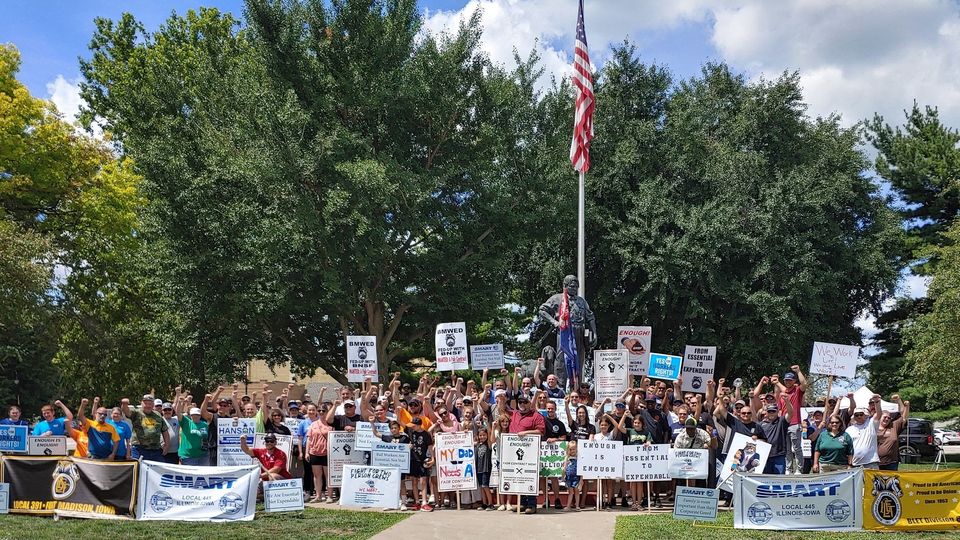
On Saturday, a few hundred rail workers from multiple craft unions gathered with allies in Galesburg, Illinois, to signal to the federal government and major rail carriers that they are ready for a showdown.
“I have never seen in my experience working in this industry the kind of unity that you all are displaying right now,” Greg Regan, president of the AFL-CIO’s Transportation Trades Department, told the crowd. “This is not just a rail labor fight; this is a labor movement fight.”
Some of the craft unions represented at the Galesburg event included the Sheet Metal, Air, Rail and Transportation Workers – Transportation Division (SMART-TD), the Teamsters’ Brotherhood of Maintenance of Way Employes Division (BMWED), and the International Brotherhood of Boilermakers, Iron Ship Builders, Blacksmiths, Forgers and Helpers (Boilermakers).
Due to the cumbersome bargaining process of the 1926 Railway Labor Act (RLA) — which allowed Joe Biden to intervene last month by appointing a presidential emergency board to make recommendations to try resolving the dispute — the earliest a work stoppage could occur is September.
Although US labor history is replete with militant railroad strikes that have brought the economy to a halt, such actions have become rare in modern times thanks to the legal constraints of the RLA and ongoing division of rail workers into a dozen separate craft unions.
|
|
(Editor's Note: Just another of thousands of examples where the carriers' rhetoric of "Safety First" is meaningless drivel. Another wreck and two near fatalities that could have easily been avoided if not for the fact that the minimal expense necessary would have "hurt" the sacred Operating Ratio.) |
|
Crew Members Sue NS Over Derailment Caused by Rockslide
Engineer, conductor claim railroad negligence in accident involving heritage diesel
|
|
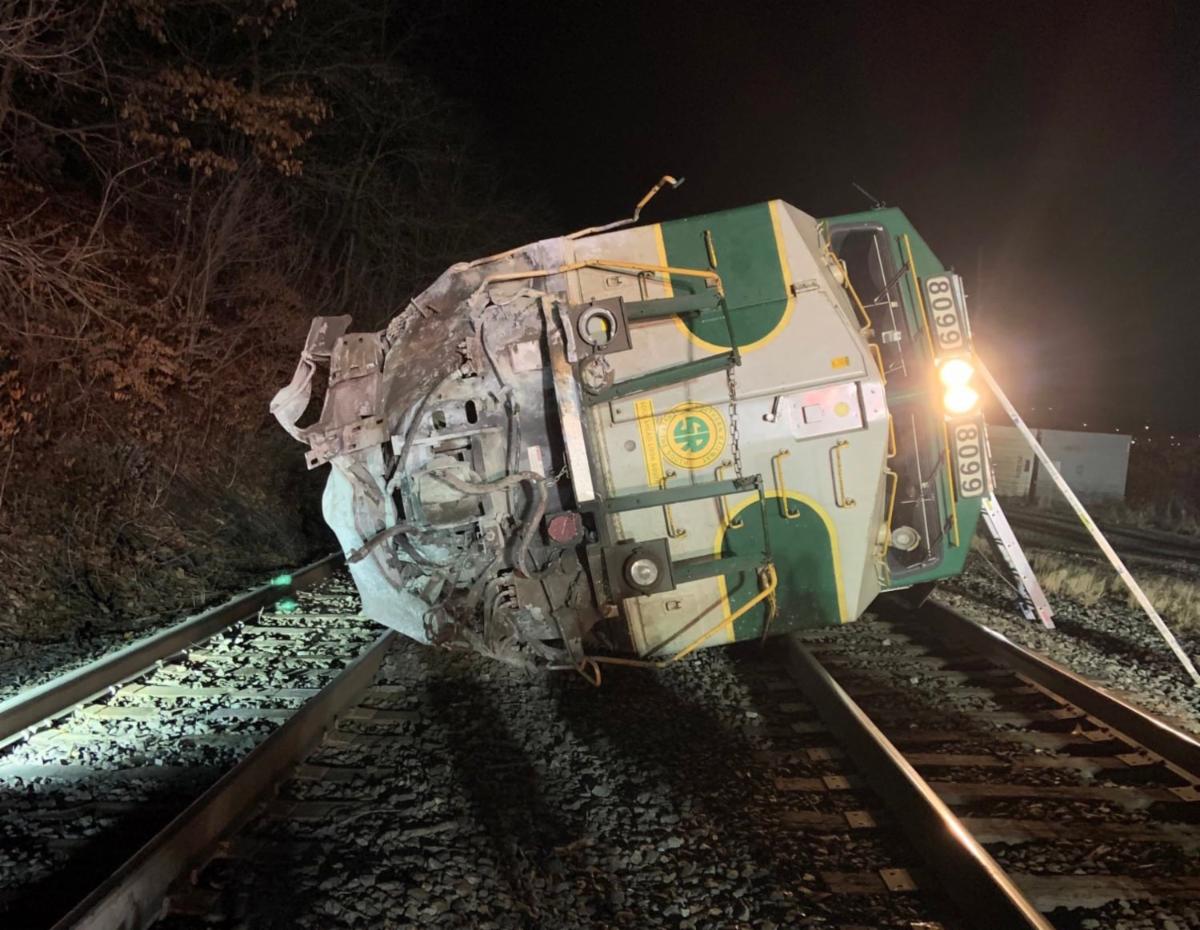
PITTSBURGH — The engineer and conductor of a Norfolk Southern train derailed by a rockslide last year are suing the railroad, arguing the railroad’s negligence led to the accident.
The Pittsburgh Tribune-Review reports engineer Matthew Marchionda and conductor Edward Mansfield were the crew of the train en route from Chicago to New Jersey when it struck the slide in the Pittsburgh suburb of Baldwin, Pa., about 4:05 a.m. on Dec. 12, 2021, derailing two locomotives and five cars. The train was going about 40 mph. One of the locomotives involved was the Southern Railway heritage unit, ES44AC No. 8099 [see “NS derailment damages Southern Railway heritage unit,” Trains News Wire, Dec. 13, 2021].
The suit says Mansfield suffered a head injury, concussion, other injuries, and post-traumatic stress disorder. Marchionda suffered a head injury, concussion, internal, and spinal injuries. It argues that the rockslide resulted from factors including the railroad’s failure to properly inspect the track or install protective fencing and its failure to instruct crews to operate at a reduced speed because of dangerous conditions.
|
|
(Editor's Note: This article is one of optimism. And it is true - Amtrak has so much potential and so much ability to grow, develop, and expand at this moment in history. But there are powerful forces aligned against that from happening; i.e. the rail freight industry.) |
|
After a ‘Near Death’ Experience, Amtrak Prepares for Rapid Growth |
|
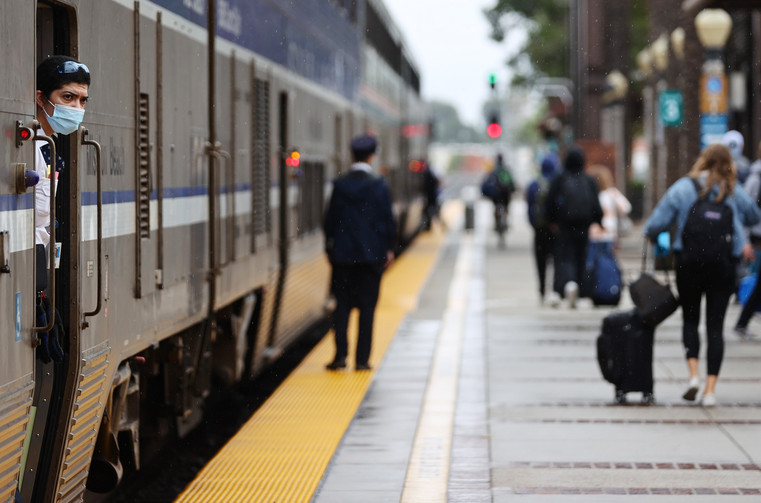
Two years ago, Amtrak was facing a “near-death” experience, Stephen Gardner, CEO of the national passenger rail service, said at a briefing last week with the Association for a Better New York. Both business and travel leisure rapidly grinded to a halt, causing ticket sales to drop 97 percent in a matter of weeks.
Now, the agency is seeing an unprecedented demand for Amtrak seats and rapidly moving to add service to new cities across the nation. Ridership on the Northeast Corridor is only down 15 percent from 2019 levels, with some routes surpassing pre-pandemic levels.
“It’s really very positive that even though the world has changed so much in Covid, we see really strong interest in passenger rail and a whole new generation of riders coming into the network,” Gardner said.
The new demand is reflective of different travel needs, Gardner said. Amtrak’s Empire service that runs to Albany has seen “tremendous growth” driven by the number of people who moved to the Hudson Valley during the pandemic. Leisure trips and new customers are behind most of the new sales, influencing Amtrak to add routes to more getaway destinations. The quasi-public authority recently added service to the Berkshires and Burlington, Vermont.
“It’s an example of the shifting decisions around work and lifestyle and location that play to Amtrak’s strengths,” Gardner said.
Amtrak has a goal of doubling its ridership by 2040 to achieve 65 million riders, and predicts it can fully recover the 33 million riders it recorded before the pandemic by 2024. It’s a far cry from the Metropolitan Transportation Authority, which is more dependent on work commutes and recently said it may not see ridership rebound until 2035.
Adding new and more frequent service is essential to achieving that kind of growth, and Amtrak is preparing to oversee billions in capital work over the next several decades. It will get $22 billion in direct aid from the federal infrastructure package. Another $44 billion goes toward competitive transit grants that states can tap into for various rail proposals — with Northeast Corridor projects eligible to receive up to $32 billion, Gardner said.
|
|
(Editor's Note: While rail workers must be cautious about what you say publicly, the fact that the feds WANT to hear from you railroad workers should serve to embolden us and encourage comment. A word of advice: No need for name calling or hyperbole. Let the facts speak for themselves.) |
|
Federal Regulators Welcome Input from Rank-and-File Railroad Workers Amid Widespread Service Problems
Union Pacific engineer’s letter to the Surface Transportation Board prompted more than three dozen other railroaders to share their concerns about crew shortages and the state of the industry
|
|
WASHINGTON — When veteran Union Pacific locomotive engineer Michael Lindsey II looks at the industry he loves, he doesn’t like what he sees.
So he has become outspoken on issues ranging from crew shortages and ongoing service problems to labor contracts and railroad regulation. He’s written two letters to the Surface Transportation Board this year. And Lindsey’s encouragement of other railroaders to join him in speaking out prompted an unusual burst of letters to the STB from rank-and-file operating people.
“As for what motivated me to write to the STB, it was a long time coming,” says Lindsey, who is based in Pocatello, Idaho. In 17 years with UP, he has made numerous proposals to headquarters that would improve operations and efficiency on his stretch of railroad between Green River, Wyo., and Nampa, Idaho.
“I care about the industry immensely and tried my hardest to help implement plans that would improve my industry. A few were implemented,” he says, including detailed recommendations on passing sidings and fuel conservation.
But the railroading business has changed in recent years.
“Several years ago I started to notice a disturbing trend where the railroad was spending far more on share buybacks than actual capital improvements,” Lindsey says. “It became kind of a learning obsession as I learned more and more about the industry and its finances.”
All of the publicly traded railroads have stepped up their share buyback programs in recent years. The railroads are far from alone in gobbling up their own shares: The majority of large companies use the practice as a way to boost earnings per share.
Lindsey took his concerns straight to the top by calling CEO Lance Fritz and then-Chief Financial Officer Rob Knight on their cell phones. Lindsey says they took his calls and they talked for 30 minutes or so.
“Then in a town hall meeting in Pocatello, I called them out in front of the superintendent and the entire service unit on their share buyback program. I accused them of burning our working capital to enrich themselves and put our railroad in a weaker state in future years,” Lindsey says of a meeting held five or six years ago. “So far I’ve been right.”
Fritz has defended UP’s share buyback program. The cash the railroad generates first goes to pay expenses like wages and fuel, and then to maintaining and expanding the network. After that, some of what’s left over is returned to shareholders.
|
|
(Editor's Note: We ran this article when it first came out earlier this summer, but we are running it again as it succinctly summarizes all that is wrong with the way the rail industry is run in North America. Hundreds of new subscribers to the RWU News & Info Service over the past few months may not have read it yet.) |
|
How Wall Street Holds Railroads Hostage: Analysis
Focus on operating ratio inhibits volume growth, hurts service, and prevents share gain from highway
|
|
The U.S. Class I railroads’ recurring crew shortages, related bouts of service problems, and a lack of meaningful volume growth are intertwined. You can lay the blame for all three problems at just one place: Wall Street.
BNSF Railway, CSX Transportation, Norfolk Southern, and Union Pacific are in the midst of the mother of all crew shortages. The lack of crews has caused congestion, which in turn has slowed the network and sent operations into a downward spiral that requires even more crews.
So transit times are up. On-time performance is way down. Angry shippers are diverting loads to trucks. And frustrated regulators are demanding answers.
There’s no doubt that current crew shortages are exacerbated by pandemic-related changes in the labor market. It’s equally certain that the railroads’ operational changes and onerous attendance policies have prompted many longtime engineers and conductors to pull the pin, further thinning the crew ranks.
But we’ve seen this movie before. Over the past decade, service has suffered due to crew shortages three times each at BNSF and CSX, four times at UP, and five times at NS, according to a tally by Loop Capital Markets analyst Rick Paterson. “It cannot be all bad luck,” Paterson told the Surface Transportation Board during its rail service hearings in April.
He’s right. The culprit is a persistent failure to keep a sufficient cushion of crews on hand to ensure that a railroad can recover quickly from unexpected surges in traffic or extreme events like hurricanes, cold snaps, and wildfires. And the reason railroads don’t keep that capacity buffer? The Cult of the Operating Ratio, as analyst Anthony B. Hatch calls Wall Street’s hyperfocus on the key efficiency metric.
This short-term focus means railroads aim to keep costs at a bare minimum and reduce them every year — even if it jeopardizes service over the long term. Paterson notes that since gaining pricing power in 2004, railroads (except BNSF) have used a simple and wildly successful financial formula: Raise rates faster than costs and never mind volume growth. This pushed Class I operating ratios from the 80s to the 50s and ushered in a Golden Era for railroad investors.
|
|
(Editor's Note: Yet another group of railroad workers in Canada is gearing up for strike action.) |
|
GO Transit Union Votes for Strike |
|
TORONTO — A union representing GO Transit station attendants, maintenance workers, and bus drivers has voted to strike if it fails to reach agreement on a new contract.
The vote comes as the train and bus operator has said it will have to cancel some trains this week because of a worker shortage.
The CBC reports Amalgamated Transit Union Local 1587, which represents about 2,200 workers, says 93% of its members voted in favor of the strike. Workers have been without a contract since June 1 and say GO Transit’s parent, provincial transit agency Metrolinx, has refused to negotiate on issues including wages, job security, and work-life balance.
No strike deadline has been set, and Metrolinx spokeswoman Anne Marie Aikins said a strike is “not imminent.”
Meanwhile, the Toronto Star reports as many as 15 train trips per day for GO Transit and the UP Express, which serves Toronto Pearson Airport, could be cancelled this week and next because of staff illnesses. Aikins did not say how many employees were ill.
Those services are operated by Alstom, and the Star reports the union representing Alstom workers has modified its labor agreement, capping work hours at 48 per week instead of 60. The paper reports Alstom has also invited unvaccinated workers, on unpaid leave since December, back to work.
|
|
Lac-Mégantic Bypass Work Continues |
|
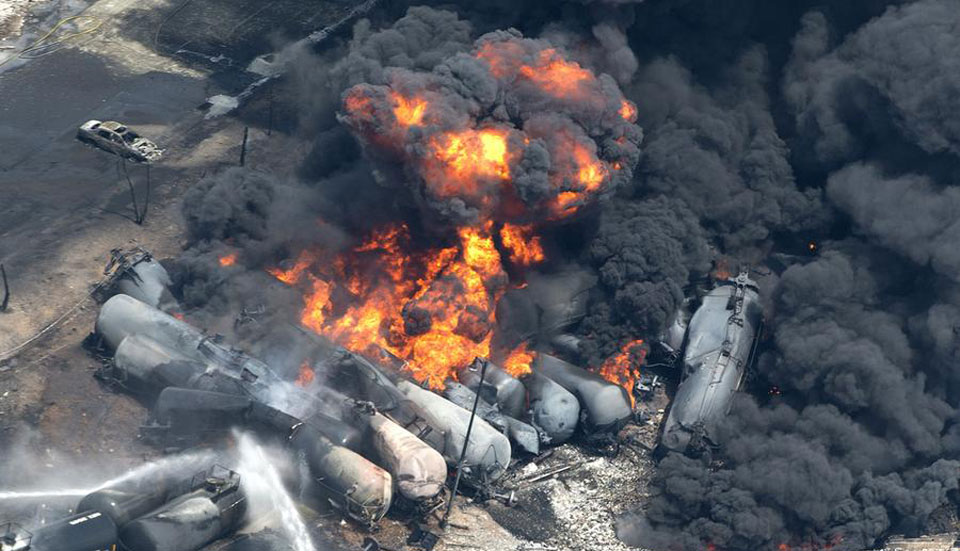
Nine years after the July 13, 2013 crude oil train runaway wreck at Lac-Mégantic, Quebec that claimed 47 lives and destroyed much of the village’s downtown, the Government of Canada and Transport Canada continue preliminary work on building a bypass rail line.
The line, now owned by Canadian Pacific, continues to operate through town. The bypass line is a government project. “CP continues to fulfill its commitments to the federal government for the delivery of this project,” spokesman Andy Cummings told Railway Age.
The new 7.75-mile (12.5-km) line will pass through the municipalities of Nantes, Lac-Mégantic and Frontenac, specifically between mileposts 113.27 in the subdivision of Moosehead and 3.49 in the subdivision of Sherbrooke. The project also includes building two yard tracks in the Lac-Mégantic industrial park to allow the relocation of Nantes and Frontenac railway operations to this location. At the end of the project, the existing track will be dismantled.
Canadian Minister of Transport Omar Alghabra recently announced details of “a new public consultation on hydrology and the measures to mitigate the potential impacts of the Lac-Mégantic rail bypass project.” He also announced that the negotiation period between Public Services and Procurement Canada and the owners is extended until Nov. 4, 2022.
|
|
(Editor's Note: This commuter agency has suffered countless accidents in recent months and years, largely due to a combination of issues including contracting out of services and budget cuts.) |
|
FTA Approves Two MBTA Plans to Correct Safety Issues, Asks for Revisions on Two Others |
|
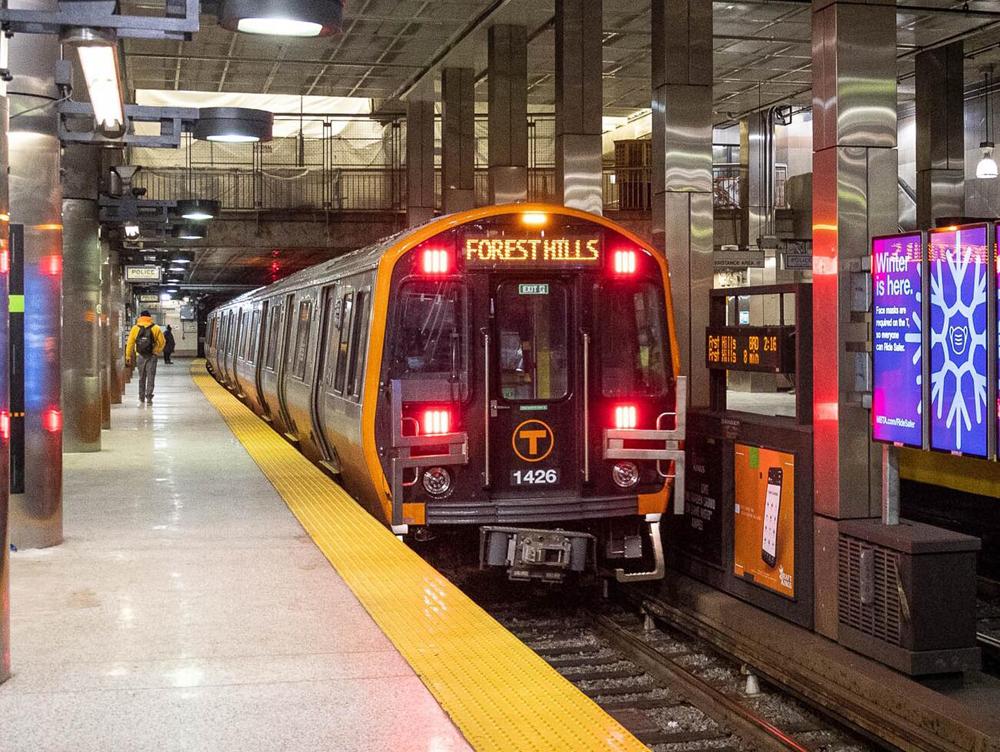
BOSTON — The Federal Transit Administration has approved plans by the Massachusetts Bay Transportation Authority to address two of the safety directives issued by the FTA in June, but says two others need more work.
The Boston Herald reports the federal agency has approved the MBTA’s plans to deal with track maintenance and recertification of operating employees, but asked for revisions on the plan to address problems with runaway trains at maintenance facilities and increasing staffing at the rail system’s control center, particularly among dispatchers.
Deputy General Manager Jeffrey Gonneville told a meeting of the MBTA board’s safety and health subcommittee that the agency has also completed the safety briefings required by a stand-down order issued by the FTA in July [see “FTA orders ‘safety standdown’ …,” Trains News Wire, Aug. 1, 2022]. That order required all employees to receive a safety briefing before moving equipment in yards or shops, with the FTA saying unsafe practices at the MBTA created “a substantial risk of death or personal injury.”
The FTA asked for revisions to the MBTA plan on dealing with runaway equipment in light of a July 25 incident in which a train rolled out of a yard and onto a track at the Red Line’s Braintree station, an incident which occurred just before the stand-down order [see “‘Unintentional’ move of MBTA train …,” News Wire, July 26, 2022]. The FTA wanted more detail on hiring and training for the plan regarding the operations control center, Gonneville said.
The plans were required as part of the four safety directives issued by the FTA in June in light of a series of incidents, including one in which led to a passenger fatality [see “Federal directives order MBTA to address safety issues,” June 15, 2022]. The federal agency is expected to issue the full report on its recent scrutiny of MBTA practices later this month.
|
|
(Editor's Note: Just as the other Class One carriers reported over the previous weeks, BNSF had a stellar year in regards to profits, even though they moved far less freight.) |
|
Q2 a Mixed Bag for BNSF with Higher Revenue, Lower Volume |
|
In the second quarter, BNSF Railway Co. boosted revenue 14% to $6.6 billion and increased operating income 7% to $2.4 billion compared with second-quarter 2021 figures.
However, volume decreased 6% to 2.47 million units, operating expenses shot up 19% to $4.3 billion and the operating ratio climbed 2.8 points to 63.2, according to the Class I’s Q2 financial performance summary.
Despite the volume slip, average revenue per car/unit rose 22% year-over-year to $2,542 because of increased rates per car and higher fuel surcharge revenue driven by higher fuel prices, BNSF officials said in the summary. The railroad’s fuel costs in the quarter nearly doubled on a year-over-year basis to $1.28 billion as the per-gallon price of diesel ballooned 89%.
Financial results by commodity groups show consumer products revenue jumped 18% to $2.45 billion, but volume declined 7% to 1.38 million units due to less international intermodal shipments resulting from supply-chain challenges, BNSF officials said. The volume dip partially was offset by an increase in domestic intermodal units and higher automotive shipments.
|
|
(Editor's Note: Lately there is not a week goes by without another freight train derailment.) |
|
BNSF Coal Train Derails in Oklahoma |
|
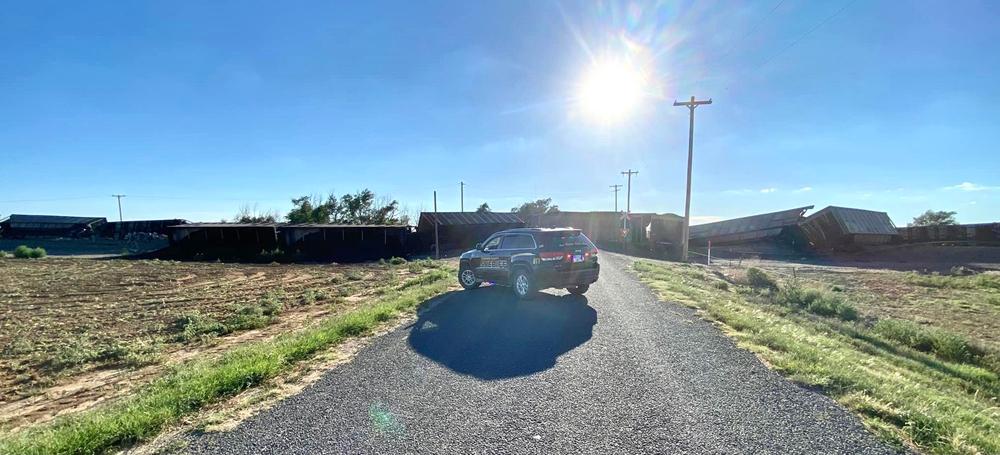
BOISE CITY, Okla. — Thirteen cars of a BNSF unit coal train derailed Friday evening near Boise City, blocking a state highway for several hours, the Cimarron County Sheriff’s Office reports.
No injuries were reported. KVII-TV reports the derailment occurred about 6:50 p.m. State Route 325 was reopened about 12:30 a.m. on Saturday. BNSF’s main line on the Boise City Subdivision reopened about 10:30 p.m. on Saturday, the railroad reports in a customer service advisory.
Boise City is about 120 miles northwest of Amarillo, Texas.
|
|
|
|
|
|
|