News and information to help journalists serve the public and stay safe.
July 22, 2020
Journalists prize investigative work for the impact it has: unearthing risk and damage, holding the powerful to account, changing laws and changing lives. But investigative journalism jobs have long been the province of veteran reporters, usually white and male. As newsrooms commit to diversifying their teams, investigative journalists can better reflect underserved communities that have traditionally been harmed by systemic problems yet to be exposed. 

Join moderator  Manny Garcia , senior editor for the ProPublica-Texas Tribune Investigative Initiative; Maria Perez , investigative reporter at the Milwaukee Journal Sentinel; and Cheryl W. Thompson , investigative correspondent for NPR and president of Investigative Reporters and Editors, for this program from the  News Leaders Association  and Journalism Institute.

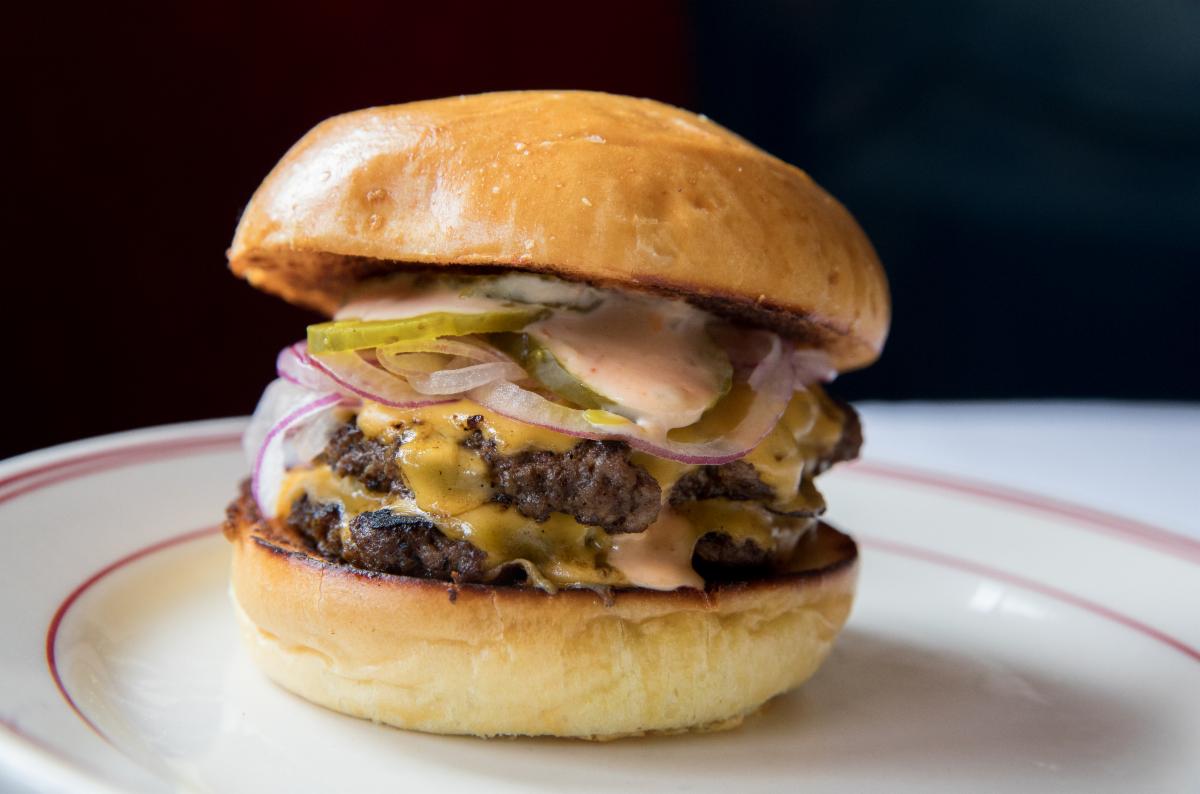
Washington Post enterprise reporter Jessica Contrera knows how to follow her senses to find powerful details that immerse readers in a story. Still, tracking a hamburger from steer seed to mouth-watering plate presented new challenges.

We interviewed Jessica and her editor, Lynda Robinson, about how she and the Post team overcame those challenges in, “ From cow to customer, a $20 cheeseburger’s tumultuous journey during a pandemic .”
 
What inspired this story? How did you decide to trace the burger’s entire history, and how were you able to track it so thoroughly?

Contrera : Most days, my job is to write about people whose lives are being directly and majorly impacted by an issue in the news. Right now, that’s literally everyone. But everyone is being affected in different ways – and some much more than others. We are trying to tell stories that highlight those differences, and the ways in which, despite them, we are all still connected.

We knew early on we wanted to follow the burger’s journey as far back as we could because it allowed a reader to meet all kinds of people: men and women, white, Black and Latinx, the owners of companies and the lowest-level employees, rural Midwesterners and East Coast city dwellers, etc., and to see both the unique circumstances and the telling patterns in the ways they were being impacted. 

I started in the middle of the journey, with the burger itself, and reported in two directions. Figuring out where the burger came from led me to a New Jersey butcher, then to National Beef in Kansas. I had to figure out which feed lots sell cattle to National Beef, then ask the lots where their cattle came from. 

To follow the burger from the restaurant to its destination, photographer Evelyn Hockstein and I first tried approaching any customers who came to the window to pick up their food to ask if we could follow them home. That worked, but it meant we wouldn’t get a delivery courier in the story. We tried following the delivery couriers, but they are very fast on their bikes! Eventually I started calling anyone who placed an order for a burger via Doordash or Caviar. 

It’s very weird to say, “Hi, can a total stranger and a photographer come into your home in the middle of a pandemic?” But I have gotten used to making very awkward asks in this job. I always approach them by just being direct: “This is going to sound really weird, but I’m a reporter with The Washington Post and I’m doing a story about the Le Diplomate burger. We are trying to follow the burger from farm to table, so to speak, and I understand there’s one headed to your table?” 

And so on. 

One of the first customers we called was very kind and said yes, we could come to their house. We watched their order be made, and then when Tiffany the delivery driver arrived to pick it up, we quickly explained the story to her, too, and thankfully, she also said yes.  

A reader wrote in to say we didn’t follow the burger’s entire history, because I didn’t follow it to the sewage plant. :) 

 
Some voices rise and echo, and others never penetrate the noise that surrounds us. Having an important platform — like the New York Times or L.A. Times — can amplify perspectives. In this program, L.A. Times editorial page editor  Sewell Chan , Pulitzer Prize-winning New York Times reporter  Nikole Hannah-Jones , New York Times Magazine editor-in-chief  Jake Silverstein, and L.A. Times columnist  Erika Smith will describe: 

  • How to make yourself heard 
  • How to work with an editor or writer to hone a point of view 
  • How to pitch (& catch) a column or opinion piece 

Registration is open now  for this program, which will be held on 11:30 a.m.-12:15 p.m. ET July 29. 
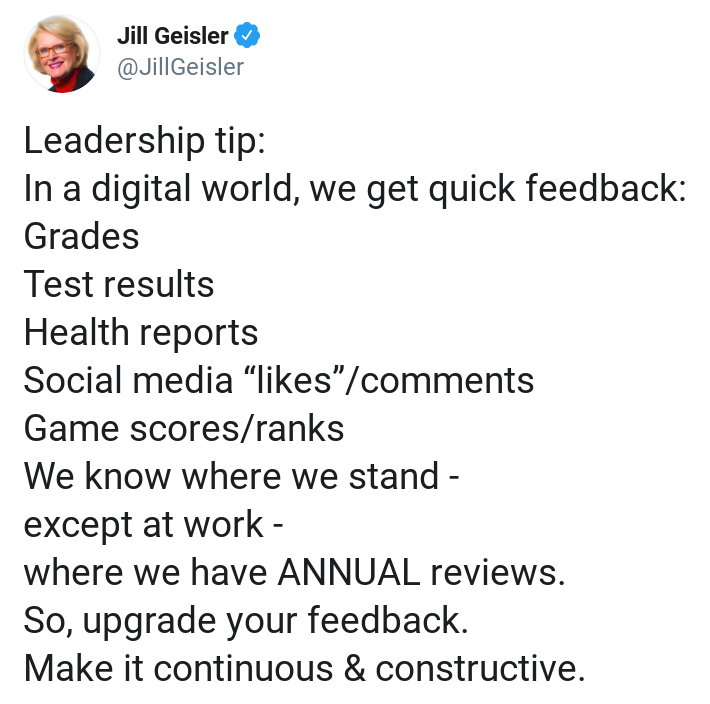
Is your feedback frequent and fruitful? It might be time for an upgrade
Feedback is the most valuable investment you can make in your team and the most underused natural resource we have at work. So what makes feedback valuable? The best feedback is information with intent to influence . Learn these five barriers to giving good feedback and five tools to use . Set yourself up to give good feedback by knowing the goals of each team member — their goals and yours — and watching their work with “feedback glasses on,” even from a distance. Enlist others in growing the grapevine . Make feedback frequent and deliberate. And remember: Your specificity proves your sincerity .

Advice from  Jill Geisler , Bill Plante Chair in Leadership & Media Integrity, Loyola University Chicago Freedom Forum Fellow in Women’s Leadership
Do you qualify as an ally? Join Jill for the next  Freedom Forum Institute Power Shift Project program  on August 20 at 1 p.m. EDT.  Registration is now open .
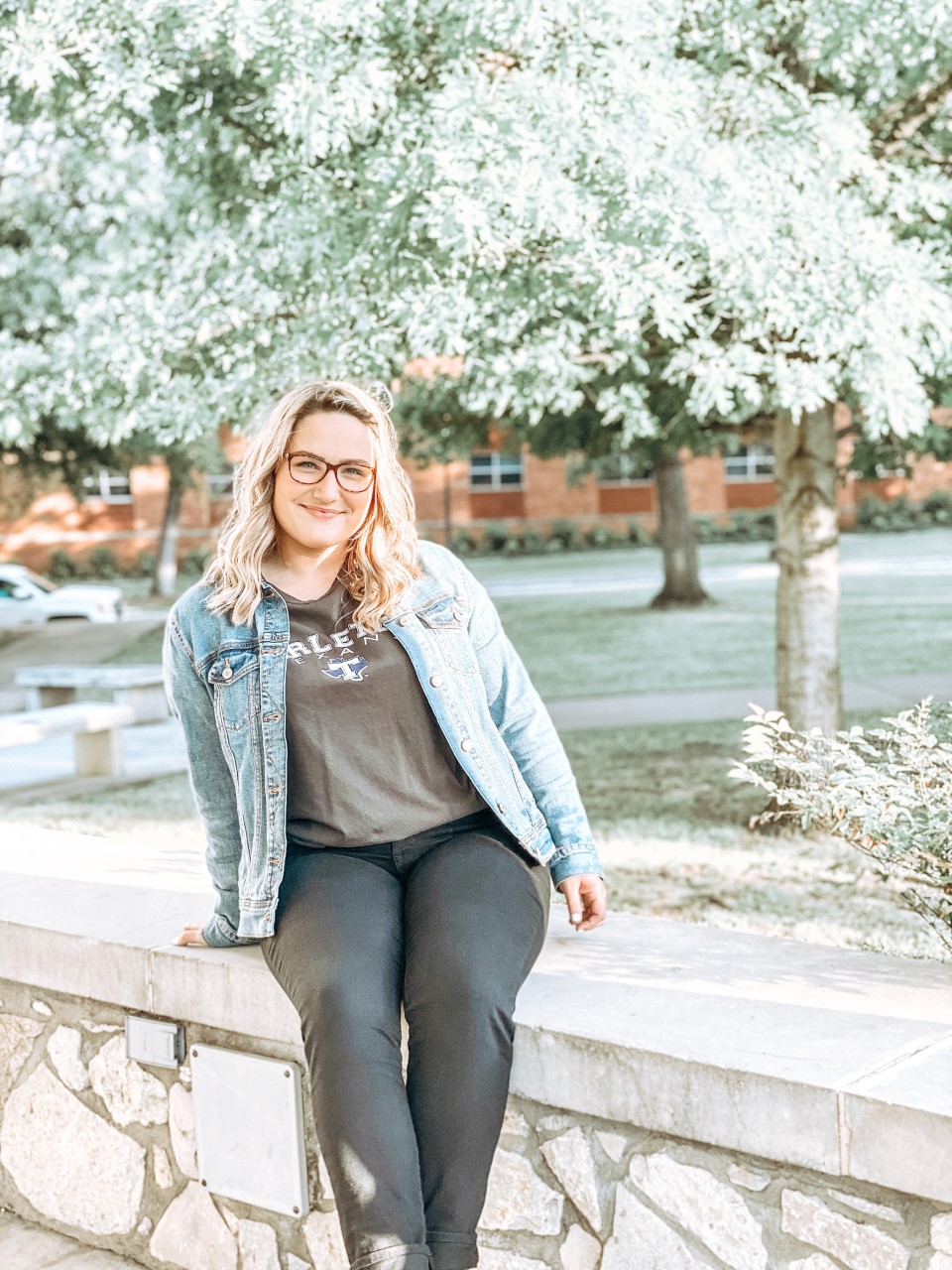
School : Tarleton State University 
Location : Stephenville, TX
Wackiest story : The mysterious death of Sandra Steele

What have you learned from your involvement with student media on your campus?

Hayner : That it is very essential. The news never sleeps and students deserve to know what is happening all around them. I've learned that students and teachers enjoy reading the news from other students learning and getting real world experience in it all.

What have you learned from your internship experience(s)?

Hayner : I've learned more than I ever thought I would. I have gotten to experience real world investigative journalism. I know how to report, anchor, produce and edit a whole newspaper. It has really given me all the skills I need to continue to grow in this field.


To support journalism students, contribute here to scholarships .
Fluid intake is important at all times, and especially during this summer’s heat wave. Indeed, research suggests body water loss of 1 to 2 percent can affect cognitive function .

About to conduct a difficult interview? Deadline approaching way too fast? Trying to make sense of government documents? In every case, reach for a glass of water.

Yes, water cools you down in the heat. But it also helps deliver nutrients in your body. It makes joints glide more easily. It can even help you control your weight .

What to drink: Most times, cool, clear, clean water is best. After a workout, a sports drink can help replace electrolytes. You can add lemon or a cucumber slice to your water for a bit of flavor. Coffee, soft drinks and alcoholic beverages are not proper replacements for water as they tend to have a dehydrating effect on the body.

When to drink: Don’t wait until you are thirsty to drink . By then you are already becoming dehydrated. Drink in small sips; no need to gulp down a 16 oz.glass of water at once. Drink with food, it helps retain H2O in the body.

How much to drink: Americans on average drink about 4 cups of water a day. Some literature suggests drinking more . You can also use a hydration calculator . Or you can check to see how well-hydrated you are by simply going to the bathroom .

Read on for more self-care tips, or share your own .
This newsletter is written & edited by the National Press Club Journalism Institute staff: Beth Francesco, Holly Butcher Grant, Jim Kuhnhenn, and Julie Moos. Send us your questions and suggestions for topics to cover.

Get this from a friend? Subscribe , and view the archives .