Rethinking the Safe Choice

Material selection often feels objective. We compare costs, review specifications, and choose what appears to be the best option. But many decisions are influenced by assumptions that have been accepted for years without much scrutiny. In infrastructure projects, “proven” materials often earn trust simply because they’ve been around the longest.


The Hidden Bias Toward Traditional Materials

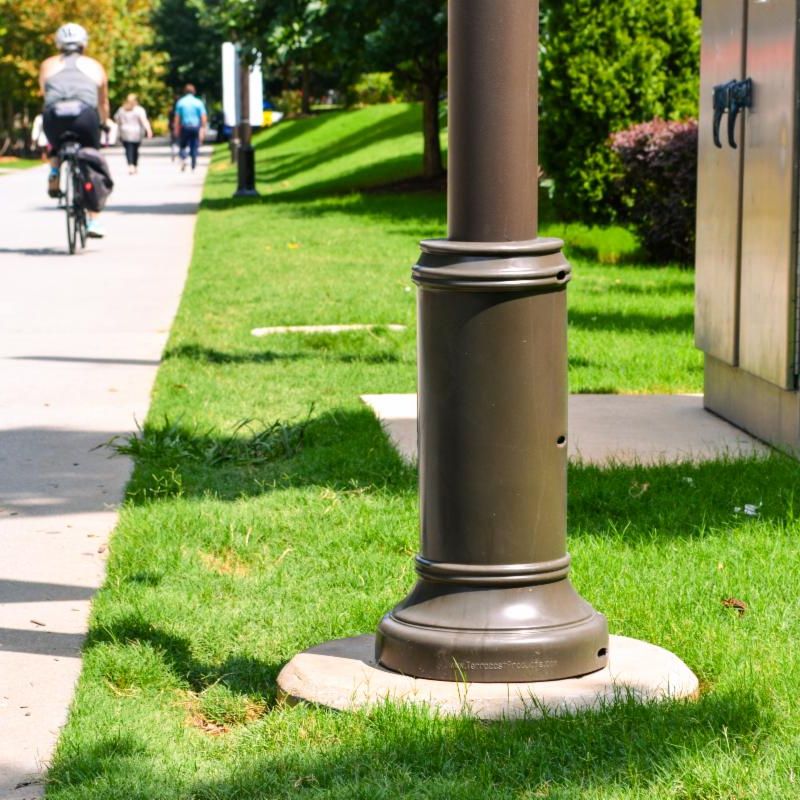
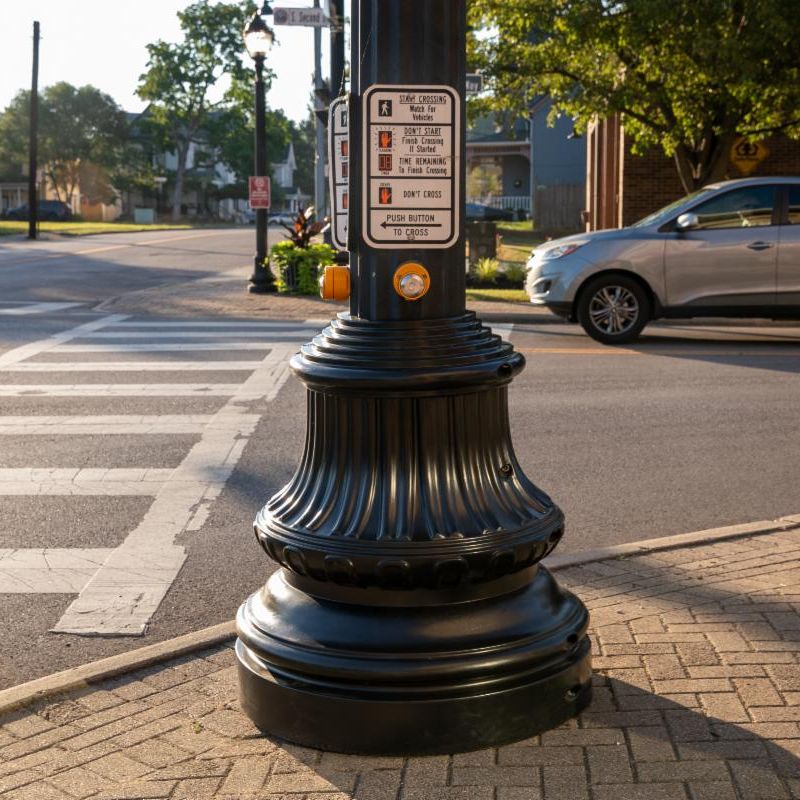
Steel and aluminum have long been considered the safe choice for decorative light pole base covers. As a result, alternative materials are often viewed through a different lens. When a material is categorized as “plastic,” it's often assumed to be less durable, less professional, or less capable of handling demanding environments, even before its actual performance is evaluated.


Looking Beyond Appearance

The challenge is that materials don’t fail based on perception. They fail based on how they respond to real-world conditions. Corrosion, road salt, moisture, UV exposure, and ongoing maintenance requirements all influence long-term performance. The better question isn’t whether a material looks or feels heavier; it’s whether it can withstand years of environmental exposure while maintaining its appearance and structural integrity.


The Right Performance for the Application

Not every component on a project requires the same performance characteristics. While structural elements depend on strength and rigidity, decorative base covers are often evaluated on appearance, durability, and resistance to environmental exposure. Materials such as engineered resin are gaining acceptance because they address these priorities while offering a degree of flexibility that rigid materials cannot.


X Share This Email
LinkedIn Share This Email

TerraCast® Products | 305-895-9525 | info@terracastproducts.com | Website

LET'S GET SOCIAL

Facebook  Twitter  Instagram  Youtube  Pinterest  LinkedIn  Web