|
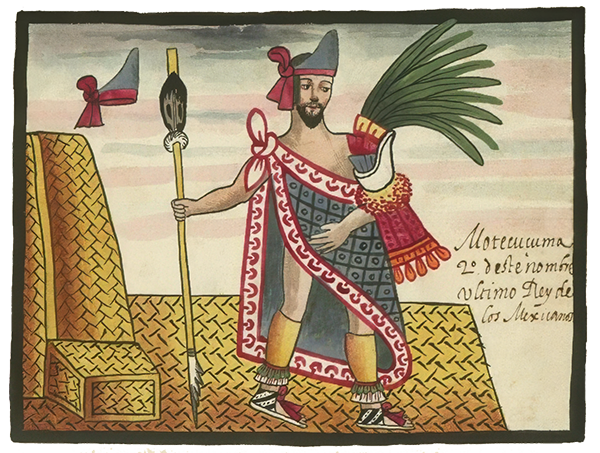
In 1519 a Spanish soldier named Bernal Diaz walked into the palace of Moctezuma II, the last true Astec Emperor in Tenochtitlan and watched the most powerful man in the Americas eat dinner. He wrote down everything he saw in extraordinary detail and what he described was unlike anything he had ever encountered in his life.
Over 300 dishes were prepared for Moctezuma every single day. His cooks placed small pottery braziers filled with fire beneath each dish to keep them warm. Turkeys, pheasants, partridges, quails, venison, wild boar, pigeons, hares, and rabbits were among the meats prepared, along with dishes whose ingredients Diaz admitted he could not even identify.
Over a thousand additional dishes were prepared simultaneously for the guards and attendants waiting outside.
But here is the detail that stayed with Bernal Diaz more than anything else. Moctezuma ate alone, behind a wooden screen, so that no one could watch him.
Four women brought his food, presented it on ceramics from Cholula, the finest pottery in the Aztec world. Musicians played. Jesters performed. Acrobats worked in the background.
And when the meal was finished, Bernal Diaz wrote in his own words: "from time to time they served him, in cups of pure gold, a certain drink made from cacao. It was said that it gave one power over women, but this I never saw. I did see them bring in more than fifty large pitchers of cacao with froth in it, and he drank some of it, the women serving with great reverence. The golden cup was used once and then reportedly thrown into the lake alongside the palace. Moctezuma did not drink from the same cup twice."
That chocolate was nothing like what you know today. No sugar, no milk, no sweetness. Pure cacao ground and mixed with chili, vanilla, and water, beaten until it frothed, served cold or at room temperature, and reserved almost entirely for the ruler, the nobility, and warriors being rewarded for battlefield valor.
A source from the period describes the restriction in terms that left no ambiguity: if one of the common people drank it without sanction, it would cost their life.
Cacao beans were currency, ranked alongside gold and gems in records of solemn offerings to the dead, and the idea that a commoner might casually consume a cup of it was treated the same way a medieval peasant drinking from the king's personal chalice would have been treated.
While Moctezuma finished his fifty pitchers of frothy gold cup chocolate, the farmers and laborers who grew the cacao he was drinking ate two meals a day. Maize porridge with chili in the morning. Tortillas, beans, and squash in the afternoon.
On a good day there were grasshoppers roasted with salt and lime, or dried lake algae pressed into a cake that the Spanish described as tasting faintly like cheese. The distance between those two tables, in the same city, on the same evening, was one of the widest gaps between imperial and commoner food in the entire ancient world.
Bernal Diaz walked through that market as well and wrote that he had never seen anything like it in his life, that it was larger than any market in Rome or Constantinople, and that he could not find the words in Spanish to describe the quantity and variety of what was for sale. He was a man who had traveled extensively across the known world and he stood in the middle of an Aztec market in 1519 and admitted it was beyond his vocabulary.
Moctezuma was executed by the Spanish in 1520 and the city of Tenochtitlan was razed and rebuilt as Mexico City in 1521.
A bit more on Moctezuma II here: https://www.historyhit.com/facts-about-moctezuma-ii/
|