REMINDER: YOUR SUBMISSIONS ARE ENCOURAGED | | |
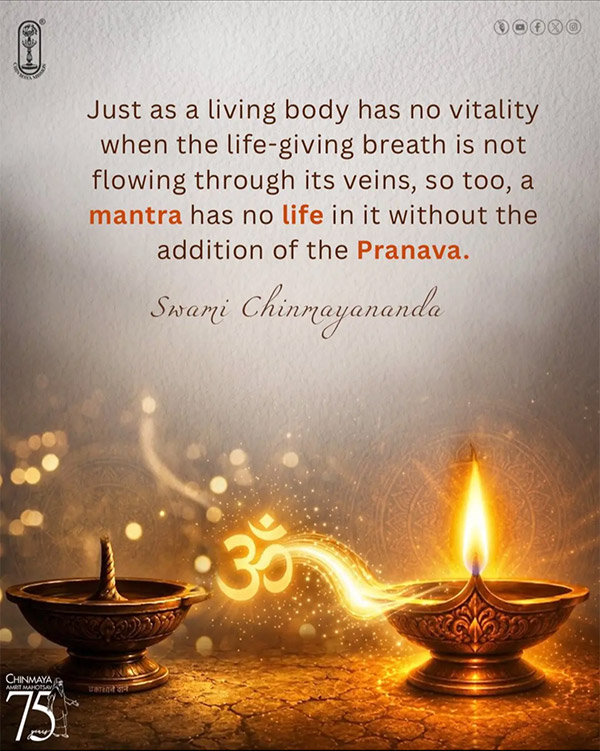
1. Bindu's Corner: This week, Bindu shares Swami Chinmayananda's thoughts on the importance of the Pranava, the cosmic sound, to mantra meditation.
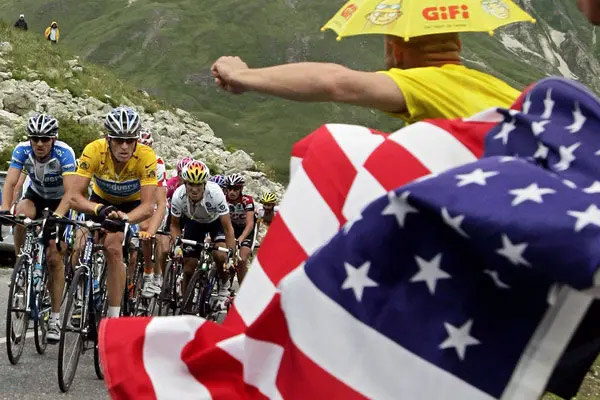
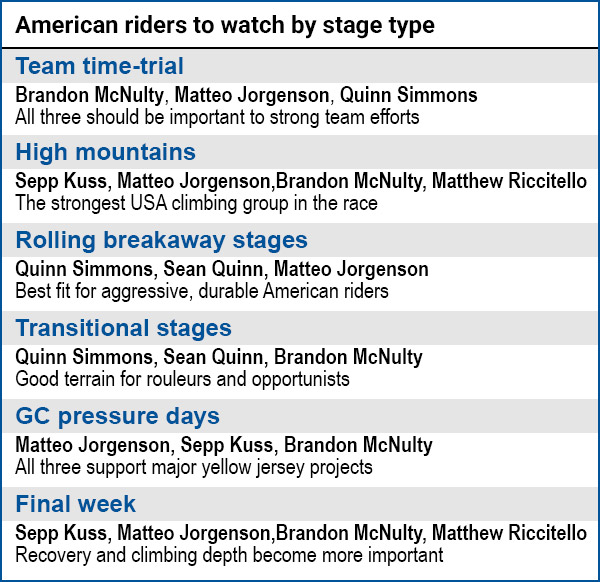
2. Cycling: We are two-thirds of the way through the 2026 Tour de France, and the US has six riders in the peloton playing significant roles with some of the sport's elite teams. I have a guide to help you follow them throughout the race.
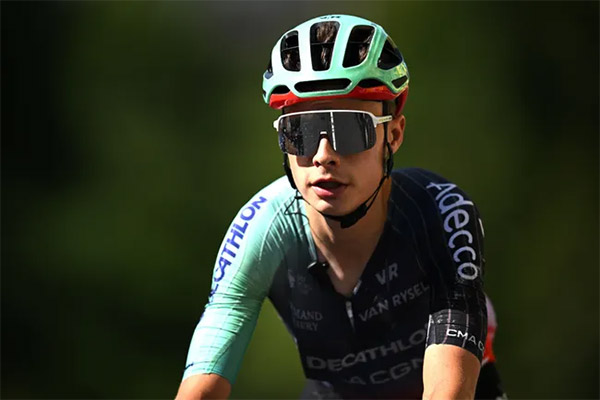
3. Flock Spotlight: Tour de France rider Matthew Riccitello of Decathlon CMA GCM Team is a Tucson native and expected to make his mark in the mountain stages of this year's race.
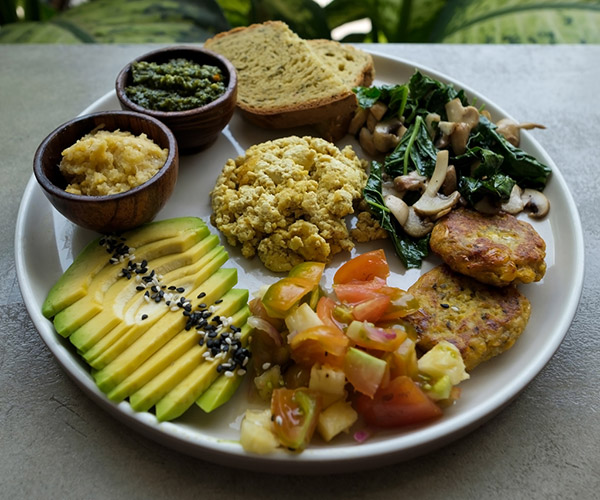
4. Nutrition: Five simple principles from Harvard Health to follow for a healthier diet.
5. Quotes: This week, I have a collection of quotes on forgiveness from Annharriet.
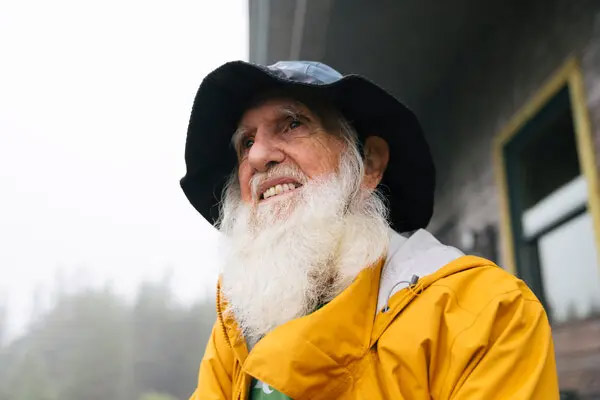
6. Super Seniors: Nonagenarian Dale “Grey Beard” Sanders is determined to re-take the record he set nine years ago as the oldest person to through-hike the Appalachian Trail.
7. Wellness: The latest issue of Sensitive & Specific: The Testing Newsletter is dedicated to breast cancer and the latest techniques and technologies for predicting, diagnosing, and monitoring its treatment.
8. Birds: I have an update on the family of Western Screech Owls that decided to roost in my backyard at the end of June.
9. Hayward M. Fox, P.h.D: Read the latest post from Dr. Fox's blog.
| | Now, to this week's Flock. | | 1. Bindu's Corner: The Pravana | | Chinmayananda's thoughts on the importance of the Pranava, the cosmic sound, an integral component of classical mantra meditation. | | |
Pranava means “cosmic sound” in Sanskrit. It is the name for the mantra, Om (or Aum). It is an important symbol in yoga, Hinduism, Buddhism and Jainism. Meditating on pranava leads to liberation because it brings about unity with Brahman, the Absolute Truth.
Pranava yoga is a technique for meditation which is considered by many to be one of the classical forms of meditation. It is described in the Upanishads and the Bhagavad Gita, as well as Patanjali’s Yoga Sutras. To perform Pranava yoga is to focus the mind on the mantra, Om, and to contemplate its sacred nature, repeating the mantra with each breath. It is also sometimes called Om meditation.
| |
2. Cycling: 2026 Tour de France
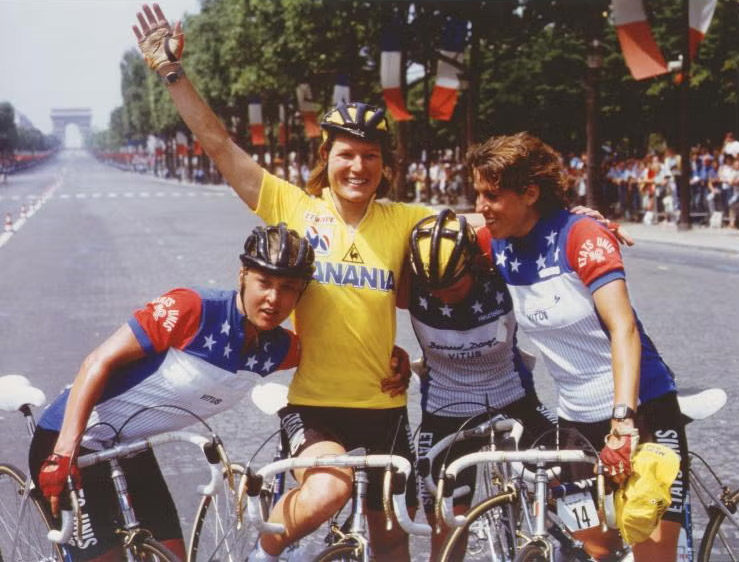
| | Before there was Greg LeMond, there was Marianne Martin, the first American winner of the Tour de France, who won the inaugural Tour de France Féminin in 1984, two years before LeMond's 1986 Tour victory. | | CU Alum is the First American To Win the Tour de France | From :Coloradan Alumni Magazine, By: Heather Mundt, November 10, 2025 | |
Your copy should address 3 key questions: Who am I writing for (audience)? Why should they care (benefit)? What do I want them to do (call-to-action)?
Create a great offer by adding words like "free," "personalized," "complimentary," or "customized." A sense of urgency often helps readers take action, so consider inserting phrases like "for a limited time only" or "only 7 remaining!"
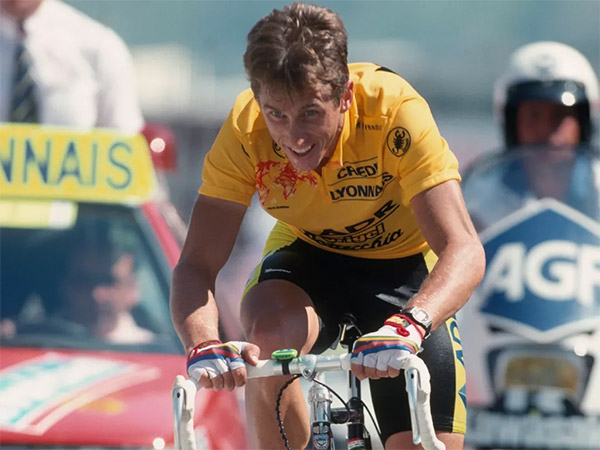
| | This year's Tour de France marks the 40th anniversary of the historic 1986 Tour de France, when Greg LeMond, riding on the French La Vie Claire team, became the first American and non-European rider to win the pinnacle of professional cycling's Grand Tours. The 1986 Tour was also the first to include an American professional cycling team, 7-Eleven, made up of eight Americans, one Canadian, and one Mexican rider. Greg LeMond's win and Team 7-Eleven's performance opened elite European professional cycling to North Americans. | | This year's Tour includes six American cyclists representing professional cycling's top elite teams. Click-through to the full article below for detailed bios of each American rider. | | USA riders at the 2026 Tour de France: full American list, roles and who can win a stage | | |
The United States has six riders on the 2026 Tour de France start list, and it is a stronger group than the headline number first suggests. There is no single American yellow jersey favourite, but the USA presence is woven into some of the most important teams in the race.
Brandon McNulty is part of Tadej Pogačar’s UAE Team Emirates XRG support structure. Matteo Jorgenson and Sepp Kuss are central to Jonas Vingegaard’s mountain and stage-race platform at Team Visma | Lease a Bike. Quinn Simmons gives Lidl-Trek a durable attacking option. Sean Quinn fits into EF Education-EasyPost’s aggressive stage-hunting plan. Matthew Riccitello brings climbing talent and long-term GC potential to Decathlon CMA CGM Team.
That gives American fans a proper Tour to follow. The overall win may be led by Slovenian, Danish, Belgian and French storylines, but the USA riders at the 2026 Tour could shape the race in the mountains, in breakaways, in the team time-trial and across the long tactical days that decide who has control.
Quick answer: which American riders are at the 2026 Tour de France?
The American riders at the 2026 Tour de France are Brandon McNulty, Matteo Jorgenson, Sepp Kuss, Quinn Simmons, Sean Quinn and Matthew Riccitello.
Brandon McNulty: Bib No.4, UAE Team Emirates
Role: Pogačar support, climbing domestique, time-trial strength
Matteo Jorgenson: Bib No.16, Team Visma | Lease a Bike
Role: VINGegaard support, GC insurance, stage option
Sepp Kuss: Bib No.17, Team Visma | Lease a Bike
Role: Mountain domestique, high-altitude support, climbing specialist
Quinn Simmons: Bib No.34, Lidl-Trek
Role: Breakaway rider, rouleur, classic-style attacker
Sean Quinn: Bib No.45, EF Education-EasyPost
Stage-hunting support, breakaway option, all-round worker
Matthew Riccitello: Bib No.58, Decathlon CMA GCM Team
Young climber, stage prospect, mountain support
Which American rider is most likely to win a stage?
Matteo Jorgenson looks the strongest American stage-win candidate because he has the broadest route profile. He can win from a breakaway, survive hard climbing days and handle stages that require tactical judgement rather than a pure sprint.
Quinn Simmons is the next obvious option from a breakaway, especially on rolling or windy stages where Lidl-Trek may give him freedom. Brandon McNulty can win if UAE’s tactics allow him to ride for himself, though that depends heavily on Pogačar’s yellow jersey situation.
Sepp Kuss could win in the mountains if Visma use him offensively, but his primary role should remain Vingegaard support. Riccitello is more of a long-term bet, while Sean Quinn’s chances depend on EF’s tactical freedom.
| | |
What this says about US cycling
American men’s cycling is in a more interesting place than it was a few years ago. There is no single Lance Armstrong-era comparison to be made, and that is probably healthier. The current USA group is broader, more varied and more embedded across the top European teams.
Kuss has already won a Grand Tour. Jorgenson has become a serious stage-race and Classics-level rider. McNulty is trusted inside the strongest team in the world. Simmons remains a visible attacking presence. Sean Quinn gives EF another American who can handle hard racing. Riccitello brings the next-generation climbing story.
That is a strong foundation. It may not produce a yellow jersey challenge in 2026, but it gives American fans multiple ways into the race.
| | 3. Flock Spotlight: Matthew Riccitello | | Matthew Riccitello is a native of Tucson. Both of Matthew's parents are accomplished athletes. His mother is an avid runner and holds a master's degree in exercise physiology. His father, Jimmy, is a former Xterra World Champion triathlete and has competed in and refereed Ironman competitions. We are very proud to have Matthew representing Tucson at the Tour this year. | | This Pure Climber Could Be America’s Next Tour de France Star | | After a Vuelta top-5 and a decisive transfer to Decathlon, Matthew Riccitello is emerging as America’s next grand tour GC contender. | | From: Velo, By: Andrew Hood, February 18, 2026 | | |
Rising American prospect Matthew Riccitello wasted no time putting victories on the board in his season debut after his high-profile, career-shifting transfer to Decathlon CMA CGM.
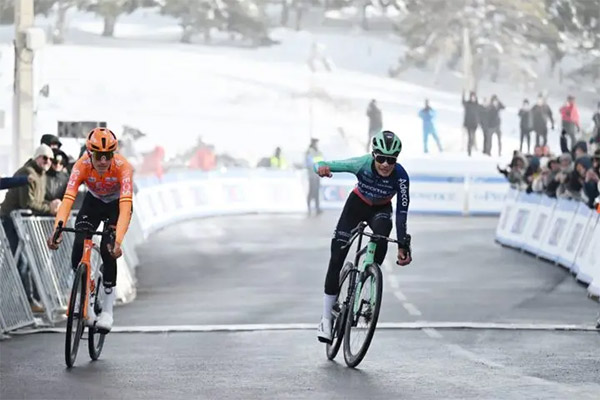
On the wet, sloppy slopes of Montagne de Lure in snowbound Provence, he put the sword to Tour de France stage winner Carlos Rodríguez to win the stage and sealed his second career GC title the next day.
| Riccitello nips Rodríguez to win stage 2 of the Tour de la Provence | |
At just 23, his sharpened confidence reveals the next phase in Riccitello’s steady rise is already here.
Following his breakout Vuelta a España in 2025, with fifth overall and the white jersey, he is no longer a promising climber finding his footing.
He’s now at the center of a major WorldTour team’s plans.
“Racing with the best guys last year at the Vuelta gave me a lot of confidence,” Riccitello told Velo. “I still feel quite young physically, so hopefully I have room to mature and grow both as a person and as a bike rider. It’s all about progression and momentum.”
Entering his fourth year in the pros, it’s been all that and more for Riccitello.
He’s now at the center of a major WorldTour team’s plans.
| | 4. Nutrition: Healthy Diet Principles | | Harvard Health has condensed dietary principles common to most healthy eating plans into a set of five guidelines that create an easy path to follow for a healthy diet. | | 5 principles of a healthy diet | |
-
Lots of plants. Plant foods - vegetables, fruits, legumes, whole grains, nuts, and seeds - offer a wealth of vitamins and minerals, as well as fiber and healthful compounds called phytochemicals (literally "plant chemicals," natural substances in plants that offer humans a range of health benefits, including antioxidant, anti-inflammatory, and even anticancer activity). At the same time that many plant foods are high in nutrients, they are relatively low in calories. The combination of high nutrient content and low calories - a quality known as nutrient density - means that a plant-heavy diet can be good for both health and weight loss. Because people often underestimate how large their portions of fruits and vegetables should be, Harvard nutritionists devised the Harvard Healthy Eating Plate to provide a graphic representation of a healthy dinner. Fully half the plate contains produce.
-
Adequate protein. Abundant research shows it's important to eat enough protein, but there are many ways to get that protein, and some are more healthful than others. People who limit how much meat they eat tend to have lower risks for chronic diseases. Plant protein sources (beans, lentils, soy foods, nuts, seeds) and seafood offer the most health benefits. Getting enough protein, along with physical activity, is important for staying strong, healthy, and independent.
-
Minimally processed foods. A 2019 National Institutes of Health study definitively showed that eating a diet high in ultra-processed foods causes weight gain and unhealthy shifts in blood sugar and blood cholesterol. For the healthiest diet, rely as much as possible on whole foods (that is, unprocessed foods, such as broccoli, apples, and almonds) and minimally processed foods (such as plain yogurt, canned tuna, and natural peanut butter). Processing tends to strip away nutrients while adding extra fats, sugars, and sodium, not to mention other additives and preservatives.
-
Limited saturated fats, added sugars, and sodium. The U.S. government's Dietary Guidelines for Americans recommend limiting saturated fat intake to less than 10% of daily calories. The same goes for added sugars (sugars added during processing). If you have a 2,000-calorie-a-day diet, that means that no more than 200 calories a day should come from added sugars. As for sodium, keep it below 2,300 milligrams (mg) per day. The average American consumes more than 3,400 mg per day.
-
Balance and variety. To meet nutrient needs, it's important to choose a variety of nutrient-dense foods across and within all food groups. Choosing nutrient-dense foods helps you get the nutrients you need without taking in too many calories.
| | I have known Annharriet for many years; she's a former director of the Golden Door Spa and Wellness Retreat outside of San Diego, CA, a motivational speaker, personal coach, fount of wisdom, and a good friend. She periodically emails a select group collections of quotes that bring calmness and always help me find my center. The list below is from one of her most recent correspondences. She begins with an anecdote about her motivation for compiling this list of quotes. | | |
Recently I came across a Buddhist teaching about forgiveness.
This is to identify old wounds and not to say it was OK
but to realize that holding on to resentment is:
“Like holding a hot coal with the intention of throwing it
at someone else...but the person burned is you.”
| |
“Like holding a hot coal with the intention of throwing it
at someone else...but the person burned is you.”
| |
“Forgiveness is the fragrance that the violet sheds on
the heel that crushed it.”
—Mark Twain
“Forgiveness does not change the past, but it does
enlarge the future.”
— Paul Boose
“The weak can never forgive. Forgiveness is the attitude
of the strong.”
— Mahatma Gandhi
“Forgiveness says you are given another chance to make
a new beginning.”
— Desmond Tutu
“The act of forgiveness takes place in our own mind.
It really has nothing to do with the other person.”
— Louise Hay
“...there is no peace without forgiveness.”
— Marianne Williamson
“Forgiveness is not an occasional act; it is a permanent attitude.”
— Martin Luther King, Jr.
| |
6. Super Seniors: Dale “Grey Beard” Sanders
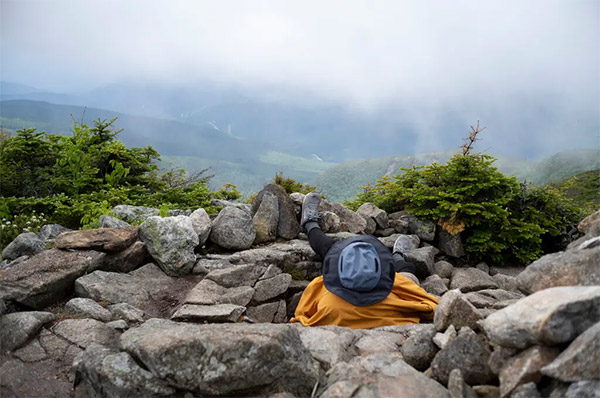
| | In 2017, Dale Sanders set the record as the oldest person to through-hike the Appalachian Trail at the age of 82. That record stood until 2021, but Dale wants it back, and at 91, he's currently two-thirds of the way there with the help of friends, fellow through-hikers, and the man who broke his previous record five years ago. Keep moving, Dale. | | At 91, He’s Hiking the Appalachian Trail. Again. | | Dale “Grey Beard” Sanders once set the record as the oldest person to complete the roughly 2,190-mile trail. Now, he’s back for his title. | | From: The New York Times, By: Chris Cohen, July14, 2026 | |
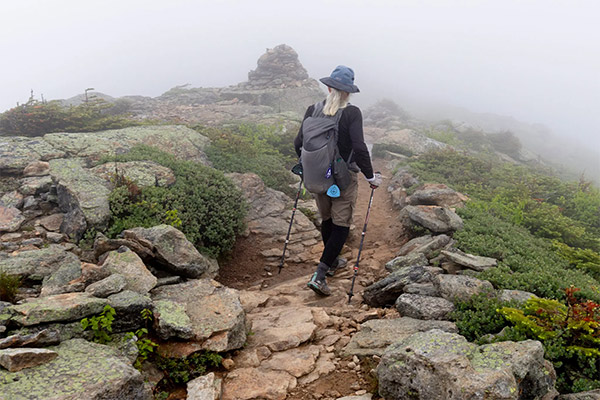
On the first day of summer, just after dawn, Dale Sanders, 91, prepared to start the steep, rocky hike up to Franconia Ridge in New Hampshire’s White Mountains.
Mr. Sanders’s mantra might resonate with anyone in their tenth decade: “It’s a ‘don’t fall’ day today,” he said, slinging a small backpack onto his compact, wiry frame…
The route frequently requires hikers to scramble. As he reached the bottom of a rock slab, he realized he had no memory of this obstacle from the last time he had hiked the trail. That was in 2017, when, at 82, he first set the record. After carefully climbing the ledge, he estimated the hike was twice as hard this time…
| |
His first Appalachian Trail age record was broken in 2021 by a hiker named M.J. Eberhart, trail name “Nimblewill Nomad.” Mr. Sanders befriended Mr. Eberhart that year and encouraged him to set a new mark.
“He was going to quit several times,” Mr. Sanders said. “I actually went up and hiked with him the last few days so that he wouldn’t quit. We’re really close friends.”
Still, Mr. Sanders wanted the record back. For the current attempt, he planned to hike 12 miles a day, with one day off a week…
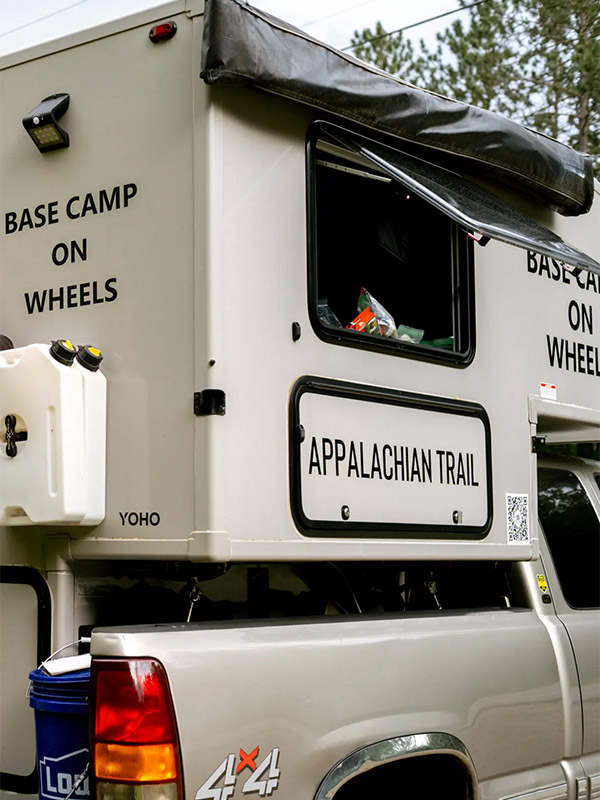
While most thru-hikers sleep in a tent or in lean-to shelters, Mr. Sanders prefers his truck camper, a simple shelter, labeled “Base Camp on Wheels,” that sits in the bed of a pickup truck. It’s driven by a rotating cast of volunteers, who also cook his dinner and help plan the next day’s mileage. For the first 800 miles, one driver was Mr. Eberhart, now 87, who’s helping to break his own record.
| | Two friends from his Mississippi River descent, Craig and Katie Heaton, a married couple in their mid-60s, are also among Mr. Sanders’s crew. | | “He won’t tell you how to live your life,” Ms. Heaton said, “but he shows by example, and I think that’s what touches me the most.” | | Meet the 91-Year-Old Hiking the Appalachian Trail | | 7. Wellness: Sensitive & Specific Newsletter | | The most recent issue of Sensitive & Specific: The Testing Newsletter focuses on breast cancer and is a must-read for all my women readers and for any reader who has a woman in their life they care about. Mara and Liz update their readers on the latest techniques and technological advancements in predicting, diagnosing, and monitoring breast cancer treatment. Subscribe to Sensitive & Specific: The Testing Newsletter here. | | Special Focus Issue: Breast Cancer | | |
Risk assessment
Stats models fall short for risk prediction
According to the American Cancer Society, US women as a group have a 1 in 7 chance of getting breast cancer over the course of their lifetimes. Women with family history of the disease are at higher risk. To determine exactly how much higher such a woman’s risk might be, clinicians can use any one of several statistical models.
Unfortunately, according to a recent Cochrane review, none of them are terrific. Two of the four they assessed either overestimate risk (Tyrer‐Cuzick / IBIS) or underestimate it (BRCAPRO). The other two (Gail and BOADICEA) don’t have those problems, but neither of them do a great job of telling whether a woman is likely to get breast cancer or not - an ability called discrimination. BOADICEA performed the best, but even it had only moderate discriminatory accuracy.
To learn more about how one company is using AI to predict breast-cancer risk, listen to this week’s On Target podcast, featuring Connie Lehman of Clairity.
Diagnosis
Shortening the post-mammo wait with AI triage
Mammograms are the cornerstone of breast-cancer diagnosis. But they can’t tell you everything. When mammography results are abnormal, women often have to wait agonizing weeks for the follow-up testing that tells them definitively whether or not they have breast cancer.
AI triage could change that — by shortening the wait for high-risk women and decreasing the anxiety of those whose risk is lower. In a recent study in press at Nature Digital Medicine, researchers were able to do that using an open-source, previously validated AI model. The model assesses a woman’s risk of having breast cancer within one year, based on their mammogram results.
In this real-world study, women whose risk was in the top 10% were offered expedited follow-up care. Those who accepted got their mammograms read by a radiologist the same day. When necessary, they got biopsies as soon as possible, often on the same day. As the paper noted, “Time to screening results, diagnostic evaluation, and biopsy were significantly shorter in expedited patients versus control patients with screen-detected cancers, with reductions of 99.1%, 99.1%, and 87.2%, respectively.”
The quick care was warranted, too: Cancer was detected in 60/1000 women in the high-risk group, compared to 2.3/1000 in those who were not high-risk.
Per ACP guidelines, you may not need a yearly mammogram
Getting a mammogram is a yearly ritual for millions of women. However, according to updated guidelines from the American College of Physicians (ACP), women who have an average risk of breast cancer don’t need to get checked quite as often as that.
For women between ages 50 and 74 who are at average risk, the ACP now recommends mammography only every two years (biennially). Average-risk women who are 40 – 49 should talk with their doctor about whether they should undergo biennial screening, and women older than that no longer need screening at all.
So what does “average risk” mean? Here’s the list:
- No personal history of breast cancer
- No personal history of high-risk breast lesions
- No genetic mutations that are known to increase risk
- No family history that puts you at higher risk
- No history of high-dose radiation to the chest at a young age.
COMMENTARY: Will these new guidelines change clinical practice? We have doubts about implementation, at least initially. The annual mammogram is ingrained not only in the medical community but in popular culture, as well. Since many other preventative screens have not been broadly adopted (think low-dose CT for lung cancer), we are reluctant to see mammogram guidelines that take away from this strong “role model” system. We’ll see what happens.
| |
8. Birds: Backyard Owlets Update
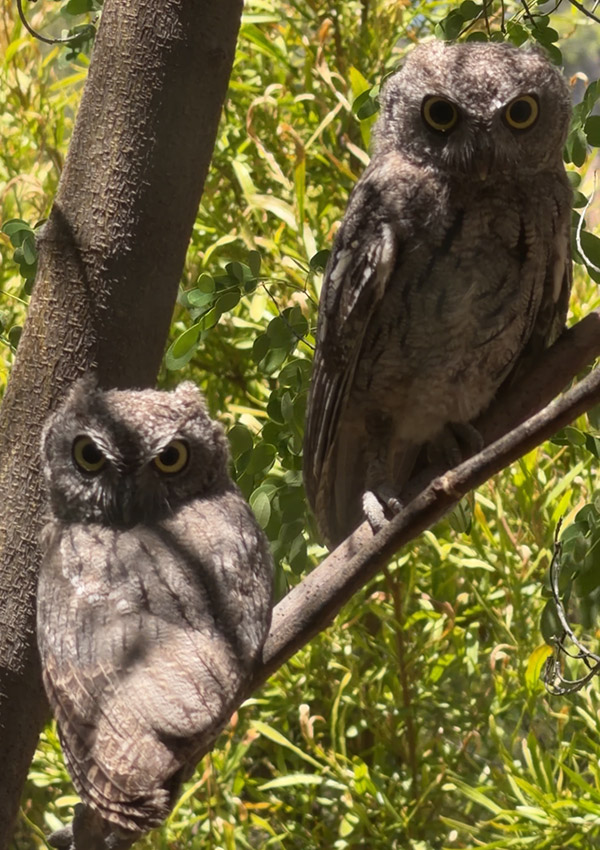
| | At the end of June, I posted about a small family of Western Screech Owls that had moved into my backyard in Tucson. Looks like they've decided to stay and make it home. Flock contributor and animal angel Lourdes “Luly” Ortega took this picture of two young owlets getting comfortable in a hackberry tree. Back in March of 2023, I featured Luly's menagerie of pets and rescue animals in the Flock's Pet's Corner. | |
9. Hayward M. Fox Ph.D.: From Dr. Fox's Blog
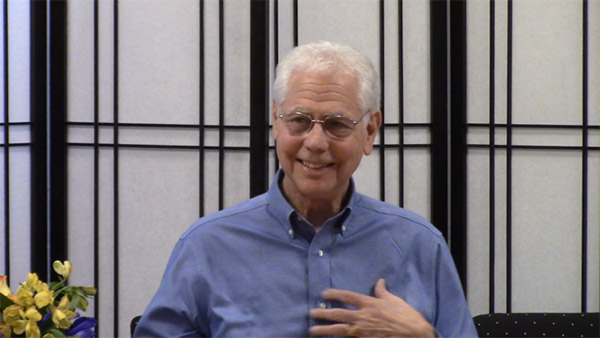
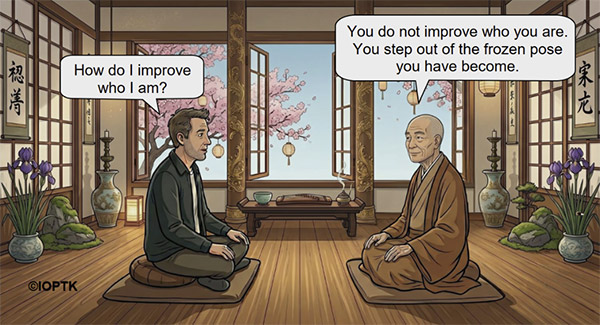
| | Please enjoy and reflect on this latest share from Dr. Fox. Don't forget to visit Dr. Fox's website at the Institute of Personal and Transpersonal Knowledge and explore his past blog posts, guided meditations, and study guides. | | These Flock regulars are always here for you: | | Don't Be Shy: Share Your Stories! | | I'm looking forward to sharing more of your personal stories - oral, written, or otherwise, as we enter our third year. I'd so love to present them to The Flock, hit a mailbox below to share your story. | | Subscriptions & Idea Submissions
Reminder: Your submissions are always welcomed. | | |
Feel free to forward this email to a friend. If this was forwarded to you and you would like to receive your very own Flock Newsletter, you can sign up here. If you have any questions or suggestions for future Flock resources, don't hesitate to contact me.
Your fan and friend,
Beth
| | | The information and materials contained or referenced in this newsletter are for informational purposes only and not intended to be a substitute for professional medical advice, diagnosis, or treatment. Always consult a physician or other qualified medical professional with any questions you may have regarding a medical condition or treatment and before beginning a new health care regimen. Do not disregard professional medical advice or delay seeking medical advice or care based on anything contained in this newsletter. | | | | |