|
Women's Health Updates — September 2026
This newsletter features information about autoimmune health, narcolepsy, and more!
| |
SWHR Hosts Autoimmune Webinar
This summer, the Society for Women's Health Research hosted the webinar, The State of Rare Autoimmune Diseases in Women.
The conversation covered the current state of clinical care, research, and policy impacting women living with rare autoimmune diseases, featuring panelists Kaniah Gunter (Unique Guidance Nutritional Health Coaching), Alexa Meara, MD, MS (The Ohio State University Wexner Medical Center), and Jenifer Waldrop (Rare Disease Diversity Coalition), with SWHR moderator Syreen Goulmamine, MPH, CHES.
| |
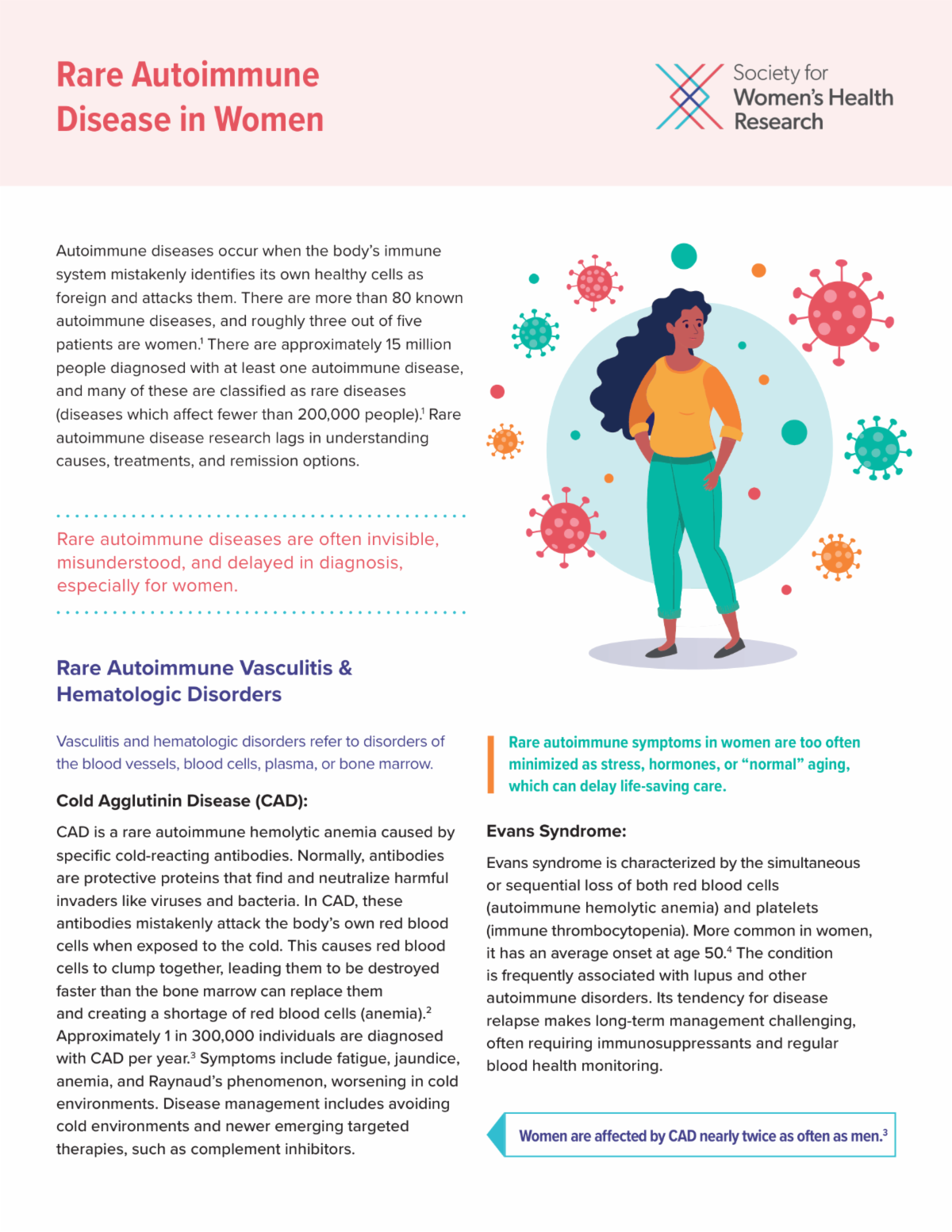
Three out of five autoimmune patients are women. Learn more about rare autoimmune diseases in women by downloading the free fact sheet, Rare Autoimmune Disease in Women.
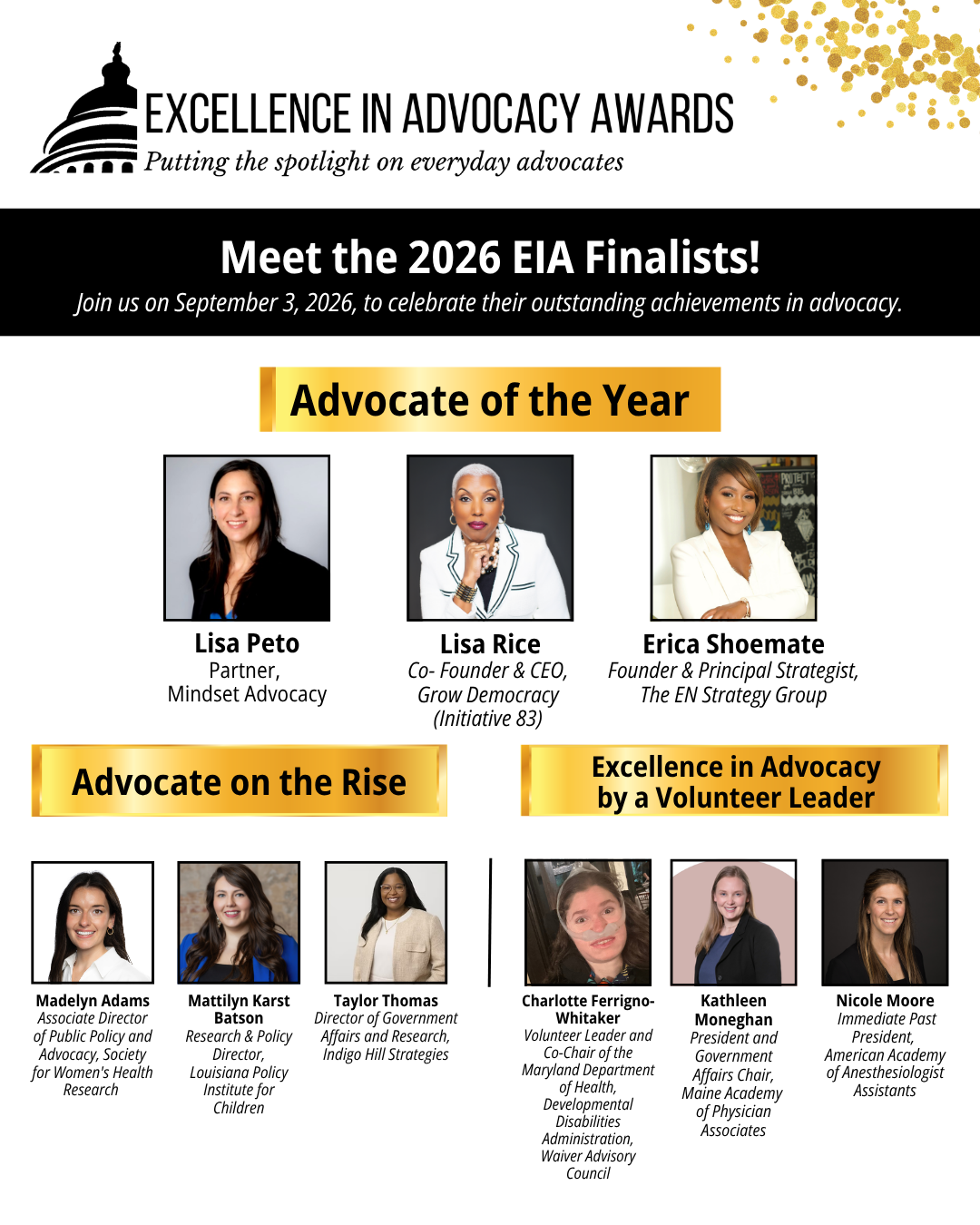
| | SEPT 3: Women in Government Relations Excellence in Advocacy (EIA) Awards spotlights everyday advocates. SWHR's Madelyn Adams, MPA, Associate Director of Public Policy and Advocacy is a finalist for the Advocate on the Rise award! | SEPT 9: Transforming Women’s Mental Health Across the Lifespan, hosted by the Connors Center for Women’s Health Research, the Massachusetts General Hospital Center of Excellence for Psychosocial and Systemic Research, and the Mass General Brigham Department of Psychiatry. | SWHR EVENT SEPT 18: Sex and Gender Differences in Migraine: Advancing Research, Care, and Advocacy, closed, interdisciplinary roundtable hosted by SWHR to examine the state of migraine research and care for women, with an emphasis on gaps across the research continuum, treatment and management, comorbidities, and patient experience. | SEPT 25-26: Livelong Women’s Health Summit, a two-day, health conference to support women in their health decisions. | SEPT 28-29: PCOS CON 2026: The PMOS Community. Together., the signature annual conference of the PCOS Awareness Association. | |
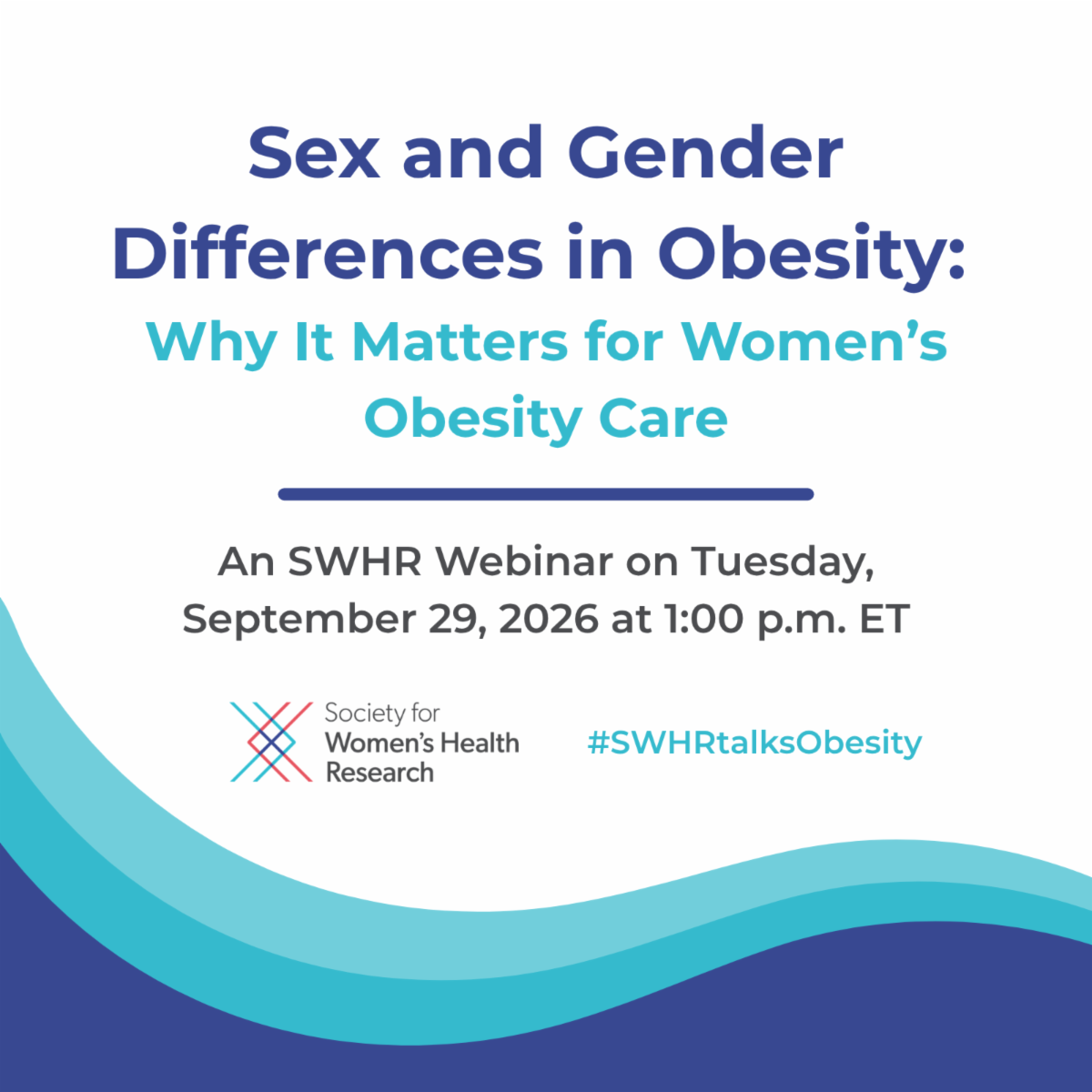
SWHR EVENT SEPT 29: Sex and Gender Differences in Obesity: Why It Matters for Women’s Obesity Care, an SWHR virtual public forum discussing the complex role of sex and gender in obesity, aimed to educate health care providers and researchers. Register now!
| OCT 3: Millions 4 Menopause: Awareness Run/Walk, an event hosted by Mpowered Menopause to raise money for menopause research. | OCT 7: WHH Washington, D.C. Summit, an inaugural DC Summit to learn more about the policies impacting women’s health, hosted by Women's Health Horizons. SWHR CEO Kathryn Schubert, MPP, CAE, will be at this event! | OCT 8-10: The 2026 Women’s Health Summit: Setting the Standard for Clinical Excellence, bringing together leading clinicians and health care professionals focused on women’s health. | OCT 10-17: The Global Meno Educa-thon, a seven-day global, virtual learning and awareness event, hosted by Tekhi Global for Menopause Health. | OCT 14-16: 2026 NIH Research Conference on Sleep and the Health of Women (SHOW 2026), an event convening the National Center on Sleep Disorders Research (NCSDR) and partners across NIH. | OCT 21-23: National Conference on Women’s Health & Sex Differences Research, a conference hosted by the Ludeman Family Center for Women’s Health Research. SWHR Associate Director of Public Policy and Advocacy Madelyn Adams, MPA, and Associate Director of Research Translation and Programs Syreen Goulmamine, MPH, CHES, will be at this event! | |
NOV 15-18: HLTH USA 2026, one of health care’s largest innovation events. SWHR CEO Kathryn Schubert, MPP, CAE, will be speaking at this event, on Monday, November 16.
Get $250 off your ticket to HLTH USA 2026 with code 26HLTH_SPKG_250.
| | |
Additional Updates
BioInnovation Institute & Science Translational Medicine Prize for Innovations in Women’s Health
This prize is presented for outstanding research performed by the applicant as described in a 1,000-word essay. Successful applicants will have made significant research advances leading to solutions to challenges in women’s health with the goal of improving women’s health worldwide. The deadline is November 1, 2206. Learn more.
COMpetency in Menopause & Integrated Therapy (COMMIT) Challenge
The National Institutes of Health (NIH) Office of Research on Women’s Health (ORWH) announces the COMpetency in Menopause & Integrated Therapy (COMMIT) Challenge. This challenge seeks to identify, amplify, and reward curricula that comprehensively address the menopausal transition, including menopause hormone therapy, within U.S. health education programs.The total prize purse from NIH for this Challenge is $2,500,000. Stay tuned for details, and learn more.
Health Affairs Article on Gender and Sex Variables In Clinical Algorithms
A study in published in Health Affairs evaluated clinical algorithms across medical specialties for the inclusion, justification, and timeline of gender/sex variables. Findings were that only 18.6% of tools included gender/sex, fewer than half of these tools included a justification, and only fives tools had been updated since their development.
Insights on Ovarian Cancer
Findings from a retrospective cohort study on residential context and ovarian cancer survival identified that living in areas with greater social vulnerability was associated with worse overall survival among women with epithelial ovarian cancer, particularly black women. Further, Black women had significantly worse ovarian cancer survival living in both low and high areas of social vulnerability compared to White women living in similar areas.
New Premature Menopause Study
A recent prospective observational cohort study found a significant association between premature menopause (before age 40) and an increased risk of developing high blood pressure. Researchers found that nearly 23% of women with premature menopause and 19% of women with early menopause had high blood pressure compared to less than 17% of women with normal menopause.
| | |
Congratulations, Madelyn Adams!
SWHR's Madelyn Adams, MPA, Associate Director of Public Policy and Advocacy is a finalist for the Advocate on the Rise award, part of the annual Women in Government Relations Excellence in Advocacy (EIA) Awards event. Madelyn helps lead SWHR's policy and advocacy work. Help us congratulate Madelyn on this important accomplishment!
| |
Celebrating National Cholesterol Education Month this September!
SWHR thanks Senators Cindy Hyde-Smith (R-MS) and Gary Peters (D-MI) for introducing the resolution designating September 2026 as National Cholesterol Education Month and September 30 as LDL-C Awareness Day. Putting forward resolutions such as this one help improve cholesterol awareness and the steps people can take to protect their heart health.
Read more about the role of of LDL-C in heart disease risk and how women can improve knowledge of their personal risk factors by checking out SWHR’s Read My Lips campaign.
| |
Have you engaged with the National Strategy?
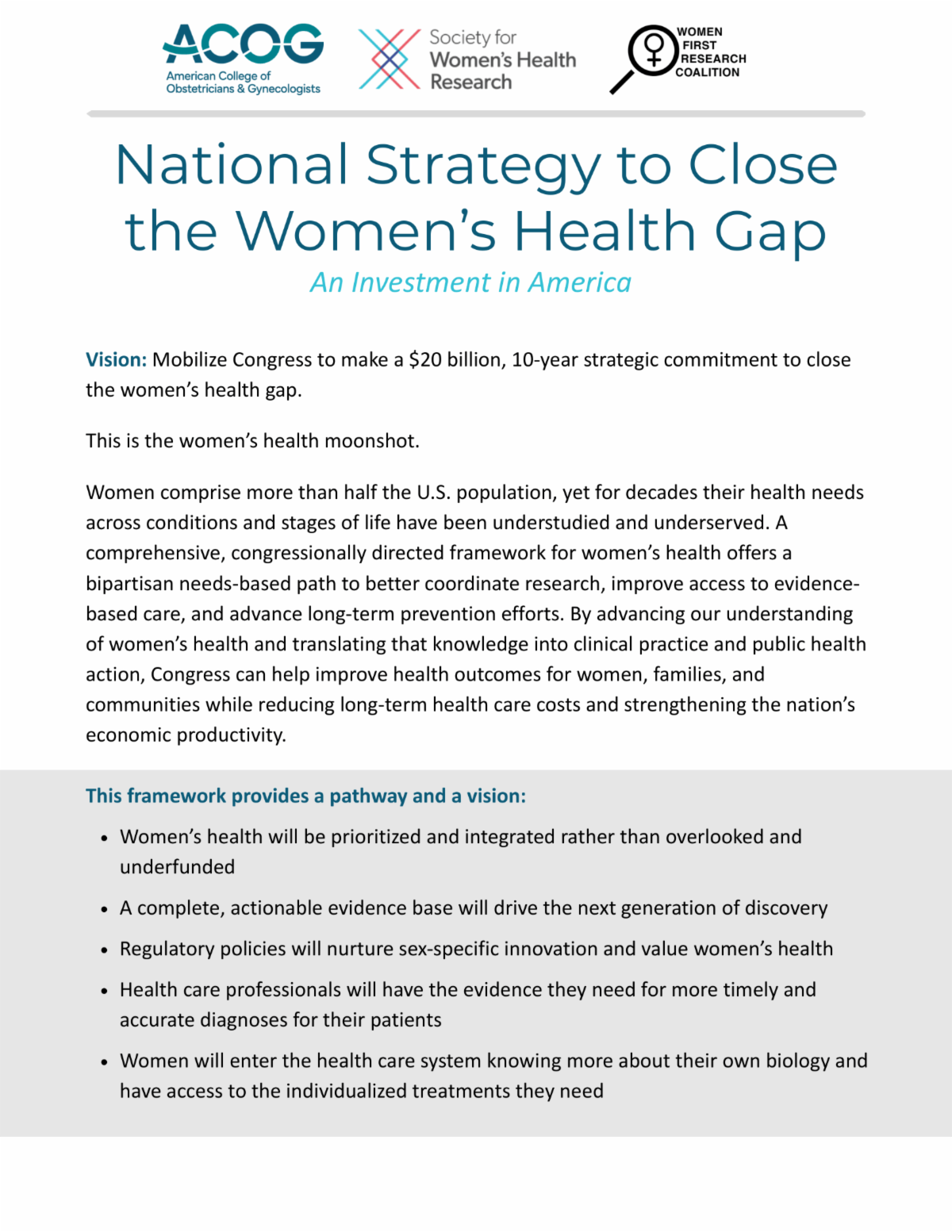
The Society for Women’s Health Research, the American College of Obstetricians & Gynecologists (ACOG), and the Women First Research Coalition (WFRC) are architects of a shared framework calling for a $20 billion, 10-year federal investment that will close the women’s health gap, called the National Strategy to Close the Women’s Health Gap.
The National Strategy has been endorsed by over 54 organizations, all of which can be found here. SWHR invites national patient advocacy, medical professional society, and nonprofit advocacy organization to officially endorse the National Strategy here.
Read more about the National Strategy on SWHR's LinkedIn, in a piece by SWHR's Associate Director of Public Policy and Advocacy, Madelyn Adams: What Would Happen If We Truly Invested in Women’s Health? A $20 Billion Dollar Question
| |
| |
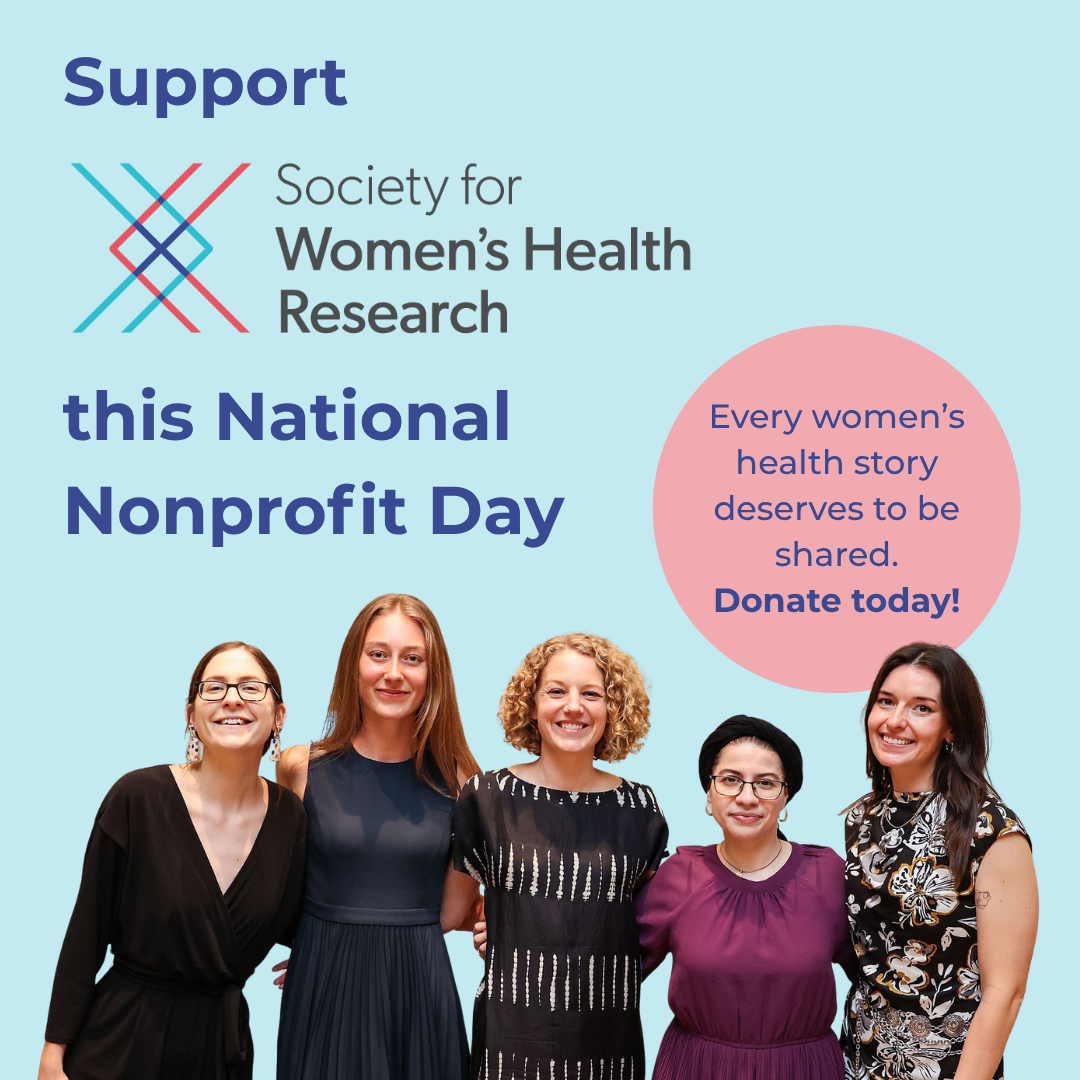
SWHR Celebrates National Nonprofit Day!
Check out SWHR's LinkedIn post for National Nonprofit Day, on August 17:
At SWHR, we work year-round to advance #WomensHealth through science, policy, and education.
But we don’t do it alone. From the partners who stand with us on Capitol Hill to the individuals who courageously share their stories—your support makes our mission possible.
This #NationalNonprofitDay, we thank you for being part of our community.
| | | | Follow SWHR on social media check out the SWHR Newsroom here to keep up with the Society and all things women's health. | |
|
Dr. Jocelyn J. Fitzgerald speaks about women's pain during Pain Awareness Month this September.
Why did you choose to get involved with OBGYN, including urogynecology and reconstructive pelvic surgery? I knew I was interested in surgery from a young age. I also knew that I wanted to lend myself and my voice to the complex surgical conditions faced by women, that aren't discussed in "polite" conversation. When you think about it, it is quite radical to talk about how much of a detrimental effect childbirth has on a woman's body, particularly her vagina and pelvic floor. When women don't know about urogynecology, they live with their prolapse and urinary conditions in silence.
What is one thing you want more people to know about pain, particularly women’s pain? Women's pain is considered, in many aspects, fundamental to the female experience, so it isn't taken as seriously when women report it is high, particularly if it is pelvic pain, which is equated with menstrual pain–an "expected" pain. But none of this is true; women only cope with pain because they aren't given a choice in many instances.
I would encourage any woman to discuss the real physical and monetary impacts of childbirth and motherhood. It should be an imperative investment that we invest in.
What makes you a women’s health advocate? My advocacy takes place on many levels, every day. Every time I see a patient, I am an advocate–I teach them about their bodies and normalize these complex discussions and expectations, and encourage them to tell their friends and family about urogynecology, so that they can get care sooner. I am an advocate in my hospital system. I am an advocate on social media. And I am an advocate by working with organizations like SWHR to make these issues better.
Jocelyn J. Fitzgerald, MD, URPS, FACS, is an Assistant Professor of Obstetrics and Gynecology in the Division of Urogynecology and Reconstructive Pelvic Surgery at the Magee Women's Hospital of the University of Pittsburgh.
| |
Dr. Suzanne Steinbaum shares thoughts about women's heart health for World Heart Day, on September 29.
Why did you choose to become a cardiologist? I completed fellowship training in both preventive cardiology and non-invasive cardiology because I wanted not only to diagnose heart disease, but also to prevent it from ever happening, especially for the women patients who are so vastly under diagnosed and mistreated. Cardiovascular disease is the leading cause of death among women, with approximately 1 in 3 women dying of heart attack or stroke. Yet, 80% of the time heart disease is preventable. I believe that with early diagnosis, accurate risk assessment and preventive strategies including diet, exercise, stress management, sleep, appropriate medications and supplements, we have the power to change these statistics.
What is one thing you want more people to know about women’s heart health? Women's heart health reflects who she is at every stage of her life. Heart disease takes decades to develop, and factors such as pregnancy, hormonal transitions, menopause, stress, sleep, diet, exercise, and metabolic health all contribute to her cardiovascular story. Every woman has the ability and opportunity to impact her heart health, when she has the access, accurate risk assessment, the right diagnosis and appropriate treatment strategies.
What makes you a women’s health advocate? For more than 25 years, I have cared for women whose symptoms were overlooked, minimized, or misunderstood because they did not fit the traditional model of heart disease. I have seen how gaps in research, education, access, and clinical practice can delay diagnosis, leading to negative outcomes that have a profound impact on women’s lives. Advocacy means giving women the knowledge and education to understand what they need, while also working to change the health care system so that it recognizes, studies, and treats women appropriately.
Women’s health is not a niche; 80% of health care decisions are made by women, making women's health fundamental to the health of families, communities, and society. We are at a moment in time where we have the ability to redefine the standard of care through personalized precision prevention, by understanding each woman’s complete genetics, metabolism, hormones, inflammation, physiology, and functional data, as well as her personal life story. When women are accurately assessed, empowered with education, and given the appropriate strategies to reach maximum health, we can change not only how heart disease is treated, but whether it develops at all.
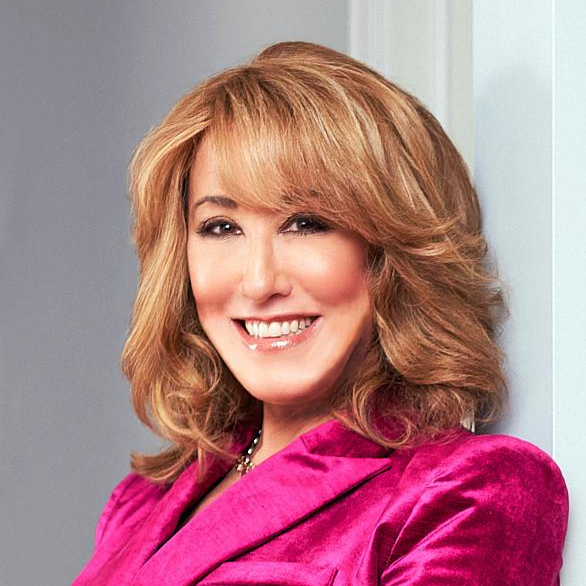
Suzanne Steinbaum, DO is a cardiologist and CEO and founder of Adesso.
| |
Dr. Kate Wolin reflects on being a women's health advocate for National Women’s Health and Fitness Day, on September 30.
How and why did you get involved with the American College of Sports Medicine (ACSM)? My involvement with ACSM grew organically out of my research. What kept me engaged for over two decades was the opportunity to do work that mattered, from co-chairing the Cancer Interest Group to serving on the landmark Roundtable on Exercise Guidelines for Cancer Survivors. ACSM is where science becomes standards.
What is one thing you want more people to know about women's fitness and exercise? More is not always more. Women are often sold an all-or-nothing narrative around exercise — but the science is clear that even modest, consistent movement drives meaningful reductions in chronic disease risk. The goal isn't peak performance; it's building a sustainable habit that your future self will thank you for.
What drew you to the SWHR Clinical Advocacy Board? I started my career working with the Nurses' Health Study — one of the foundational datasets shaping what we know about chronic disease prevention in women — and that early work never left me. More recently, I kept seeing the same gap: rigorous science not translating into policy or products that actually reach women. SWHR sits exactly at that intersection, and that's where I want to be.
What makes you a women's health advocate? I've spent my career generating the evidence and then building the tools to act on it — from National Cancer Institute-funded research on physical activity and cancer in women to founding and advising companies designed to close gaps in how women access care. And honestly? Women's health is health. Advocating for it isn't a niche — it's a corrective.
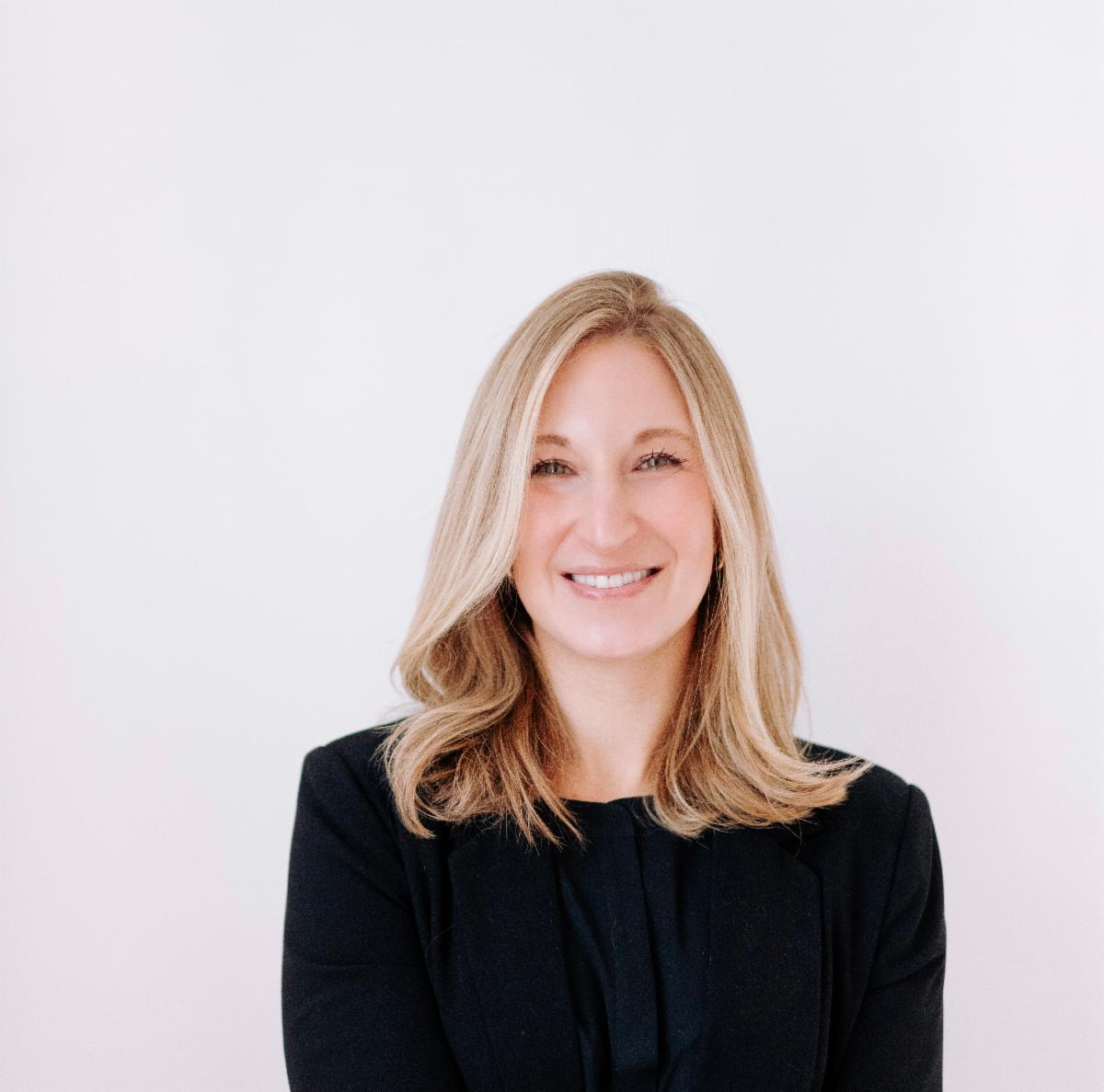
Kate Wolin, ScD, FSBM, FACSM in an entrepreneur, investor, advisor, and behavioral epidemiologist.
| | | | HEALTH AWARENESS IN SEPTEMBER | | |
ALOPECIA AREATA AWARENESS MONTH
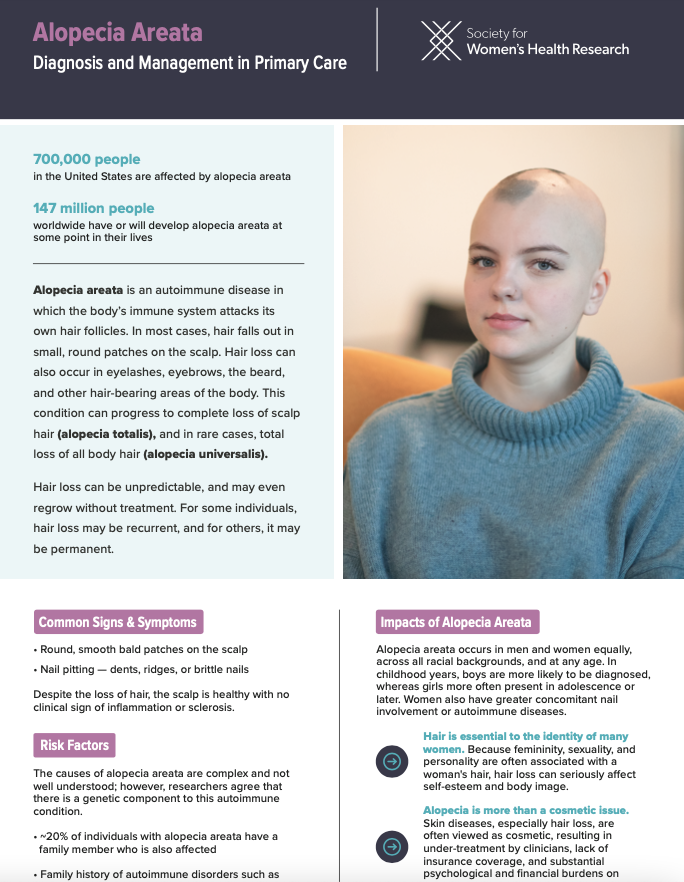
Alopecia areata is an autoimmune disease in which the body’s immune system attacks its own hair follicles. An estimated 700,000 people in the United States are affected by alopecia areata. Check out the Alopecia Areata: Diagnosis and Management in Primary Care fact sheet for information about care and treatment.
| |
HEALTHY AGING MONTH
There are so many ways to maintain and support your health as you age. Getting the proper screenings and knowing your coverage options is an important first step!
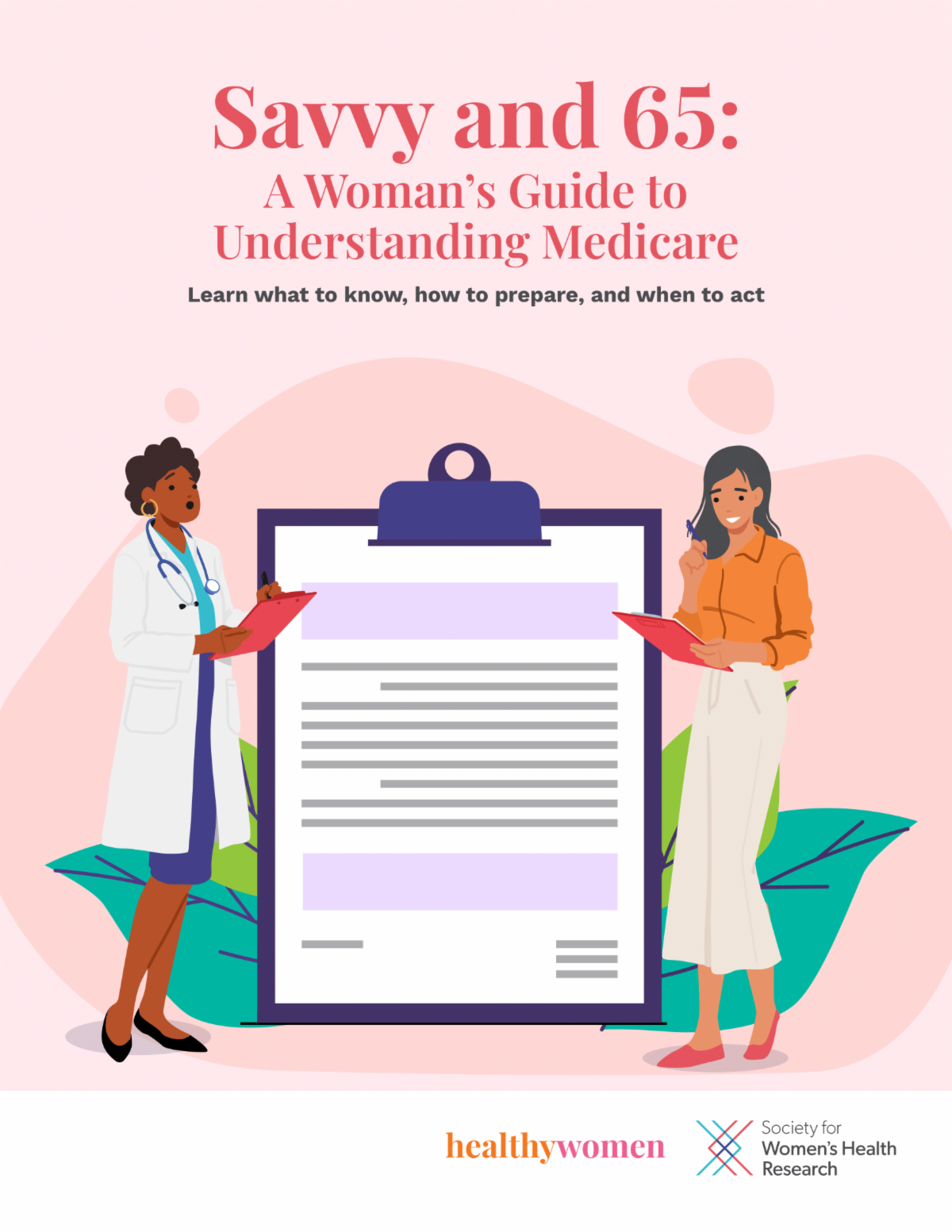
Explore Savvy and 65: A Woman’s Guide to Understanding Medicare, created by SWHR and HealthyWomen to help simplify healthy aging and equip women with the knowledge they need to understand and navigate Medicare enrollment.
The guide is also available in Spanish! View the Spanish version here: Inteligente y de 56 años
| |
GYNECOLOGIC CANCER AWARENESS MONTH
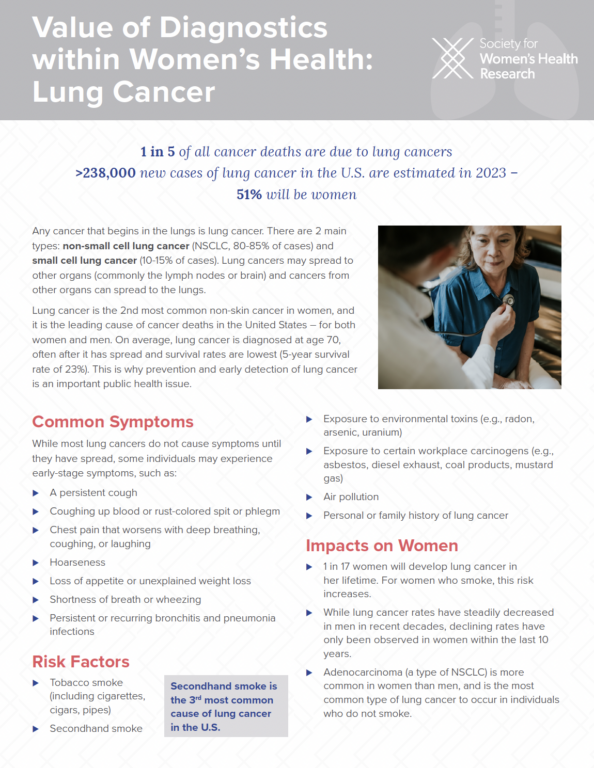
The five main types of gynecologic cancers are cervical, ovarian, uterine, vaginal, and vulvar cancer. Cervical cancer is the only gynecologic cancer that has recommended screening tests, in a pap test (sometimes called a pap smear) or an HPV test. Ovarian cancer is one of several cancers that has no recommended screening guidelines, so talking to your doctor about your health risks is key.
Getting screened regularly is important, especially as you age. Learn more in the SWHR Diagnostics program, which explores how diagnostic tests and screenings can improve women's health.
| | |
NATIONAL CHOLESTEROL EDUCATION MONTH
September 29 is World Heart Day.
September 30 is LDL-C Awareness Day.
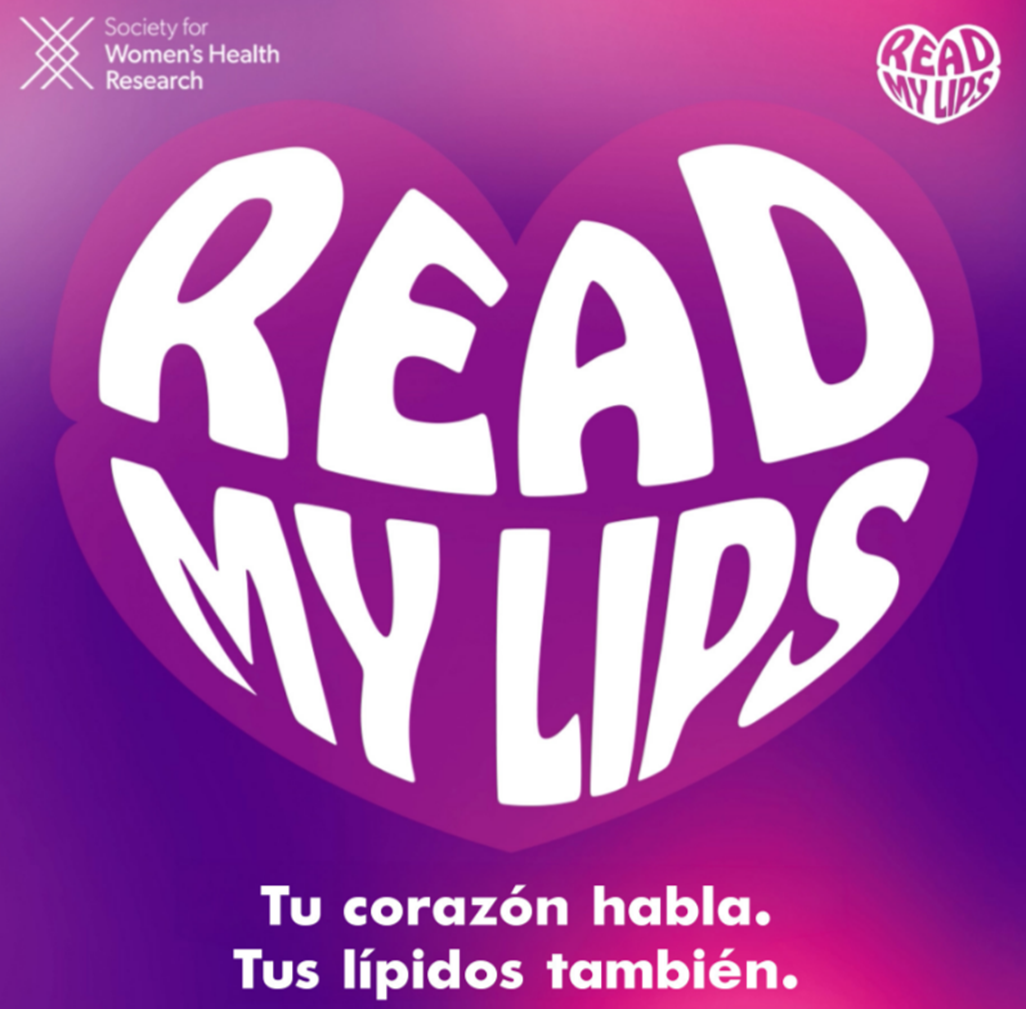
More than 94 million adults in the United States have high cholesterol, which raises the risk of having a heart disease, stroke, or heart attack. The Read My Lips campaign aims to emphasize the importance of women knowing their risk factors for heart disease and understanding the critical role cholesterol screening – and specifically, lipid panel testing – play for women’s heart health. Will you join us this fall to #ReadMyLips?
This campaign is also available in Spanish! Tu Corazón Habla. Tus Lípidos también.
| | |
NATIONAL DISEASE LITERACY MONTH
Do you know your family health history? Do you know which chronic conditions you live with or are at risk for? Do you have health questions ready for next doctor's visit? SWHR resources cover all of these topics and more!
National Disease Literacy Month is a great time to find educational resources about the diseases and conditions that impact you and your family members. All of SWHR resources are always FREE to view, download, and use. Explore SWHR's wide range of over 200 resources this fall!
| | Do you have a women's health story to share? SWHR wants to hear from you! Visit swhr.org/shareyourstory to share your story with us. | | |
NATIONAL HISPANIC-LATINO HERITAGE MONTH
Check out some of SWHR's resources available in Spanish!
| | |
NATIONAL SICKLE CELL AWARENESS MONTH
Sickle cell disease is a blood disorder and rare disease as it affects an estimated 100,000 people in the United States. During SWHR's Rare Disease roundtable earlier this year, patient advocate Maia Laing shared her sickle cell story. Read the blog: Fostering Care, Support, and Research for Rare Disease Patients
| |
PCOS AWARENESS MONTH
September 1 is World PCOS Day of Unity.
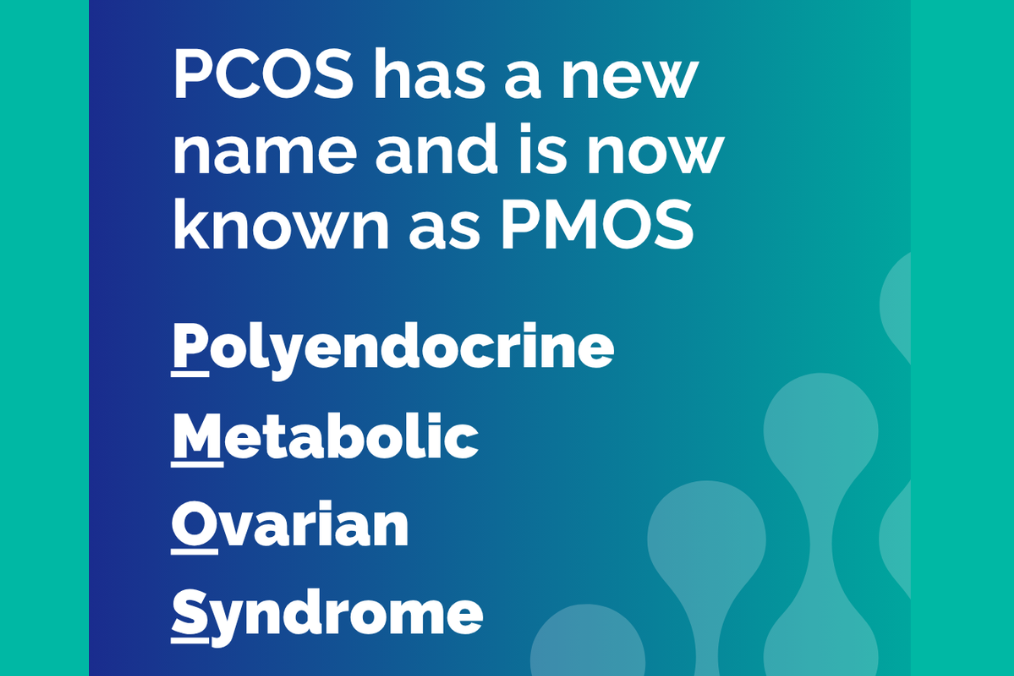
In May 2026, it was announced that the condition formally named polycystic ovary syndrome (PCOS) will now be known as polyendocrine metabolic ovarian syndrome (PMOS). For 170 million women affected by PMOS worldwide, this name change is a meaningful step toward better diagnosis and care. Read more on the SWHR blog: Why a Disease Name Change Matters for Millions of Women with Polyendocrine Metabolic Ovarian Syndrome, PMOS.
And check out SWHR's fact sheet: Exploring PCOS Throughout the Body!
| |
WORLD ALZHEIMER'S MONTH
September 21 is World Alzheimer's Day.
World Alzheimer's Month is a great time to take charge of your brain health. Caring for your brain as you age is essential to ensure life-long wellness. Explore the new Brain Health chapter in the Savvy and 65: A Woman’s Guide to Understanding Medicare, created by SWHR and HealthyWomen.
Looking for more information? Check out SWHR's wide collection of Alzheimer's diseases fact sheets, blogs, and more.
| |
WORLD PERIMENOPAUSE MONTH
SWHR recently updated its Menopause Preparedness Toolkit with the latest information about menopause symptoms, hormone therapy, and tips for navigating workplace accommodations. Download the free toolkit today!
| |
SEPT 8: HEALTH EMPOWERMENT DAY
September is also National Self Care Awareness Month.
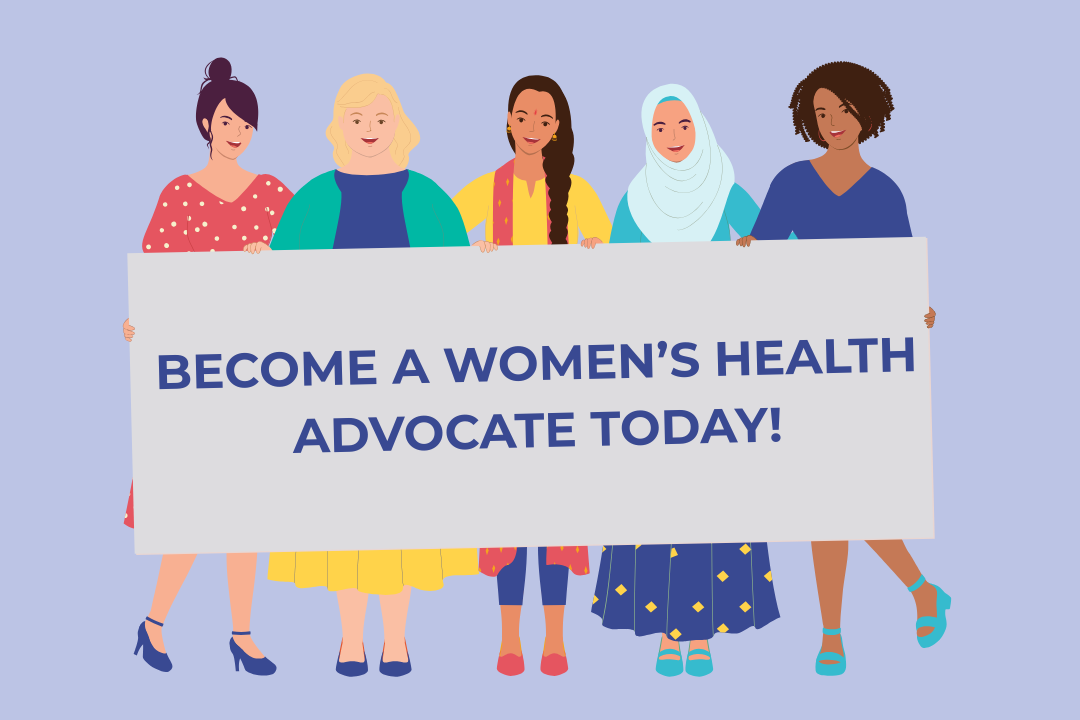
You are your own best health advocate! And you have the power to make positive change in your health journey and in the larger health care ecosystem.
Explore the SWHR Guide to Women’s Health Advocacy to get tips on ways to be a women's health advocate today!
| |
SEPT 8: WORLD PHYSICAL THERAPY DAY
Did you know? Physical therapy can help women proactively manage their health, from pregnancy and postpartum support to managing pelvic floor conditions. Physical therapy is not just a tool after injury or surgery - it's a tool for lifelong wellness. Read more from American Physical Therapy Association: From Pregnancy to Menopause: 4 Ways Physical Therapy Advances Women’s Health
| |
SEPT 11: STAND UP TO CANCER DAY
SWHR is grateful to all the cancer survivors who have shared their stories with us. Check out some of them here!
| | Do you have a cancer story to share? SWHR wants to hear from you! Visit swhr.org/shareyourstory to share your story with us. | | |
SEPT 13-19: NATIONAL ECZEMA WEEK
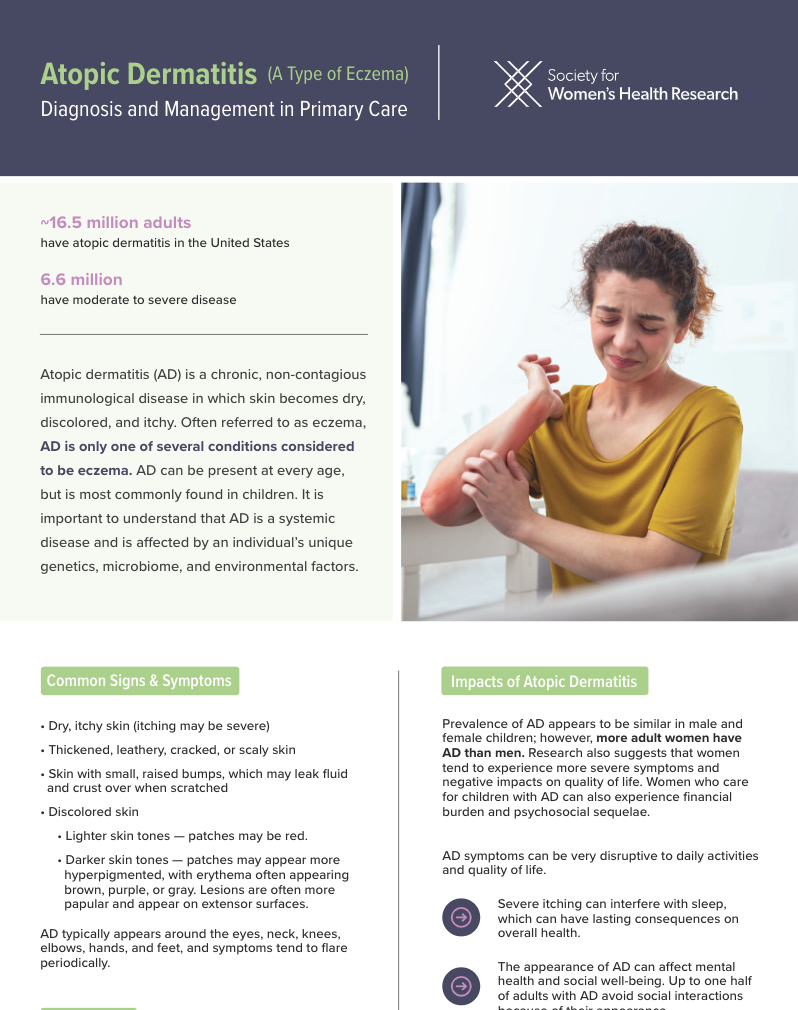
The most common form of eczema is atopic dermatitis, when the skin becomes dry, discolored, and itchy; atopic dermatitis is an autoimmune disease and is one of several conditions considered to be eczema. An estimated 16.5 million adults have atopic dermatitis in the United States. Learn more about treating atopic dermatitis in the SWHR fact sheet, Atopic Dermatitis: Diagnosis and Management in Primary Care.
| |
SEPT 21-25: NATIONAL FALLS PREVENTION WEEK
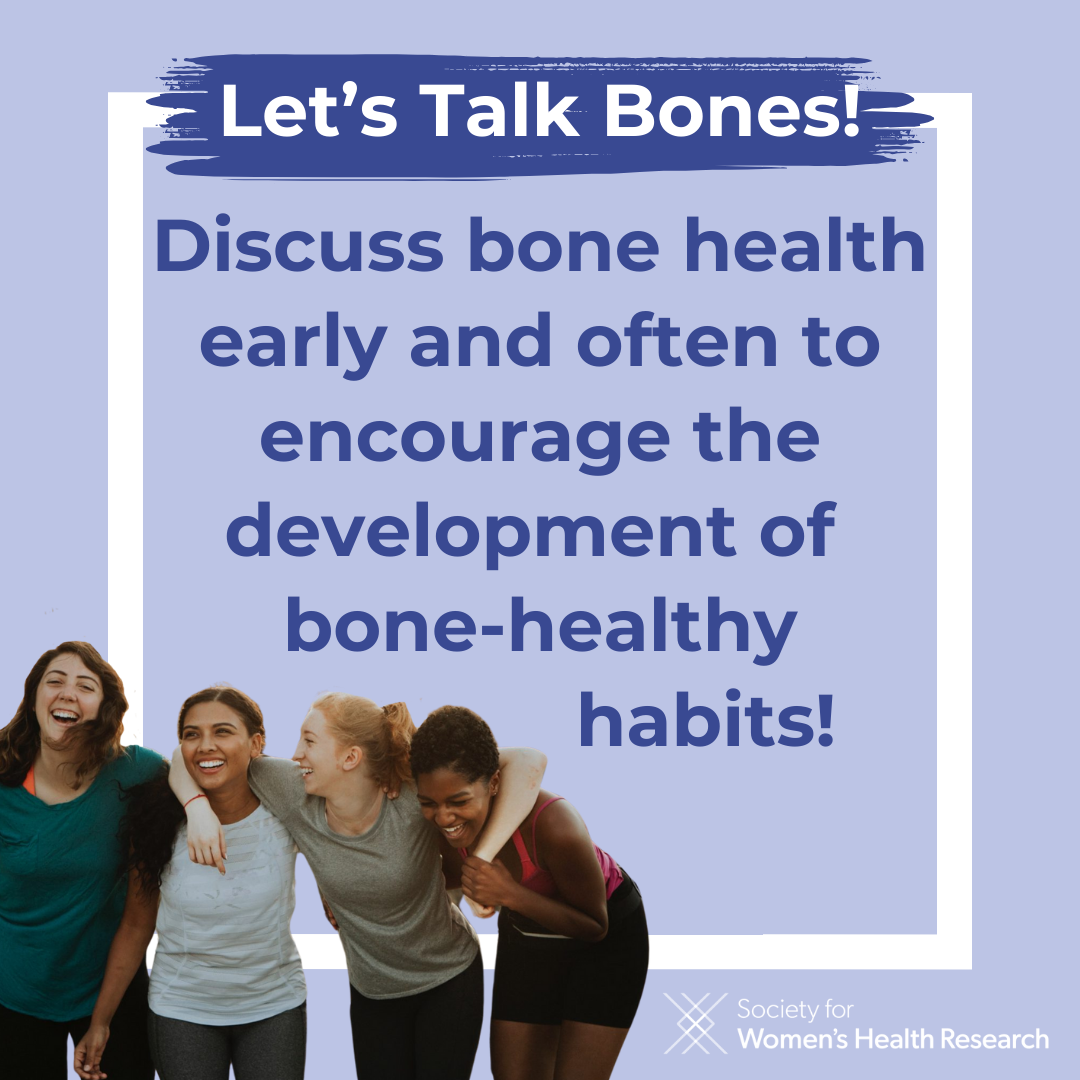
It's never too early to start building healthy bones. Practicing your balance and doing weight-bearing exercises can improve your mobility, helping prevent falls. Check out SWHR's Let’s Talk Bones! social media toolkit for tips on how to start talking about – and supporting – bone health now.
| | |
SEPT 30: WORLD PODCAST DAY
What podcasts are you listening to? Where do you get your health news?
Hear from SWHR in these podcast episodes! Check out more in the SWHR Newsroom.
| |
Hear from women, in their own words. | |
Women's Health Perspectives Spotlight
"Listen to your body and advocate for yourself. Endometriosis is one of the most misunderstood and misdiagnosed conditions affecting women."
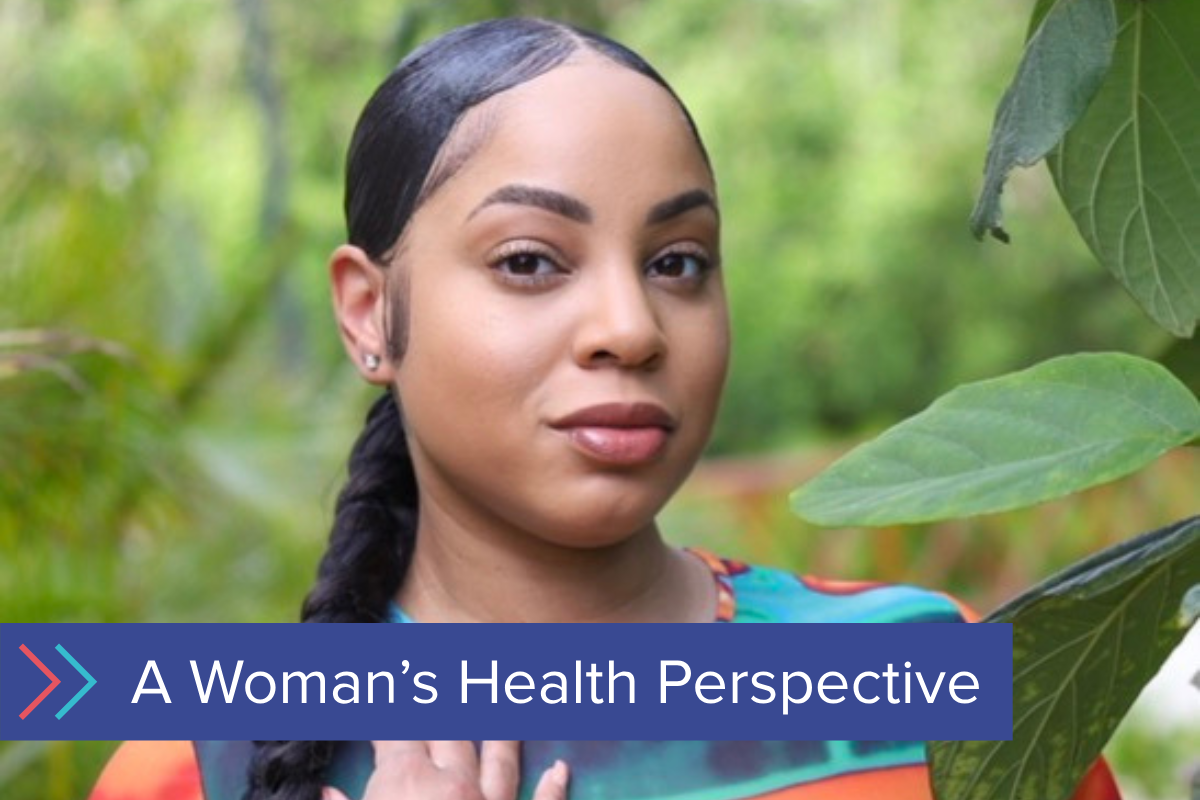
Read Jasmine's endometriosis journey on the Women’s Health Perspectives hub.
| |
Do you have a health story to share? SWHR is always seeking stories about diagnoses, seeking or providing care, and living with obesity, gynecologic health conditions, diabetes, depression, or other conditions and life stages such as pregnancy and menopause. Visit swhr.org/shareyourstory or click the button below to share.
| | | | Did someone forward you this email? Looking for more news on women's health research? | | | Join us in our vision of making women’s mainstream. | | | | | |