|
Why the Economy Feels Uncertain
Greetings!
October’s employment report offered some reassurance to Americans worried about the economy. Employers added 165,000 jobs, the unemployment rate edged down from 4.2% to 4.1%, and job gains for August and September were revised upward. Those are not the numbers normally associated with an economy on the verge of recession. Yet beneath the headline, the labor market still feels less secure than it once did, and concerns ranging from inflation to the rapid growth of artificial intelligence continue to weigh on confidence.
Federal Reserve Governor Christopher Waller recently described today’s job market as “low hire, low fire.” Companies are not laying off large numbers of workers, but they are also not hiring aggressively. That can make the economy feel very different to someone trying to find a job, change careers or enter the workforce. Wages rose 0.4% in October, but consumer prices increased by the same amount, leaving inflation-adjusted hourly earnings essentially unchanged for the month.
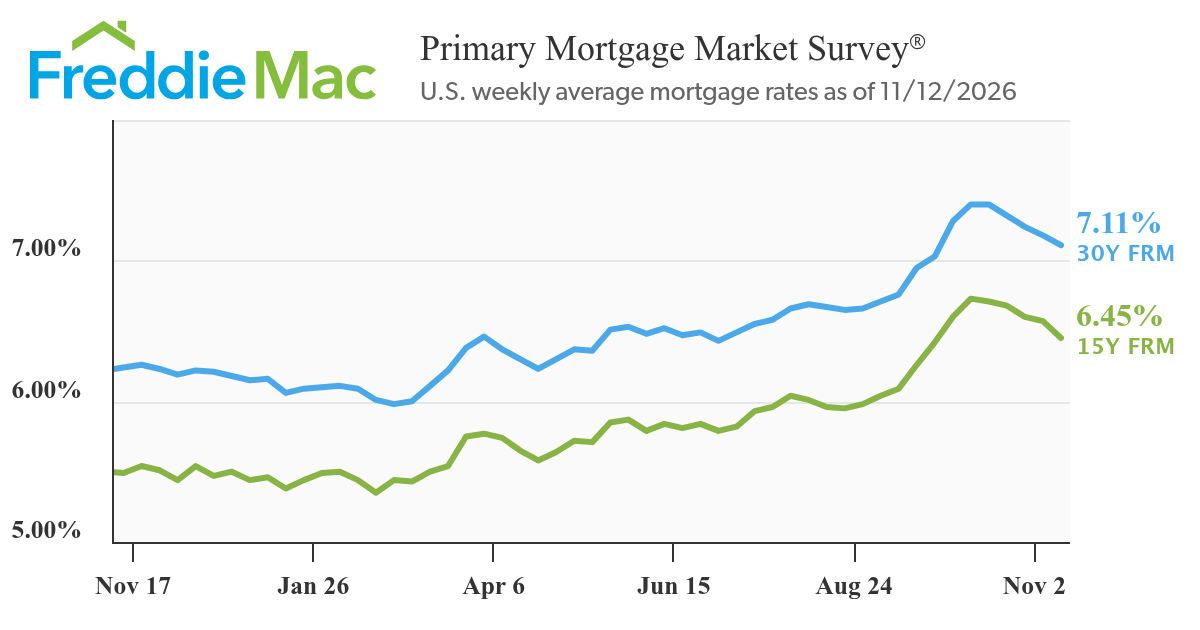
That mix of a labor market that is holding up and inflation that remains stubborn is complicating the Fed’s dual mandate of promoting maximum employment while maintaining stable prices. Overall consumer prices rose 0.4% in October, while core prices, which exclude the more volatile costs of food and energy, increased 0.3%. Waller said another rate increase will likely be needed and has even suggested a larger move could be considered if inflation remains stubborn. In a Reuters survey of 101 economists, all expected the Fed to raise rates by a quarter point in December. The same survey projected 2.2% economic growth in 2027, suggesting economists are not currently expecting a recession.
Housing Reflects the Uncertainty
Housing is showing the same mix of resilience and strain. Existing-home sales fell 5.5% in October to their lowest level since 2010, while first-time buyers accounted for only 29% of purchases, down from 32% a year ago and well below the roughly 40% share that was typical before the Great Recession. Yet home prices still edged higher from a year ago and distressed sales remained just 2%. That suggests a market under pressure, but not one in collapse.
Homeowners with secure jobs and low-rate mortgages often have little incentive to move, while younger and first-time buyers face high prices, borrowing costs and uncertainty about future income. For buyers, sellers, Realtors, lenders and builders, that creates an uncomfortable middle ground: the economy is holding up well enough to keep the Fed focused on inflation, but not strongly enough to make consumers feel confident or housing feel affordable.
If you’re considering a move, refinance or other housing decision, we’re here to help you understand how changing economic conditions could affect your options.
|