|
I also serve on the board of the Ohio Women’s Affordable Housing Network where I pioneered a mentorship program which was picked up nationally to help women in the industry connect, network and professionally grow. This past year I created a new program called the Emerging Leaders in Affordable Housing Cohort where women of all ages are able to learn more about issues related to Ohio affordable housing including meetings with the state housing agency, property and office tours, and one-on-one meetings based on their various interests. This gives members an opportunity to learn and join philanthropic initiatives geared at highlighting important causes devoted to help Ohioans struggling with housing. In my various roles, I have the opportunity to meet residents who live in affordable housing and work locally and federally to protect their rights to safe affordable housing solutions in neighborhoods where they can grow.
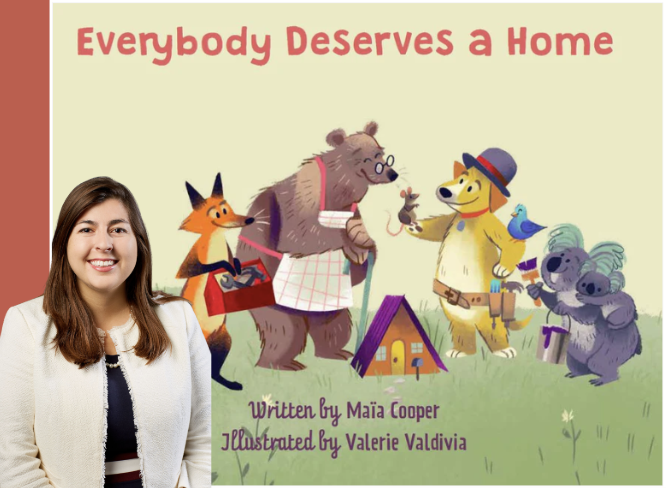
What inspired you to write a children's book about affordable housing? I was traveling significantly for my position in development to communities in desperate need for affordable housing. Through community organizing and working with cities to build affordable housing, I encountered a lot of NIMBYism. The idea that individuals who live in affordable housing do not deserve to live in communities with good schools, parks, and amenities was devastating to hear firsthand. It posed real obstacles to many of the developments on which I was working. The truth was that I came to perceive was that many community members were afraid. They were scared of who would be living in these communities, and “where they came from.” My job is to help people understand the real individuals who would live in affordable housing, and to advocate for these individuals who need a special place they can call home.
A lot of the negative sentiments come from miseducation about who lives in affordable housing, and deeply rooted stereotypes about the working poor. As I did this work, I started to think about the conversations about housing that begin at home. I thought about younger generations who may hear negative comments about what affordable housing is, and how could I help make a difference. That’s where the idea for Everyone Deserves a Home began.
How do you hope parents, teachers, or communities will use your book to start conversations around housing? When I published the book, I was shocked by the outpouring of feedback I received from different individuals who read it and found a different meaning. The reality is there aren’t many books on affordable housing as many publishers see it as too niche. One of the first books I sold was to a social worker in California. She reached out to me after reading the book to some of the homeless youth she works with every day. She shared something that really broke my heart. The young child she read the book with was only eight years old. He kept touching the pages of the book and especially liked the page that says, “you’ll have lots of trees to climb, and no more fears or frights, only cozy corners and bright lights, plus a garden for all to play, and parks only a short walk away.” She said when he finished that page he asked her, "Do you think one day I will have a home?" In her message to me she shared that I should know that a little boy felt hope for the first time in a long time. For me that story is why I wrote the book in a nutshell.
I know this book is helping to start and continue conversations at home, in the classroom, and maybe even in a nursery. Together, with my many peers in the industry, we are a group of advocates who strive to build sustainable communities that are focused on connecting children and their families to areas in which they can thrive. As a child you want to live in a community with trees, parks, and gardens. And when my team and I look for areas to develop, this is exactly what we are looking for. I hope parents teachers and communities talk about how we can include others in our homes and share resources so families can grow and thrive.
|