Coast Posts
- A Newsletter From FEC

October 2024

Monthly News Updates

News from Future Earth Coasts International Project Office
Shanghai | East China Normal University
Subscribe to Our Newsletter!

Highlights:


  • Anthropocene Coasts: Call for Papers – Tour de Coasts
  • Invitation to FEC Fellows Session 2024 on November 6th
  • “Delta Sustainability” Published by the FEC Megadelta Working Group
  • Register Now | International Conference on Dialogue between Land and Sea: Challenges and Solutions
  • FEC Dialogue: Meet the Fellows | Dr. Razieh Ghayoumi
  • FEC New Publication: Delta sustainability from the Holocene to the Anthropocene and envisioning the future
  • FEC New Publication: Coastal Wetlands in the Anthropocene
  • FEC New Publication: Mobilizing Evidence-based Knowledge for Sustainable Wetlands Co-management and Co-governance amidst increasing Anthropogenic and Environmental Stressors: Key Lessons from Mityana District, Uganda
  • Updates from FEC Fellows: Blessing Charuka, Razieh Ghayoumi
  • Updates from FEC Affiliated Projects: Novara One Planet
  • In Memoriam: Stephen Vaughn Smith
  • Call for Abstract | Coastal Zone Canada Conference 2025

What have we been up to

Anthropocene Coasts:

Call for Papers – Tour de Coasts

Anthropocene Coasts is launching a new special collection titled Tour de Coasts.  

This special collection is supported by FEC and provides a forum for knowledge exchange about priority coastal sustainability concerns and aims to create a comprehensive understanding of coastal sustainability challenges and opportunities from a global perspective.


For this Special Collection, Anthropocene Coasts invites manuscripts of all aspects of coastal sustainability challenges and opportunities globally including but not limited to: governance; individual, cultural, community, and ecological health; effective and inclusive communication; human behavioral change; food, water, and housing security; ecological analyses; economics and financial incentives; potential for managed coastal retreat; technology and increased connectivity; coastal disease threats and health benefits; use crises to inform; and modeling. 

The submission deadline for this collection is July 21, 2025. You can access the topical collection via this link. 


Guest Editors 


Dr. Katya Altman, Bureau of Ocean Energy Management, USA 


Dr. Dwayne Porter, University of South Carolina, USA  

Dr. Heath Kelsey, University of Maryland, USA

Dr. Anja Scheffers, Southern Cross University, Australia 

Dr. Xiaoyu Fang, East China Normal University, China  

Submit Your Manuscript
 

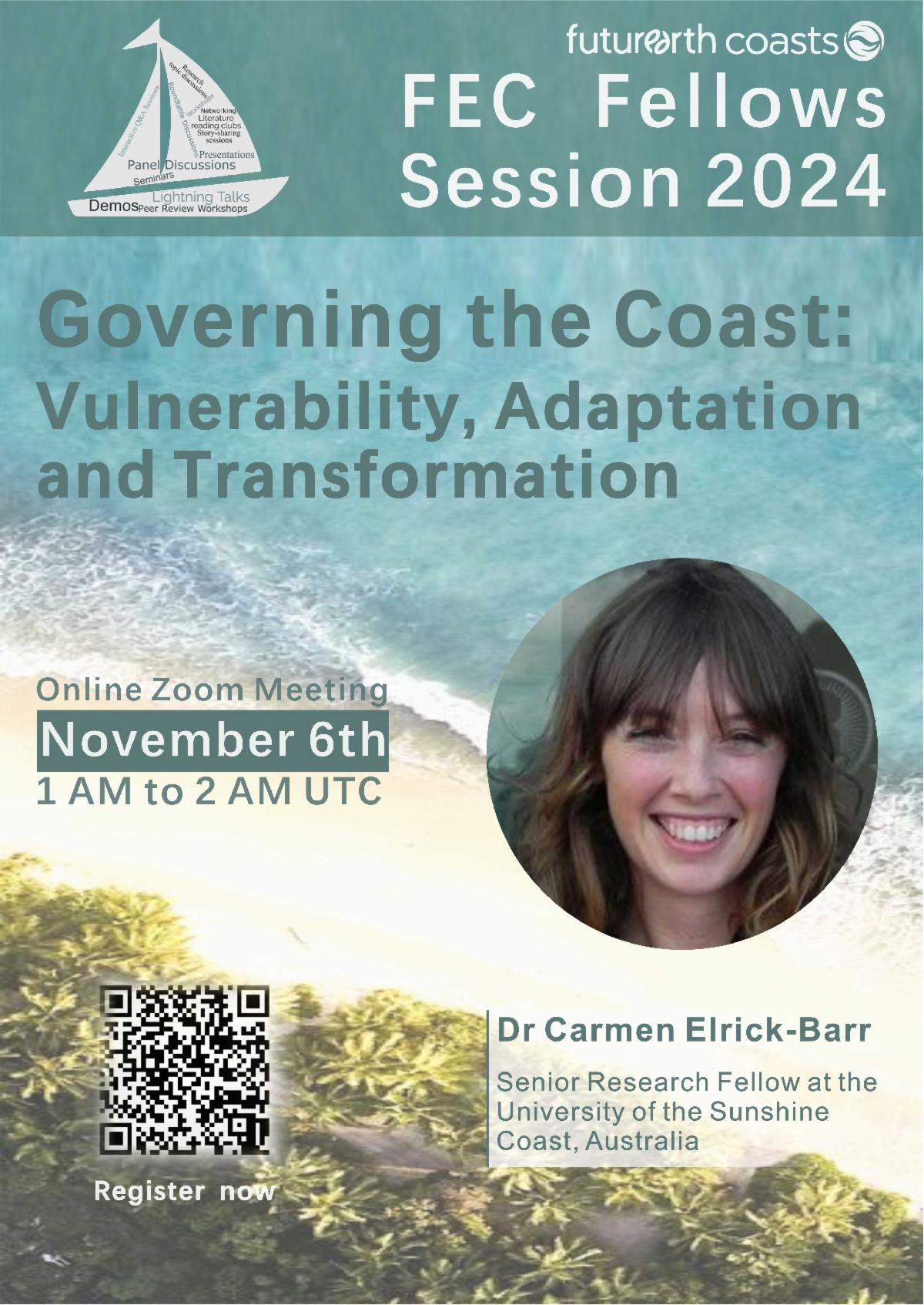
Invitation to FEC Fellows Session 2024 on November 6th 

TALK


Governing the Coast: Vulnerability, Adaptation and Transformation


Dr Carmen Elrick-Barr, Senior Research Fellow at the University of the Sunshine Coast, Australia


It is over 50 years since the term ‘integrated coastal zone management’ become the good-practice standard for responding to the complex (and wicked) challenges facing the coast and coastal communities. Yet despite half a century of practice, integrated management remains elusive, and pressures on the coast (e.g., climate change, population growth, industrial development) increase. As the impacts of climate change are increasingly felt, disasters are increasingly common, as are calls for innovation and transformation to reduce vulnerability and support equitable transition to more sustainable (and just) coasts. How to achieve these transitions, when past actions have not delivered the large-scale successes sought, remains unclear. This presentation will share lessons from over five years of research on vulnerability, innovation and adaptive capacity in coastal Australia. It aims to prompt discussion around the next frontiers in coastal governance research and practice: what do we need to know (and do) to achieve systemic change? Click here to read more.

Register
 

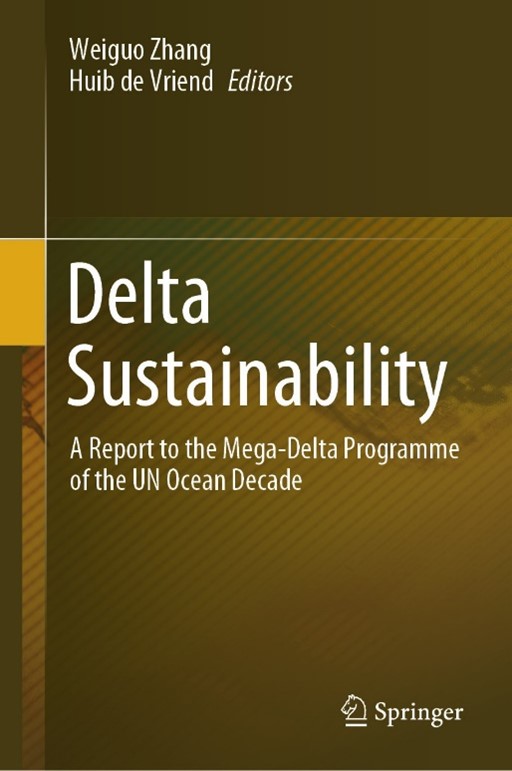
“Delta Sustainability” Published by the FEC Megadelta Working Group

The FEC Megadelta Working Group, endorsed under the UN Decade of Ocean Science for Sustainable Development, is known as "Mega-Deltas: Seeking Solutions for Sustainable Issues". Its primary aim is to advance the preservation and sustainability of human habitation in mega-delta regions. Recently, the programme published a new book titled "Delta Sustainability - A Report to the Mega-Delta Programme of the UN Ocean Decade".


This book examines sustainability issues of 15 deltas in the world. Each delta is described in five sections: physical setting, socioeconomic characteristics, current issues, management measures and perspective for future pathways to greater sustainability. These deltas, diverse in their geographical and economic conditions, are all confronted with natural hazards and pollution issues, posing threats to ecological health, human security and economic development. The book offers an overview of delta challenges in an integrated natural and social science approach. It aims to improve knowledge of the current situation and to enhance awareness of the urgency of collective action to prepare for the uncertain future of these deltas. Possible future pathways towards delta sustainability are also addressed in the book.


Click here to access the book.


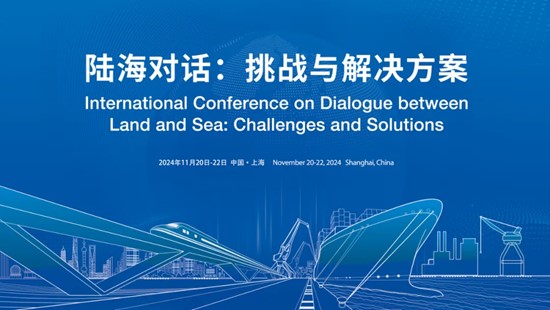
Register Now | International Conference on Dialogue between Land and Sea: Challenges and Solutions

International Conference on

Dialogue between Land and Sea: Challenges and Solutions

November 20-22, 2024, Shanghai, China


Rivers are crucial links between river basins and the sea, yet large river basins are often faced with flooding/draught, pollution, and sediment issues caused by climate change and human activities. Balancing economic development in these basins while mitigating negative impacts on the sea requires effective communication among scientists, policy makers, and practitioners from various sectors. This conference aims to bridge the gap between science and policy by facilitating such a dialogue.


Themes


- Flux of materials from rivers to estuaries under climate change and human activities

- Influence of human activities, sea level rise and storm surges on estuaries and marginal seas, coping strategies

- Dialogue with city mayors: Privileges and challenges in economic development, nature conservation, navigation, and hazard prevention along large rivers

- Coastal management: Coordination and optimization of resources between land and sea

- Big data and AI digital twins


Click here to read more.


FEC Dialogue Interview Series

FEC Dialogue: Meet the Fellows | Dr. Razieh Ghayoumi

Dr. Razieh Ghayoumi

Department of Environment, Tehran | Iran

Razieh is an experienced professional with more than two decades of expertise in marine and coastal conservation, spanning various sectors including government, academia, and the community. She holds a PhD in Marine Biology and currently holds the position of Biodiversity Officer at Iran’s Department of Environment, Research Center for Environment and Sustainable Development. Her commitment to marine and coastal conservation is evident through her active involvement in global and UN initiatives. She focuses her efforts on investigating the social and ecological aspects of marine and coastal resources.


Click here to access the full interview.


What motivated you to become involved with Future Earth Coasts (FEC) and join the FEC Fellows Program? As an FEC Fellow, what do you hope to achieve or contribute to the broader scientific and stakeholder community?


My motivation to become involved with Future Earth Coasts (FEC) and to join the FEC Fellows Program stems from a profound commitment to coastal and marine sustainability, paired with a desire for personal and professional growth. I am eager to connect with like-minded individuals in the coastal and marine fields, engage in various activities, and stay informed about the latest developments in coastal and marine sciences. This program provides an invaluable platform to enhance my visibility within the scientific community and allows me to learn more about marine and coastal ecosystems and their dynamics, all while making meaningful contributions to conservation efforts.

FEC New Publications

Delta sustainability from the Holocene to the Anthropocene and envisioning the future

Edward Anthony, Jaia Syvitski, Florin Zăinescu, Robert J. Nicholls, Kim M. Cohen, Nick Marriner, Yoshiki Saito, John Day, Philip S. J. Minderhoud, Alessandro Amorosi, Zhongyuan Chen, Christophe Morhange, Toru Tamura, Alfred Vespremeanu-Stroe, Manon Besset, François Sabatier, David Kaniewski & Vittorio Maselli

Prof. John W. Day

Abstract 


River deltas offer numerous ecosystem services and host an estimated global population of 350 million to more than 500 million inhabitants in over 100 countries. To maintain their sustainability into the future, deltas need to withstand sea-level rise from global warming, but human pressures and diminishing sediment supplies are exacerbating their vulnerability. In this Review, we show how deltas have served as environmental incubators for societal development over the past 7,000 years, and how this tightly interlocked relationship now poses challenges to deltas globally. Without climate stabilization, the sustainability of populous low-to-mid-latitude deltas will be difficult to maintain, probably terminating the delta–human relationship that we know today.


Click here to read more.


Coastal Wetlands in the Anthropocene

John Day, Edward Anthony, Robert Costanza, Douglas Edmonds, Joel Gunn, Charles Hopkinson, Michael E. Mann, James Morris, Michael Osland, Tracy Quirk, Andre Rovai, John Rybczyk, Thomas Spencer, Jessica Stephens, Jaia Syvitski, Robert Twilley, Jenneke Visser, and John R. White

Abstract 


We review the functioning and sustainability of coastal marshes and mangroves. Urbanized humans have a 7,000-year-old enduring relationship to coastal wetlands. Wetlands include marshes, salt flats, and saline and freshwater forests. Coastal wetlands occur in all climate zones but are most abundant in deltas. Mangroves are tropical, whereas marshes occur from tropical to boreal areas. Quantification of coastal wetland areas has advanced in recent years but is still insufficiently accurate. Climate change and sea-level rise are predicted to lead to significant wetland losses and other impacts on coastal wetlands and the humans associated with them. Landward migration and coastal retreat are not expected to significantly reduce coastal wetland losses. Nitrogen watershed inputs are unlikely to alter coastal marsh stability because watershed loadings are mostly significantly lower than those in fertilization studies that show decreased belowground biomass and increased decomposition of soil organic matter. Blue carbon is not expected to significantly reduce climate impacts. The high values of ecosystem goods and services of wetlands are expected to be reduced by area losses. Humans have had strong impacts on coastal wetlands in the Holocene, and these impacts are expected to increase in the Anthropocene.


Click here to read more.


Mobilizing Evidence-based Knowledge for Sustainable Wetlands Co-management and Co-governance amidst increasing Anthropogenic and Environmental Stressors: Key Lessons from Mityana District, Uganda

Dr. Baker Matovu

Baker Matovu, Ming-An Lee, Mubarak Mammel, Isaac Lukambagire, Bernard Lutalo, Alex Ronald Mwangu, Bridget Mwabvu, Tahmina Akther Mim, Yasin Bbira, Yasin Lubega, Yosia Muhoozi

Abstract 

Wetlands (covering about 1.5–1.6 billion hectares globally), are critical biodiversity and livelihood hotspots. Wetlands further replenish the global economy with $47.4 trillion/year worth of ecosystem services. By jealously guarding wetlands, progress toward sustainable development goals, and livelihood welfare are possible. Unfortunately, despite the promulgation of wetland governance mechanisms, 35 percent of the global natural wetlands have been lost since the 1970s. This could be worse in undocumented or explored wetland zones situated in remote tropical regions. In this study, we bring to the fore insights from 286 documents sourced from Scopus and engagements from 105 citizens in Mityana, to (i) map wetlands (including the current vulnerabilities and threats), and (ii) co-develop a wetlands management action pathway that could create sustainable co-management possibilities and sustainable livelihood futures. Findings revealed that although research on wetlands has increased for the last 31 years, since 2021, it has plummeted. In Uganda, wetland research and scholarship is predominantly situated around the Lake Victoria region. Most research focuses on natural or biological sciences. Emerging policy themes and trending research topics are shifting from key wetland management paradigms. From a total of 105 sampled wetlands scattered across fourteen (14) sub-counties in the Mityana district, critical wetland issues were unraveled. Mityana is crossed by two wetland systems (Lake Wamala and River Mayanja dominated by permanent papyrus and seasonal swamps respectively. Wetlands offer unique livelihood, cultural assets/capitals, and ecological benefits (including cultural/aesthetics meaning). An unfathomable rate of degradation is evident. Anthropogenic factors are the predominant threat drivers, especially eucalyptus planting. The loss of culturally valuable wetlands has increased socio-cultural-ecological grief, such as around Lake Wamala. Micro-level management actions are increasing, albeit mainly around accessible permanent wetlands. Most riparian wetland sedentary populations expressed willingness and interest in the co-management and governance of community wetlands. More robust actions and pathways are needed to create avenues for community co-management. The co-developed the sustainable wetlands management action pathway (SWeMAP) provides seven (7) coherent steps, including critical social science insights that could aid sustainable wetlands governance and management across geographies. As wetlands in Uganda have been gazetted as critical to sustainable development, the urgent co-development and financing of micro-level wetland action plans, including situational inventories could help create avenues for sustainable wetlands management.


Click here to read more.


Coastal Radar

Updates from FEC Fellows

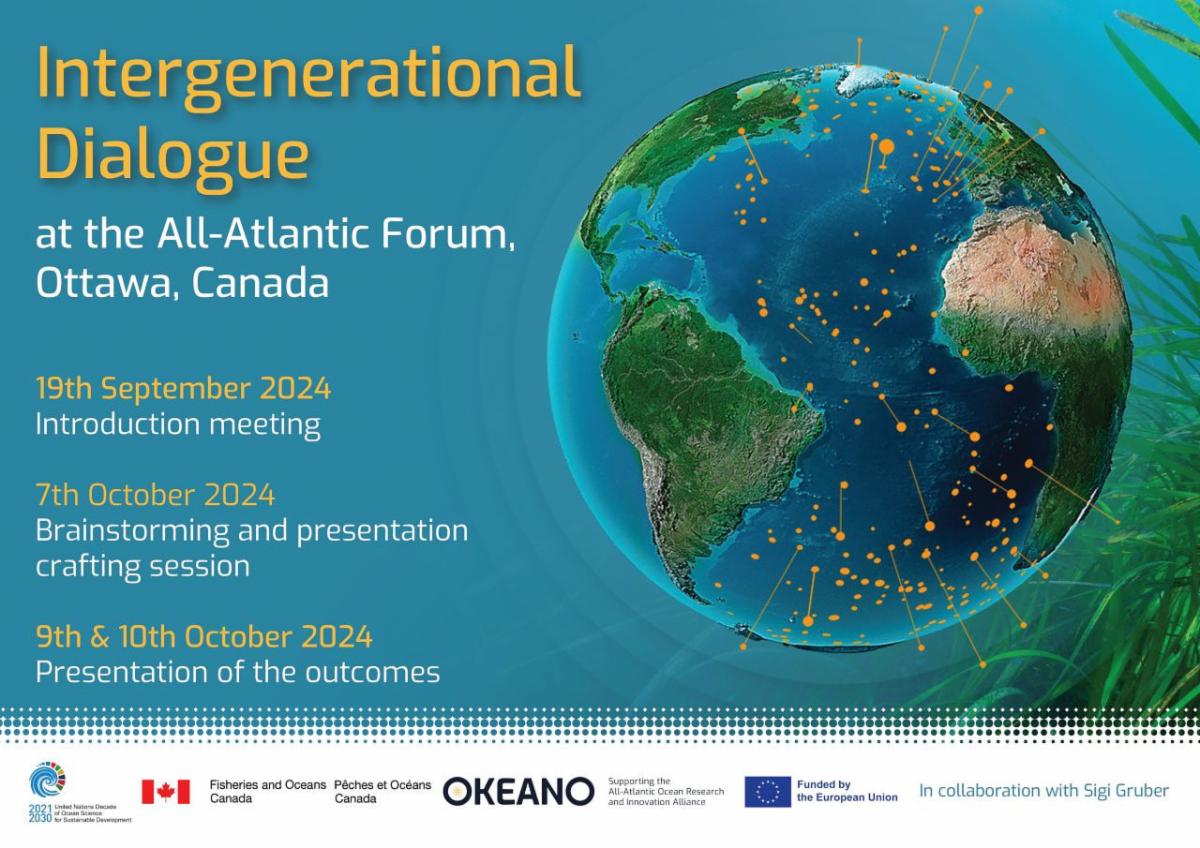
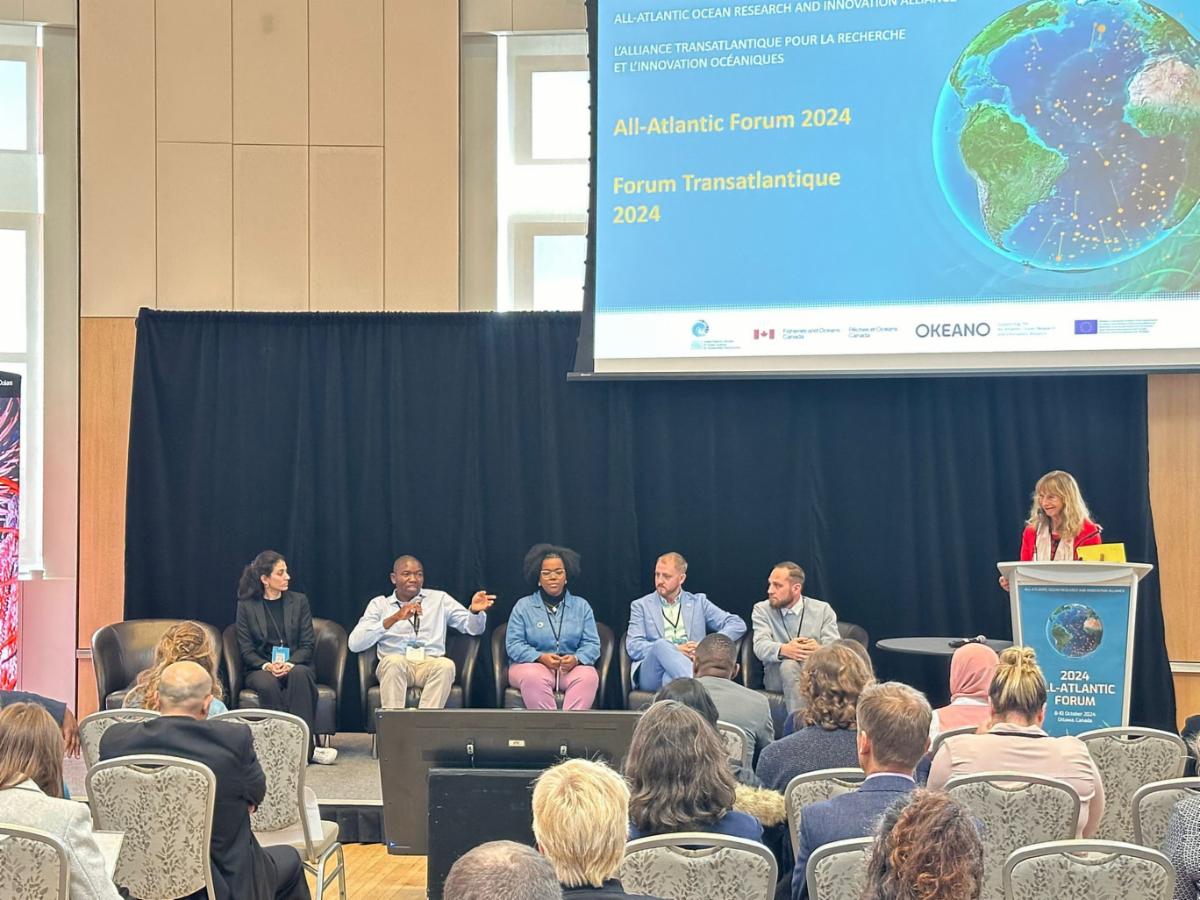
FEC Fellow, Blessing Charuka attended the 2024 All-Atlantic Ocean Research and Innovation Alliance (AAORIA) Forum from 7-10 October in Ottawa, Canada. He participated in the Intergenerational Dialogue, which was designed to foster meaningful exchanges between early career researchers and senior ocean experts to elevate their voices in ocean and coastal sustainability policy. Moreover, he moderated a session on ‘Showcase of Selected Atlantic Basin Projects’.

In September 2024, FEC Fellow Dr. Razieh Ghayoumi attended two international meetings. At the Multidisciplinary Expert Scientific Advisory Group (MESAG) In-Person Meeting, she participated as a member of MESAG for the Seventh Global Environment Outlook (GEO-7) at the United Nations Environment Programme (UNEP) in Gigiri, Nairobi, Kenya, from September 3-5, 2024. From September 15-22, 2024, Dr. Ghayoumi attended the International Union for Conservation of Nature (IUCN) meeting at the IUCN Headquarters in Gland, Switzerland. In this meeting, she served as a member of a Policy Development Working Group, where they focused on developing a policy related to nature conservation.

Apply to become a FEC Fellow
 

Updates from FEC Affiliated Projects

Novara One Planet

Hi Novara friends!


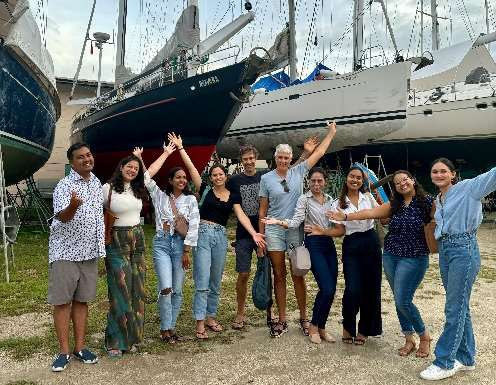
Hard to believe Novara has been in the Caribbean for 9 months already. We’ve continued our climate-change related community interaction as well as keeping up with Novara boat maintenance. Read on!


Novara in the Caribbean


Sailing in the Caribbean certainly lives up to its reputation. With a constant Easterly wind and plenty of islands to explore, we’ve had some wonderful sailing – passing palm-fringed beaches and the tall iconic Pitons. We’ve also zig zagged our way around the islands as we follow boat repairs and community needs. From Antigua, we made a long passage to the south of Martinique for much-needed repairs after the Atlantic crossing. It was frustrating to pass all those islands, but without a working anchor we needed to get to the Le Marin mooring field and engineers. After 3 weeks in Martinique we retraced our steps and headed north to work in Dominica, then south again to meet friends in Grenada, stopping along the way at islands we had missed. Finally, a rough crossing from Grenada to Tobago, where we anchored under sail because our engine failed. Adventures galore.


Novara One Planet project


Since our last update in March, our main engagement was with communities in Dominica. Our dear friend Petra Grell-Shillingford, Head of Communications and Information at the Ministry of Agriculture hosted us and arranged several meetings with locals. We learned so much from the work they’re doing – their resilience is truly inspiring. You can read about our experience in Dominica here.  

Global Shapers @ Novara, Trinidad

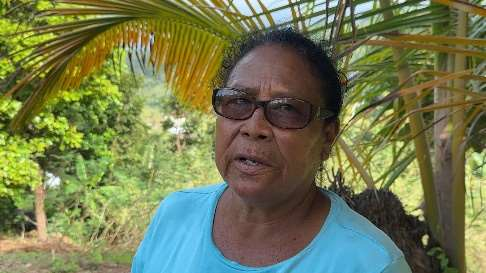
Regi, a local leader in agriculture and climate adaptation in Dominica 


Click here to read more. 


In Memoriam: Stephen Vaughn Smith

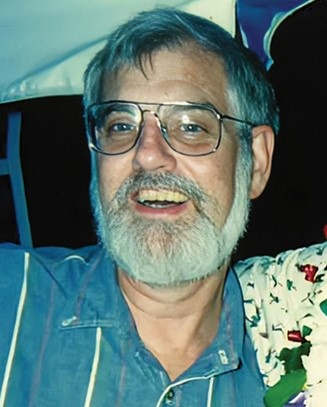
The FEC community is deeply sadden by the news of Steve Smith’s passing. He was one of the organizers of the LOICZ biogeochemical budget program.


Stephen Vaughn Smith, PhD passed away on April 14, 2024. He was a well-respected scientist whose endeavors focused on biogeochemical processes at a global scale. He was awarded a PhD in Oceanography in 1970 from the University of Hawai‘i. He worked at the Hawai‘i Institute of Marine Biology (HIMB) from 1970-1977. Steve split his time between HIMB and the Department of Oceanography beginning in 1978. Steve retired in 2003 then, as an Emeritus Professor, worked for several years at Centro de Investigación Científica y de Educación Superior de Ensenada in Mexico. He was a leader in the International Geosphere-Biosphere Program, developing a standardized protocol that allowed reliable comparisons between ecosystems, leading to new insights on the cycling of carbon, nitrogen, and phosphorus in coastal environments.

The whole FEC community will greatly miss Steve’s presence and contributions. We are committed to carrying on his legacy and continuing the important work he dedicated his life to. 


Modified from the following links:

1. https://cerf.memberclicks.net/assets/bulletin/Bulletin_2024/CERFS_UP_50.2.pdf

2. https://www.soest.hawaii.edu/soestwp/announce/news/in-memoriam-stephen-vaughn-smith/

Tribute to Stephen Vaughn Smith

I’m very saddened by the passing of Steve Smith, who I got to know beginning around 1997 while I was working in Stockholm with Fred Wulff, helping with the production of a series of LOICZ reports summarizing the findings using the recently developed LOICZ biogeochemical budget methodology to relate nutrient fluxes to coastal ecosystem metabolism. The project was unique in showcasing the data collection and synthesis efforts of many coastal scientists in both data-rich and data-scarce regions of the world and putting the results in a common framework to look for global patterns.  The budgets were typically generated in interactive workshops held in various locations in Europe, Asia, Africa, Australia and the Americas, and were invariably stimulating and exciting learning sessions for both the uninitiated and the old hands. Steve thrived in this environment.  Individual budgets were published on the LOICZ website, in project reports and ultimately in the “Blue Book”, Coastal Fluxes in the Anthropocene (https://www.futureearthcoasts.org/book/coastal-fluxes-in-the-anthropocene/), of which Steve was a primary author.


Steve loved a good argument and was passionate about coastal science. He was a great mentor, a colleague generous with both his time and his ideas, and a true friend. I’ll miss him.


-Dennis Swaney

The late Steve Smith was a significant programme leader in the LOICZ IGPB Project which pioneered the interdisciplinary study of land - ocean interactions in the global coastal zones. Steve led the bio geochemical research and took part in many program meetings and workshops in order to take forward what was at the time novel approaches. The programme outputs included a published LOICZ Reports and Studies series; on - line LOICZ Heritage lectures; and a substantial volume summarizing the complete work program ' C.Crossland et al Ed's 2005 Coastal Fluxes in the Anthropocene, Springer'. Steve was an excellent scientist but was also prepared to interact with socio- economists in an interdisciplinary dialogue. This type of research collaboration is even more vital today in the era of rapid climate change and attendant risks, but LOICZ members and programme leaders like Steve highlighted the way forward. We can only hope that policymakers take heed and devote sufficient time, resources and energy to take the science evidence base seriously.


-R Kerry Turner

I first met Steve at an IAI-NSF workshop I organized in Bahia Blanca back in 1996. As was always the case with Steve, the connection was immediate and genuine. Over time, we developed not only a strong professional rapport but also a personal friendship. Our collaborations grew, culminating when he proposed me as a member of the LOICZ Scientific Steering Committee.


My time with Steve and LOICZ opened significant doors for me, both professionally and personally. Through LOICZ, I connected with many leading researchers, many of whom became close friends. Without Steve’s introduction, I might never have had the opportunity to become part of such a vibrant coastal research community.


Unfortunately, many researchers from developing countries face barriers to entering these high-quality networks, often due to language barriers. Many lack the proficiency in English needed to comfortably engage with their peers, and this can make them hesitant to approach prominent figures at meetings, missing out on the chance to realize that these experts are just as eager to connect. Steve came into my life at a pivotal moment, enabling me to make the "international leap" that many of my colleagues didn’t have the chance to.


As I often say, “Opportunity is often disguised as hard work,” and Steve played a key role in helping me seize those opportunities. My wife Cintia and I, along with my children, will miss him dearly. To them, he will always be "Uncle Steve."


-Gerardo M. E. Perillo


Opportunities

Call for Abstract | Coastal Zone Canada Conference 2025

The Coastal Zone Canada Association (CZCA) is excited to announce the call for abstracts for our upcoming conference CZC 2025: Strengthening Coastal Resilience and Relationships! This three-day event will take place in Charlottetown, Prince Edward Island, Canada June 9 to 11, 2025.


The sub-themes this year focus on resilience and relationships within the coastal zone:

  • Environmental processes - Understanding and responding to physical, biological, and chemical coastal processes, including how they are influenced by climate change
  • Strengthening resilience of the coasts – Supporting coastal ecosystems, infrastructure, culture, and livelihoods
  • Coastal care and management – Care, stewardship and management in a changing coastal environment
  • Relationships and relations – Our relationships and relations with the land, water, ice, and all living beings along the coasts and how they are changing
  • Health and wellbeing of people and communities – The role of coasts in physical, emotional, mental, spiritual, and community wellbeing

The conference aims to create a space where different knowledge systems, practices, stories, and perspectives can come together and learn from each other. The goals are to collectively navigate what coastal stewardship and management could look like through the lens of relationships; build common ground across communities, professions, sectors, goals, and values; and connect over a shared passion for coastal zone resilience.


Click here to submit your abstract by Friday, November 29, 2024 at 11:59 pm ADT.

New FEC Publications (Since April 2024)

○ Anthony, E., Syvitski, J., Zăinescu, F., Nicholls, R. J., Cohen, K. M., Marriner, N., ... & Maselli, V. (2024). Delta sustainability from the Holocene to the Anthropocene and envisioning the future. Nature Sustainability, 1-12.

https://doi.org/10.1038/s41893-024-01426-3

○ Banerjee, S., Lahiri, R., Choudhury, A. K., Mondal, A., Kim, J. W., MubarakAli, D., & Satpati, G. G. (2024). Unraveling the potential of cyanobacteria as food and investigating their production and nutritional properties. Biocatalysis and Agricultural Biotechnology, 103421.

https://doi.org/10.1016/j.bcab.2024.103421

○ Day, J., Anthony, E., Costanza, R., Edmonds, D., Gunn, J., Hopkinson, C., ... & White, J. R. (2024). Coastal Wetlands in the Anthropocene. Annual Review of Environment and Resources, 49.

https://doi.org/10.1146/annurev-environ-121922- 041109

○ Day, J. W., Xu, Y. J., Keim, B. D., Brown, V. M., Giosan, L., Mann, M. E., & Stephens, J. R. (2024). Emerging climate threats to the Mississippi River Delta: Moving from restoration to adaptation. One Earth.

https://doi.org/10.1016/j.oneear.2024.03.001

○ Harvey, N and Thom, B (2024) Coastal Governance in Federated Countries. In: Baird, Daniel and Elliott, Michael (eds.) Treatise on Estuarine and Coastal Science, 2nd Edition, vol. 7, pp. 307–326. Oxford: Elsevier.

https://doi.org/10.1016/B978-0-323-90798-9.00098-6

○ Maire, E., Robinson, J. P., McLean, M., Arif, S., Zamborain-Mason, J., Cinner, J. E., ... & Hicks, C. C. (2024). Managing nutrition-biodiversity trade-offs on coral reefs. Current Biology.

https://doi.org/10.1016/j.cub.2024.08.031

○ Matovu, B., Lee, M. A., Mammel, M., Lukambagire, I., Lutalo, B., Mwangu, A. R., ... & Muhoozi, Y. (2024). Mobilizing Evidence-based Knowledge for Sustainable Wetlands Co-management and Co-governance amidst increasing Anthropogenic and Environmental Stressors: Key Lessons from Mityana District, Uganda. Environmental Challenges, 17, 101014.

https://doi.org/10.1016/j.envc.2024.101014

○ Perillo, G.M.E., Piccolo, M.C., 2024. Global variability in estuaries and coastal settings. En: Whitfield, A.K., Elliott, M. (eds.) Treatise on Estuarine and Coastal Science, 2nd Ed. Vol.1 18-24 Elsevier.

DOI 10.1016/B978-0-323-90798-9.00038-X

○ Perillo, G.M.E., Gao, S., Cuadrado, D.G., 2024. Tidal flats: geomorphology and dynamics. En: Uncles, R.J., Mitchell, S., French, J. (eds.) Treatise on Estuarine and Coastal Science, 2nd Ed. Vol.2 809-842 Elsevier

DOI10.1016/B978-0-323-90798-9.00034-2

○ Politi, E., Brito, A. C., Gomes, M. R., Lebreton, C., & Falcini, F. (2024). Listening to stakeholders: Development of water quality indicators for transitional environments using satellite data. Ocean & Coastal Management, 253, 107140. https://doi.org/10.1016/j.ocecoaman.2024.107140

○ Raha, D., Davies-Vollum, K. S., Hemstock, S. L., Boateng, I., Islam, M. T., & Pierce, C. A. (2024). We need collaboration and co-creation to address challenges facing coastal communities. Nature Human Behaviour, 1-9.

https://doi.org/10.1038/s41562-024-01875-y

○ Valderrama-Landeros, L., Flores-de-Santiago, F., Ávila-Flores, G., Flores-Verdugo, F., Alcántara-Maya, J. A., Troche-Souza, C., ... & Suarez, E. (2024). IUCN Red List of Ecosystems, Mangroves of the Warm Temperate Northeast Pacific.

https://doi.org/10.32942/X2B03V

○ Venevsky, S., Berdnikov, S., Day, J. W., Sorokina, V., Gong, P., Kleshchenkov, A., ... & Giosan, L. Don River Delta Hydrological and Geomorphological Transformation Under Anthropogenic and Natural Factors: Century and Decadal Perspectives. Available at SSRN 4474057.

https://doi.org/10.1016/j.ocecoaman.2024.107364

○ Wolanski, E., & Kingsford, M. J. (Eds.). (2024). Oceanographic processes of coral reefs: Physical and biological links in the Great Barrier Reef (2nd ed.). CRC Press.

https://www.routledge.com/Oceanographic-Processes-of-Coral-Reefs-Physical-and-Biological-Links-i/Kingsford-Wolanski/p/book/9781032340746

○ Xue, L., Li, T., Li, X., Bi, Y., Su, L., Song, Y., ... & Shi, B. (2024). Short-term evolution pattern in salt marsh landscapes: the importance of physical constraints. Landscape Ecology, 39(5), 1-16.

https://doi.org/10.1007/s10980-024-01898-w

○ Zhang, W., & de Vriend, H. (Eds.). (2024). Delta sustainability: A report to the Mega-Delta Programme of the UN Ocean Decade. Springer Singapore.

https://doi.org/10.1007/978-981-97-7259-9

○ Zhao, Y., Peng, Z., Chen, X., Fang, D., Liu, S., Wang, X., & He, Q. (2024). Parameterisation and evolution of non-breaking wave nonlinearity over flexible vegetation. Coastal Engineering, 192, 104543.

https://doi.org/10.1016/j.coastaleng.2024.104543

○ Zhu, Q., Xing, F., Wang, Y. P., Syvitski, J., Overeem, I., Guo, J., ... & Gao, S. (2024). Hidden delta degradation due to fluvial sediment decline and intensified marine storms. Science Advances, 10(18), eadk1698.

https://doi.org/10.1126/sciadv.adk1698


FEC Publications (2023-2024)

○ Alarcón Borges, R. Y., Pérez Montero, O., Tejera, R. G., Silveira, M. T. D., Montoya, J. C., Hernández Mestre, D., ... & Milanes, C. B. (2023). Legal Risk in the Management of Forest Cover in a River Basin San Juan, Cuba. Land, 12(4), 842. https://doi.org/10.3390/land12040842

○  Alice Newton, Michele Mistri, Angel Pérez-Ruzafa and Sofia Reizopoulou. (2023). Editorial: Ecosystem services, biodiversity, and water quality in transitional ecosystems, Front. Ecol. Evol., Volume 11. https://doi.org/10.3389/fevo.2023.1136750

○  Baird, D., Elliott, M. (Editors-in-Chief), 2024. Treatise on Estuarine and Coastal Sciences, 2nd Edition, 7 Volumes, Elsevier, Academic Press, Hardback ISBN: 9780323907989, eBook ISBN: 9780323910422. https://www.sciencedirect.com/referencework/9780323910422/treatise-on-estuarine-and-coastal-science-second-edition

○  Baumann, L., Riechers, M., Celliers, L., & Ferse, S. C. (2023). Anticipating and transforming futures: a literature review on transdisciplinary coastal research in the Global South. Ecosystems and People, 19(1), 2288957. https://doi.org/10.1080/26395916.2023.2288957

○  Bezerra, Moisés & Goyanna, Felipe & Lacerda, Luiz. (2023). Risk assessment of human Hg exposure through consumption of fishery products in Ceará state, northeastern Brazil. Marine Pollution Bulletin. 189. 114713. https://doi.org/10.1016/j.marpolbul.2023.114713

○  Botero, C. M., Palacios, M. A., Souza Filho, J. R., & Milanes, C. B. (2023). Beach litter in three South American countries: A baseline for restarting monitoring and cleaning after COVID-19 closure. Marine Pollution Bulletin, 191, 114915. https://doi.org/10.1016/j.marpolbul.2023.114915

○  Brempong, E. K., Almar, R., Angnuureng, D. B., Mattah, P. A. D., Jayson-Quashigah, P.-N., Antwi-Agyakwa, K. T., & Charuka, B. (2023). Coastal Flooding Caused by Extreme Coastal Water Level at the World Heritage Historic Keta City (Ghana, West Africa). Journal of Marine Science and Engineering, 11(6), 1144. MDPI AG. http://dx.doi.org/10.3390/jmse11061144

○ Brendel, Andrea & Ferrelli, Federico & Echeverria, María & Piccolo, Maria & Perillo, Gerardo. (2022). PROCESAMIENTO DE DATOS SATELITALES ÓPTICOS Y DE RADAR PARA LA DETECCIÓN DE CAMBIOS MORFOMÉTRICOS: EL CASO DE LA DESEMBOCADURA DEL RÍO SAUCE GRANDE (ARGENTINA). Caminhos de Geografia. 23. 85-94. https://doi.org/10.14393/RCG238658189 

○ Carmen E. Elrick-Barr, Julian Clifton, Michael Cuttler, Craig Perry, Abbie A. Rogers, Understanding coastal social values through citizen science: The example of Coastsnap in Western Australia, Ocean & Coastal Management, Volume 238, 2023, 106563, ISSN 0964-5691, https://doi.org/10.1016/j.ocecoaman.2023.106563

○  Castiglioni, Eduardo & Gaucher, Claudio & Perillo, Gerardo & Sial, Alcides. (2022). Marine deposits of the Chuy Formation (Late Pleistocene) and isostatic readjustments in the area of Laguna de Rocha (Uruguay). Agrociencia Uruguay. 26. https://doi.org/10.31285/AGRO.26.799

○  Celliers, Louis & Manez Costa, Maria & Rölfer, Lena & Aswani Canela, Shankar & Ferse, Sebastian. (2023). Social innovation that connects people to coasts in the Anthropocene. Cambridge Prisms: Coastal Futures. 1. 1-22. 10.1017/cft.2023.12. https://doi.org/10.1017/cft.2023.12

○  Charuka, B., Angnuureng, D. B., Brempong, E. K., Agblorti, S. K., & Agyakwa, K. T. A. (2023). Assessment of the integrated coastal vulnerability index of Ghana toward future coastal infrastructure investment plans. Ocean & Coastal Management, 244, 106804. https://doi.org/10.1016/j.ocecoaman.2023.106804

○  Chen, Y., Deng, B., Zhang, G., Zhang, W., & Gao, S. (2023). Response of Shallow Gas‐Charged Holocene Deposits in the Yangtze Delta to Meter‐Scale Erosion Induced by Diminished Sediment Supply: Increasing Greenhouse Gas Emissions. Journal of Geophysical Research: Earth Surface, 128(1), e2022JF006631. https://doi.org/10.1029/2022JF006631

○  Cunha, J., Cabecinha, E., Villasante, S., Balbi, S., Elliott, M., Ramos, S., (2023) Defining hotspots and coldspots of regulating and maintenance ecosystem services is key to effective marine management – an assessment of a coastal-open sea gradient, Portugal. Ocean & Coastal Management, 245: 106876; https://doi.org/10.1016/j.ocecoaman.2023.106876

○  Datta, Satabdi & Roy, Joyashree. (2022). Exploring adaptive capacity: Observations from the vulnerable human-coastal environmental system of the Bay of Bengal in India. Frontiers in Climate. 4. 1007780. https://doi.org/10.3389/fclim.2022.1007780 

○  Davies-Vollum, K. S., Koomson, D., & Raha, D. (2024). Coastal lagoons of West Africa: a scoping study of environmental status and management challenges. Anthropocene Coasts, 7(1), 7. https://doi.org/10.1007/s44218-024-00039-9

○  Davranche, A., Arzel, C., Pouzet, P., Carrasco, A. R., Lefebvre, G., Lague, D., ... & Poulin, B. (2023). A multi-sensor approach to monitor the ongoing restoration of edaphic conditions for salt marsh species facing sea level rise: An adaptive management case study in Camargue, France. Science of the Total Environment, 168289. https://doi.org/10.1016/j.scitotenv.2023.168289

○  Day, J. W., Hall, C. A., Klitgaard, K., Gunn, J. D., Ko, J. Y., & Burger, J. R. (2023). The coming perfect storm: Diminishing sustainability of coastal human-natural systems in the Anthropocene. Cambridge Prisms: Coastal Futures, 1, e35. https://doi.org/10.1017/cft.2023.23

○  de Oliveira, E.B., Newton, A. & Botero, C.M. Development of a management-based ranking of beaches. Anthropocene Coasts 7, 6 (2024). https://doi.org/10.1007/s44218-024-00040-2

○  Elegbede, I. O., Lawal-Are, A., Oloyede, R., Sanni, R. O., Jolaosho, T. L., Goussanou, A., & Ngo-Massou, V. M. (2023). Proximate, minerals, carotenoid and trypsin inhibitor composition in the exoskeletons of seafood gastropods and their potentials for sustainable circular utilisation. Scientific Reports, 13(1), 13064. https://doi.org/10.1038/s41598-023-38345-w

○  Elegbede, I., Lawal-Are, A., Favour, O. et al. Chemical compositions of bivalves shells: Anadara senilis, Crassostrea gasar, and Mytilus edulis and their potential for a sustainable circular economy. SN Appl. Sci. 5, 44 (2023). https://doi.org/10.1007/s42452-022-05267-7

○  Elegbede, I., Zurba, M., Hameed, A., & Campbell, C. (2023). Gaps and Challenges in Harnessing the Benefits and Opportunities of Indigenous Certification for a Sustainable Communal Commercial Lobster Fishery. Environmental Management, 1-20. https://doi.org/10.1007/s00267-023-01852-7

○  Elliott M. (2023). Marine Ecosystem Services and Integrated Management: "There's a crack, a crack in everything, that's how the light gets in"!. Marine pollution bulletin, 193, 115177. Advance online publication. https://doi.org/10.1016/j.marpolbul.2023.115177

○  Elliott, M., Borja, Á., & Cormier, R. (2023). Managing marine resources sustainably–Ecological, societal and governance connectivity, coherence and equivalence in complex marine transboundary regions. Ocean & Coastal Management, 245, 106875. https://doi.org/10.1016/j.ocecoaman.2023.106875

○  Elliott, M., Wither, A., (Eds.) (2024). Environmental Consequences and Management of Coastal Industries: Terms and Concepts. Elsevier, Amsterdam, Paperback ISBN: 9780443137525, eBook ISBN: 9780443137532, pp 371. https://doi.org/10.1016/C2022-0-00268-3

○  Elrick-Barr CE, Clifton J, Cuttler M, Perry C & Rogers AA (2023). Understanding coastal social values through citizen science: The example of Coastsnap in Western Australia. Ocean & Coastal Management, 238, 106563. https://doi.org/10.1016/j.ocecoaman.2023.106563

○  Elrick-Barr, C. E., Smith, T. F., & Thomsen, D. C. (2024). Is ‘hope’helpful or a hinderance? Implications for coastal governance. Ocean & Coastal Management, 248, 106953. https://doi.org/10.1016/j.ocecoaman.2023.106953

○  Feng, Y., Tu, C., Li, R., Wu, D., Yang, J., Xia, Y., ... & Luo, Y. (2023). A systematic review of the impacts of exposure to micro-and nano-plastics on human tissue accumulation and health. Eco-Environment & Health. https://doi.org/10.1016/j.eehl.2023.08.002

○  Ferreira, A.C.; LACERDA LD, Rodrigues, J.V.; Bezerra, L.E.A. 2023. New contributions to mangrove restoration/rehabilitation protocols and practices. Forest Ecology & Management Journal 31, 89-114. https://doi.org/10.1007/s11273-022-09903-2

○  Foley, Aideen & Moncada, Stefano & Mycoo, Michelle & Nunn, Patrick & Tandrayen-Ragoobur, Verena & Evans, Christopher. (2022). Small Island Developing States in a post‐pandemic world: Challenges and opportunities for climate action. Wiley Interdisciplinary Reviews: Climate Change. 13. https://doi.org/10.1002/wcc.769 

○  Forero-López, A. D., Toniolo, M. A., Colombo, C. V., Rimondino, G. N., Cuadrado, D., Perillo, G. M. E., & Malanca, F. E. (2023). Marine microdebris pollution in sediments from three environmental coastal areas in the southwestern Argentine Atlantic. Science of The Total Environment, 169677. https://doi.org/10.1016/j.scitotenv.2023.169677

○  Fragoso, C.; Gatts, P.V.; Di Benedittoa, A.P.; Martinelli, L.A.; LACERDA, L.D. & Rezende, C.E. 2023. Stable isotopes and Mercury as tools to depict aquatic food webs. Quimica Nova 46 (11) http://dx.doi.org/10.21577/0100-4042.20230125

○  Fu, C., Li, Y., Tu, C., Hu, J., Zeng, L., Qian, L., ... & Luo, Y. (2023). Dynamics of trace element enrichment in blue carbon ecosystems in relation to anthropogenic activities. Environment International, 180, 108232. https://doi.org/10.1016/j.envint.2023.108232

○  Fu, C., Li, Y., Zeng, L., Tu, C., Wang, X., Ma, H., ... & Luo, Y. (2024). Climate and mineral accretion as drivers of mineral‐associated and particulate organic matter accumulation in tidal wetland soils. Global Change Biology, 30(1), e17070. https://doi.org/10.1111/gcb.17070

○  Gallo Velez, David & Restrepo, Juan & Newton, Alice. (2023). Assessment of the Magdalena River delta socio-ecological system through the Circles of Coastal Sustainability framework. Frontiers in Earth Science. 11. 10.3389/feart.2023.1058122. https://doi.org/10.3389/feart.2023.1058122

○  Goyanna, F., Silva, G., Bezerra, M.F., LACERDA, L.D. 2023. Mercury in oceanic upper trophic level sharks and bony fishes - A systematic review. Environmental Pollution 318, 120821 https://doi.org/10.1016/j.envpol.2022.120821

○  Guzmán, D. H., Mier, R. L., Vergara, A., & Milanes, C. B. (2023). Marine protected areas in Colombia: A historical review of legal marine protection since the late 1960 s to 2023. Marine Policy, 155, 105726. https://doi.org/10.1016/j.marpol.2023.105726

○  Harvey N & Smith TF, 2023, 'Key lessons from new perspectives on Australian coastal management', Ocean & Coastal Management, Volume 239, 15 May 2023, 106581 https://doi.org/10.1016/j.ocecoaman.2023.106581

○  Hawkins, S. J., Todd, P. A., Russell, B. D., Lemasson, A. J., Allcock, A. L., Byrne, M., ... & Swearer, S. E. (2023). Review of the Central and South Atlantic Shelf and Deep-Sea Benthos: Science, Policy, and Management. Oceanography and Marine Biology: An annual review. Volume 61, 61, 127-218.

○  Huddleston, P., Smith, T. F., White, I., & Elrick-Barr, C. (2023). What influences the adaptive capacity of coastal critical infrastructure providers?. Urban Climate, 48, 101416. https://doi.org/10.1016/j.uclim.2023.101416

○  Inguaggiato, S., Meng, Q., Mondal, E., Chen, Y.-X., LACERDA, L. D., eds. (2024). Reviews in geochemistry: 2022. Lausanne: Frontiers Media SA. https://doi.org/10.3389/978-2-8325-4261-3

○  LACERDA LD, Godoy, JMO, Gonçalves, R.A., Rocha, M.F. & Dutra, B.F. 2023. Metais em sedimentos de talude da Bacia Potiguar em área de exploração de petróleo e gás natural offshore, NE Brasil. Química Nova 46 (6), 54-560. http://dx.doi.org/10.21577/0100-4042.20170959

○ Lange, M., Cabana, D., Ebeling, A., Ebinghaus, R., Joerss, H., Rölfer, L., & Celliers, L. (2023). Climate-smart socially innovative tools and approaches for marine pollution science in support of sustainable development. Cambridge Prisms: Coastal Futures, 1, E23. https://doi.org/10.1017/cft.2023.11

○  Laubenstein T, Smith TF, Hobday AJ, Pecl GT, Evans K, Fulton EA & O'Donnell T, 2023, 'Threats to Australia's oceans and coasts: a systematic review', Ocean & Coastal Management, 231 (published online 29 Oct 2022). https://doi.org/10.1016/j.ocecoaman.2022.106331

○  Lehuen, A., & Orvain, F. (2024). A cockle-induced bioturbation model and its impact on sediment erodibility: A meta-analysis. Science of the Total Environment, 912, 168936. https://doi.org/10.1016/j.scitotenv.2023.168936

○  Li, Y., Fu, C., Hu, J., Zeng, L., Tu, C., & Luo, Y. (2023). Soil Carbon, Nitrogen, and Phosphorus Stoichiometry and Fractions in Blue Carbon Ecosystems: Implications for Carbon Accumulation in Allochthonous-Dominated Habitats. Environmental Science & Technology, 57(14), 5913-5923. https://doi.org/10.1021/acs.est.3c00012

○  Li, Y., Fu, C., Wang, W., Zeng, L., Tu, C., & Luo, Y. (2023). An overlooked soil carbon pool in vegetated coastal ecosystems: National-scale assessment of soil organic carbon stocks in coastal shelter forests of China. Science of The Total Environment, 876, 162823. https://doi.org/10.1016/j.scitotenv.2023.162823

○  Li, Yingjie & Robinson, Samuel & Nguyen, Lan & Liu, Jianguo. (2023). Satellite prediction of coastal hypoxia in the northern Gulf of Mexico. Remote Sensing of Environment. 284. 113346. https://doi.org/10.1016/j.rse.2022.113346 

○  International Science Council, 2023. Global Sea-level Rise: ISC Policy Brief. Coordination: Seag, M., Contributors: Lebbe, T.B., Church, J., Colleoni, F., Elliott, M., Hinkel, J., Jacot des Combes, H., Mycoo, M., Naish, T., Post, J., Scobie, A., Stevance, A.S., Thomas, A., van de Wal, R., Webster, D.G. ISC Liaison to the UN System, International Science Council, 5 rue Auguste Vacquerie, 75116, Paris, France. 

○  Mabon L and Kawabe M (2022) 'Bring Voices from the Coast into the Fukushima Treated Water Debate' PNAS 119 (45) e2205431119. https://doi.org/10.1073/pnas.2205431119

○  Madhanagopal, D. (2023). Local Adaptation to Climate Change in South India: Challenges and the Future in the Tsunami-hit Coastal Regions. Taylor & Francis.

https://doi.org/10.4324/9781003187691

○  Mestanza-Ramón, C., Monar-Nuñez, J., Guala-Alulema, P., Montenegro-Zambrano, Y., Herrera-Chávez, R., Milanes, C. B., ... & Toledo-Villacís, M. (2023). A Review to Update the Protected Areas in Ecuador and an Analysis of Their Main Impacts and Conservation Strategies. Environments, 10(5), 79. https://doi.org/10.3390/environments10050079

○  Moura, V.L. & LACERDA, L.D. 2022. Mercury sources, emissions, distribution and bioavailability along an estuarine gradient under semiarid conditions in NE Brazil. International Journal of Pollution Research and Public Health 19, 17092 https://doi.org/10.3390/ijprph192417092

○  Mycoo, M. A., & Roopnarine, R. R. (2024). Water resource sustainability: Challenges, opportunities and research gaps in the English-speaking Caribbean Small Island Developing States. PLOS Water, 3(1), e0000222.https://doi.org/10.1371/journal.pwat.0000222

○  Newton A, Mistri M, Pérez-Ruzafa A and Reizopoulou S (2023) Editorial: Ecosystem services, biodiversity, and water quality in transitional ecosystems. Front. Ecol. Evol. 11:1136750. https://doi.org/10.3389/fevo.2023.1136750

○  Ollivier, M. E. L., Newton, A., & Kelsey, H. (2023). Social-Ecological analysis of the eutrophication in Chesapeake Bay, United States of America. Frontiers in Marine Science.

○  Pauli, Natasha & Clifton, Julian & Elrick-Barr, Carmen. (2023). Evaluating marine areas in Fiji. Nature Sustainability. 10.1038/s41893-023-01136-2. https://doi.org/10.1038/s41893-023-01136-2

○  Peng, Ya & Sengupta, Dhritiraj & Yuanqiang, Duan & Chunpeng, Chen & Tian, Bo. (2022). Accurate mapping of Chinese coastal aquaculture ponds using biophysical parameters based on Sentinel-2 time series images. Marine Pollution Bulletin. 181. 113901. https://doi.org/10.1016/j.marpolbul.2022.113901 

○  Pereira CI, Botero CM, Ricaurte-Villota C, Coca O, Morales D, Cuker B, Milanes CB. Grounding the SHIELD Model for Tropical Coastal Environments. Sustainability. 2022; 14(19):12317. https://doi.org/10.3390/su141912317

○  Perillo, G. M., Zilio, M. I., Tohme, F., & Piccolo, M. C. (2024). The free energy of an ecosystem: towards a measure of its inner value. Anthropocene Coasts, 7(1), 4. https://doi.org/10.1007/s44218-024-00036-y

○  Pickering K, Pearce T, Manuel L, Doran B & Smith T, 2023, 'Socio-ecological challenges and food security in the 'salad bowl' of Fiji, Sigatoka Valley'. Regional Environmental Change, 23, 61. https://doi.org/10.1007/s10113-023-02059-6

○  Rodriguez CAB, LACERDA LD, Bezerra, MF. 2023. Pilot study of mercury distribution in the carapace of four species of sea turtles from Northeastern Brazil. Bulletin of Environmental Contamination & Toxicology 110, 99 (2023). https://doi.org/10.1007/s00128-023-03745-1

○  Rölfer, L., Abson, D. J., Costa, M. M., Rosendo, S., Smith, T. F., & Celliers, L. (2022). Leveraging governance performance to enhance climate resilience. Earth's Future, 10. https://doi.org/10.1029/2022EF003012

○  Rölfer, Lena & Celliers, Louis & Abson, David. (2022). Resilience and coastal governance: knowledge and navigation between stability and transformation. ECOLOGY AND SOCIETY. 27. https://doi.org/10.5751/ES-13244-270240 

○  Sengupta, D., Choi, Y. R., Tian, B., Brown, S., Meadows, M., Hackney, C. R., ... & Zhou, Y. (2023). Mapping 21st century global coastal land reclamation. Earth's Future, 11(2), e2022EF002927. https://doi.org/10.1029/2022EF002927

○  Smith, T., Elrick-Barr, C., Thomsen, D., Celliers, L., & Le Tissier, M. (2023). Impacts of tourism on coastal areas. Cambridge Prisms: Coastal Futures, 1, E5. https://doi.org/10.1017/cft.2022.5

○  Taryn Laubenstein, Timothy F. Smith, Alistair J. Hobday, Gretta T. Pecl, Karen Evans, Elizabeth A. Fulton, Tayanah O'Donnell, Threats to Australia's oceans and coasts: A systematic review, Ocean & Coastal Management, Volume 231, 2023, 106331, ISSN 0964-5691. https://doi.org/10.1016/j.ocecoaman.2022.106331

○  Thomsen, D. C., Smith, T. F., & Elrick‐Barr, C. E. (2023). The Anthropocene Obscene: Poetic inquiry and evocative evidence of inequality. The Geographical Journal. https://doi.org/10.1111/geoj.12559

○  Valenzuela, V. P. B., Esteban, M., & Onuki, M. (2023). Middle-class risk perception of disasters and land reclamation in Metro Manila, Philippines. Anthropocene Coasts, 6(1), 13.

○  van Onselen, V., Bayrak, M. M., & Lin, T. Y. (2023). Assessment of Ecosystem-Based Disaster Risk Reduction Strategies in Coastal Environments of Taiwan. Journal of Disaster Research, 18(7), 700-707. https://doi: 10.20965/jdr.2023.p0700

○  Vargas, S. M., Vitale, A. J., Genchi, S. A., Nogueira, S. F., Arias, A. H., Perillo, G. M., ... & Delrieux, C. A. (2023). Monitoring multiple parameters in complex water scenarios using a low-cost open-source data acquisition platform. HardwareX, 16, e00492. https://doi.org/10.1016/j.ohx.2023.e00492

○  Verzele, P., Rodriguez, C.A.B., Bezerra, M.F. & LACERDA, L.D. 2023. Regional differences in Hg contents in liver and muscle of Chelonia mydas from three foraging grounds in Northeast Brazil. Environmental Science & Pollution Research https://doi.org/10.1007/s11356-023-31407-6

○  Ward, R.D., LACERDA, L.D., Cerqueira, A.C., Hugo, V., Hernandez, O.C. 2023, Impacts of sea level rise on mangroves in northeast Brazil. Estuarine Coastal and Shelf Science, 108382. https://doi.org/10.1016/j.ecss.2023.108382

○  Wolff M, Ferse SCA, Govan H (eds) (2023) Challenges in Tropical Coastal Zone Management - Experiences and Lessons Learned. Springer International Publishing, Cham, Switzerland. https://doi.org/10.1007/978-3-031-17879-5

○  Yang, H., Li, X., Elliott, M. (2023). An Integrated Quantitative Evaluation Framework of Sustainable Development – the complex case of the Yangtze River Delta. Ocean & Coastal Management, 232: 106426, https://doi.org/10.1016/j.ocecoaman.2022.106426

○  Yingjie Li, Samuel V.J. Robinson, Lan H. Nguyen, Jianguo Liu, Satellite prediction of coastal hypoxia in the northern Gulf of Mexico, Remote Sensing of Environment, Volume 284, 2023, 113346, ISSN 0034-4257. https://doi.org/10.1007/s44218-023-00028-4

FEC Official Journal

Anthropocene Coasts

special column

Anthropocene Coasts, the official journal supported by Future Earth Coasts, is archived by 17 databases, such as Emerging Sources Citation Index (ESCI), SCOPUS, Google Scholar, Catalogue of Chinese High-Quality Sci-Tech Journals (Geosciences), CLOCKSS, CNKI, Wanfang, CNPIEC, Dimensions, EBSCO Discovery Service, Naver, EBSCO Discovery Service, OCLC WorldCat Discovery Service, Portico, ProQuest-ExLibris Primo, ProQuest-ExLibris Summon, TD Net Discovery Service.


Official Website:

https://www.springer.com/journal/44218

Submission system:

https://www.editorialmanager.com/anth/default1.aspx

FEC Official Journal

Anthropocene Coasts Seeks Associate Editors

Anthropocene Coasts, Future Earth Coasts' first official journal, is a Green Open Access journal hosted by East China Normal University. The journal publishes multidisciplinary research addressing the interaction of human activities with our estuaries and coasts.


To help build on the success of Anthropocene Coasts and to explore more exciting international opportunities representing the journal, we’re seeking more international Associate Editors who will recruit high-quality papers and increase the journal’s impact. Candidates will also be expected to coordinate with the Editors-in-Chief, Prof. Shu Gao and Prof. Ian Townend, to oversee manuscript review and make recommendations for manuscript reviewing.


Main responsibilities:


  • Secure high-quality journal content. Actively support the journal during your term of office by soliciting submissions to the journal, leading or encouraging others to lead special collections and promoting the journal to peers, colleagues, and the wider coastal research community.
  • Raise the journal’s profile in your country and internationally.
  • Safeguard the integrity of the peer review process. Ensure it is rigorous, timely, unbiased, and confidential.
  • Attend our editorial board webinars and work with the Editors-in-Chief to help journal develop.


Click here to read more.


Call for Papers:

Special Collection: Coastal governance in the Global South

GUEST EDITORS:


Professor Sian Davies-Vollum


Dr Debadayita Raha


Dr Steve Puttick


For this Special Collection, Anthropocene Coasts invites manuscripts of all aspects of coastal governance and management in the Global South including but not limited to: coastal policy, governance for sustainable development, resource management, managing climate change (adaptation and mitigation), human-centred and community led governance, strategies for sustainable coastal livelihoods, health and wellbeing, and studies generating primary data that can inform coastal management.


Anthropocene Coasts is especially interested in studies that bridge basic theoretical research and management sciences. We encourage submissions from the Global South.


Update Milestones:


  • August 30, 2024: Open call for abstracts closes; submit MS for 2x independent review
  • January 2025: Manuscript submission deadline


Click here to read more.

Online Resources

"World Large River and Delta Systems Source-to-Sink Online Talk Series" continue to update!

Links:

(1) Bilibili: https://space.bilibili.com/441864512

(2) YouTube:https://tinyurl.com/s2stalks


For more resources in 2022: https://meas.ncsu.edu/sealevel/s2s/talks.html

Most of our subscribers are coasts-related researchers. If you would like to put some recruitment information or share some latest news about coastal research in FEC monthly newsletter, please feel free to contact us through fecchina@ecnu.edu.cn.

FEC IPO is supported by:
Follow us on Wechat !
「FEC微信公众号」


FEC IPO-China

联系方式:

FEC 国际项目办公室(中国)| 河口海岸学国家重点实验室
华东师范大学
东川路500号 上海 | 200241

邮箱 | fecchina@ecnu.edu.cn
Contact details:

FEC IPO (China)
State Key Laboratory of Estuarine and Coastal Research
East China Normal University
No.500, Dong Chuan Rd. Shanghai | 200241

Email | fecchina@ecnu.edu.cn
 
 
Facebook  Twitter  Linkedin