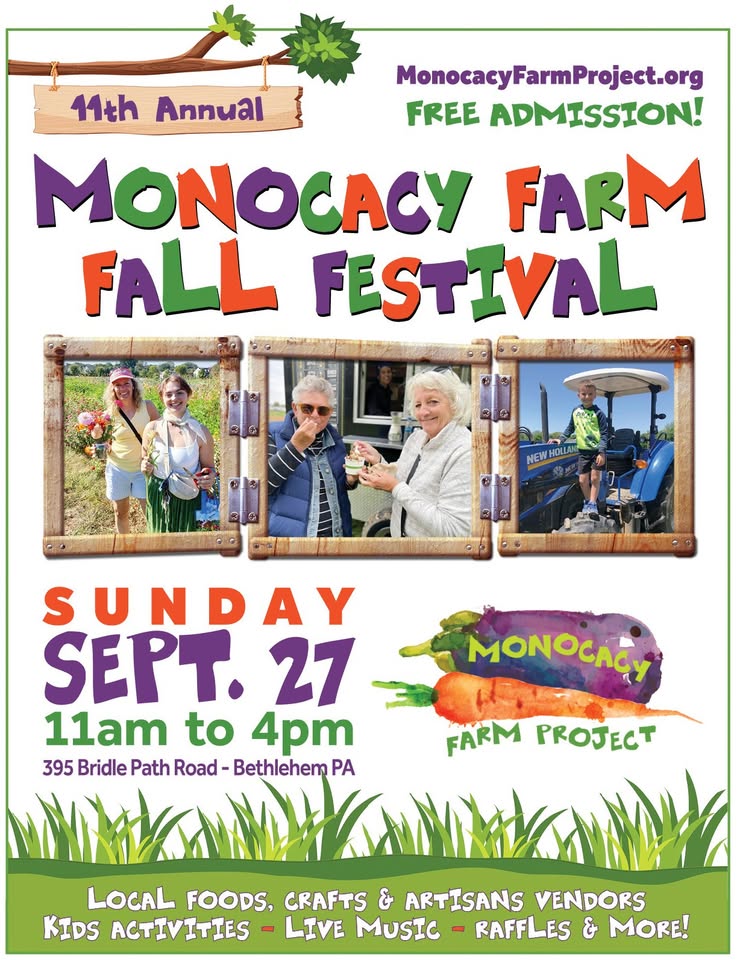
|
September Sweet Spot:
Where Summer Meets Fall
| | Bechdolt's Orchards at Farm Market at Passer | | Sometimes You Really Can Have It All! | | |
September always feels like a month of transition. Kids head back to school, fall sports kick into gear, and suddenly our calendars seem a whole lot busier.
But in the local food world, September is also one of the most magical times of the year.
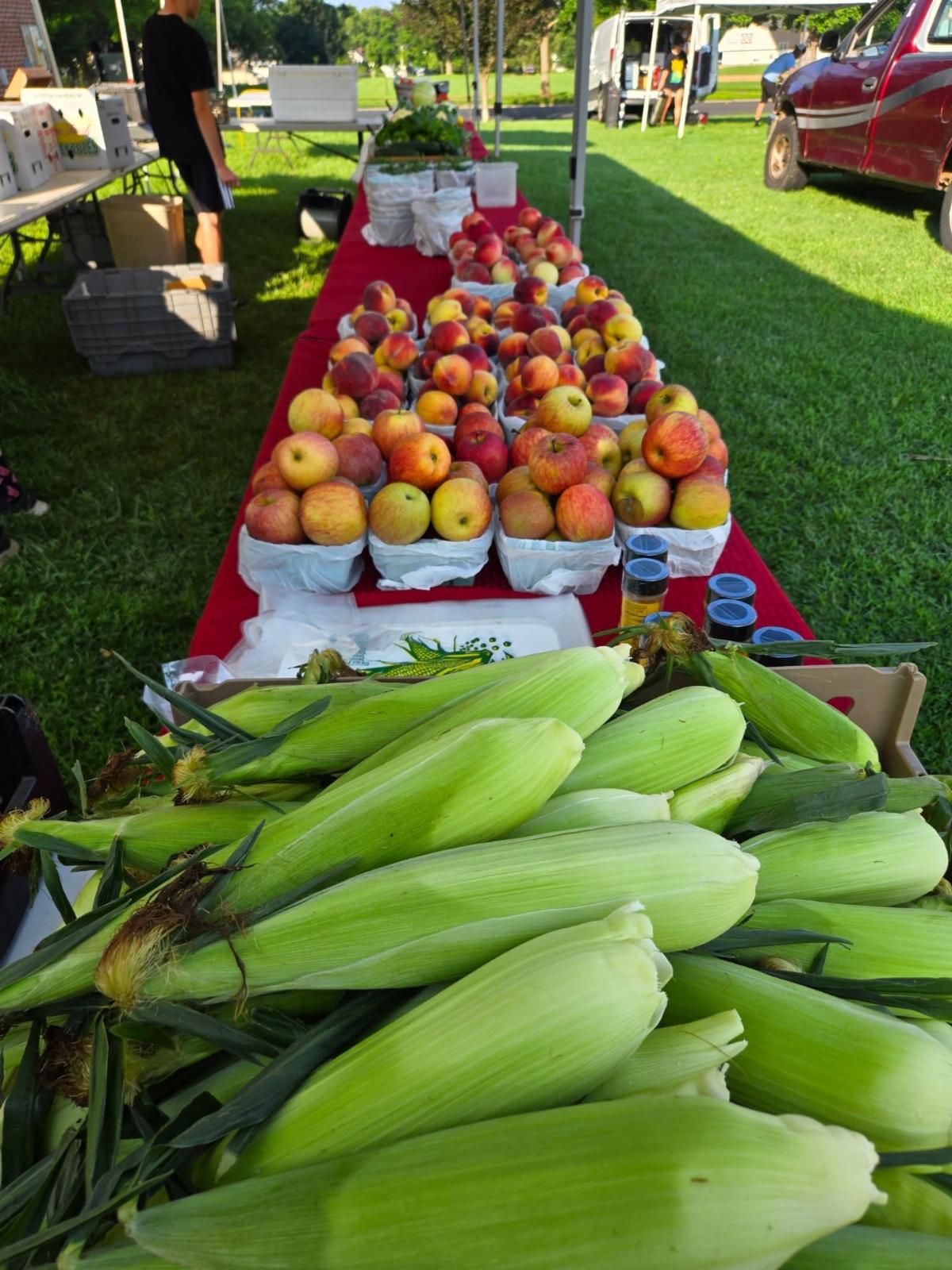
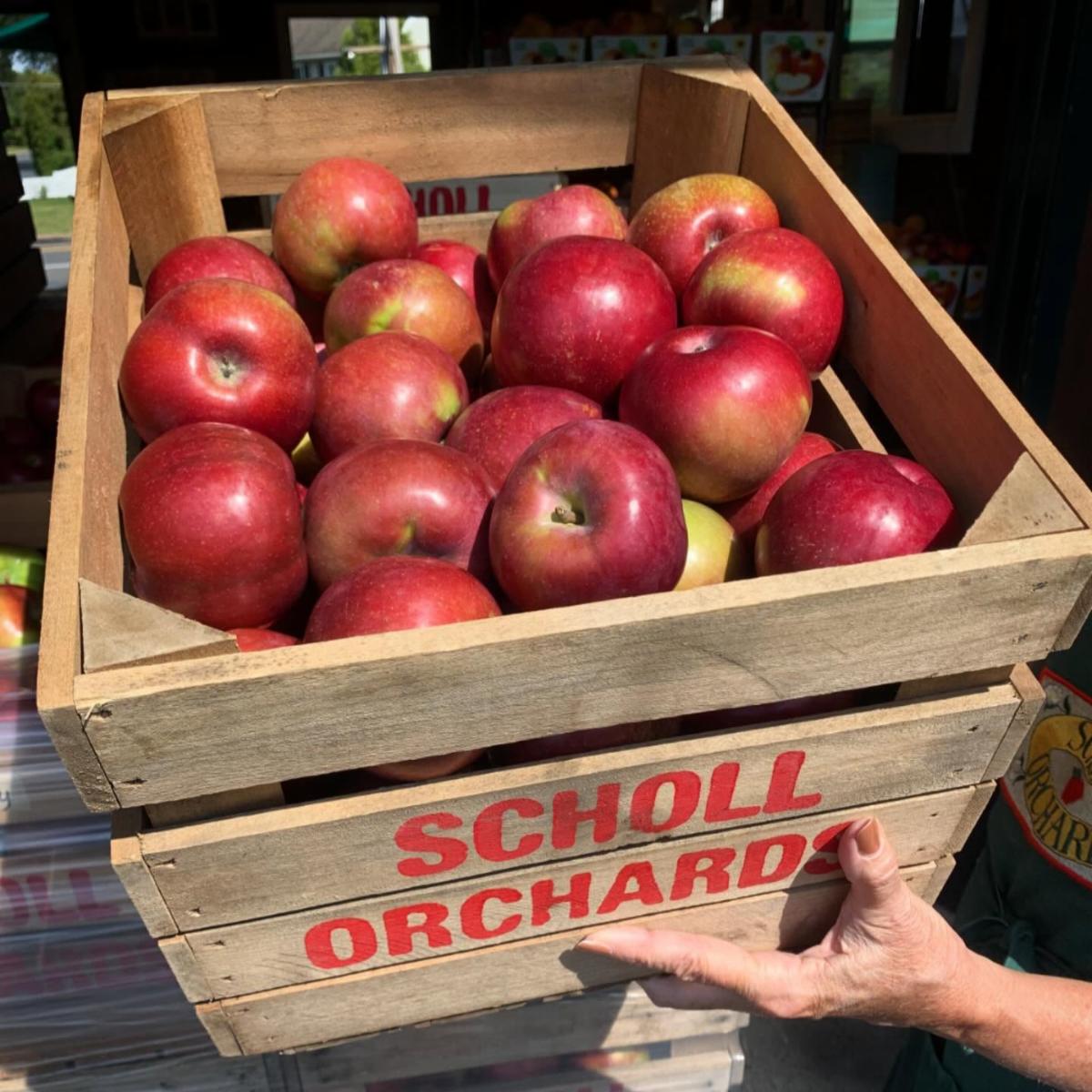
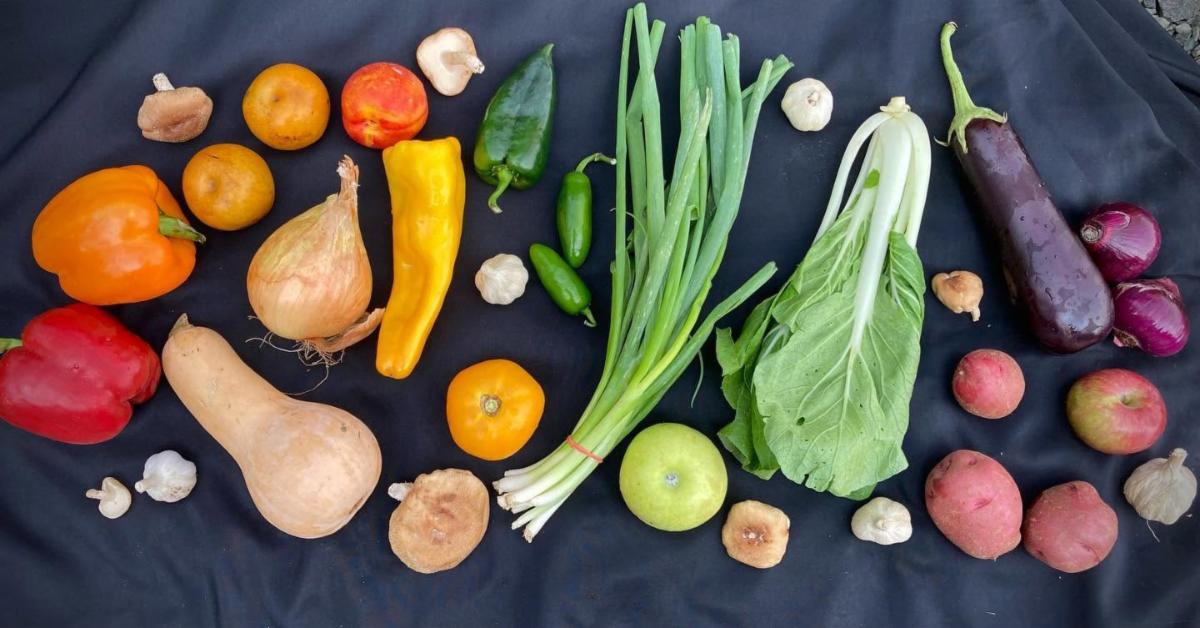
Summer is still hanging on, with tomatoes, peppers, sweet corn, peaches and melons piled high at farm stands and farmers’ markets. At the same time, the first signs of fall are arriving—apples, winter squash, pumpkins, hearty greens and root vegetables. You can still make a tomato sandwich for lunch and come home with everything you need for the first pot of soup of the season.
For a few short weeks, summer and fall share the same market table.
It's also a reminder of just how much our local farms provide throughout the year—and why this is such a great time to visit a farmers’ market, stop at a farm stand, or simply look for something grown close to home.
So while September may mean back to school and back to routines, around here it also means one of the very best times of the year to eat local.
Enjoy it. Winter will be here soon enough! Read on for info about preserving the tastes of summer all year long...
| | |
THE NEXT CHAPTER
A monthly look at the future of food and farming in the Lehigh Valley.
| Farm to Community: The Lehigh Valley Food System uncovered the challenges facing our regional food system. Each month, we take a closer look at one of those topics and discuss solutions for creating a stronger agricultural community. | |
Why isn't More Local Food
on the School Lunch Tray?
| |
|
Many Lehigh Valley families seek out fresh, local food. We buy just-picked vegetables at farmers’ markets, bite into Pennsylvania apples, toss local greens into salads, and enjoy farm-to-table meals at home.
Then our kids go to school.
There, much of the food served is prepackaged or heat-and-serve, and very little of it comes from the farms surrounding our communities.
Potatoes? Probably not local—even though Pennsylvania is one of the nation’s leading potato-producing states and Twin Maple Farms has been growing gorgeous potatoes right here in the Lehigh Valley for four generations.
Apples? They likely traveled all the way from Washington State.
Those salad greens? We can pretty much guarantee they arrived prepackaged through a national broadline distributor rather than from a nearby farm.
It raises a pretty simple question: If we grow great food here, why aren't we feeding more of it to our kids?
According to the USDA's 2023 Farm to School Census, more than 71% of Pennsylvania schools report purchasing at least some Pennsylvania products. That sounds encouraging—until you look at how much they're actually buying. Local food purchases, excluding milk, account for just 9% of Pennsylvania schools' total lunch-program budgets.
That's a lot of purchasing power that could be supporting Pennsylvania farms—and putting more fresh, locally grown food on kids' plates.
So what's getting in the way?
It's not as simple as asking schools to “buy local.”
Many school kitchens are designed around heat-and-serve meals and don't have the equipment, staffing or time to wash, chop and prepare large quantities of fresh produce. And most individual farmers aren't set up to wash, process, package and deliver thousands of pounds of potatoes or greens to multiple schools on a predictable schedule.
What's missing is the infrastructure in between.
We need ways to aggregate what our farms grow, wash and pack it, chop or freeze it when needed, store it and get it where it needs to go. In other words, we need to make local food as easy for schools to buy and use as the products they're already purchasing.
And we know it can be done. PA Beef to PA Schools has created a coordinated system connecting Pennsylvania cattle producers, processors, distributors and school food-service programs. During the 2024–25 school year, the program reached 120 school districts in 48 counties and helped bring Pennsylvania-raised beef to students across the Commonwealth. Jodi at Gauker Farm in Fleetwood can attest to the success of this program.
So why not potatoes? Or apples? Or greens?
We're starting to work on that right here in the Lehigh Valley. Buy Fresh Buy Local is working with Metz Culinary Management and Bethlehem Area Vocational-Technical School on a pilot to take locally grown produce, process it into products that schools can actually use, and figure out how to get those products into school kitchens. The idea is to start with a few products, work through the challenges, and see what it would take to build something that could eventually serve more farms and more schools.
This Is About More Than School Lunch
The Lehigh Valley is losing farmland to warehouses, data centers and other development. We absolutely need to preserve farmland. But if we want that land to stay in farming for the long haul, we also need to make sure farming pays.
Schools represent a huge, dependable market. So do hospitals, colleges, senior facilities and other institutions. If we can help local farmers reach those markets, we're not just selling more potatoes or lettuce. We're helping build stronger farm businesses and giving farmers another reason to keep their land in production rather than watch it become the next warehouse or data center.
And at the same time, we're giving our kids better access to food grown close to home and keeping more of our food dollars circulating in our own community. That's why all of this matters, and why all of these pieces belong in the same conversation.
Healthy farms need profitable markets. Profitable farms help keep farmland in farming. And keeping farmland in farming gives us the opportunity to feed our communities, protect our environment and hold onto something pretty special here in the Lehigh Valley.
It all works together!
- Megan McBride, Director of Buy Fresh Buy Local Greater Lehigh Valley
| | | | |
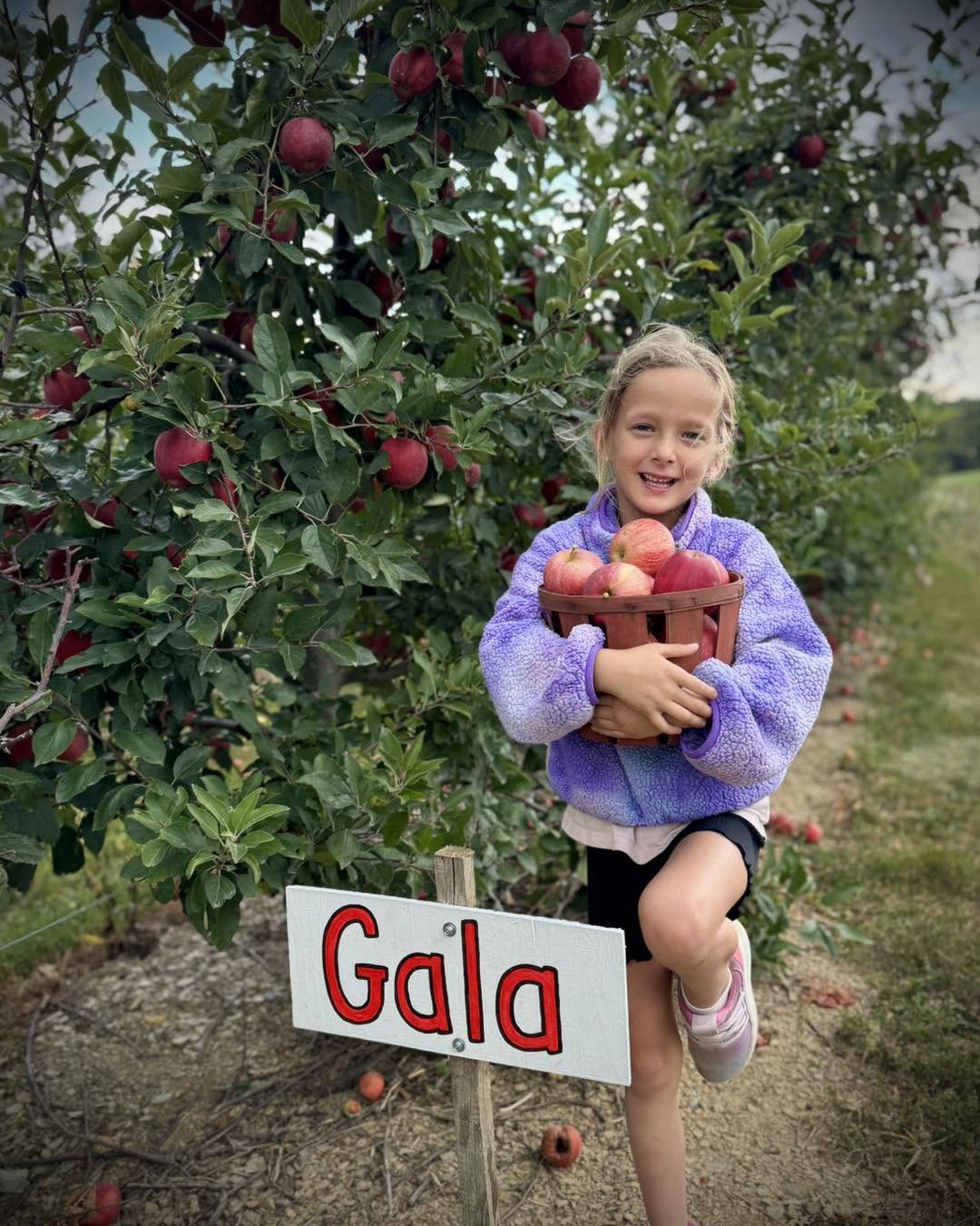
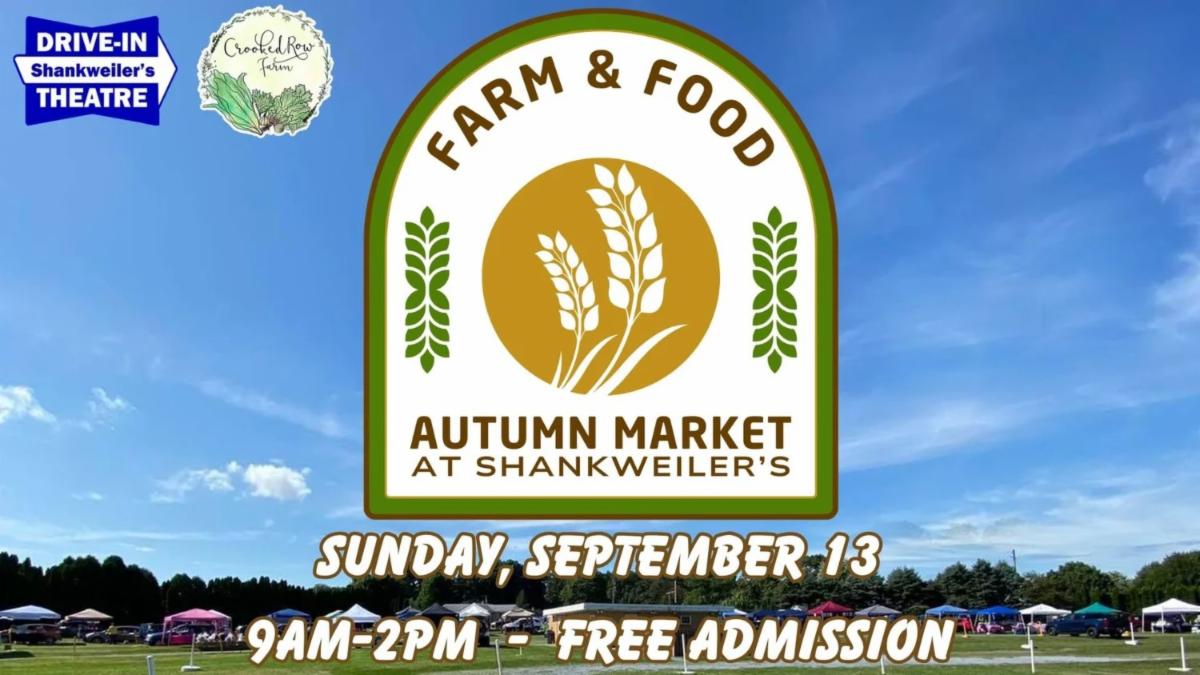
Pick Your Own - Apple Orchards, Corn Mazes, and all things Fall | Photo Credit: Juniperdale Farms and The Produce Crib, Nazareth | September brings us crisp mornings, changing leaves, and cooler weather! Our Lehigh Valley farms are taking advantage of this fantastic season with festivals, live music, entertainment, and so many family-friendly experiences. We've highlighted a few farms below that are hosting apple picking, corn mazes, hayrides, and other autumnal activities throughout the month. Be sure to check with the farm before you go—some farms require advance reservations! | Find your Farmers' Market! | Photo credit: Emmaus Farmers' Market | | Take a drive to a local Market or Farmstand! | | Crooked Row Farm, Orefield | | |
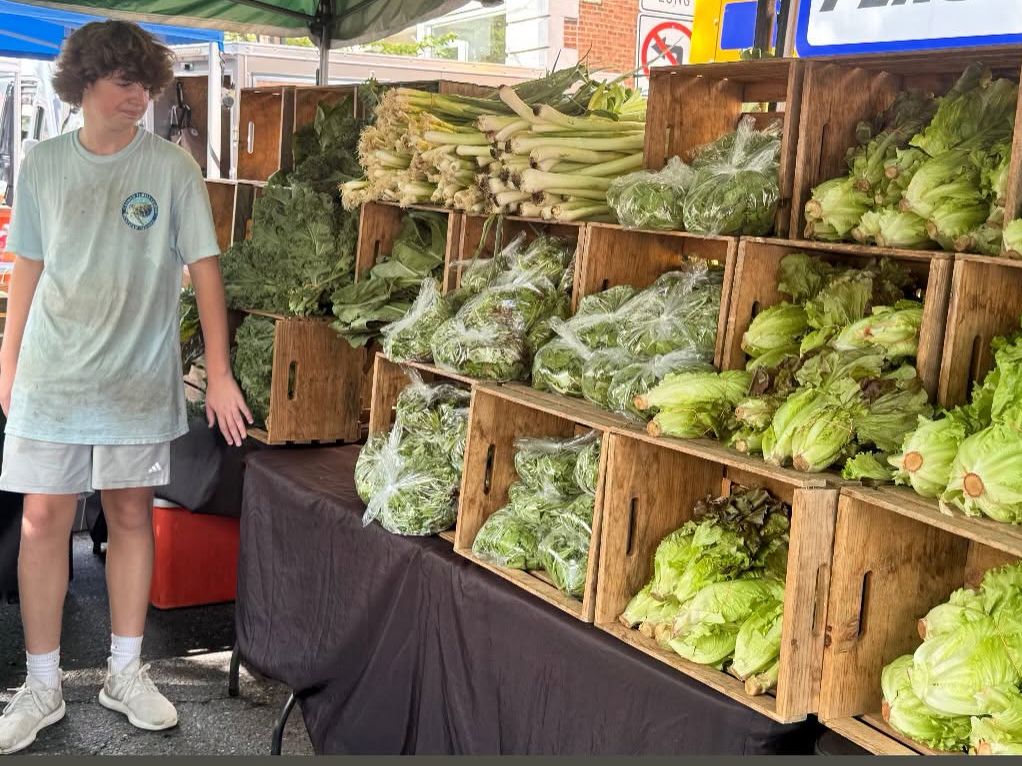
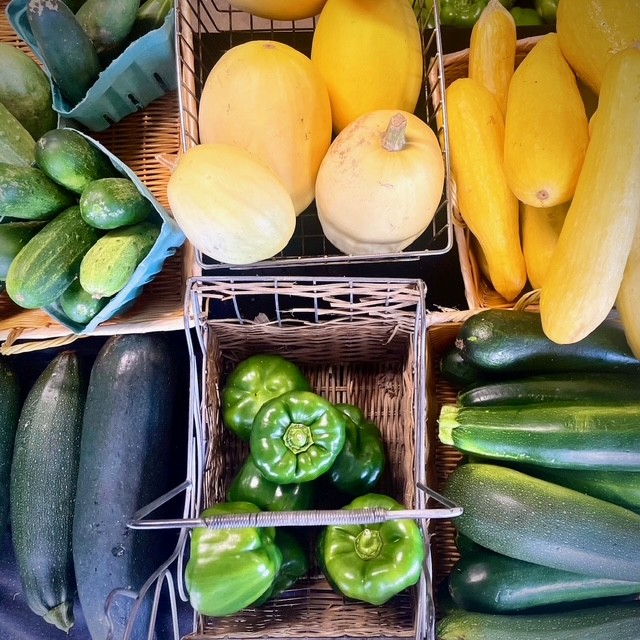
A breezy September day is perfect for a drive through the countryside with the windows down and a stop at a local farm stand to stock up on tomatoes for canning, peppers for freezing, the season's last sweet corn, squash and those super sweet late summer melons.
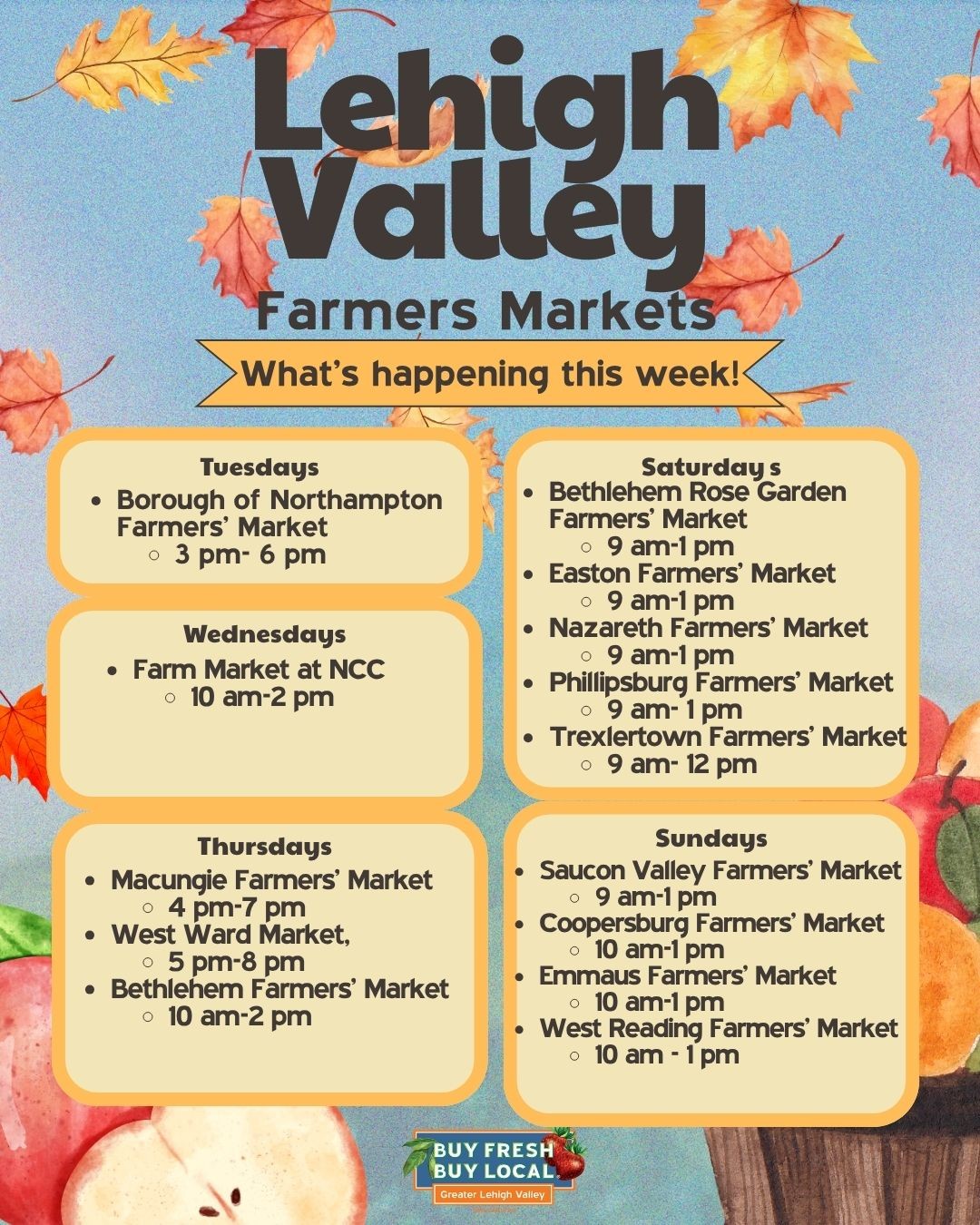
We've put together a comprehensive guide to local farm stands, markets, and garden centers on our website to help you find your next favorite stop. Make a point to visit one on your next outing—you'll find knowledgeable growers, friendly faces, and some of the freshest, most delicious local food the season has to offer.
| |
FARMER SPOTLIGHT:
M & M Vineyard
The Science of Wine
| | |
In addition to apple orchards, corn mazes and hayrides, autumn is also the perfect time to visit one of our local vineyards.
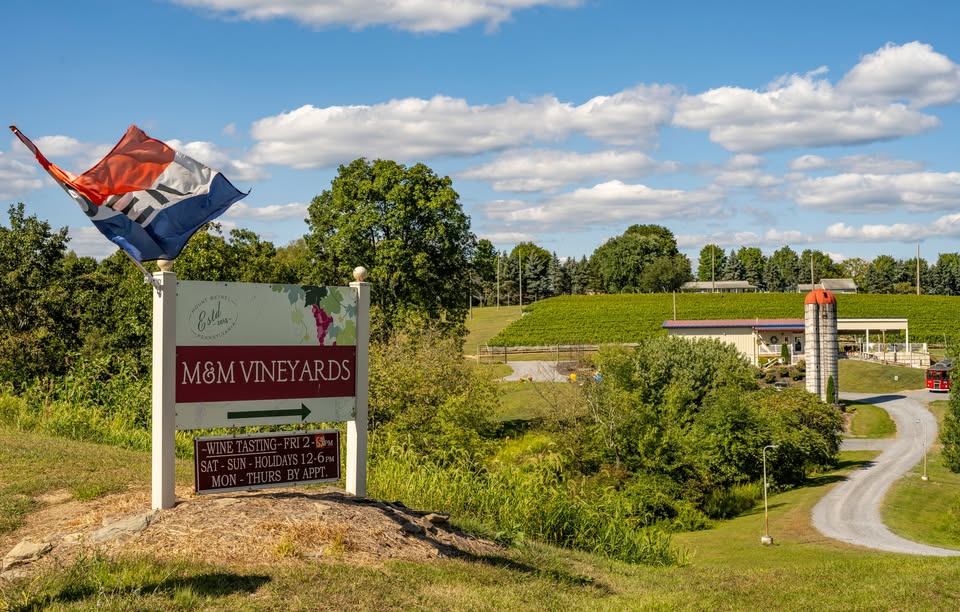
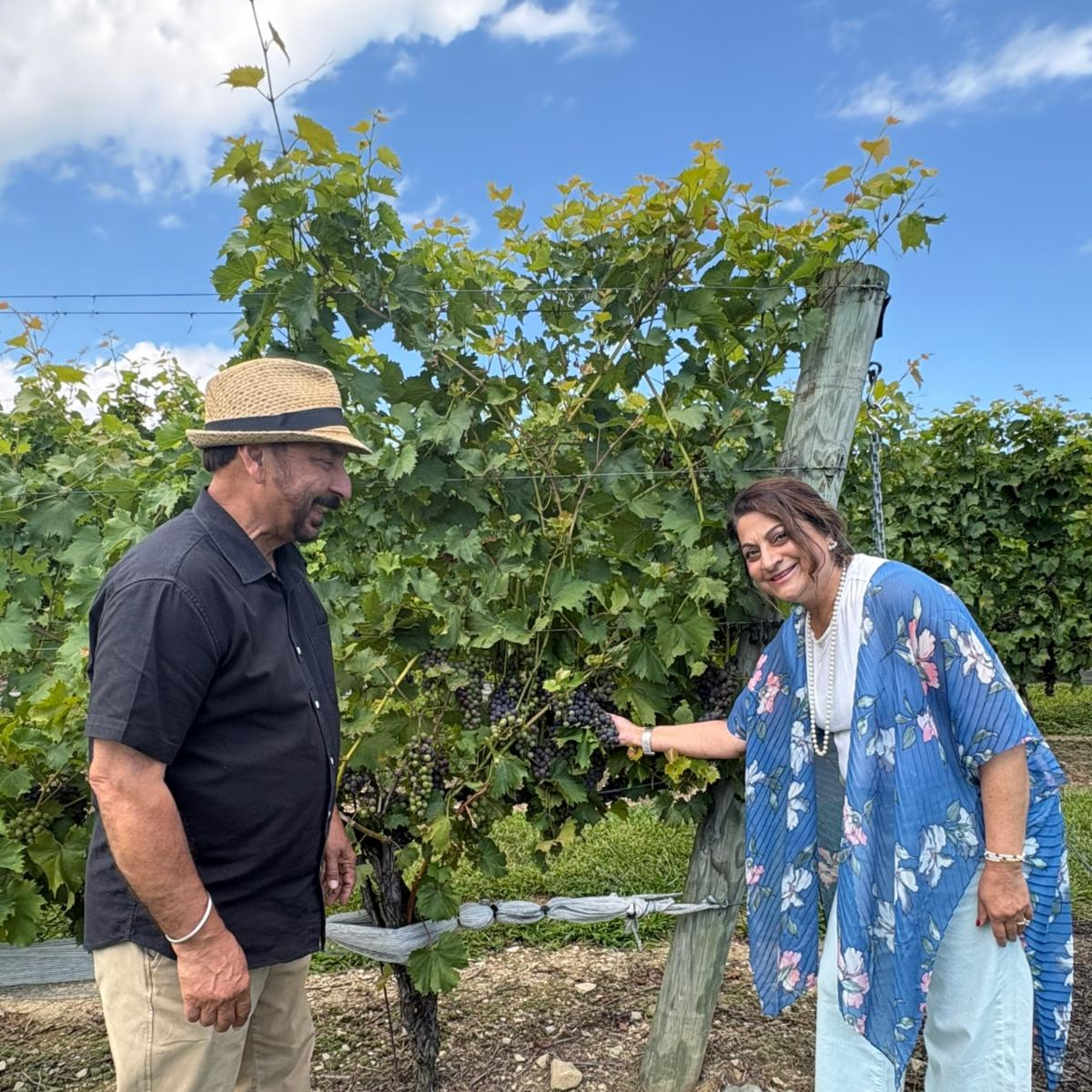
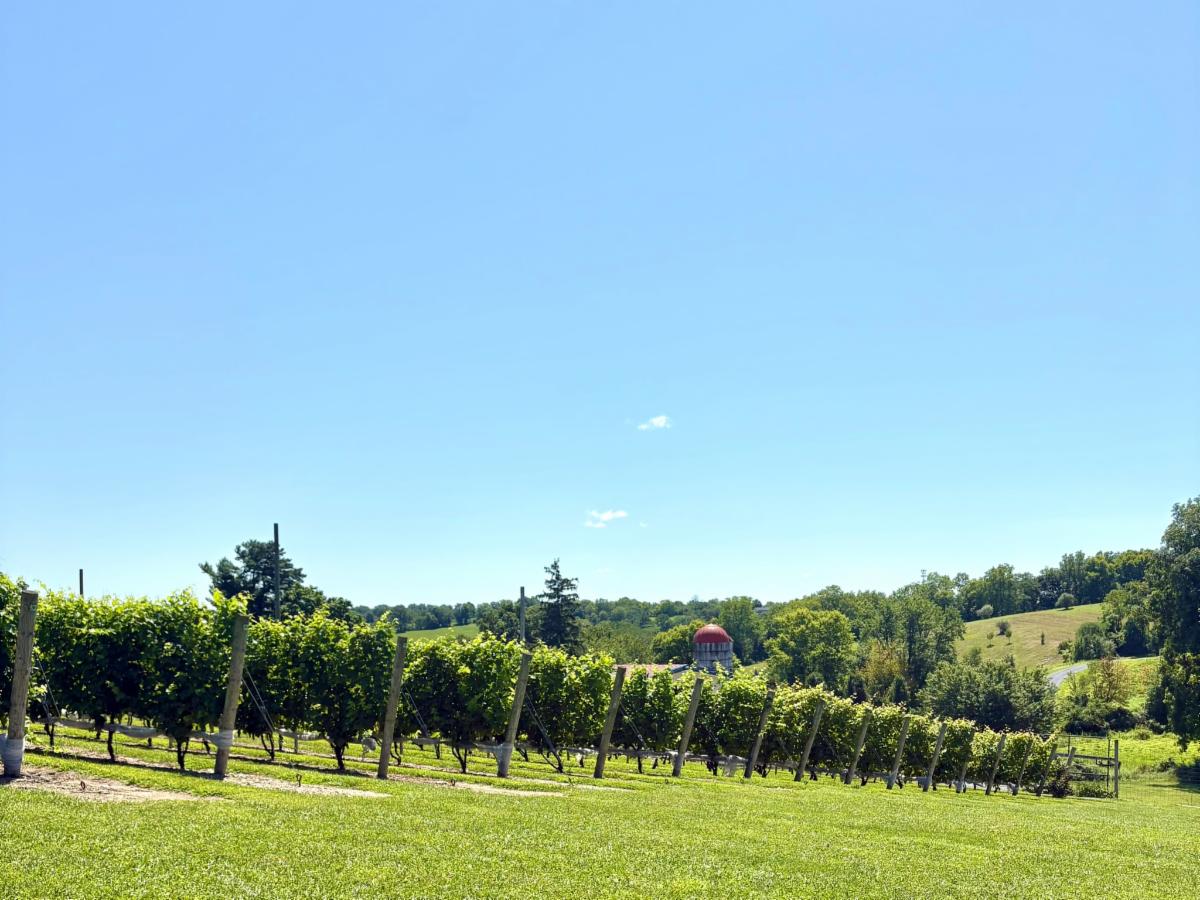
M&M Vineyard is nestled on a south facing slope in Mt. Bethel, PA. Four Acres of pristinely maintained vines in neat rows surrounded by tall deer fencing. While the scene gives the appearance of effortlessness, a short conversation with owners Mohinder and Mini will reveal this is result of 35 years of careful planning, research, education, and scientific analysis.
Mo and Mini both come from the pharmaceutical industry and had full careers in vaccine development before pursuing their shared dream of starting a vineyard in retirement—a shift they affectionately refer to as “Pharma to Farmer.”
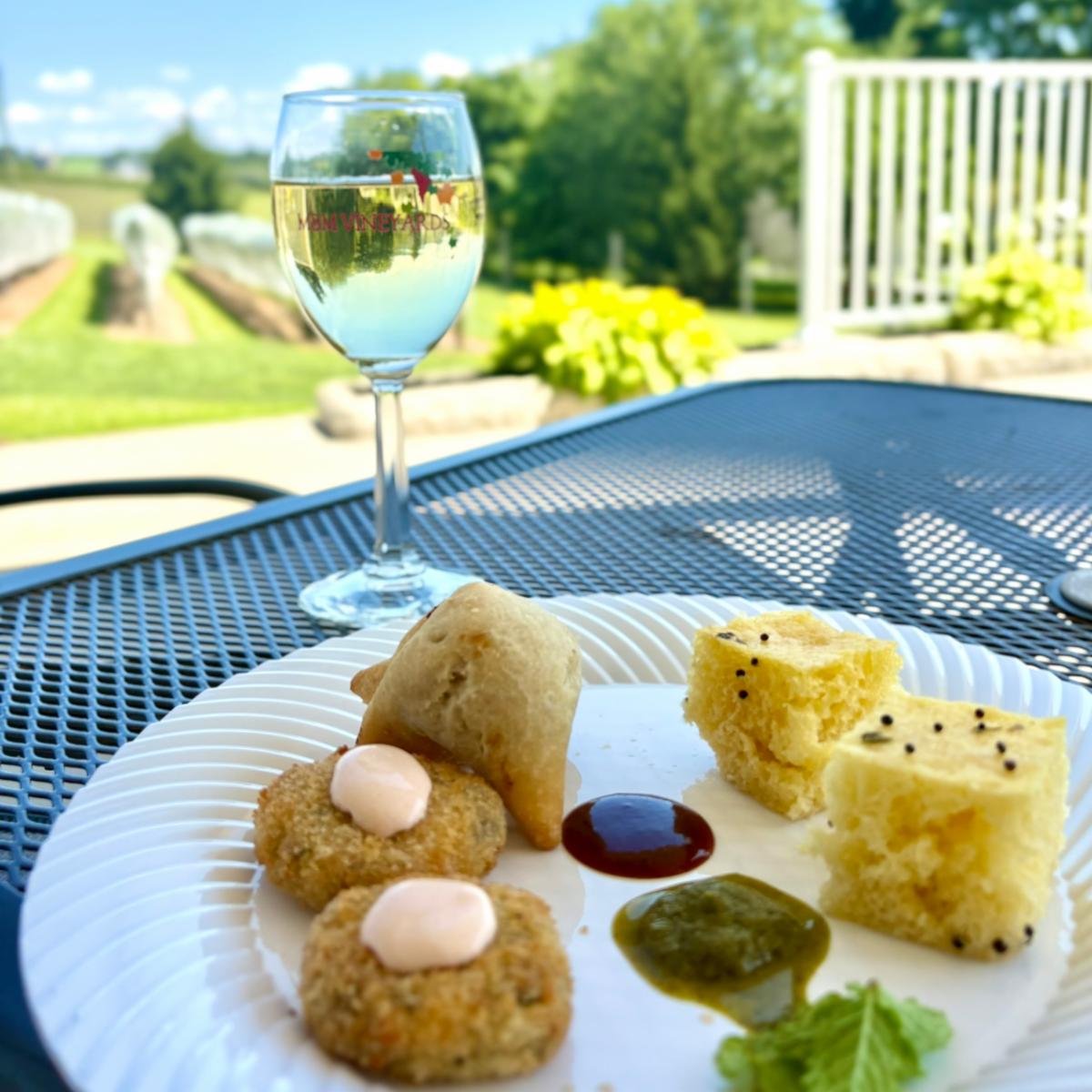
I recently spent a Saturday afternoon exploring their vineyard, having a tasting with Mini, and enjoying their “small bites” plate of Indian appetizers on the veranda overlooking the property.
| | Mo was the consummate host. He sat with me for a bit, sharing the story of how this dream became a reality, taking me through the two-year process of assessing 24 different properties in the Lehigh Valley before setting his sights on the Shepherd's Hill location. Because the property was a former cornfield, they spent the first three years after purchasing the farm growing a combination of mustard plants and Sudan grasses, which were then cut down and mulched back into the soil through a process known as biofumigation. This mitigated the nematodes that were left by the corn crops, leaving the soil enriched and ready for grapevines. He may be retired, but it is clear science is at the forefront of how Mo approaches all things. Mo is quick to give credit to a host of experts, neighbors, and fellow farmers for his successes, noting that the best way to learn is from others. | | | |
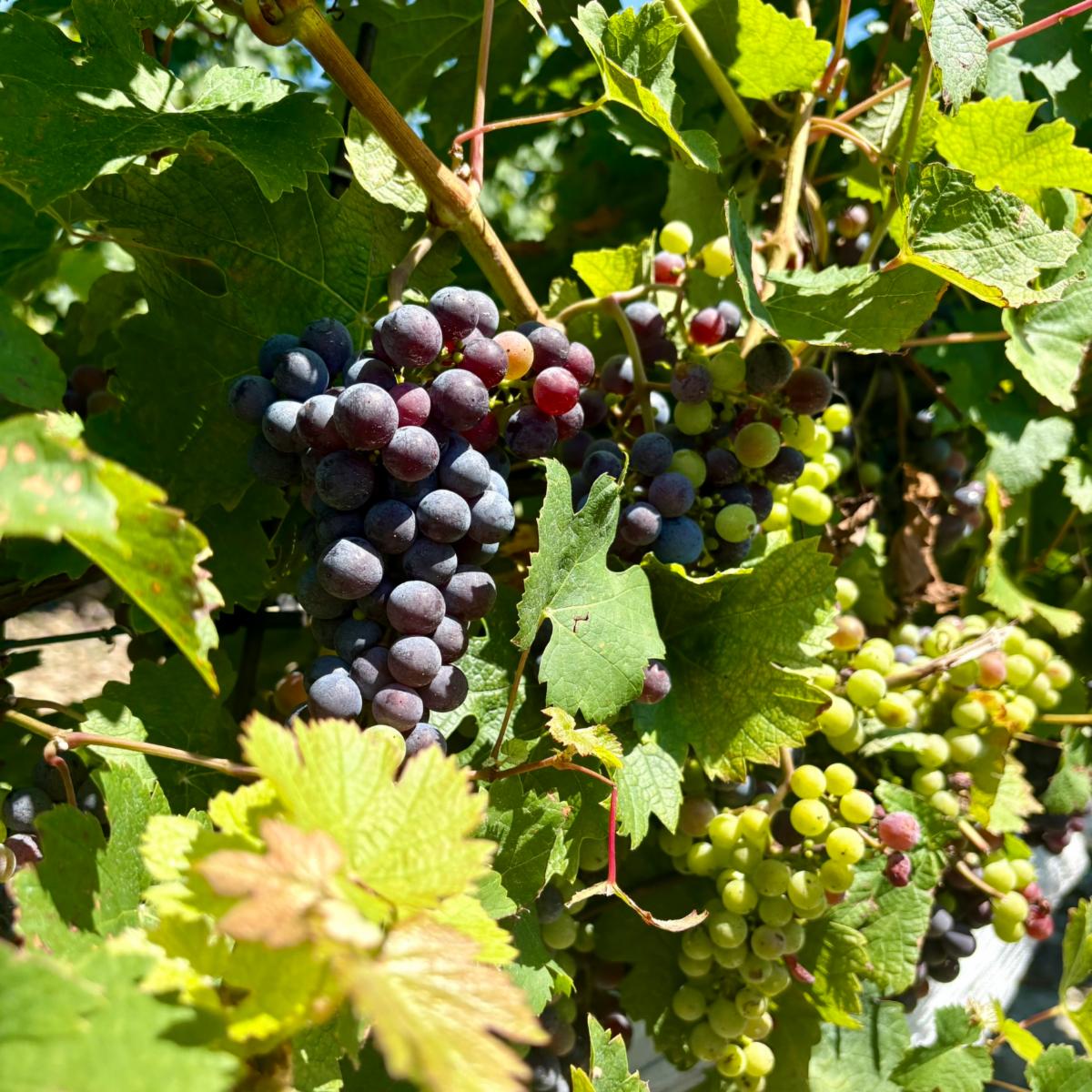
M&M's wine list currently boasts 16 wines with something for everyone: reds, whites, rosé, and dessert wines. The wines are 100% estate, produced entirely from the grapes they grow on site. During my wine tasting, Mini shared that she and her daughters often name the wines using inspiration from the surrounding region, or after Punjabi words for thankfulness. They recently partnered with Richmond Farm & Brewery in Bangor to create "Vinbeer"- a co-fermentation of Cab Franc grapes with malted barley.
| | | | |
Learning and education are clearly an important part of the culture at the vineyard. Mo shared that they’ve chosen to keep their operation lean, doing most of the work themselves with help from just one or two part-time employees. But they also make a point of creating opportunities for young people to learn and gain hands-on experience. Through a co-op program with Bangor Area High School, seniors can work 15 hours at the vineyard in exchange for credits toward graduation. The vineyard also supports students beyond high school, awarding two scholarships each year to college students. For patrons who are interested in the process of harvesting grapes, M & M offers the opportunity to join in the fun during their fall harvests. Click the link here to learn more and register.
-Kiki Cushman
| | |
Open Friday, 2 PM -6:30 PM
Saturday & Sunday Noon - 6 PM
Mon -Thurs by appointment for groups of 10 or more.
Conveniently Located off of Route 611 at
18 Shepherds Hill Drive, Bangor, Pennsylvania 18013, United States
Groups of 5+ are welcome to schedule a private visit by appointment—just call 845‑548‑3260.
| | Photo credit: Kiki Cushman and M & M Vineyard | | Photo credit:Salvaterra Gardens | | September is a generous month where we get to enjoy late summer produce and the first fall harvests all at once. Tomatoes abound, peppers, eggplant, squash, and all the herbs! Below we've made a list of what is currently in season, and what will be available in the next few weeks. | |
- Arugula
- Basil
- Beans
- Beets
- Broccoli
- Cabbage
- Carrots
- Celery
- Corn
- Cucumbers
- Eggplant
- Fennel
- Garlic
- Grapes
- Greens
- Herbs
- Leeks
- Lettuce
- Mushrooms
| |
- Okra
- Onion
- Parsnips
- Peppers
- Pumpkins
- Radicchio
- Radishes
- Scallions
- Summer Squash
- Sweet Potatoes
- Tomatoes
- Turnips
- Winter Figs
- Melons
- Nectarines
- Peaches
- Pears
- Plums
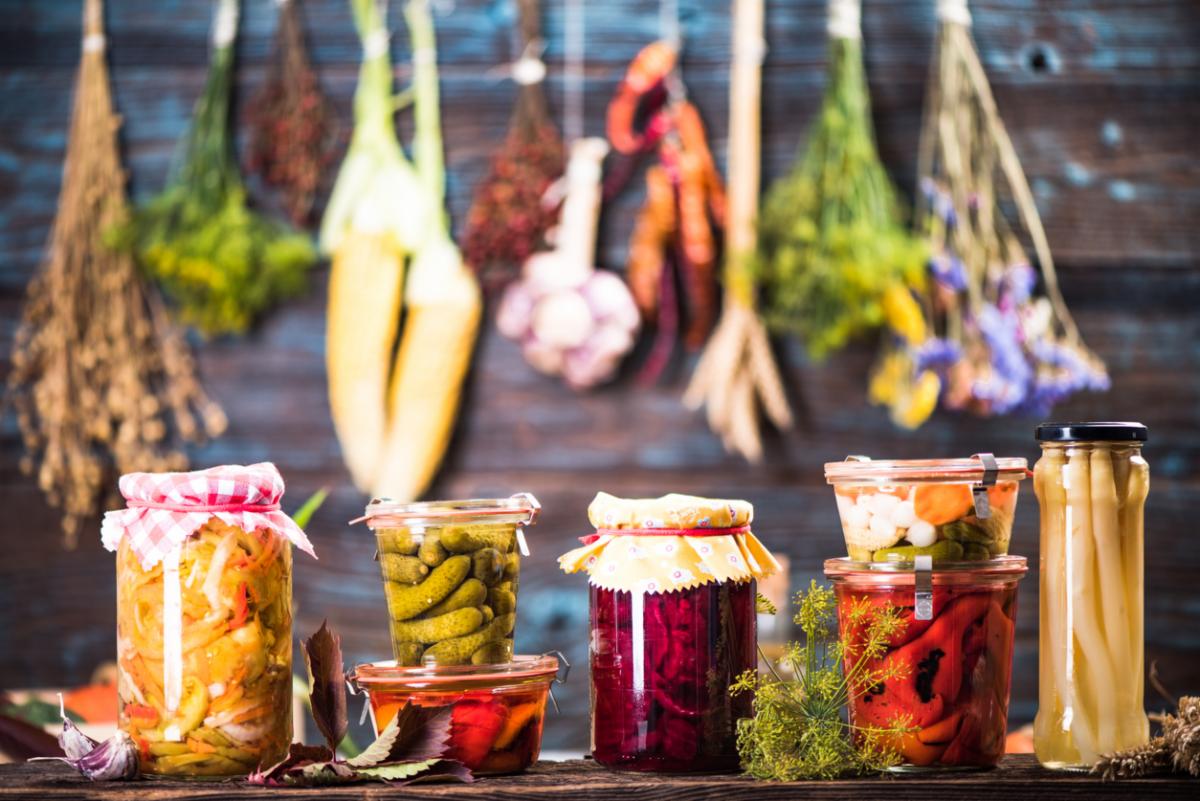
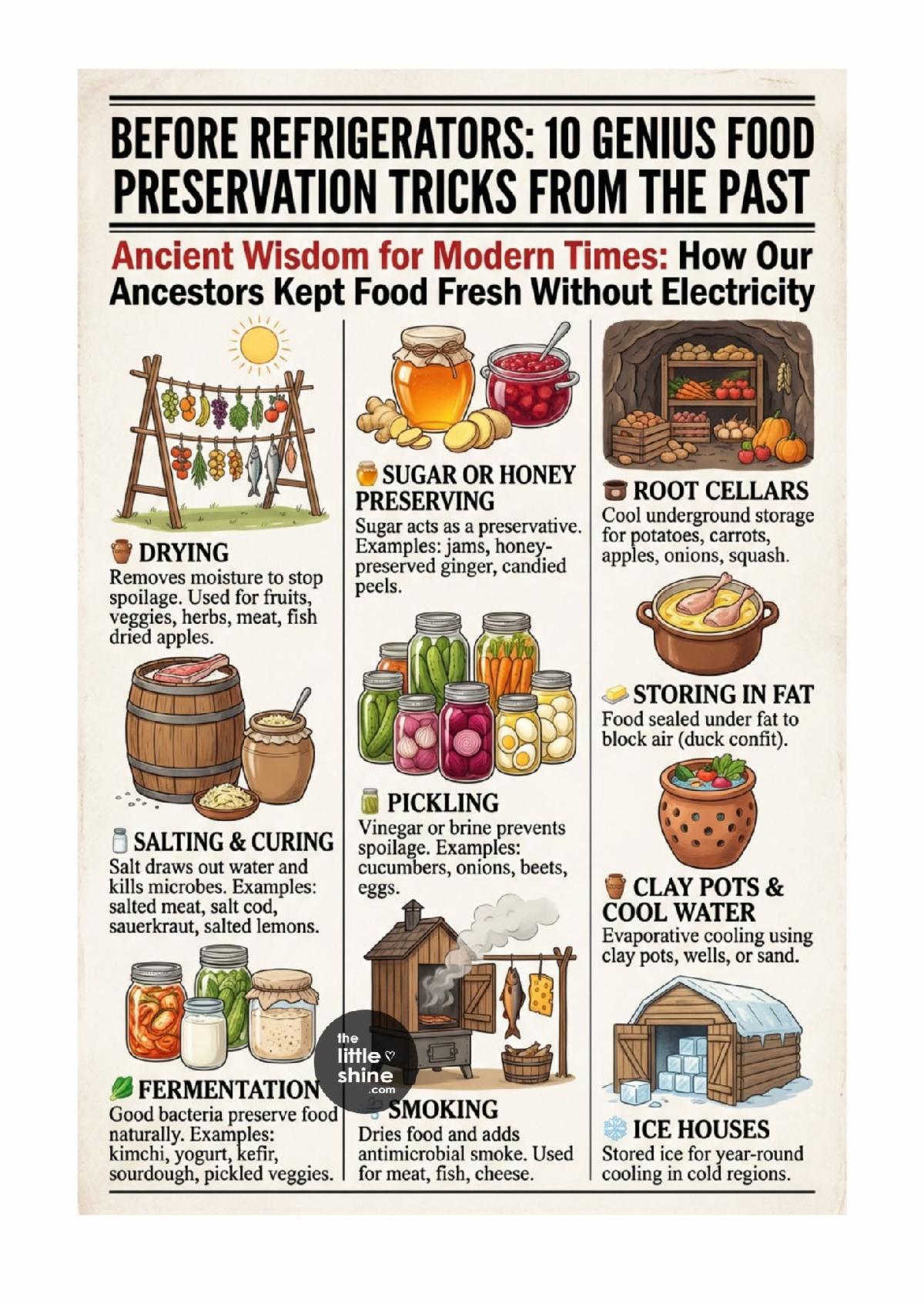
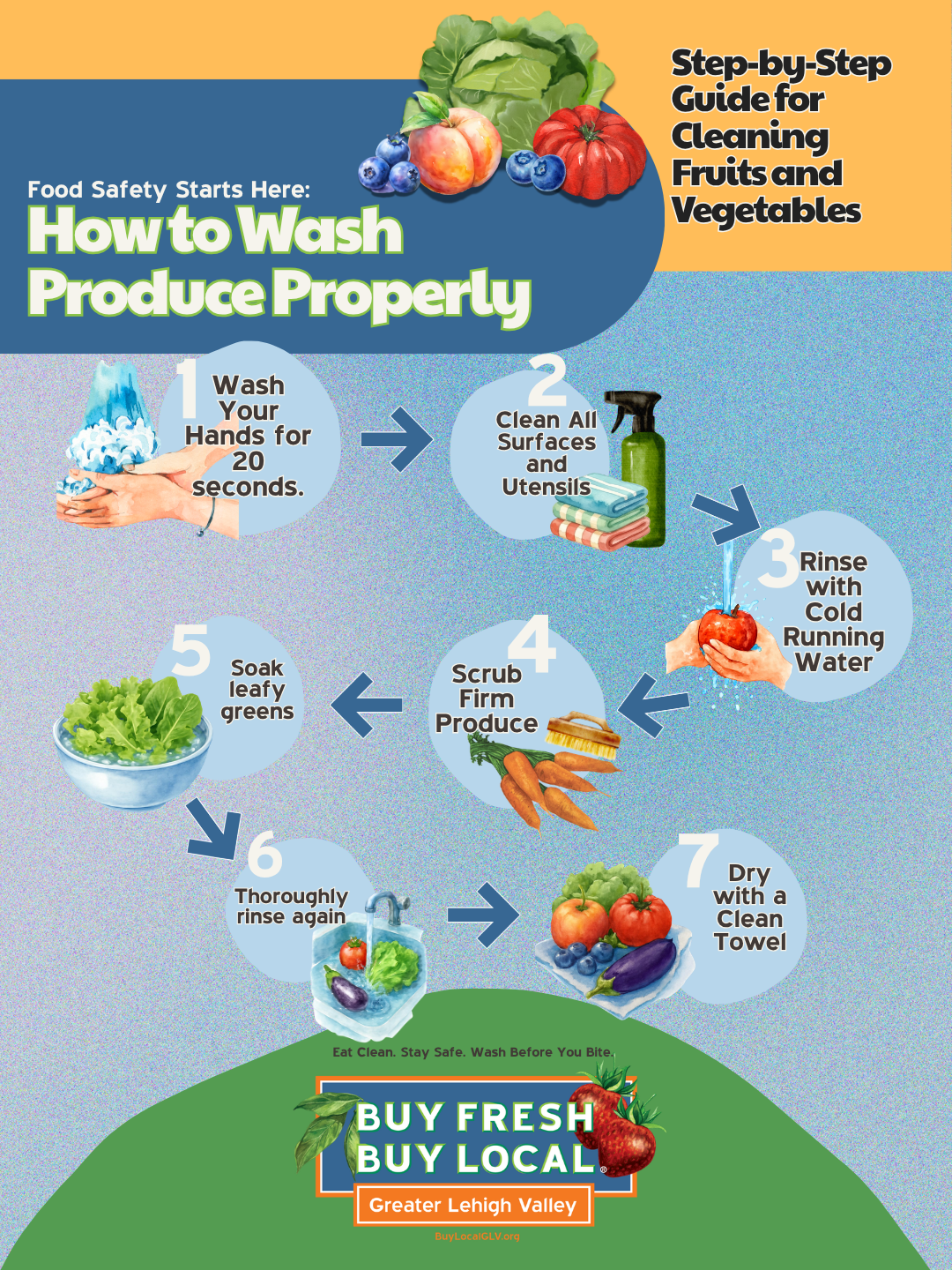
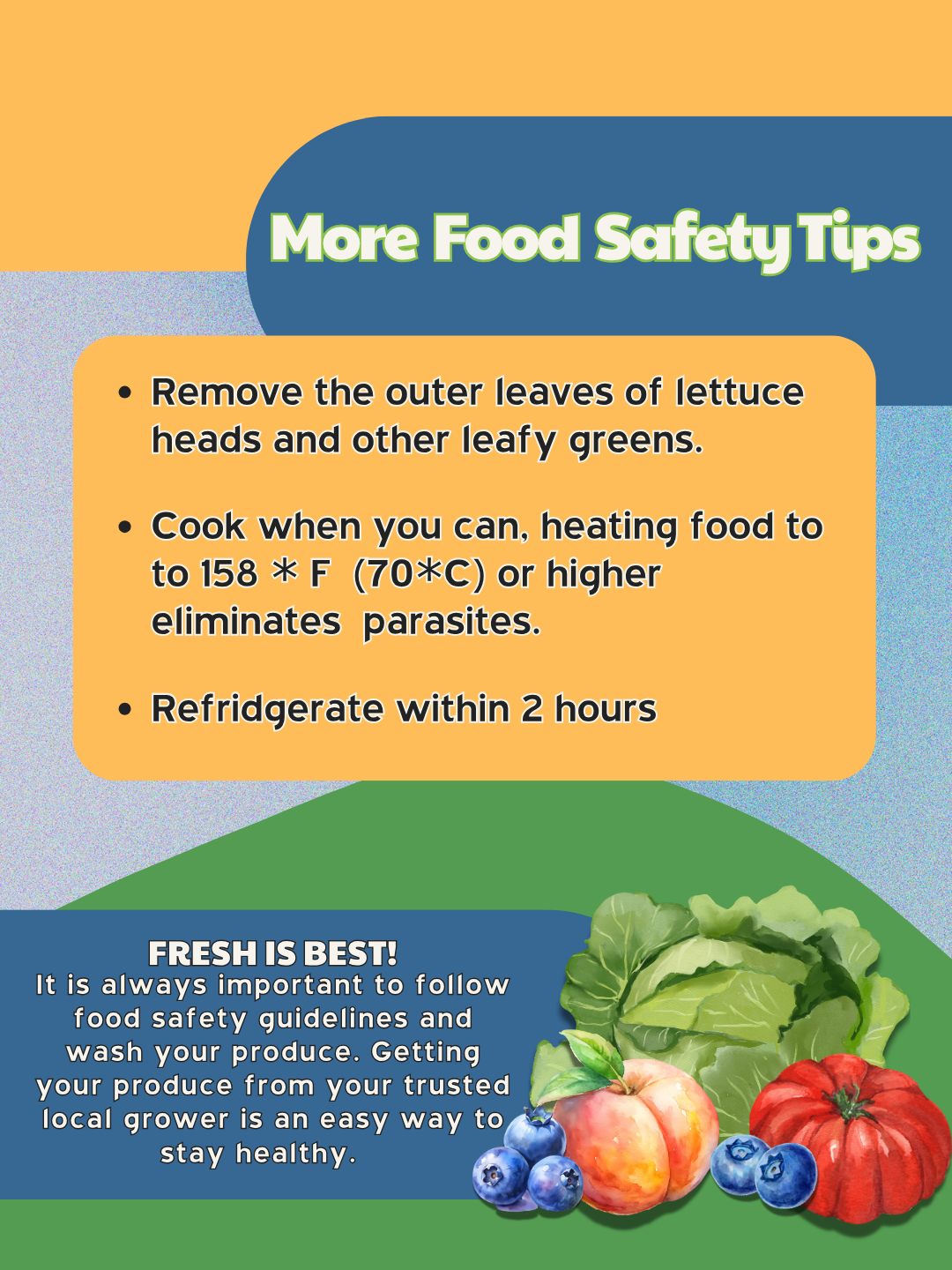
| | | The transition from late summer to fall is the perfect time of year to shore up our pantries. Our ancestors spent these waning days stocking their root cellars, drying herbs, and preserving fruits and veggies into jams, sauces, and ferments to ensure their food security through the harsh winter months. Freezing, drying, and quick pickling are all super simple ways to keep save that summer market haul or extra CSA stash for the colder months. We've gathered a host of great instructions and recipes below that walk you through various processes. It's a fun afternoon activity that will keep you flush in nutritious local foods all winter long! | | |
Freezing: Wash, slice, and place produce like berries, peppers, corn or blanched greens directly into freezer bags. You can also freeze fresh herbs in water inside ice cube trays. For more information and a how-to guide, click here
Drying (Dehydrating): Remove moisture from sliced fruits, vegetables, or herbs using an electric dehydrator or a low-temperature oven. This stops bacteria growth and saves storage space. This is a great option for all you avid hikers! Find instructions here.
Quick Pickling: Submerge sliced vegetables like peppers, red onions, or cucumbers in a straight vinegar or salted water brine to store in the fridge
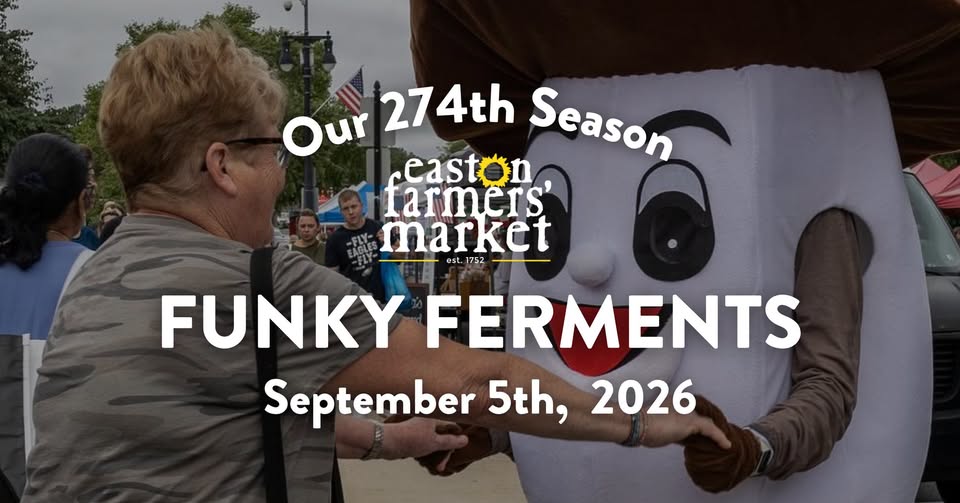
Fermenting: Fermented foods are simple to make, easy to store, and excellent for your health! Try making some of these probiotic-rich foods: Kimchi, Kefir, Sauerkraut, or Kombucha.
Baking: Some fresh produce like zucchini doesn't freeze well. Take a morning to mix up a few batches of your favorite baked good: Zucchini bread? Blueberry muffins?
Sauce, Soups, and Jams: Another excellent way to savor the taste of summer all year long is by turning that counter full of tomatoes into sauce for Friday night pizzas and Sunday pasta dinners or freeze pints of vegetable soup for those snow days.
Canning: Canning food is an important food preservation skill that requires a great deal of care and time to ensure the food is properly sealed to protect from spoilage. You can learn more about the process of home canning here.
Dry Storage and the Root Cellar: Hang mature, dry-skin onion bulbs in a mesh bag in a cool, dry, airy location. Braided onions and garlic can also be hung. Root vegetables like carrots and potatoes prefer a dark, cold, high humidity environment like the soil they grew in. You can read more about creating your own root cellar here,
| | |
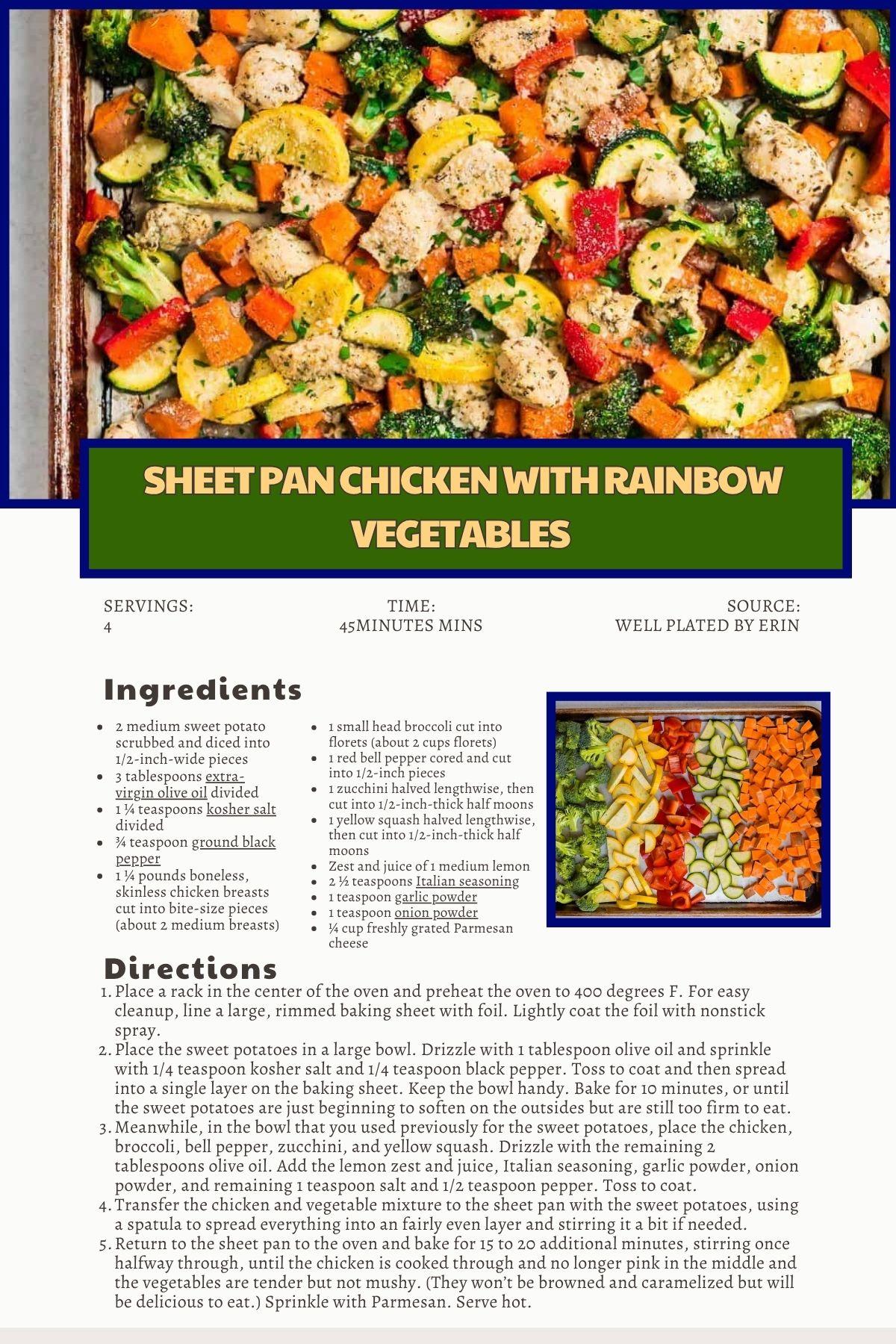
Busy weeks full of school, sports, work, and other activities often leave us scrambling to get dinner on the table. The last thing most of us want to do is cook. A sheet pan dinner recipe is an easy way to get a delicious and healthy meal prepped and cooked in under an hour. Make use of all those yummy fresh veggies from your farmers' market haul or CSA And the best part? Most of that time the food is in the oven and you can *maybe* relax. This recipe comes from Well Plated by Erin, you can use the vegetables listed in the recipe or pick your own your favorites.
| | |
Be an Ambassador for Local!
Help us grow the local food movement! We'd be happy to send you a stack of our Local Food Guides to share with friends, family, neighbors, or coworkers.
Introducing someone to local food is one of the most powerful ways to support our farmers.
And who better to do it than those of you who are already shopping local?
You're our best ambassadors. Email: bfbl@nurturenaturecenter.org
| |
| |
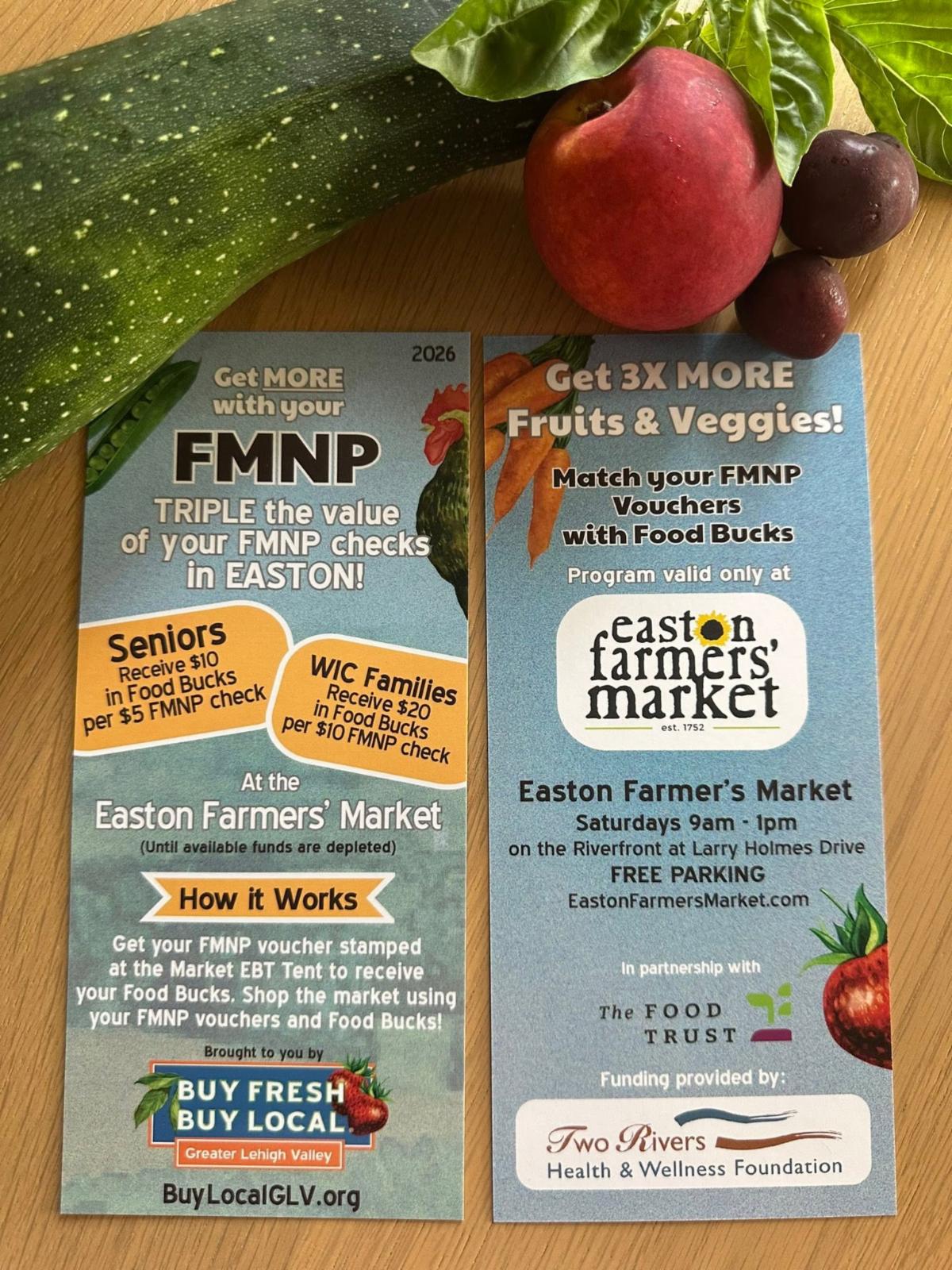
Get more fresh food with your FMNP!
Buy Fresh Buy Local – Greater Lehigh Valley is proud to offer FMNP matching incentives in partnership with the Two Rivers Health & Wellness Foundation and The Food Trust, with voucher distribution coordinated through the Northampton County Area Agency on Aging.
Seniors and WIC families can triple the value of their FMNP vouchers at the Easton Farmers' Market. At the Bethlehem Farmers' Market, seniors and WIC families can double the value of their vouchers. Just stop by the EBT Tent in Easton or the Information Tent in Bethlehem to show your FMNP vouchers and receive your matching Food Bucks before you shop!
| | | | |
BuyLocalGLV
BFBL Contact information:
bfbl@nurturenaturecenter.org
megan@nurturenaturecenter.org
610-253-4190
Our mailing address is:
Buy Fresh Buy Local of the Greater Lehigh Valley
518 Northampton St
Easton, PA 18042-3517
BFBL-GLV is a program of the Nurture Nature Center, a 501(c)3 organization.
Buy Fresh Buy Local is a network of Chapters across the country, dedicated to increasing the economic viability of small family farms and strengthening regional food systems by expanding markets for locally produced foods.
Copyright © 2022 Buy Fresh Buy Local of the Greater Lehigh Valley, All rights reserved.
| | | | | |