Documenting Maryland’s biodiversity for science, conservation, and education. THE BIOME | OCTOBER 2026 | |||||||||
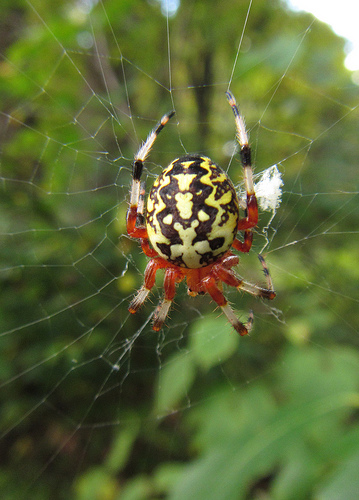
Marbled Orbweaver. Photo by Matt Tillett. | |||||||||
It’s All About Relationships | |||||||||
|
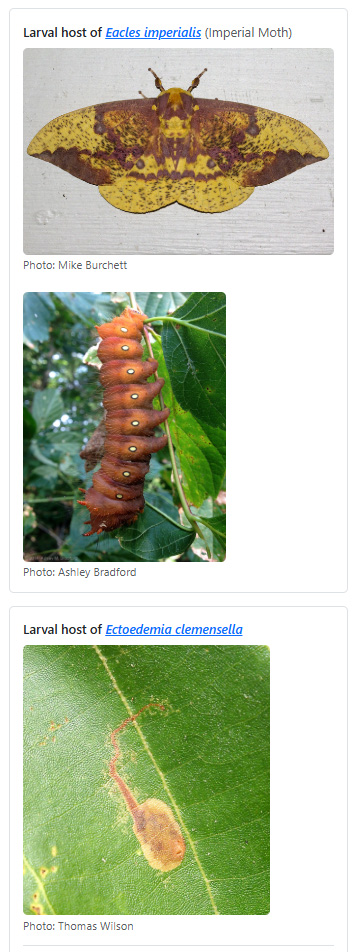
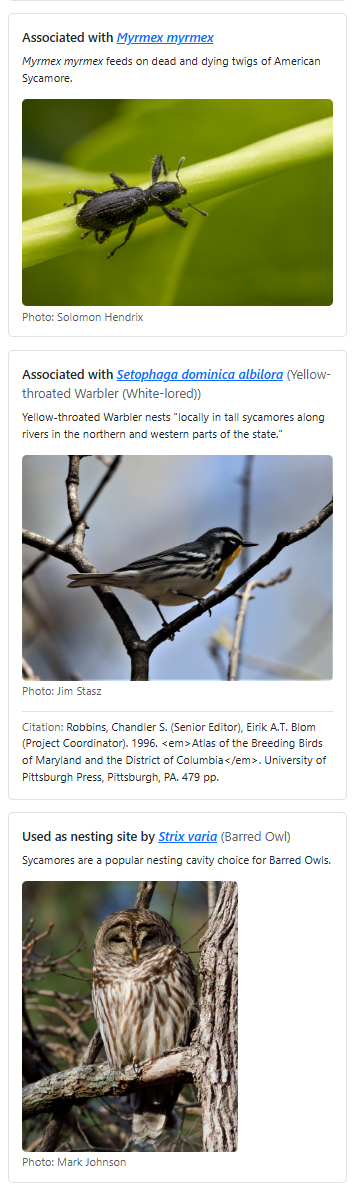
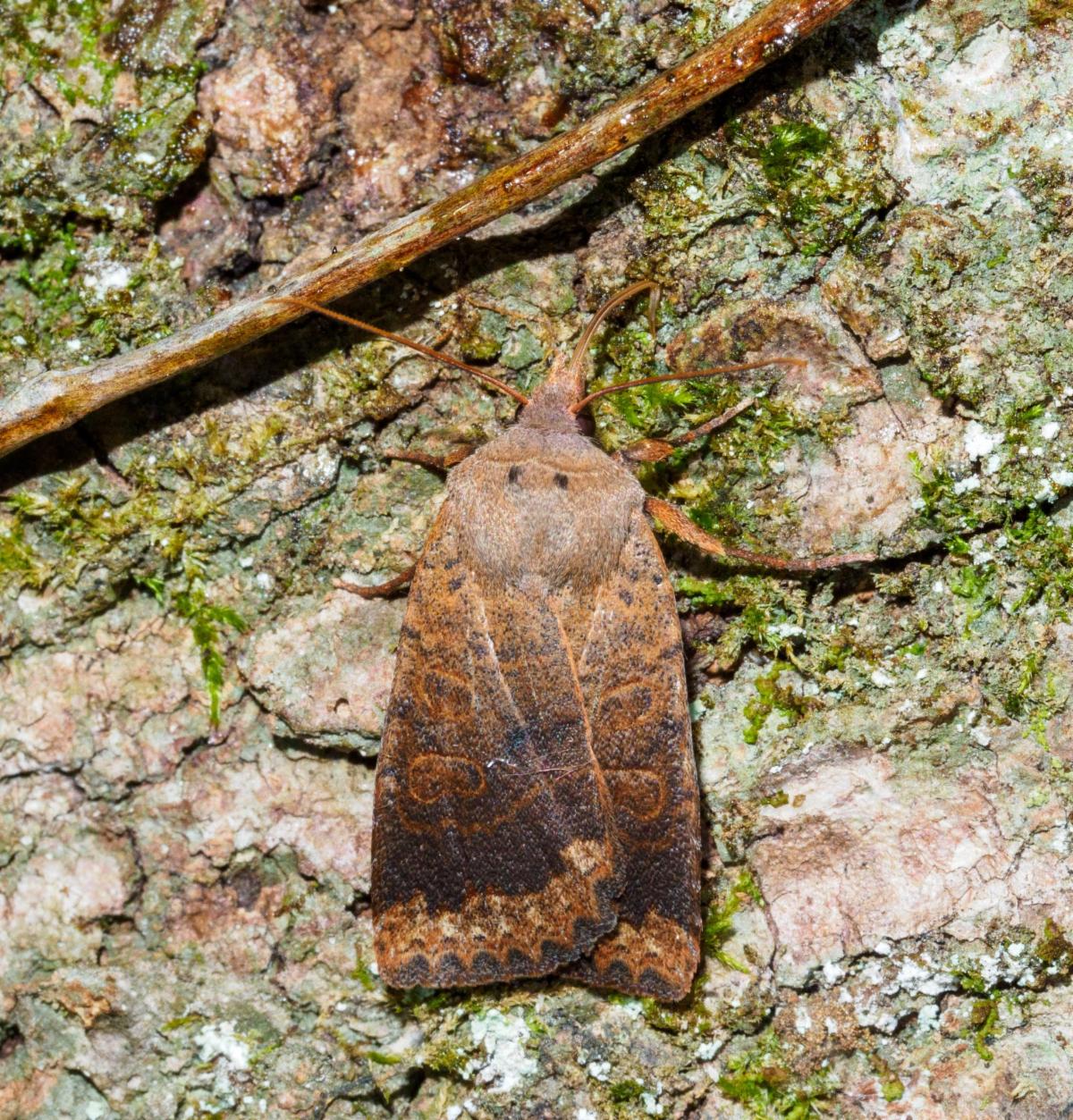
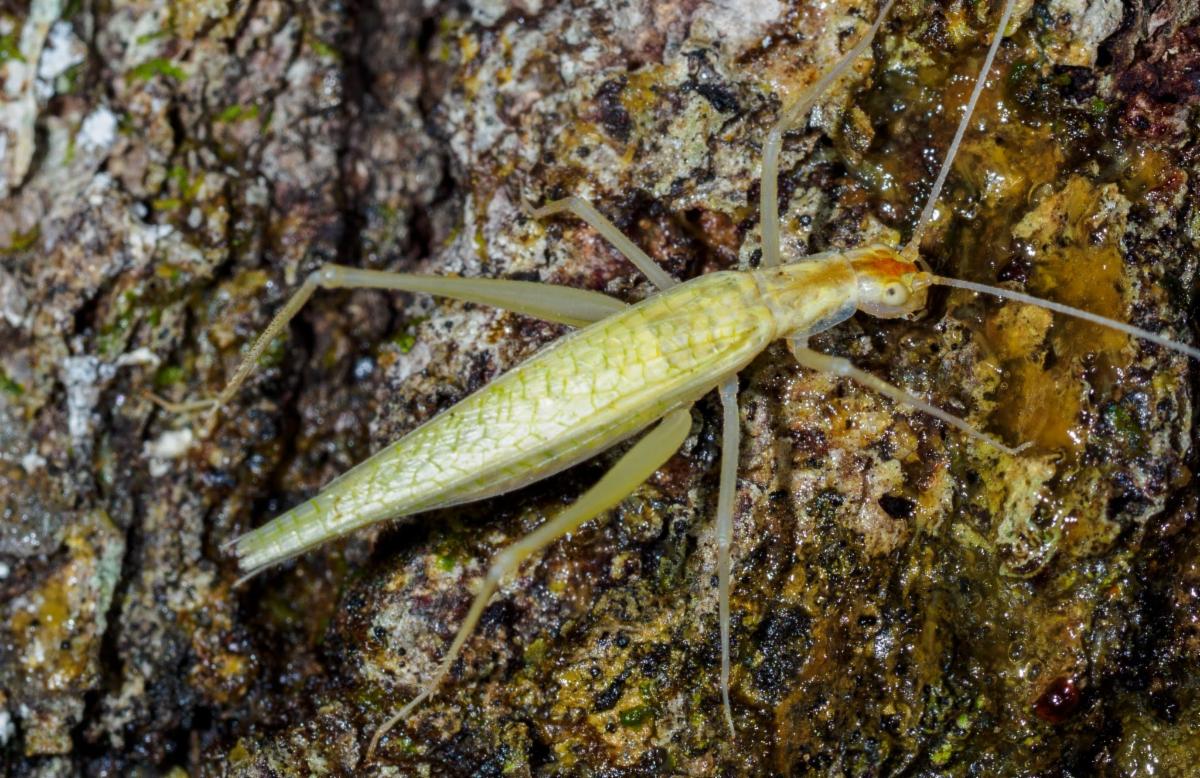
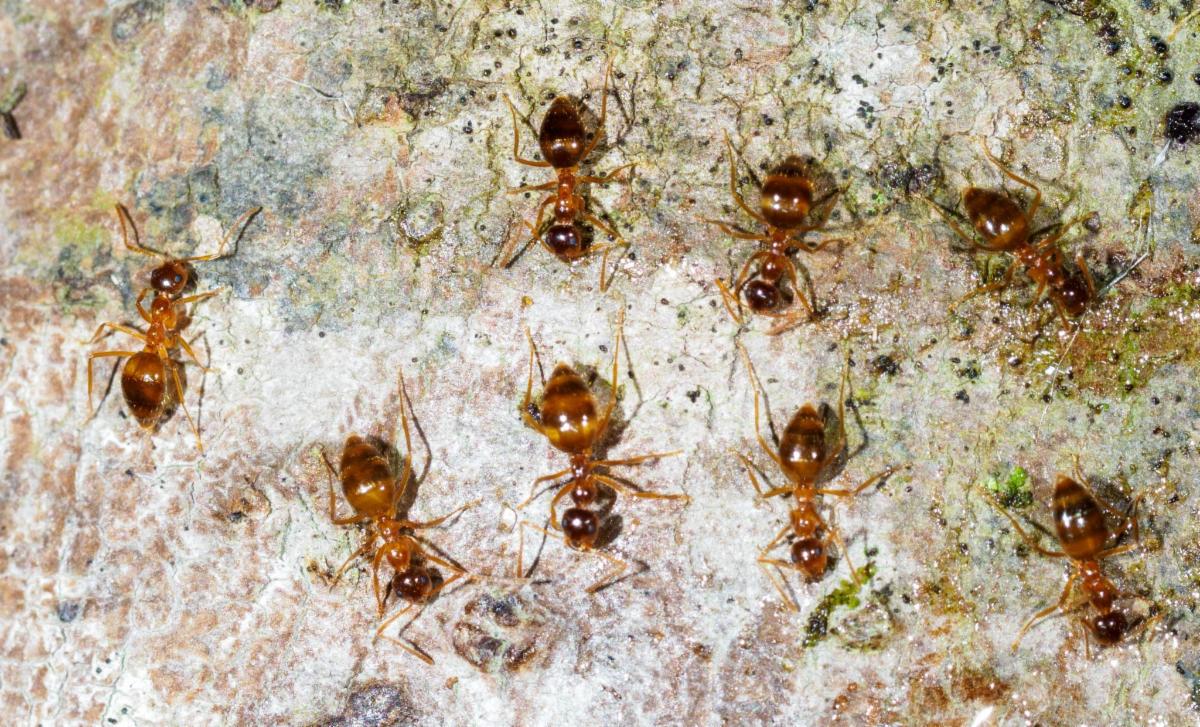
Happy Halloween! This month we have spent a lot of time improving the relationships between species pages, allowing visitors to see connections between insects and their larval host plants and to explore the myriad relationships among predators, prey, parasites, and parasitoids. We manually added relationships to over 2,000 species pages! We have now given this functionality a major overhaul, making the relationships themselves part of the MBP database and enriching them with media. A connection entered once appears on both species’ pages: a plant shows the insects it supports, and an insect shows its host plants. We can also cite sources and add details about the life stages and interactions involved. The images below are a small subset of associations for American Sycamore. As you view taxon pages, you can now easily click through photos of related species and explore the amazing interconnectedness of biodiversity. We will be migrating pages to the new system for a while. We could automate it, but don't want to lose any of the years of careful wording and nuance in those connections. We hope you enjoy exploring these connections and that they pull you farther down the rabbit hole of biodiversity appreciation. We'll see you down there! -- Bill
| |||||||||
September Highlights from Turkey Point and Dans Rock | |||||||||
|
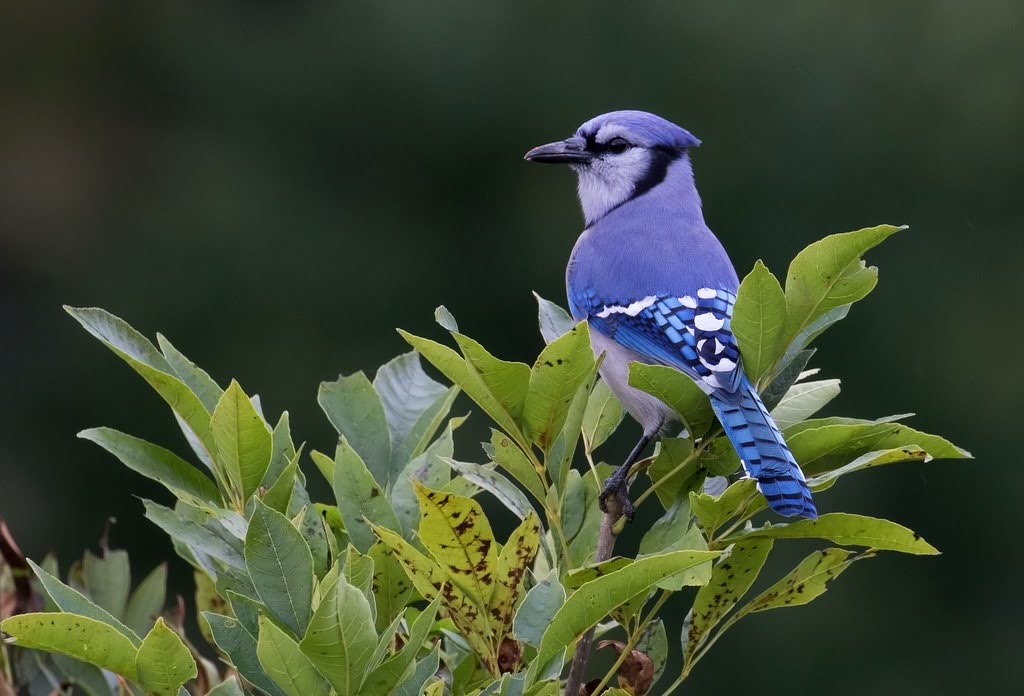
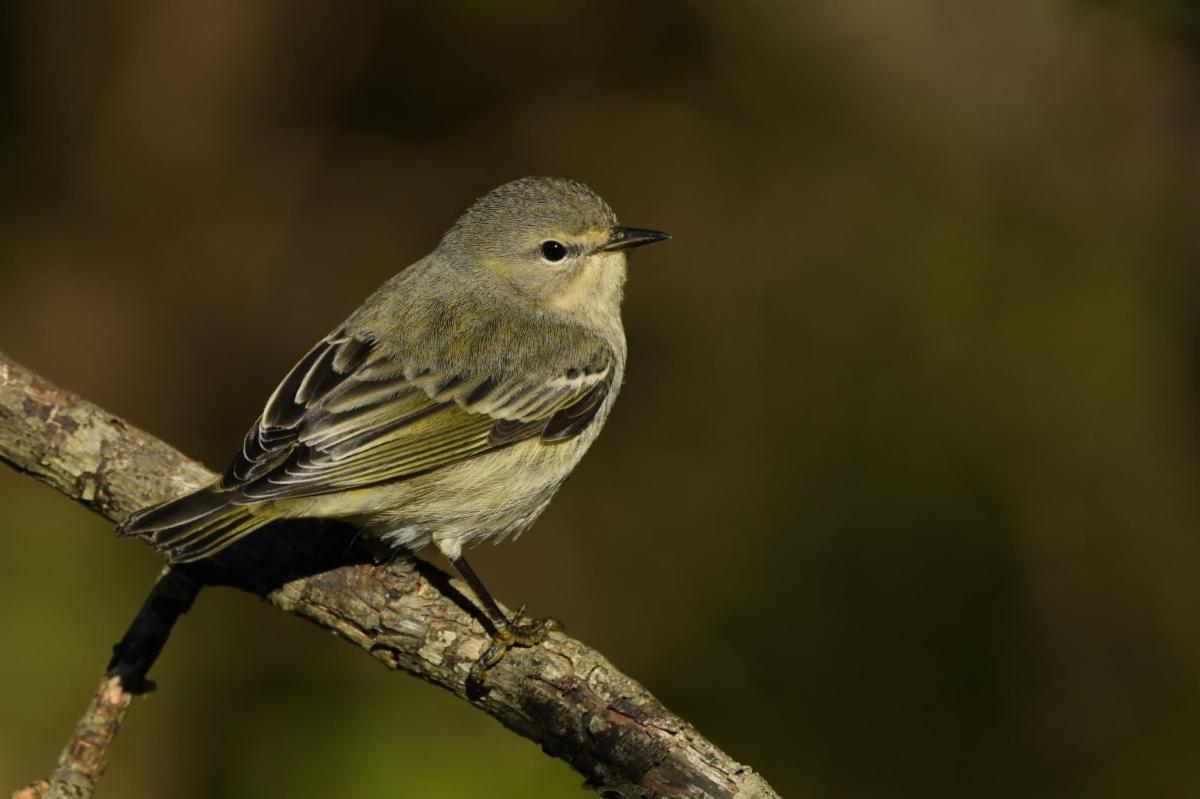
It’s hard to believe we’re already halfway through our morning flight count season! September is always an exciting time for bird migration, and our bird counts at Dans Rock and Turkey Point have not disappointed. At Turkey Point, our counter Lucas Pittman had an incredible September, recording more than 25 species of warblers. Cape May Warblers and American Redstarts led the way in total individuals counted, and Lucas also tallied more than 7,000 Blue Jays! Meanwhile, Ben McGrew had a stellar September at Dans Rock, where migrating Cape May Warblers are always a highlight of the season. This September was no exception, with Ben counting more than 1,500 Cape May Warblers. Other highlights up on the Rock included more than 400 Tennessee Warblers and an impressive 217 Monarch butterflies! If you would like to experience the excitement of bird migration firsthand, we invite you to visit both of our morning flight counts. Lucas and Ben are always happy to welcome visitors and share their knowledge.
| |||||||||
Make Your Own Moth Bait | |||||||||
|
By Jim Brighton
During the cooler seasons, moth bait can be applied to trees to attract insects. Here are a few tips to consider if you want to try out moth bait:
Jim’s moth bait recipe:
Coarsely mix in a blender or by hand. Keep in a container for a few days at room temperature until the bait begins to ferment. I keep my bait in a gallon milk jug in the garage. It will keep for a long time.
| |||||||||
All about the bats! | |||||||||
|
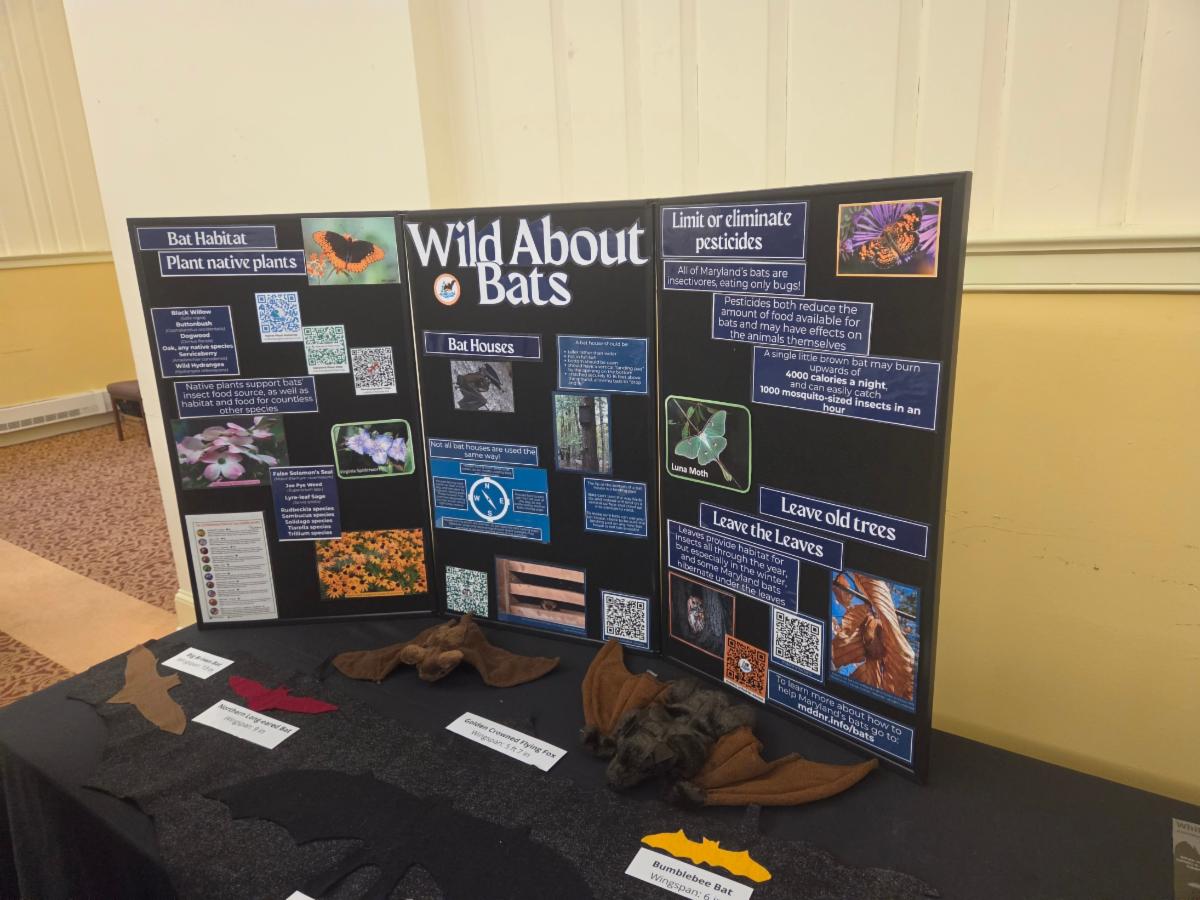
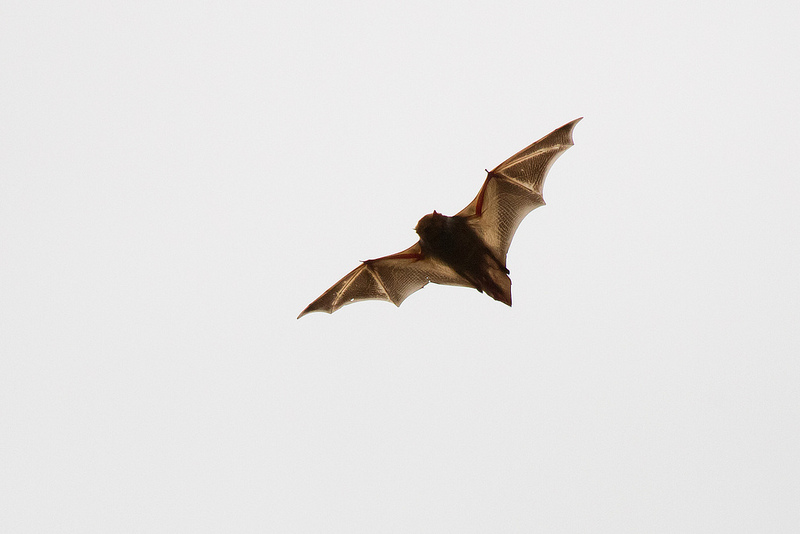
October brings Halloween and a chance to take a closer look at bats! On September 29, Maryland Department of Natural Resources (DNR) biologists Sarah Witcher and Katy Gorsuch led a Bat Chat and Walk at Washington College, hosted by its Center for Environment & Society and the Town of Chestertown. The program introduced participants to Maryland's bats, their ecological roles, and the challenges they face. Bats account for about one-fifth of mammal species worldwide. Maryland's bats eat insects, including moths, beetles, and mosquitoes; some of their prey are agricultural pests. Elsewhere in the world, some bat species also pollinate flowers and disperse seeds. These different roles are a reminder of the diversity within this remarkable group of mammals. Conservation needs vary among species. In Maryland, white-nose syndrome has been a major cause of declines in cave bats. Supporting bats also means supporting the habitats and food sources they depend on: native plants sustain insects that bats eat, while suitable roosting sites provide shelter. Explore MBP's bat checklist to browse species pages, photographs, and records, and visit DNR's Guide to Maryland's Bats to learn more about their natural history and conservation. For more learning materials, explore DNR's Wildlife & Heritage Service education resources. Have questions about getting involved with MBP? Contact Sandy at info@marylandbiodiversity.org.
| |||||||||
Looking for cool new MBP swag? | |||||||||
| |||||||||
Did you know MBP has over 37,000 contributors? | |||||||||
|
If you’re new to MBP, welcome! It’s easy to become a contributor. And if you’ve been sharing your discoveries for years, thank you for helping build this remarkable record of Maryland’s biodiversity. Getting started? While you’re out in the field, photograph what you see and help us gather records. The best way to contribute is to submit observations to iNaturalist. All photos submitted for Maryland are automatically added to the MBP project and queued for review and possible ingest into MBP. Even a cellphone photo of a moth under your porchlight or a weed in your yard can add a new county record to the project. For seasoned contributors looking for a new challenge—and newcomers ready to explore—our county record views can help you find gaps to fill. Which counties still need records of common trees, moths, or freshwater fish? See the FAQ for what kinds of photos we want and ways to help when submitting photos. 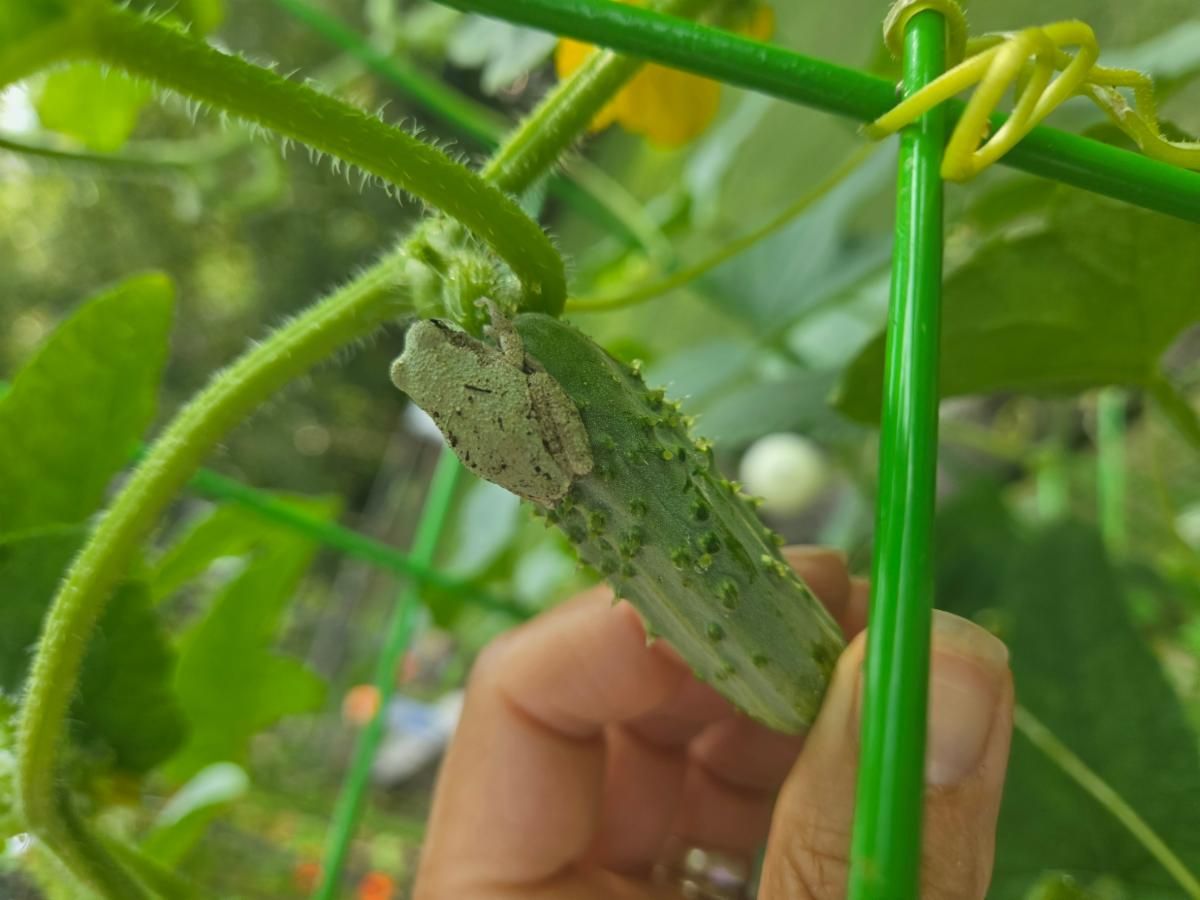
Our outreach lead, Sandy, found this cute Cope’s Gray Treefrog on her cucumber plant. | |||||||||
Come see us at the 55th Annual Waterfowl Festival! | |||||||||
|
Join us at the Waterfowl Festival November 13–15, 2026, in Easton, Maryland. Stop by our table in the Conservation Corner at Easton High School to say hello, learn more about the Maryland Biodiversity Project, and celebrate Maryland’s amazing biodiversity. 
We’ll also have some cool MBP swag available, including t-shirts, hats, and more. We hope to see you there! | |||||||||
Recent Events | |||||||||
|
From bats to birds to native plants, MBP has been out and about! Here are a few places we connected with the community recently. September 29 · Bat Chat and Walk with our friends from DNR September 25 · Maryland Ornithological Society (MOS) Annual Convention September 12 · Maryland Native Plant Society (MNPS) Conference | |||||||||
| |||||||||
|
| |||||||||
|
Maryland Biodiversity Project (MBP) is a 501(c)(3) nonprofit dedicated to cataloging the living things of Maryland. Together, our community maintains a living atlas of the state’s flora and fauna and makes this carefully curated biodiversity archive available for science, conservation, and education.
Maryland Biodiversity Project |