Teacher And Pupils Using Wooden Shapes In Montessori School

PRE-K UPDATE

July 10, 2024

Did you know?

Many people had cherished teddy bear companions when they were children. Today is the day to help little ones celebrate the love we have for our stuffed friends. July 10 is National Teddy Bear Picnic Day. The day is celebrated around the world by enjoying a picnic with favorite stuffed animals. The day is inspired by the song "The Teddy Bears' Picnic," which was written to the tune of a 1907 song by John W. Bratton and had lyrics added in 1930 by Jimmy Kennedy.

DON'T FORGET TO REGISTER!

REGISTER HERE

Call for Proposals!

Long Island Regional Technical

Assistance Center (LI-RTAC)'s 

2024 Expanding Opportunities for Early Learners in Pre-K & K Conference


  • Saturday, November 2, 2024 at Suffolk County Community College - Brentwood Campus and/or
  • Tuesday, November 5, 2024 at Crest Hollow Country Club


Please join us!

We invite you to be a presenter at our annual conference to share your knowledge and expertise regarding best practices, strategies, and tools to develop and support developmentally appropriate practices for children in Pre-K and K. We anticipate welcoming between 200 - 400 attendees at this professional development conference. We seek presentations to be varied in format, designed to appeal to diverse learning styles while allowing practitioners to share ideas, techniques and best practices. We truly appreciate your consideration to share your thought leadership and experience. 


RFP Deadline: August 1, 2024


Any questions? Please contact Sheryl Haimovich, LI-RTAC Consultant at shaimovich1@yahoo.com.

SUBMIT PROPOSALS HERE

How to use the CAIR Principle

Babies are born with instincts that develop into the skills that are needed for walking, talking, counting, or measuring. These skills grow and mature throughout their Pre-K and early educational years. However, this only occurs when certain mathematical skills and thought processes have been nurtured from the beginning.


According to an article by Mary Hynes-Berry, published by the Erikson Institute Early Math Collaborative, the CAIR Principle (which stands for “Closely Attend and Intentionally Respond”) can help educators work with children in their classrooms.


“Closely Attending” to a child’s actions and non-verbal signals, such as pointing or facial expressions, means being aware of specific indicators that demonstrate their interests, fears, and concerns. “Intentionally Responding” refers to the idea that educators should use positive communication that “supports their natural curiosity and their developing ability to make sense of the world around them,” says Hynes-Berry.


Math should not be about memorizing shapes and drilling numbers into the heads of young children. Instead, it should help children become explorers and understand the many mathematical problem situations that are built into routines such as play. Thus, it is recommended that educators use strategies that are tailored to children and where they are in various phases of understanding. Hynes-Berry describes the phases of development:


  • In the Emerging Phase (0-14 months) babies rely on caregivers’ words, gestures, and touch to help them begin to understand the meaning of sights, smells, sounds, etc. They are exposed to all of these elements in their immediate environments.


  • In the Developing Phase (12-26 months) toddlers begin to have agency over small actions and use words to describe their thinking processes. However, they still rely on educators to help them explore and process quantities, size, and sequence.


  • In the Transforming Phase (22-36 months) children are forming mental images and showing tremendous growth with their unique ideas.


It is important that educators remember to consider the child’s home environment and their cultural knowledge. A great way to have conversations with children about math is to read books. Hynes-Berry offers the example of a read-aloud with

Fuzzy Fuzzy by Sandra Boynton. She reiterates that “children’s natural interest in making sense of their world is all that is needed when you closely attend and intentionally respond in a nurturing way.”


Click here to learn more about the CAIR Principle.

Audiobooks that are easy on children’s ears

Audiobooks provide great lessons for Pre-K children in unique, engaging ways. While they cannot take the place of reading books aloud, they do offer many of their own benefits. In an article in Brightly, author

Jennifer Ridgway states that audiobooks help children “expand their imagination and strengthen their listening, pronunciation, and comprehension skills.” Some audiobooks have high production value, with very well-known actors and performers taking on lead roles as they narrate. Ridgway offers a number of suggestions for excellent audiobooks. Here are a few of her selections:


  • The Snowy Day, by Ezra Jack Keats, read by Quincy Tyler Bernstine. The classic story will keep children interested in what is happening in their own environments- especially when it comes to the changing of the seasons.


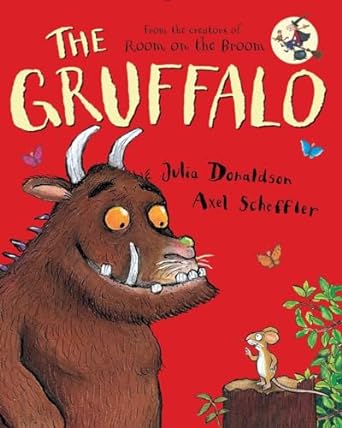
  • The Gruffalo, by Julia Donaldson, read by Hal Hollings. Hollings uses different voices to bring the many animals in this story about a young mouse to life. When the itty bitty critter invents a scary creature named the Gruffalo to ward off other animals from eating him, children will delight in the antics.


  • The Tale of Kitty-in-Boots, by Beatrix Potter, read by Helen Mirren. A black cat embarks on an exciting adventure when she decides to go hunting. Many familiar faces pop up throughout the story.


  • The Cat in the Hat and Other Dr. Seuss Favorites, by Dr. Seuss, read by Kelsey Grammer, John Cleese, John Lithgow, Billy Crystal, and more. The variety of actors who narrate these stories makes them extremely fun. The series can be broken up into individual stories, as the audiobook is formatted into chapters.


Do audiobooks sound like fun? Read the complete the list of great ones here.

Visit our Website

71 Clinton Rd. Garden City, NY 11530-9195
For questions or more information, call us at
516-544-0044, or contact us at info@choiceforall.org.