Health News Digest, June 2026 | | We're Speaking Out For You |
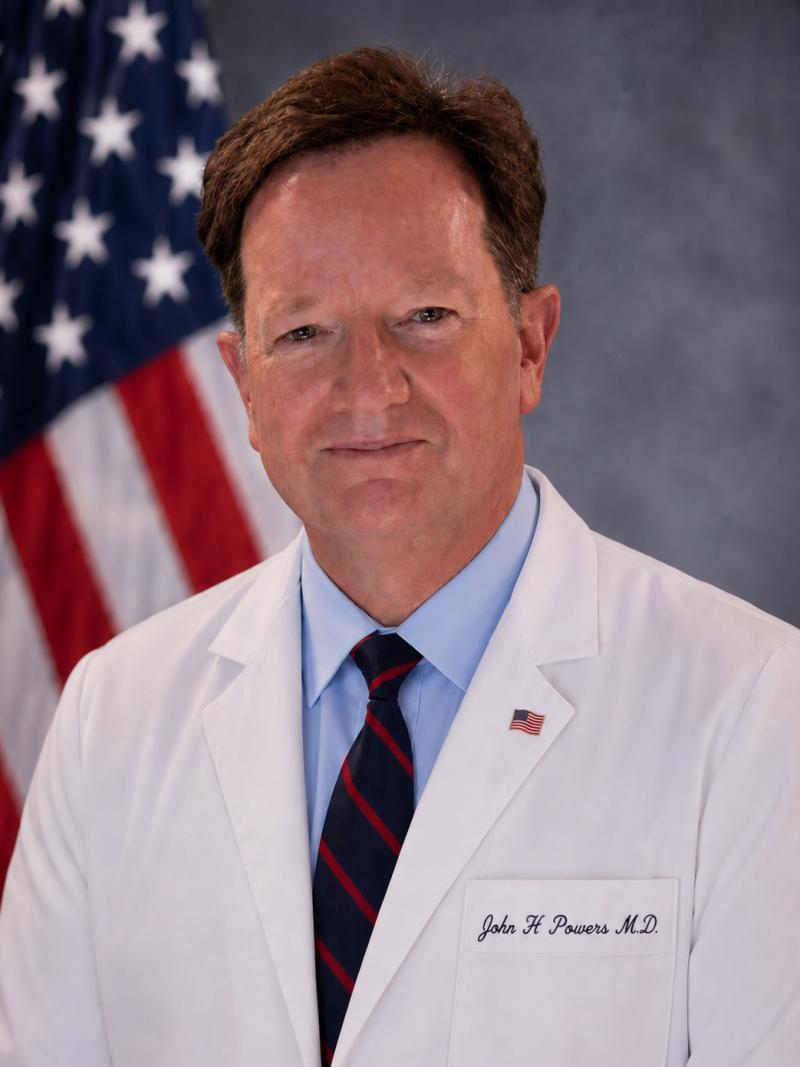
Dr. John Powers named acting Director of NIH Allergy and Infectious Disease Institute
A physician-scientist with whom we have worked for years, John H. Powers III, M.D., has been named Acting Director of the National Institute of Allergy and Infectious Diseases, the NIH institute that plays a major role in research on infectious diseases, vaccines, and treatments.
NCHR president Dr. Diana Zuckerman tells us that “Dr. Powers has always fought for patient-centered research and treatment, and has extensive expertise on infectious diseases, focusing on a simple model: Study and treat patients, not ‘bugs’. He points out that many very expensive antibiotics have not saved lives because they were approved based on killing bacteria in test tubes, rather than based on saving patients’ lives.”
Last year, he co-authored a medical journal article and an op-ed with Dr. Diana Zuckerman that explained how this misguided approach can be easily remedied.
We expect Dr. Powers to be an important and very credible voice at NIH, ensuring that we are prepared for future epidemics and that we save the lives of thousands of young children and older adults who are most likely to die from infections every year.
Read Dr. Powers’ bio here.
Read the STAT op-ed we wrote with Dr. Powers here.
|
Should you rely on the FDA for information about medications?
The quality of medical products and of the information provided to patients was the topic of a small international meeting hosted by Harvard Medical School and MIT that we attended in Boston last month. Too many new drugs are now approved based on uncertain evidence of their benefits and harms. When the FDA requires additional evidence for drugs already on the market, those studies are often delayed or never completed.
"I was very glad to be able to attend in person and present our views on this, and found the meeting fascinating," reported Dr. Zuckerman. “Participants were from all over the world, and there were similar concerns but different efforts to address them in different countries, and from physicians, (former) FDA and other regulators, researchers, patient advocates, and other experts.”
Find out more here
|
NCHR Written Comment to NIH on protecting clinical trial patients who test implanted devices.
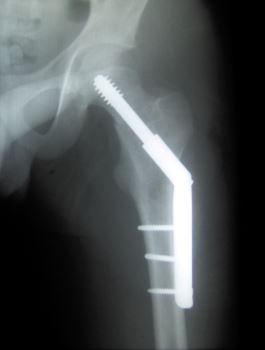
In response to NIH’s request for written recommendations, NCHR submitted comments suggesting ways to protect patients who participate in studies to determine whether an implanted medical device is safe and effective. The request focused on protecting patients after the study is over.
For example, if the implants are not approved and the company therefore does not sell them, who will help patients decide whether or how to get the implant removed?
Patients volunteering for clinical trials deserve to know the risks and be protected from long-term problems by having free access to necessary medical care.
Read our Written Comment here.
| | |
How does a Cancer drug cost 25 cents to make but costs thousands to buy?
A 2025 ProPublica investigation explains how Revlimid, a drug used to treat multiple myeloma, became one of the most expensive cancer drugs in the United States. Revlimid has helped many patients live longer, but it’s based on an old drug that only costs 25 cents to make. By delaying generic competition, the company that makes it, Celgene, is making sure we all pay for it.
Revlimid is related to thalidomide, a drug that caused severe birth defects when prescribed for pregnant women in the 1960’s. That’s why Revlimid has strict safety requirements to prevent use during pregnancy. Those safeguards are important, but Celgene used the safety system to make it harder for generic companies to obtain samples needed to prove that their lower-cost versions worked the same way.
That’s not all. Celgene has repeatedly raised the price of Revlimid while generic competition was delayed. Back in 2005, one pill cost only $218 for Americans, whereas now it has increased to $1,000 per pill -- hundreds of thousands of dollars per year!
Read the ProPublica article here.
|
How much alcohol is too much?
We recently learned that the new U.S. dietary guidelines released in January intentionally ignored important information from a government-commissioned study that concluded that drinking more than one alcoholic drink a day can cause health problems. The study has now been published in a medical journal, since the authors no longer work for HHS.
The study contradicts old claims that occasional drinking can be good for your health. And, it found that people who drink an average of 2 drinks a day are more likely to die younger from alcohol-related causes. That’s big news because experts used to think that an average of 2 drinks a day was safe for men.
So why did the new dietary guidelines tell Americans that drinking less is better for health, but without giving specifics about how much is too much? It seems they did not want to offend people who make money selling alcoholic beverages. Without specific guidance, many people may assume that their drinking habits are safe, not knowing that more than 7 drinks per week can increase the risk of cancer, liver disease, heart disease, and injuries. A drink is defined as 1.5 oz of hard liquor, 5 oz of wine, and 12 oz of beer.
Read the New York Times article here.
| |
Thyroid Cancer: What you should know
Two new articles on our website about thyroid cancer will help you avoid thyroid cancer and learn how to avoid overtreatment if you are diagnosed with thyroid cancer.
Many thyroid cancers grow so slowly that they will never cause symptoms or shorten a person’s life, so surgery may not be needed. However, some types of thyroid cancers can be fatal, so it is important to know how to reduce your chances of developing thyroid cancer by avoiding exposure to X-rays and scans near the neck.
One of our articles will give you the information you need to protect yourself from unnecessary radiation from CT scans (an MRI and other scans are safer). Our other article will help you talk to your doctor about what kind of treatment you may or may not need, so that you can avoid the problems that may occur from overtreatment.
Read our articles on thyroid cancer overdiagnosis here and radiation from medical scans here.
| | |
Check us out!
Did you know that artificial turf, rubber playground surfaces, and rubber mulch contain chemicals that can cause attention problems, obesity, early puberty, asthma, and cancer? Are your children or grandchildren getting exposed when they play? Follow us @safe.to.play
| |
| Our main Instagram account and Threads provide free information about new medical research, programs, and policies to help health experts, patients, and the public improve the health of individuals and communities. Follow us @healthresearch4u | | | Connect With Us on Our Other Social Media! | | Your Contribution Can Make a Difference! | | We do not accept any funding from drug companies, device companies, chemical companies, or other sources that could influence our work and compromise our integrity. That's why so many people turn to us when they need help. Donations are tax-deductible! Please consider giving to the National Center for Health Research online or by mail to the address below. You can also contribute to our Cancer Prevention and Treatment Fund online, by mail, or through the Combined Federal Campaign using CFC# 11967. | |
To sign up for these monthly updates, click here.
| | | | |