Wednesday Weblog for November 12, 2025 | | “When things go wrong, don't go with them.”― Elvis Presley | | Leading Off: A Small Act of Kindness | | |
Something happened to me at the airport on a recent trip that still makes me smile. To set the stage, I want to talk about 'Elevator Etiquette.' I know that phrase probably surprised you.
For years I've noticed that there are only two kinds of people inside an elevator when someone outside the elevator is rushing to catch it before the doors completely close.
The first kind of person hurries to push the button to keep the doors open because they see the person rushing to get on. The second kind of person pretends they don't see the person hurrying and does nothing.
I have always been the first kind because I understand the frustration of just missing an elevator or just missing something else.
Through my business credit card, I am able to visit the Delta SkyClub at an airport ten times per year at no additional cost. Without the card, it would be $50 per visit. Of course, there's unlimited food and beverages in the club along with all kinds of spaces: there are desks and private areas, relaxing areas, and so forth. Much better than hanging out in the terminal.
On the recent trip, I saw a guy rushing to catch the elevator I was on which was heading up to the Club, and I rushed to push the button to keep the door open. He thanked me, I joked about the two kinds of people, and we went into the club.
At the check-in desk, I told the attendant I wasn't sure if I had used all ten of my visits for the year. When he checked and indicated that I had used them, I simply said: "See you next year" and turned to leave.
The guy, who just a minute had rushed to get the elevator, was standing next to me talking with another attendant and said to me, "Hold on," and added me as his guest, at no charge to either of us, for the visit. I thanked him, we both smiled and went about our day.
A small act of kindness, pushing an elevator button for someone, was immediately repaid when no return was expected. It really made my day. The clam chowder and pickled veggies at the buffet in the SkyClub helped, too.
| | |
There’s an old saying that we've all heard: “When you assume, you make an ass out of u and me.”
And we've all been there. It’s funny until it isn’t — because assumptions have real power. They shape what we see, how we interpret it, and even how others respond to us.
Most of the time, we don’t realize what we’re assuming until those assumptions backfire or sour an otherwise ordinary moment.
| | |
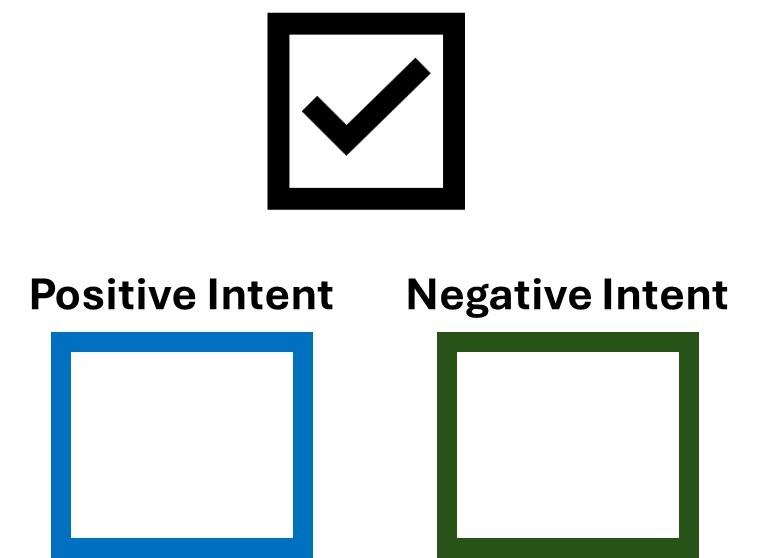
What we often forget is this: assumptions are choices. Before we even begin a conversation, we’ve already decided whether to assume positive intent or negative intent from whoever we are dealing with.
That choice colors everything that follows — from the tone we hear to the meaning we attach.
| |
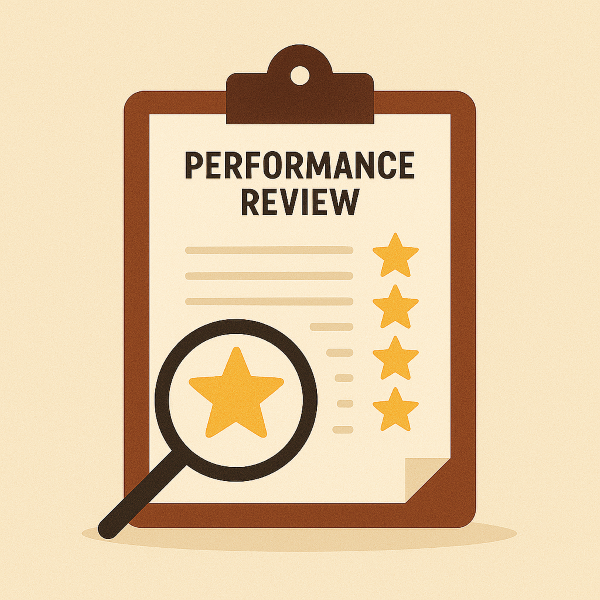
The most obvious example, to me, of how assumptions impact things is the genre known as the Performance Review.
Early in my career, this concept really hit home when I realized everyone — and I mean everyone — hates performance reviews.
Employees get anxious before them and are usually disappointed after them. Managers dread giving them. Some leaders would honestly rather have a root canal, with apologies to the dentists reading this.
So, I figured that if I could get good at preparing and delivering reviews, I could stand out. So, I practiced, studied, and learned. My attitude about reviews helped shape my leadership career in many ways, and all of them positive. One of the things I learned about was the impact that Intent had on the message.
Eventually, after paying attention to the reaction of many people during their reviews, I started each review the same way because of my understanding of the impact that 'assumptions' had on giving and receiving feedback. I would simply say:
“Before we start, you need to decide whether I’m out to get you or out to help you — because once you decide, everything you hear will support your assumption.”
That one line changed the dynamic. The same words in a review could create two entirely different experiences.
| |
This concept of assuming positive intent or negative intent goes on all the time. For example, there’s a restaurant in our town we visit every couple of years. We walk in assuming we’ll be ignored — and we are.
Every single time. (Of course, since I don't have a legal department in my company, the restaurant shall remain nameless).
However, there's another place we visit almost every week, the 122 Diner. We assume the service will be good and the food solid. And every time, it is.
What’s the difference? The restaurant? Yes. But it’s also our expectations, or assumptions, that write a big part of the story. In the first restaurant, we are not very tolerant of glitches, in the second restaurant, we understand.
| |
Think about it: how do people fall in love? Or fall out of love? At its core, both are shifts in assumed intent.
When we assume the best, we interpret actions through kindness. When we assume the worst, we gather evidence to prove we’re right.
I am not a practicing psychologist, but there are two things I know can impact the lens we look through, when we are 'stuck' in assuming negative intent.
| |
Try Changing Your Assumptions, Just Once. The next time you visit that “hopeless” restaurant, pretend the owner is your brother or daughter. Would you be more forgiving? More patient? Probably. You would definitely see things through a different lens.
Maybe Look in the Mirror? Ask yourself why you’re assuming negative intent. Bias? Politics? Past experience? Once you name it, you can soften it. Because assuming negative intent rarely makes you more effective — or more likeable.
| |
Every day gives us a chance to choose our lens. The moment we assume the best in others, we start seeing the best in ourselves. And sometimes, that small shift changes everything — from a performance review to a simple meal out.
Assuming positive intent doesn’t make you naïve; it makes you effective. Because when people feel trusted, they start becoming the person you believed they were.
Our assumptions are quiet contracts with reality.
Sign the wrong one, and the world becomes harsh and disappointing. Sign the right one, and suddenly, people surprise you — not because they changed, but because you finally did.
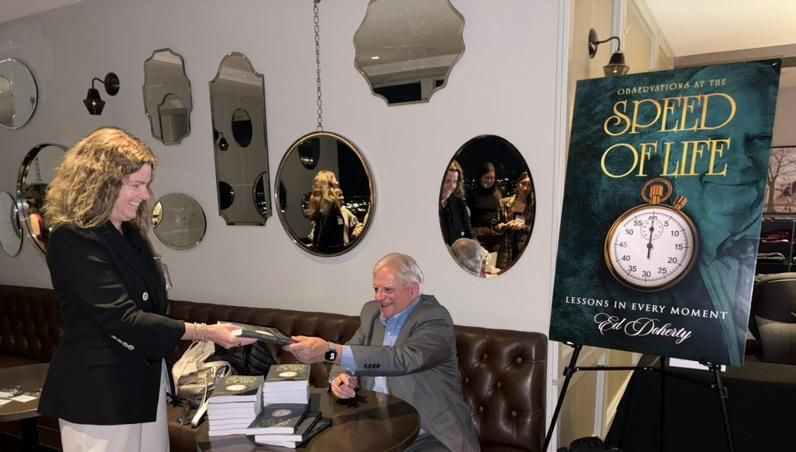
| | Surprise Photo at the End: Book Signing Event | | Joe's Positive Post of the Week | | There are no regrets in life. Just lessons. -Jennifer Anniston | | Join the Smart Subscribers | | If you are reading this on a social media platform, click below and you'll automatically receive a 'different' story every week on Wednesday. | | |
The Roll Call of states and countries where readers reside: Arizona, California, Colorado, Connecticut, Delaware, Florida, Georgia, Hawaii, Illinois, Indiana, Iowa, Kansas, Kentucky, Louisiana, Maine, Massachusetts, Michigan, Mississippi, Missouri, Montana, New Hampshire, New Jersey, New Mexico, New York, North Carolina, North Dakota, Ohio, Pennsylvania, Puerto Rico, Rhode Island, South Carolina, South Dakota, Tennessee, Texas, Vermont, Virginia, Washington and Washington DC, Wisconsin plus Canada, Conch Republic, Australia and the United Kingdom.
| | Refer a friend to Sign Up for the Wednesday Weblog | | |
Ed Doherty
774-479-8831
www.ambroselanden.com
ed-doherty@outlook.com
Forgive any typos please.
| | | | | |