|
Riot and Escape in Maputo Central Prison
On 25 December 2024, a riot erupted at Maputo Central Prison, Mozambique’s largest and most secure high-security facility, leading to the escape of over 6,000 inmates. Among the escapees were Islamic State Mozambique (ISM/Shabaab Cult) militants, a development with potentially severe ramifications for the region's security. The inmates overpowered guards, seizing their weapons and exploiting systemic vulnerabilities such as overcrowding, understaffed operations, and inadequate resources, which are emblematic of many prison facilities across the region. Maputo Central Prison, like other high-security detention centres in fragile states, operates well beyond capacity, creating a volatile environment ripe for unrest.
The escape highlights broader systemic issues and underscores a calculated opportunity seized amidst Mozambique's ongoing political unrest. Nationwide protests contesting the legitimacy of recent elections have strained government resources and diverted the attention of law enforcement, providing cover for the riot and subsequent escape. The inclusion of ISM militants among the escapees is particularly troubling, given their track record of insurgency in the region. This breakout demonstrates the alignment of local instability with the broader transnational strategy of the Islamic State's central command, which has actively called for such operations.
A Coordinated IS Strategy: Prison Breaks as a Hallmark
The Maputo Central Prison breakout reflects a deliberate strategy encouraged by the Islamic State's central leadership. IS Central has consistently prioritised the liberation of detained fighters, recognising the dual benefits of swelling their ranks and reinvigorating morale among supporters. This approach has been evident across Africa and the Middle East, including notable prison break incidents in Syria, Nigeria, and the Democratic Republic of Congo. In March 2024, an audio statement by IS Central’s spokesman urged affiliates worldwide to focus on breaking militants out of detention facilities, resulting in a marked uptick in such operations throughout the year.
The scale of the Maputo incident suggests a coordinated effort rather than a spontaneous uprising. The escape of ISM militants aligns closely with the Islamic State's directive, enabling the group to reconstitute its fighting forces in Mozambique, where ISM has waged a brutal insurgency in Cabo Delgado and surrounding areas. This breakout could embolden IS affiliates in the region to replicate similar operations, further destabilising Southern Africa.
| | |
TRAC Incident Report: Tehreek-e-Taliban Pakistan (TTP) Conducts Armed Assault on Pakistani Military Checkpoint, Killing at least 18 Security Personnel in the Makeen Area, South Waziristan, Pakistan | |
|
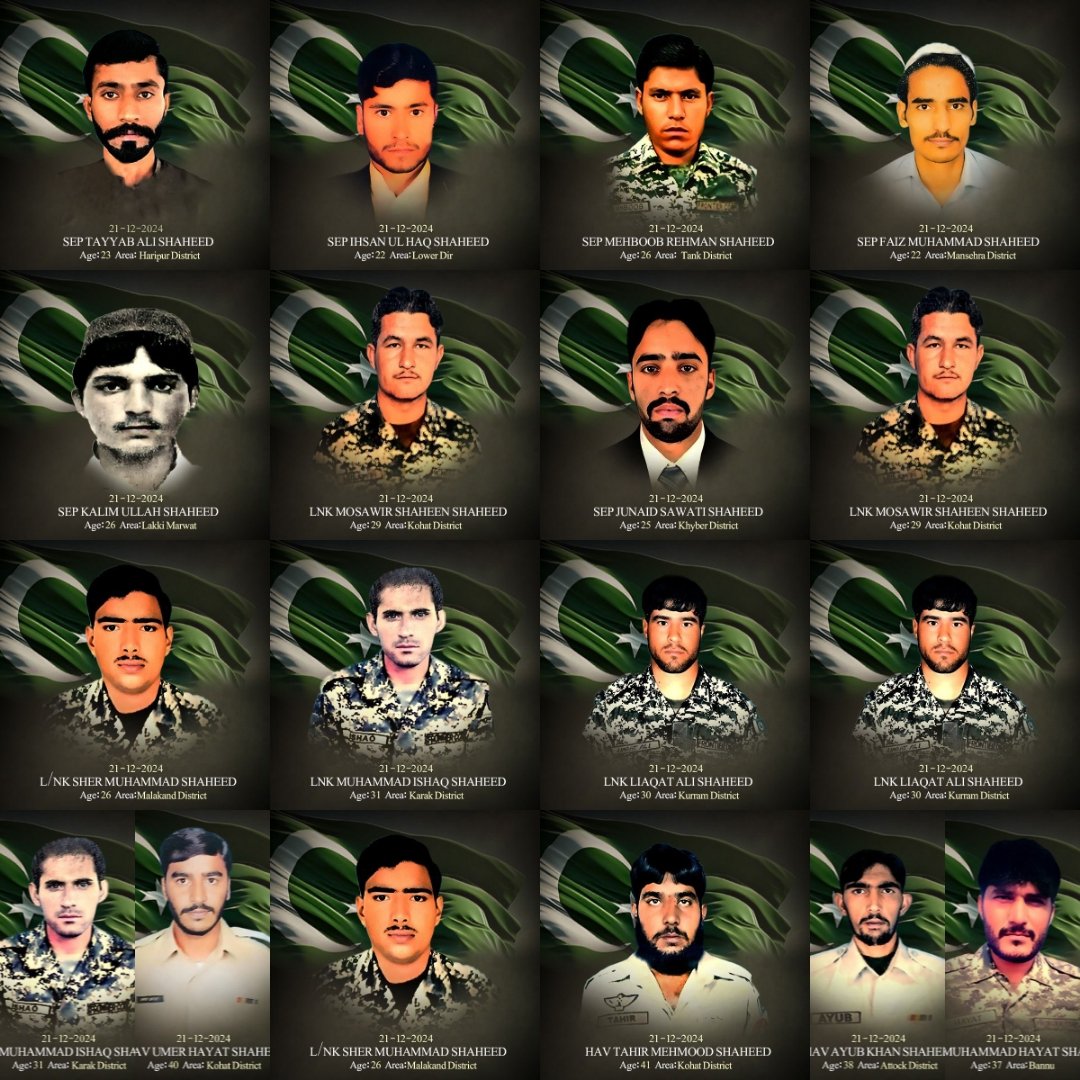
The 21 December 2024 armed assault on a military checkpoint in the Makeen area of South Waziristan, Pakistan, which left at least 16 security personnel dead and eight others injured, underscores the Tehreek-e-Taliban Pakistan’s (TTP) capacity to mount deadly operations despite facing significant setbacks. The TTP claimed the attack as retaliation for the death of Maulvi Taha Swati, a senior member of their leadership council, who was killed in a clash with Pakistani security forces in South Waziristan on 18 December 2024. However, the timing and scale of this operation suggest that it was not only motivated by immediate retaliation but also by broader strategic and propaganda objectives.
TTP militants have recently escalated their operations following its 12 December 2024 statement, which called for an aggressive shift in tactics, including targeting security personnel both on and off duty and retaliating against the families and properties of government officials. This reflects the group’s effort to instil widespread fear and destabilise state authority. The Makeen assault appears to be a dual-purpose operation: first, as a direct response to Swati’s killing to galvanise the group’s fighters, and second, as an enforcement of its new narrative of resistance and intimidation in its ongoing propaganda war with the Pakistani Army.
The TTP’s leadership is under considerable pressure from several fronts. Internally, the group grapples with factional disputes threatening its unity and operational efficiency. Externally, the loss of key figures, including Maulvi Taha Swati and others in targeted killings in Afghanistan, has weakened the group’s command structure. Furthermore, the Pakistani Army’s recent intelligence-based operations, which reportedly killed at least 43 militants in December alone, have intensified the challenges facing the TTP. These developments suggest that the Makeen assault was an act of retaliation and a strategic attempt to reassert the group’s presence and operational capabilities amidst mounting setbacks.
Their aggressive actions signal a desperate struggle to stay on top of the jihadi food chain in the complicated Pakistani landscape. By launching such a high-profile attack, the group aims to reinforce its narrative of resistance and resilience, attempting to maintain morale among its ranks and project strength to its supporters. This retaliatory and propaganda-driven violence pattern highlights the TTP’s reliance on symbolic victories to counteract the growing perception of its weakening position. However, such attacks also reflect the volatile security landscape in Pakistan, where militant groups can still exploit gaps in the local defence and capitalise on regional instability to stage significant assaults.
The Makeen assault, therefore, is emblematic of the TTP’s dual strategy of retaliatory violence and psychological warfare, serving both as a tactical response to its recent losses and a broader effort to challenge Pakistan’s state authority amidst growing internal and external pressures.
| |
(Instructional Video / Right Wing Extremism) Eco-Fascists Share Stochastic Video Explaining How to Detonate a Humidifier in a Crowded Building (Using Children’s Sesame Street’s Big Bird) | |
|
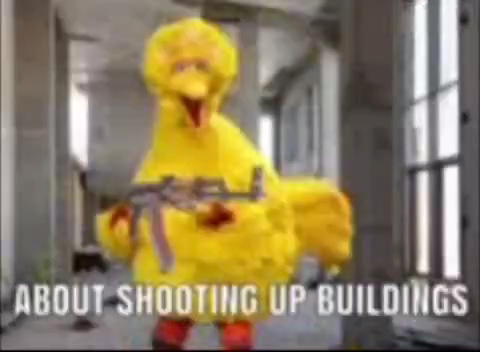
On 18 December 2024, eco-fascists shared an instructional video that outlined methods for mass killing with their followers on Telegram. The video dismisses traditional means of attack, such as shooting up a building, as inefficient. Instead, it suggests a more calculated approach: placing a humidifier filled with gasoline and an ignition switch on a timer. This method, the video argues, allows for a delayed detonation, giving perpetrators ample time to escape and potentially replicate the attack elsewhere. This explicit and methodical content underscores the ongoing threat posed by stochastic propaganda, which seeks to inspire lone-wolf attacks while providing extremists with operational anonymity.
A striking and deeply cynical element of the video is its use of Big Bird, the beloved American childhood icon from the Sesame Street Television show, as a vehicle for its violent message. Big Bird, a character known for promoting values like kindness, acceptance, and communication, is grotesquely depicted wielding an assault rifle. This juxtaposition of innocence with violent extremism is a deliberate tactic, leveraging the character’s widespread cultural recognition to increase the video’s appeal and shareability. The absurdity of a six-foot-tall bird advocating mass violence masks the content’s seriousness, allowing extremists to spread their ideology while minimising initial scrutiny subtly. This is not merely dark humour—it is a calculated effort to use familiar symbols to disarm viewers and normalise violent rhetoric.
The creator of the video also emphasises operational practicality over ideological martyrdom, reflecting a broader trend in extremist propaganda. Acknowledging that while many right-wing extremists may be willing to die for their cause, the prospect of being able not only to live but also not being apprehended is very enticing to new recruits. The video promotes methods that maximise damage while ensuring the perpetrator’s survival. This strategy is consistent with the goals of many extremist instruction manuals, which aim to inspire repeated attacks without exposing the creators or the perpetrators to direct accountability. By providing detailed, actionable instructions, the video serves as a dangerous accelerant for lone-wolf violence.
| |
TRAC Incident Report: Around 26 Villagers and Dan Na Ambassagou Militiamen Killed by Jama’at Nusrat al-Islam wa al-Muslimin (JNIM) Militants in Armed Assaults on Seven Villages in the Bandiagara/Bankass Area of Mopti Region, Mali | |
|
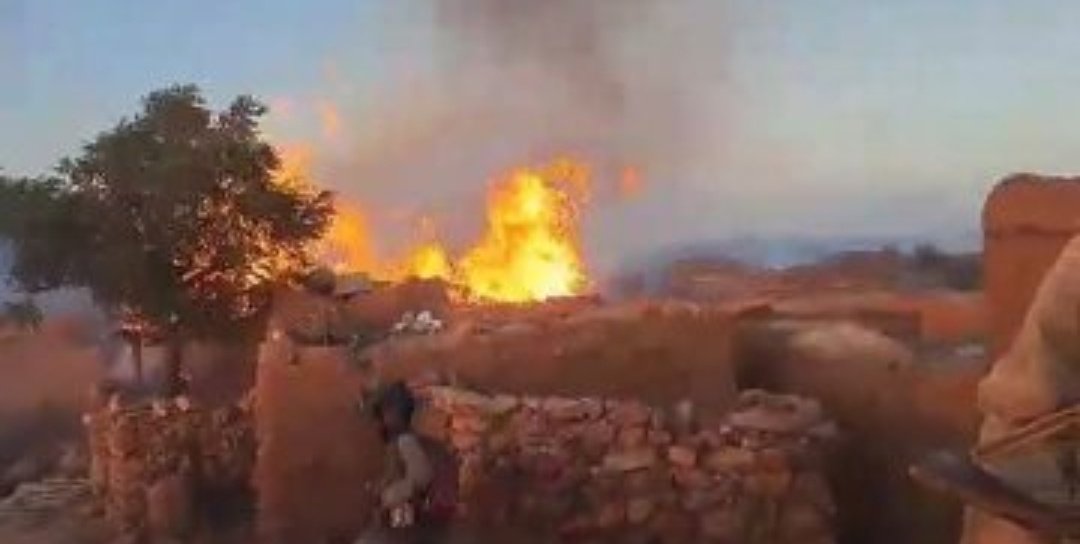
On 20 December 2024, between 3 PM and 10 PM local time, Jama’at Nusrat al-Islam wa al-Muslimin (JNIM) militants launched a series of coordinated armed assaults on seven villages in the Bandiagara and Bankass areas, specifically Boureri, Madina, Banguel-Toupé, Gasa, Magasségué, Sounfounou, and Irguelou, all located in Mali’s Mopti Region. These attacks resulted in the deaths of at least 26 individuals, including villagers and members of the Dan Na Ambassagou militia. Granaries and other properties were set ablaze, forcing many residents to flee their homes, and several others were injured.
The Malian Air Force responded to the attacks with airstrikes, reportedly killing approximately 12 JNIM militants and destroying six motorcycles. The assaults came just ten days after JNIM accused Malian forces, including FAMA and Wagner operatives, of killing civilians in Gondogourou, a village around 40 kilometres northeast of Bandiagara in the Mopti Region.
The strategic significance of this attack lies in the villages’ proximity to the RN15 road, a critical route connecting Bandiagara and Bankass and close to the Malian border. The RN15 is under JNIM's full control, and the group uses it to monitor and restrict movement, extort residents, and enforce collaboration. This dominance underscores the group’s effort to expand its territorial control and consolidate power in the Mopti Region.
TRAC assesses that the 20 December attacks were likely not simultaneous but sequential, with JNIM militants travelling from one village to the next. This indicates that local authorities failed to effectively communicate the emergency across the region, allowing the group to execute its plan with minimal resistance. The raids appear to be part of JNIM's broader strategy to forcibly displace residents and repopulate the targeted villages with its members and supporters, further entrenching the group’s presence and influence in the area.
| |
(Video) Islamic State West Africa (ISWA/Wilayat Gharb Afriqiyah) Releases Propaganda Video Titled ‘Empowerment Generation’ Featuring IS Cub Training Sessions & Executions | |
|
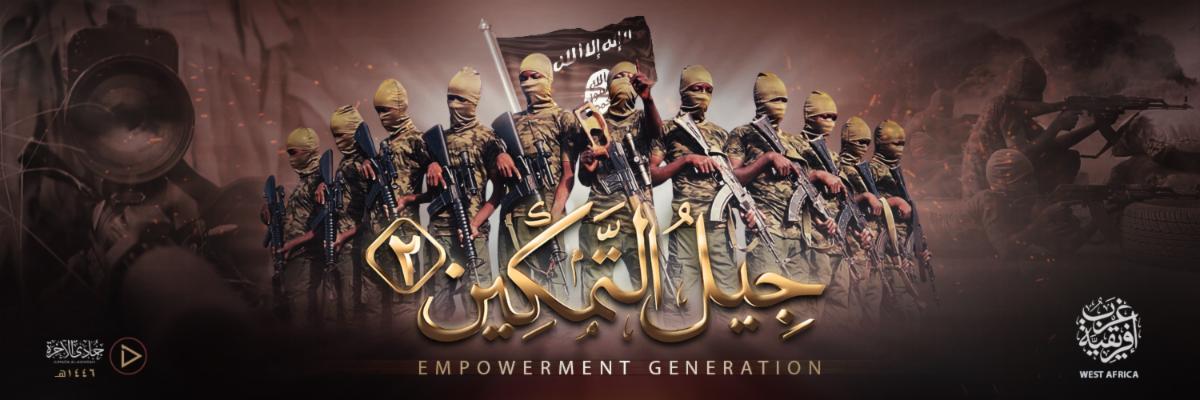
The 30-minute propaganda video “Empowerment Generation” by Islamic State West Africa Province (ISWA/Wilayat Gharb Afriqiyah) provides insight into the group’s strategic focus on recruiting and militarising children. The video, dubbed “Generation Tamkina” (Tamkina means empowerment), underscores the group’s efforts to instil its ideology and combat readiness in young recruits. The film’s African-language soundtrack provides a regional touch aimed at resonating with local audiences while conveying global ambitions under the symbolic black flag of the Islamic State.
TRAC wants to highlight the following key features:
-
Child Soldiers (cubs) in Training: The film centres on training sessions, showcasing cubs being ideologically and militarily groomed. This further solidifies ISWA’s commitment to raising a generation of fighters conditioned for lifelong allegiance to IS.
-
Execution Scenes: A significant portion of the video portrays school-aged children carrying out executions of prisoners, emphasising both their indoctrination and willingness to engage in extreme violence. These acts are intended to demonstrate the group’s capacity for brutality and to terrify their enemies. Additionally, the execution scenes are framed with threats directed at the international community, a hallmark of IS propaganda.
-
Condemnation of Compromising Groups: One of the speakers in the video openly criticises groups such as HTS (Hayy’at Tahrir al-Sham) and the Taliban (IEA) for engaging with international diplomacy and softening their extremist stances. This is a typical propaganda topic for IS.
This propaganda video demonstrates the Islamic State’s commitment to cultivating a new generation of adherents, indoctrinated from a young age and primed for global jihad.
| |
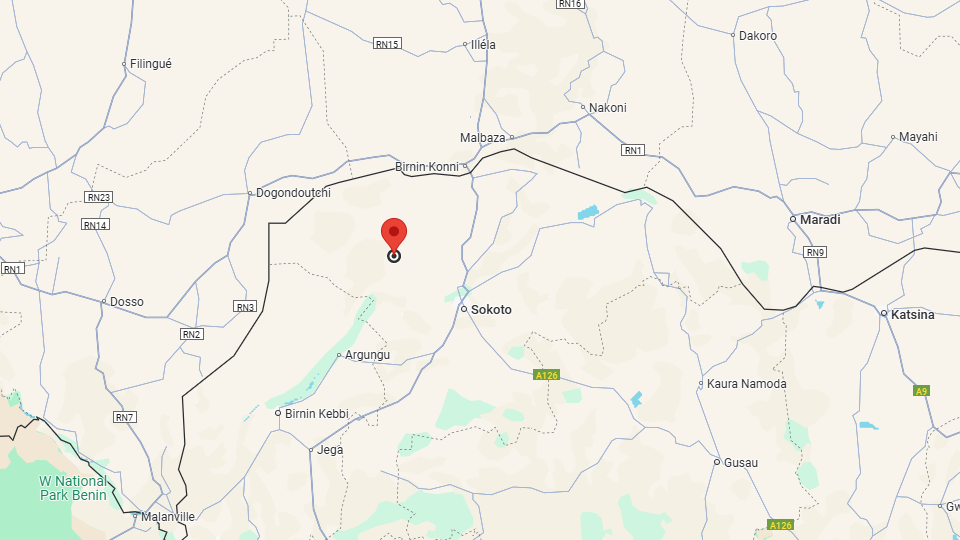
TRAC Incident Report: Bandit Leader Bello Turji Established New Base of Operations Expanding his Ability to Conduct Attacks, Bula Village, Sokoto State, Nigeria | |
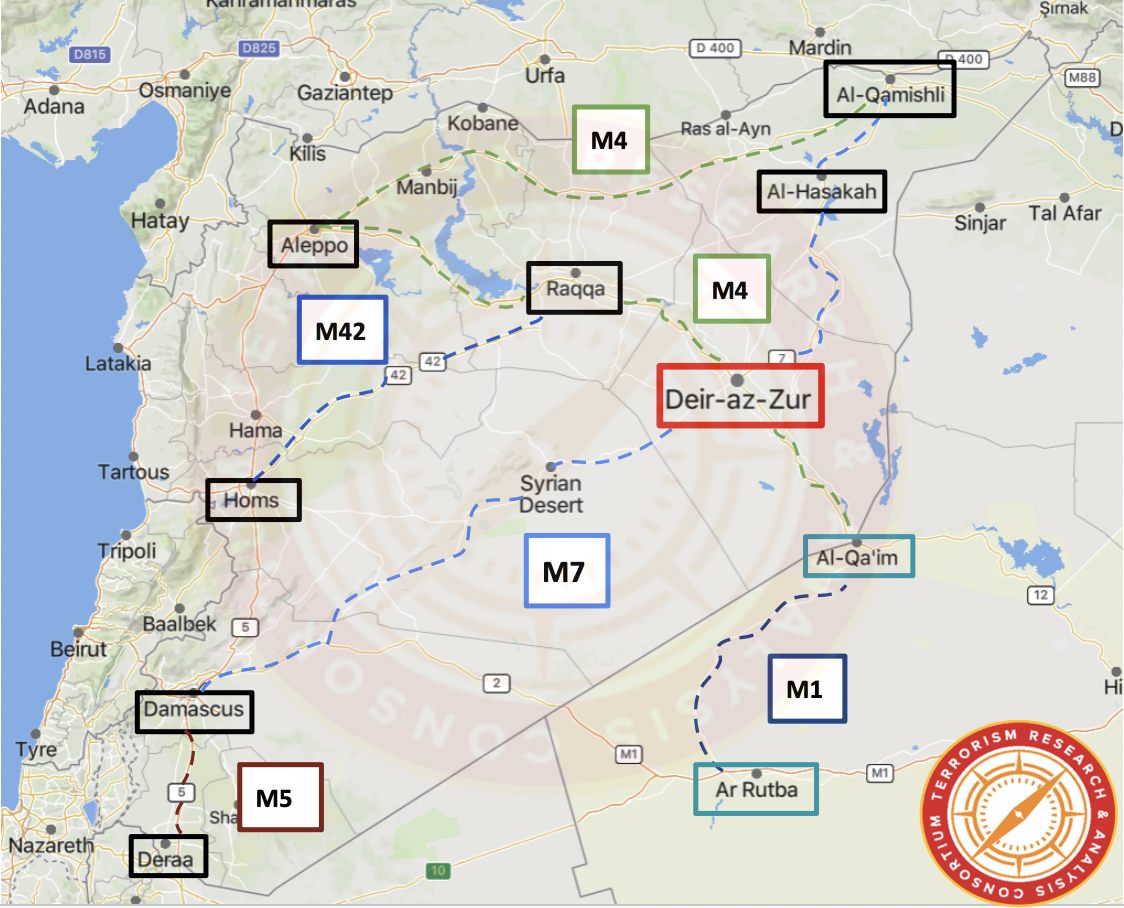
(Chatter) Islamic State (IS) Insiders Report Discovery of 109 Dead Bodies of Syrian Arab Army (SAA) Soldiers & Officers Along Damascus-Deir Ezzor Road [M7], Syrian Desert [Badiya], Homs Governorate, Syria
| |
(Claim / Anonymous Anarchists) Anarchist Group Claims Responsibility for Koninklijke KPN N.V (KPN) Electric Van Torched in Amsterdam, Netherlands | | | | |