NICOA Selects Cherokee for 2023 Conference Location |
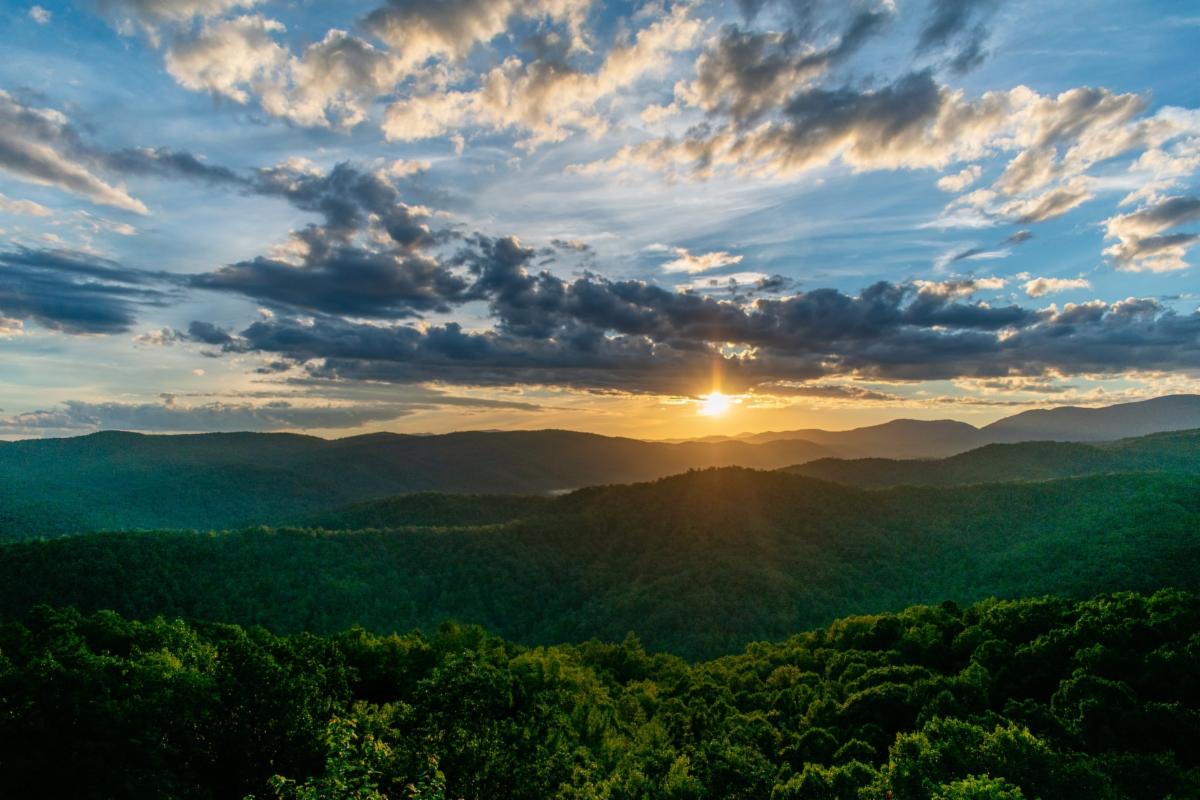
NICOA has chosen Cherokee as the site of o ur American Indian Elders Conference because of its history and culture. Cherokee is the capital of the federally recognized Eastern Band of Cherokee Indians, one of three recognized Cherokee tribes and the only one in North Carolina. The community also serves as a tourist destination, with numerous campgrounds, motels, and hotels serving visitors to the Great Smoky Mountains National Park, with a major entrance to the park lying within the community. The Blue Ridge Parkway is also immediately accessible from Cherokee. |
Cherokee, North Carolina is a town rich in history and full of outdoor adventure. It has preserved the Cherokee lifestyle, due to its location on the reservation home of the Eastern Band of the Cherokee Nation. Find authentic, handcrafted art at the Qualla Arts and Crafts Mutual, Inc., the oldest American Indian cooperative in the country, with over 350 juried artisans creating one-of-a-kind baskets, carvings, jewelry and other pieces using techniques passed down for generations. Take a cultural and historical tour fused with interactive video, intriguing displays, and a full sensory experience at the Museum of the Cherokee Indian.
|
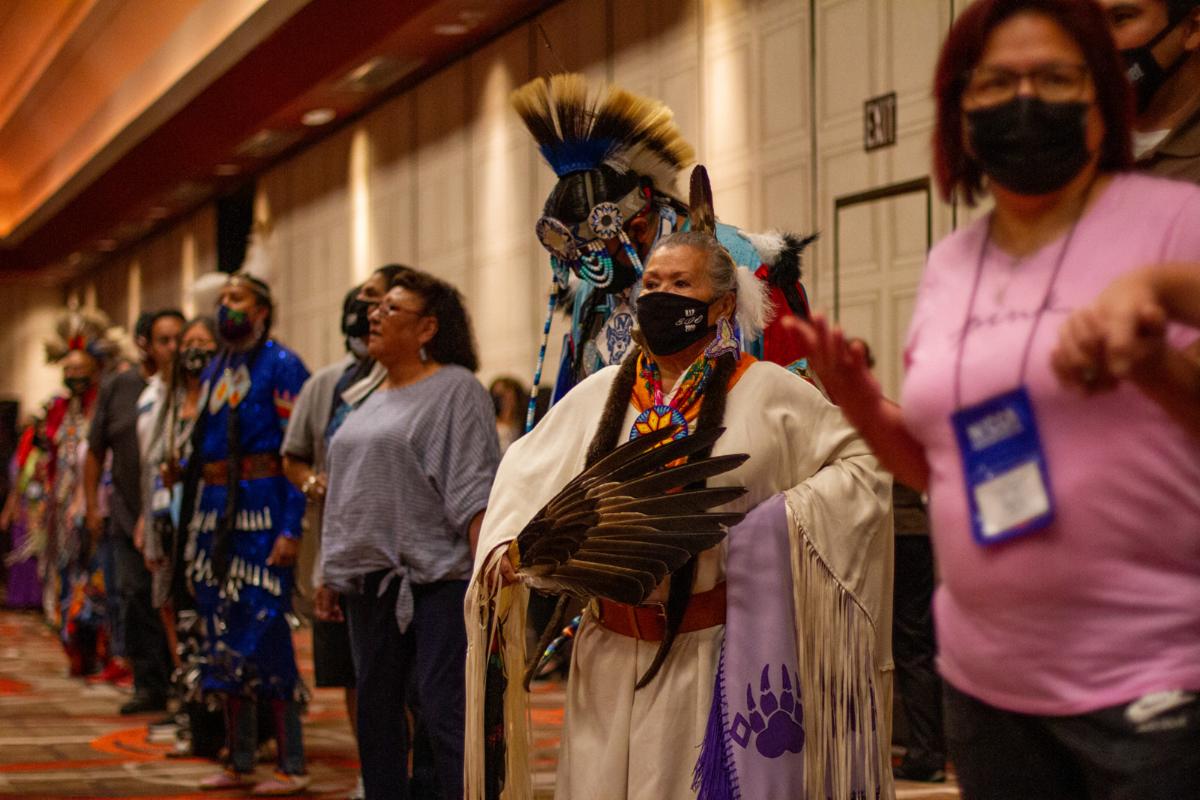
Our biennial conference is the place where elders can educate and recommend solutions to policymakers to help improve aging services across Indian Country. NICOA’s American Indian Elders Conference offers the opportunity to elevate issues in American Indian politics and legislation, as well as focus on issues such as health, safety, financial management, elder abuse, caregiving, employment, retirement and the Older Americans Act.
NICOA’s conference serves as a national forum for American Indian and Alaska Native elders from across the country to convene together. Conference attendees represent over 2,000 American Indian and Alaska Native elders, stakeholders, elected tribal representatives, government agencies and aging network providers.
Conference registration will open October 1, 2022. Registration for conference attendees will be available online and by mail. If you have any questions, please email Cheryl J. Archibald or Leslie Maly, or leave us a message at (505) 292-2001. |
|
|
|
Register Now for Navigating LTSS: Effective Program Management |
Find out how to best improve your program and serve your community! Register for our “ Navigating LTSS: Effective Program Management” webinar to receive guidance on budgeting, staff, infrastructure, sustainability, leadership styles, conflict resolution and how to coordinate funding. This webinar is ideal for Title VI and elder program administrators, as well as anyone in the field of long-term services and supports (LTSS).
Tune in TOMORROW (10 a.m. PST, 11 a.m. MST, 1 p.m. EST) to learn the best problem-solving approaches to program management in the long-term care industry, both internally and externally. Speakers Jeff Kiely and Larry Curley will reflect on a range and variety of experiences in program management.
|
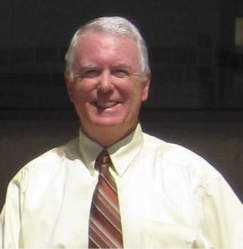
Kiely has 40 years of experience in the fields of education, public health, regional and community planning, grantsmanship, intercultural communications, program development and administration. He owns a consulting company specializing in strategic planning and development for organizations, businesses and communities. |
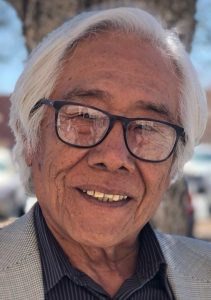
National Indian Council on Aging Executive Director Curley is a member of the Navajo Nation with over 40 years of experience working in the aging and healthcare fields. He has served as a nursing home administrator of a tribal, long-term care facility, as a hospital administrator in northern Nevada. |
|
|
|
Membership with NICOA offers many valuable benefits. As a paid member you will receive NICOA’s online bimonthly newsletter, legislative updates on important issues and resolutions affecting elders, voting privileges for qualified members and discounted registration fees for qualified members to attend our biennial conferences.
Be an important part of a national membership network and become a NICOA member by applying online or by mail. |
|
|
|
Upcoming Grant Opportunities for Tribes |
Tribal Self-Governance Planning Cooperative Agreement Program Purpose: The purpose of this Planning Cooperative Agreement is to provide resources to tribes interested in entering the Tribal Self-Governance Program (TSGP) and to existing self-governance tribes interested in assuming new or expanded Programs, Services, Functions, and Activities (PSFAs).
Eligible Applicants: Native American tribal governments (federally recognized) and Native American tribal organizations (other than federally recognized tribal governments)
Funding Information: $900,000 total funding
Deadline: August 31, 2022
Tribal Self-Governance Negotiation Cooperative Agreement Program Purpose: The purpose of this Negotiation Cooperative Agreement is to provide tribes with resources to help defray the costs associated with preparing for and engaging in Tribal Self-Governance Program (TSGP) negotiations. TSGP negotiations are a dynamic, evolving, and tribally-driven process that requires careful planning, preparation, and sharing of precise, up-to-date information by both tribal and federal parties.
Eligible Applicants: Native American tribal governments (federally recognized) and Native American tribal organizations (other than federally recognized tribal governments)
Funding Information: $420,000 total funding
Deadline: August 31, 2022
|
|
|
|
First Native Woman Named U.S. Treasurer |
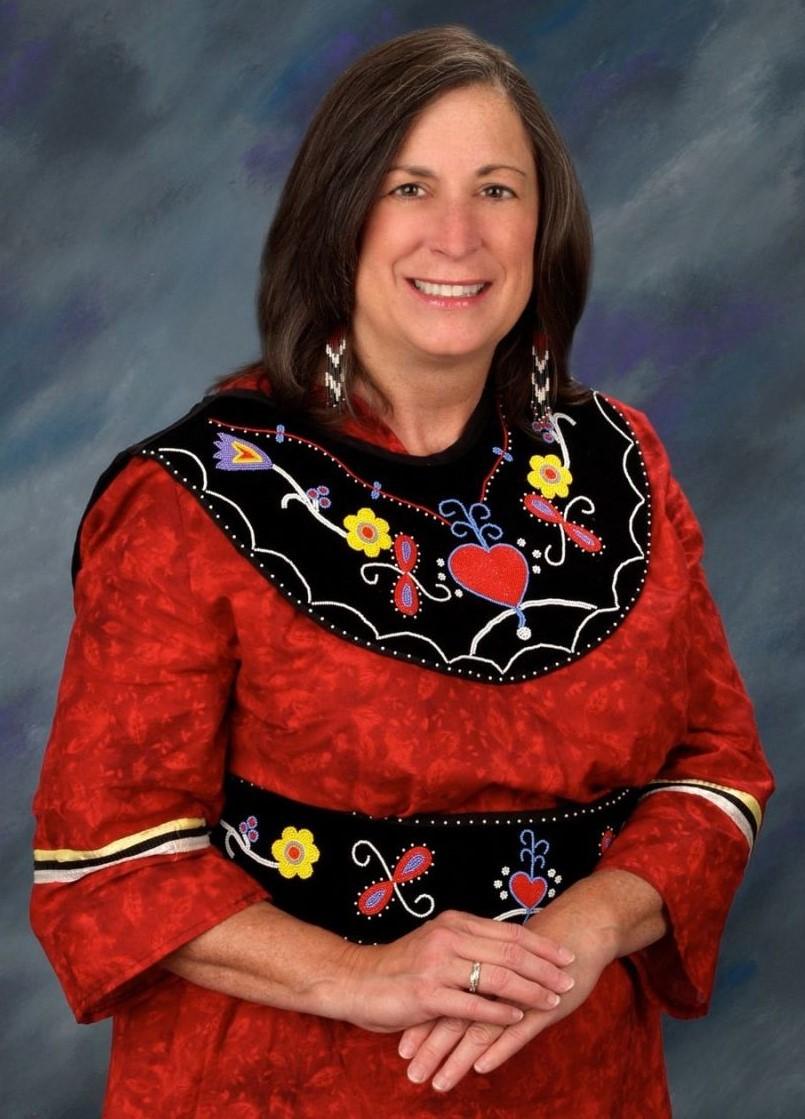
NICOA applauds the historic appointment of Chief Lynn Malerba of the Mohegan Tribe by President Biden as Treasurer of the United States. The Native CDFI Network will be working closely with Chief Malerba and her team to strengthen and expand the role of Native CDFIs (Community Development Financial Institutions) in fostering that growth.
Malerba is the first Native person to be selected for this top federal post. Among her many important functions, Treasurer Malerba will oversee the newly established Office of Tribal and Native Affairs within the Department of the Treasury, which will serve as the hub for tribal policy and house staff directly dedicated to communication with tribal nations and other key Indian Country stakeholders. Treasury previously created a tribal team in 2021 as part of its efforts to develop the department’s growing relationship with tribal nations and to help administer $30 billion in programs directed towards Indian Country through the American Rescue Plan.
Chief Malerba became the 18th Chief of the Mohegan Tribe in 2010 and is the first woman to serve in this position in the tribe’s modern history. She previously served as a member of the Treasury Tribal Advisory Committee. Chief Malerba will now serve as a senior advisor to the Secretary in the areas of community development and public engagement.
In addition to leading the Office of Tribal and Native Affairs, the Treasurer of the United States directly oversees the U.S. Mint, the Bureau of Engraving and Printing, Fort Knox, and is a key liaison with the Federal Reserve. Chief Malerba’s appointment as Treasurer of the United States will also mean that for the first time in U.S. history, a Native woman’s signature will be seen on U.S. currency.
|
|
|
|
Native Unemployment Data Released for the First Time |
These new numbers show a labor market that is leaving Native people behind. While the nation’s topline unadjusted unemployment rate was 4.4 percent in January, the unemployment rate among Native workers was an extraordinarily high 11.1 percent, according to the Brookings Institution. Nearly two years into the pandemic recovery and Native workers are contending with a labor market that would be considered catastrophic if it was reflective of the full economy.
The Brookings report shows that, prior to the pandemic, American Indians and Alaska Natives had a higher unemployment rate than other racial groups, with a 7.5 percent unemployment rate in February 2020. As the pandemic took hold, the Native unemployment rate jumped to 28.6 percent — “a level comparable to national unemployment during the Great Depression.”
While national unemployment numbers have recovered since the start of the pandemic, American Indians and Alaska Natives continue to experience substantial labor market challenges. For comparison, the January 2022 unemployment rate for Native workers was higher than the unemployment rate for white workers in June 2020, just two months after the unemployment peak — a period widely considered a national crisis.
|
|
|
|
American Indians Face Geographic Barriers to Cancer Care |
Researchers used a database listing addresses for radiation therapy facilities and calculated the distance to the closest facility for each block group — a geographic unit that includes up to 3,000 people. Using data from the 2019 American Community Survey, the researchers were able to compare travel distances by racial and ethnic composition, area deprivation, and rurality of block groups.
This is first known study to look at racial disparities in travel distances to U.S. radiation therapy facilities. The study showed that block groups with an American Indian and Alaska Native majority traveled between 26 and 103 miles to the nearest radiation therapy facility. In comparison, block groups for other majority populations ranged from 3 to 35 miles. Additionally, almost a third of Native people lived in radiation therapy deserts with greater than average travel distance to radiation therapy.
Some cancers require radiation therapy, which can only be delivered in specialized facilities by trained physicians, and the treatments can require multiple daily visits for several months. These long travel distances may lead people to choose more invasive surgeries that don’t require as frequent follow-up care, such as a mastectomy, or full breast removal, for breast cancer, according to the lead study author, Solmaz Amiri. The findings highlight the disparities between rural and urban communities, which have historically disproportionately impacted American Indians and Alaska Natives, as more than half live in small towns and rural areas. |
|
|
|
Native Dementia Care Cost Increased by Hospitalization |
Recent research shows that potentially preventable in-patient hospital admissions account for most of the cost of treatment for American Indian and Alaska Native elders living with dementia. The total treatment costs for Native elders with dementia are $2,943 higher than for those without dementia because of higher hospitalization costs, according to a new study in the journal Alzheimer’s & Dementia. This was not the case in a study of health expenses among a large sample of nationally representative elders with and without dementia.
This is the first assessment of the treatment costs among American Indian and Alaska Native elders with dementia. The goal of the study was to provide the Indian Health Service and tribes with information to improve their understanding of how health service resources are allocated. Such information can help in decision-making about how to meet the needs of patients and their families in the future. The high costs of treating Native elders with dementia in the hospital suggest that much could be done to prevent some of those hospitalizations and to improve their quality of life.
The study also found that American Indian and Alaska Native elders with dementia had higher rates of other chronic conditions such as diabetes, heart disease, chronic kidney disease and stroke than those without dementia. These conditions were associated with higher treatment costs and increased the clinical complexity of treating patients with dementia.
The study analyzed data for American Indian and Alaska Native elders ages 65 and older who lived in 10 geographic areas throughout the United States and obtained the data from the Indian Health Service national data warehouse and other sources. The authors of the study are working to understand why Native elders with dementia are being admitted to the hospital and how patients’ social, demographic and economic characteristics – such as rural location, income and education – influence hospital use. They are also trying to determine what percentage of costs and admissions is potentially preventable with increased access to outpatient, community and home-based services.
|
|
|
|
Memory Disorders Program Seeks Native Volunteers |
Georgetown University’s Memory Disorders Program (MDP) is looking for volunteers to help them learn more. The MDP, part of the Department of Neurology at Georgetown University Medical Center, conducts research and provides clinical services. They aim to investigate new treatments designed to prevent and slow Alzheimer’s disease and need our help in ensuring the research is representative and yields treatments that are beneficial for all!
Additionally, the MDP offers patients opportunities to participate in research studies, including prevention trials and investigations of novel treatments. It was founded in 1999 and has a strong history of conducting trials in the Washington, D.C metropolitan region. The clinic is located within the Georgetown University Medical Center and provides clinical services for evaluation, treatment, and follow-up care.
The MDP also develop new tools to improve diagnostic and prognostic accuracy. They are currently looking for volunteers for several National Institutes of Health-funded clinical trials in the D.C area. For more information and to schedule a pre-screening interview, please email James Jaramillo.
The clinic will be also hosting a Dementia and Alzheimer's Disease 101 webinar via Zoom during the second week of August. Please email if interested. Check out their website for a list of all their enrolling studies. |
|
|
|
|
|
The National Indian Council on Aging, Inc. (NICOA) is a not-for-profit 501 (c)(3) charitable organization. Please consider adding NICOA to the charities you support.
NICOA needs your financial support as the advocacy and political work we do for our elders is not free. Grants that have helped fund NICOA are under threat in Washington, D.C., but you can help.
Your financial support will go directly to support our mission to improve health, social services and economic wellbeing for all American Indian and Alaska Native elders. Donations are tax deductible.
|
|
|
The National Indian Council on Aging | 8500 Menaul Blvd. NE, Suite B-470, Albuquerque, NM 87112 | 505-292-2001 | www.nicoa.org
|
|
|
|
|
|
|