AUGUST 2025 | VOL 8

CELEBRATING NATIONAL MINORITY

DONOR AWARENESS MONTH


National Minority Donor Awareness Month


Every August, we recognize National Minority Donor Awareness Month, a nationwide observance dedicated to saving and improving lives in diverse communities through organ, eye, and tissue donation. It’s a time to educate, inspire, and celebrate the families who say “yes” in the most difficult moments, transforming grief into hope.


Why Minority Donor Awareness Matters


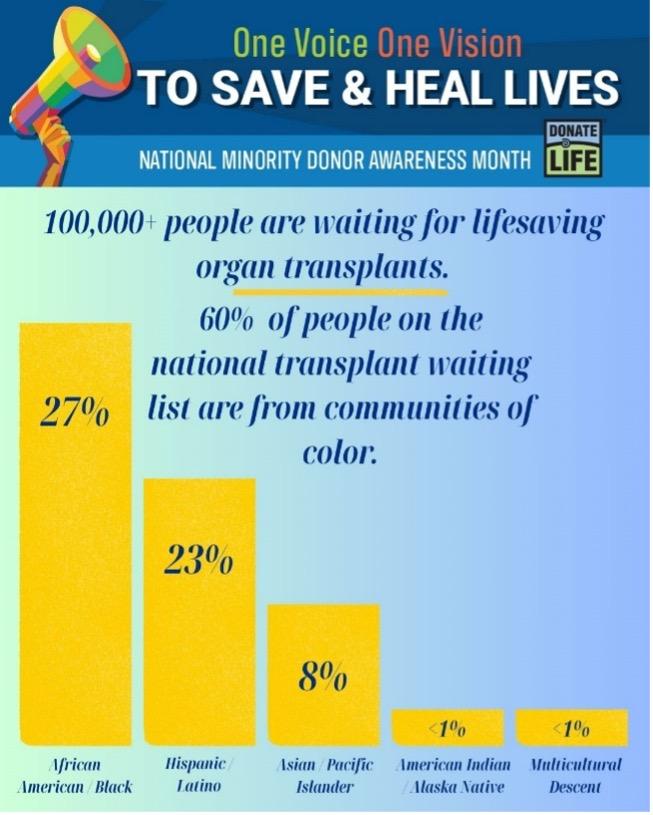
This month serves as a powerful reminder of the urgent need for organ, eye and tissue donation, particularly in minority communities where demand is high, but donor registration often falls short. In the United States, more than 100,000 people are currently waiting for a life-saving organ transplant. While people of all ethnic backgrounds are in need of transplants, a significant percentage of those on the waiting list are from minority communities.


  • Nearly 60% of patients on the national transplant waiting list are from multicultural backgrounds.


  • For some patients, the best match for an organ transplant comes from a donor of the same ethnic or racial background.


  • Minority communities are also disproportionately affected by conditions such as diabetes and hypertension, which can lead to organ failure.


The Role of Eye and Tissue Donation


Donation extends beyond organs. Cornea and tissue transplants restore sight, mobility, and quality of life. In fact, thousands of people from multicultural backgrounds benefit each year from cornea transplants, enabling them to return to work, care for their families, and enjoy life fully.

HONORING THE LIFE AND LEGACY OF

FABIANA FUENTES PINZON


CELEBRATING A HISPANIC HERO DURING NATIONAL MINORITY DONOR AWARENESS MONTH


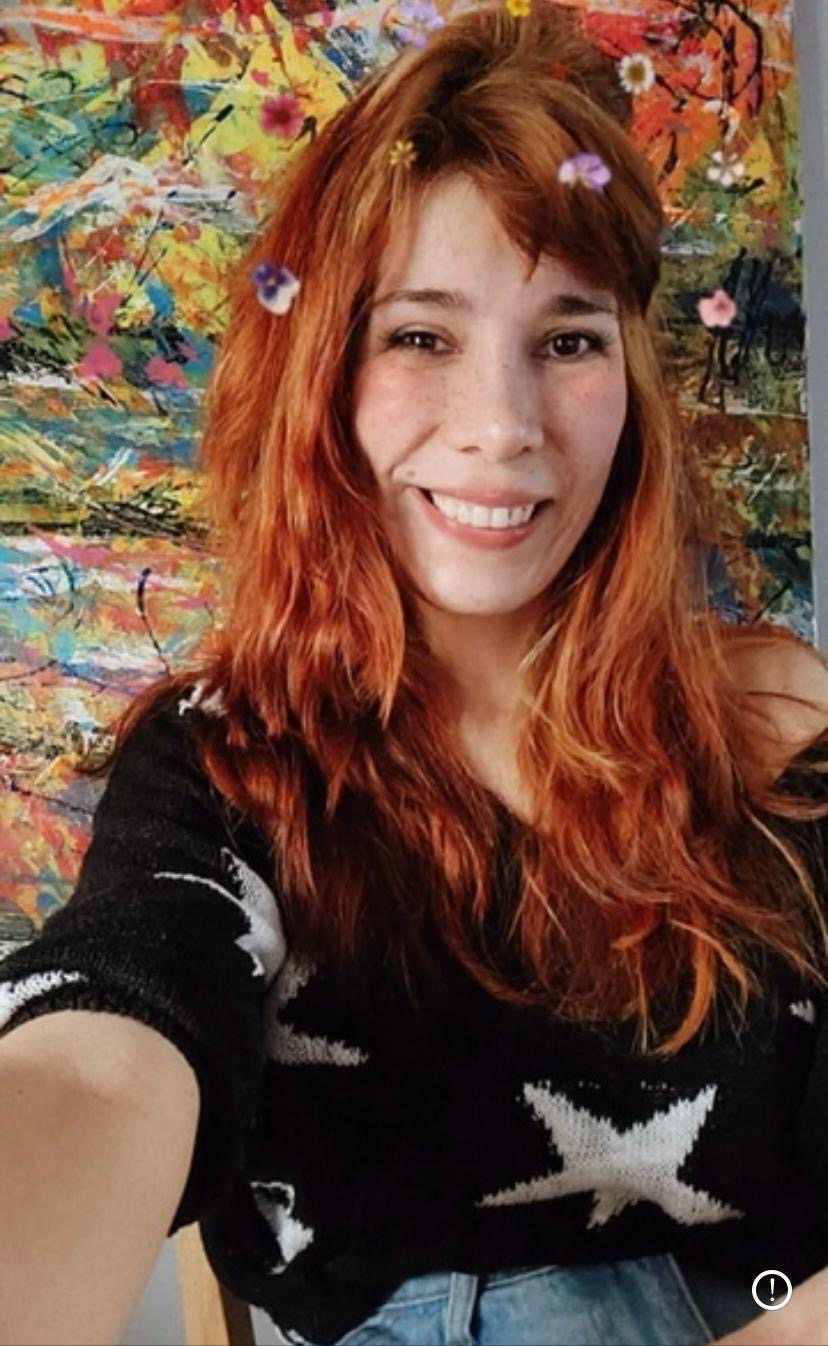
Fabiana Fuentes Pinzon was born in Maracaibo, Venezuela, on April 21, 1993, and passed away at the age of 31 on August 13, 2024, in Miami, Florida.


Fabiana was very proud of her Venezuelan roots. She had an extroverted and creative spirit that shone through her chromatic expressionist abstract paintings, often filled with vivid colors and heart motifs that carried messages of love, gratitude, and resilience. She used social media to inspire others, especially within the Hispanic community, sharing her belief that life is full of color.


Even when faced with a diagnosis of aggressive brain cancer with spinal metastasis, Fabiana's courage did not waver. During the COVID-19 pandemic, she painted face masks with messages of hope and joy, continuing to spread light even in the darkest times.


As we observe National Minority Donor Awareness Month, we are proud to honor Fabiana, a young Hispanic woman whose final act was one of profound love and generosity. She made the selfless decision to donate her organs, including her brain and eyes, for cancer research. Her gift is advancing science and offering hope for future cures, including those that could one day help others in her community.


Fabiana’s story is a powerful reminder of how one life can inspire countless others. Her legacy lives on in her art, every message she shared, and in the lives she touched, proving that love, generosity, and the spirit of giving truly have no limits.


CREATING EQUITY THROUGH AWARENESS


Beauty of Sight is deeply dedicated to raising awareness about donations in multicultural communities, not just in August, but every day. We collaborate with families, hospitals, faith leaders, and organizations to ensure culturally sensitive care and education are always accessible.


We also honor each donor's legacy by sharing their impact, with their families' consent, to inspire others and overcome barriers rooted in fear or misunderstanding.


Get Involved


This National Minority Donor Awareness Month, you can help foster a culture of healing and hope in your community.


Register as a donor at DonateLifeFlorida.org.


  • Discuss your wishes with your family.


  • Honor a donor or a recipient by sharing their story.


  • Partner with us to educate your school, church, or organization.

HERE’S HOW YOU KNOW YOU HAVE DRY EYE

Dry eye, medically known as keratoconjunctivitis sicca, affects around 20 million Americans, ”and that number is growing in both old and young adults,” says the American Academy of Ophthalmology.


Possible factors contributing to the trend include increased ocular interaction with tech devices (which research has shown lowers blinking frequency) or changes in air quality resulting from climate change.


Dry eye refers to a condition where your eyes don’t produce enough tears to stay properly lubricated. To once again cite the American Academy of Ophthalmology, it can also occur when your tears evaporate too quickly or aren’t made with the right mix of oil, water, and mucus. 

Facebook  Linkedin  Instagram