Music Educator Spotlight
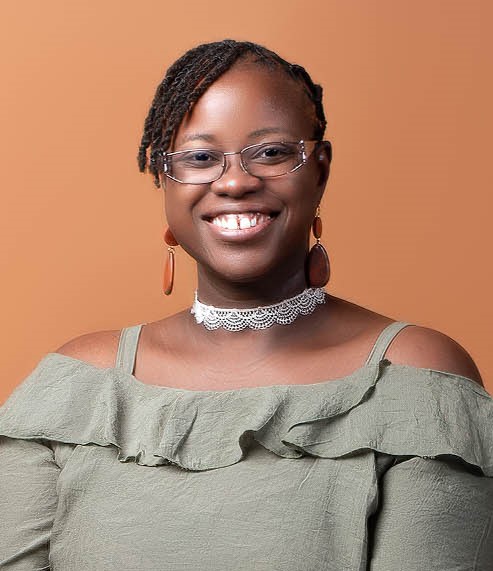
Shea Burns received her B.A. in Music and her M.Ed. in Educational Studies with focus in Teacher Leadership from Claflin University in Orangeburg, SC. She is presently pursuing a Doctor of Music Education degree from Liberty University in Lynchburg, Virginia.
As a veteran educator, Ms. Burns has served as an ABA Therapist, teaching autistic children (ages 3-10) at school and at home. She has taught general music (ages 3-13), along with band, chorus and strings (ages 10-18). As a professional tutor, Ms. Burns has worked in schools and online helping students, young and adult, close achievement gaps. She specializes in establishing and growing instrumental musicians, math intervention and instruction, teacher preparation, classroom management, discipline and operations as well as school-level organizing and planning.
As a clarinetist and bass clarinetist, she performs with the Aiken Concert Band, Augusta Concert Band, Columbia County Orchestra, and the Savannah River Winds. She also conducts private lessons and master classes for the Augusta University Conservatory Band program.
Since 2010, Ms. Burns has provided professional development and consulting, tutoring and test preparation services to clients from South Carolina, Georgia and other Southeastern states. From strategic planning to innovative solutions, her focus is always on building lasting relationships with parents and the community she serves, ensuring student success in the arts, academics, and life.
What led you to become a music educator? Who are some influences in your musical life?
My mother, Rodney C. Zimmerman, and Kenneth Daniel Curry have been three of the most influential people in my journey towards music education. My mom immersed me in music since I was 3 years old and taught me that music was my safe haven. Mr. Z was the best back flipping band director you'd ever meet and taught me the value of and fun in music education. Mr. Curry (my son's namesake), a music professor during my time as an undergrad. His wisdom and patience was "a light to [me] in dark places, when all other lights [went] out."
What advice do you have for music students looking to become educators?
Music education can be the most fun and rewarding experience ever! Volunteer at every level (elementary, middle, and high school) to find your best fit. Study well. Some non-music courses that I still reference in the classroom today are Human Growth and Development, The History of Music Education, and anything to do with theorists (Vygotsky, Piaget, Bloom, Bruner, Skinner). I promise you, these are not just fluff courses. They are the best help for classroom management. You'll thank me later.
What is a favorite lesson or unit you love to teach?
My favorite unit is called "Show Me the Money" and it's a General Music class project about careers in music. Often general music classes are a "dumping ground" for those who can't take something else or have no interest in taking anything else. Showing students that music is in everything and everywhere not only allows them to learn about non-music jobs that support what we do as musicians, but also provides thoughts toward their potential for the future. Would you like a copy of the project details? Send me an email and it's yours.
Why do you think Music in Our Schools Month is important? How can teachers embrace the month for advocacy and learning?
Music in Our Schools Month is a movement. It is just as important as the efforts that led to March being identified nationally as Women's History Month, American Red Cross Month, National Ethics Awareness Month, and National Nutrition Month. There are so many opportunities for us as music educators to highlight the value and importance of what music brings to schools. However, music is more than a class. We as educators can embrace the month for advocacy and learning by highlighting the "Truth About Music Education." Music is therapy. Music is words expressed in a song that could not be expressed in words. Music is social emotional learning. Music is math, science, ELA, and social studies. Music...is...life.
What are three things you think teachers can do to advocate for music education in their school/community?
Here are three things teachers can do to advocate for music education in their school/community:
1. Be Visible- Allow your students' success to speak for you. Performances are not the only demonstration of success. Music makes one "well-rounded", provides natural discipline, and can advocate on its own.
2. Be Vocal- Not comfortable speaking to lawmakers? Find a parent that has a large voice in the school or community and give them a platform to speak about the impact of music.
3. Be Vibrant- Let your musical light shine! You are not just an educator. Dare I say it? You were a musician before becoming an educator. Your natural skills, abilities, and gifts are the best advocating tools in your tool box. Tell your story, get teachers at your school to tell their story of the impact of music (and the arts), get your local leaders to tell their story. In the words of Rihanna, "Shine bright like a diamond. You and I, you and I we're like diamonds in the sky."
What resources would you recommend for teachers interested in
Music in Our Schools Month activities?
There are many resources available here: MIOSM Activity Ideas to Involve Your School and Community - NAfME. Additionally, the GMEA MIOSM Committee is working to develop a resource bank that can be accessible to you on our GMEA website. If you are interested in serving on the MIOSM Committee, feel free to email me at sburns1922@gmail.com.
|