GCBA News
News from the Department of Genetics, Cell Biology and Anatomy
| | |
Leadership Message
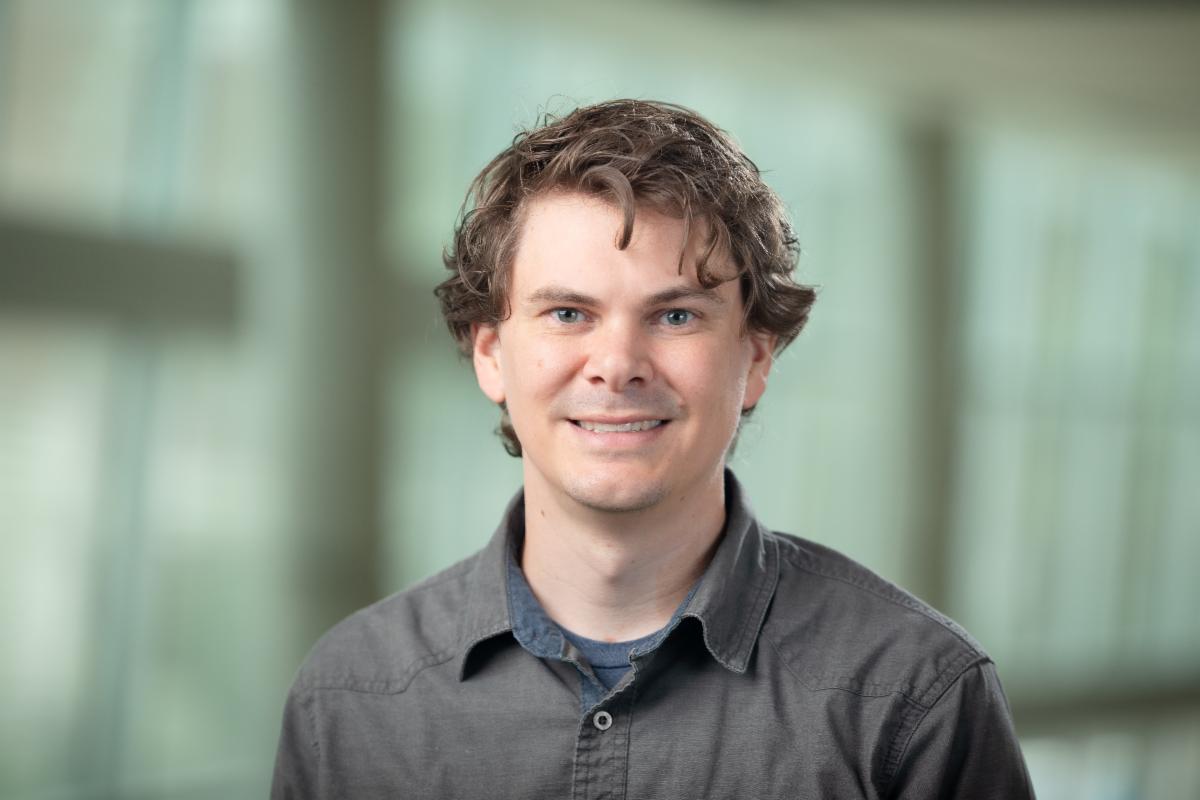
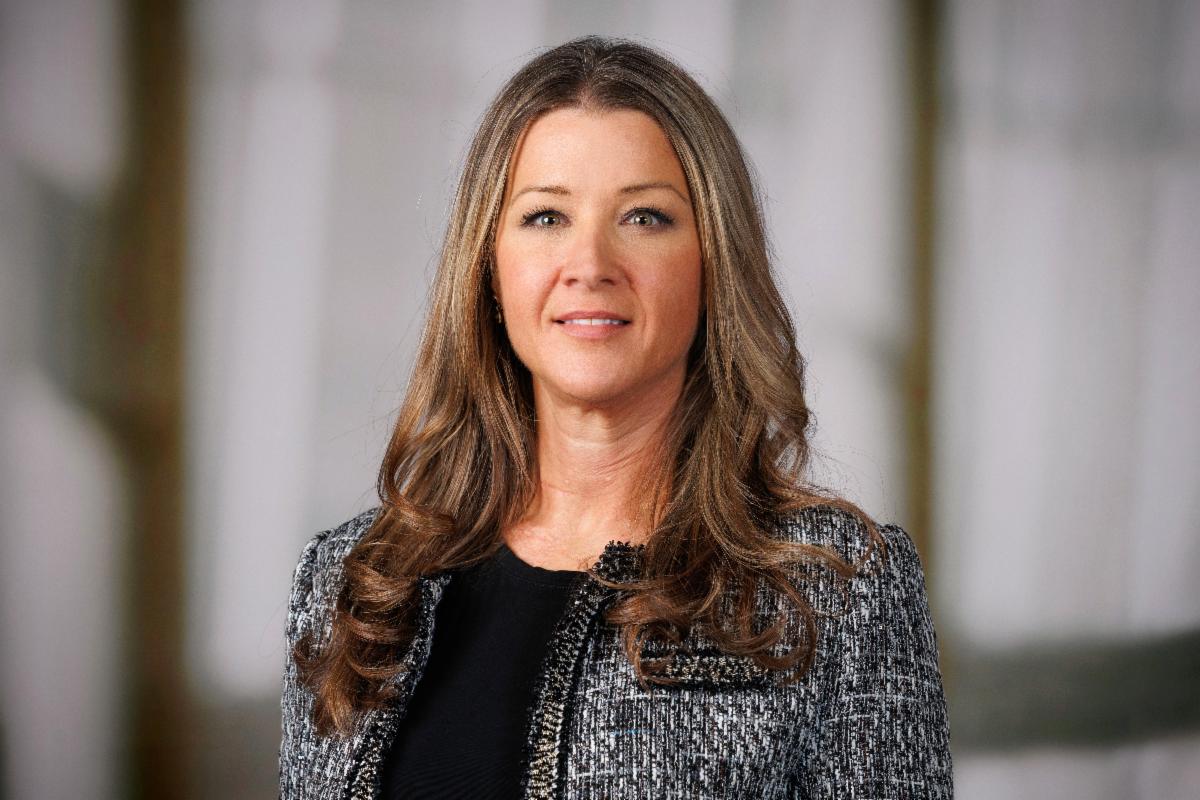
M. Jordan Rowley, PhD
| | |
Biological research is not the same as it was ten years ago. Ten years ago, it wasn’t the same as twenty years ago. By definition, scientific advancement shifts the landscape of research, requiring flexibility and constant innovation by us as scientists. The technologies, analytical frameworks, and questions that define modern biological research today would have been difficult to anticipate even a decade back, and we can be certain that the pace of innovation will continue to accelerate. This reality is both exciting and demanding, as staying current is not optional, it is simply part of the job.
What does this mean for our department, and how do we keep pace with a field that will not hold still? It means that we must constantly revisit assumptions about how we train, what we ask of each other, and what infrastructure we provide to support discovery. It means recognizing that some of the assays, systems, and standards that served us well in the past need to evolve, not because they failed, but because science has moved forward.
One aspect that I like about GCBA and UNMC is that they have demonstrated consistent innovation in several areas. For example, both the MGCB and BISB programs recently adjusted the comprehensive exam, shifting the focus so that students must demonstrate mastery through the lens of their own research, better reflecting how science is actually practiced. Similarly, Graduate Studies is consistently evolving, anticipating needs, and creating policies that align with the realities of modern trainee development. UNMC Core facilities have also continued to refine and expand capabilities to meet investigators where their fields are heading (if you haven’t checked out their services recently, I encourage you to do so).
These changes require consistent and concerted effort, and none of them happen in isolation. They emerge from ongoing conversations about what our students need, what our research needs, and what science is demanding of us. That kind of attentiveness to discipline, to people, and to the structures that support them is what makes us excellent. The pace of change in biological research is a privilege, even when it feels inconvenient. I am glad to be navigating it alongside such a thoughtful and dedicated community.
| | |
Profile of the Month
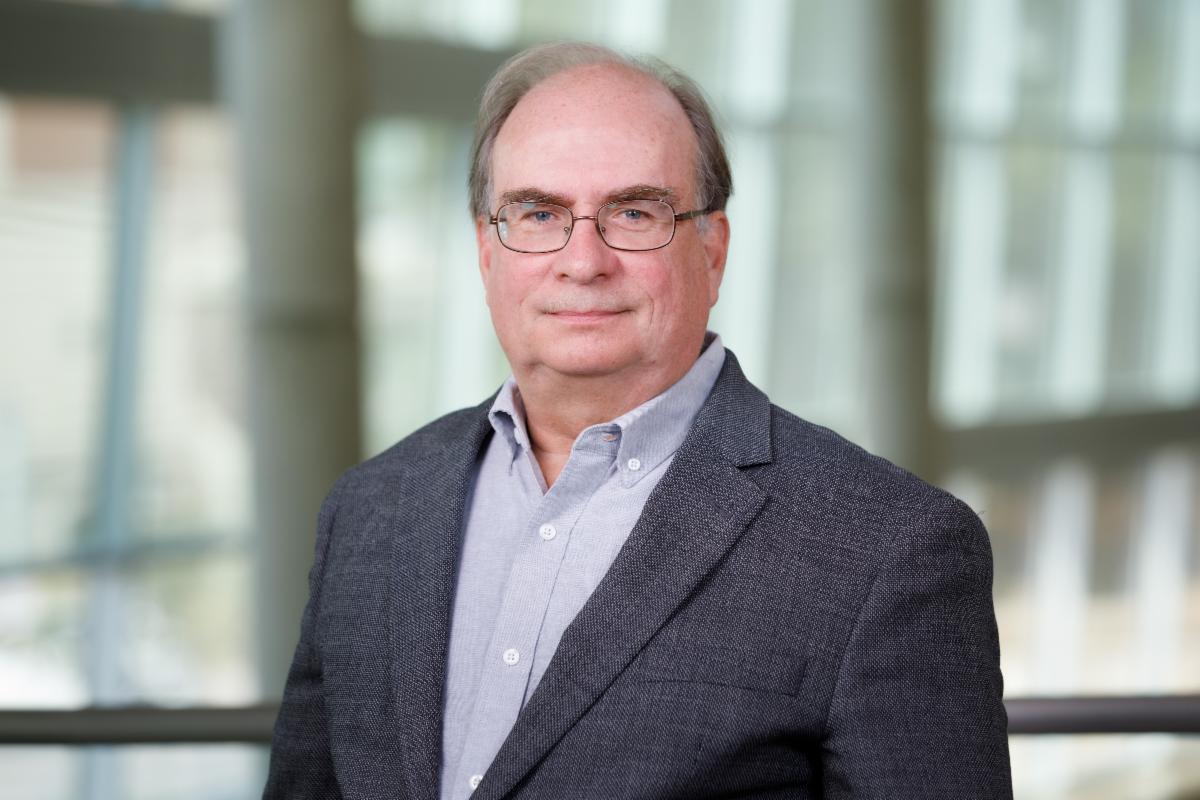
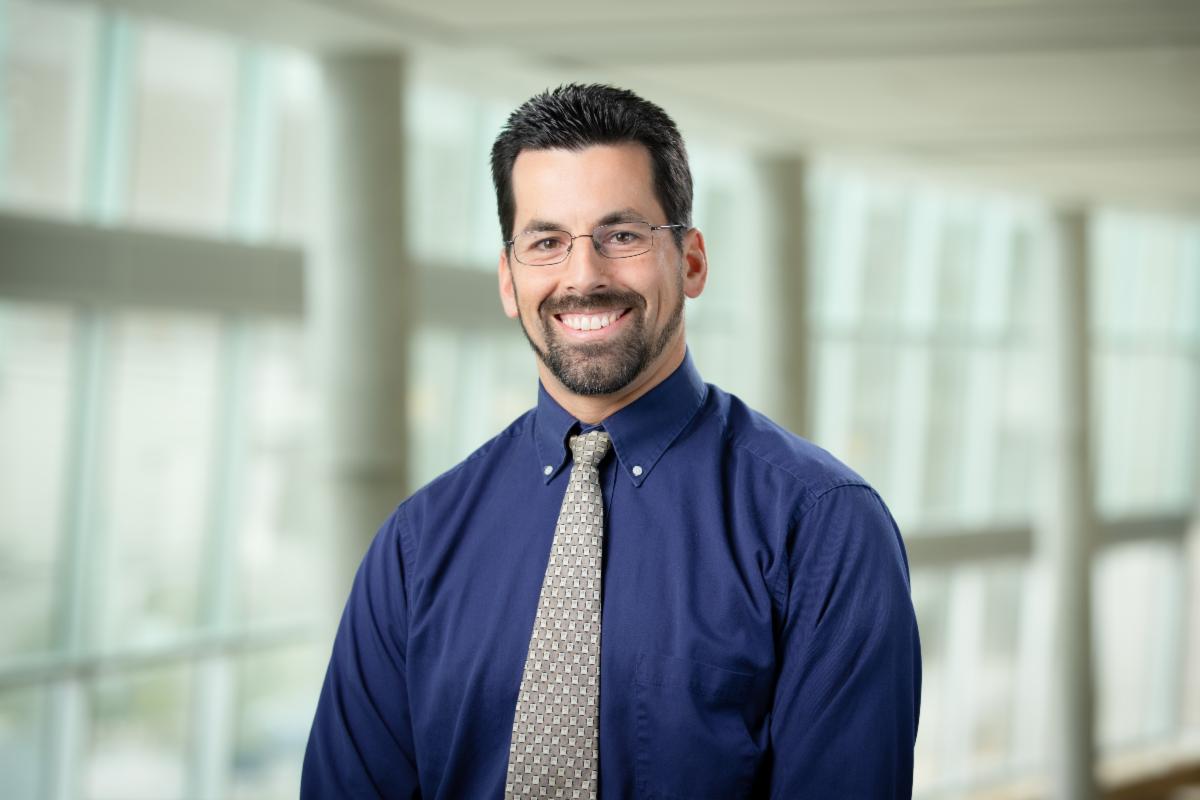
Robert Norgren, PhD
| |
Preferred Name:
Whis your scientific and teaching expertise?
- Genomics and Neuroscience
Hometown:
- I was born in Flint, Michigan but have lived in several cities and States. I have lived the longest in Omaha.
What do you do for the department?
- I have been an active researcher for many years but now primarily teach the Neurosciences and Genomics.
What do you think you can teach students, post-docs and other faculty?
- Always strive for excellence and never give up.
What is the best piece of advice you've received or what is your favorite quote?
- You can have anything you want, as long as you are prepared to pay the price.
Favorite food:
- Fried chicken, mashed potatoes with gravy and mac and cheese.
Favorite place to vacation or favorite activity outside of work:
- Outside: Hiking; Inside: Reading.
| | |
Kimberly Latacha, PhD
- Inaugural 2026 COM Distinguished Foundational Science Educational Award
Travis McCumber, PhD
- UNMC 2026 iTEACH Awards - Student Senate Distinguished Mentor Award
- Inaugural 2026 COM Foundational Science Educator Innovation Award
- Anatomy Connected - Poster Presentation: Preserving the Past to Educate the Future: Using Legacy Collections to Teach Anatomy and Ethics.
- Anatomy Connected - Poster Presentation: Multimodal Histology: A Macro Mixed Method Analysis of a Micro Curriculum
Megan Perry, PhD
- Inaugural 2026 COM Emerging Foundational Science Educational Award
Heather Smith, PhD
- Nebraska Banker's Grant Award - $10,750 - High Throughput Polarized Light Imaging
Matthew Vilburn, DC
- Project presented at Innovators in Education E-Learning Showcase - Mastering the Corticocerebellar Pathway: Structure, Function, and Clinical Correlation. Carly Isder (M2), Karissa Nichols (M2) and Mathew Vilburn, DC
- Anatomy Connected - Invited Talk - Moving away from Vertical Mentoring: Try out Horizontal, Circular, and Flash Mentoring Session - Talk title: Peer Mentoring: Why Peer Mentoring Works at Every Stage.
Shibiao Wan, PhD
- 2026 Senior Member Designation - Association for Computing Machinery (ACM)
| |
|
Student Achievements
Each of these students successfully defended their PhD thesis in the MGCB program.
- Yingling Chen from the Kishor Bhakat, PhD lab
- Achyuth Kalluchi from the M. Jordan Rowley, PhD lab
- Olawale Alimi from the Bin Duan, PhD Lab
Congratulations and best wishes as you take the next step in your careers.
| | |
Department Community Enhancement
| | | | Our Mission Remains Strong | | |
In times of uncertainty, it is easy to focus on what may be changing around us — federal grant funding landscapes, shifting priorities, and state budget discussions that impact higher education and research institutions nationwide. Yet even amid these challenges, one thing remains constant within our department: the dedication, creativity, and resilience of our faculty, staff, postdocs, trainees, and students.
Every day, our department continues to advance discovery, educate future scientists and healthcare professionals, and serve our broader community. While external funding environments may fluctuate, the importance of our work does not diminish. Research conducted in departments like ours drives innovation, improves patient care, expands scientific understanding, and strengthens the future of medicine and education.
Periods of financial uncertainty also remind us of the value of collaboration and adaptability. Across the department, individuals are finding creative ways to maximize resources, strengthen partnerships, support one another, and remain focused on our shared mission. Administrative teams continue working diligently behind the scenes to assist faculty and investigators with proposal development, budget planning, compliance requirements, and strategic stewardship of resources. Faculty mentors continue investing in students, post docs and trainees, preparing the next generation of researchers and healthcare leaders despite the challenges facing academic medicine and science.
Higher education has always required perseverance, and some of the most meaningful advancements emerge during times that test our resolve. Our department’s strength has never rested solely in budgets or funding lines — it rests in the people who faithfully carry forward the missions of research, teaching, and service every day.
As we move forward together, let us continue to support one another, celebrate successes both large and small, and remain committed to the work that matters so deeply to our institution, our students, our patients, and the communities we serve. Even in uncertain times, progress continues because of the dedication and excellence of this department.
| | |
Arrivals and Departures
Arrivals:
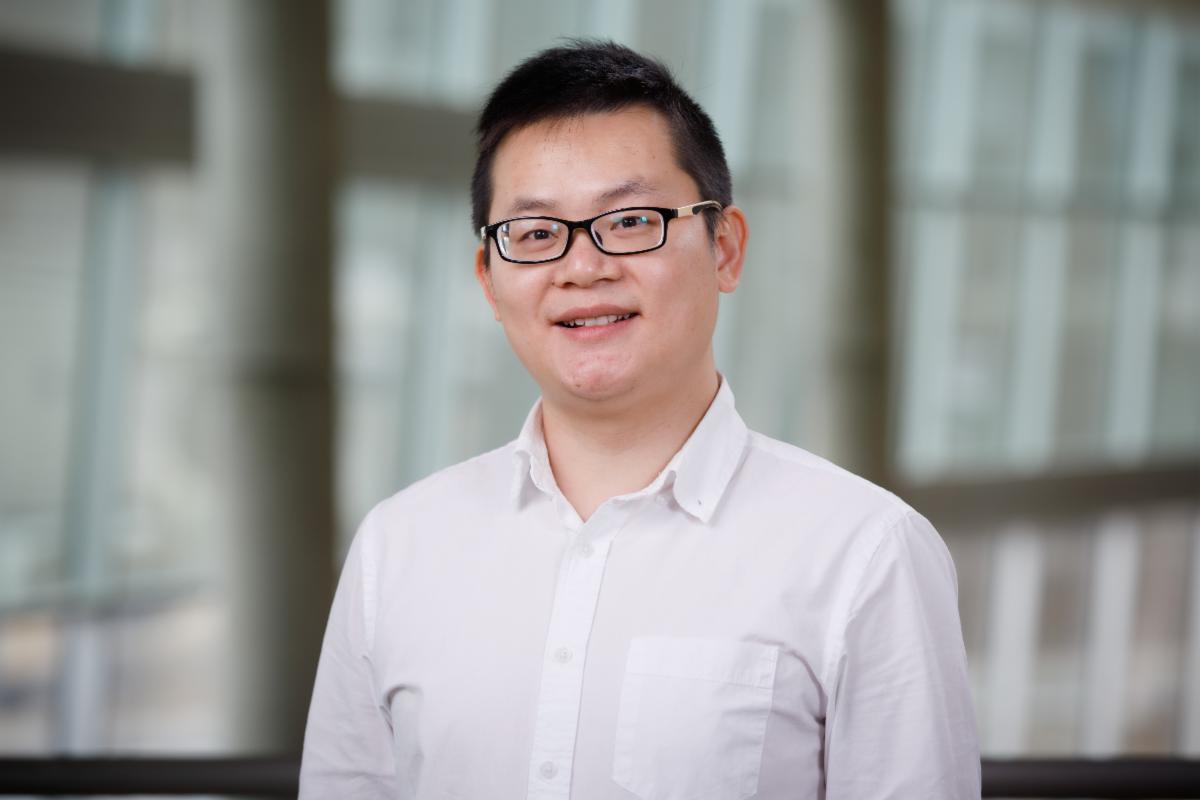
- Shivansh Kaushik, PhD – Postdoc in Babu Guda, PhD Lab
Departures:
| | |
April Publications for GCBA Faculty, Students, Post Docs and Staff.
Peer Reviewed:
-
Roy P, Rose BA, Ray S, Dogiparthi VR, Schaefer MA, Stucky CL, Choi S, Woods NT, Hewitt KJ. A stress-induced PI3P complex controls autophagy in erythroid precursors. iScience. 2026 Mar 2;29(4):115182. doi: 10.1016/j.isci.2026.115182. PMID: 41971991; PMCID: PMC13062518.
-
Tamanaeifar F, Owolabi BA, Monaco CF, Moses RM, Castillo AC, Cupp AS, Davis JS, Plewes MR. Luteinizing hormone activates the Hippo pathway to promote progesterone synthesis in bovine luteal cells. Cell Commun Signal. 2026 May 2. doi: 10.1186/s12964-026-02917-w. Epub ahead of print. PMID: 42067828.
| |
Department of Genetics, Cell Biology and Anatomy
985805 Nebraska Medical Center
Omaha, NE 68198-5805
402-559-8325
https://www.unmc.edu/genetics/
| | | | | |