Coast Posts
- A Newsletter From FEC

June 2024

Monthly News Updates

News from Future Earth Coasts International Project Office
Shanghai | East China Normal University
Subscribe to Our Newsletter!

Highlights:


  • Tour de Coasts Survey
  • FEC ‘Tour de Coasts’ at SRI 2024: Uniting Global Voices for a Sustainable Coastal Future
  • FEC Fellows Session June 2024 Highlights Advancements in Coastal Sustainability and Climate Adaptation
  • Meta-Network Leads the Way in Pioneering Coastal Sustainability: A Pivotal Step Towards a Resilient Future
  • FEC Co-organized the Fifth National Conference on Environmental Microplastic Pollution and Control
  • FEC on World Oceans Day 2024
  • FEC Dialogue: Meet the Fellows | Dr. Devendraraj Madhanagopal
  • Mangroves of the Warm Temperate Northeast Pacific
  • Short-term evolution pattern in salt marsh landscapes: the importance of physical constraints
  • FEC Welcomes New Academy Member - Prof. Dr. Jing ZHANG
  • Dr. Giovanni Avila-Flores Contributes to Global Mangrove Assessment
  • Updates from FEC Affiliated Projects: Resilient Lagoon Network
  • Updates from FEC Supported Networks: The Early Career Ocean Professionals Programme (ECOP)


Tour de Coasts


Join us in shaping the future of our coasts by sharing your thoughts through the Tour de Coasts survey!

Click to Take the Survey

What have we been up to

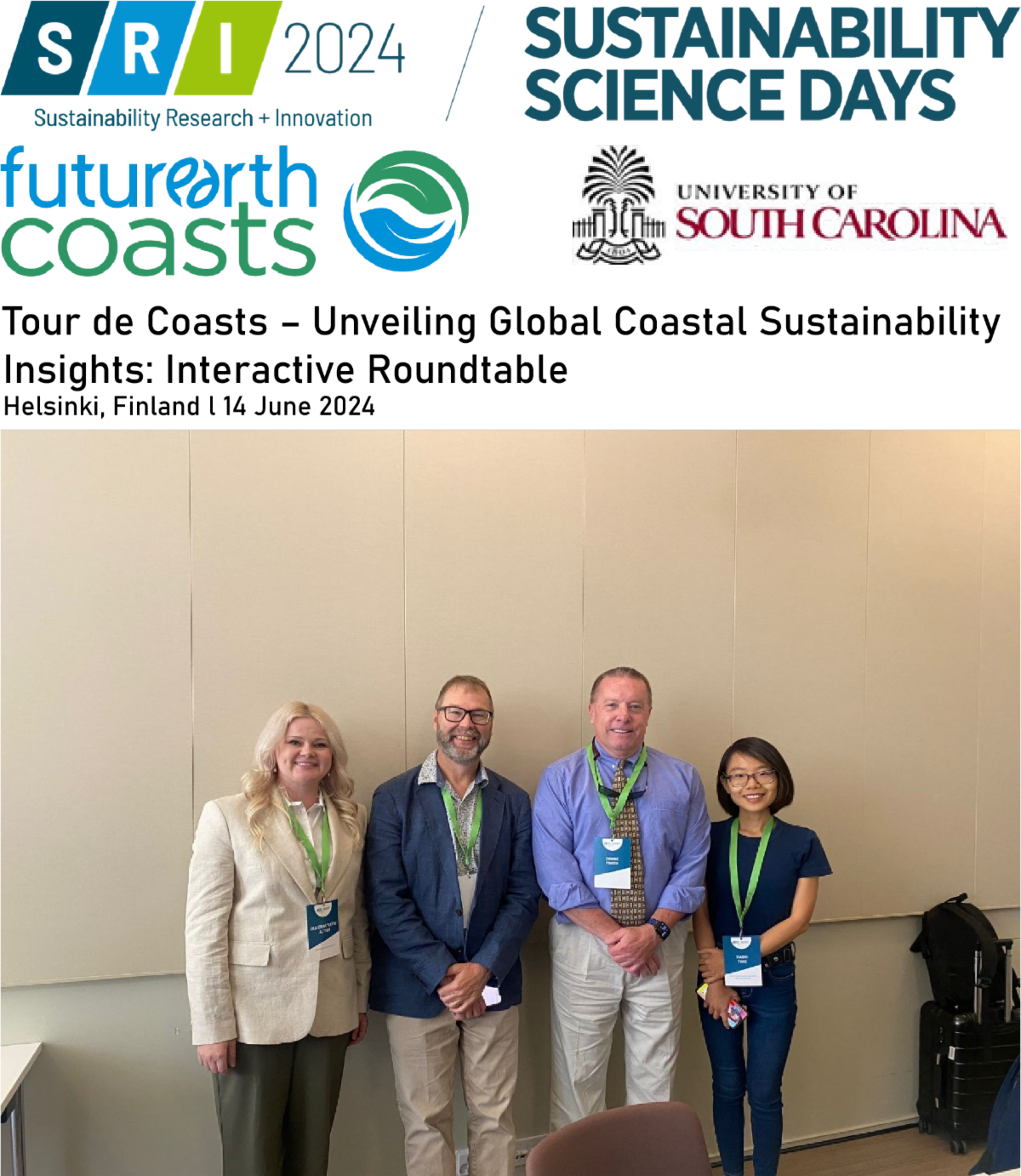
Future Earth Coasts ‘Tour de Coasts’ at SRI 2024: Uniting Global Voices for a Sustainable Coastal Future

The Future Earth Coasts (FEC) has taken a significant step forward in advancing coastal sustainability through its innovative 'Tour de Coasts' initiative. This pioneering effort was showcased during the FEC Interactive Roundtable ‘Tour de Coasts: Unveiling Global Coastal Sustainability Insights’, held on June 14th at the Sustainability, Research and Innovation Congress (SRI) 2024 in Helsinki, Finland.


As part of this initiative, FEC conducted a series of interactions aimed at fostering meaningful knowledge exchange and identifying key gaps and solutions in coastal sustainability. This collaborative effort, co-designed by the FEC core team and experts from the University of South Carolina, involved a comprehensive questionnaire based on previous research to gather diverse perspectives.


Launched in March, the survey has garnered responses from participants in 67 countries across the globe. The culmination of these efforts was presented at the SRI 2024 Interactive Roundtable, providing an exceptional platform to share the survey findings and gather further insights. The 'Tour de Coasts' team presented their current findings and facilitated an interactive roundtable discussion, engaging SRI attendees in a collaborative exploration of coastal sustainability issues. Participants' insights led to an informative and stimulating discussion on identifying research priorities in global coastal communities.

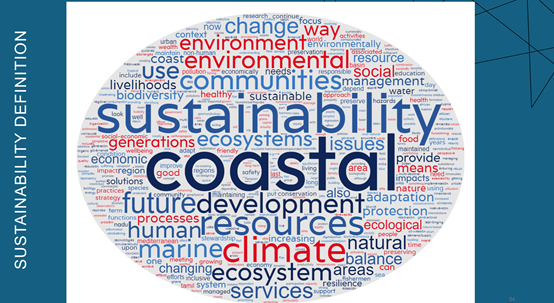
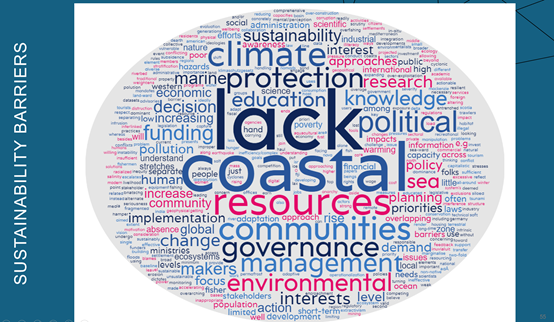
The session featured Lightning Talks from FEC representatives located in Argentina, the USA, and Ghana, each bringing unique perspectives on coastal sustainability. These talks highlighted regional challenges and innovative solutions, emphasizing the global nature of the initiative. An interactive survey conducted during the session involved participants from various regions around the world, working and researching in areas such as Asia, North America, South America, Europe, and Africa. Coastal sustainability, as described by the respondents, carries different meanings in different contexts but commonly emphasizes harmony with nature, ecosystem resilience, and meeting the needs of current and future generations.


Click here to read more


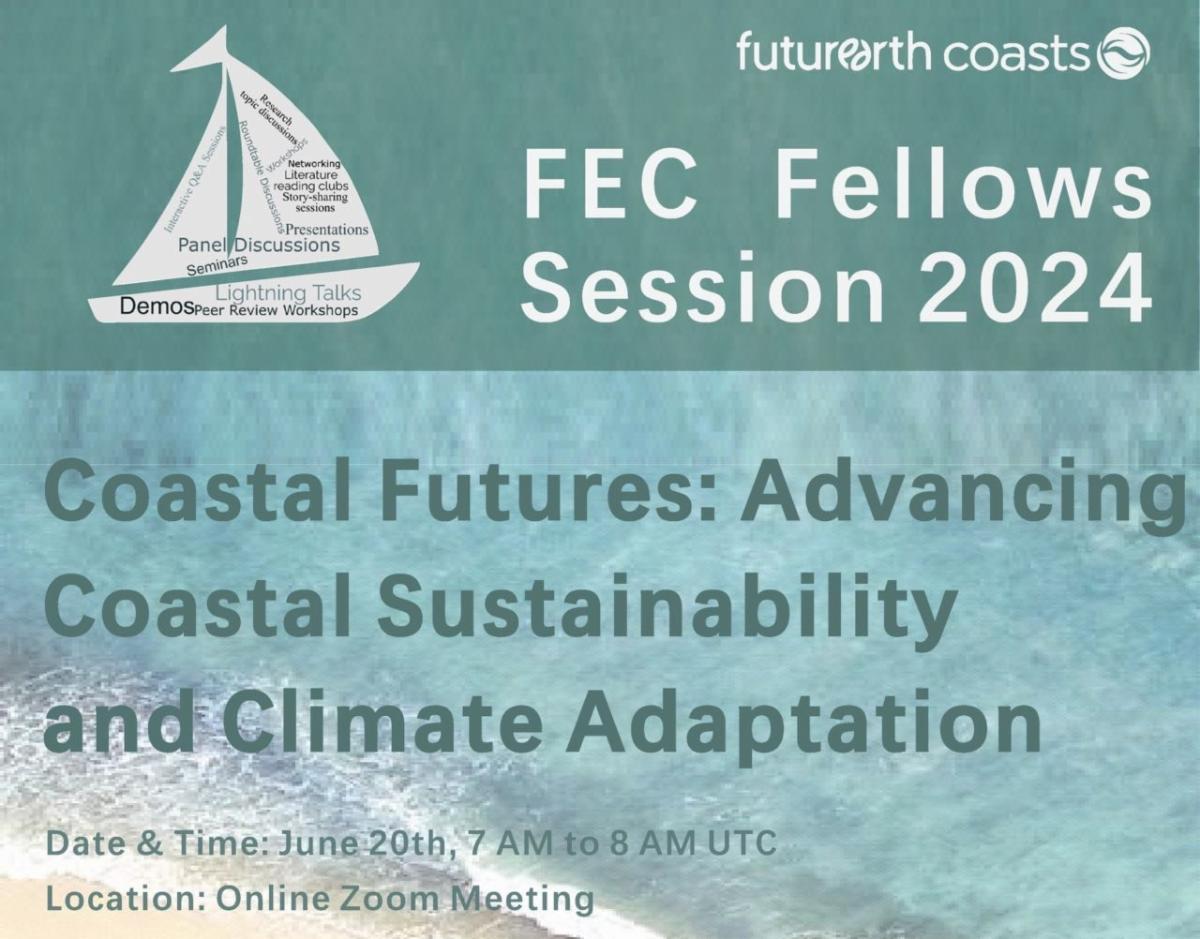
FEC Fellows Session June 2024 Highlights Advancements in Coastal Sustainability and Climate Adaptation

FEC Fellows Session 2024 offer early- to mid-career researchers strategic career development, professional guidance, and networking opportunities. Held on June 20th, the session titled "Coastal Futures: Advancing Coastal Sustainability and Climate Adaptation" drew together a diverse group of researchers, professionals, and FEC community members dedicated to addressing critical coastal issues.


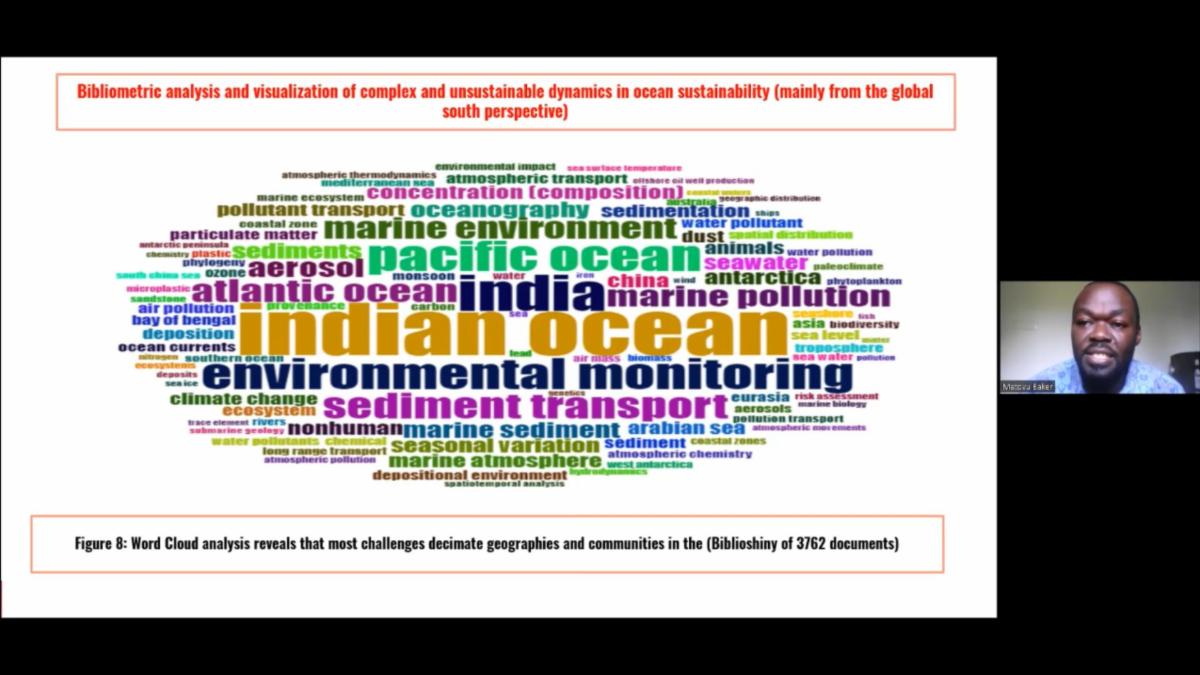
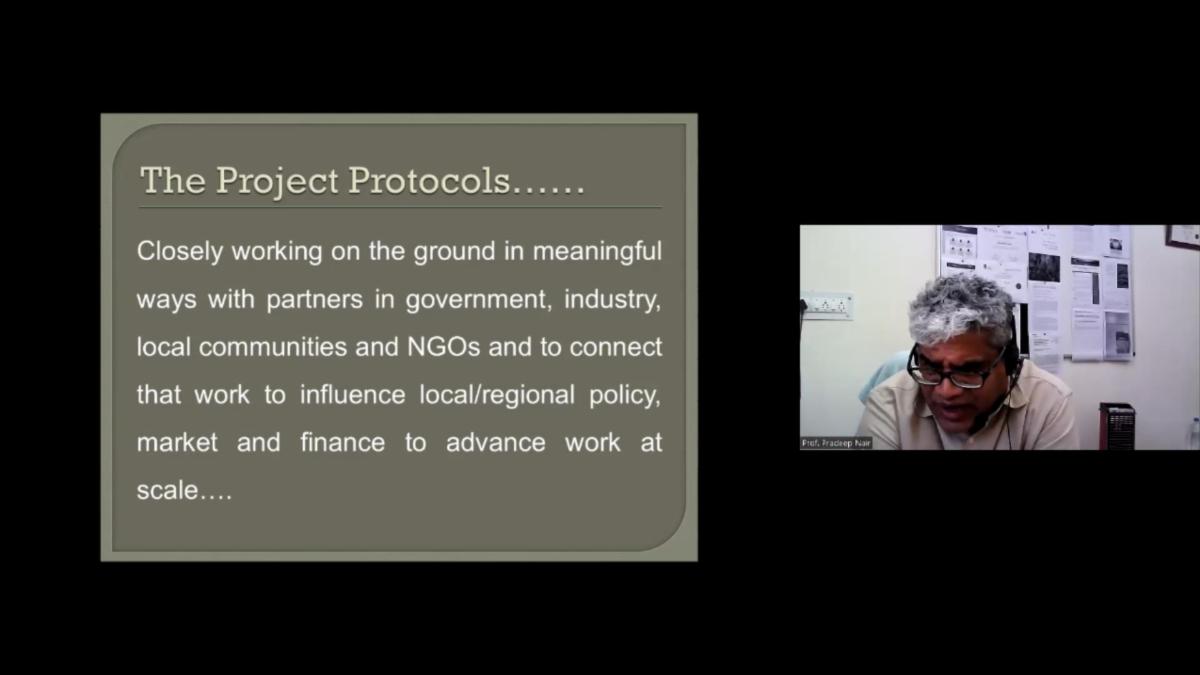
Dr. Baker Matovu from the Amrita School for Sustainable Futures delivered a presentation on the intersection of marine environment and coastal community vulnerabilities. Following Dr. Matovu, Prof. Pradeep Nair from the Central University of Himachal Pradesh, India, explored how communication media can address the information needs of coastal communities regarding climate change impacts.


The session also featured engaging discussions and an interactive Q&A, where participants delved into post-COVID-19 community resilience, gender disparities in fishing communities, and economic challenges exacerbated by the pandemic. Dr. Baker highlighted empowering initiatives for women during the crisis, while Prof. Nair stressed the importance of exploring alternative livelihoods beyond traditional practices. FEC Academy Member Prof. Dr. Merle Sowman raised critical governance concerns within the blue economy, emphasizing the gap between policy rhetoric and coastal community realities. Dr. Baker echoed these concerns, emphasizing the need for inclusive governance frameworks to drive sustainable transformations. Click here to read more


Stay tuned for future events and initiatives by visiting FEC website.


Meta-Network Leads the Way in Pioneering Coastal Sustainability: A Pivotal Step Towards a Resilient Future

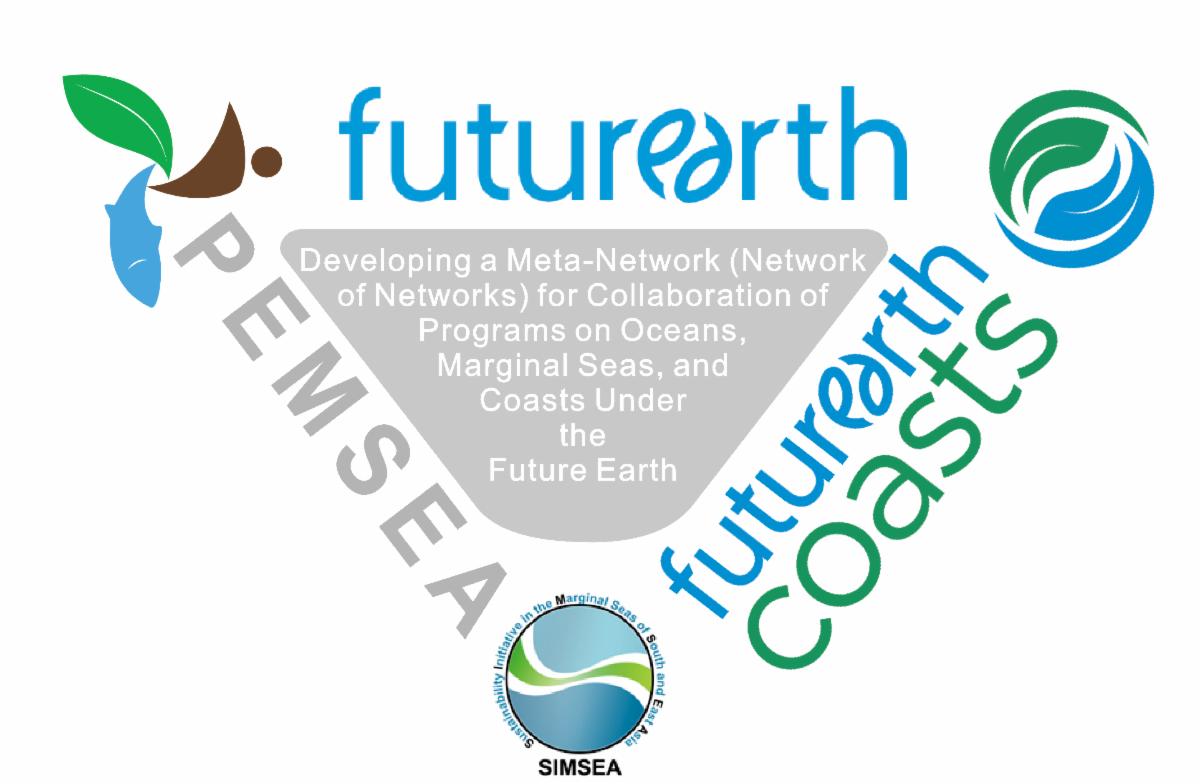
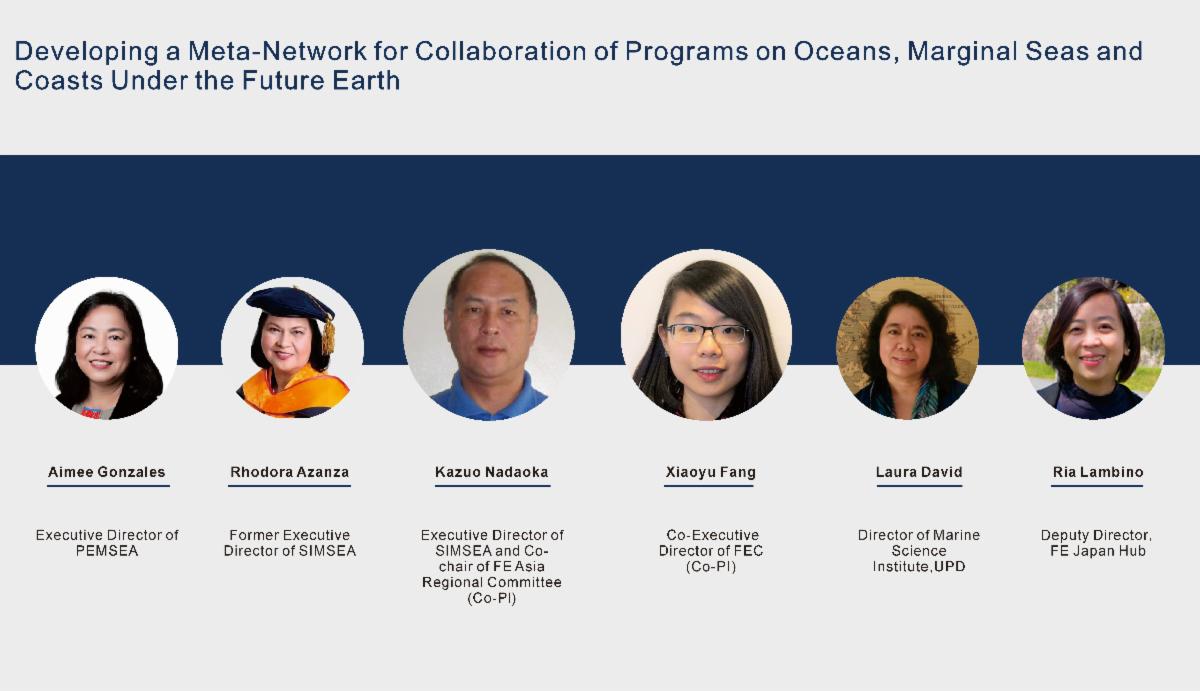
Future Earth Coasts (FEC) is proud to announce that it is spearheading a groundbreaking initiative, "Developing a Meta-Network (Network of Networks) for Collaboration of Programs on Oceans, Marginal Seas, and Coasts Under the Future Earth." FEC, in collaboration with SIMSEA (The Sustainability Initiative in the Marginal Seas of South and East Asia) and PEMSEA (Partnerships in Environmental Management for the Seas of East Asia), has secured funding from the Future Earth Cross-Cutting Initiative for this transformative project, set to commence in July 2024.

The project aims to create a unified framework for collaboration among various global and regional programs operating under the Future Earth umbrella. It's designed to consolidate research, innovation, and training efforts, paving the way for well-informed policy and management decisions, and fostering collaboration among stakeholders with shared goals. With a primary focus on integrating knowledge from diverse scientific disciplines, the initiative seeks to address critical gaps in coastal zone management and fortify existing initiatives. Engaging student researchers and sustainability actors actively, the project is set to establish a scalable and sustained platform for evidence-informed decision-making.


The project's timeline spans three years, starting with a comprehensive gap analysis and stakeholder engagement in Year 1, followed by network integration, data consolidation, and capacity development in Year 2. The final year will see ongoing monitoring, evaluation, and expansion of the initiative. 


Click here to read more


FEC Co-organized the Fifth National Conference on Environmental Microplastic Pollution and Control

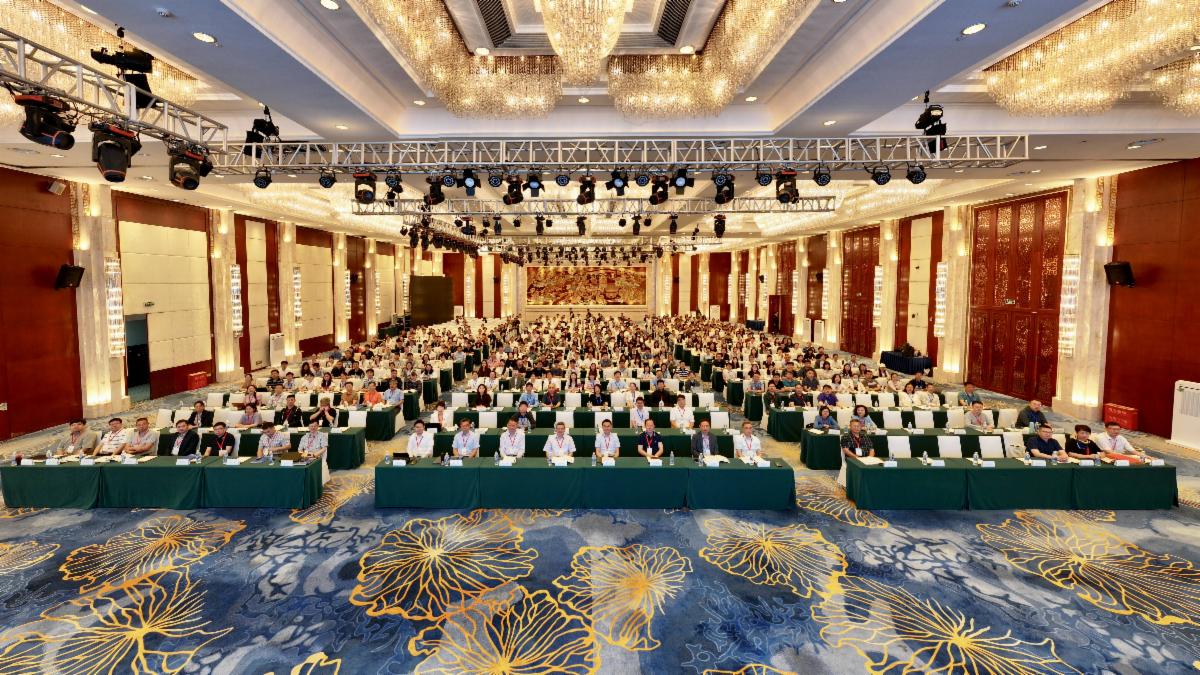
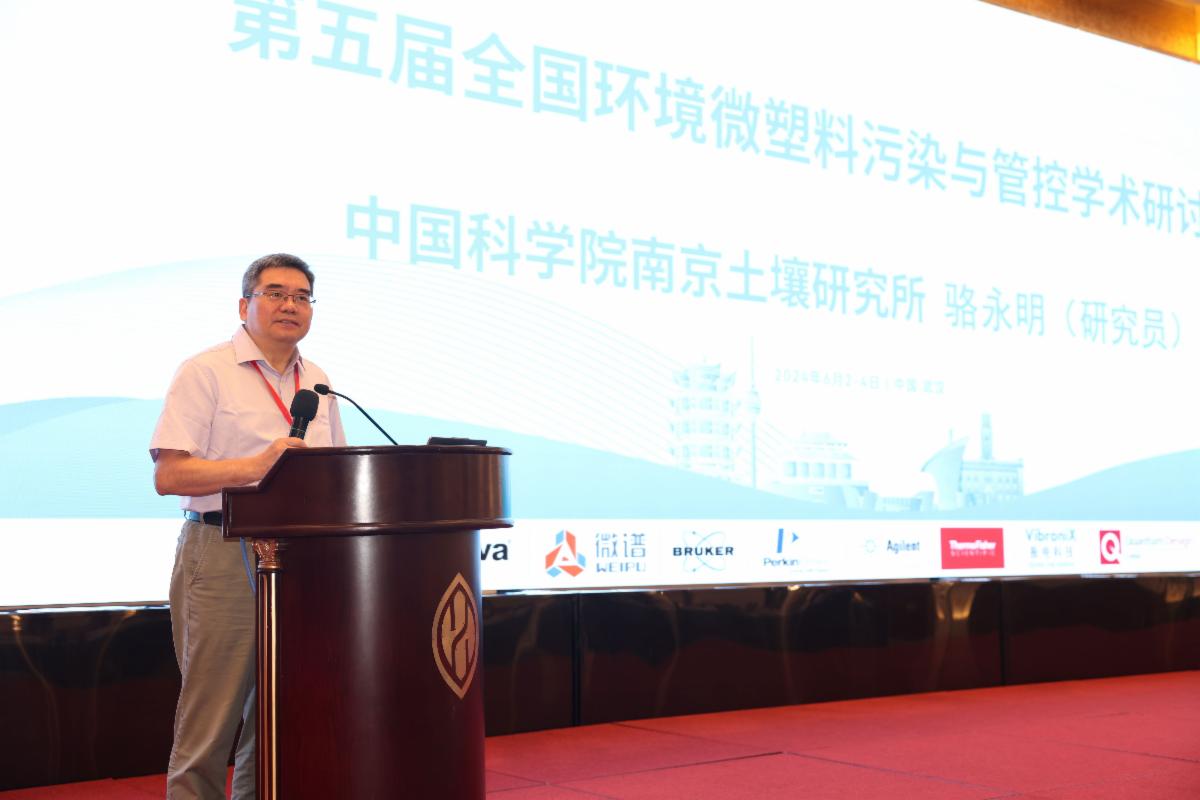
The Fifth National Conference on Environmental Microplastic Pollution and Control was successfully held in Wuhan from June 2 to 4, 2024. The conference was jointly hosted by the Environmental Microplastics Working Group of the Soil Science Society of China, and the Institute of Hydrobiology, Chinese Academy of Sciences (CAS), and was co-organized by the East Asia Regional Engagement Partners of the Future Earth Coasts (FEC). The conference aims to promote the in-depth development and promote exchanges and cooperation in the field of microplastic research in terrestrial and marine ecosystems, and to serve the national strategic goal of coping with plastic waste and microplastic pollution control.

The conference was initiated and co-chaired by Prof. Yongming Luo from Institute of Soil Science, CAS, who also serves as the Executive Committee member of the FEC. More than 520 delegates from 190 universities, research institutes, enterprises and analytical instrument companies attended the conference. In total, 131 oral presentations from the plenary and 9 special sessions, 97 oral presentations from 4 graduate forums, and 74 posters were conducted during the conference, through which participants had wide and in-depth academic exchanges. In addition, a special topic regarding on the multi-media migration and transformation, and the integrated land and ocean management of microplastics was firstly set up in this conference.


Click here to read more


FEC on World Oceans Day 2024

On World Oceans Day 2024, FEC joined forces with scientists, private sector partners and various institutions to raise awareness about the impact of human activities on our oceans. We aimed to especially educate the youth and inspire action. 


Activities at Shanghai Haichang Ocean Park:

  • Science Experiments: Sediment Settling and Ocean Acidification
  • Ocean Trivia Quiz
  • Ocean-themed Drawing


Watch our video to learn more about our event at Shanghai Haichang Ocean Park: 


FEC Dialogue Interview Series

FEC Dialogue: Meet the Fellows

Dr. Devendraraj Madhanagopal


School of Sustainability at XIM University (Odisha, India)

“These conversations with fishermen and women etched into my mind both the hard realities faced by these communities and their resilience and strength, that is forged through shared adversity as well as mutual support.”

-Dr. Devendraraj Madhanagopal


Trained as an environmental sociologist, the academic expertise and research interests of Devendraraj Madhanagopal cut across coastal governance, marine fishing communities, coastal livelihoods, environmental politics, social and political dimensions of climate change, environmental justice, and climate justice. He holds a Ph.D. in Sociology from the Department of Humanities and Social Sciences, Indian Institute of Technology Bombay (Mumbai, India). Since 2019, he has been a faculty member associated with the School of Sustainability at XIM University (Odisha, India).

What motivated you to become involved with Future Earth Coasts (FEC) and join the FEC Fellows Program? As an FEC Fellow, what do you hope to achieve or contribute to the broader scientific and stakeholder community?


Future Earth Coasts (FEC) provides bright opportunities for young researchers to connect with like-minded researchers and eminent scholars worldwide. It also provides a platform for us to share our research with scholars from different regions and scientific backgrounds. Global challenges such as climate change, environmental justice, and climate justice cannot be addressed at a regional level, and they should be discussed and addressed at a global level. In particular, I have connected with bright and promising young researchers in China through FEC and I am pleased. FEC already possesses strong potential, and it continues to execute several scholarly events and attracts researchers for joint projects. In the future, will also act as a strong and powerful voice to discuss climate change, coastal governance, climate justice, and environmental justice in Asia, and it will play a pivotal role in integrating the researchers of Asia very soon in the coming years. I hope to engage with fellow researchers of FEC for collaborative research.


Click here to read more

FEC New Publications

Mangroves of the Warm Temperate

Northeast Pacific


Luis Valderrama-Landeros, Francisco Flores-de-Santiago, Giovanni Ávila-Flores, Francisco Flores-Verdugo, J. Alberto Alcántara-Maya, Carlos Troche-Souza, Samuel Velázquez-Salazar, Berenice Vázquez-Balderas, Edgar Villeda-Chávez, Marlenne Manzano-Sarabia, Juan Ignacio Valdez-Hernández, Olivia Millán-Aguilar, Ena Suarez

Dr. Giovanni Avila-Flores

Abstract


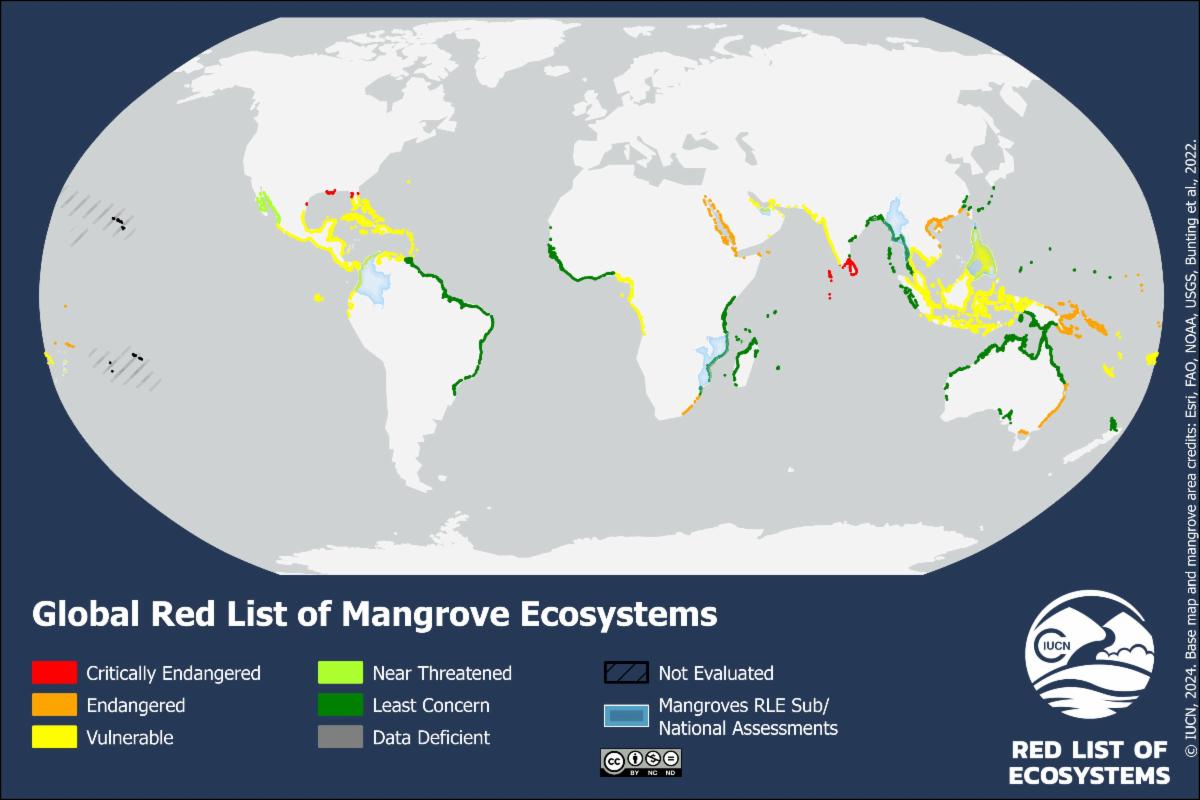
Mangroves of the Warm Temperate Northeast Pacific is a regional ecosystem subgroup (level 4 unit of the IUCN Global Ecosystem Typology). It includes the marine ecoregions of the South-Californian Pacific and the Gulf of California. The mapped extent of the Warm Temperate Northeast Pacific mangrove province in 2020 was 1,810.4 km², which represents 1.5% of the global mangrove area. There are three species of true mangroves that characterize the biota: Rhizophora mangle, Laguncularia racemosa and Avicennia germinans. These mangroves all grow on a southeast-northwest latitudinal axis, from greater to lesser structural complexity due to less favourable temperature conditions and availability of freshwater with increasing distance from the tropical zone.


The main threats to the mangrove ecosystem in this region derive from changes in hydrological and sediment regimes, almost always related to the development of local infrastructure, such as canals and roads or the construction of upstream dams. Another emerging threat is the increased incidence of hurricanes in the region, which have affected large areas mainly in the last five years.


Based on our analysis, it has been estimated that the Warm Temperate Northeast Pacific mangroves have expanded their coverage by 12.46 % since 1970. Nevertheless, the net area change has been -8.5 %. If this trend persists, it is anticipated that there will be 8.2 % reduction in coverage to 2055. Based on the IPCC RCP8.5 high sea-level rise scenario, it is estimated that the Warm Temperate Northeast Pacific mangroves will experience significant submergence of approximately 26.6 %, by the year 2060. Additionally, ~3 % of the mangrove ecosystem in the province is undergoing degradation currently, and this percentage is expected to increase to 8.7 % within the next 50 years. These estimated are based on a vegetation index decay analysis. The Warm Temperate Northeast Pacific mangrove ecosystem is currently assessed as Near Threatened (NT). 


Click here to read more


Short-term evolution pattern in salt marsh landscapes: the importance of physical constraints


Liming Xue, Tianyou Li, Xiuzhen Li, Yuxin Bi, Lin Su, Yuanhao Song, Wenzhen Zhao, Jianzhong Ge, Qing He & Benwei Shi

Prof. Xiuzhen Li

Abstract

Context

Salt marsh landscapes at the land-sea interfaces exhibit contrasting spatiotemporal dynamics, resulting from varying physical constraints that limit new marsh establishment. The expansion of salt marsh landscapes towards the sea or their retreat towards the land is determined by patch-level changes, relying on the balance of power between the intrinsic biota traits and external physical disturbances.

Objectives

Examine how marsh dynamics respond to physical constraints, and clarify the pathway from coupled physical processes involving hydrodynamic forces, sediment transport, and morphological changes to rapid patch evolution and landscape changes.

Methods

We defined and distinguished four types of marsh changes based on patch proximities from five-month drone images in two typical marsh pioneer zones of the Yangtze Estuary, China: outlying expansion, edge expansion, infilling expansion, and retreat. Hydrodynamics and sediment transport were synchronously measured and compared near the two marsh edges, and morphological changes were generated by drone-derived digital elevation models (DEMs).


Click here to read more

Coastal Radar

Updates from FEC Academy Members

FEC Welcomes New Academy Member - Prof. Dr. Jing ZHANG

Future Earth Coasts (FEC) is pleased to announce the addition of Prof. Dr. Jing ZHANG as a new FEC Academy Member. Prof. Dr. Jing ZHANG, previously Vice President of SCOR, and currently professor at the University of Toyama, Chair of IOC-WESTPAC AMS program, will actively engage with the FEC network and activities and bring a wealth of knowledge and experience to our network.


Jing Zhang is a sea-going chemical oceanographer, an environmental geochemist and professor at the University of Toyama. She received a MSc and PhD from the University of Tokyo, did her postgraduate work at the National Institute of Radiological Sciences. She moved to the University of Toyama in 1998, has been a professor since 2008, and Advisor to the

Prof. Dr. Jing ZHANG

President from 2021. Zhang’s research seeks to clarify the origins of materials in the hydrosphere, their distributions and circulation mechanisms, and the links with global environmental changes, by analyzing trace elements and isotopic compositions. She studies the transport and interaction between the marginal seas and the open ocean; submarine groundwater discharge and shallow hydrothermal systems; oceanic circulation and variation related to global climate changes; origins and long-term transportation of anthropogenic materials; and the formation mechanisms of chemical synthesis communities, such as bacterial-mats and methane flux in cold seep and gas/oil seep areas. She received the JOS Environmental Science Prize of the Oceanographic Society of Japan in 2018, and Oceanochemistry Award in 2020. At present, she is a member of the Science Council of Japan, and a director in the Environmental Cooperation Center. She is a councilor of the Geochemical Society of Japan and the Oceanographic Society of Japan. Click here to read more.


It’s our strong belief that Prof. Jing ZHANG’s expertise and contributions will significantly enhance the visibility of FEC activities in Japan and advance our dissemination and communication efforts, fostering fruitful outcomes.


Click here to learn more about Prof. Jing ZHANG


Updates from FEC Fellows

Dr. Giovanni Avila-Flores Contributes to Global Mangrove Assessment

Dr. Giovanni Avila-Flores, a Fellow of FEC, collaborated in the first global assessment of an entire ecosystem functional group (Mangroves) using the Red List of Ecosystems of IUCN. His input focused on the report titled "Mangroves of the Warm Temperate Northeast Pacific" (Northwest of Mexico). The global findings were released on the International Day for Biodiversity on May 24th.


Click here to read the report

Become a fellow
 

Updates from FEC Affiliated Projects 

Resilient Lagoon Network

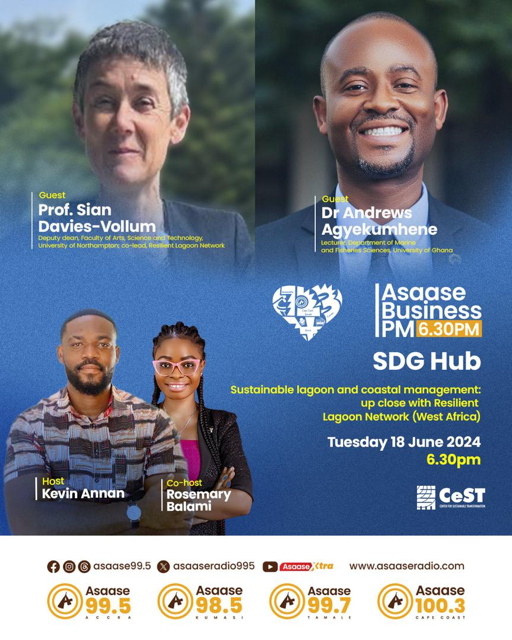
The Resilient Lagoon Network (RLN) held a number of activities in Ghana in May. A workshop for those involved in managing aspects of lagoons and coastal areas in the Greater Accra area took place at the University of Ghana-Legon in collaboration with the Blue Resources Research and Policy Institute. The workshop discussed ways to implement and enhance the lagoon management framework that has been developed by the RLN. The workshop was followed up with an interview on Radio Asaase’s weekly sustainability hub broadcast that focused on sustainable lagoon and coastal management. A seminar and discussion about the management framework also took place at the University of Education Winneba.

Click here to read more

Apply to affiliate with FEC
 

Updates from FEC Supported Networks 

The Early Career Ocean Professionals Programme (ECOP)

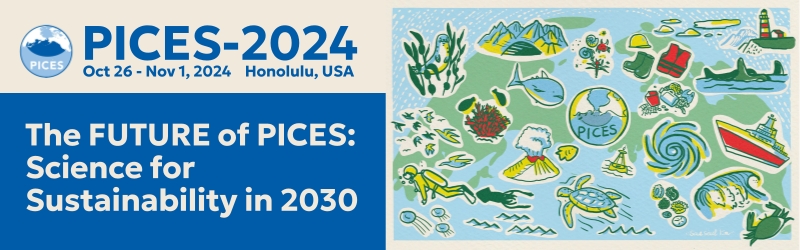
The 2024 North Pacific Marine Science Organization (PICES) Annual Meeting in Honolulu, USA

ECOP China

The national ECOP node for China ("ECOP China") successfully kicked off its first training webinar for skills development on May 29, 2024. Professor Yuan Shen, from the College of Ocean and Earth Sciences, Xiamen University, shared his experience on the topic of “How to give an impressive oral presentation?” The webinar attracted over 560 early career professionals in the marine field from universities and institutions across China. It saw a peak of 274 simultaneous online attendees, including established professionals, undergraduates, graduate students, and postdoctoral researchers.


Learn more by reading the online ECOP Article here (available in English and Chinese).

The 2024 North Pacific Marine Science Organization (PICES) Annual Meeting in Honolulu, USA is open for registration, abstract submission, and financial support application until June 30. There is one ECOP awardee who will be selected by FUTURE SSC from the abstracts submitted to any Sessions at the PICES Annual Meeting. The abstracts should fit FUTURE themes and/or address the Social-Ecological-Environmental System (SEES) approach taken for the study. The travel of the successful applicant will be fully supported. Apply now! 

The 2024 ECOP Japan Symposium Report

The 2024 ECOP Japan Symposium Report is now available online on the website of the Ocean Policy Research Institute (OPRI) of the Sasakawa Peace Foundation. As an output of the symposium, and inspired by similar efforts from the ECOP Canada team, the ECOP Japan node co-designed a poster that provides a graphical summary of actions that can be taken for each of the seven Ocean Decade outcomes, from the viewpoint of ECOPs (only available in Japanese; the English version is in preparation).

Ocean Decade Vision 2030 White Papers 

The final versions of the Ocean Decade Vision 2030 White Papers have been officially published in the UNESCO Digital Library: https://oceandecade.org/publications/ocean-decade-vision-2030-white-papers/. 


“These 10 comprehensive documents, each focusing on a specific Ocean Decade Challenge, represent a collaborative effort to develop the science we need for the ocean we want. Over the past 12 months, 20 co-chairs and more than 150 experts [including 20+ ECOPs] have worked tirelessly to assess current user needs, identify priority datasets, and highlight gaps in science and knowledge. Each White Paper delves into the resources, infrastructure, partnerships, capacity development, and technology solutions necessary to achieve our goals by 2030, providing strategic recommendations to ensure we meet these challenges and pave the way for a sustainable future for our ocean.”


Click here to read more


New FEC Publications (Since April 2024)

○ Day, J. W., Xu, Y. J., Keim, B. D., Brown, V. M., Giosan, L., Mann, M. E., & Stephens, J. R. (2024). Emerging climate threats to the Mississippi River Delta: Moving from restoration to adaptation. One Earth.

https://doi.org/10.1016/j.oneear.2024.03.001

○ Perillo, G.M.E., Piccolo, M.C., 2024. Global variability in estuaries and coastal settings. En: Whitfield, A.K., Elliott, M. (eds.) Treatise on Estuarine and Coastal Science, 2nd Ed. Vol.1 18-24 Elsevier.

DOI 10.1016/B978-0-323-90798-9.00038-X

○ Perillo, G.M.E., Gao, S., Cuadrado, D.G., 2024. Tidal flats: geomorphology and dynamics. En: Uncles, R.J., Mitchell, S., French, J. (eds.) Treatise on Estuarine and Coastal Science, 2nd Ed. Vol.2 809-842 Elsevier

DOI10.1016/B978-0-323-90798-9.00034-2

○ Politi, E., Brito, A. C., Gomes, M. R., Lebreton, C., & Falcini, F. (2024). Listening to stakeholders: Development of water quality indicators for transitional environments using satellite data. Ocean & Coastal Management, 253, 107140. https://doi.org/10.1016/j.ocecoaman.2024.107140

○ Raha, D., Davies-Vollum, K. S., Hemstock, S. L., Boateng, I., Islam, M. T., & Pierce, C. A. (2024). We need collaboration and co-creation to address challenges facing coastal communities. Nature Human Behaviour, 1-9.

https://doi.org/10.1038/s41562-024-01875-y

○ Valderrama-Landeros, L., Flores-de-Santiago, F., Ávila-Flores, G., Flores-Verdugo, F., Alcántara-Maya, J. A., Troche-Souza, C., ... & Suarez, E. (2024). IUCN Red List of Ecosystems, Mangroves of the Warm Temperate Northeast Pacific.

https://doi.org/10.32942/X2B03V

○ Wolanski, E., & Kingsford, M. J. (Eds.). (2024). Oceanographic processes of coral reefs: Physical and biological links in the Great Barrier Reef (2nd ed.). CRC Press.

https://www.routledge.com/Oceanographic-Processes-of-Coral-Reefs-Physical-and-Biological-Links-i/Kingsford-Wolanski/p/book/9781032340746

○ Xue, L., Li, T., Li, X., Bi, Y., Su, L., Song, Y., ... & Shi, B. (2024). Short-term evolution pattern in salt marsh landscapes: the importance of physical constraints. Landscape Ecology, 39(5), 1-16.

https://doi.org/10.1007/s10980-024-01898-w

○ Zhu, Q., Xing, F., Wang, Y. P., Syvitski, J., Overeem, I., Guo, J., ... & Gao, S. (2024). Hidden delta degradation due to fluvial sediment decline and intensified marine storms. Science Advances, 10(18), eadk1698.

https://doi.org/10.1126/sciadv.adk1698


FEC Publications (2023-2024)

○ Alarcón Borges, R. Y., Pérez Montero, O., Tejera, R. G., Silveira, M. T. D., Montoya, J. C., Hernández Mestre, D., ... & Milanes, C. B. (2023). Legal Risk in the Management of Forest Cover in a River Basin San Juan, Cuba. Land, 12(4), 842. https://doi.org/10.3390/land12040842

○  Alice Newton, Michele Mistri, Angel Pérez-Ruzafa and Sofia Reizopoulou. (2023). Editorial: Ecosystem services, biodiversity, and water quality in transitional ecosystems, Front. Ecol. Evol., Volume 11. https://doi.org/10.3389/fevo.2023.1136750

○  Baird, D., Elliott, M. (Editors-in-Chief), 2024. Treatise on Estuarine and Coastal Sciences, 2nd Edition, 7 Volumes, Elsevier, Academic Press, Hardback ISBN: 9780323907989, eBook ISBN: 9780323910422. https://www.sciencedirect.com/referencework/9780323910422/treatise-on-estuarine-and-coastal-science-second-edition

○  Baumann, L., Riechers, M., Celliers, L., & Ferse, S. C. (2023). Anticipating and transforming futures: a literature review on transdisciplinary coastal research in the Global South. Ecosystems and People, 19(1), 2288957. https://doi.org/10.1080/26395916.2023.2288957

○  Bezerra, Moisés & Goyanna, Felipe & Lacerda, Luiz. (2023). Risk assessment of human Hg exposure through consumption of fishery products in Ceará state, northeastern Brazil. Marine Pollution Bulletin. 189. 114713. https://doi.org/10.1016/j.marpolbul.2023.114713

○  Botero, C. M., Palacios, M. A., Souza Filho, J. R., & Milanes, C. B. (2023). Beach litter in three South American countries: A baseline for restarting monitoring and cleaning after COVID-19 closure. Marine Pollution Bulletin, 191, 114915. https://doi.org/10.1016/j.marpolbul.2023.114915

○  Brempong, E. K., Almar, R., Angnuureng, D. B., Mattah, P. A. D., Jayson-Quashigah, P.-N., Antwi-Agyakwa, K. T., & Charuka, B. (2023). Coastal Flooding Caused by Extreme Coastal Water Level at the World Heritage Historic Keta City (Ghana, West Africa). Journal of Marine Science and Engineering, 11(6), 1144. MDPI AG. http://dx.doi.org/10.3390/jmse11061144

○ Brendel, Andrea & Ferrelli, Federico & Echeverria, María & Piccolo, Maria & Perillo, Gerardo. (2022). PROCESAMIENTO DE DATOS SATELITALES ÓPTICOS Y DE RADAR PARA LA DETECCIÓN DE CAMBIOS MORFOMÉTRICOS: EL CASO DE LA DESEMBOCADURA DEL RÍO SAUCE GRANDE (ARGENTINA). Caminhos de Geografia. 23. 85-94. https://doi.org/10.14393/RCG238658189 

○ Carmen E. Elrick-Barr, Julian Clifton, Michael Cuttler, Craig Perry, Abbie A. Rogers, Understanding coastal social values through citizen science: The example of Coastsnap in Western Australia, Ocean & Coastal Management, Volume 238, 2023, 106563, ISSN 0964-5691, https://doi.org/10.1016/j.ocecoaman.2023.106563

○  Castiglioni, Eduardo & Gaucher, Claudio & Perillo, Gerardo & Sial, Alcides. (2022). Marine deposits of the Chuy Formation (Late Pleistocene) and isostatic readjustments in the area of Laguna de Rocha (Uruguay). Agrociencia Uruguay. 26. https://doi.org/10.31285/AGRO.26.799

○  Celliers, Louis & Manez Costa, Maria & Rölfer, Lena & Aswani Canela, Shankar & Ferse, Sebastian. (2023). Social innovation that connects people to coasts in the Anthropocene. Cambridge Prisms: Coastal Futures. 1. 1-22. 10.1017/cft.2023.12. https://doi.org/10.1017/cft.2023.12

○  Charuka, B., Angnuureng, D. B., Brempong, E. K., Agblorti, S. K., & Agyakwa, K. T. A. (2023). Assessment of the integrated coastal vulnerability index of Ghana toward future coastal infrastructure investment plans. Ocean & Coastal Management, 244, 106804. https://doi.org/10.1016/j.ocecoaman.2023.106804

○  Chen, Y., Deng, B., Zhang, G., Zhang, W., & Gao, S. (2023). Response of Shallow Gas‐Charged Holocene Deposits in the Yangtze Delta to Meter‐Scale Erosion Induced by Diminished Sediment Supply: Increasing Greenhouse Gas Emissions. Journal of Geophysical Research: Earth Surface, 128(1), e2022JF006631. https://doi.org/10.1029/2022JF006631

○  Cunha, J., Cabecinha, E., Villasante, S., Balbi, S., Elliott, M., Ramos, S., (2023) Defining hotspots and coldspots of regulating and maintenance ecosystem services is key to effective marine management – an assessment of a coastal-open sea gradient, Portugal. Ocean & Coastal Management, 245: 106876; https://doi.org/10.1016/j.ocecoaman.2023.106876

○  Datta, Satabdi & Roy, Joyashree. (2022). Exploring adaptive capacity: Observations from the vulnerable human-coastal environmental system of the Bay of Bengal in India. Frontiers in Climate. 4. 1007780. https://doi.org/10.3389/fclim.2022.1007780 

○  Davies-Vollum, K. S., Koomson, D., & Raha, D. (2024). Coastal lagoons of West Africa: a scoping study of environmental status and management challenges. Anthropocene Coasts, 7(1), 7. https://doi.org/10.1007/s44218-024-00039-9

○  Davranche, A., Arzel, C., Pouzet, P., Carrasco, A. R., Lefebvre, G., Lague, D., ... & Poulin, B. (2023). A multi-sensor approach to monitor the ongoing restoration of edaphic conditions for salt marsh species facing sea level rise: An adaptive management case study in Camargue, France. Science of the Total Environment, 168289. https://doi.org/10.1016/j.scitotenv.2023.168289

○  Day, J. W., Hall, C. A., Klitgaard, K., Gunn, J. D., Ko, J. Y., & Burger, J. R. (2023). The coming perfect storm: Diminishing sustainability of coastal human-natural systems in the Anthropocene. Cambridge Prisms: Coastal Futures, 1, e35. https://doi.org/10.1017/cft.2023.23

○  de Oliveira, E.B., Newton, A. & Botero, C.M. Development of a management-based ranking of beaches. Anthropocene Coasts 7, 6 (2024). https://doi.org/10.1007/s44218-024-00040-2

○  Elegbede, I. O., Lawal-Are, A., Oloyede, R., Sanni, R. O., Jolaosho, T. L., Goussanou, A., & Ngo-Massou, V. M. (2023). Proximate, minerals, carotenoid and trypsin inhibitor composition in the exoskeletons of seafood gastropods and their potentials for sustainable circular utilisation. Scientific Reports, 13(1), 13064. https://doi.org/10.1038/s41598-023-38345-w

○  Elegbede, I., Lawal-Are, A., Favour, O. et al. Chemical compositions of bivalves shells: Anadara senilis, Crassostrea gasar, and Mytilus edulis and their potential for a sustainable circular economy. SN Appl. Sci. 5, 44 (2023). https://doi.org/10.1007/s42452-022-05267-7

○  Elegbede, I., Zurba, M., Hameed, A., & Campbell, C. (2023). Gaps and Challenges in Harnessing the Benefits and Opportunities of Indigenous Certification for a Sustainable Communal Commercial Lobster Fishery. Environmental Management, 1-20. https://doi.org/10.1007/s00267-023-01852-7

○  Elliott M. (2023). Marine Ecosystem Services and Integrated Management: "There's a crack, a crack in everything, that's how the light gets in"!. Marine pollution bulletin, 193, 115177. Advance online publication. https://doi.org/10.1016/j.marpolbul.2023.115177

○  Elliott, M., Borja, Á., & Cormier, R. (2023). Managing marine resources sustainably–Ecological, societal and governance connectivity, coherence and equivalence in complex marine transboundary regions. Ocean & Coastal Management, 245, 106875. https://doi.org/10.1016/j.ocecoaman.2023.106875

○  Elliott, M., Wither, A., (Eds.) (2024). Environmental Consequences and Management of Coastal Industries: Terms and Concepts. Elsevier, Amsterdam, Paperback ISBN: 9780443137525, eBook ISBN: 9780443137532, pp 371. https://doi.org/10.1016/C2022-0-00268-3

○  Elrick-Barr CE, Clifton J, Cuttler M, Perry C & Rogers AA (2023). Understanding coastal social values through citizen science: The example of Coastsnap in Western Australia. Ocean & Coastal Management, 238, 106563. https://doi.org/10.1016/j.ocecoaman.2023.106563

○  Elrick-Barr, C. E., Smith, T. F., & Thomsen, D. C. (2024). Is ‘hope’helpful or a hinderance? Implications for coastal governance. Ocean & Coastal Management, 248, 106953. https://doi.org/10.1016/j.ocecoaman.2023.106953

○  Feng, Y., Tu, C., Li, R., Wu, D., Yang, J., Xia, Y., ... & Luo, Y. (2023). A systematic review of the impacts of exposure to micro-and nano-plastics on human tissue accumulation and health. Eco-Environment & Health. https://doi.org/10.1016/j.eehl.2023.08.002

○  Ferreira, A.C.; LACERDA LD, Rodrigues, J.V.; Bezerra, L.E.A. 2023. New contributions to mangrove restoration/rehabilitation protocols and practices. Forest Ecology & Management Journal 31, 89-114. https://doi.org/10.1007/s11273-022-09903-2

○  Foley, Aideen & Moncada, Stefano & Mycoo, Michelle & Nunn, Patrick & Tandrayen-Ragoobur, Verena & Evans, Christopher. (2022). Small Island Developing States in a post‐pandemic world: Challenges and opportunities for climate action. Wiley Interdisciplinary Reviews: Climate Change. 13. https://doi.org/10.1002/wcc.769 

○  Forero-López, A. D., Toniolo, M. A., Colombo, C. V., Rimondino, G. N., Cuadrado, D., Perillo, G. M. E., & Malanca, F. E. (2023). Marine microdebris pollution in sediments from three environmental coastal areas in the southwestern Argentine Atlantic. Science of The Total Environment, 169677. https://doi.org/10.1016/j.scitotenv.2023.169677

○  Fragoso, C.; Gatts, P.V.; Di Benedittoa, A.P.; Martinelli, L.A.; LACERDA, L.D. & Rezende, C.E. 2023. Stable isotopes and Mercury as tools to depict aquatic food webs. Quimica Nova 46 (11) http://dx.doi.org/10.21577/0100-4042.20230125

○  Fu, C., Li, Y., Tu, C., Hu, J., Zeng, L., Qian, L., ... & Luo, Y. (2023). Dynamics of trace element enrichment in blue carbon ecosystems in relation to anthropogenic activities. Environment International, 180, 108232. https://doi.org/10.1016/j.envint.2023.108232

○  Fu, C., Li, Y., Zeng, L., Tu, C., Wang, X., Ma, H., ... & Luo, Y. (2024). Climate and mineral accretion as drivers of mineral‐associated and particulate organic matter accumulation in tidal wetland soils. Global Change Biology, 30(1), e17070. https://doi.org/10.1111/gcb.17070

○  Gallo Velez, David & Restrepo, Juan & Newton, Alice. (2023). Assessment of the Magdalena River delta socio-ecological system through the Circles of Coastal Sustainability framework. Frontiers in Earth Science. 11. 10.3389/feart.2023.1058122. https://doi.org/10.3389/feart.2023.1058122

○  Goyanna, F., Silva, G., Bezerra, M.F., LACERDA, L.D. 2023. Mercury in oceanic upper trophic level sharks and bony fishes - A systematic review. Environmental Pollution 318, 120821 https://doi.org/10.1016/j.envpol.2022.120821

○  Guzmán, D. H., Mier, R. L., Vergara, A., & Milanes, C. B. (2023). Marine protected areas in Colombia: A historical review of legal marine protection since the late 1960 s to 2023. Marine Policy, 155, 105726. https://doi.org/10.1016/j.marpol.2023.105726

○  Harvey N & Smith TF, 2023, 'Key lessons from new perspectives on Australian coastal management', Ocean & Coastal Management, Volume 239, 15 May 2023, 106581 https://doi.org/10.1016/j.ocecoaman.2023.106581

○  Hawkins, S. J., Todd, P. A., Russell, B. D., Lemasson, A. J., Allcock, A. L., Byrne, M., ... & Swearer, S. E. (2023). Review of the Central and South Atlantic Shelf and Deep-Sea Benthos: Science, Policy, and Management. Oceanography and Marine Biology: An annual review. Volume 61, 61, 127-218.

○  Huddleston, P., Smith, T. F., White, I., & Elrick-Barr, C. (2023). What influences the adaptive capacity of coastal critical infrastructure providers?. Urban Climate, 48, 101416. https://doi.org/10.1016/j.uclim.2023.101416

○  Inguaggiato, S., Meng, Q., Mondal, E., Chen, Y.-X., LACERDA, L. D., eds. (2024). Reviews in geochemistry: 2022. Lausanne: Frontiers Media SA. https://doi.org/10.3389/978-2-8325-4261-3

○  LACERDA LD, Godoy, JMO, Gonçalves, R.A., Rocha, M.F. & Dutra, B.F. 2023. Metais em sedimentos de talude da Bacia Potiguar em área de exploração de petróleo e gás natural offshore, NE Brasil. Química Nova 46 (6), 54-560. http://dx.doi.org/10.21577/0100-4042.20170959

○ Lange, M., Cabana, D., Ebeling, A., Ebinghaus, R., Joerss, H., Rölfer, L., & Celliers, L. (2023). Climate-smart socially innovative tools and approaches for marine pollution science in support of sustainable development. Cambridge Prisms: Coastal Futures, 1, E23. https://doi.org/10.1017/cft.2023.11

○  Laubenstein T, Smith TF, Hobday AJ, Pecl GT, Evans K, Fulton EA & O'Donnell T, 2023, 'Threats to Australia's oceans and coasts: a systematic review', Ocean & Coastal Management, 231 (published online 29 Oct 2022). https://doi.org/10.1016/j.ocecoaman.2022.106331

○  Lehuen, A., & Orvain, F. (2024). A cockle-induced bioturbation model and its impact on sediment erodibility: A meta-analysis. Science of the Total Environment, 912, 168936. https://doi.org/10.1016/j.scitotenv.2023.168936

○  Li, Y., Fu, C., Hu, J., Zeng, L., Tu, C., & Luo, Y. (2023). Soil Carbon, Nitrogen, and Phosphorus Stoichiometry and Fractions in Blue Carbon Ecosystems: Implications for Carbon Accumulation in Allochthonous-Dominated Habitats. Environmental Science & Technology, 57(14), 5913-5923. https://doi.org/10.1021/acs.est.3c00012

○  Li, Y., Fu, C., Wang, W., Zeng, L., Tu, C., & Luo, Y. (2023). An overlooked soil carbon pool in vegetated coastal ecosystems: National-scale assessment of soil organic carbon stocks in coastal shelter forests of China. Science of The Total Environment, 876, 162823. https://doi.org/10.1016/j.scitotenv.2023.162823

○  Li, Yingjie & Robinson, Samuel & Nguyen, Lan & Liu, Jianguo. (2023). Satellite prediction of coastal hypoxia in the northern Gulf of Mexico. Remote Sensing of Environment. 284. 113346. https://doi.org/10.1016/j.rse.2022.113346 

○  International Science Council, 2023. Global Sea-level Rise: ISC Policy Brief. Coordination: Seag, M., Contributors: Lebbe, T.B., Church, J., Colleoni, F., Elliott, M., Hinkel, J., Jacot des Combes, H., Mycoo, M., Naish, T., Post, J., Scobie, A., Stevance, A.S., Thomas, A., van de Wal, R., Webster, D.G. ISC Liaison to the UN System, International Science Council, 5 rue Auguste Vacquerie, 75116, Paris, France. 

○  Mabon L and Kawabe M (2022) 'Bring Voices from the Coast into the Fukushima Treated Water Debate' PNAS 119 (45) e2205431119. https://doi.org/10.1073/pnas.2205431119

○  Madhanagopal, D. (2023). Local Adaptation to Climate Change in South India: Challenges and the Future in the Tsunami-hit Coastal Regions. Taylor & Francis.

https://doi.org/10.4324/9781003187691

○  Mestanza-Ramón, C., Monar-Nuñez, J., Guala-Alulema, P., Montenegro-Zambrano, Y., Herrera-Chávez, R., Milanes, C. B., ... & Toledo-Villacís, M. (2023). A Review to Update the Protected Areas in Ecuador and an Analysis of Their Main Impacts and Conservation Strategies. Environments, 10(5), 79. https://doi.org/10.3390/environments10050079

○  Moura, V.L. & LACERDA, L.D. 2022. Mercury sources, emissions, distribution and bioavailability along an estuarine gradient under semiarid conditions in NE Brazil. International Journal of Pollution Research and Public Health 19, 17092 https://doi.org/10.3390/ijprph192417092

○  Mycoo, M. A., & Roopnarine, R. R. (2024). Water resource sustainability: Challenges, opportunities and research gaps in the English-speaking Caribbean Small Island Developing States. PLOS Water, 3(1), e0000222.https://doi.org/10.1371/journal.pwat.0000222

○  Newton A, Mistri M, Pérez-Ruzafa A and Reizopoulou S (2023) Editorial: Ecosystem services, biodiversity, and water quality in transitional ecosystems. Front. Ecol. Evol. 11:1136750. https://doi.org/10.3389/fevo.2023.1136750

○  Ollivier, M. E. L., Newton, A., & Kelsey, H. (2023). Social-Ecological analysis of the eutrophication in Chesapeake Bay, United States of America. Frontiers in Marine Science.

○  Pauli, Natasha & Clifton, Julian & Elrick-Barr, Carmen. (2023). Evaluating marine areas in Fiji. Nature Sustainability. 10.1038/s41893-023-01136-2. https://doi.org/10.1038/s41893-023-01136-2

○  Peng, Ya & Sengupta, Dhritiraj & Yuanqiang, Duan & Chunpeng, Chen & Tian, Bo. (2022). Accurate mapping of Chinese coastal aquaculture ponds using biophysical parameters based on Sentinel-2 time series images. Marine Pollution Bulletin. 181. 113901. https://doi.org/10.1016/j.marpolbul.2022.113901 

○  Pereira CI, Botero CM, Ricaurte-Villota C, Coca O, Morales D, Cuker B, Milanes CB. Grounding the SHIELD Model for Tropical Coastal Environments. Sustainability. 2022; 14(19):12317. https://doi.org/10.3390/su141912317

○  Perillo, G. M., Zilio, M. I., Tohme, F., & Piccolo, M. C. (2024). The free energy of an ecosystem: towards a measure of its inner value. Anthropocene Coasts, 7(1), 4. https://doi.org/10.1007/s44218-024-00036-y

○  Pickering K, Pearce T, Manuel L, Doran B & Smith T, 2023, 'Socio-ecological challenges and food security in the 'salad bowl' of Fiji, Sigatoka Valley'. Regional Environmental Change, 23, 61. https://doi.org/10.1007/s10113-023-02059-6

○  Rodriguez CAB, LACERDA LD, Bezerra, MF. 2023. Pilot study of mercury distribution in the carapace of four species of sea turtles from Northeastern Brazil. Bulletin of Environmental Contamination & Toxicology 110, 99 (2023). https://doi.org/10.1007/s00128-023-03745-1

○  Rölfer, L., Abson, D. J., Costa, M. M., Rosendo, S., Smith, T. F., & Celliers, L. (2022). Leveraging governance performance to enhance climate resilience. Earth's Future, 10. https://doi.org/10.1029/2022EF003012

○  Rölfer, Lena & Celliers, Louis & Abson, David. (2022). Resilience and coastal governance: knowledge and navigation between stability and transformation. ECOLOGY AND SOCIETY. 27. https://doi.org/10.5751/ES-13244-270240 

○  Sengupta, D., Choi, Y. R., Tian, B., Brown, S., Meadows, M., Hackney, C. R., ... & Zhou, Y. (2023). Mapping 21st century global coastal land reclamation. Earth's Future, 11(2), e2022EF002927. https://doi.org/10.1029/2022EF002927

○  Smith, T., Elrick-Barr, C., Thomsen, D., Celliers, L., & Le Tissier, M. (2023). Impacts of tourism on coastal areas. Cambridge Prisms: Coastal Futures, 1, E5. https://doi.org/10.1017/cft.2022.5

○  Taryn Laubenstein, Timothy F. Smith, Alistair J. Hobday, Gretta T. Pecl, Karen Evans, Elizabeth A. Fulton, Tayanah O'Donnell, Threats to Australia's oceans and coasts: A systematic review, Ocean & Coastal Management, Volume 231, 2023, 106331, ISSN 0964-5691. https://doi.org/10.1016/j.ocecoaman.2022.106331

○  Thomsen, D. C., Smith, T. F., & Elrick‐Barr, C. E. (2023). The Anthropocene Obscene: Poetic inquiry and evocative evidence of inequality. The Geographical Journal. https://doi.org/10.1111/geoj.12559

○  Valenzuela, V. P. B., Esteban, M., & Onuki, M. (2023). Middle-class risk perception of disasters and land reclamation in Metro Manila, Philippines. Anthropocene Coasts, 6(1), 13.

○  van Onselen, V., Bayrak, M. M., & Lin, T. Y. (2023). Assessment of Ecosystem-Based Disaster Risk Reduction Strategies in Coastal Environments of Taiwan. Journal of Disaster Research, 18(7), 700-707. https://doi: 10.20965/jdr.2023.p0700

○  Vargas, S. M., Vitale, A. J., Genchi, S. A., Nogueira, S. F., Arias, A. H., Perillo, G. M., ... & Delrieux, C. A. (2023). Monitoring multiple parameters in complex water scenarios using a low-cost open-source data acquisition platform. HardwareX, 16, e00492. https://doi.org/10.1016/j.ohx.2023.e00492

○  Verzele, P., Rodriguez, C.A.B., Bezerra, M.F. & LACERDA, L.D. 2023. Regional differences in Hg contents in liver and muscle of Chelonia mydas from three foraging grounds in Northeast Brazil. Environmental Science & Pollution Research https://doi.org/10.1007/s11356-023-31407-6

○  Ward, R.D., LACERDA, L.D., Cerqueira, A.C., Hugo, V., Hernandez, O.C. 2023, Impacts of sea level rise on mangroves in northeast Brazil. Estuarine Coastal and Shelf Science, 108382. https://doi.org/10.1016/j.ecss.2023.108382

○  Wolff M, Ferse SCA, Govan H (eds) (2023) Challenges in Tropical Coastal Zone Management - Experiences and Lessons Learned. Springer International Publishing, Cham, Switzerland. https://doi.org/10.1007/978-3-031-17879-5

○  Yang, H., Li, X., Elliott, M. (2023). An Integrated Quantitative Evaluation Framework of Sustainable Development – the complex case of the Yangtze River Delta. Ocean & Coastal Management, 232: 106426, https://doi.org/10.1016/j.ocecoaman.2022.106426

○  Yingjie Li, Samuel V.J. Robinson, Lan H. Nguyen, Jianguo Liu, Satellite prediction of coastal hypoxia in the northern Gulf of Mexico, Remote Sensing of Environment, Volume 284, 2023, 113346, ISSN 0034-4257. https://doi.org/10.1007/s44218-023-00028-4

FEC Official Journal

Anthropocene Coasts

special column

Anthropocene Coasts, the official journal supported by Future Earth Coasts, is archived by 17 databases, such as Emerging Sources Citation Index (ESCI), SCOPUS, Google Scholar, Catalogue of Chinese High-Quality Sci-Tech Journals (Geosciences), CLOCKSS, CNKI, Wanfang, CNPIEC, Dimensions, EBSCO Discovery Service, Naver, EBSCO Discovery Service, OCLC WorldCat Discovery Service, Portico, ProQuest-ExLibris Primo, ProQuest-ExLibris Summon, TD Net Discovery Service.


Official Website:

https://www.springer.com/journal/44218

Submission system:

https://www.editorialmanager.com/anth/default1.aspx

FEC Official Journal

Anthropocene Coasts Seeks Associate Editors

Anthropocene Coasts, Future Earth Coasts' first official journal, is a Green Open Access journal hosted by East China Normal University. The journal publishes multidisciplinary research addressing the interaction of human activities with our estuaries and coasts.


To help build on the success of Anthropocene Coasts and to explore more exciting international opportunities representing the journal, we’re seeking more international Associate Editors who will recruit high-quality papers and increase the journal’s impact. Candidates will also be expected to coordinate with the Editors-in-Chief, Prof. Shu Gao and Prof. Ian Townend, to oversee manuscript review and make recommendations for manuscript reviewing.


Main responsibilities:


  • Secure high-quality journal content. Actively support the journal during your term of office by soliciting submissions to the journal, leading or encouraging others to lead special collections and promoting the journal to peers, colleagues, and the wider coastal research community.
  • Raise the journal’s profile in your country and internationally.
  • Safeguard the integrity of the peer review process. Ensure it is rigorous, timely, unbiased, and confidential.
  • Attend our editorial board webinars and work with the Editors-in-Chief to help journal develop.


Click here to read more


Call for Papers:

Special Collection on Coastal Blue Carbon - Tang Jianwu Memorial Special Collection

MILESTONES

  • Jan. 1st 2024: Call for Paper Opens; submit manuscripts for 2x independent review
  • Oct. 31st 2024: Manuscript submission deadline


Click here to read more


Special Collection on Mega deltas - seeking solutions to the problem of sustainability

MILESTONES

  • Oct. 30th 2023: Call for Paper Opens; submit manuscripts for 2x independent review
  • May. 31st 2024: Manuscript submission deadline


Click here to read more


Material transport and eco-environmental dynamics across the river-estuary-coast shelf continuum under changing climate and human activities

MILESTONES

  • Dec 1st 2022: Open call for papers; submit Manuscripts for 2x independent review
  • Jun 30th 2024: Manuscript submission deadline


Click here to read more


Special Issue: Coastal hazard risk in the Anthropocene

GUEST EDITORS: 


Bruce Glavovic, Massey University, New Zealand


Robert J. Nicholls, University of East Anglia, UK


For this Special Issue, Anthropocene Coasts invites manuscripts that focus on coastal hazard risk in the Anthropocene, including ecological, cultural, social, economic, and governance (including political, administrative, policy and legal) considerations.


UPDATE MILESTONES

  • Jan. 31st 2024: Open call for abstracts closes; submit MS for 2x independent review
  • June 30th 2024: Manuscript submission deadline


Click here to read more

Online Resources

"World Large River and Delta Systems Source-to-Sink Online Talk Series" continue to update!

Links:

(1) Bilibili: https://space.bilibili.com/441864512

(2) YouTube:https://tinyurl.com/s2stalks


For more resources in 2022: https://meas.ncsu.edu/sealevel/s2s/talks.html

Most of our subscribers are coasts-related researchers. If you would like to put some recruitment information or share some latest news about coastal research in FEC monthly newsletter, please feel free to contact us through fecchina@ecnu.edu.cn.

FEC IPO is supported by:
Follow us on Wechat !
「FEC微信公众号」


FEC IPO-China

联系方式:

FEC 国际项目办公室(中国)| 河口海岸学国家重点实验室
华东师范大学
东川路500号 上海 | 200241

邮箱 | fecchina@ecnu.edu.cn
Contact details:

FEC IPO (China)
State Key Laboratory of Estuarine and Coastal Research
East China Normal University
No.500, Dong Chuan Rd. Shanghai | 200241

Email | fecchina@ecnu.edu.cn
 
 
Facebook  Twitter  Linkedin