CHCF Alumni Newsletter

November 13, 2025

The CHCF Alumni Newsletter highlights content and recommendations from our alumni and board members on topics that inspire and interest our community. We warmly invite submissions from the alumni network to enrich future editions.

Social Justice Action (SJA) Update

From SJA Co-Chairs Jen Hastings, MD (C16) and Panna Lossy, MD (C18)

At the fall CHCF meeting, the SJA group committed to work on Prop 50 in CA. We are sending huge gratitude to those of you who responded to our call out. Thank you for letting us know about your actions: many of you joined phone banks; some of you were successful in getting your clinic Board to endorse Prop 50. Brava! We know that every single phone call, door knocked, letter written, and action related to connecting with and informing voters about Prop 50 made a difference. 


Across California, and the nation, there was extraordinary engagement! Did you know that Prop 50 even won in 8 California counties that were carried by Trump in 2024? The awakening of the American people is a beautiful thing to behold!


Many of us were impressed with the final presentation at the CHCF Annual Meeting by Sadena Thevarajah, JD from Health Begins, entitled "Rise of Authoritarianism and What We Can Do About It." For those of you who were not present or for those who want to review the slides, please email chcfadmin@ucsf.edu to request the deck.


Our next SJA action will be to articulate a vision for a future health care system that we are excited to work for and on. If you are interested in being part of the brainstorming and discussion of what that will look like, keep your eyes open for a scheduling email from the SJA google group.


If you are interested in joining the Social Justice Action google group/mailing list, please email chcfadmin@ucsf.edu or contact us for additional information.


Thank you for all you do to protect our patients and our democracy! --Panna (panna@sonic.net) and Jen (jen@coho.org)

Reflection Beyond October 1st: The Power of Representation in Medicine

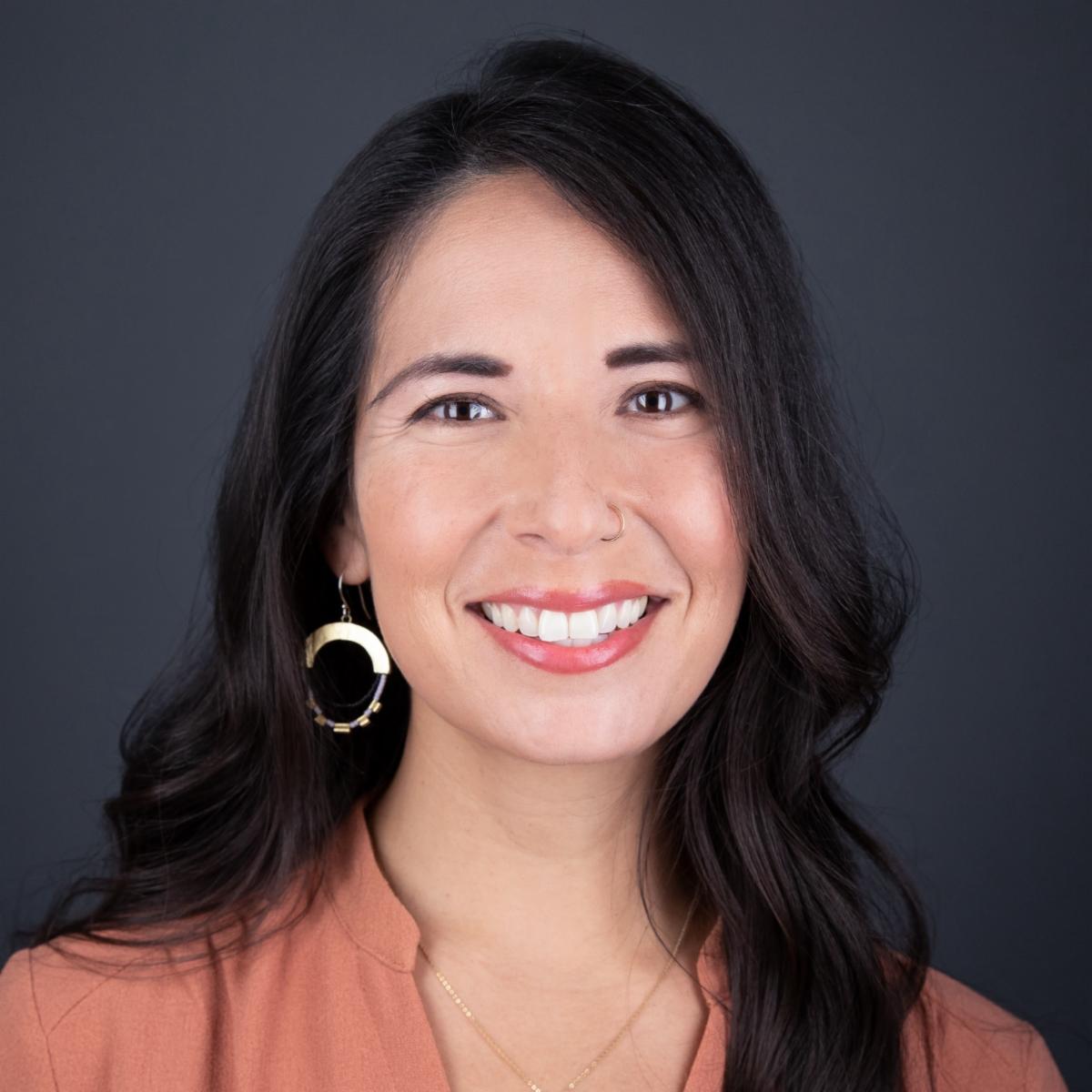
By Cristina Gamboa, MD, Cohort 24 (current fellow)

As humans, we all share a basic need for belonging. Now, imagine being a young woman raised in a household, community, or culture where it was taboo to talk about your health. The first time you felt a pain that took over your lower body—cyclical, debilitating, silencing—you stayed quiet. The fear of speaking about it outweighed your need for relief.


Finally, you take the brave step to seek medical care, perhaps nudged by your mother or sister, who come along to support you. You walk into your community health center heavy with anxiety, uncertain of what to expect. Then your doctor walks in.

There she is. She greets your mother and sister first, gently claps the elder’s hand, sits down right next to you, and says with a smile, “¿Cómo está?” Her presence shatters your expectations of what a doctor looks like. She is petite, brown-skinned, freckled, with dark hair, and she moves about as if she has known you for years—like distant family. She flows between English and Spanish with ease, recognizing that everyone in the room lives in both languages.


This is the power of representation.


October 1st marked National Latino Physician Day—a time to recognize both the contributions of Latino/a/x physicians and the reality of their scarcity. While that date has passed, the message remains urgent. Latinos represent only 6% of the physician workforce, and Latinas make up just 2% of all physicians in the United States. This is in stark contrast to our country’s demographics. The Latino population is among the fastest growing—half of all babies born in California are Latino. By birthrate alone, our population will continue to shape the future of this country.


Representation heals. For communities with histories of marginalization and persistent health disparities, the lack of Latino physicians isn’t just a statistic—it’s a barrier to health equity. Studies show that racial and cultural concordance between patients and providers improves communication, builds trust, increases satisfaction, and leads to better outcomes.


In my 20 years as an OB/GYN, I have seen this truth play out again and again. The moment I walk into an exam room, patients often exhale and say, “¡Qué bueno que habla español!” The energy shifts immediately. Trust forms. The imbalance of power in healthcare softens when there is shared language, culture, and lived experience. Patients feel seen. And when patients feel a sense of belonging, they are more willing to share their stories, their symptoms, their fears. That is when true healing begins.


When a young person comes to me with delayed care for something as common as menstrual cramps, I don’t ask, “Why didn’t you say something sooner? Why didn’t you take medicine? Why did you bring your family?” I already know why. As a Latina myself, I was raised in a culture where reproductive health was surrounded by silence and shame. So instead, I honor that young person’s bravery in showing up. I honor the family who came in support. And I provide safety in the exam room so that conversations once buried in silence can finally surface.


Though National Latino Physician Day and Hispanic Heritage Month have come and gone, the work continues. Recognizing Latino physicians isn’t a one-day observance—it’s a call to action. We must build pathways for future Latino physicians and create spaces where all people see themselves reflected in medicine. Because when healthcare providers reflect the communities they serve, they create belonging.


And belonging heals.


Necesitamos más.


About the Author


Cristina Gamboa, MD, FACOG (she/her/ella) is an OB-GYN and the Director of Population Health for Obstetrics, Midwifery, and Gynecology at Salud Para La Gente. She is currently in Cohort 24 of the fellowship.


She also serves as Core Faculty and DEIB Committee Chair for the Morehouse School of Medicine Dominican Family Medicine Residency Program.

Alumni Board Nominations!

Seeking nominations for:

  • Cohorts 1-3 Rep
  • Cohorts 10-12 Rep
  • Cohorts 13-15 Rep
  • Cohorts 19-21 Rep


Nominations: 10/28-11/23

Elections: 11/24-12/7

RSVP for Alumni Networking with C25


Thursday, December 11, 2025

Omni Hotel San Francisco

[+Outlook] [+Google]

Save the Dates!


Thursday, January 22, 2026

Guest Speaker: Erica Pan, MD, MPH (C12), CDPH Director

Kimpton Saywer Hotel, Sacramento

[+Outlook] [+Google]


Thursday, April 30, 2026

Manchester Grand Hyatt

San Diego

[+Outlook] [+Google]


Thursday-Friday, September 24-25, 2026

Omni Hotel Los Angeles

[+Outlook] [+Google]

Now Open:

Managing to Leading Program Applications


Deadline: 2/13/2026

Cedars-Sinai Managing to Leading (M2L) is a yearlong, transformative leadership program for mid-career clinicians and administrative staff at community clinics in Los Angeles. This no-cost program equips emerging leaders with the knowledge, resilience, skills, and confidence to effectively guide change within organizations and improve health care delivery across the safety net. 


Sponsored by Cedars-Sinai and developed and managed by Healthforce Center at UCSF, the proven curriculum includes in-person, experiential seminars; an applied learning component; and facilitated peer coaching. See details on the program structure and seminar dates, participant eligibility and requirements, and the application process.

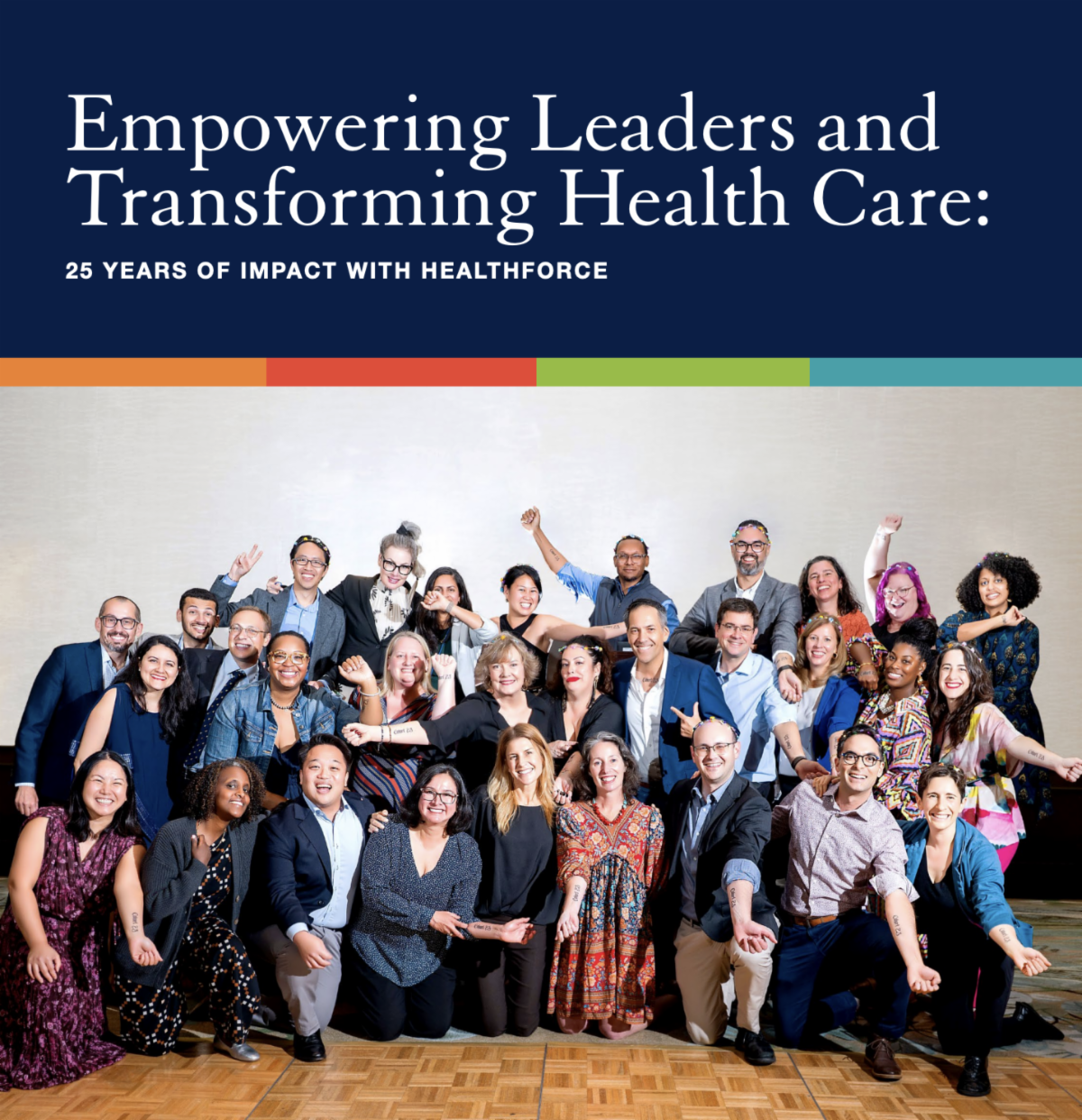
ICYMI: New Report on the CHCF Leadership Program!

Share and Update!

We invite alumni updates and successes of alumni California Health Improvement Projects (CHIPs).

Past Newsletters

October 2025 - Welcome C25

September 2025 - When "Up"..

August 2025 - A Gift...

July 2025 - Alumni Updates


[earlier newsletters]

CHCF Alumni Network | https://tinyurl.com/chcfalumni


Healthforce Center at UCSF | http://healthforce.ucsf.edu

STAY CONNECTED:
Linkedin